Mercedes Sosa
 ArgentinaartistFemaleb. 19357.6Global Dominance: 0.00%
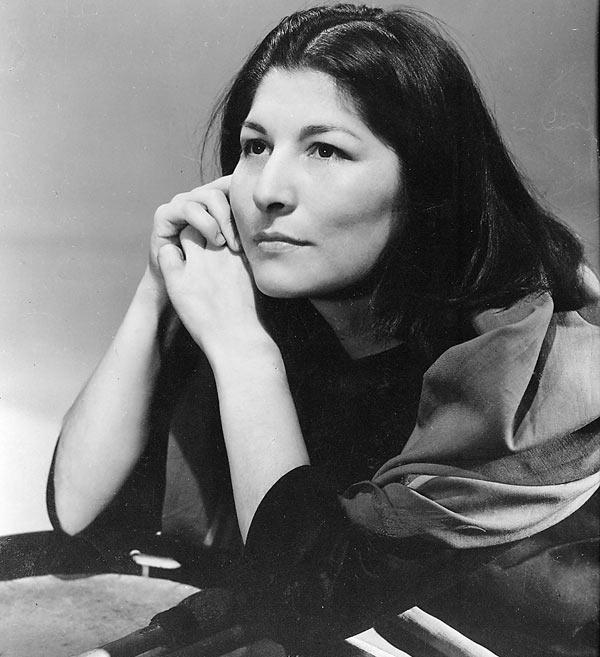
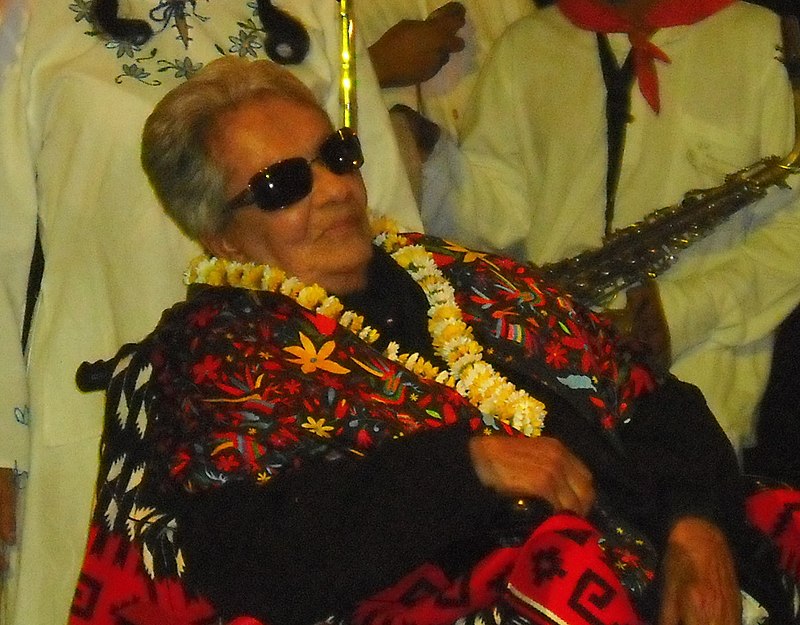
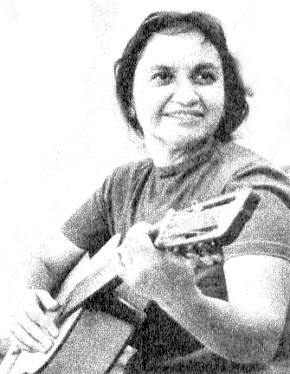
Mercedes Sosa was an iconic Argentine singer known as 'La Negra,' celebrated for her powerful voice and her role in popularizing folk music, particularly the Nueva Canción movement, which addressed social and political issues in Latin America.
Country presence
Recent news mentions
Mercedes Sosa is referenced for her song that reflects on change.
Laboratorio GothamArgentina· 2026-09-23



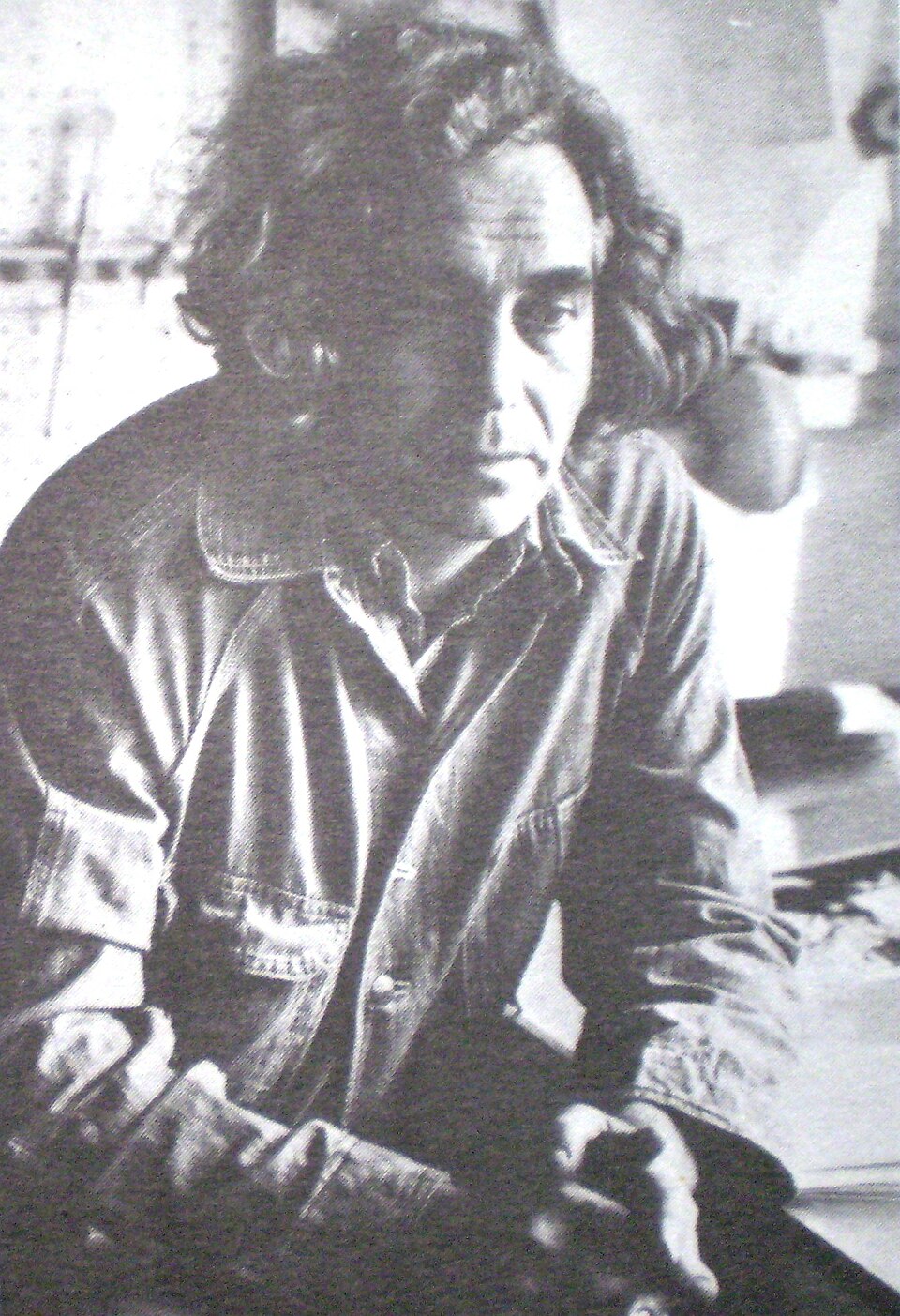
Mercedes Sosa compared Carlos Alonso's painting to singing a poem of protest.
El pincel indomable de la memoria y la condición humanaArgentina· 2026-09-21



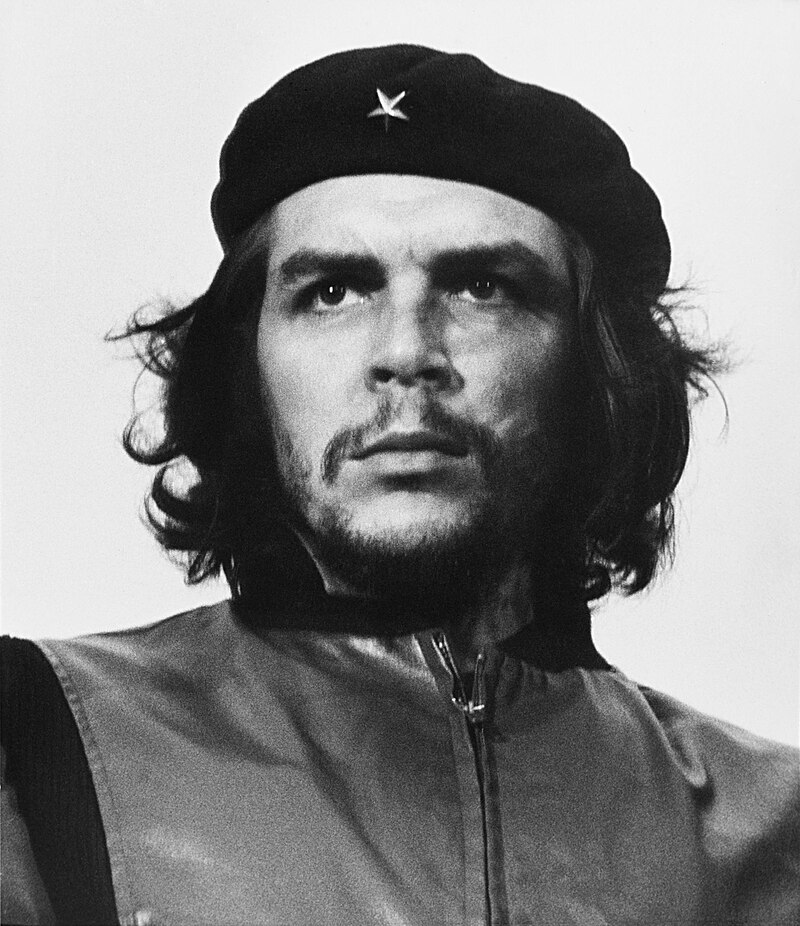

Mercedes Sosa is remembered by Jorge Drexler during his concert as a significant influence on his music.
Tara-cá, tara-cá, tara-cá: así latió la noche de Jorge Drexler en Costa Rica Costa Rica· 2026-09-13


Mercedes Sosa is mentioned as a significant voice in the music that the speaker grew up with.
Cuando estoy en el escenario y un montón de personas cantan una canción mía, no deja de emocionarme y sorprenderme, porque no es rutina Uruguay· 2026-09-10



Mercedes Sosa was one of the star voices at the festival Siete Días con el Pueblo.
Grandes espectáculos en la memoria dominicana, un recorrido de 70 años Dominican Republic· 2026-07-27







Mercedes Sosa's version of 'De fiesta en fiesta' represents the everyday life of Argentines.
los músicos argentinos eligen la canción que mejor representa el ser nacionalArgentina· 2026-07-09

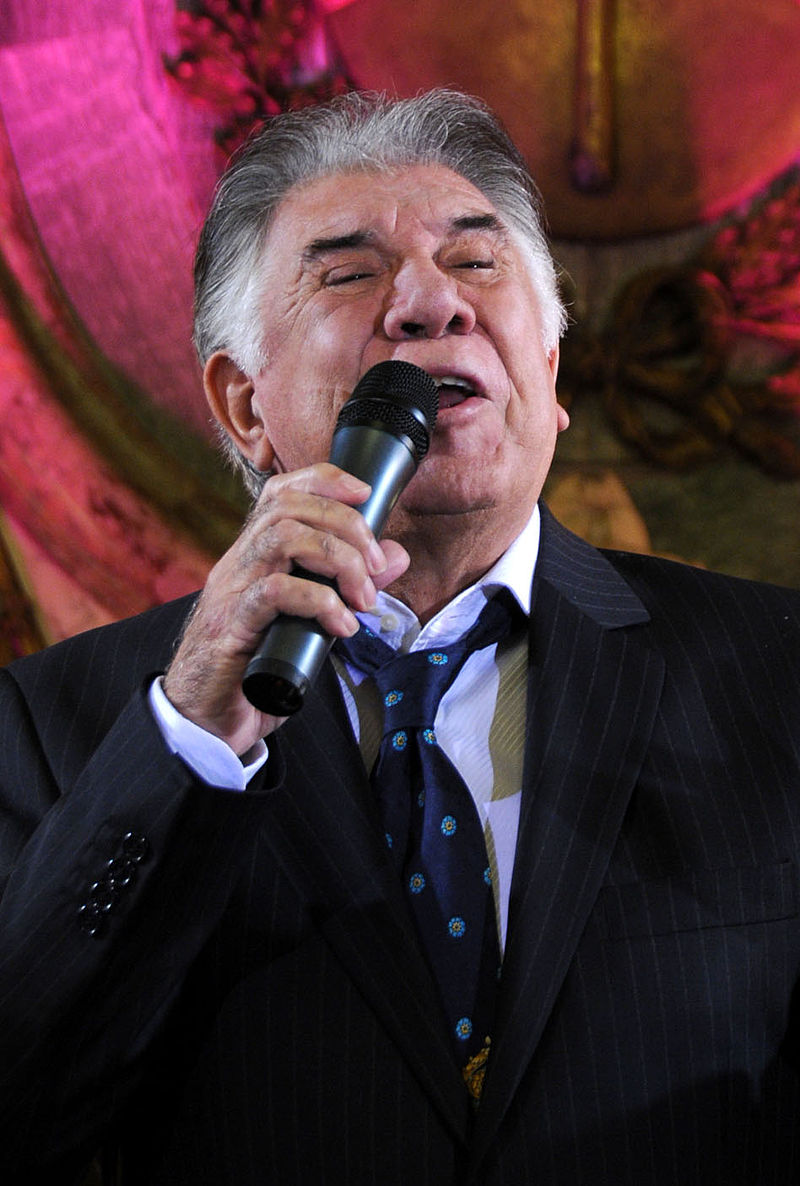



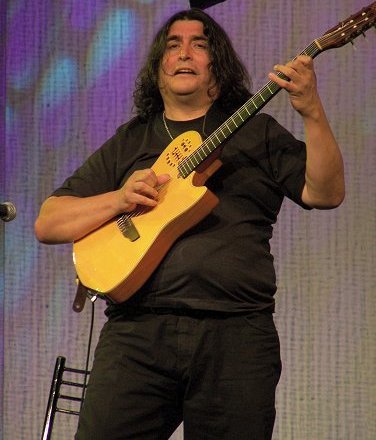


She was an Argentine singer.
Efemérides del 9 de julio: ¿Qué pasó en el mundo un día como hoy? | Argentina | Congreso de Tucumán | Río de la Plata | Últimas Peru· 2026-07-09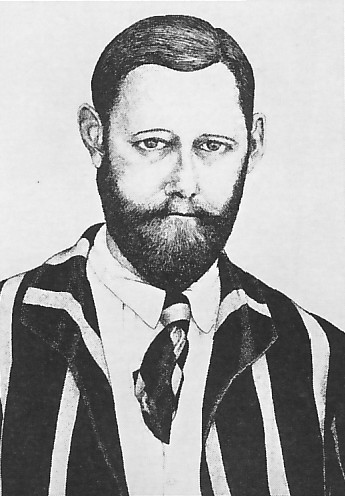



Mercedes Sosa's rendition of the song 'Alfonsina y el mar' brought the story of Alfonsina Storni to the world.
AlfonsinaDominican Republic· 2026-07-05
Mercedes Sosa is referenced as the greatest 'cantora' whose voice underscores the film's themes of struggle and resistance.
‘Belén’, un enérgico drama judicial sobre el caso que impulsó ‘la ola verde’ de las mujeres argentinas | Cine: estrenos y críticas Spain· 2026-03-01



Mercedes Sosa is recalled as a notable Argentine figure who emigrated to Europe after the political turmoil.
El hombre que recorrió la Argentina en carretillaArgentina· 2026-03-01




Mercedes Sosa is an Argentine singer known for her rendition of 'Todo cambia', which Luz Casal now sings.
Luz Casal: “El marquesado es un honor, pero seguiré siendo macarra y pintándome los labios de rojo” | CulturaSpain· 2026-01-11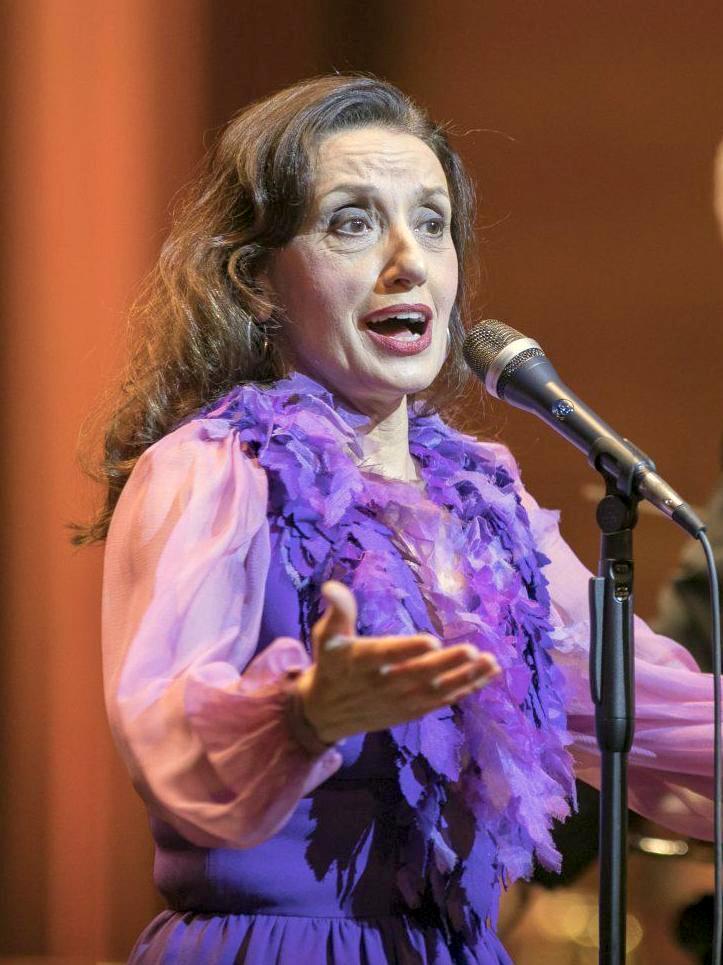





Mercedes Sosa is celebrated for her rendition of 'Dale alegría a mi corazón'.
la temática de la hinchada y las canciones del Canario Luna y Mercedes SosaUruguay· 2025-12-25
Mercedes Sosa is referenced in the context of her influence on other artists.
el festival que empezó en una tormenta y hace jugar a los músicos, festeja 30 añosUruguay· 2025-12-21






Mercedes Sosa is another cancionera who inspired Natalia Lafourcade in her musical journey.
Natalia Lafourcade habla de su próxima visita a Colombia y del álbum con el que ganó el Grammy Colombia· 2025-11-15

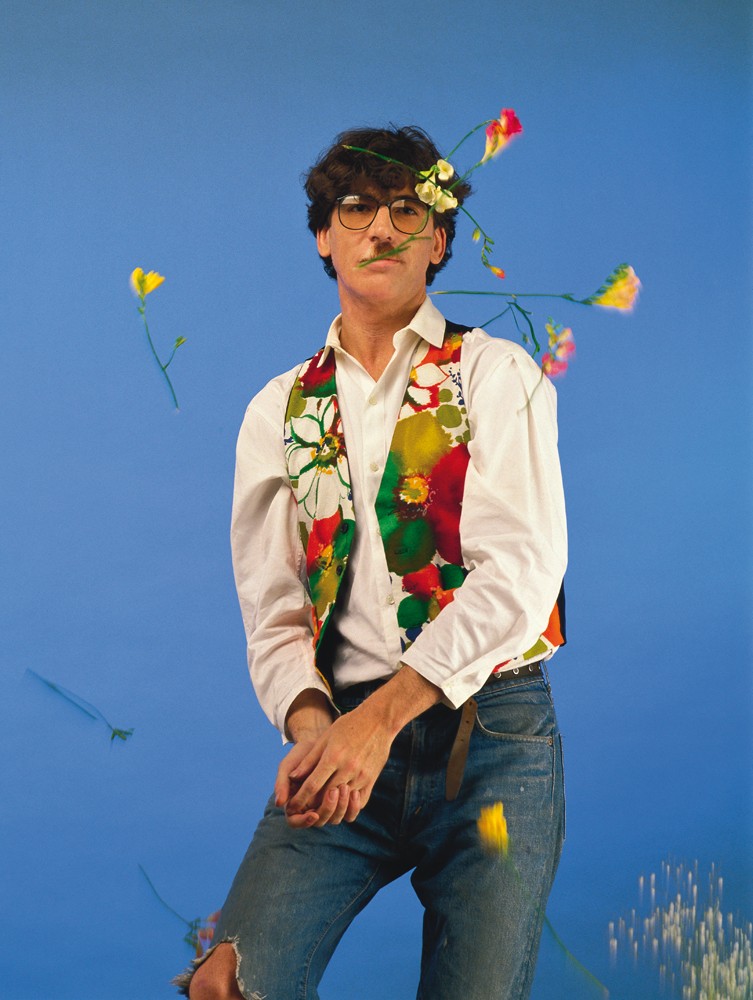
Charly García mentioned Mercedes Sosa, who won the same distinction years ago.
Charly García recibió en persona su estatuilla, se emocionó y recordó a Mercedes SosaArgentina· 2025-11-12






Mercedes Sosa is referenced in connection with Cacho de la Cruz's experiences and the cultural landscape of the time.
Si no te das cuenta cuándo retirarte de la televisión es porque sos un estúpidoUruguay· 2025-11-07





Mercedes Sosa is mentioned by Guillermo Francos as part of his affirmation to remain in the Government.
Guillermo Francos citó a María Elena Walsh y Mercedes Sosa para afirmar que no se va del GobiernoArgentina· 2025-10-30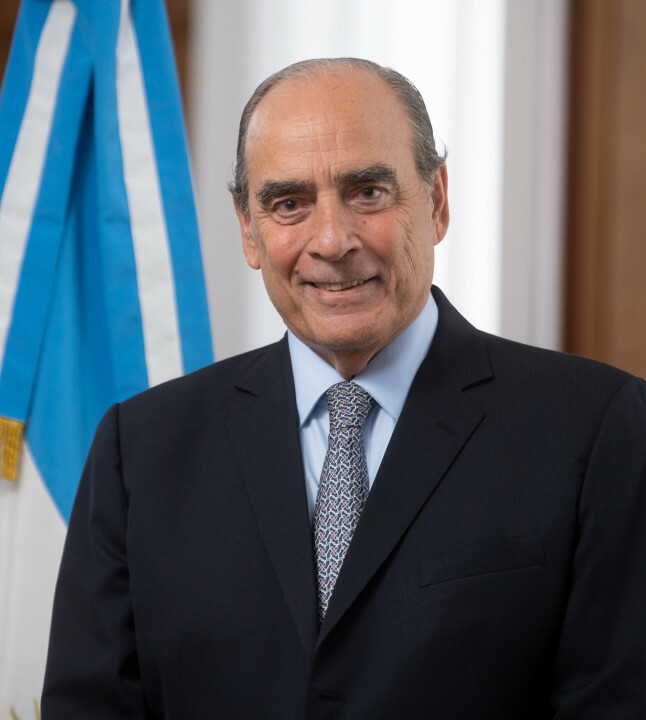
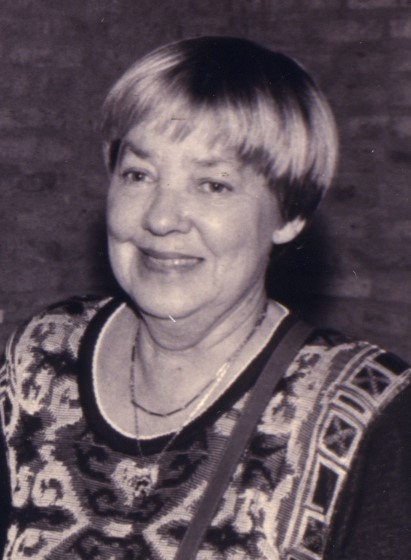



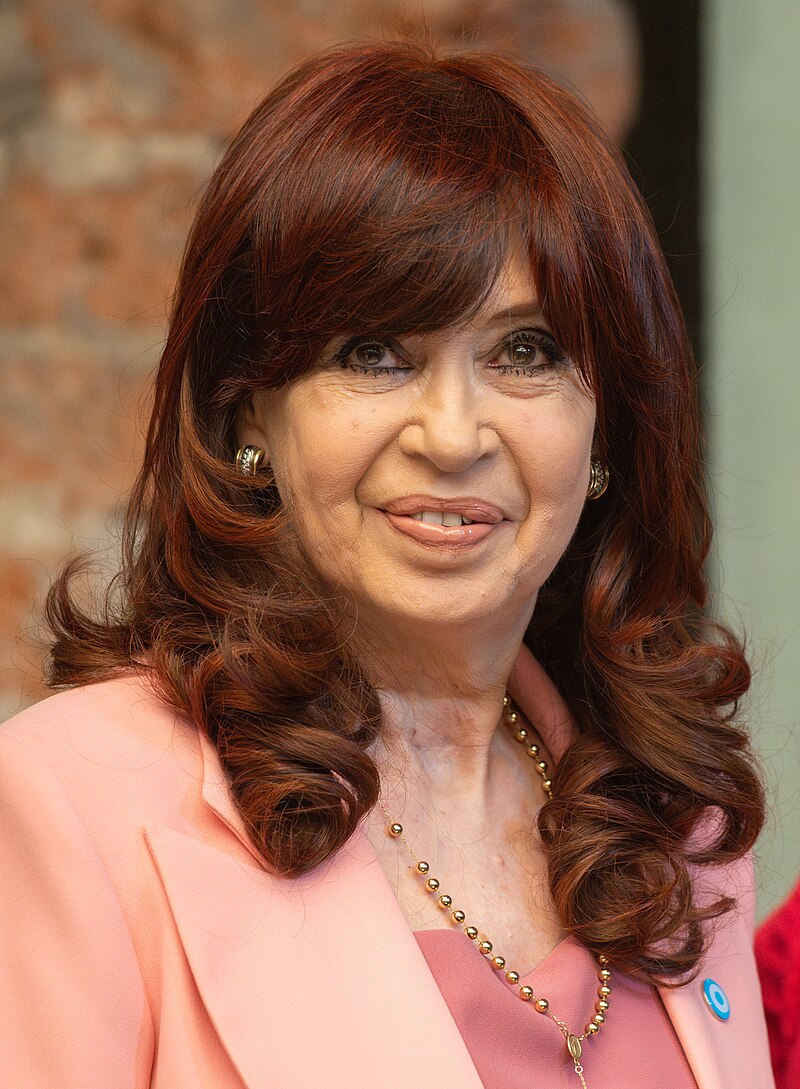
Mercedes Sosa is referenced for her song that reflects on the themes of love and memory.
El odio como alimento: una historia sin nexos con la políticaCosta Rica· 2025-10-25

Mercedes Sosa previously won the Konex de Brillante in 1995.
fue elegido Konex de Brillante, el premio que antes ganaron Mercedes Sosa, Atahualpa, Salgán y SaluzziArgentina· 2025-09-26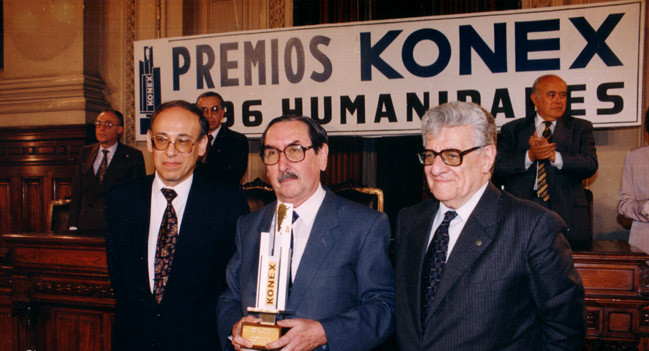
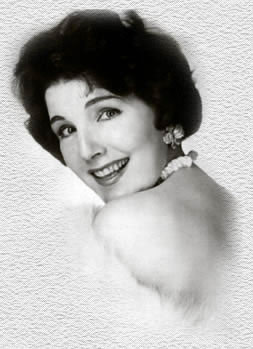


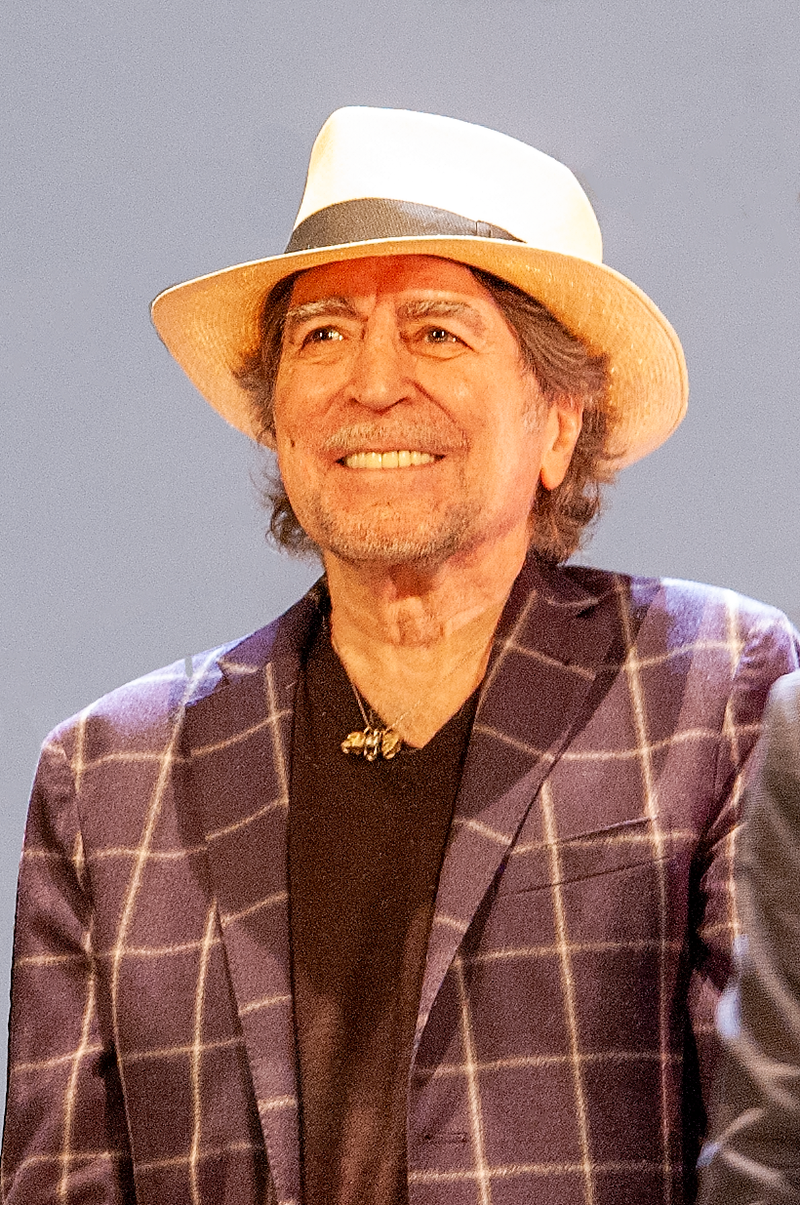
Mercedes Sosa is mentioned as a legendary figure in music whom David Byrne was introduced to by León Gieco.
Vuelve David Byrne, el eterno inconformista: “Hago música como resistencia a lo que leo en la prensa” | EL PAÍS SemanalSpain· 2025-08-31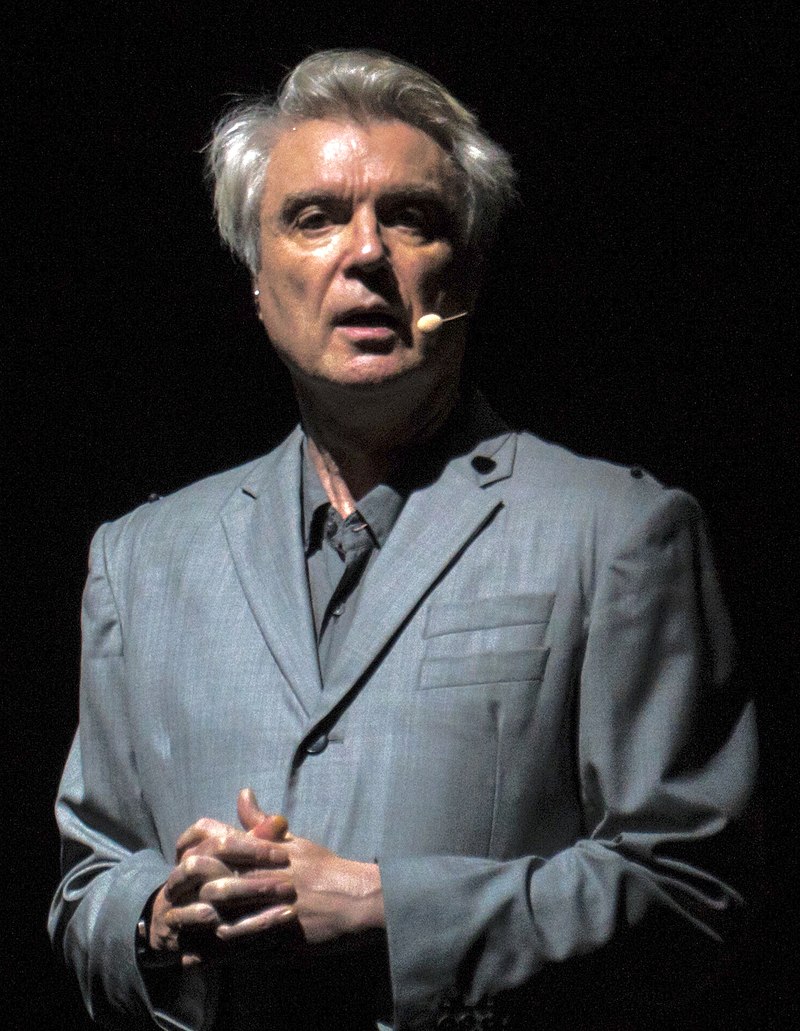









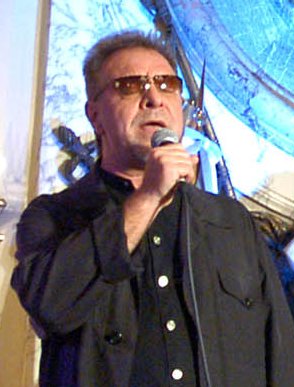

Raúl Barboza shared the stage with renowned figures like Mercedes Sosa.
A los 87 años murió Raúl Barboza, el músico y embajador mundial del chamaméArgentina· 2025-08-28
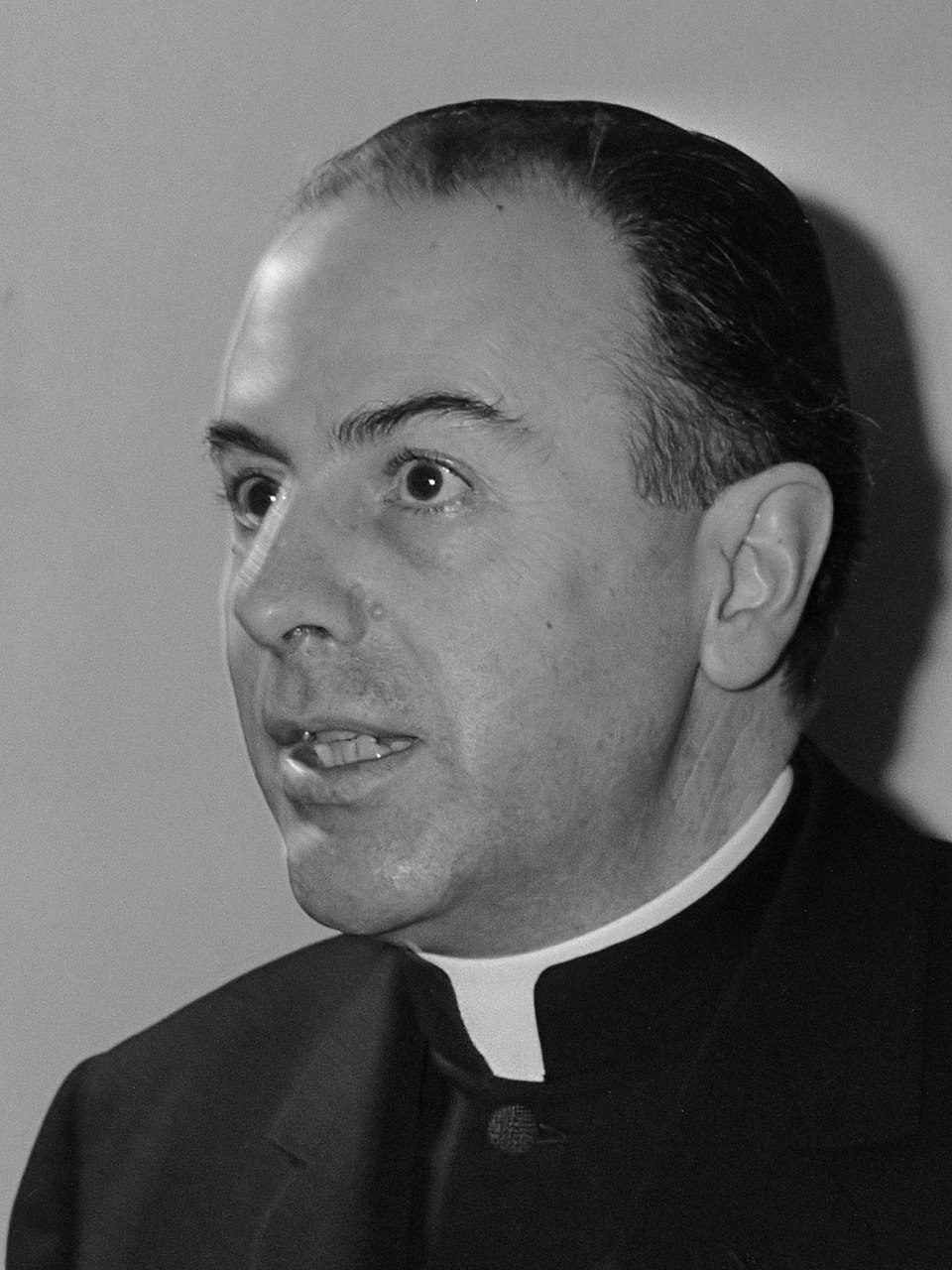


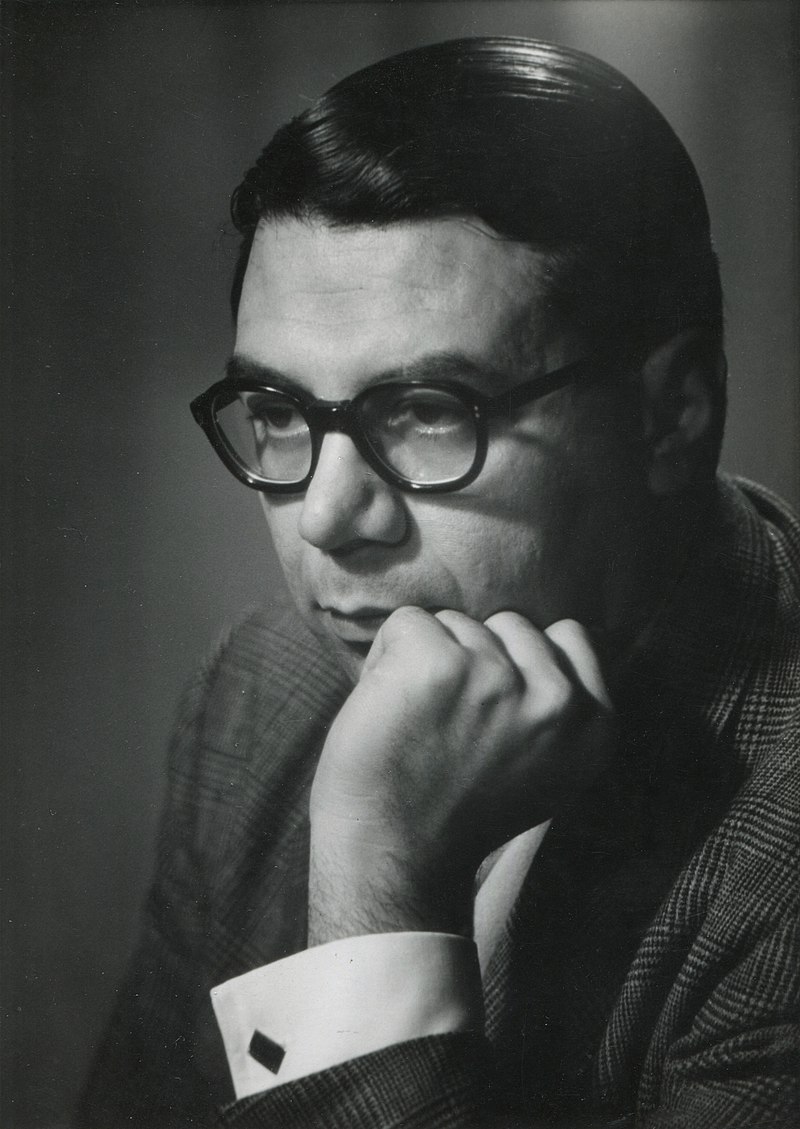
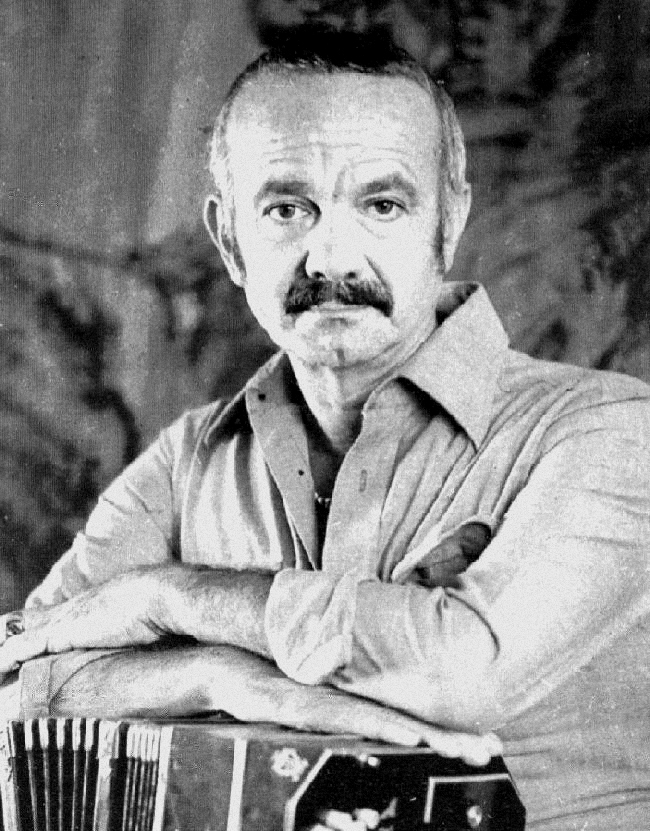



Mercedes Sosa was a renowned Argentine folk singer who passed away at the age of 74.
Una multitud despidió a la Negra SosaArgentina· 2025-08-25




Gabi Hartmann wanted to pay tribute to Mercedes Sosa by covering her song La Pomeña.
"On a eu beaucoup de bons retours, de gens et de journalistes qui ne viennent pas forcément du jazz": de passage à Saint-Paul de Vence, la révélation Gabi Hartmann savoure son succès Monaco· 2025-07-25






Lopez honored Mercedes Sosa with the song 'Gracias a la vida'.
Jennifer Lopez strălucește în turneul „Up All Night” în ținute care redefinesc glamour-ul de scenă Romania· 2025-07-20

Jennifer López sang 'Gracias a la vida' by Mercedes Sosa during her performance.
Rockera, cabaretera, sexy y hasta flamenca: Jennifer López reclama en Madrid su trono en el olimpo del pop mundial | CulturaSpain· 2025-07-14




Mercedes Sosa's collection was recognized at the Premios Gardel 2025.
los primeros ganadores y la pulseada por el Oro entre Charly García y Ca7riel-PacoArgentina· 2025-06-18








Mercedes Sosa was a celebrated Argentine folk singer who played a significant role in the music scene during the democratic transition.
Mundos íntimos. La primera vez que canté “Me echó de su cuarto gritándome, no tienes profesión” entendí qué era ser adulto.Argentina· 2025-06-08


Mercedes Sosa is quoted in relation to the unity of Latin America.
aeropuerto Jorge Chávez | Dina Boluarte | MEF | Ipsos | Los últimos del salón, por Diego Macera | OPINIONPeru· 2025-06-01
Mercedes Sosa is a celebrated Argentine singer whose music was associated with political resistance.
‘El eternauta’: la mirada de un exiliado de la dictadura argentina a la serie del momentoCosta Rica· 2025-05-27


Julio Lagos faced difficulties when trying to play Mercedes Sosa's music on the radio.
“La radio tiene complejo de inferioridad y se llenó de trovadores de la política”Argentina· 2025-05-26