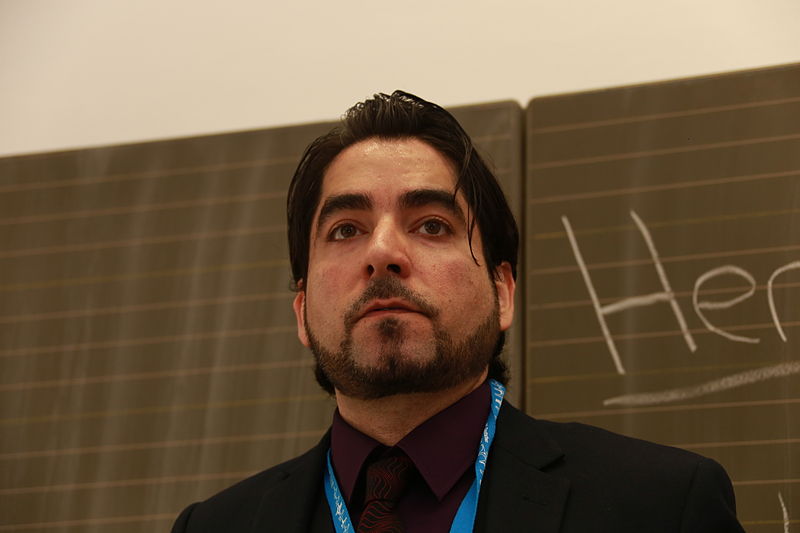
Mouhanad Khorchide
 SwitzerlandacademicMaleb. 19695.0Global Dominance: 0.00%
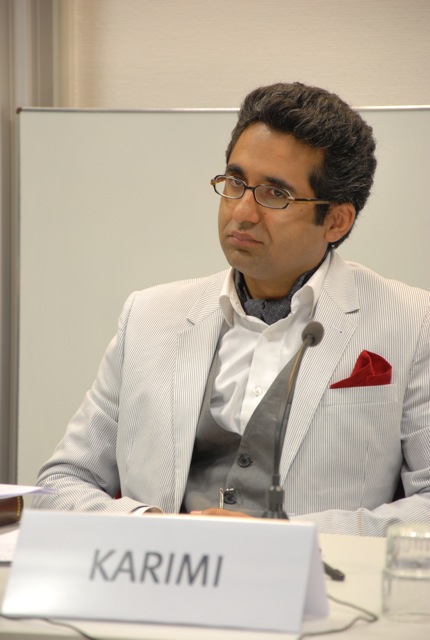
Mouhanad Khorchide is a prominent professor of Islamic theology known for his critical perspectives on radical interpretations of Islam. He has been vocal about the role of social media platforms like TikTok and Telegram in disseminating extremist content and has expressed concerns regarding their impact on young people. In light of recent terror attacks, Khorchide has advocated for greater scrutiny of these platforms, highlighting the dangers posed by hate speech and radical ideologies that thrive in such online environments.
Country presence
Recent news mentions
Mouhanad Khorchide is the dean of Germany's first Islamic theological faculty and advocates for a liberal interpretation of Islam.
Der Terror kam aus HamburgSwitzerland· 2026-09-10
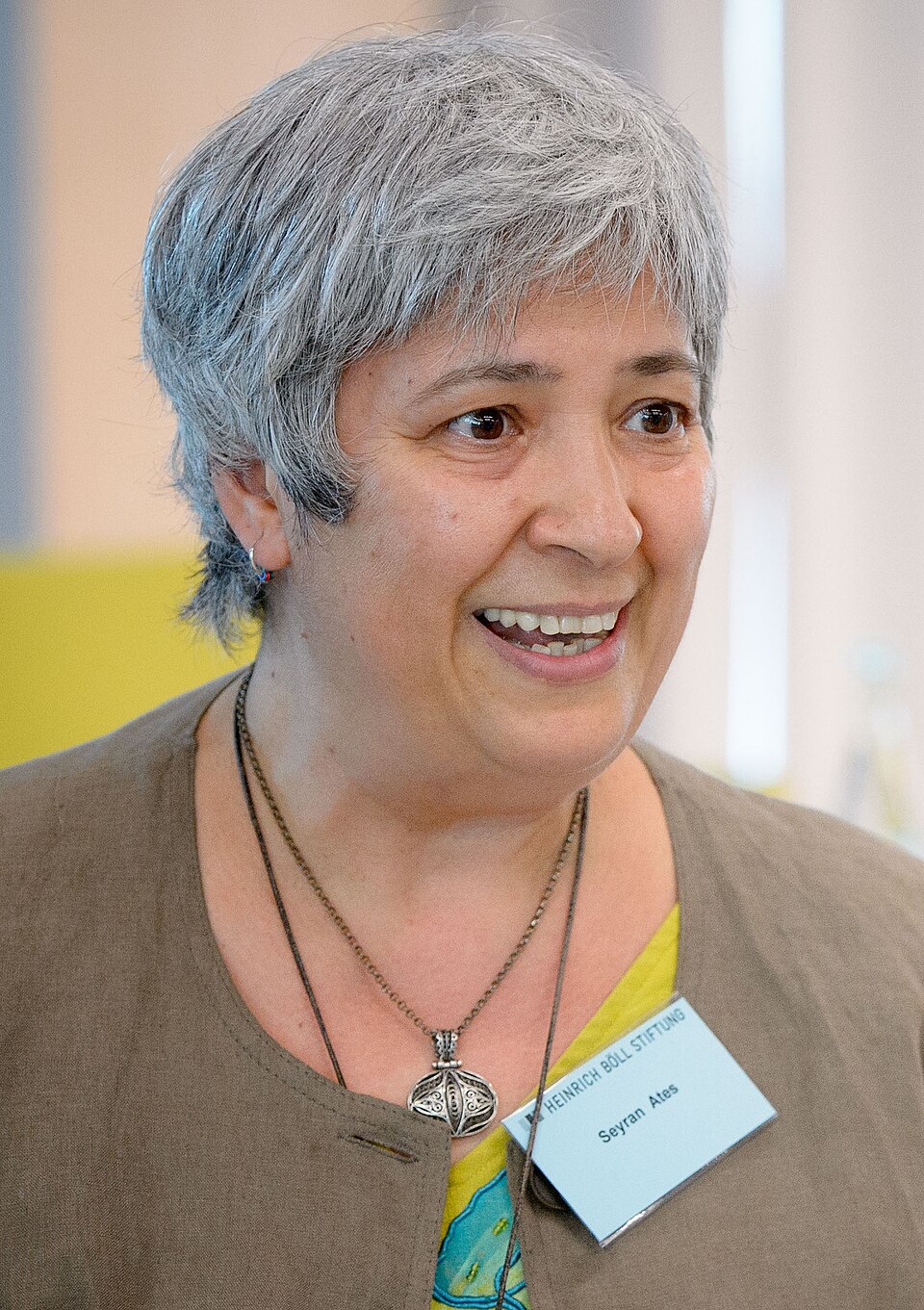
Mouhanad Khorchide is the dean of Germany's first Islamic theological faculty and advocates for a liberal interpretation of Islam.
«Wir brauchen einen europäischen Islam», sagt Mouhanad KhorchideSwitzerland· 2026-07-30
Mouhanad Khorchide is the founding dean of the Islamic Theology Faculty at the University of Münster.
După atentatul de la CSD: Ce spun musulmanii din Germania Romania· 2026-07-30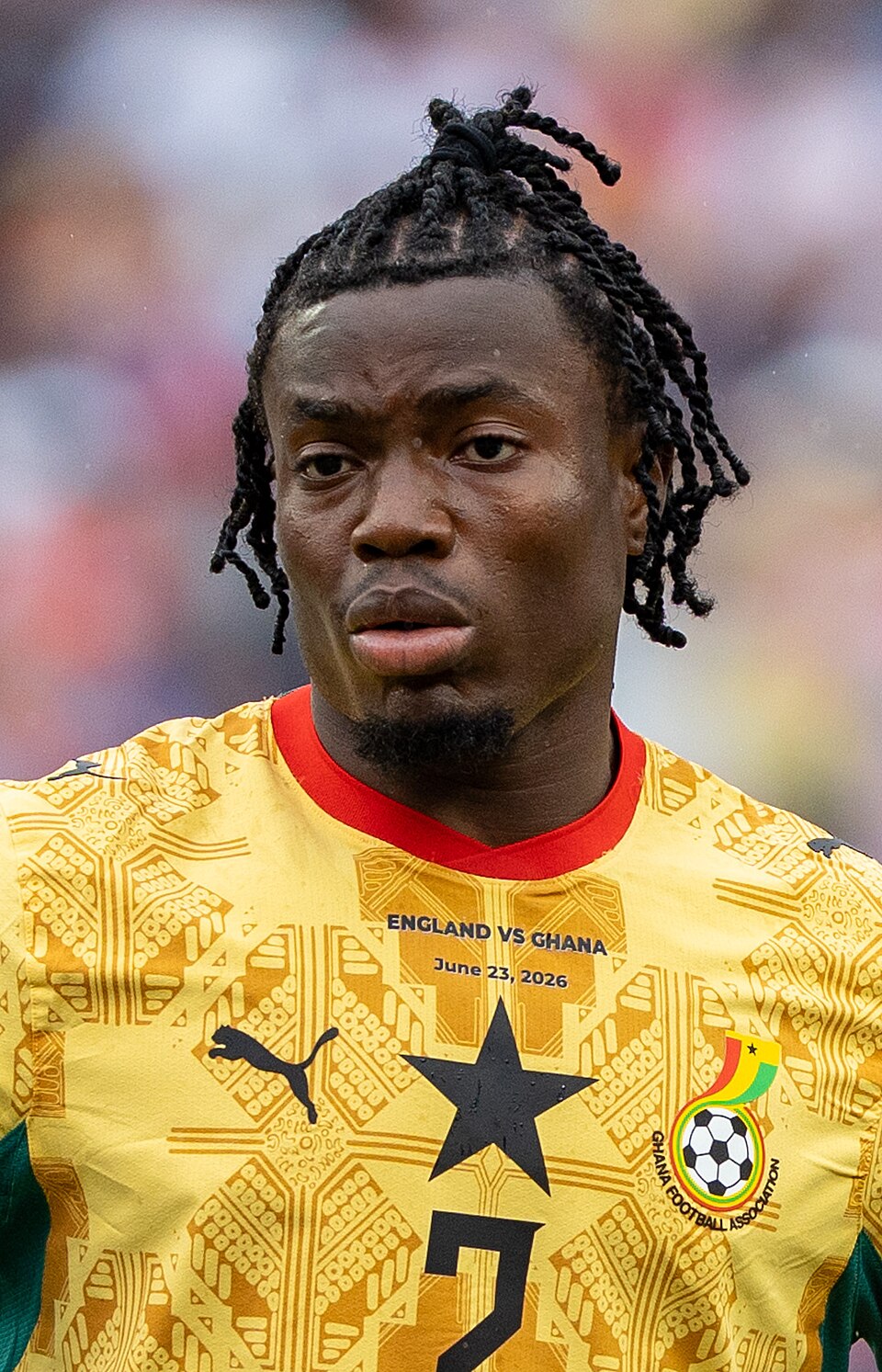
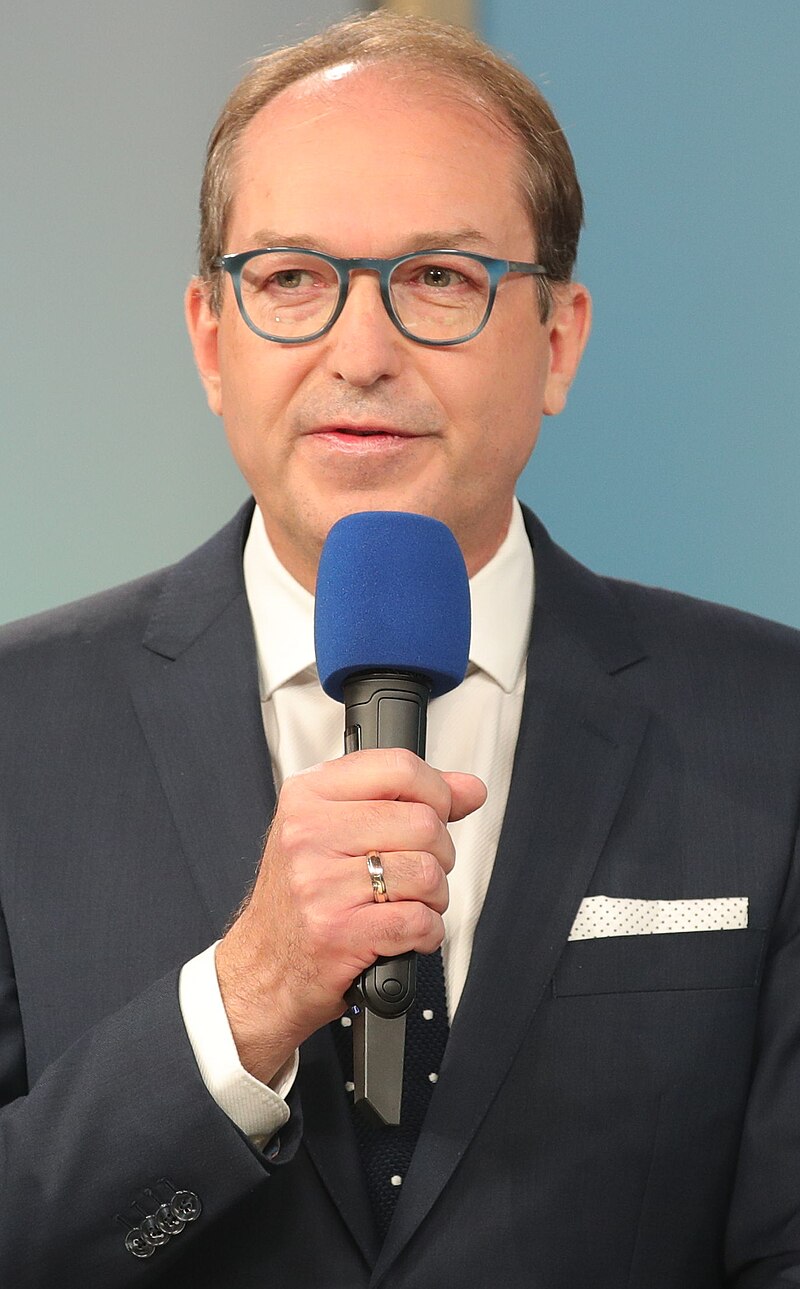


Mouhanad Khorchide is the founding dean of the new Islamic theology faculty at the University of Münster.
Germania: S-a deschis prima facultate de teologie islamicăRomania· 2026-07-03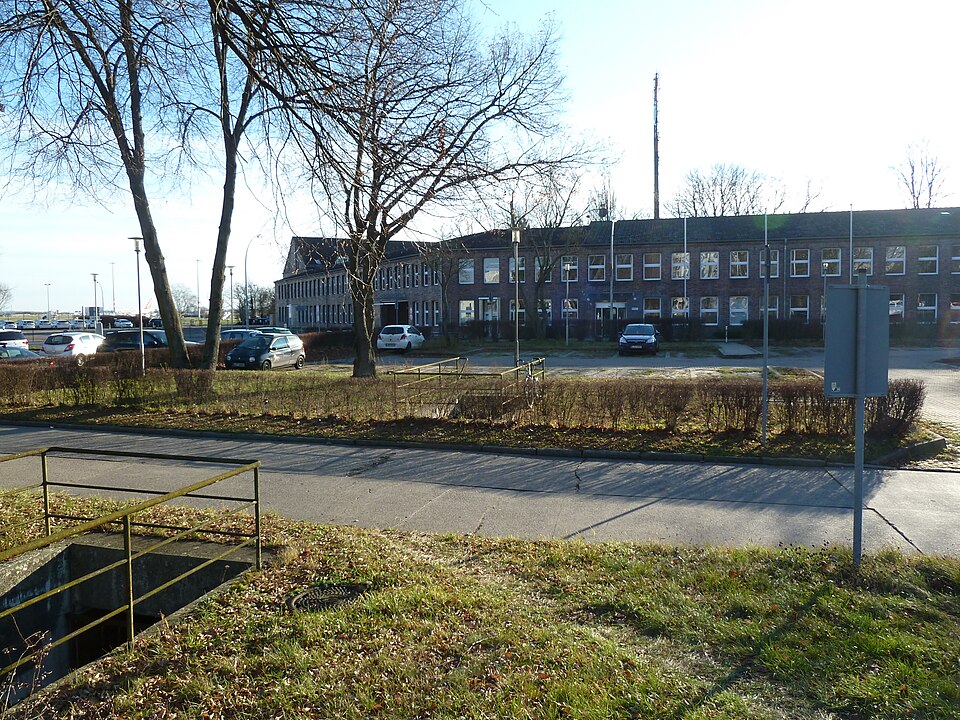
Mouhanad Khorchide initiated the Muslim Forum Austria, which discusses the role of fashion in Islam.
Islamwissenschafter zum Kopftuch: "Es entsteht eine Halal-Haram-Generation" - Bildung Austria· 2025-12-03
Mouhanad Khorchide is an Islamic theologian who undertook the pilgrimage to Santiago de Compostela.
Muslim Khorchide auf dem Jakobsweg: "Beim Pilgern kommt man sich selbst näher" - InlandAustria· 2025-04-18Mouhanad Khorchide is an Islamic theologian who undertook the pilgrimage to Santiago de Compostela.
Muslim Khorchide auf dem Jakobsweg: "Beim Pilgern kommt man sich selbst näher" - InlandAustria· 2025-04-18Mouhanad Khorchide discusses the impact of TikTok on radicalization.
Islamtheologe Mouhanad Khorchide: "Tiktok an sich radikalisiert nicht" - InlandAustria· 2025-02-22Mouhanad Khorchide is a professor of Islamic theology who commented on the impact of platforms like Tiktok and Telegram in relation to radicalization.
Tiktok und Telegram: Zwischen Verbotsideen und Überwachungsfantasien - NetzpolitikAustria· 2025-02-19