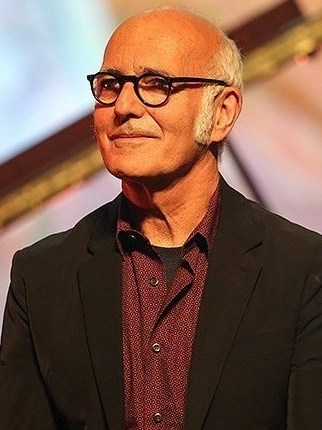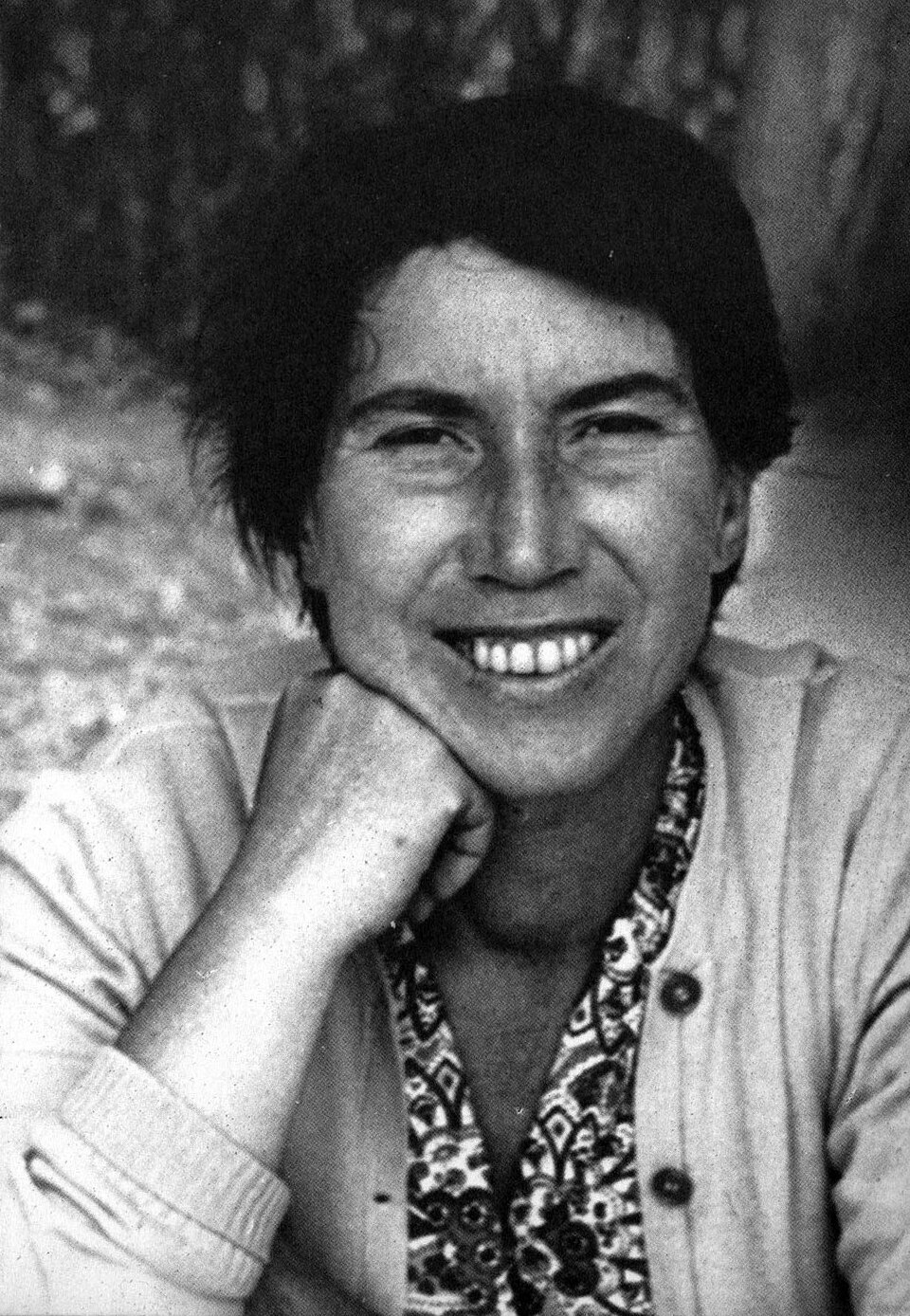
Natalia Ginzburg
Natalia Ginzburg was an influential Italian author and playwright, known for her poignant explorations of family dynamics and social issues in mid-20th century Italy. Born in 1916, she became a prominent literary figure, celebrated for her novels, essays, and plays that often drew from her own life experiences, including the impact of World War II. Ginzburg's work is notable for its simplicity and emotional depth, earning her a place among the most important Italian writers of her time.
Not in the pool (under ¢1).
Recent news mentions
Natalia Ginzburg is portrayed as a surprising and insightful writer.
Le interviste di Biagi: Andreotti, Fo, Fellini e il mondo di Ginzburg. Il libro in edicola gratis martedi 21 luglio con il «Corriere» Italy· 2026-07-20
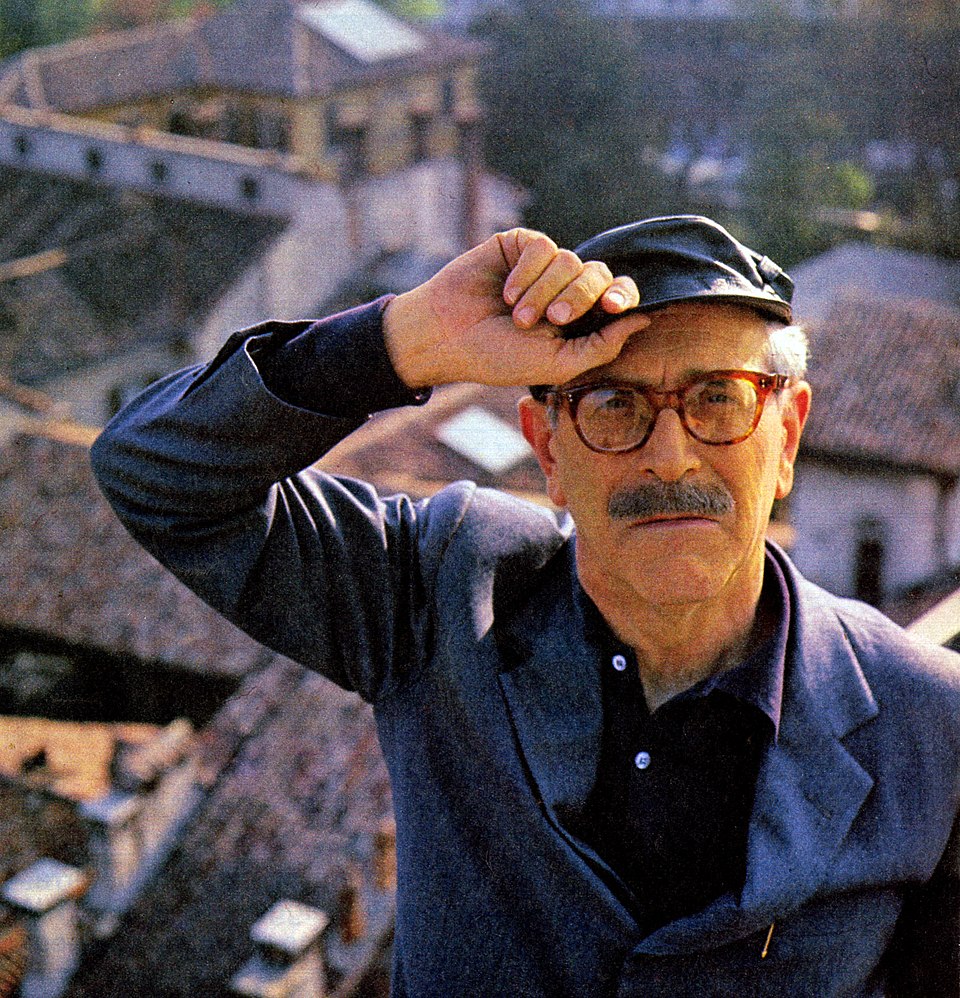
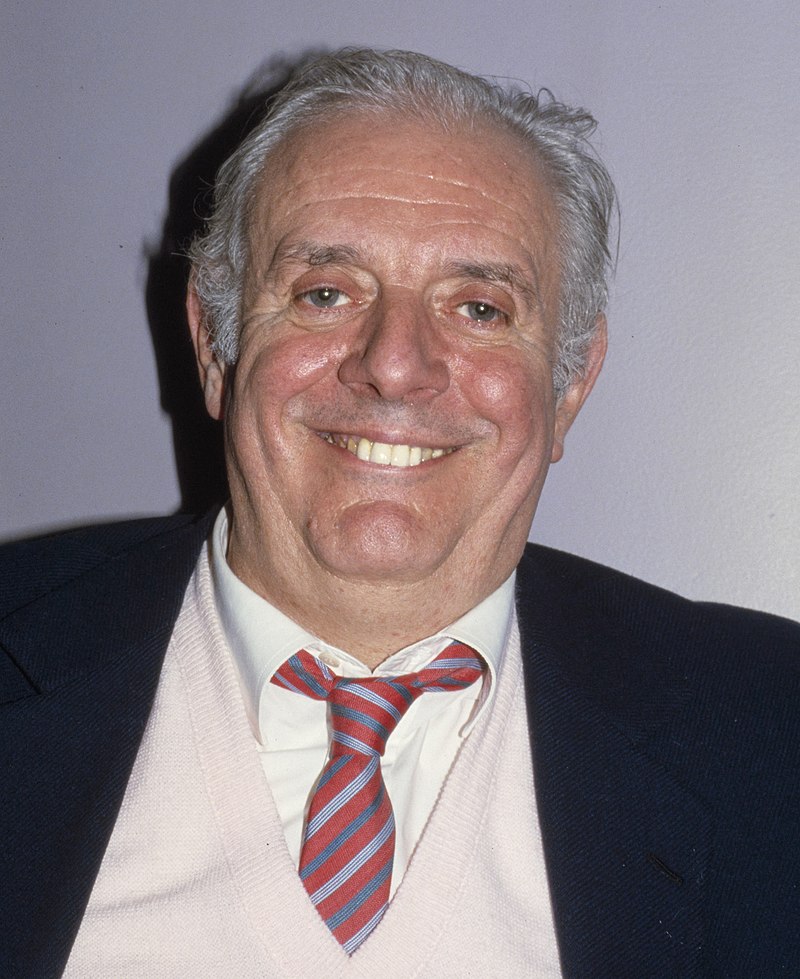
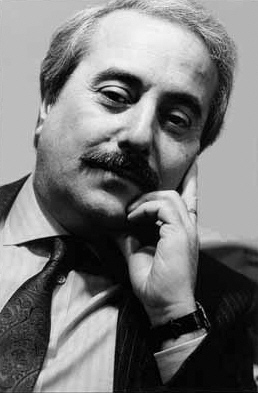
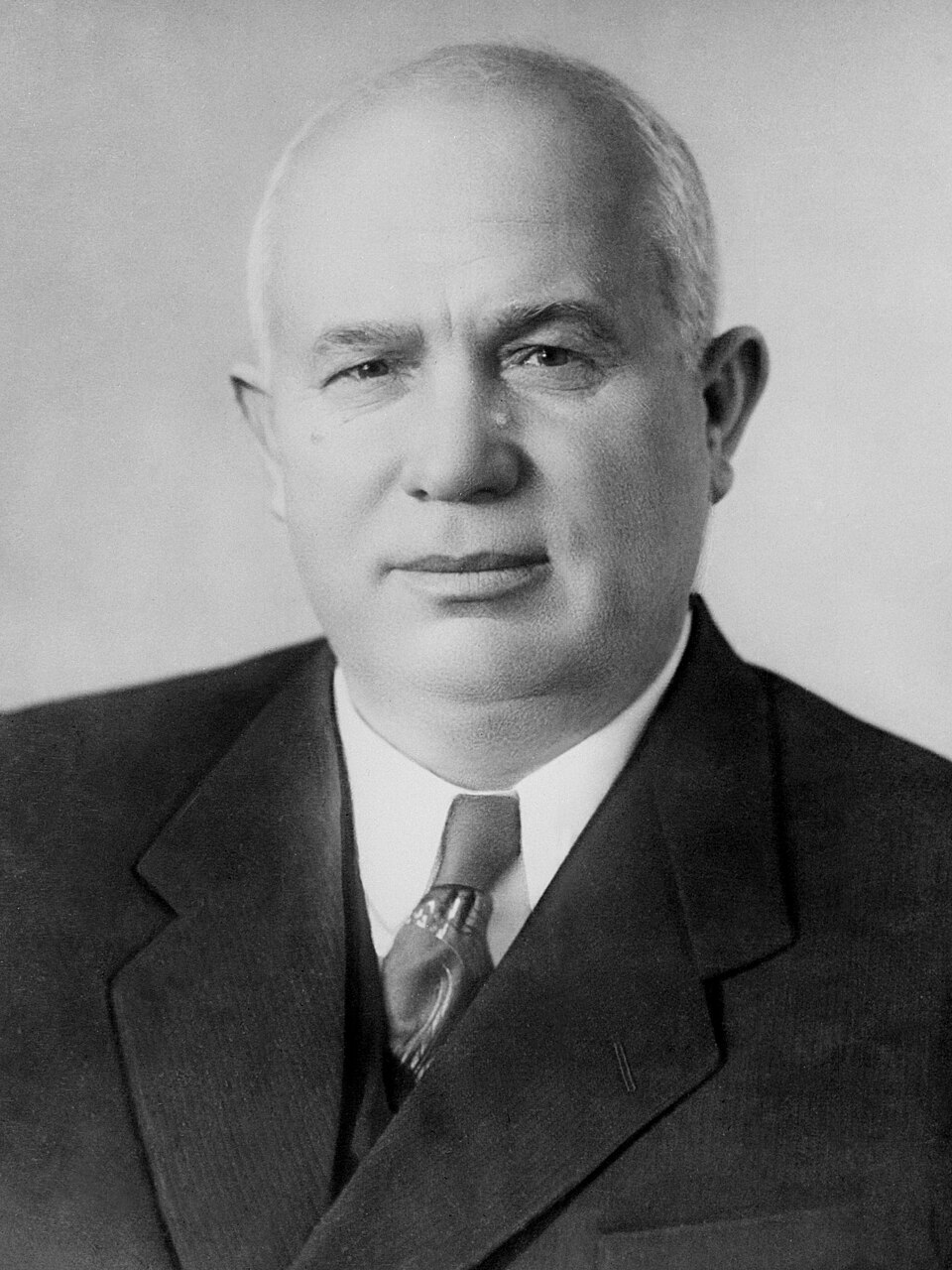
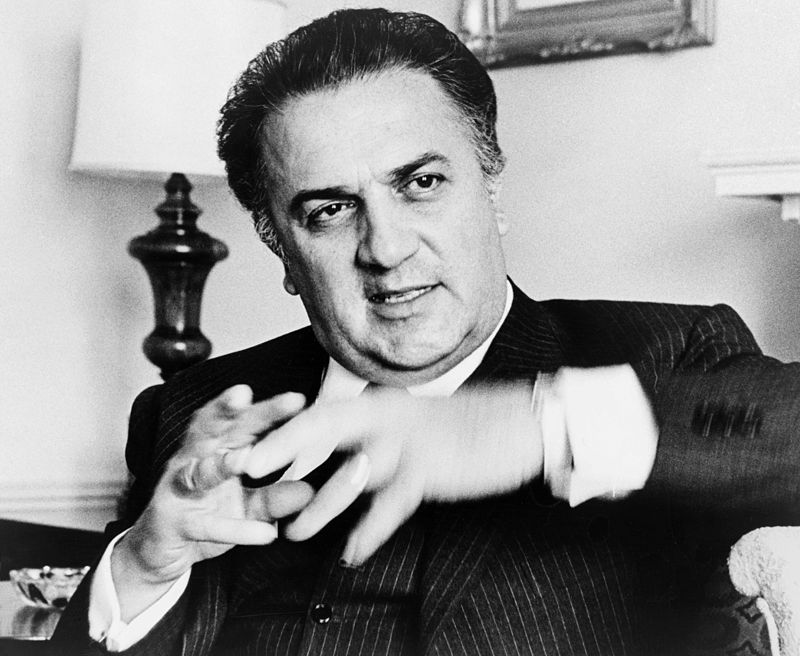
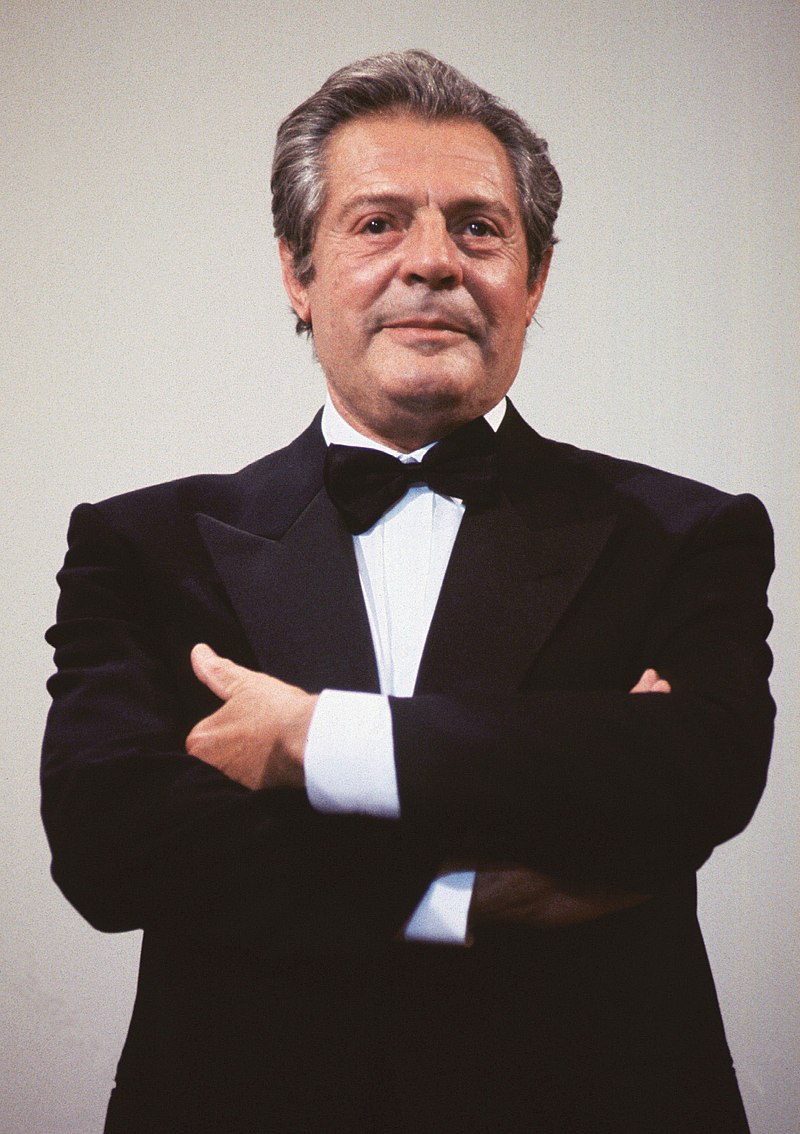
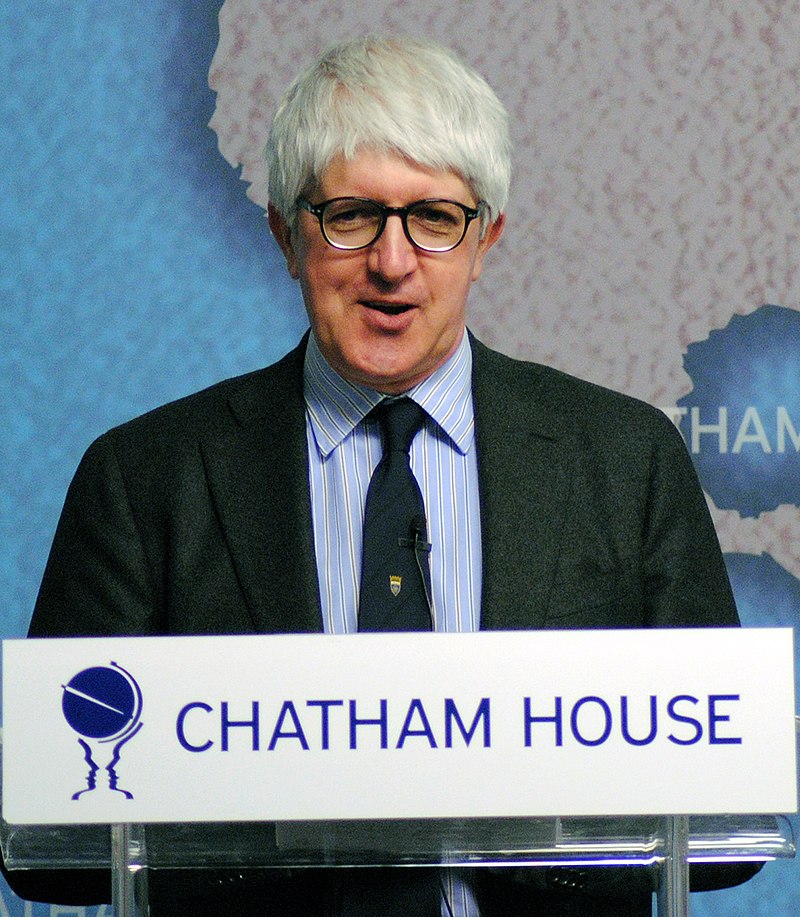
Natalia Ginzburg's book 'Familjelexikon' explores the expressions and linguistic peculiarities that create family amidst growing fascism.
Fem böcker som väcker längtan till Italien Sweden· 2026-07-17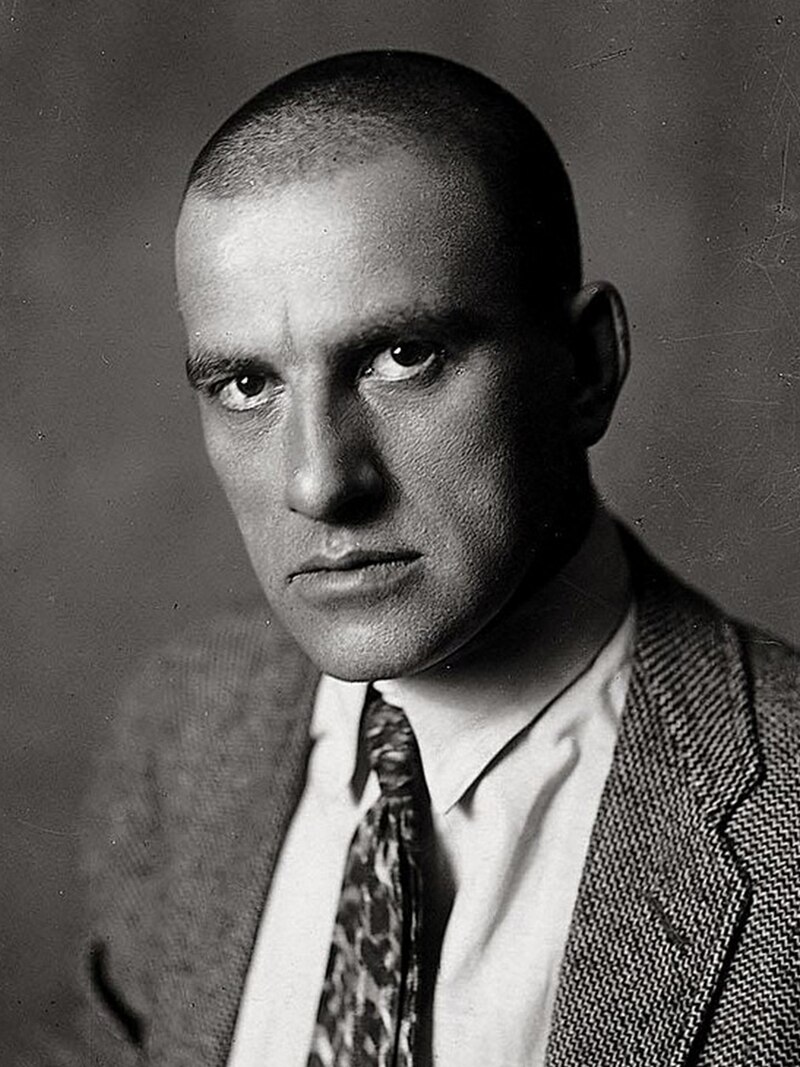
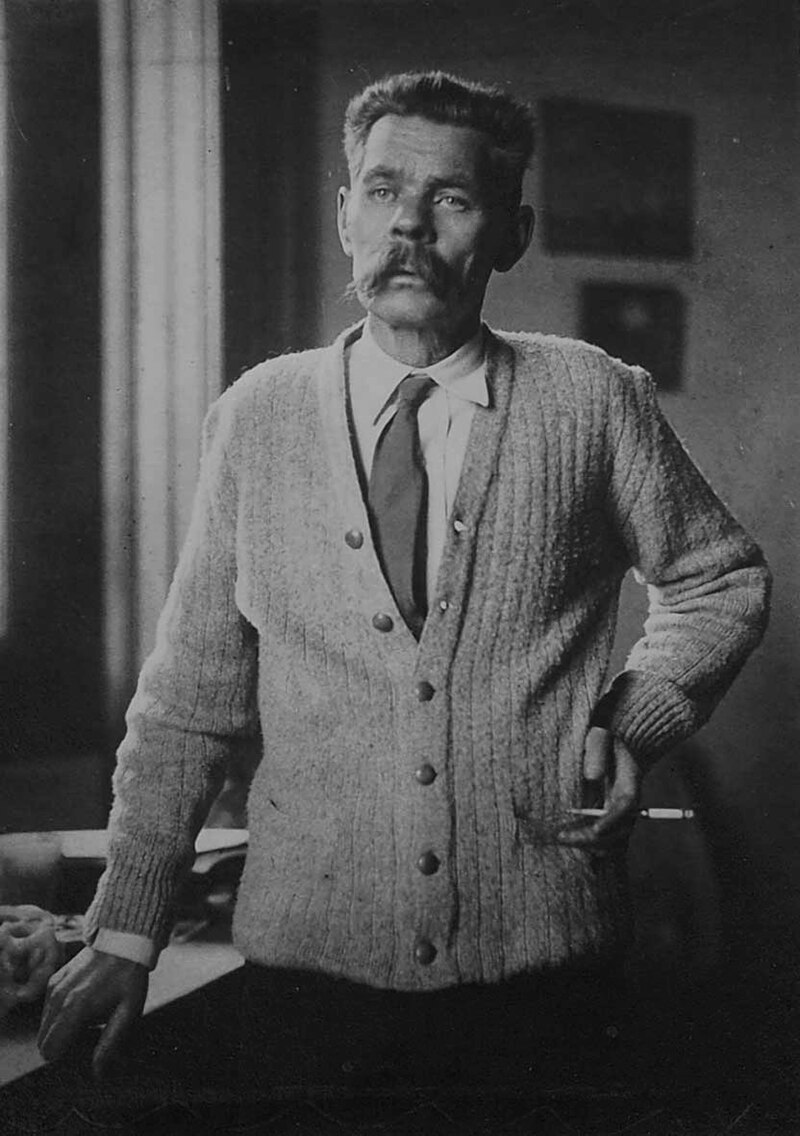
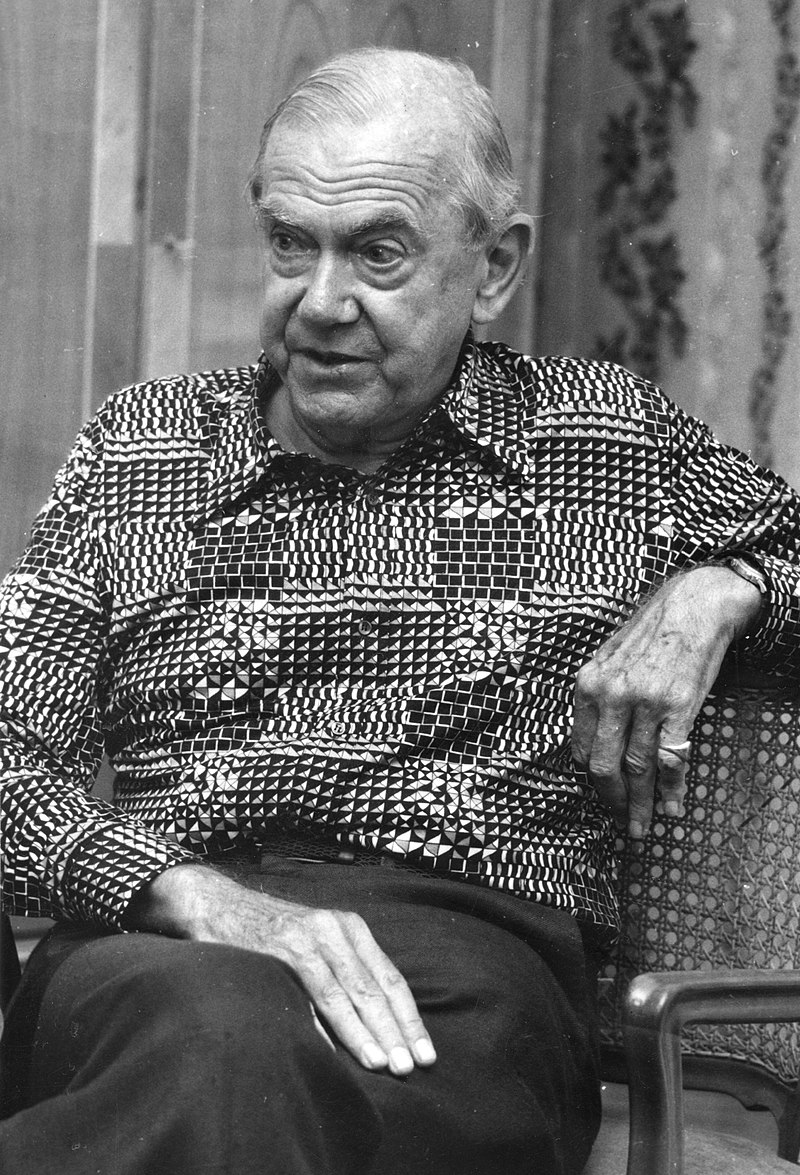
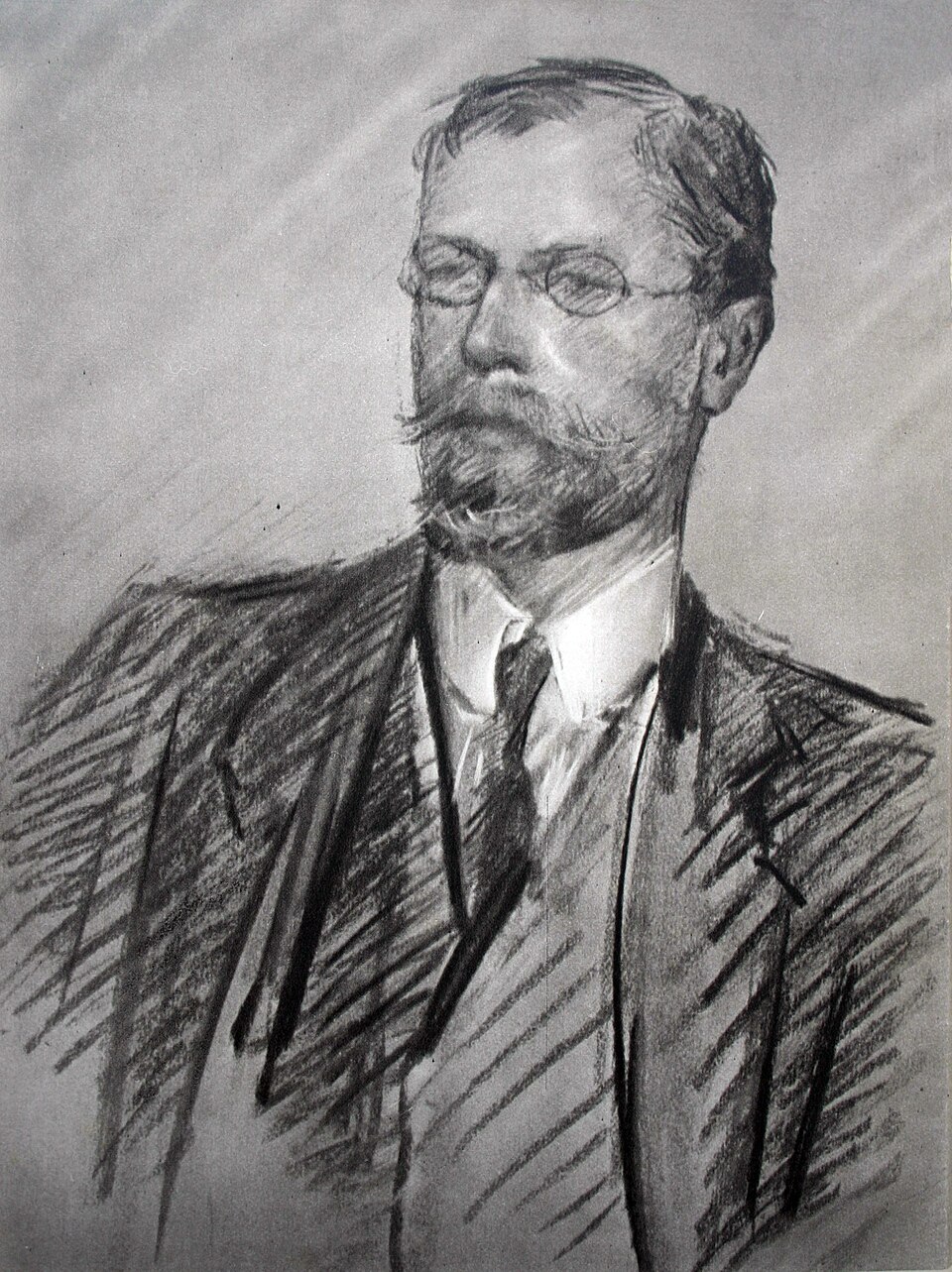
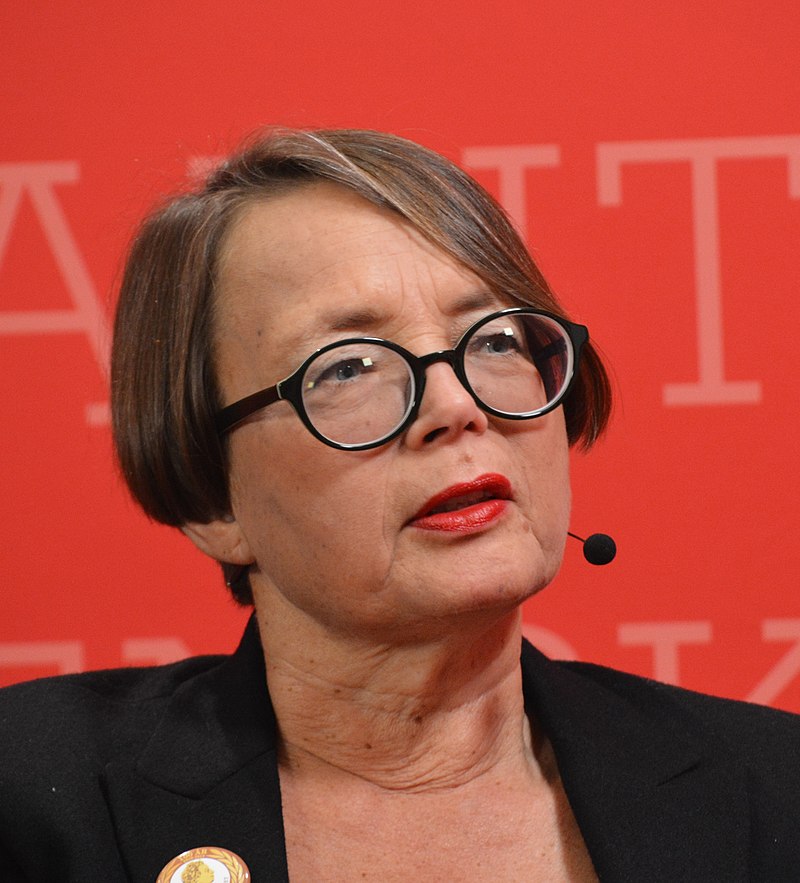
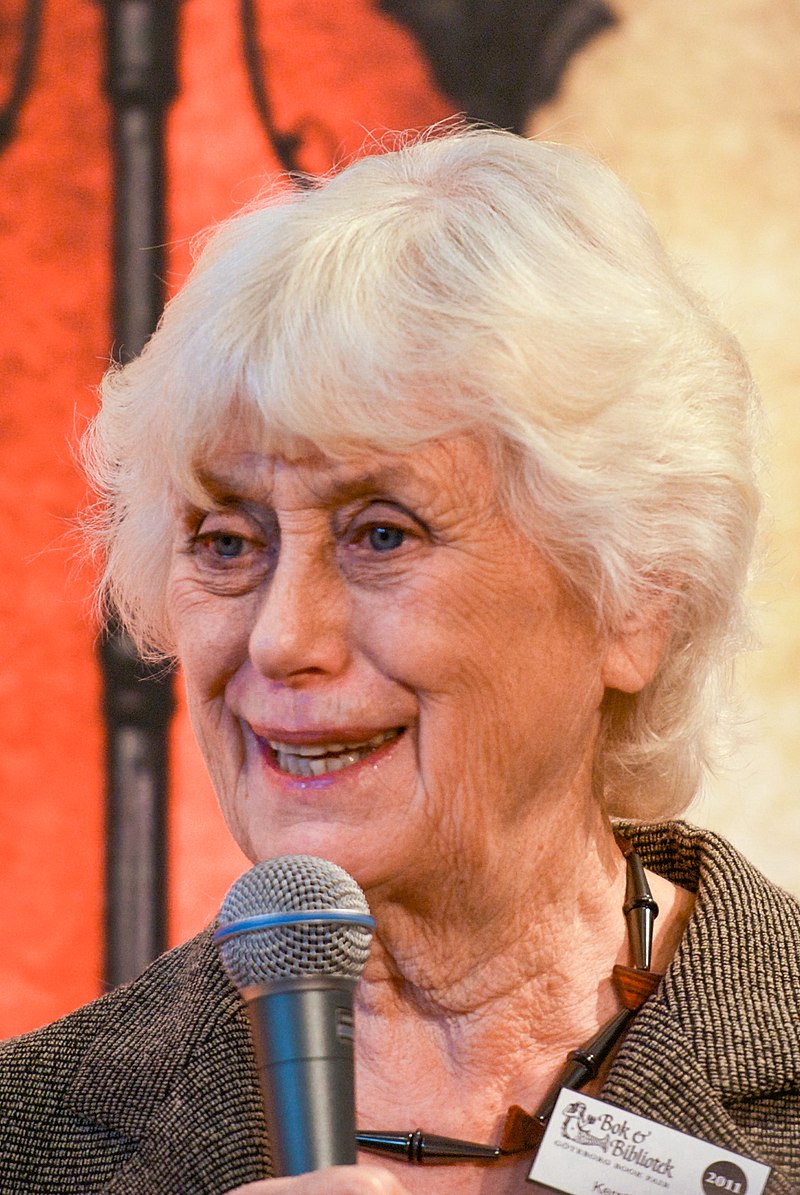
Natalia Ginzburg was the wife of Leone, who died under torture during the Nazi regime.
De Luca, De Gregori e il legame sentimentale con Israele | Aldo Cazzullo | Lo dico al CorriereItaly· 2026-06-02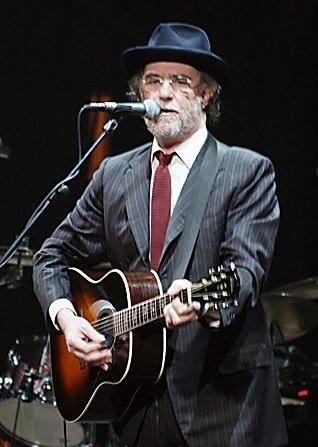
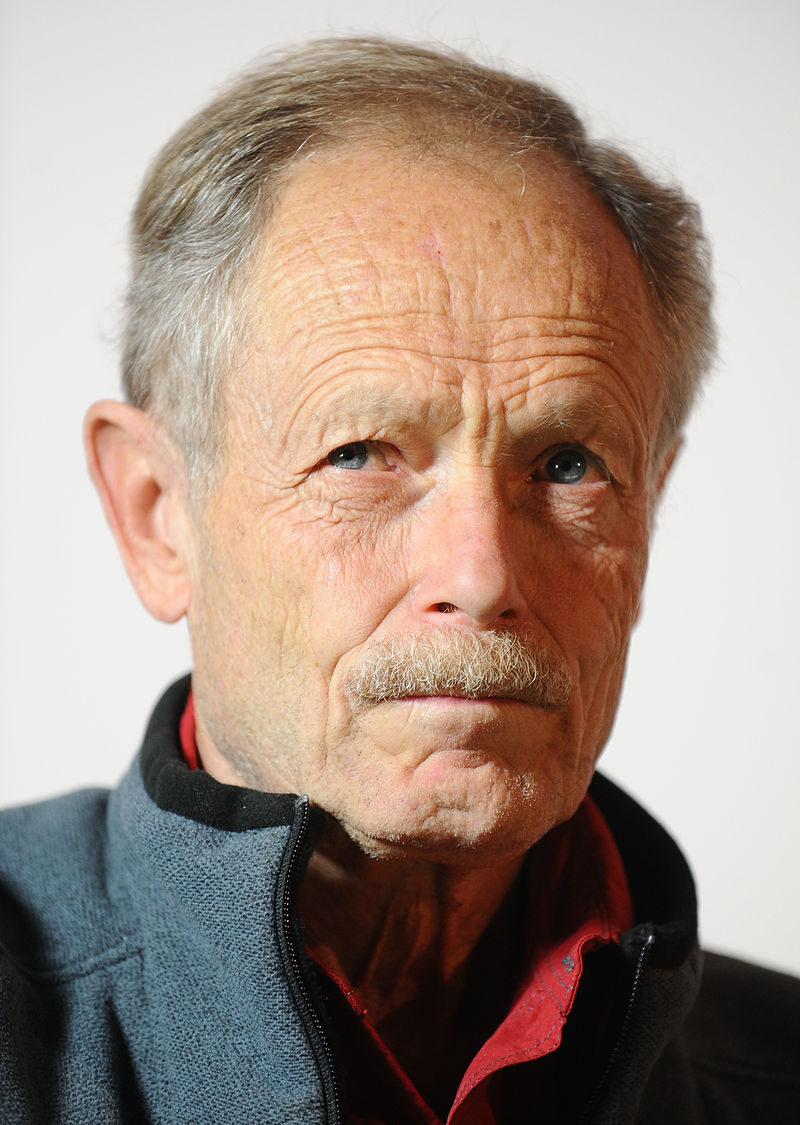
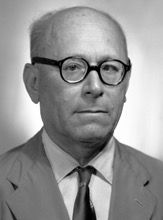
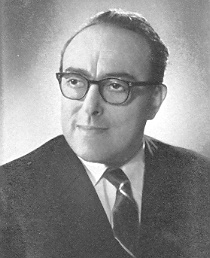

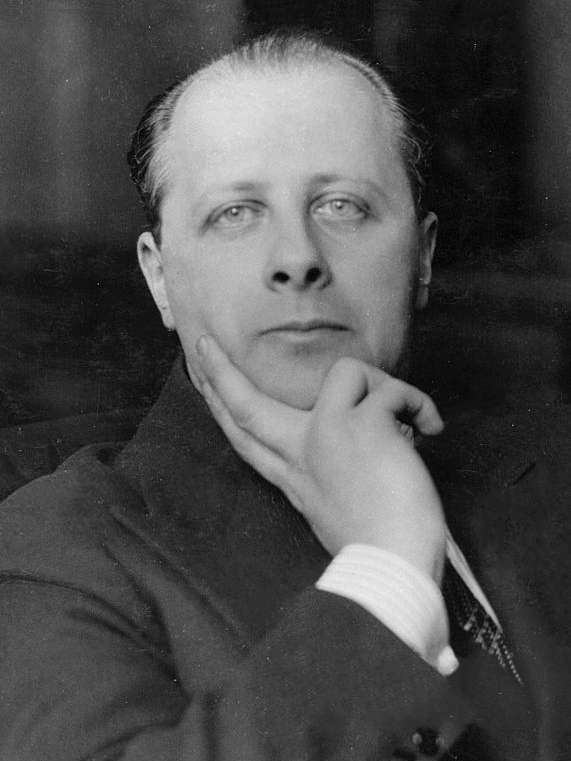
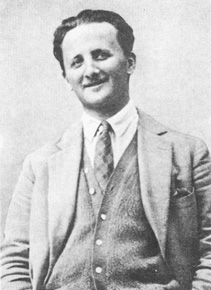

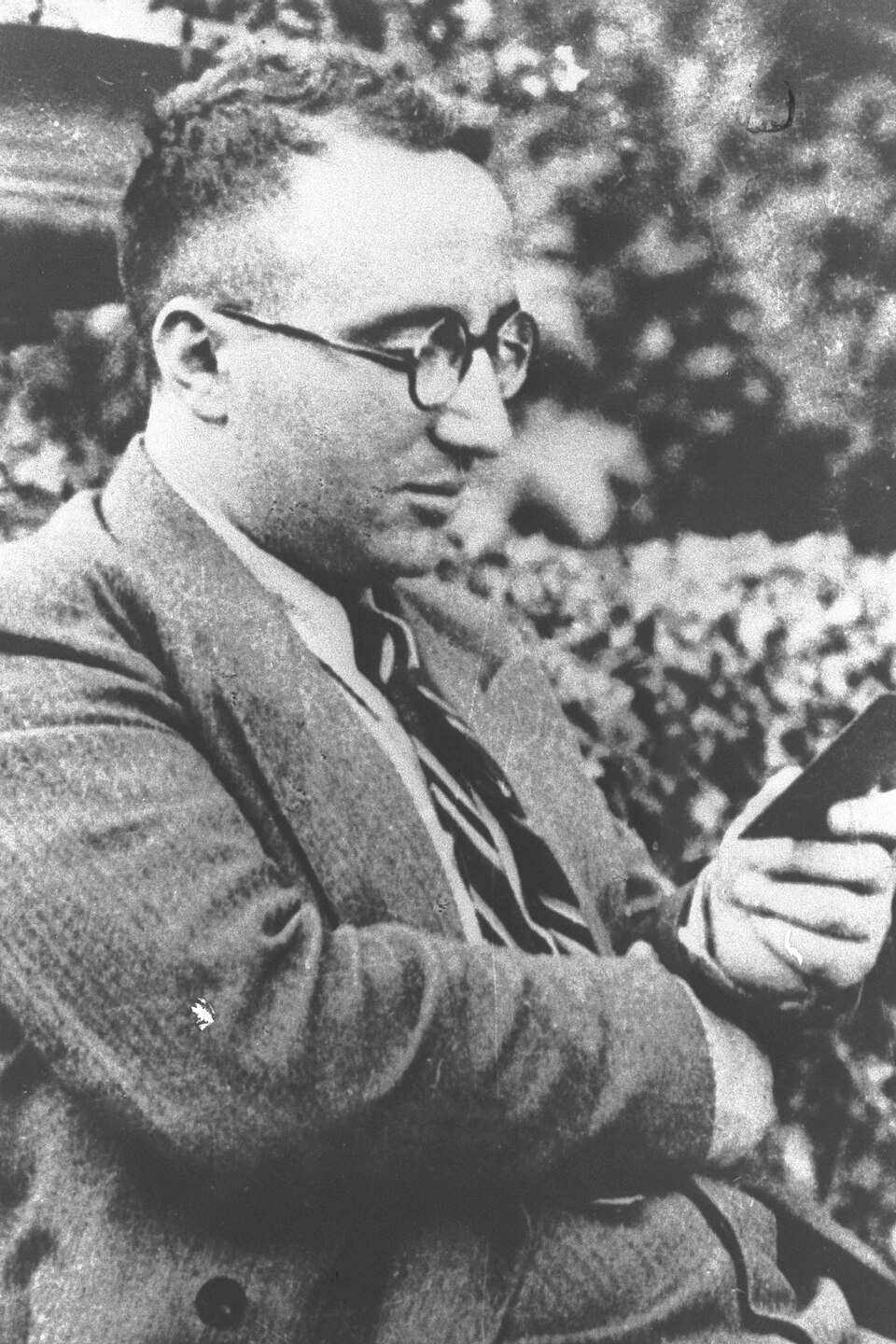
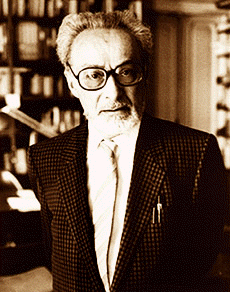
Natalia Ginzburg is noted as a significant literary figure connected to Einaudi.
Walter Barberis, il presidente di Einaudi: «Mi lavo le mani 25 volte al giorno e mi rilasso guardando tappeti. La casa editrice? Era un posto infernale»Italy· 2026-06-01
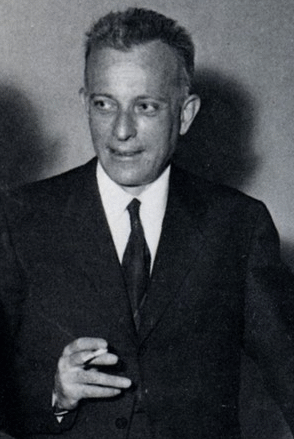


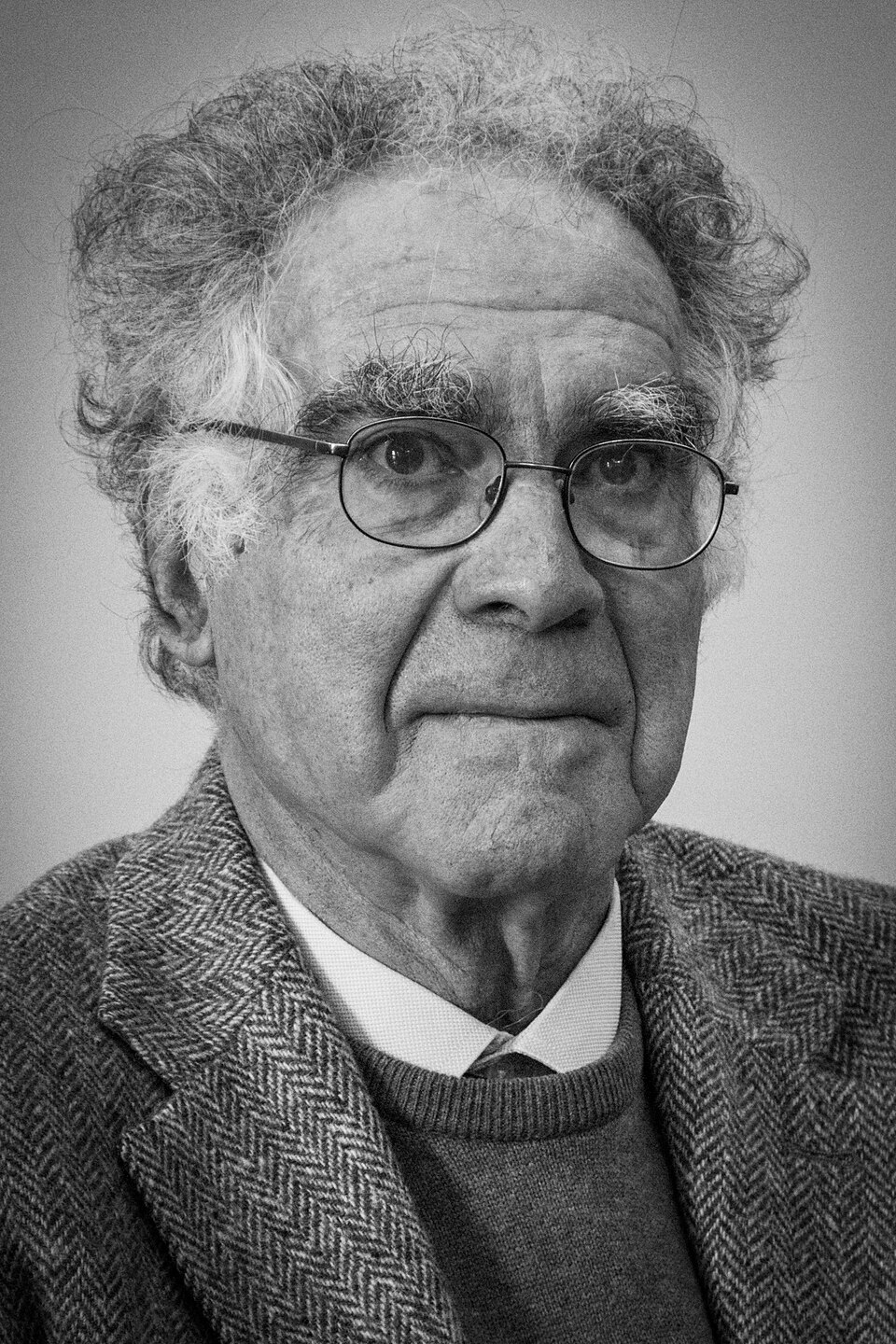
Natalia Ginzburg's work 'Lessico famigliare' is highlighted as a masterpiece of 20th-century Italian literature.
«Supplire», la parola Apegramma di oggi: quando una sostituzione è utile o necessaria | GiochiItaly· 2026-02-25
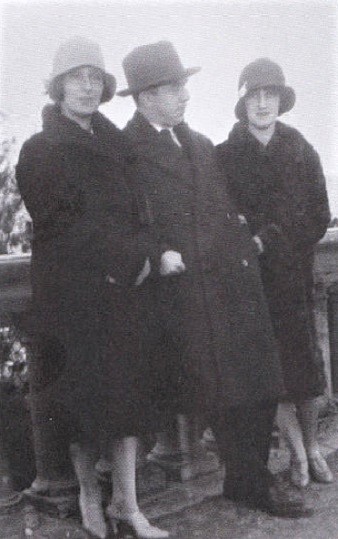
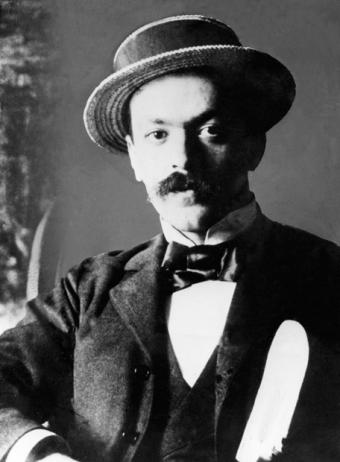
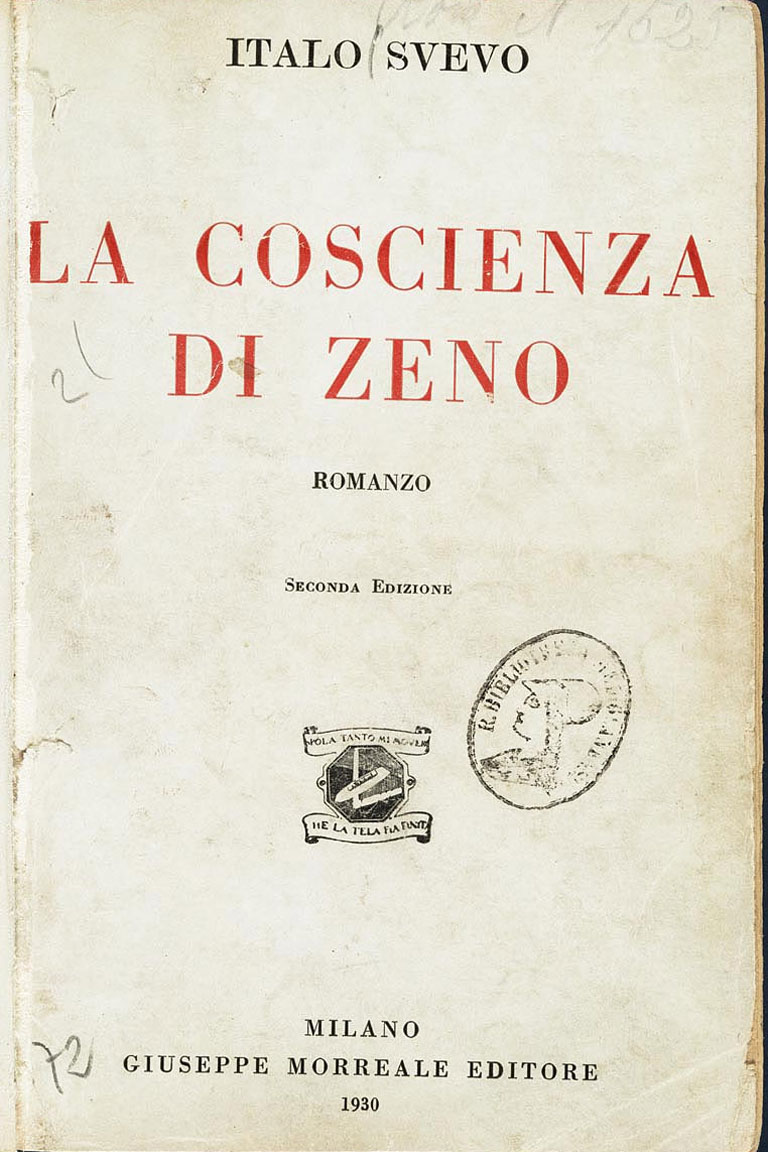
Natalia Ginzburg's work 'Nunca me Perguntarás' is featured in the program.
Biblioteca de Bolso com Ivan Nunes | Podcast Biblioteca de Bolso Portugal· 2026-01-20


Ginzburg is quoted regarding the crucifix as a symbol of human suffering and part of world history.
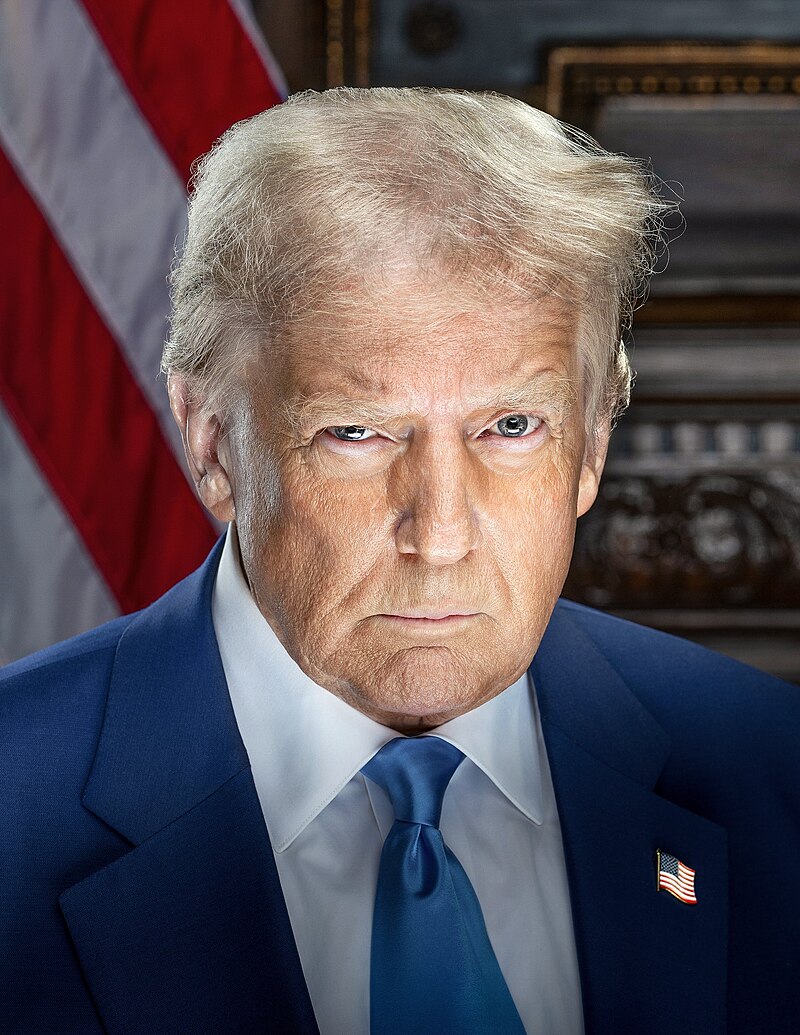
Zuppi: «Sì a una legge sul fine vita, il Parlamento segua la Consulta. Pace in Ucraina? Trump ha aperto una strada»Italy· 2025-12-23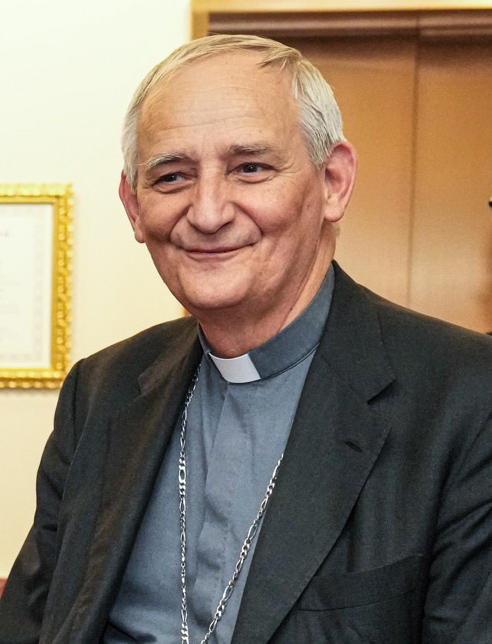
Natalia Ginzburg was a prominent Italian writer and a member of the Italian Communist Party.
Vous aimez Natalia Ginzburg, vous aimerez Turin France· 2025-11-23
Natalia Ginzburg is an author who recounts her childhood and youth in Turin during the fascist era.
« Vie imaginaire », de Natalia Ginzburg : le feuilleton littéraire de Tiphaine SamoyaultFrance· 2025-11-13


Natalia Ginzburg is the author of the novel mentioned in the article.
El momento en el que empieza un desastre | Opinión Spain· 2025-07-23

Natalia Ginzburg's book 'Las pequeñas virtudes' is described as one of the most beautiful reads.
Sandra Ollo, directora de Acantilado, pasó por Uruguay Uruguay· 2025-07-12
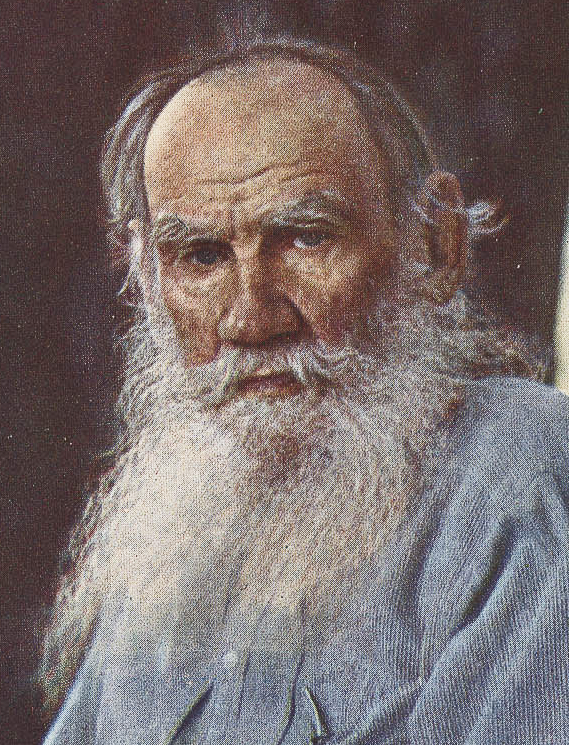

Natalia Ginzburg's life story reflects the social and political history of her time.
Los libros favoritos de los libreros: 66 títulos imprescindibles que puedes encontrar en la Feria de Madrid 2025 | BabeliaSpain· 2025-05-24




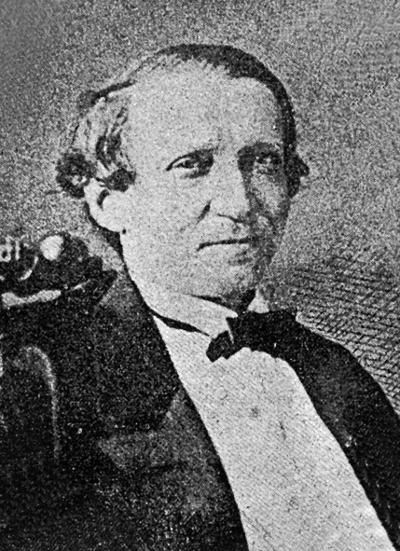

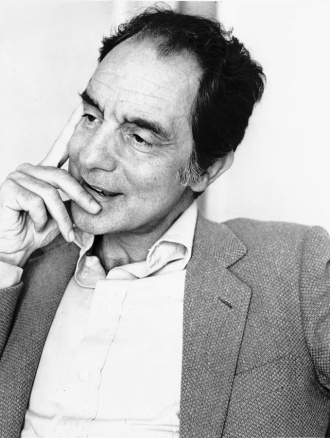
Natalia Ginzburg was part of the intellectual circle at Einaudi that included Italo Calvino.
Quando Calvino scrisse a Scalfari: «Vivo in una gelida soffitta torinese, tiro la cinghia: scrivere è il mestiere più squallido»Italy· 2025-04-20
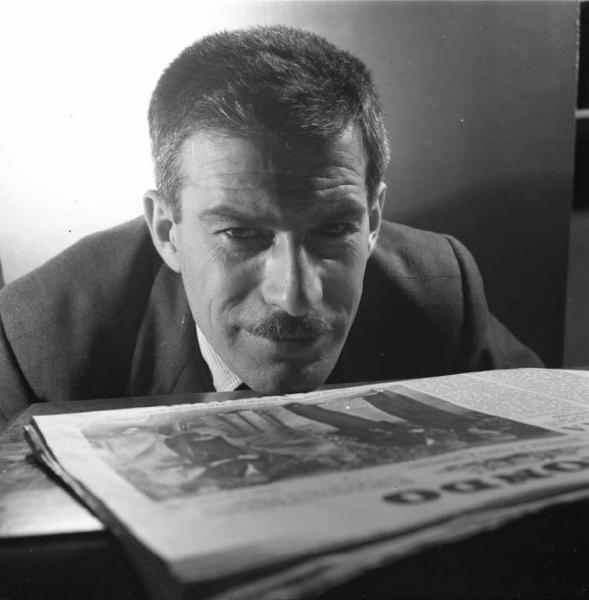
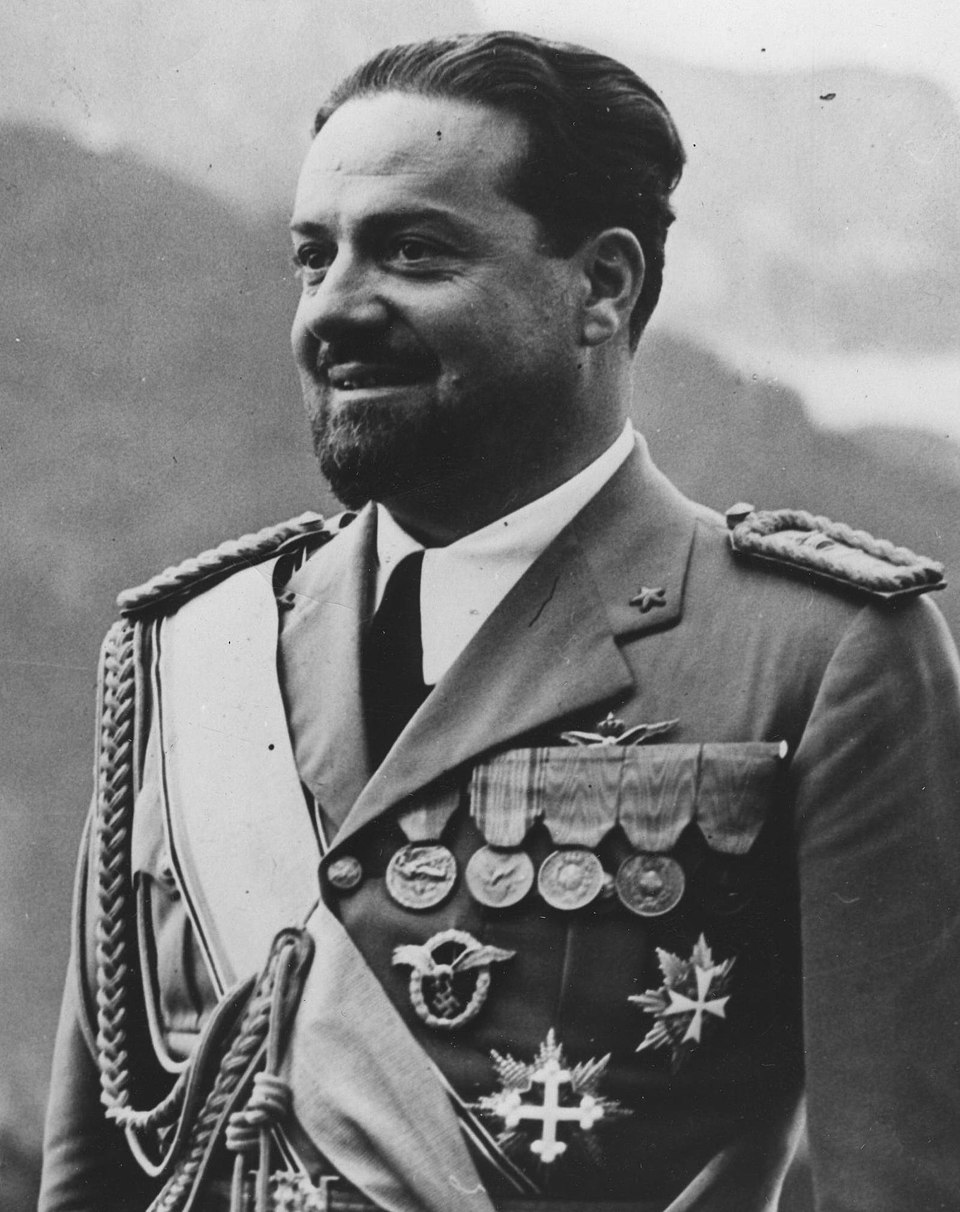
Natalia Ginzburg translated and edited a memoir of a Cambodian survivor of the Khmer Rouge massacre.
Opinioni | Non dimenticare gli orrori dei Khmer rossiItaly· 2025-04-10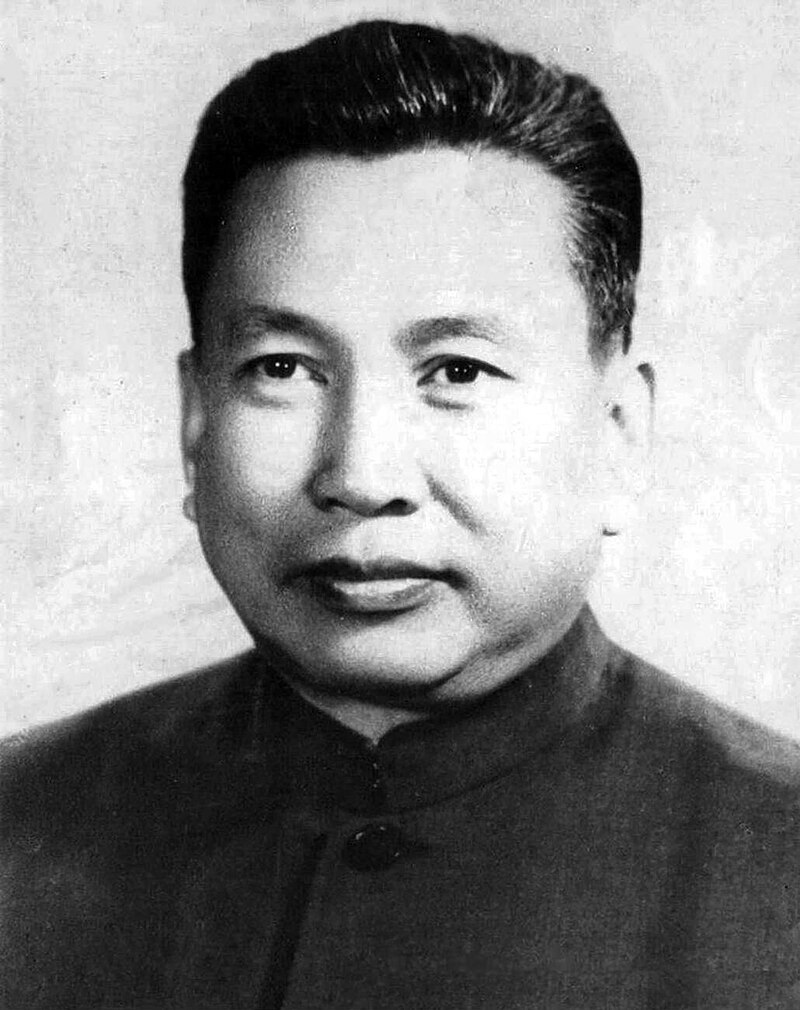

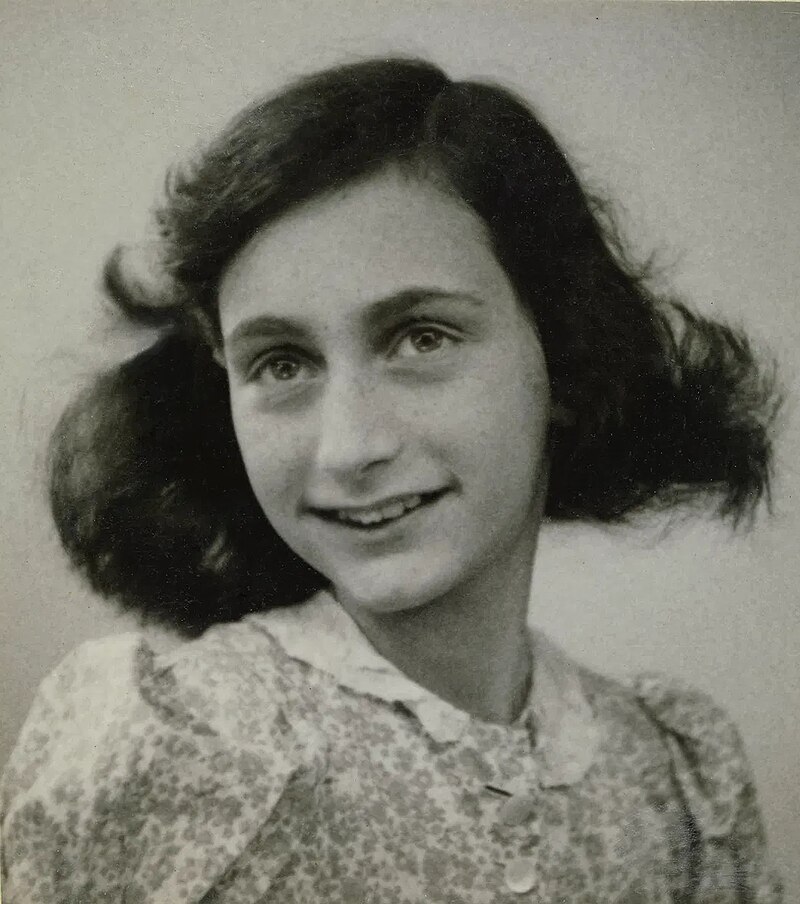
Natalia Ginzburg is referenced as an influence on narrative style in Cusk's work.
Rachel Cusk: “El Jo està culturalment acabat” | LiteraturaSpain· 2025-03-21
Valeria Bruni Tedeschi cites Natalia Ginzburg's book as significant in her life.
Valeria Bruni Tedeschi: «Non mi sento ancora matura. Mia sorella Carla? Quello che ci diciamo lo diciamo in cucina»Italy· 2025-03-21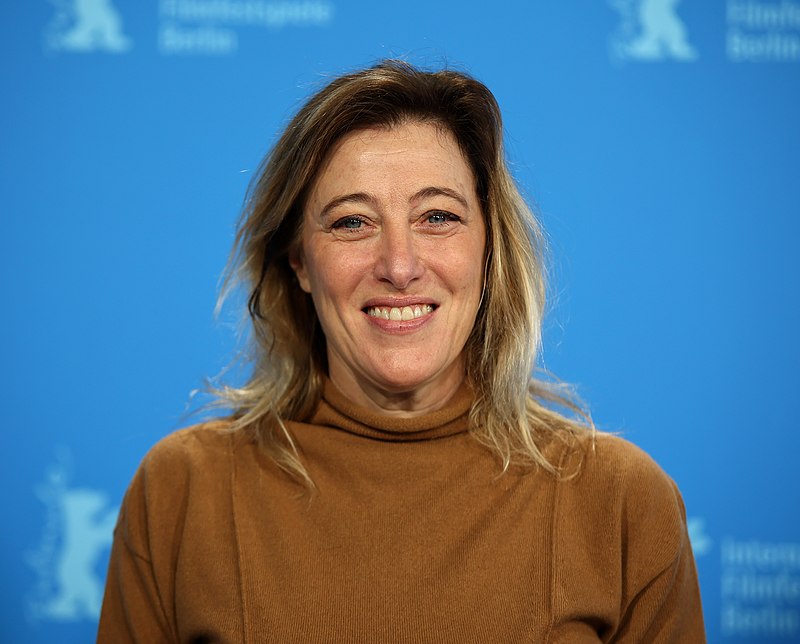

Natalia Ginzburg beautifully captures the question of human relationships in her collection 'Die kleinen Tugenden'.
Gedanken zu «Babygirl» und Miranda July Switzerland· 2025-03-15

Natalia Ginzburg is another writer whose works are critiqued in Maggie Nelson's essays.
Maggie Nelson, ensayista: “Trump usa a las personas trans como chivos expiatorios; son tácticas de represión que se expandirán” | IdeasSpain· 2025-03-14

Natalia Ginzburg is cited for her work that Mishani read to his students during the war.
"יש לי הרגשה שנמשיך להיות בתוך המלחמה עוד הרבה זמן" Israel· 2025-03-13

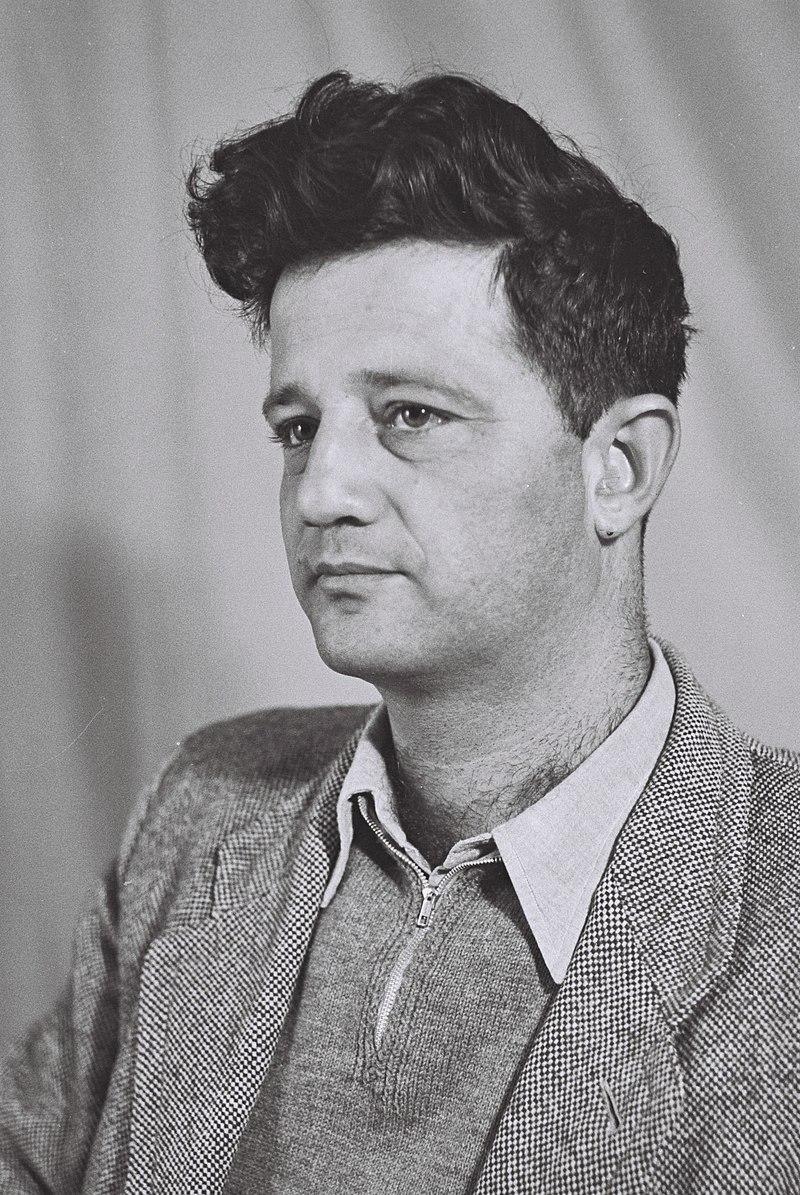



Natalia Ginzburg was one of the important writers who visited Ludovico Einaudi's home.
Ludovico Einaudi: ‘The way you blend the elements you eat is similar to composing a piece of music’ | Classical music United Kingdom· 2025-02-22