
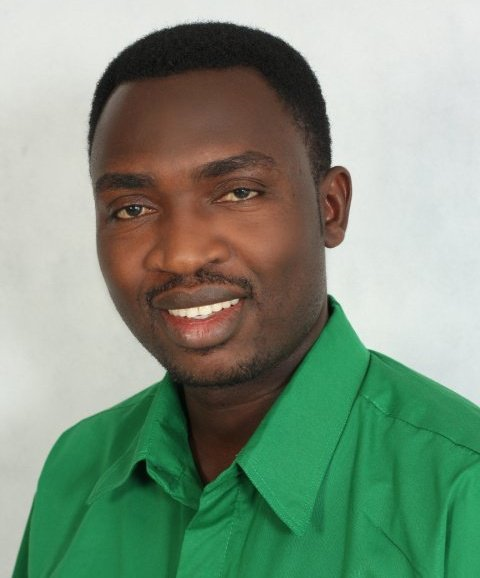
Paul Loisulie
Dr. Paul Loisulie is a political scientist at the University of Dodoma, who has analyzed the potential impact of opposition parties like ACT-Wazalendo in the 2025 elections, emphasizing the importance of voter mobilization and presenting a credible alternative to the ruling party.
Not in the pool (under ¢1).
Recent news mentions
Paul Loisulie is a political scientist from the University of Dodoma who discussed the broader tension between sovereignty and international accountability.
What Tanzania-US legislators’ wrangle means for diplomacy Tanzania· 2026-05-28
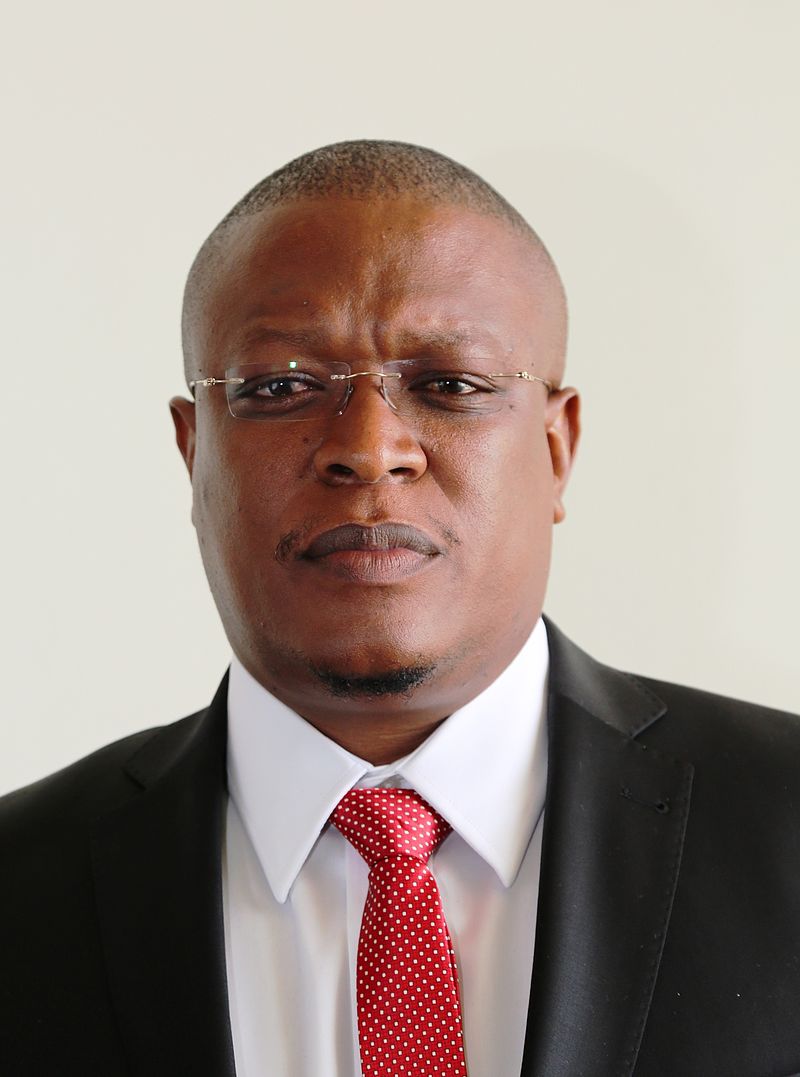



Dr Paul Loisulie commented that the return of politicians like Selasini and Msigwa suggests that some former members have realized Chadema remains politically relevant.
What analysts see in Selasini, Msigwa’s return to ChademaTanzania· 2026-05-27

Dr Paul Loisulie of the University of Dodoma observed the calculated order and timing of these visits.
How Tanzania navigates delicate diplomatic ties after polls chaosTanzania· 2026-02-11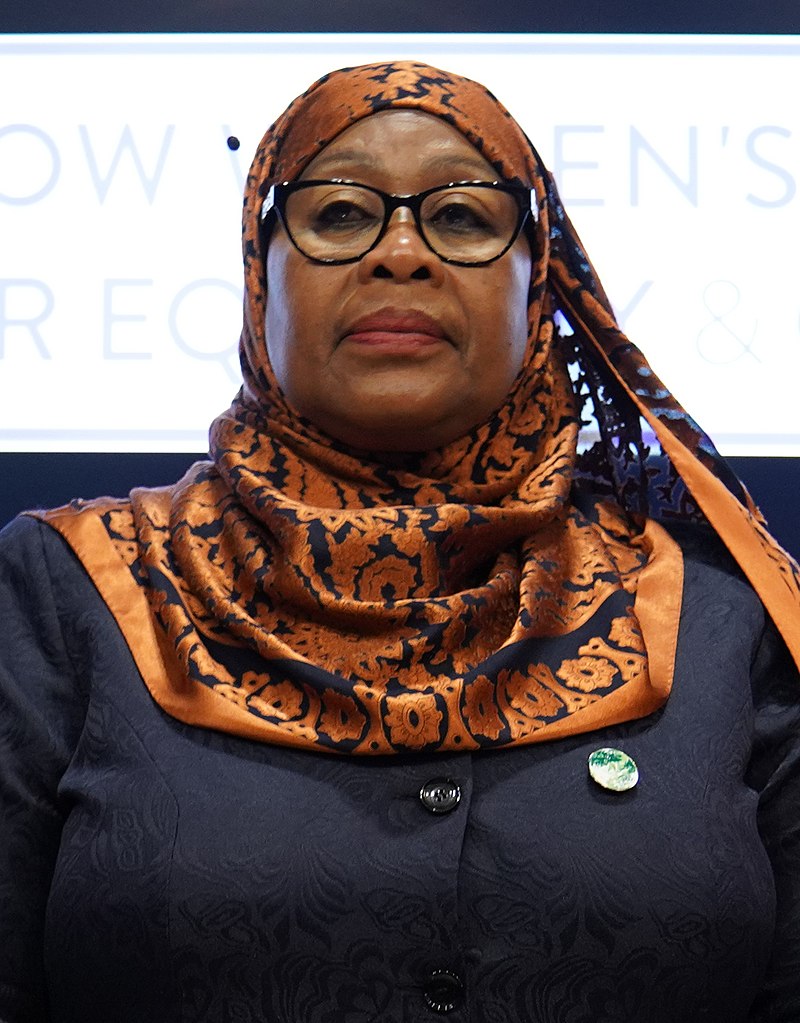

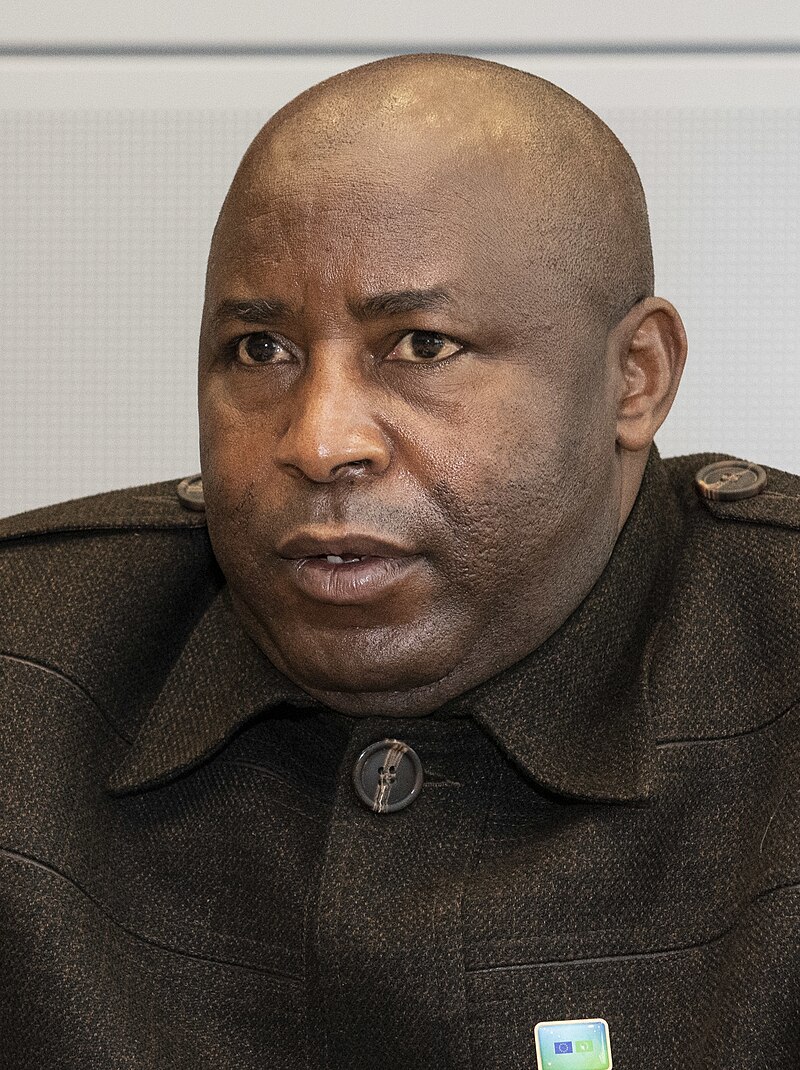

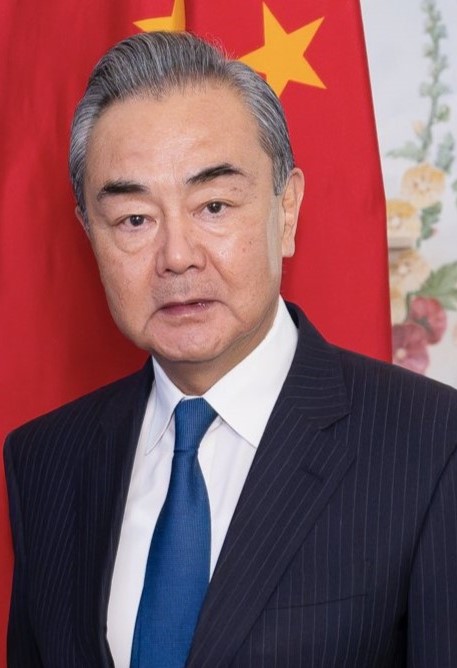
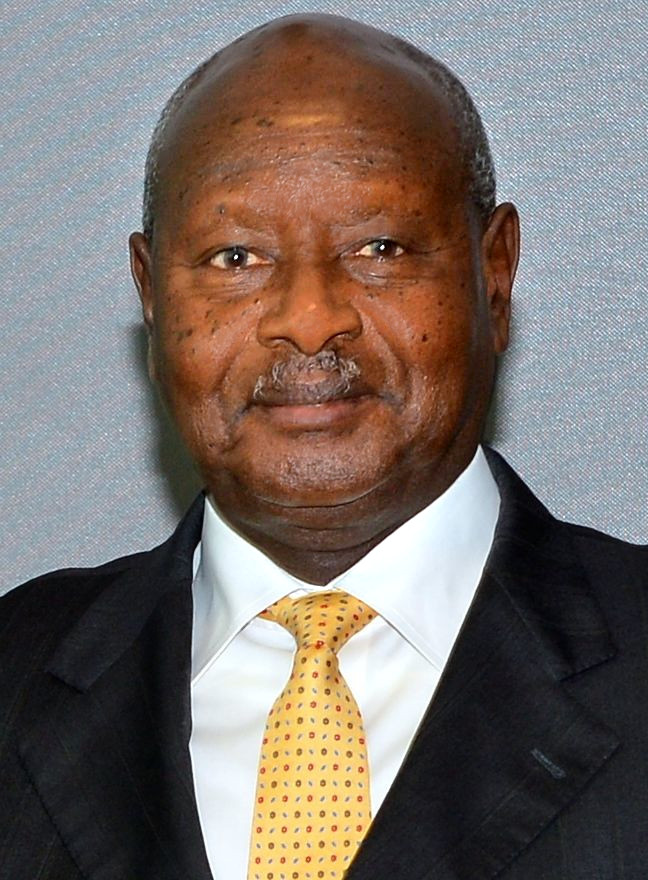

Dr. Paul Loisulie stated that the closeness displayed during the talks reflects shared strategic interests that extend beyond trade.
Samia-Museveni talks signal a new era of ‘selective integration’Tanzania· 2026-02-09

Dr Paul Loisulie of the University of Dodoma says reconciliation must be institutional, inclusive, and structured.
Bumpy road to reconciliation as Samia marks 100 days in officeTanzania· 2026-02-02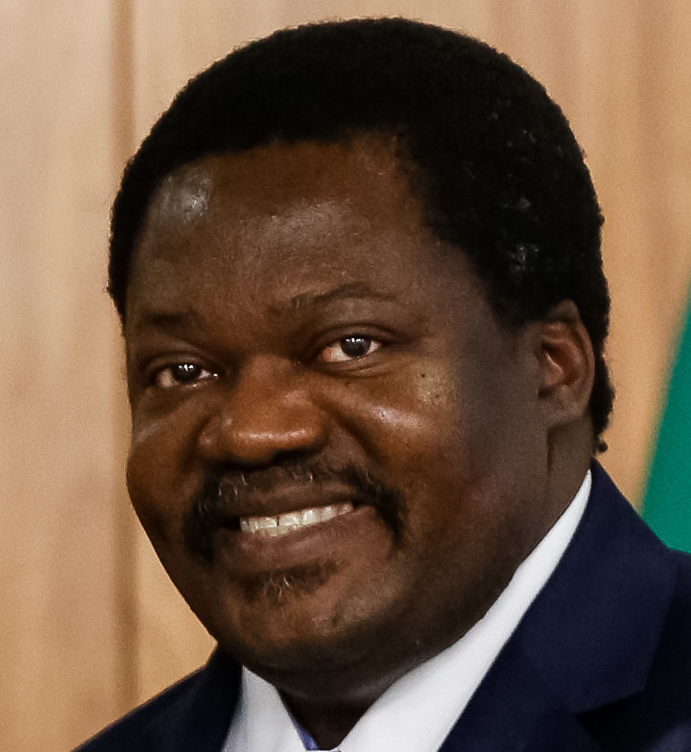





Dr Paul Loisulie said the two cases highlight how narratives of foreign interference resonate strongly in both domestic and international politics.
Chaos in Iran and Tanzania: Same story different authors?Tanzania· 2026-01-14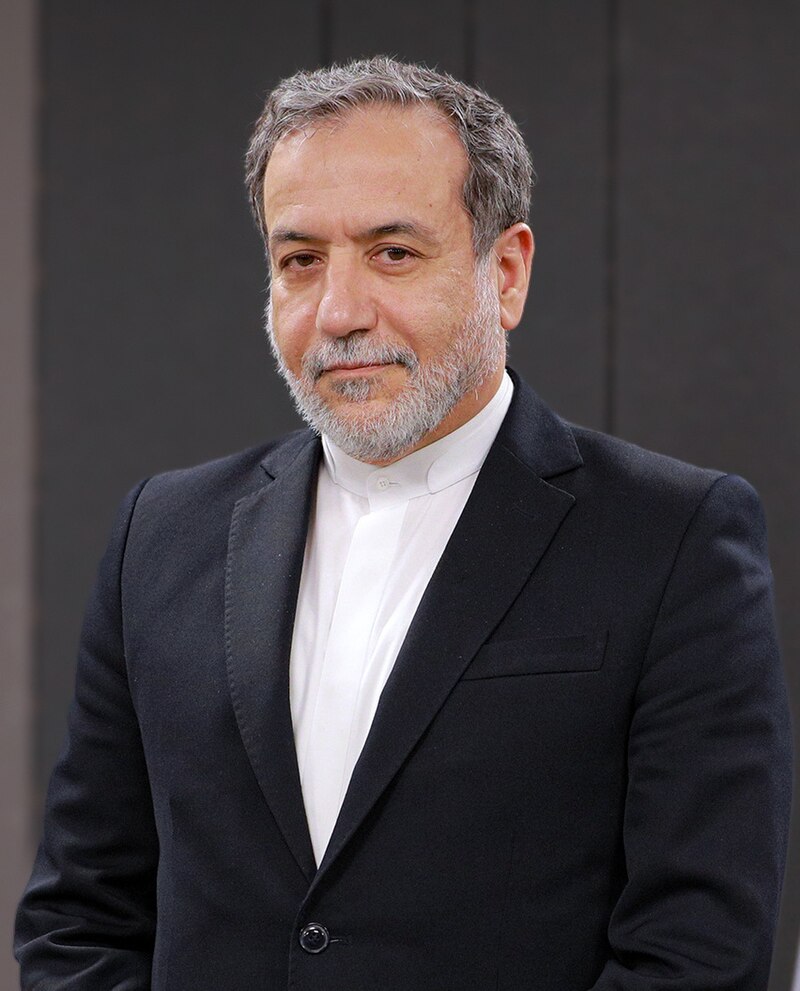

Dr Paul Loisulie, a political science lecturer at the University of Dodoma, noted that it is common for presidents to communicate through elders.
Why Samia’s Dar es Salaam address could shape Tanzania’s futureTanzania· 2025-12-01

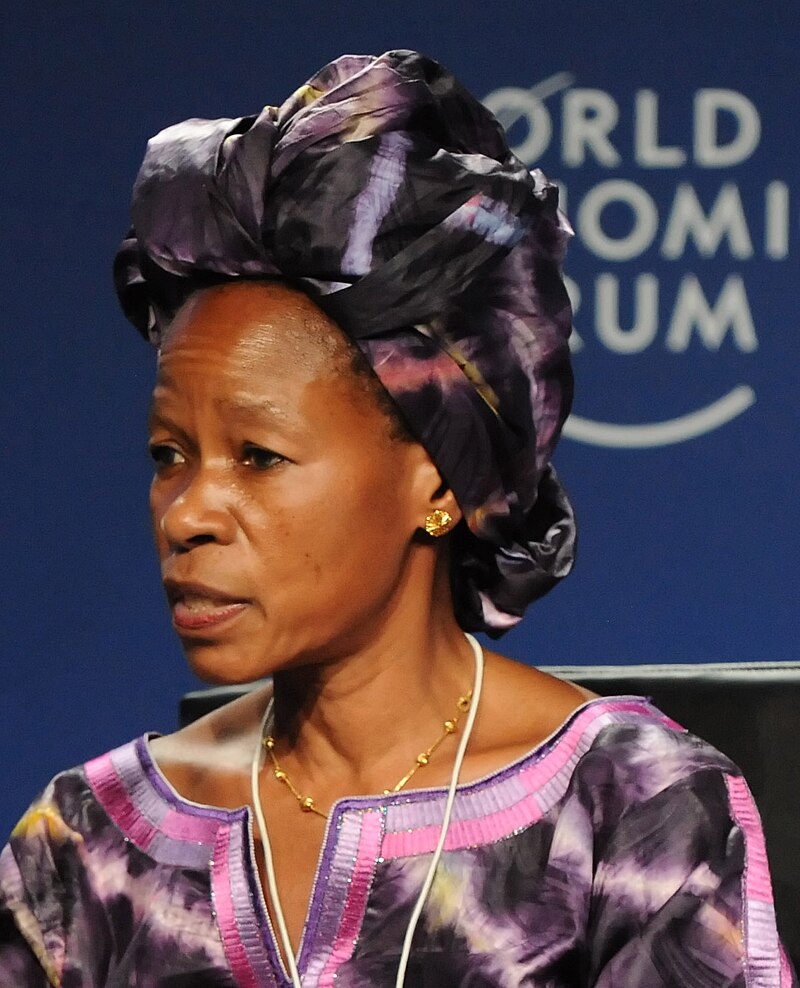
Dr Paul Loisulie adds that the nominations prepare Parliament to exercise stronger oversight of investment projects and public expenditure.
Analysts: Samia’s MP choices signal continuity, CCM unityTanzania· 2025-11-12
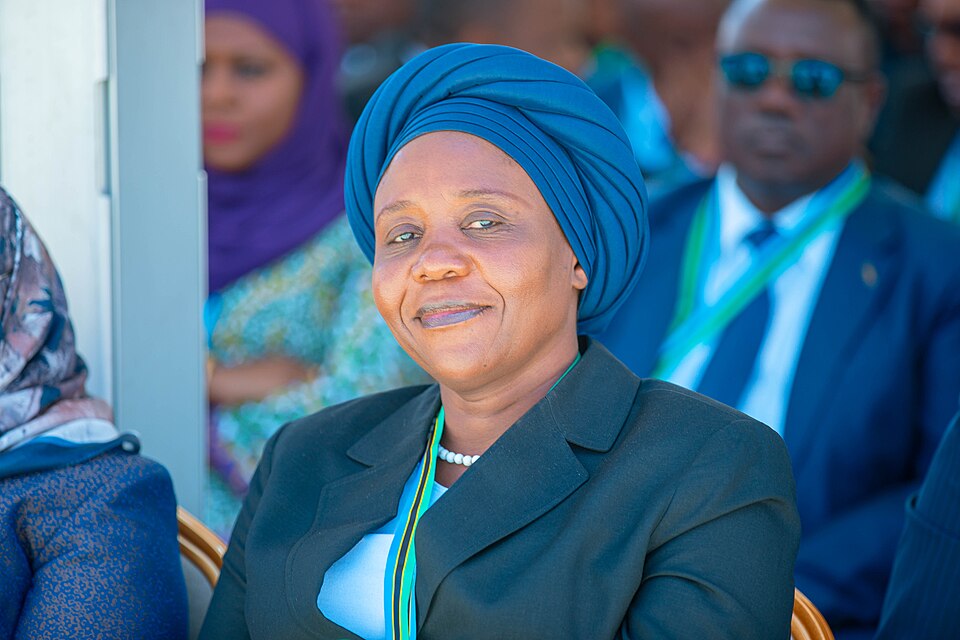



Dr Paul Loisulie believes that the credibility of Parliament depends on how MPs argue, not how passionately they defend their political sides.
Why newly elected MPs need to look beyond party politicsTanzania· 2025-11-11Dr Paul Loisulie argued that the saga was as much a legal issue as it was a reflection of internal party dynamics.
How legal setback frustrated Mpina’s presidential ambitionTanzania· 2025-10-29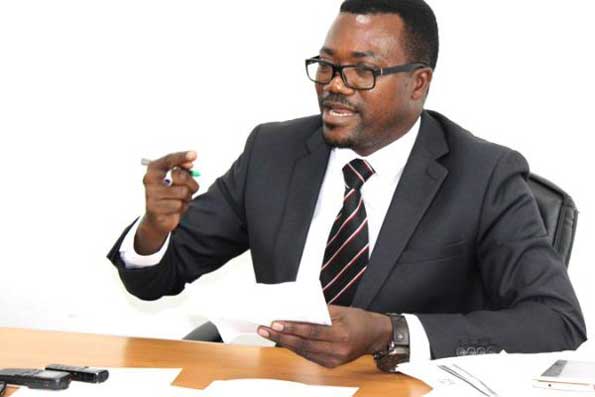



Dr Paul Loisulie says the restructuring is an important step to ensure electoral boundaries align with administrative jurisdictions.
Tanzania goes to the pollsTanzania· 2025-10-29

Dr Paul Loisulie from the University of Dodoma discussed the rise of personalised campaigning.
Pros and cons of door-to-door campaigns as polls draw closerTanzania· 2025-10-15
Dr Paul Loisulie argued that politics must be separated from the technical management of the BRT project.
Seven lingering questions over Dar Rapid TransitTanzania· 2025-10-03



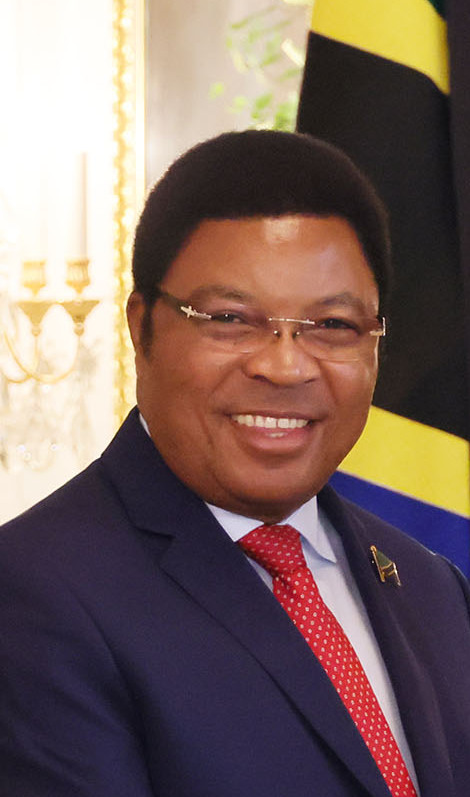
Dr Paul Loisulie said the LNG project, railway, and irrigation schemes symbolised recognition of the south as an equal partner in national growth.
Samia pledges mega‑projects, reforms for Ruvuma, Mtwara, Lindi regionsTanzania· 2025-09-28


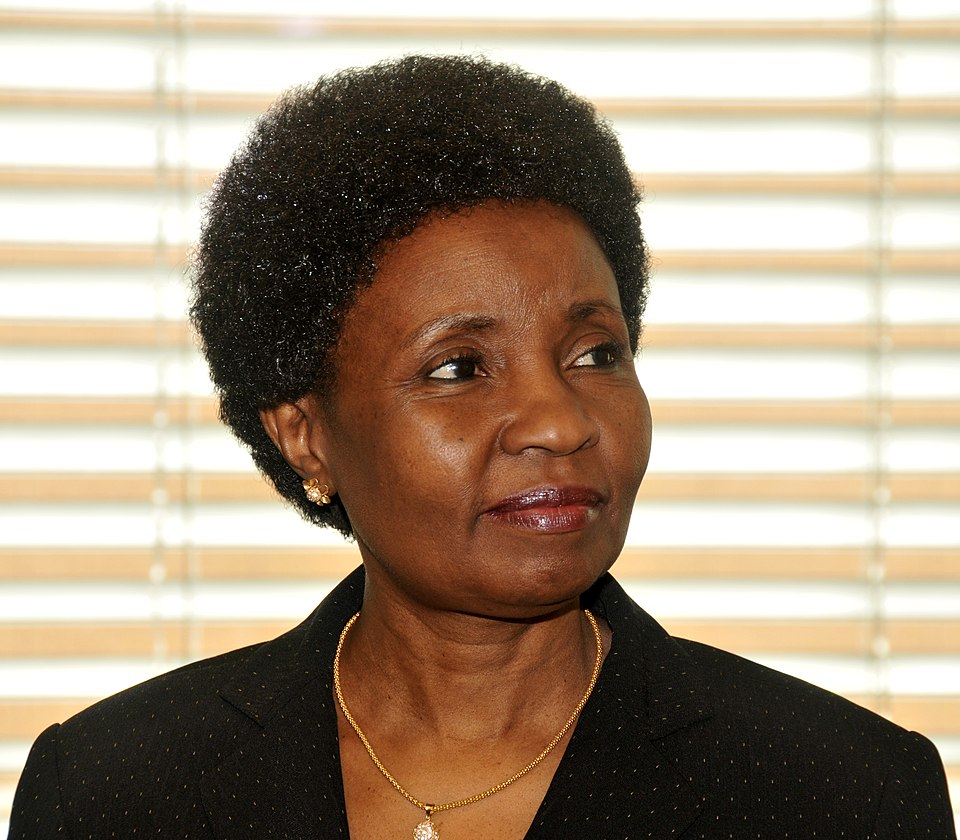
Dr Paul Loisulie from the University of Dodoma said this election season offers an opportunity for Tanzania to demonstrate its democratic maturity.
Why safeguarding online space matters during election seasonTanzania· 2025-09-01


Dr. Paul Loisulie noted that location directly affects attendance at political events.
Let the campaigns begin, but where are Dar’s historic venues?Tanzania· 2025-08-26


For his part, Dr Paul Loisulie from the University of Dodoma warned, however, that discontent could emerge at the grassroots level.
CCM legislators break silence after re-election bid failuresTanzania· 2025-08-26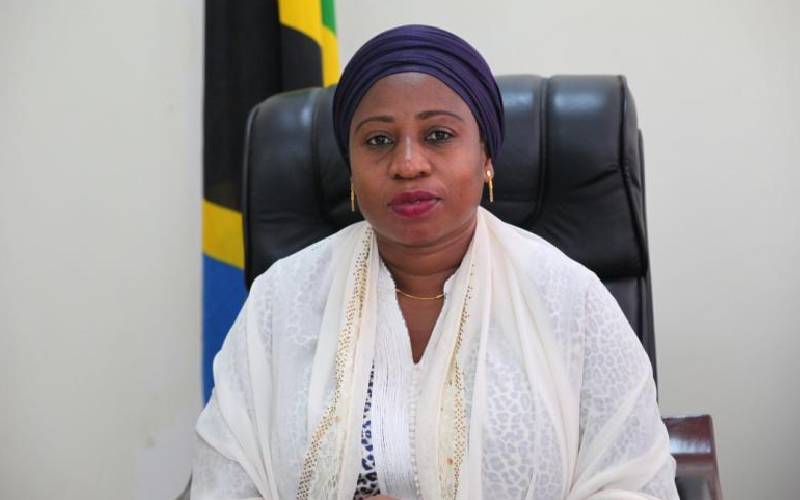


Dr Paul Loisulie commented that Dr Migiro’s appointment fits seamlessly with CCM’s tradition of deploying tested leaders.
What CCM reshuffle means ahead of General ElectionTanzania· 2025-08-25


Dr Paul Loisulie is a lecturer at the University of Dodoma who commented on the decision-making process of CCM.
Final list of CCM parliamentary candidates out within 72 hours as party finalises vettingTanzania· 2025-08-21



Dr Paul Loisulie is a lecturer at the University of Dodoma who commented on CCM’s decision-making process.
CCM organs meet to finalise vettingTanzania· 2025-08-21Dr Paul Loisulie, a Senior Lecturer at the University of Dodoma, emphasizes that regions with large populations may not guarantee results if voters do not turn out.
10 key regions that will determine Tanzania's presidential electionTanzania· 2025-08-20
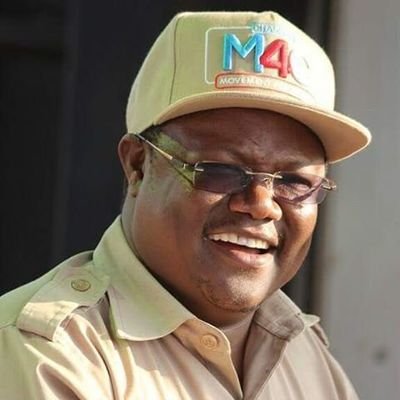

Dr Paul Loisulie, a Senior Lecturer at the University of Dodoma, emphasizes that regions with large populations may not guarantee results if voters do not turn out.
Revealed: 10 key regions in the Tanzania's 2025 presidential electionTanzania· 2025-08-20Dr Paul Loisulie believes such defectors bring more than votes.
CCM defectors: Pre-election gain or huge gamble for opposition parties?Tanzania· 2025-08-20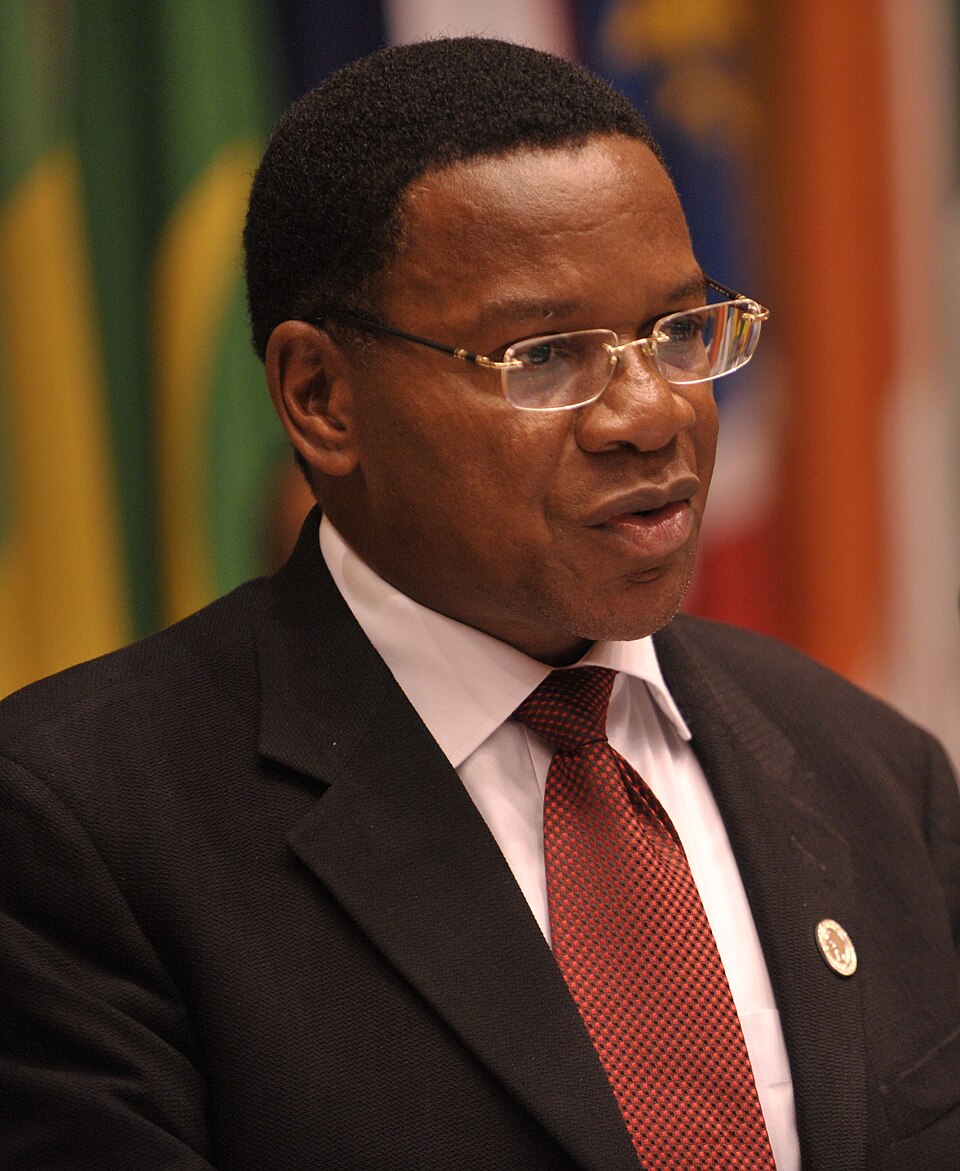
Dr Paul Loisulie of the University of Dodoma expressed that he does not expect much change from the primaries in the final candidate selections.
What to expect as CCM enters crucial week to endorse candidates for Tanzania’s General ElectionTanzania· 2025-08-18Dr Paul Loisulie noted that the choice of candidates signals ACT-Wazalendo’s intent to broaden its appeal across key regions.
ACT-Wazalendo’s presidential contenders, injects fresh momentum into Tanzania’s 2025 raceTanzania· 2025-08-08

Dr Paul Loisulie said the party faces a significant moment of political decision-making regarding its leadership.
Nchimbi’s dual role sparks debate ahead of 2025 General ElectionTanzania· 2025-08-06
Paul Loisulie noted that Chadema is experiencing a constitutional crisis due to internal power struggles.
Who is leading Chadema now?Tanzania· 2025-08-04



Dr Paul Loisulie called the shortlist a defining moment in the party’s evolution.
What to expect as CCM shortlists election contendersTanzania· 2025-07-28
Another political scientist, Dr Paul Loisulie, noted that the developments point to a broader generational and political shift within CCM.
CCM dissent: Is it democracy or 2030 presidential race?Tanzania· 2025-07-21


Another political scientist, Dr Paul Loisulie, noted that the developments point to a broader generational and political shift within CCM.
CCM dissent: It is democracy or 2030 presidential race?Tanzania· 2025-07-20