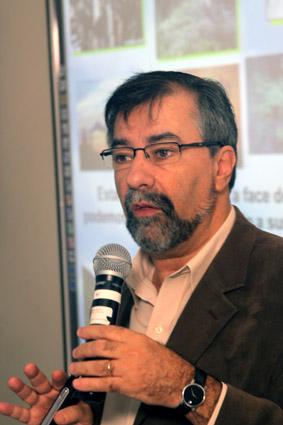
Paulo Artaxo
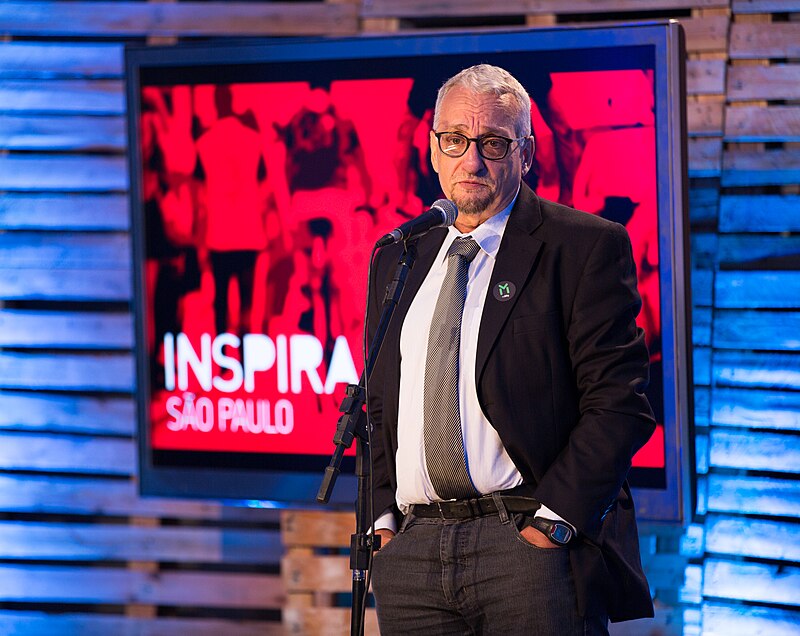
Paulo Artaxo is a prominent researcher at the Institute of Physics at the University of São Paulo (USP), known for his work in atmospheric sciences and climate change. He has contributed significantly to understanding the effects of climate phenomena like El Niño and La Niña on weather patterns in Brazil. Recently, he was in the news discussing the unexpected lack of La Niña formation following a strong El Niño, which complicates climate predictions for the upcoming years.
Not in the pool (under ¢1).
Recent news mentions
Paulo Artaxo is a scientist from the Universidade de São Paulo who signed the letter about the COP30 draft.
Cientistas associam falta de menção a combustíveis fósseis em rascunho do texto final da COP30 à 'traição' Brazil· 2025-11-21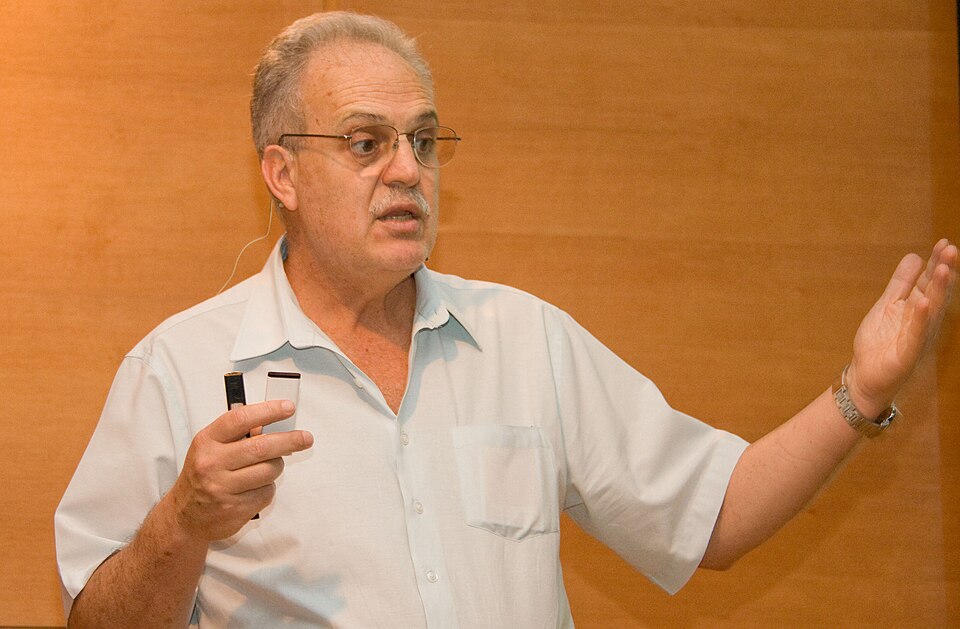
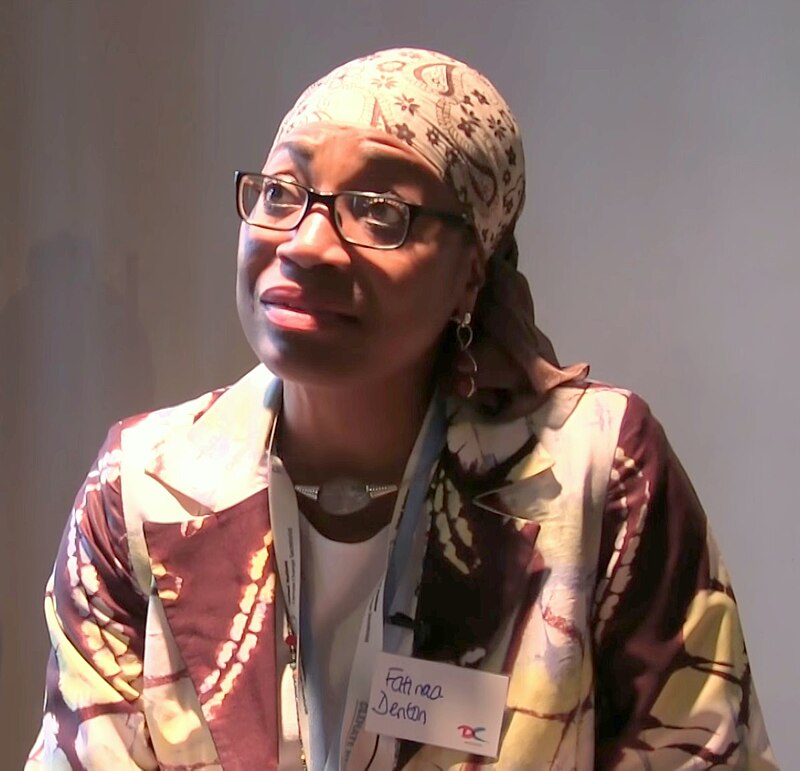
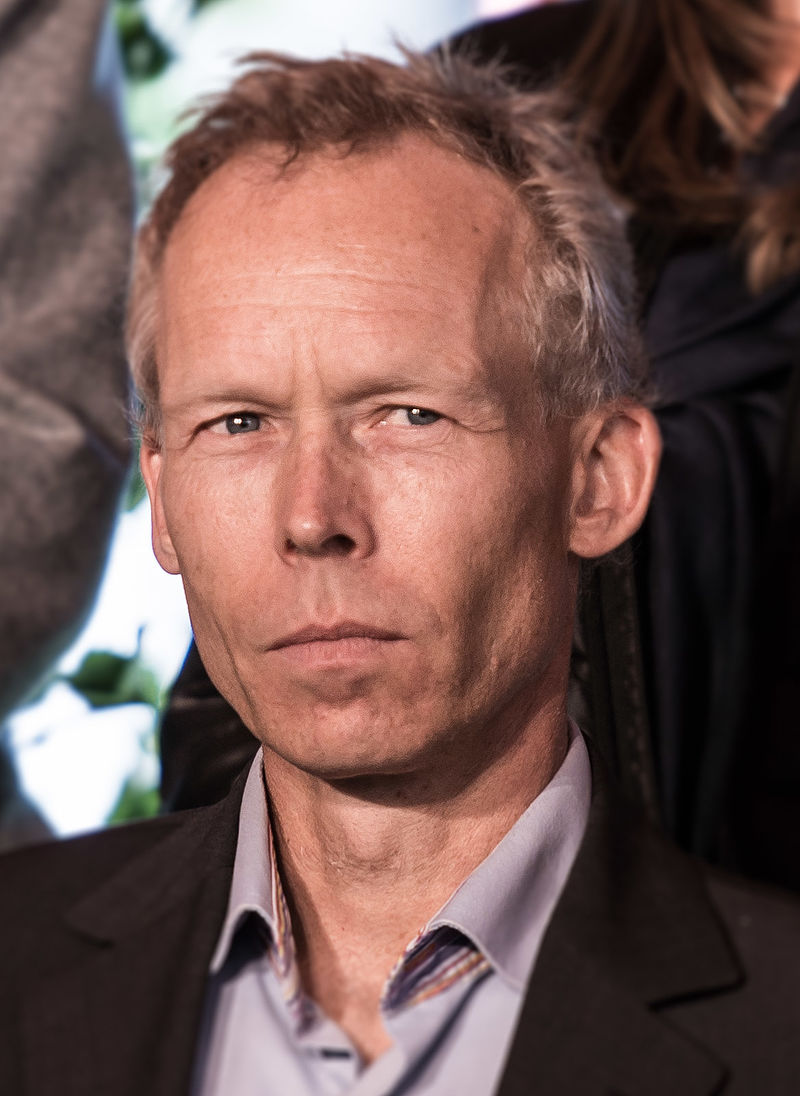

Paulo Artaxo is associated with USP and is one of the scientists involved in the declaration.
cientistas fazem dura crítica às negociações da COP30Brazil· 2025-11-20
Paulo Artaxo, a professor at the University of São Paulo, stated that without commitments from COPs, the world would be 'much worse'.
Modelo da COP, como a de Belém, fracassou ou evitou crise climática ainda pior? Liechtenstein· 2025-11-17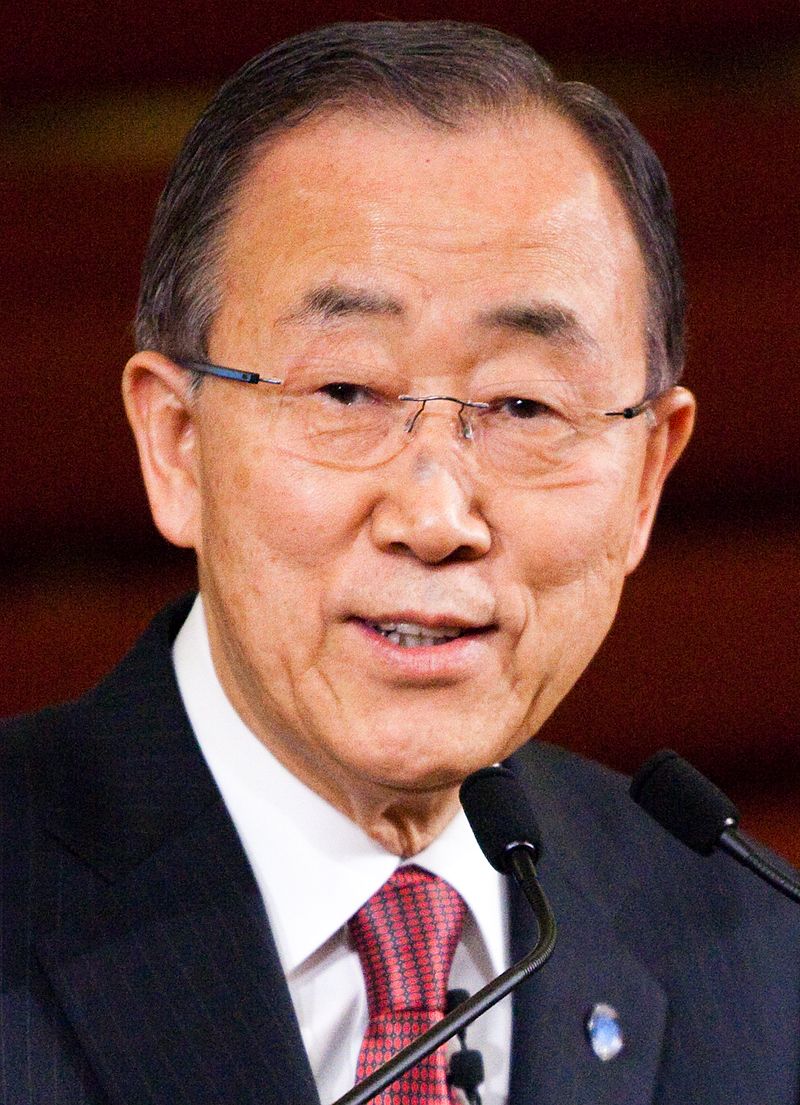
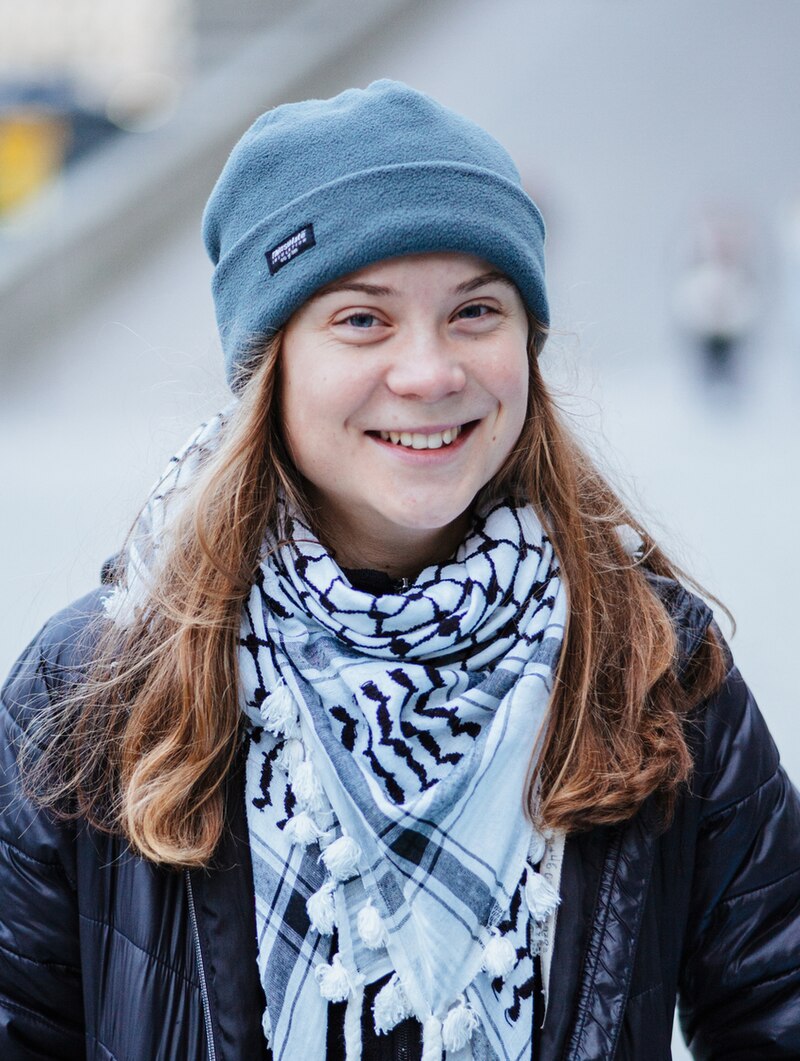


Paulo Artaxo, a member of the IPCC, hopes for progress on climate action during COP30.
La COP30 empieza en Brasil con muchos deberes y la misión de frenar la ola de negacionismo Panama· 2025-11-10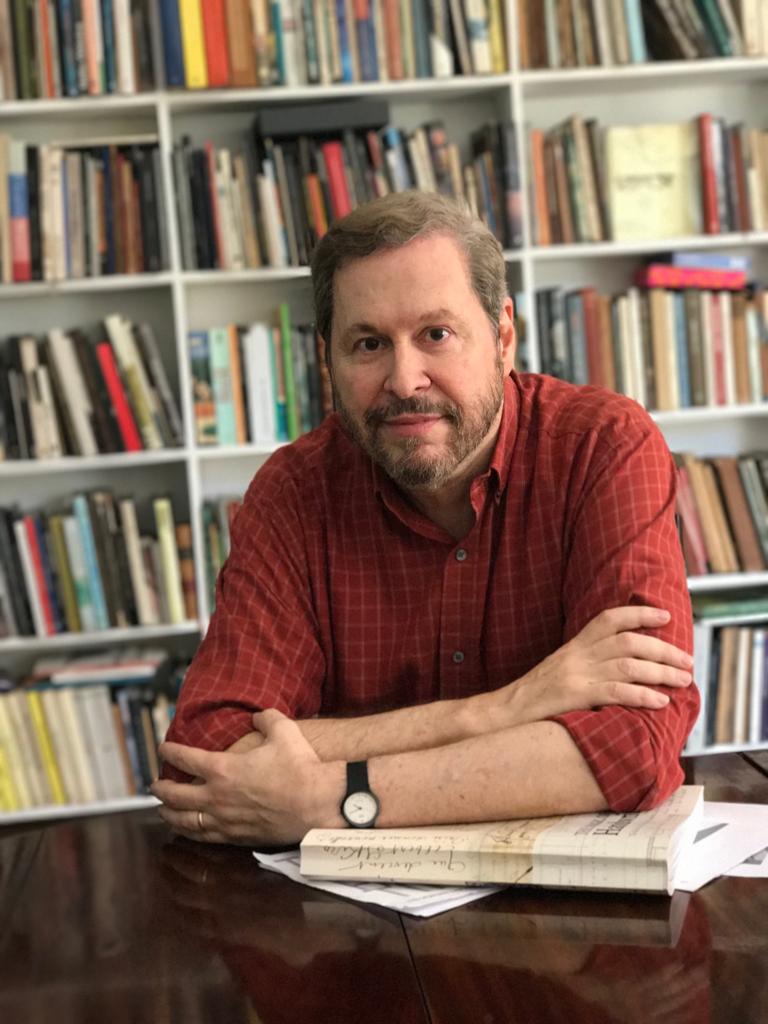

Paulo Artaxo, vice-presidente da Sociedade Brasileira pelo Progresso da Ciência, warns about the potential environmental damage from the new law.
Novo licenciamento ambiental reduz atuação de Estados e deve criar disputas na Justiça; veja por quêLiechtenstein· 2025-08-08


Paulo Artaxo, a physicist and professor at the University of São Paulo, believes the project worsens the licensing process.
com PL prestes a ser votado, cientistas divulgam manifesto contra flexibilização do licenciamento ambientalBrazil· 2025-07-17
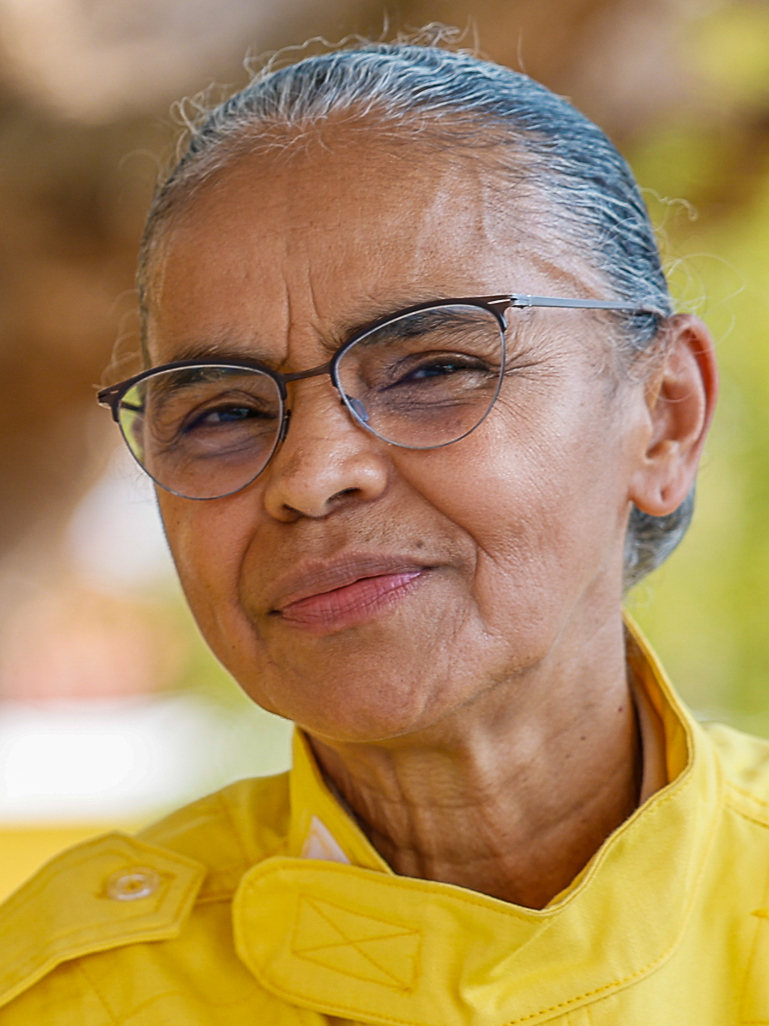
Paulo Artaxo engaged with students at USP about critical contemporary issues.
'Movimento LED' chega ao público universitário e cria edital para estudantes de jornalismoBrazil· 2025-04-09

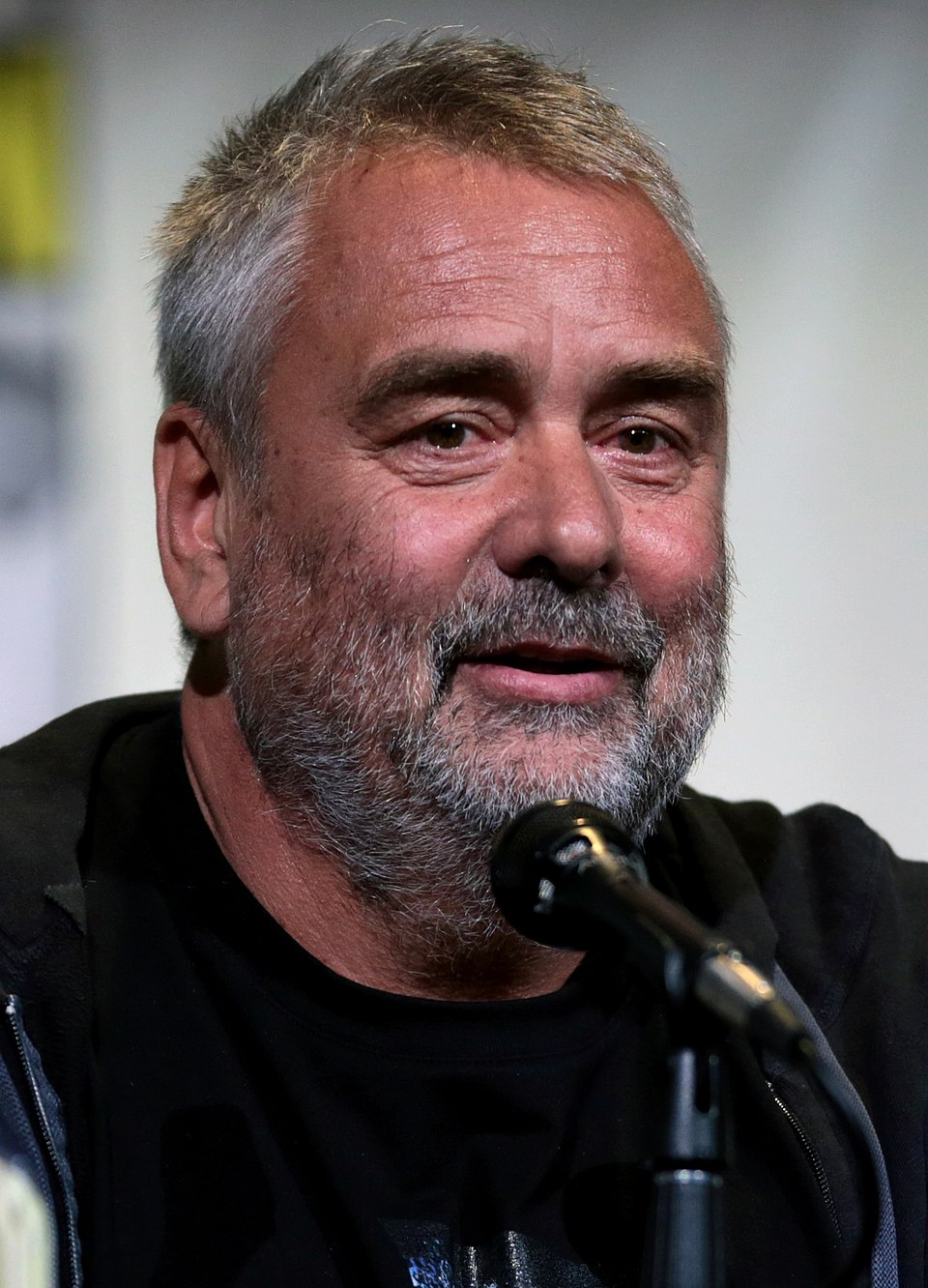


Paulo Artaxo is a professor at the Institute of Physics at the University of São Paulo.
GLOBO, Valor e CBN fazem seminário em Belém para debater crise climática nesta quintaBrazil· 2025-04-03





Paulo Artaxo is a researcher at the Instituto de Física da USP who comments on the unusual lack of La Niña formation following a strong El Niño.
Chuva, seca, calor infernal: quais são as previsões para o clima em 2025?Liechtenstein· 2025-02-11
