Simone Schnall
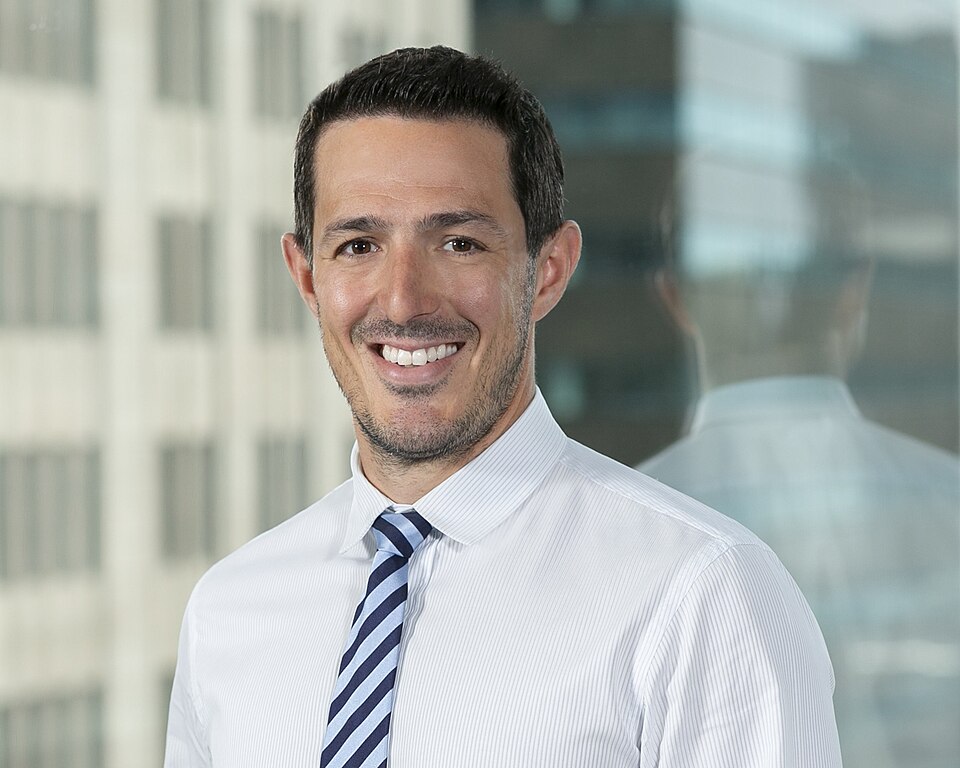
Simone Schnall is a professor of experimental psychology at Cambridge University, known for her research on the effects of beauty and aesthetics on human thought and emotion. She recently led a study demonstrating that exposure to beautiful art can enhance abstract thinking and evoke transformative feelings, suggesting that engaging with art can significantly alter our cognitive processes.
Not in the pool (under ¢1).
Recent news mentions
Psychologist Simone Schnall from the University of Cambridge evaluated that these relationships are redefining the meaning of celebrity.
‘Parassocial’ é eleita Palavra do Ano de 2025 pelo Dicionário de Cambridge; entenda o que significa Liechtenstein· 2025-11-30


Simone Schnall is a professor of experimental social psychology who studies parasocial relationships.
I’m not ashamed to admit I have a serious parasocial relationship with Taylor Swift – The Irish Times Ireland· 2025-11-26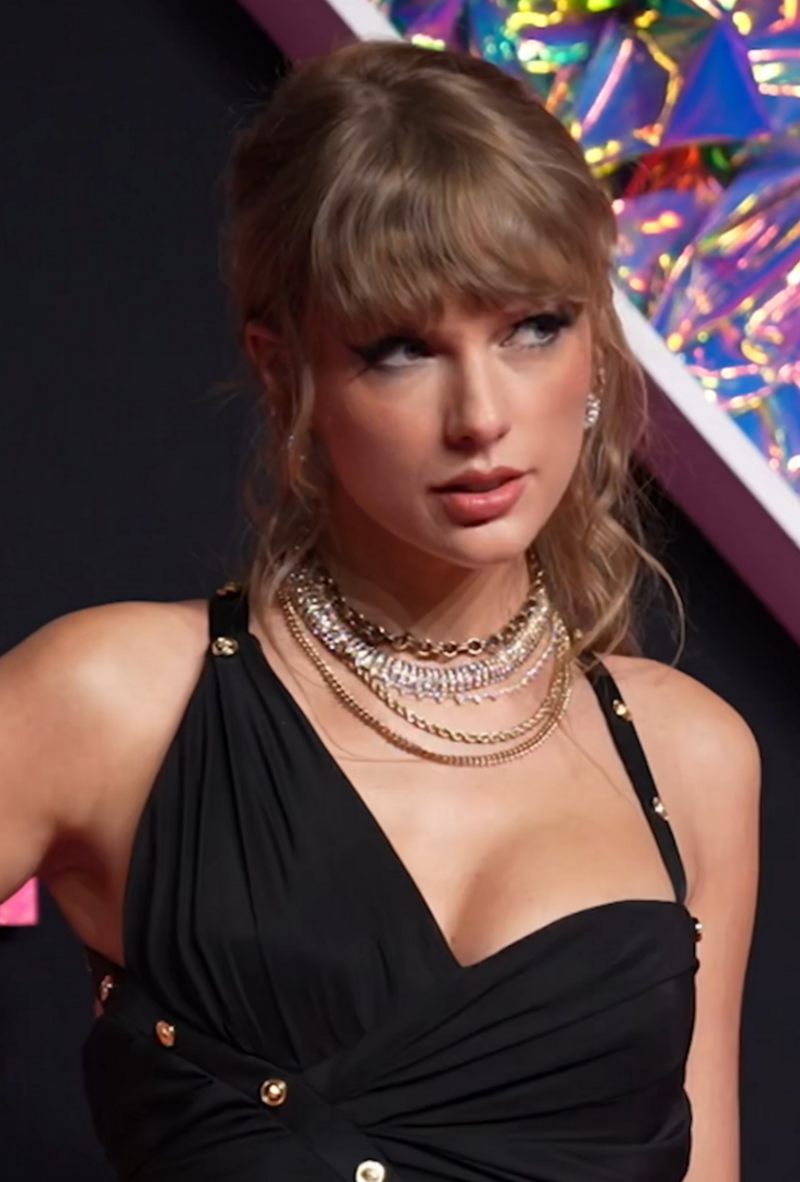

Simone Schnall, a professor of experimental social psychology at the University of Cambridge, stated that parasocial is a perfect choice for the word of the year.
Index - Tech-Tudomány - Kiderült, mi lett az év szava 2025-ben Hungary· 2025-11-24
Simone Schnall explains how parasocial relationships have fundamentally changed fan culture and prominence.
«Cambridge Dictionary» kürt «parasocial» zum Wort des Jahres Switzerland· 2025-11-19

Professor Simone Schnall warns about the concerning trend of developing parasocial relationships with influencers.
Kaj pomeni beseda »parasocialen«, letošnja beseda leta po Cambridge Dictionary Slovenia· 2025-11-18
Simone Schnall warns about the long-term consequences of AI in relationships.
Künstliche Intelligenz in Beziehungen:Switzerland· 2025-08-02

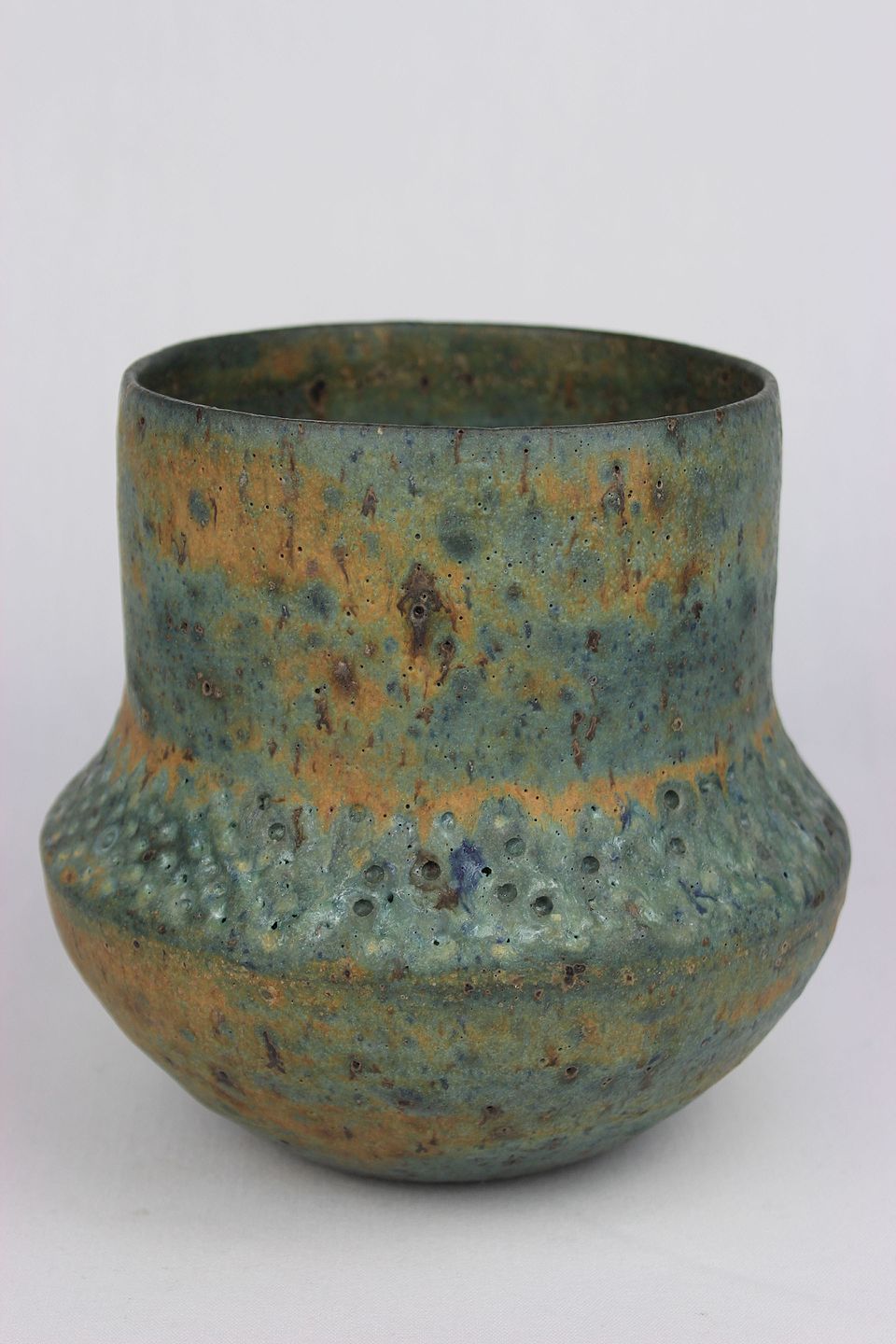
Senior study author Prof Simone Schnall said ceramics were 'ideal' for the research.
Cambridge University study finds art enhances abstract thinking United Kingdom· 2025-05-07
Simone Schnall is a professor of experimental psychology at Cambridge University and the lead author of the study.
Konstens skönhet gör oss mer abstrakta Sweden· 2025-05-07