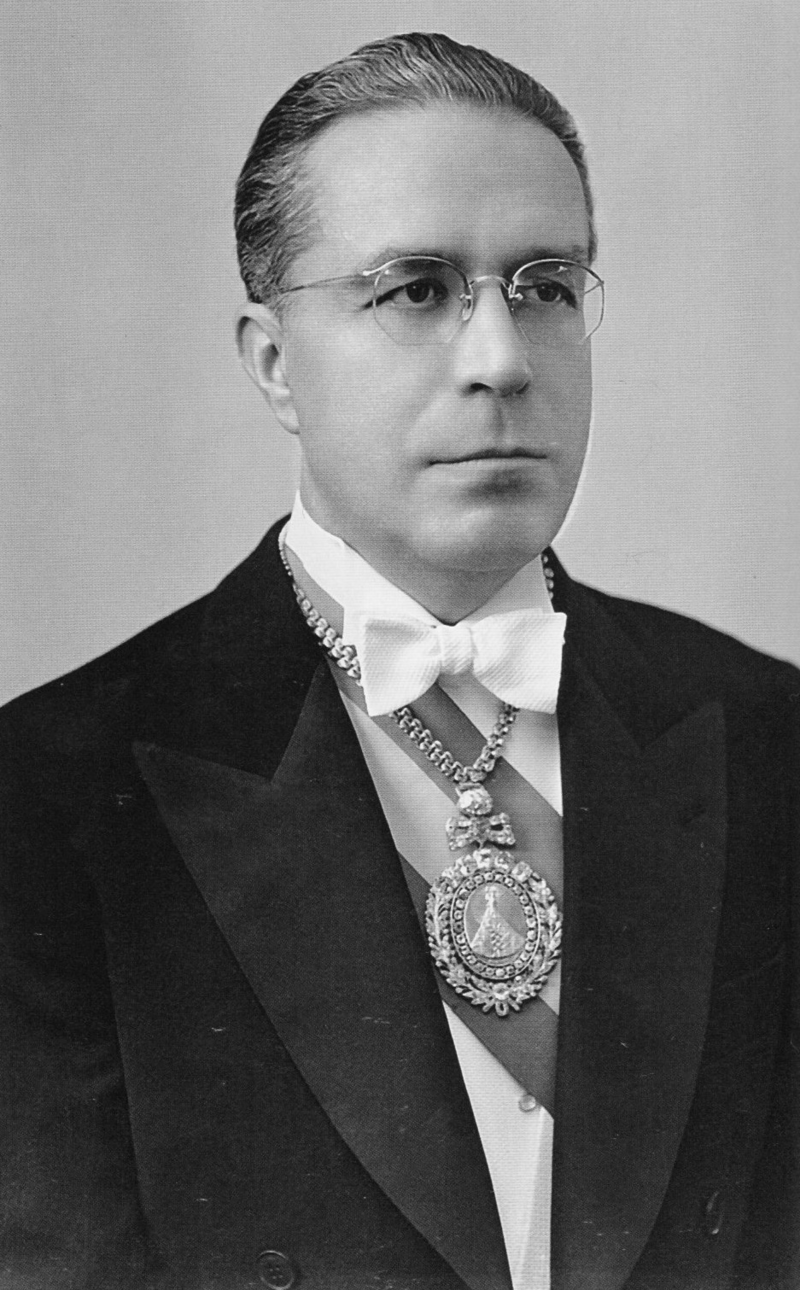
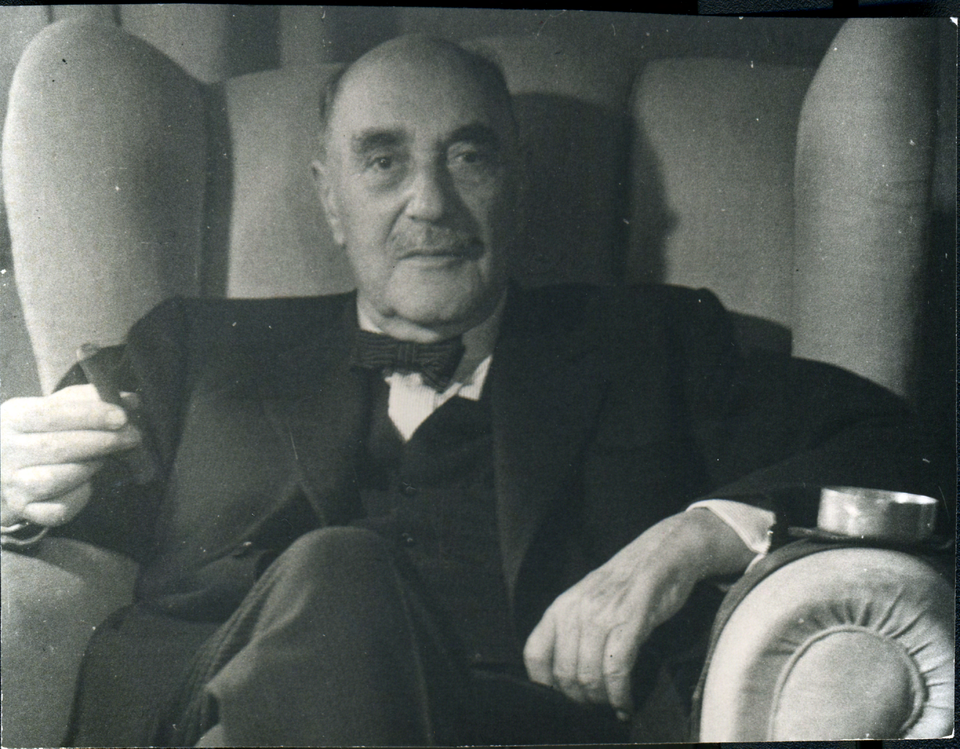
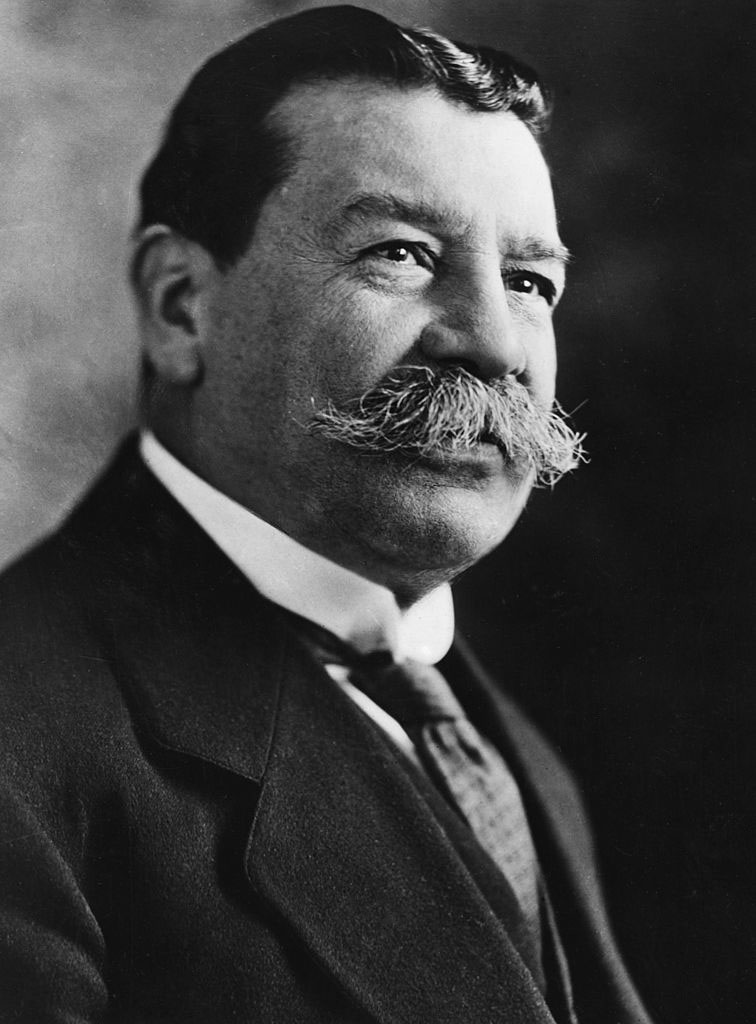
Víctor Paz Estenssoro
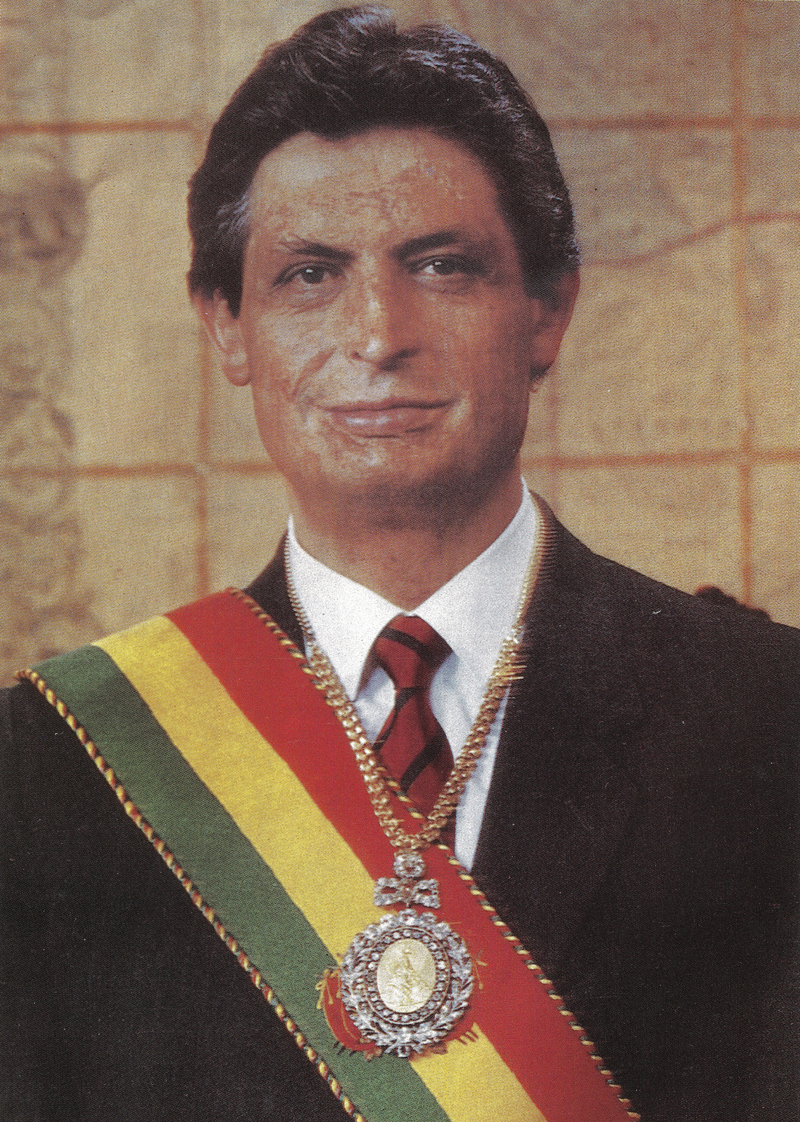
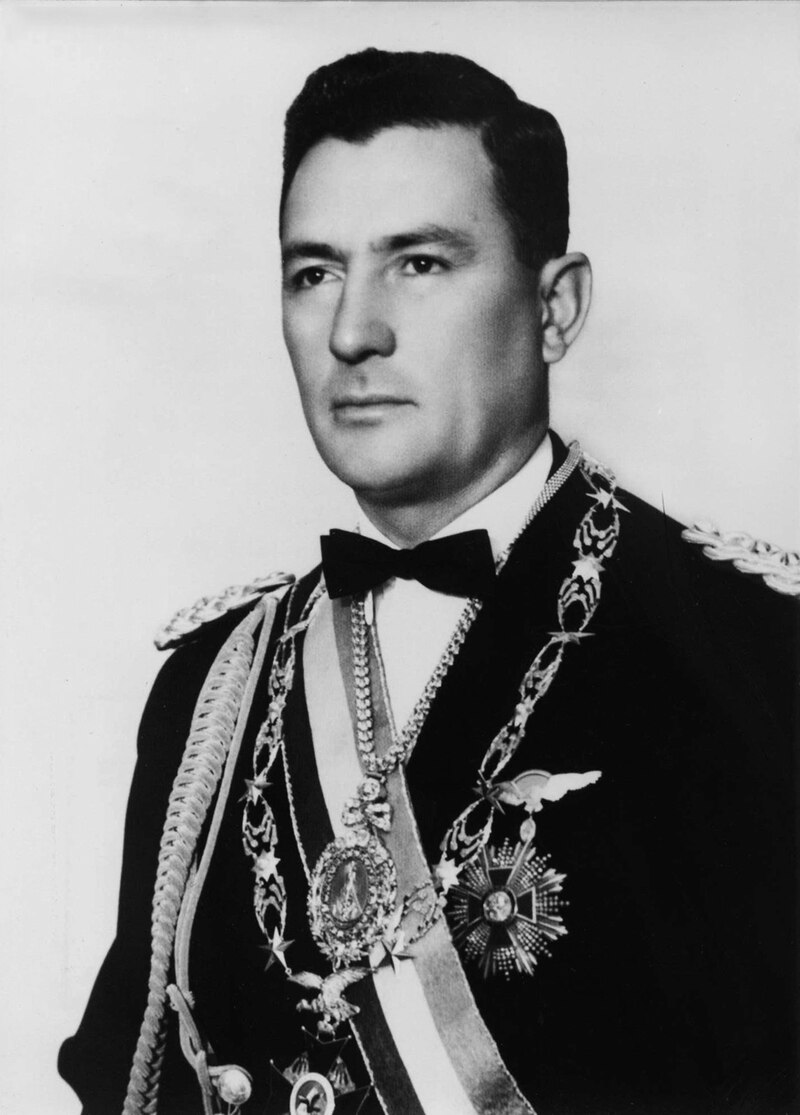
Víctor Paz Estenssoro was a prominent Bolivian politician and economist, best known for serving as the President of Bolivia multiple times between 1952 and 1989. He played a significant role in the nationalization of the country’s tin mines, which transformed Bolivia's economy and social structure, significantly benefiting the working class and indigenous populations. His policies aimed at implementing social reforms and reducing inequality have left a lasting impact on Bolivia's political landscape. Paz Estenssoro was a key figure in the Bolivian Revolution and is often remembered for his commitment to populist ideals and his efforts to modernize the country during a tumultuous period in its history.
Not in the pool (under ¢1).
Recent news mentions
Víctor Paz Estenssoro served as president of Bolivia three times and is the uncle of Rodrigo Paz Pereira.
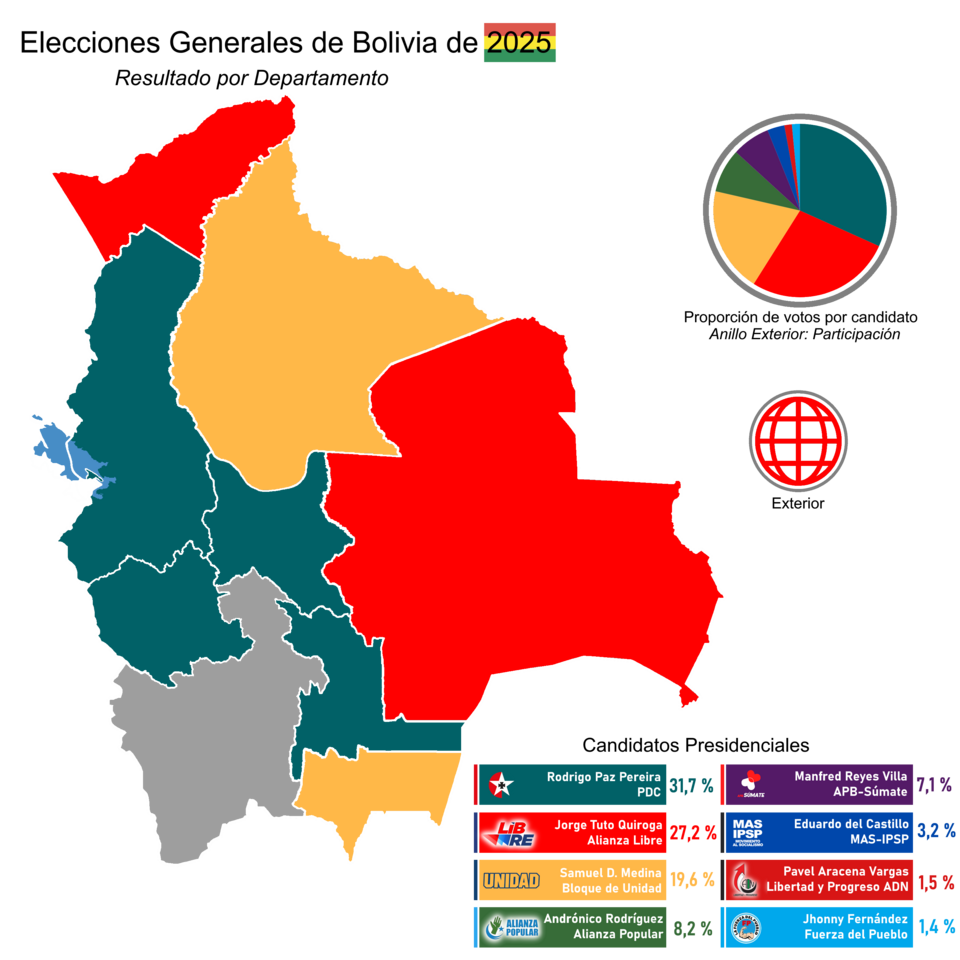
Bolivia confirma giro a la derecha en la región con la elección de Rodrigo Paz; ¿qué puede venir para Argentina y Chile? / Análisis de Mauricio Vargas Colombia· 2025-10-22



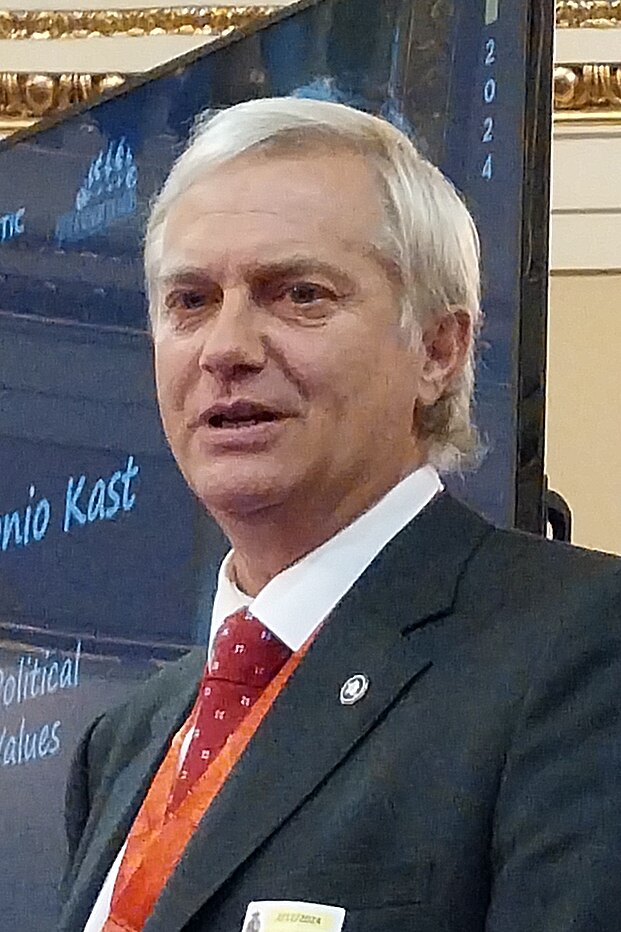

Paz will be the third member of his family to reach the highest office in the nation, after his father and his uncle Víctor Paz Estenssoro.
Centroderechista Paz, nuevo presidente de Bolivia que pone fin a 20 años de socialismo Guatemala· 2025-10-20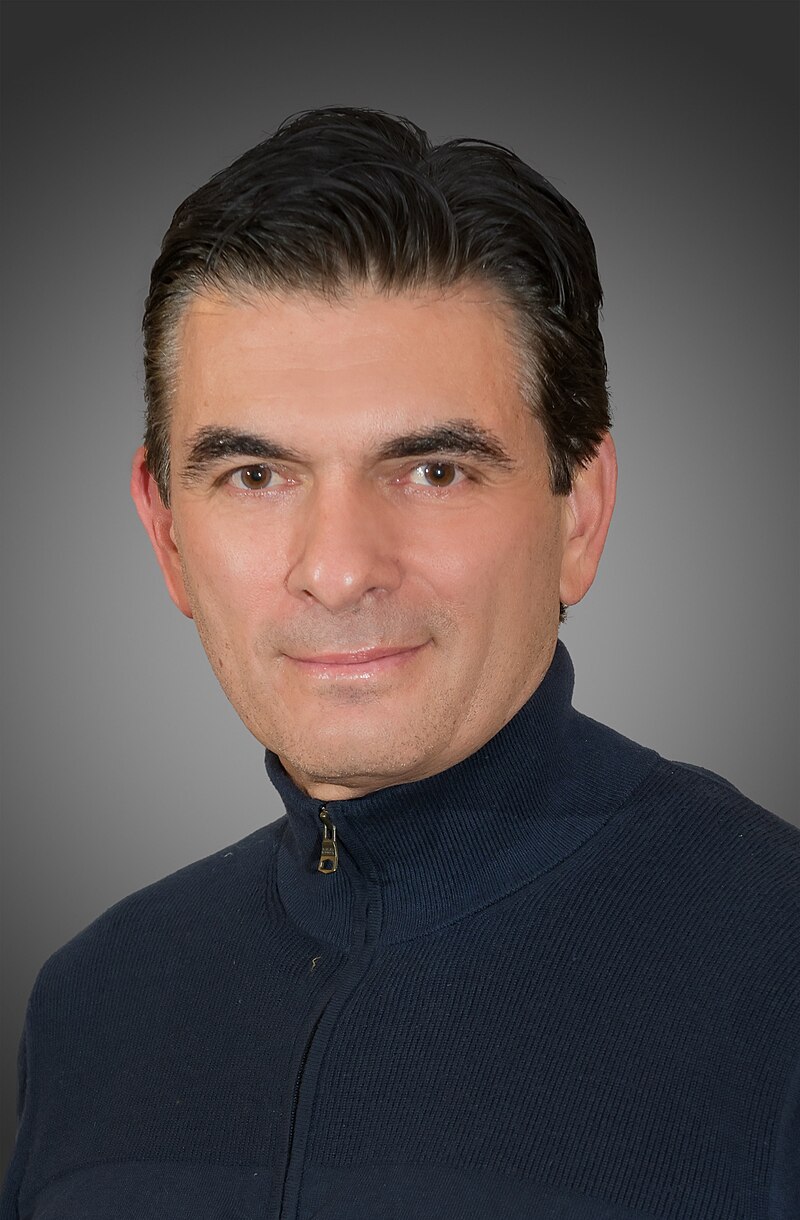



Rodrigo Paz is also related to his great-uncle Víctor Paz Estenssoro, who was a four-time president.
¿Qué significa el triunfo de Rodrigo Paz para Bolivia? Venezuela· 2025-10-20
Rodrigo Paz's great-uncle, Víctor Paz Estenssoro, was a four-time president of Bolivia.
Quem é Rodrigo Paz, eleito novo presidente da Bolívia Liechtenstein· 2025-10-20
Víctor Paz Estenssoro is the uncle of Rodrigo Paz and a former president of Bolivia.
Centroderechista Paz, nuevo presidente de Bolivia que pone fin a 20 años de socialismo - Mundo Paraguay· 2025-10-20
Víctor Paz Estenssoro is Rodrigo Paz's great-uncle and a four-time president of Bolivia.
Rodrigo Paz, el trotamundos del "capitalismo para todos" Argentina· 2025-10-20

Rodrigo Paz is the third member of his family to reach the presidency, following his uncle Víctor Paz Estenssoro.
Rodrigo Paz é eleito presidente na Bolívia, aponta resultado preliminar Brazil· 2025-10-20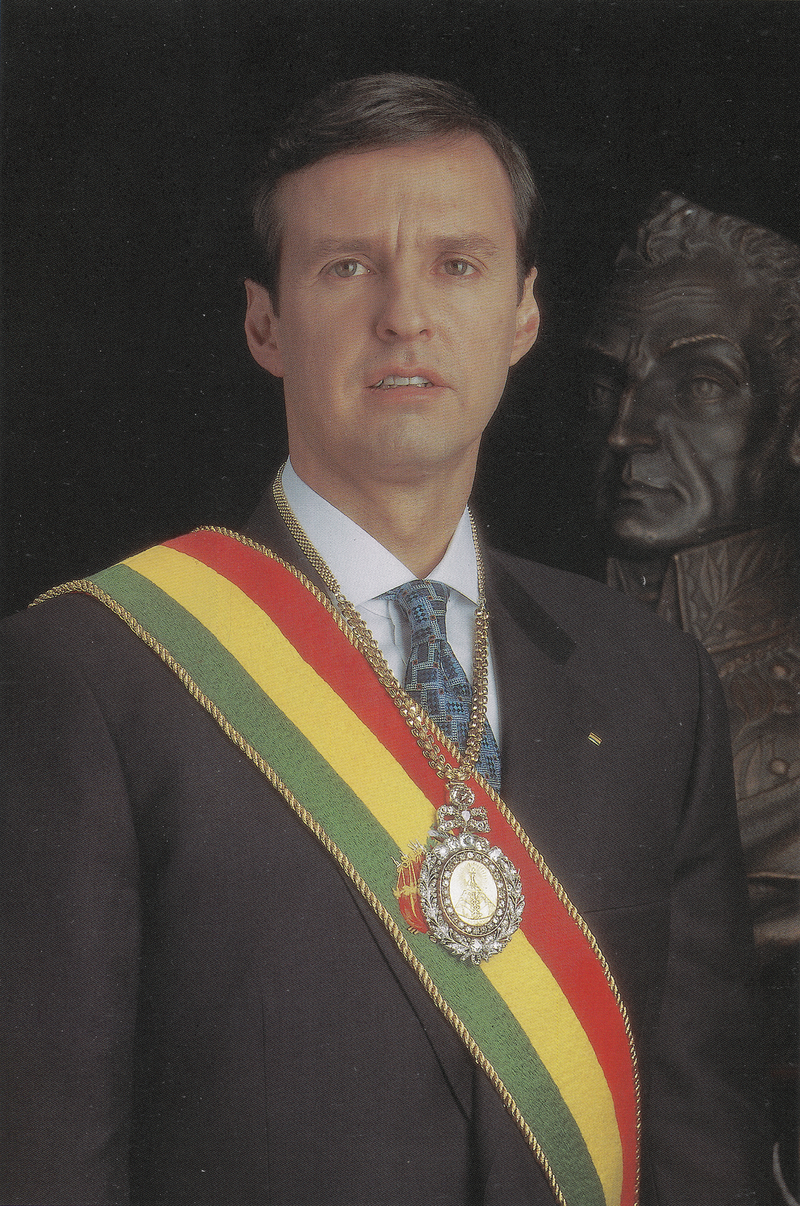
Victor Paz Estenssoro was the president of Bolivia who was overthrown with CIA support.
Las operaciones encubiertas más conocidas de la CIA en América LatinaVenezuela· 2025-10-17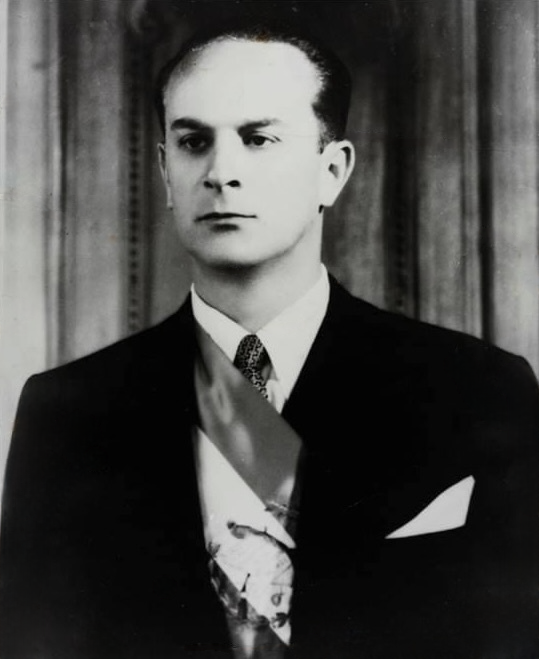
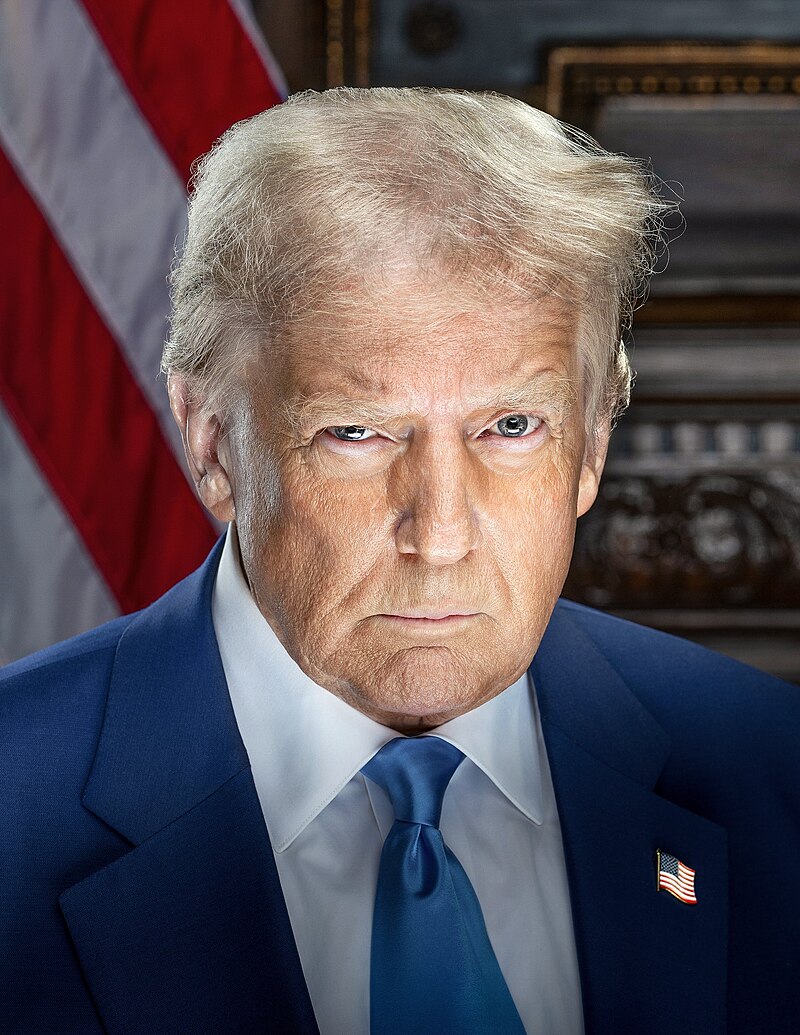
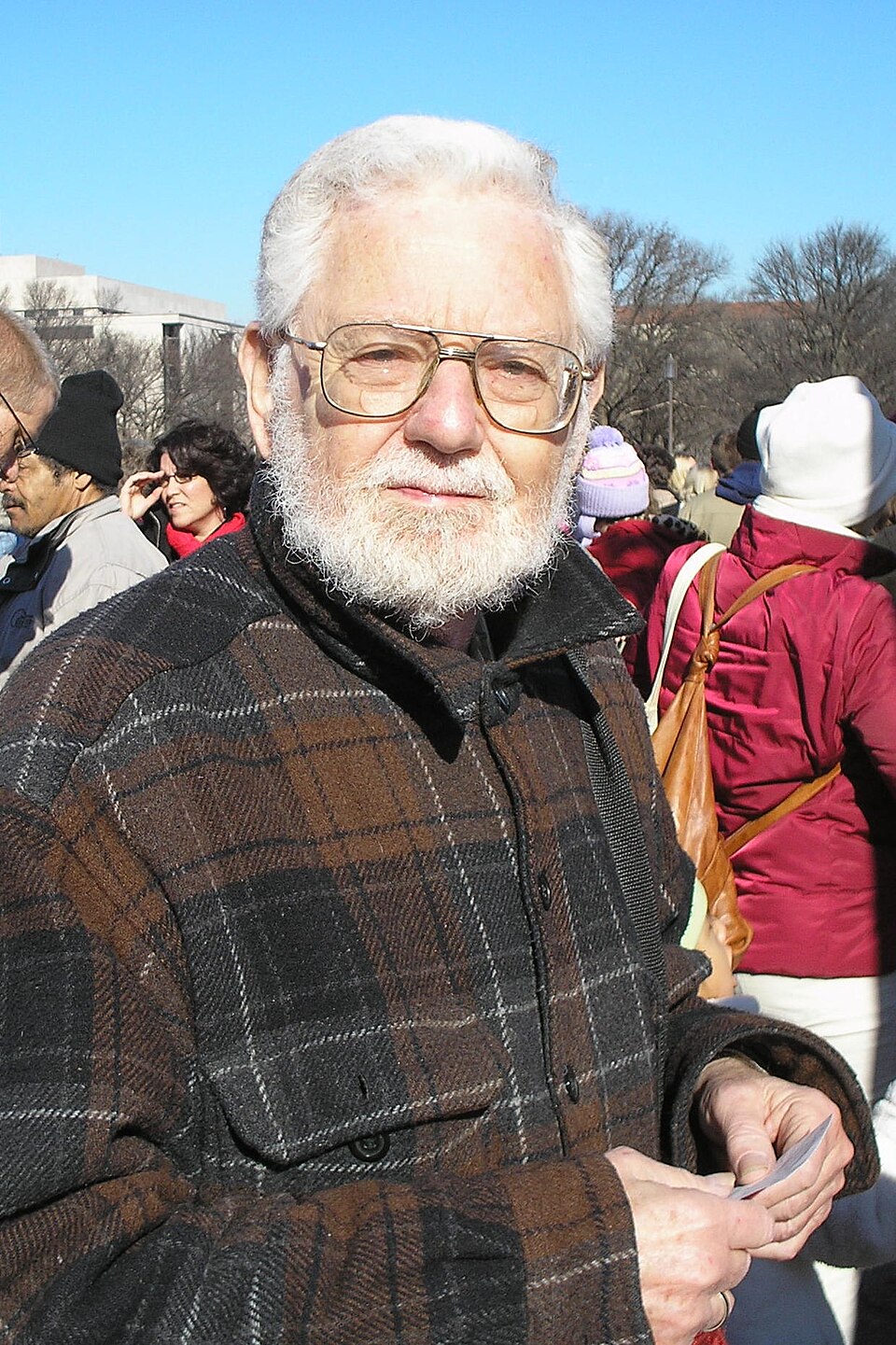
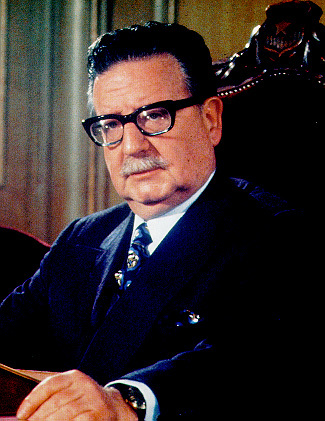
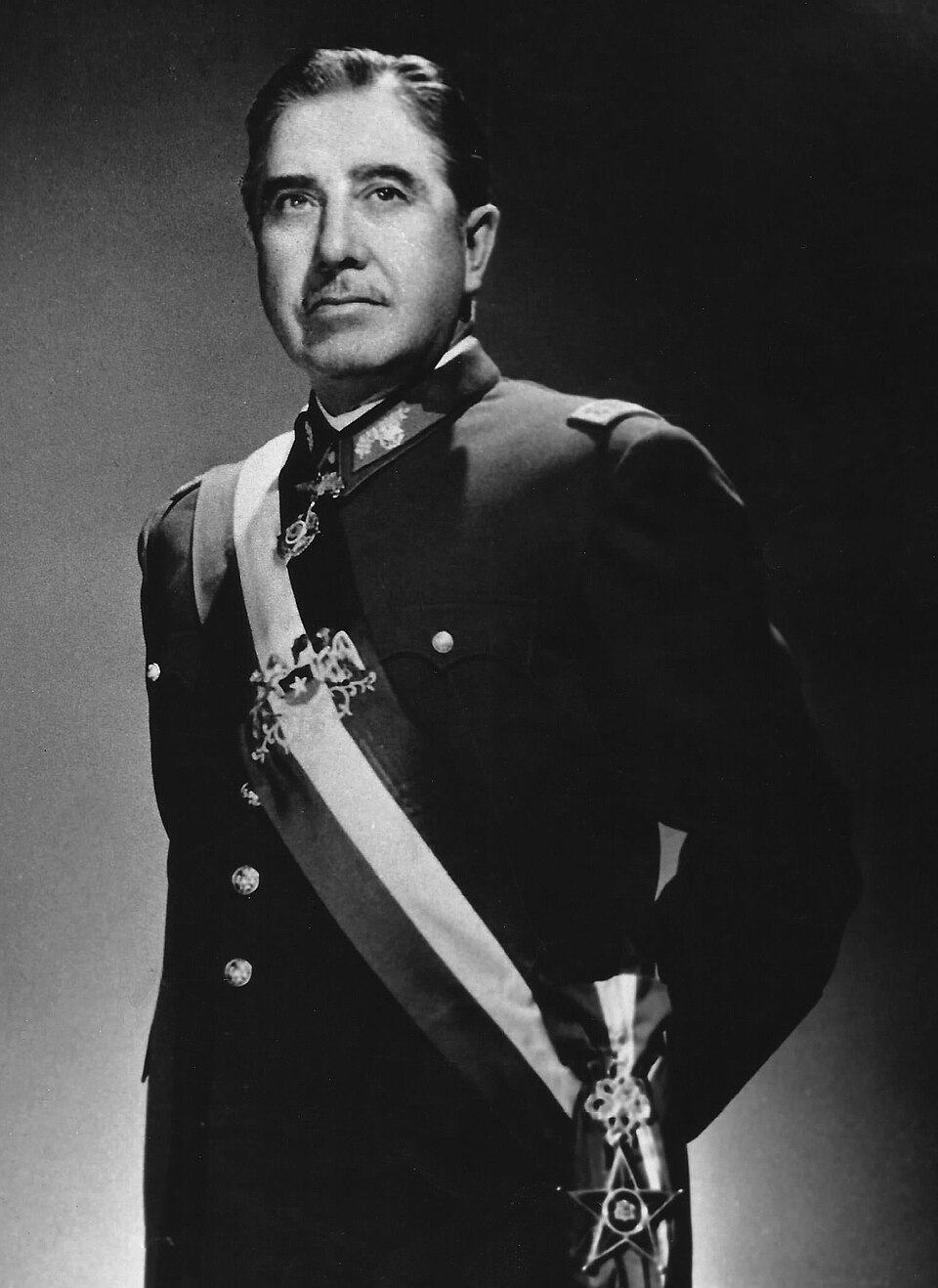
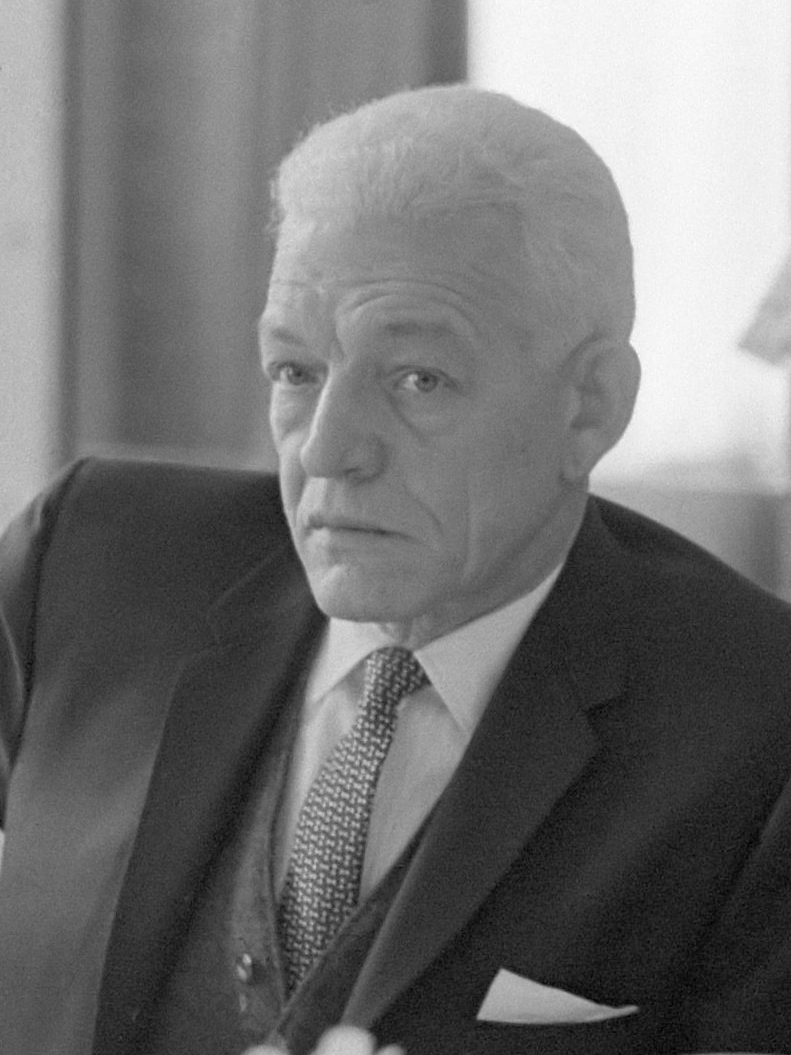
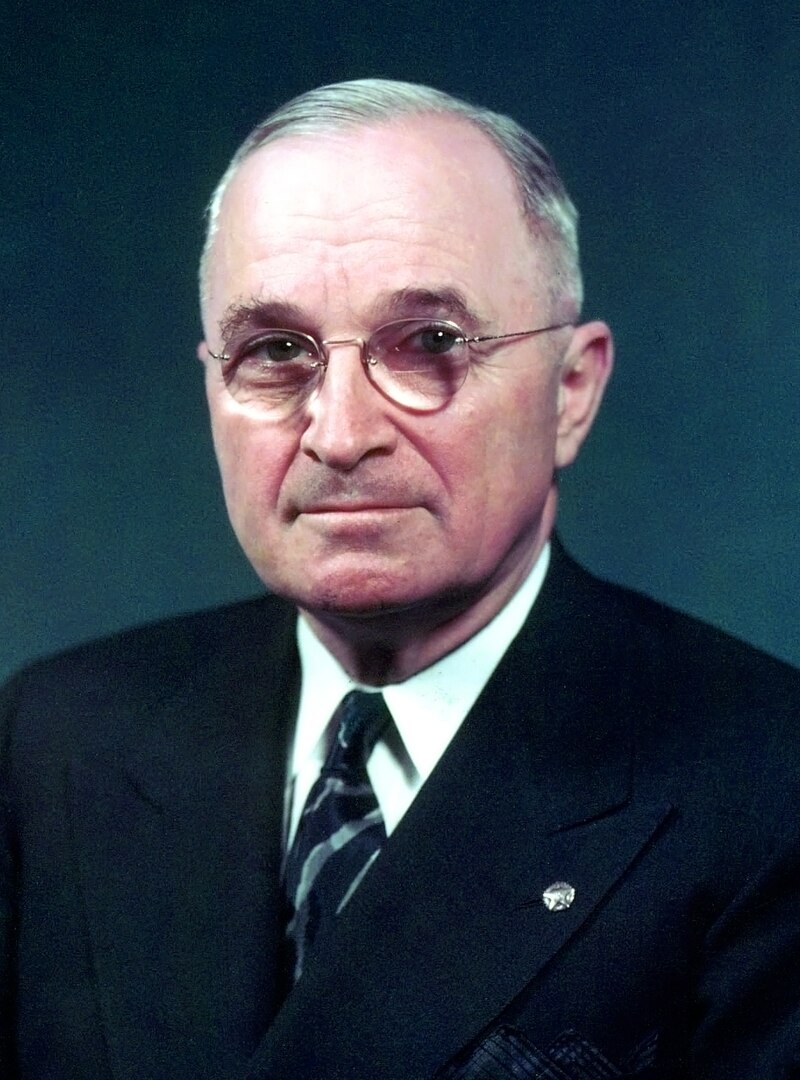
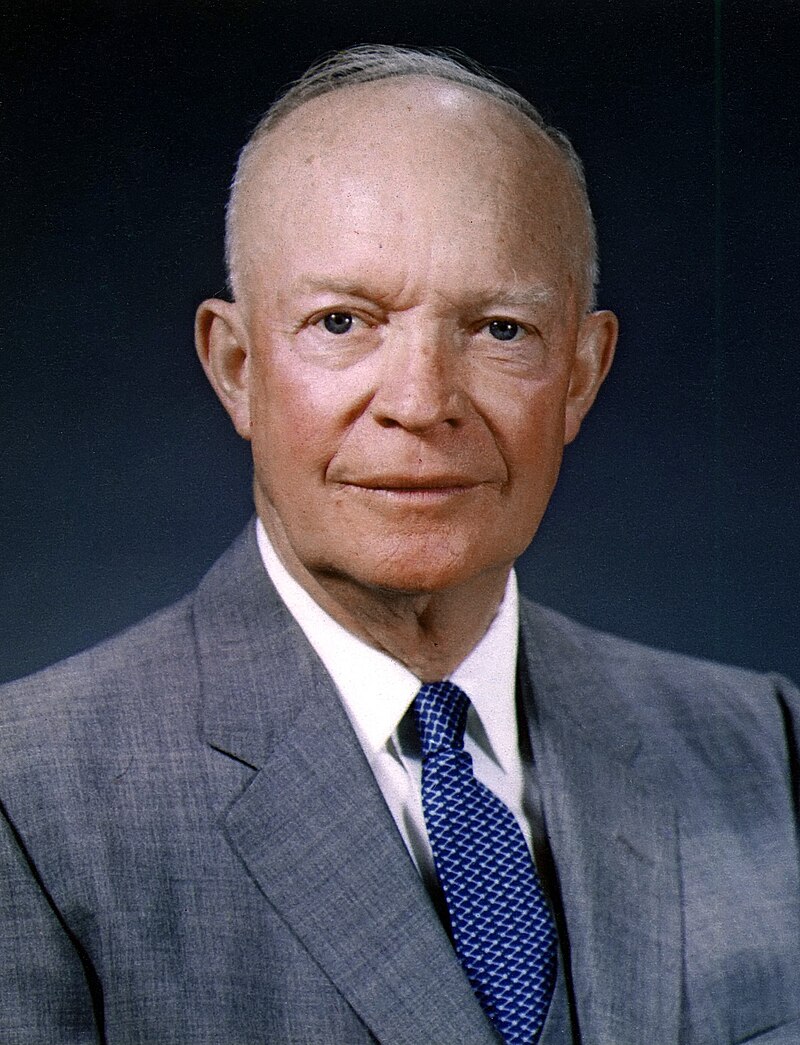
Víctor Paz Estenssoro had the vision to form work teams during the implementation of the DS 21060.
El espejismo electoral y la tormenta que ya llegó Bolivia· 2025-09-12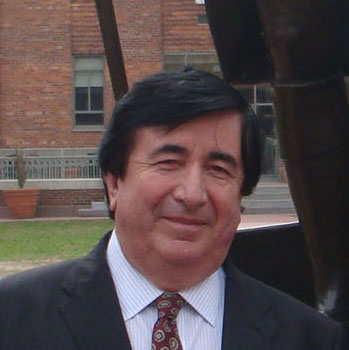
Victor Paz Estenssoro promulgated the Supreme Decree 21060 aimed at controlling hyperinflation and stabilizing the economy.
A 40 años del 21060, lecciones para el presenteBolivia· 2025-09-10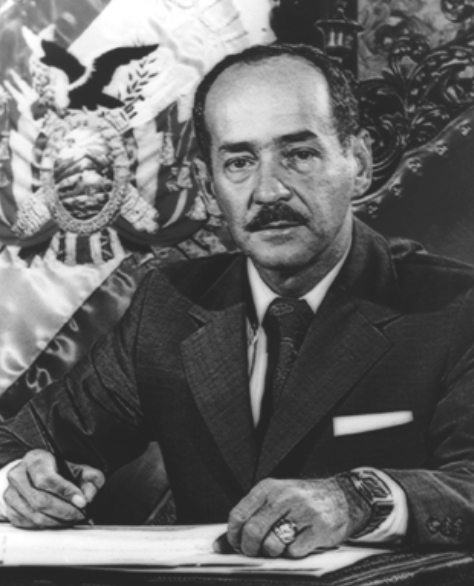
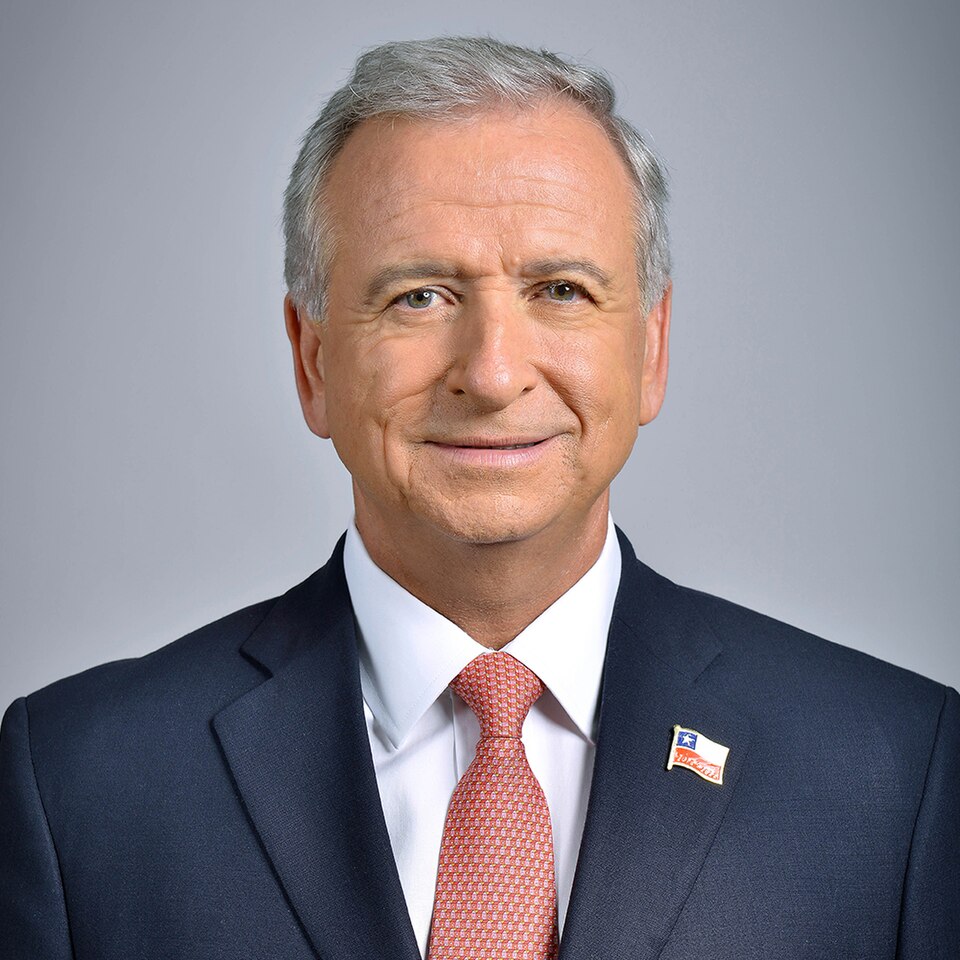


Víctor Paz Estenssoro was crucial in the implementation of the Decreto Supremo 21060.
Un error del 21060 que Goni corrigióBolivia· 2025-09-01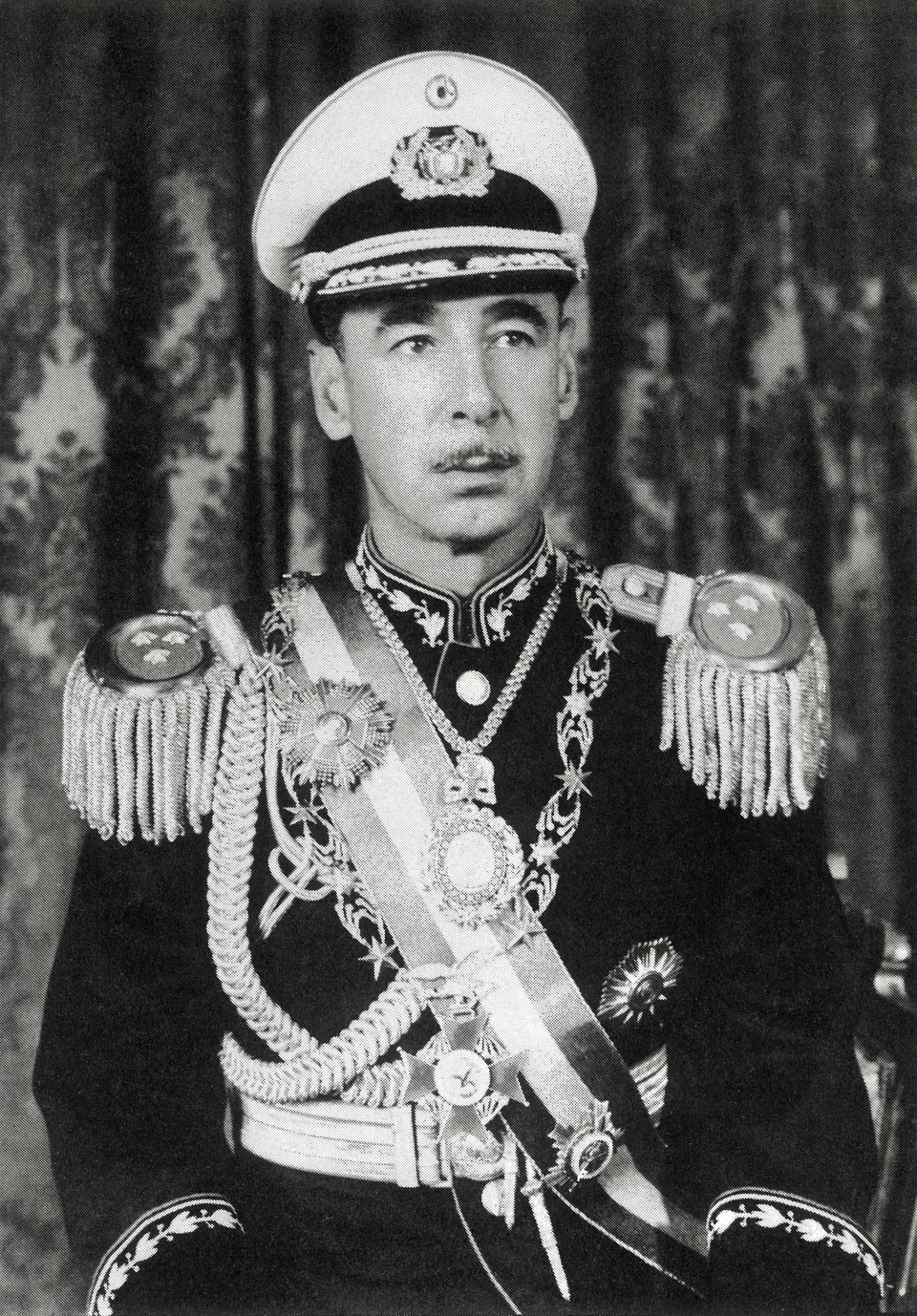


Víctor Paz Estenssoro presented the Supreme Decree 21060 in 1985 to stabilize the country suffering from hyperinflation.
Goni reaparece por los 40 años del decreto 21060 y ve que la “demagogia y el autoritarismo” llevaron a Bolivia a una nueva crisisBolivia· 2025-08-29
Víctor Paz Estenssoro addressed the country during an economic crisis in 1985.
Del 1985 al 2025: tropezando con la misma piedraBolivia· 2025-08-24
Víctor Paz Estenssoro was a four-time president of Bolivia, known for his significant influence on the country's political cycles.
¿se avecina otro golpe contra la ola rosa?Colombia· 2025-08-13


Víctor Paz Estenssoro was the president who nationalized the mines in Bolivia during the 1952 revolution.
Estaño: el auge y colapso del mineral que forjó BoliviaBolivia· 2025-08-06
Víctor Paz Estenssoro served from 1952 to 1956 and achieved a growth rate of 4.08%.
Bolivia: dos siglos de persistencia extractiva y crecimiento esquivoBolivia· 2025-08-04
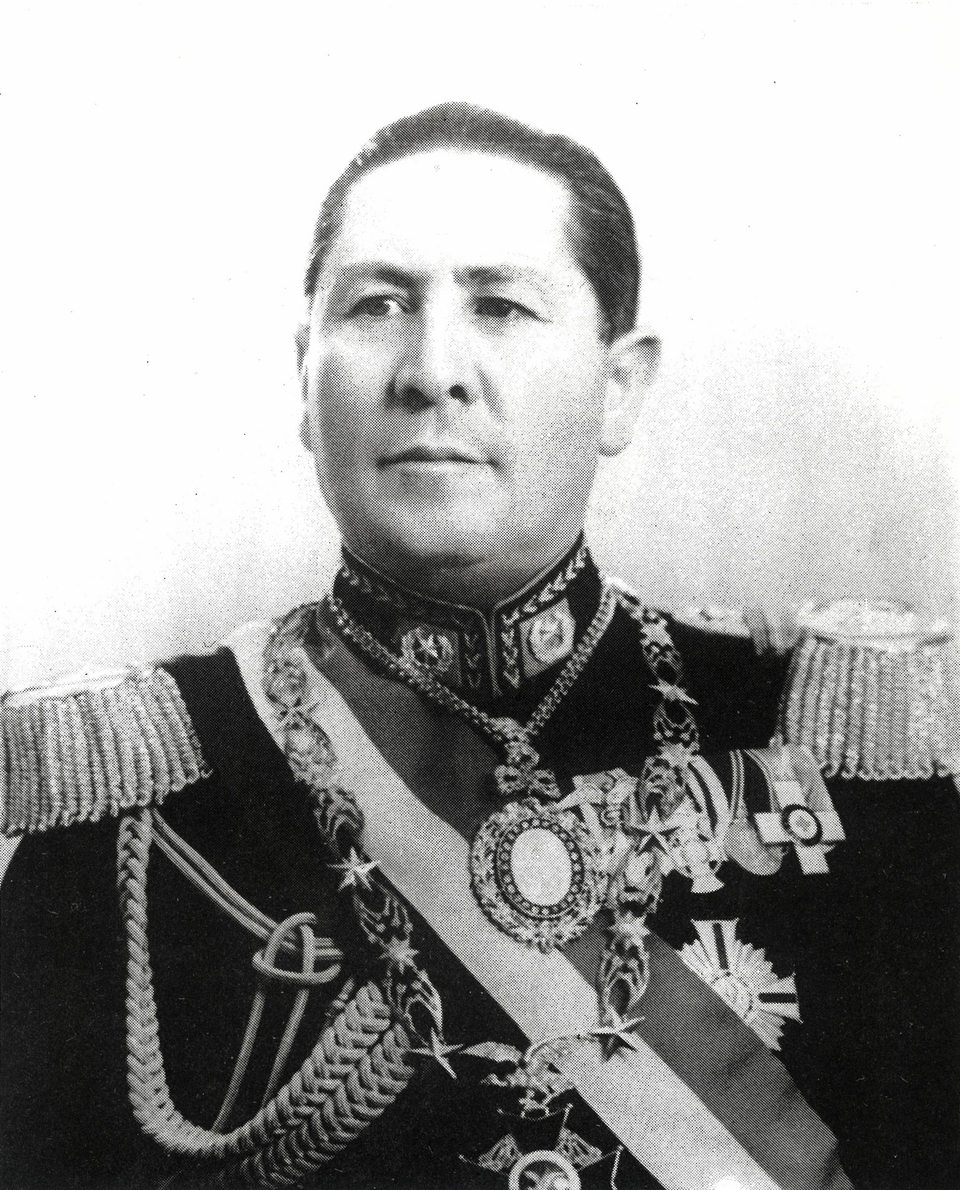
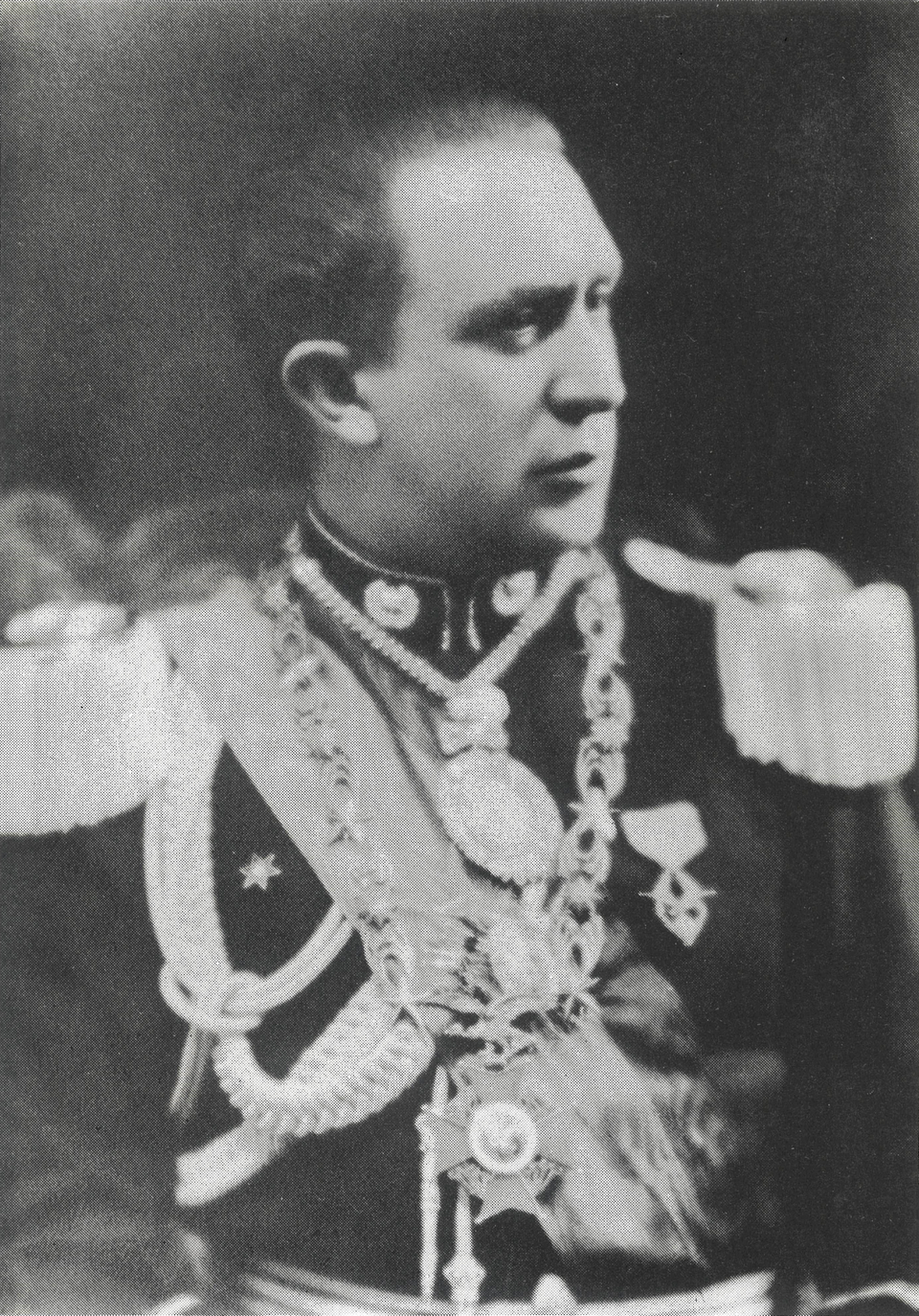
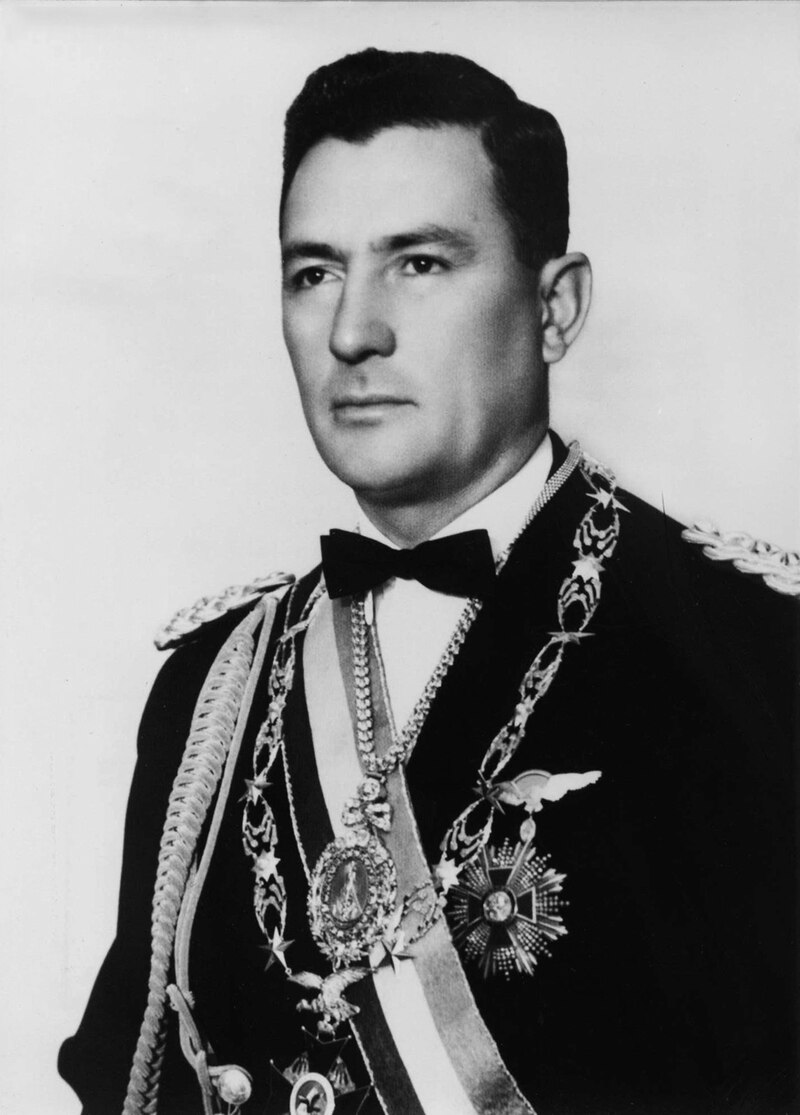
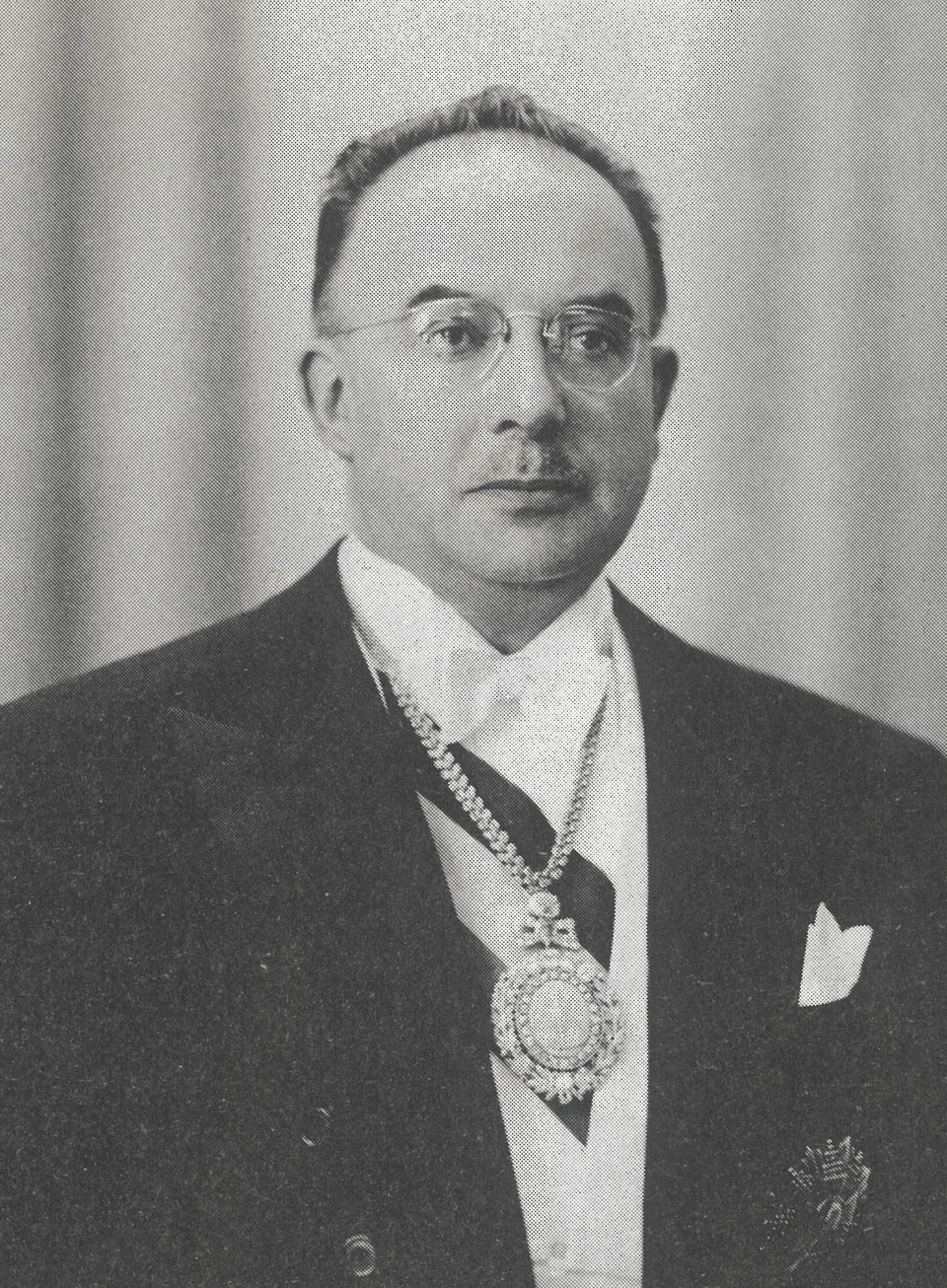

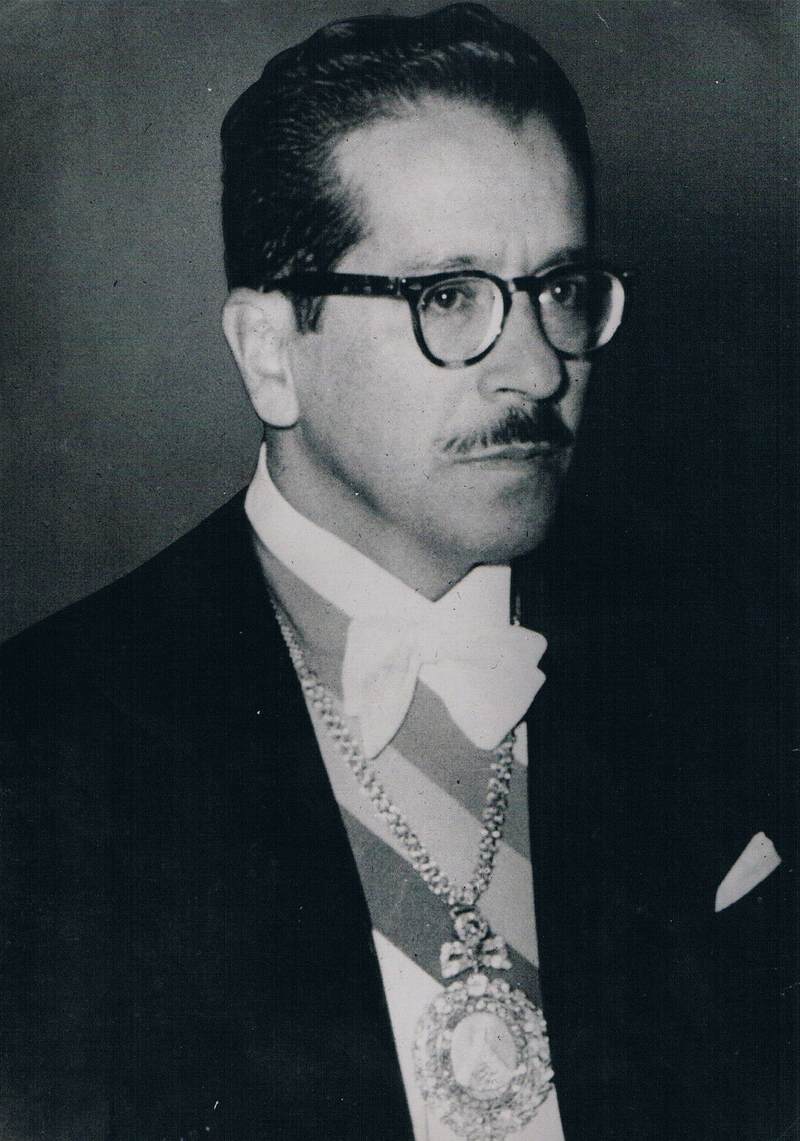
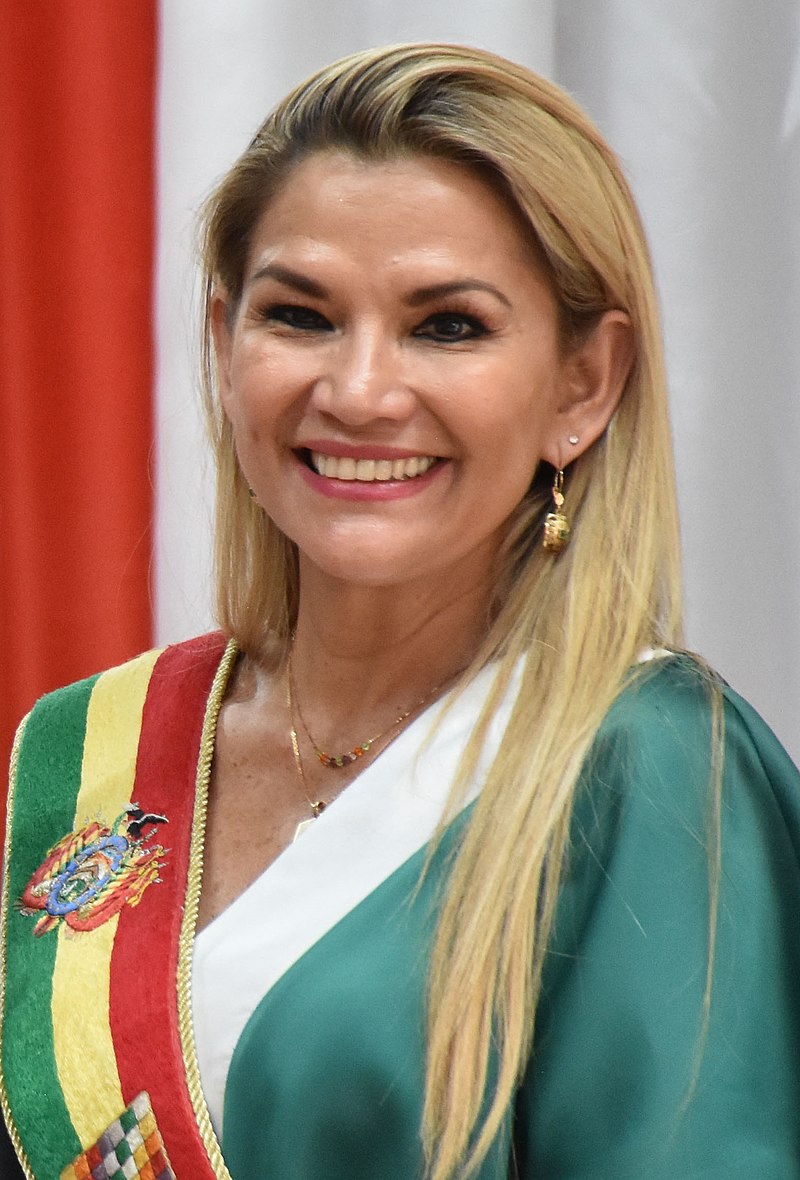
Víctor Paz Estenssoro became president with the support of the MNR despite losing the election to Hugo Banzer.
La revelaciones de Ronald MacLean AbaroaBolivia· 2025-08-02
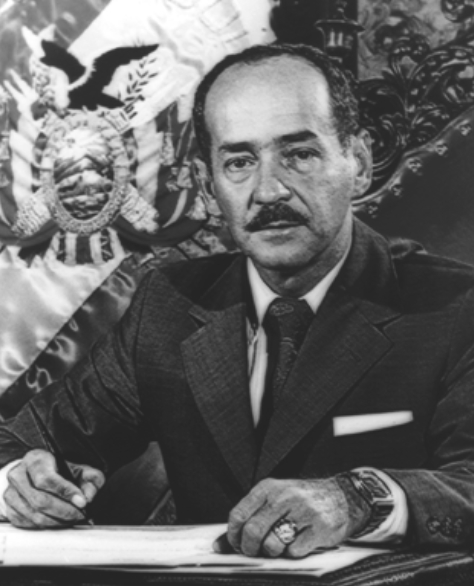
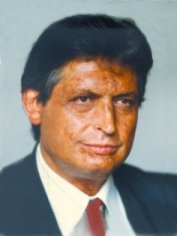
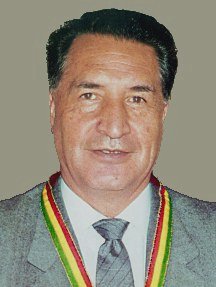
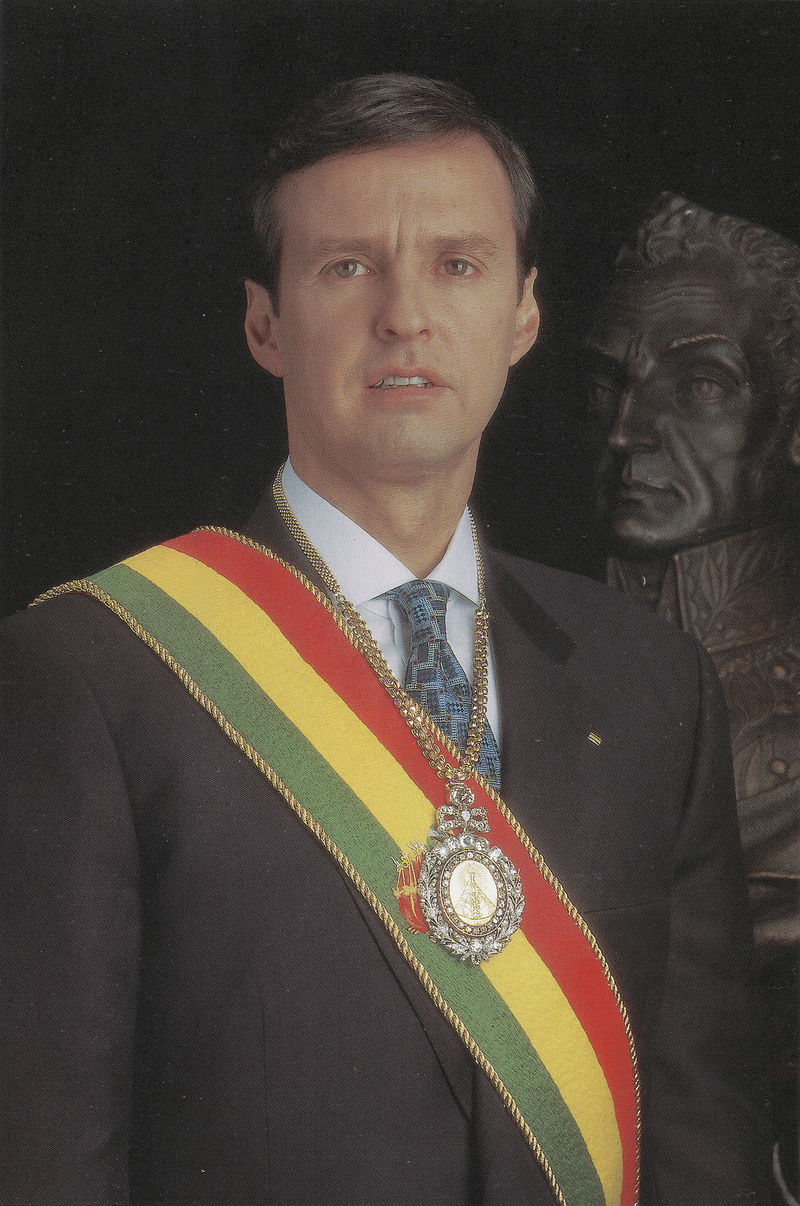

Víctor Paz Estenssoro is credited with the political skill to implement the economic stabilization plan during a time of crisis.
Mitos y leyendas sobre el Decreto Supremo 21060Bolivia· 2025-06-15Víctor Paz Estenssoro is recognized as a historical leader of the movimientismo and is credited with significant reforms in Bolivia.
Tuto quiere aplicar las recetas de Víctor Paz para superar la crisisBolivia· 2025-06-11
Víctor Paz Estenssoro is recognized by Tuto Quiroga for his historical impact on Bolivia's political landscape.
MNR respalda la candidatura de Jorge Tuto Quiroga "para salvar al país"Bolivia· 2025-06-10
Torres quoted Víctor Paz Estenssoro, emphasizing the importance of prioritizing the country over the party.
MNR podría pedir licencia al órgano electoral e insiste por la unidad de la oposiciónBolivia· 2025-05-07

Víctor Paz Estenssoro's government imposed relocation during the mining crisis of the 80s, worsening unemployment.
Revolución Social Inconclusa en Bolivia: Reflexiones de un K'araBolivia· 2025-04-30
Víctor Paz Estenssoro is mentioned alongside Ismael Montes in a rhetorical question regarding political responsibilities.
De la avenida Centenario a la avenida BicentenarioBolivia· 2025-04-25
Víctor Paz Estenssoro encarnó ese liderazgo en 1985, permitiendo implementar medidas duras con el menor costo político posible.
1985. Los aprendizajes para estabilización económica exitosaBolivia· 2025-04-13Víctor Paz Estenssoro was the president who instituted April 12 as Children's Day in Bolivia.
Globos, festejos, danzas y mucha alegría, en el Día del Niño en BoliviaBolivia· 2025-04-12

Victor Paz Estenssoro's words are referenced to emphasize the priority of the nation over party interests.
Líder del MNR pide a "Tuto" Quiroga reflexionar para volver al bloque de unidadBolivia· 2025-04-10
Víctor Paz Estenssoro's government initiated a transformation of education in Bolivia following the 1952 revolution.
La revolución del 9 de abril de 1952 sembró la semilla de una educación para todosBolivia· 2025-04-09


Víctor Paz Estenssoro successfully implemented the Decreto Supremo 21060 during a previous economic crisis.
Ni Mileitos ni Buquelitos. Se buscan estadistasBolivia· 2025-03-30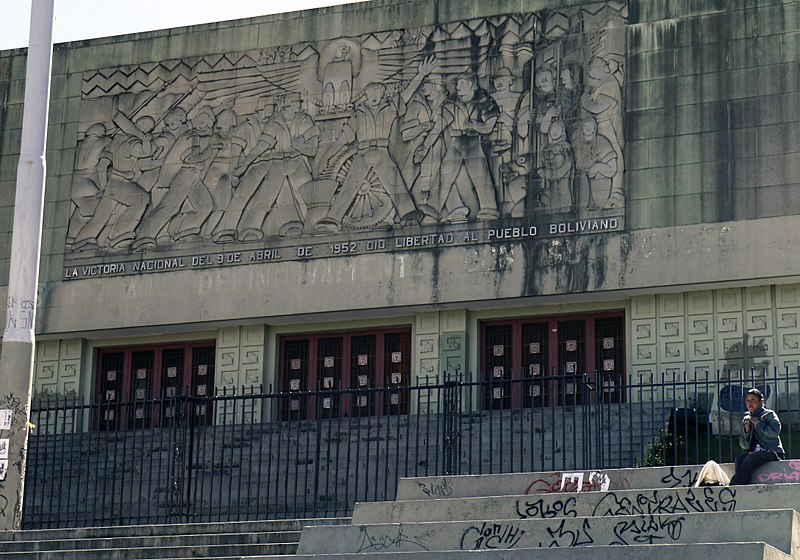
Víctor Paz Estenssoro was a four-time president of Bolivia who reflected on the mistakes of his re-election.
La reelección, la maldición de los políticos bolivianosBolivia· 2025-03-21
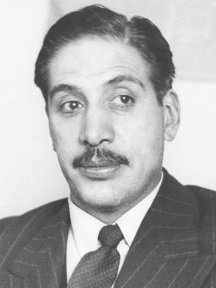
The book narrates the life of former president Paz Estenssoro from his childhood to his presidency in Bolivia.
Reeditan libro sobre la vida del expresidente Víctor Paz EstenssoroBolivia· 2025-03-14