Alberto Acosta
Alberto Acosta is an Ecuadorian economist and politician, previously serving as the president of the Constituent Assembly that drafted the 2008 Constitution. He is known for his association with the correísta movement and his advocacy for progressive economic policies. Acosta has recently been mentioned in the news for his contributions to the debate on desdolarization and its potential effects on the Ecuadorian economy.
Not in the pool (under ¢1).
Recent news mentions
Alberto Acosta agrees with Legarda that the immediate effect of Trump's announcement is a reduction in the tariff from 15% to 10%.
‘La sobretasa de 15 % ya no es la base de análisis y se entiende que sería de 10 %’ | Economía | Noticias Ecuador· 2026-02-21

Alberto Acosta stated that the Supreme Court's ruling could force the U.S. to refund billions in tariffs.
¿Qué pasará con las sobretasas y el acuerdo con EE. UU. tras dictamen judicial? | Economía | NoticiasEcuador· 2026-02-20
Alberto Acosta criticized the economic rationale behind the tariffs imposed on Colombia.
Aranceles entre Ecuador y Colombia preocupan a comercios y transportistas de las poblaciones fronterizas | Ecuador | NoticiasEcuador· 2026-01-24


Alberto Acosta, a director at Desarrollo en Democracia, warned about the exhaustion of the Paraguayan economic model.
Dende alerta sobre el agotamiento del modelo económico en Paraguay - Negocios Paraguay· 2025-11-24
Alberto Acosta believes that despite the 'no' victory, the current constitution should be changed to address current challenges.
Por qué Daniel Noboa sufrió en Ecuador un masivo revés electoral 7 meses después de ganar cómodamente su reelección Panama· 2025-11-18
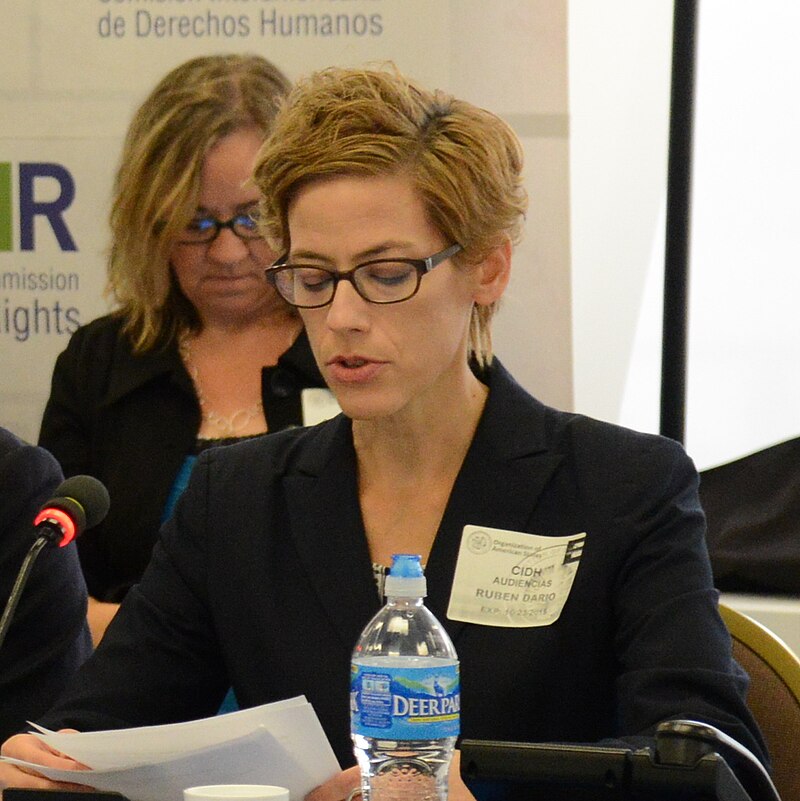

Alberto Acosta is a former constituent assembly member involved in discussions regarding the electoral ballot.
Conaie convoca a una minga nacional por el no a la consulta popular y el oficialismo recorre barrios promoviendo el sí | Política | NoticiasEcuador· 2025-11-02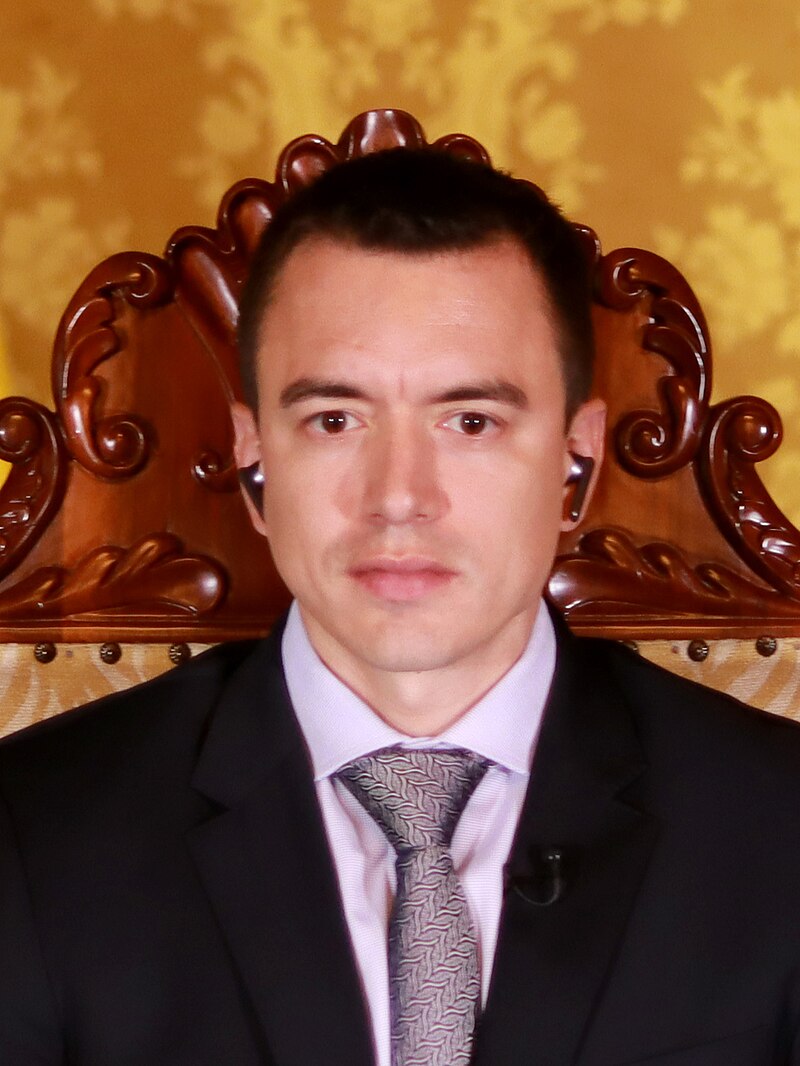



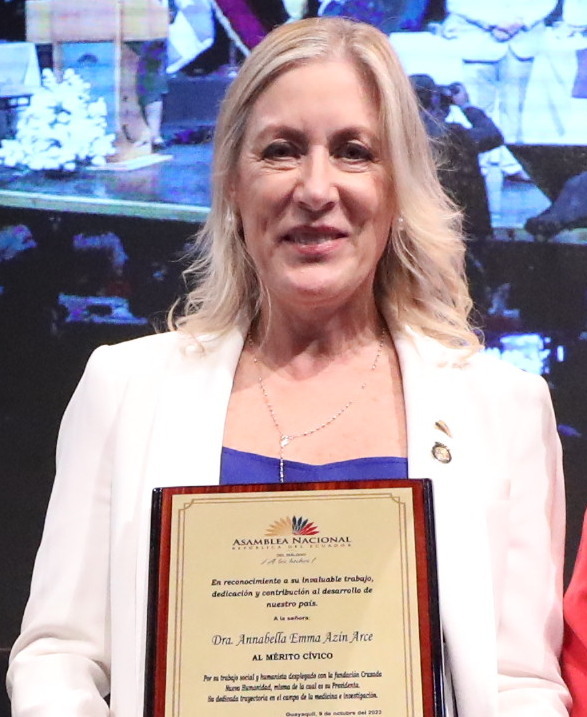
Alberto Acosta reflects on President Daniel Noboa's intentions regarding a popular consultation for a new constitution.
Alberto Acosta, expresidente de la Asamblea Constituyente de Montecristi: Daniel Noboa quiere concentrar todas las instancias del poder | Política | NoticiasEcuador· 2025-09-29
Alberto Acosta is a former president of the Constituent Assembly of Ecuador.
Académicos y activistas exigen alto a la ‘represión’ en PanamáPanama· 2025-06-03








Alberto Acosta reflected on the situation and noted that local consumption is being benefited by favorable winds from Argentina.
Mientras cae confianza de consumidor local, argentinos impulsan las ventas - EconomíaParaguay· 2025-05-22

Alberto Acosta agrees that the drop in oil prices creates a gap in fiscal revenues.
Precio del petróleo no da alivio a Ecuador, pero puede haber ahorro en subsidios de gasolinas | Economía | NoticiasEcuador· 2025-05-07
Alberto Acosta emphasizes the need for legal reforms to stabilize Ecuador's economy.
los desafíos que le esperan a Daniel Noboa al frente de Ecuador Colombia· 2025-04-15

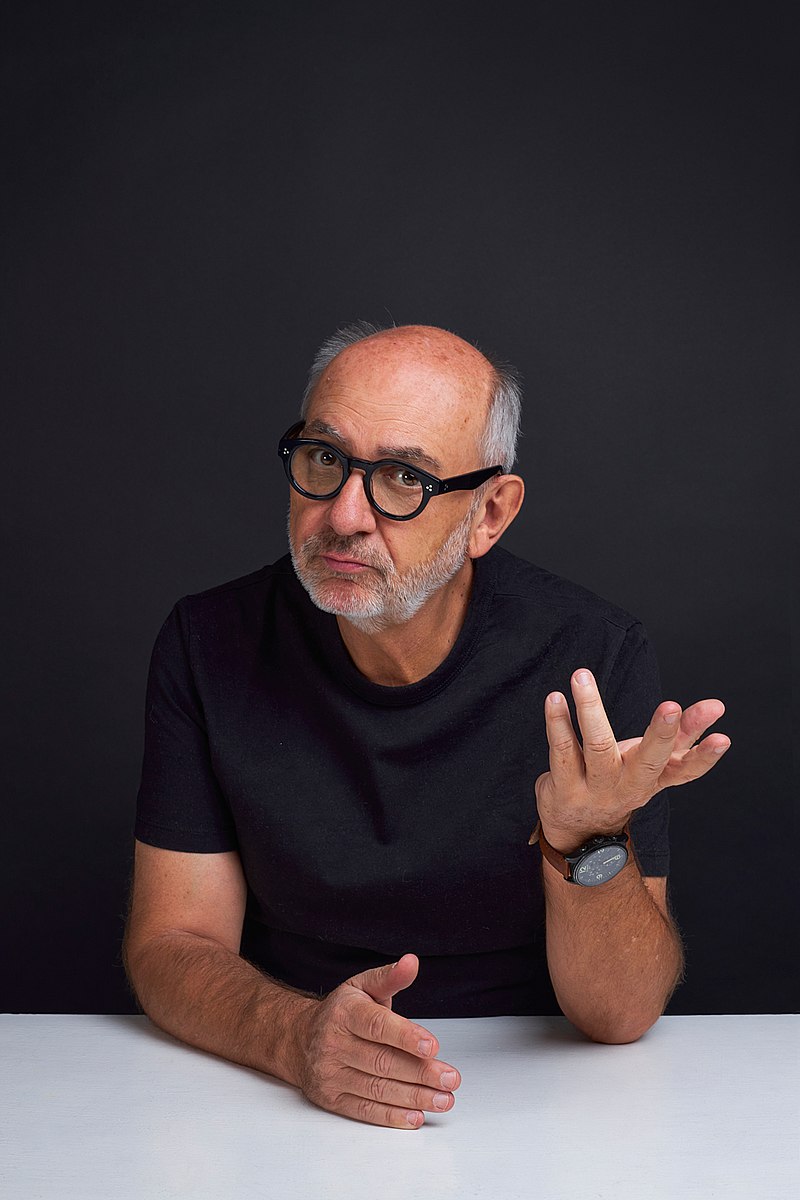

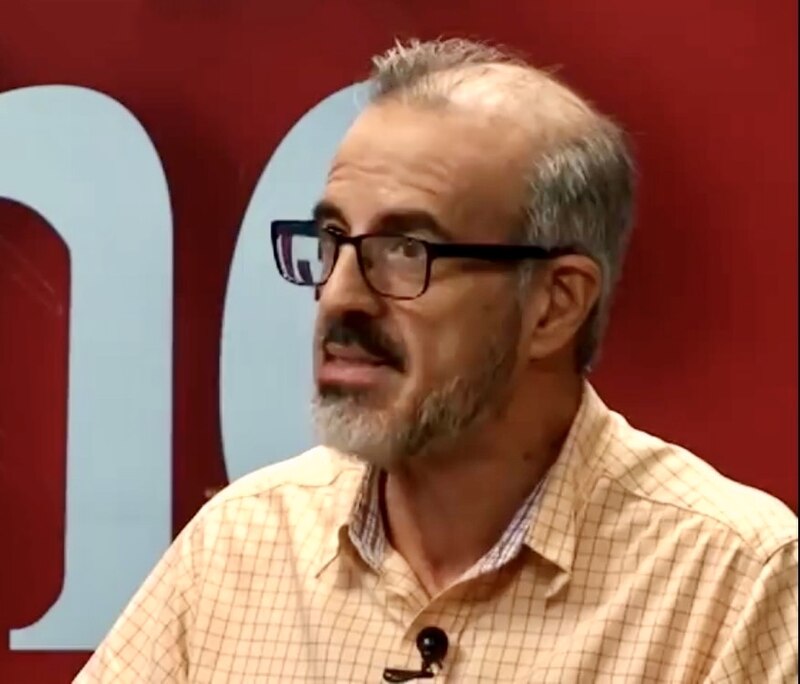
Alberto Acosta is recognized as an economist who contributed to the understanding of extractivism.
Le concept d’« extractivisme », un résumé de tous les maux du capitalisme France· 2025-04-02

Alberto Acosta debated the merits of desdollarization in a previous issue of Revista Iconos.
Luis Fierro Carrión: ¿Los correístas quieren desdolarizar al Ecuador? | Columnistas | OpiniónEcuador· 2025-03-21