Atal Bihari Vajpayee
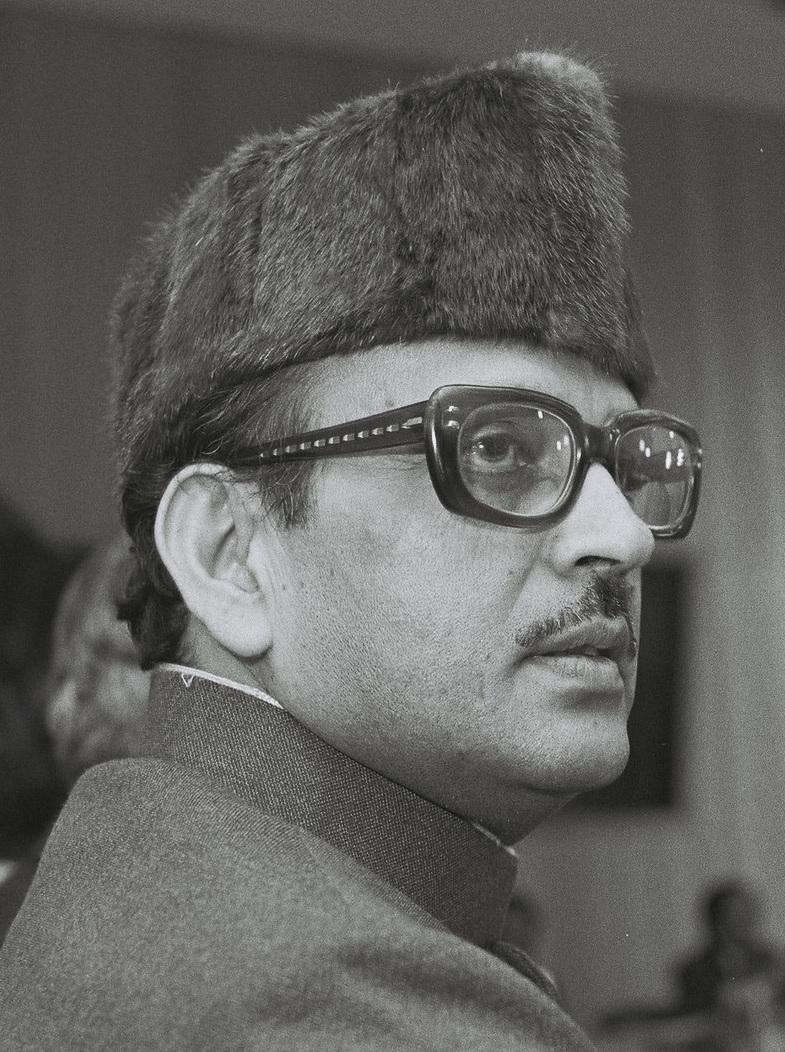
Atal Bihari Vajpayee was an influential Indian politician who served as the Prime Minister of India three times between 1996 and 2004. A member of the Bharatiya Janata Party (BJP) and one of the founding leaders of the party, Vajpayee was known for his oratory skills, moderate views, and efforts to strengthen India's economy and international relations. He played a crucial role in India's nuclear policy and is remembered for his vision of a developed India. His tenure saw significant economic reforms and infrastructure development, transforming the country's landscape. Vajpayee was awarded the Bharat Ratna, India's highest civilian honor, in recognition of his contributions to the nation.
Not in the pool (under ¢1).
Recent news mentions
Then Prime Minister Atal Bihari Vajpayee announced that Operation Vijay had achieved its objectives.
27th Kargil Vijay Diwas: How India took the high ground from Pakistan, rewrote military doctrine India· 2026-07-26


Atal Bihari Vajpayee appreciated Shabana Azmi's maiden speech in the Rajya Sabha, resonating with the larger sentiment behind it.
Dissent and dialogue are not acts of disrespect; they are essential to a healthy society: Shabana Azmi | Hindi Movie NewsIndia· 2026-07-25
During then Indian PM Vajpayee's govt, India also carried out comprehensive nuclear testing.
Opinion: Preventing a nuclear armageddonIndia· 2026-02-10
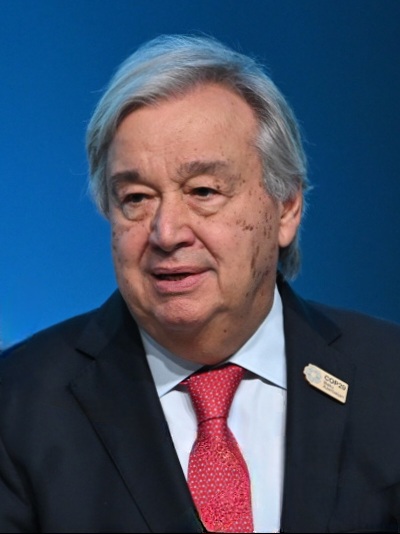
Former Prime Minister Atal Bihari Vajpayee spent years trying to awaken India’s foreign-policy and security establishment to post-Soviet realities.
India’s middle-power dilemma - Stabroek News Guyana· 2026-02-05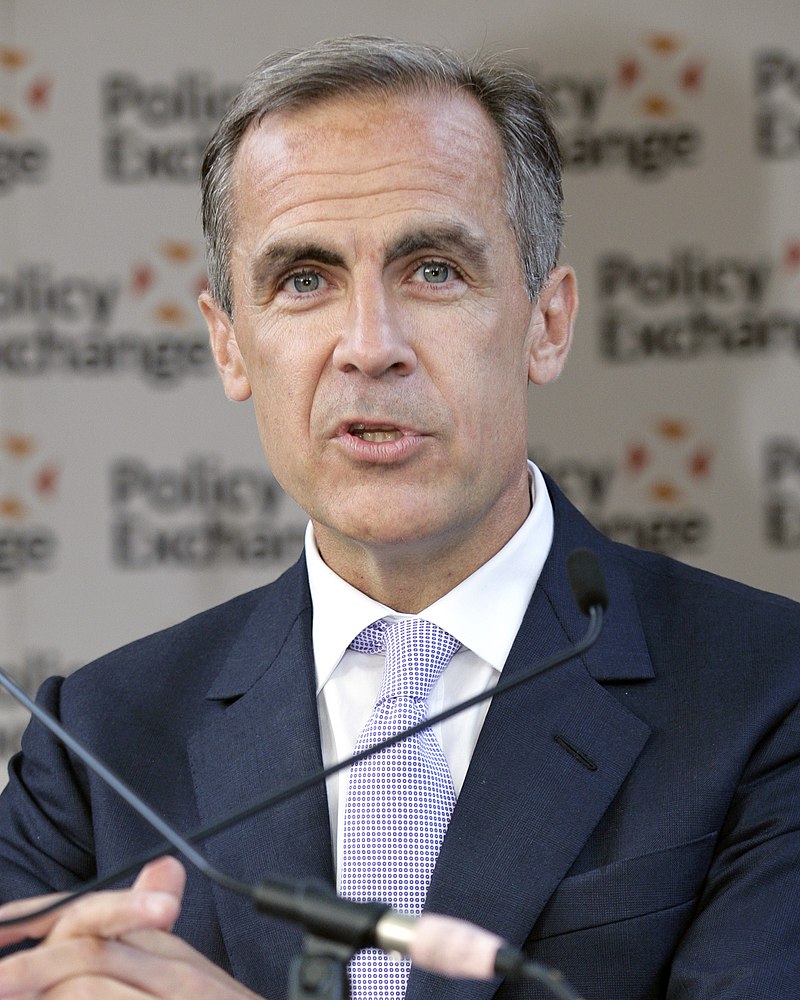
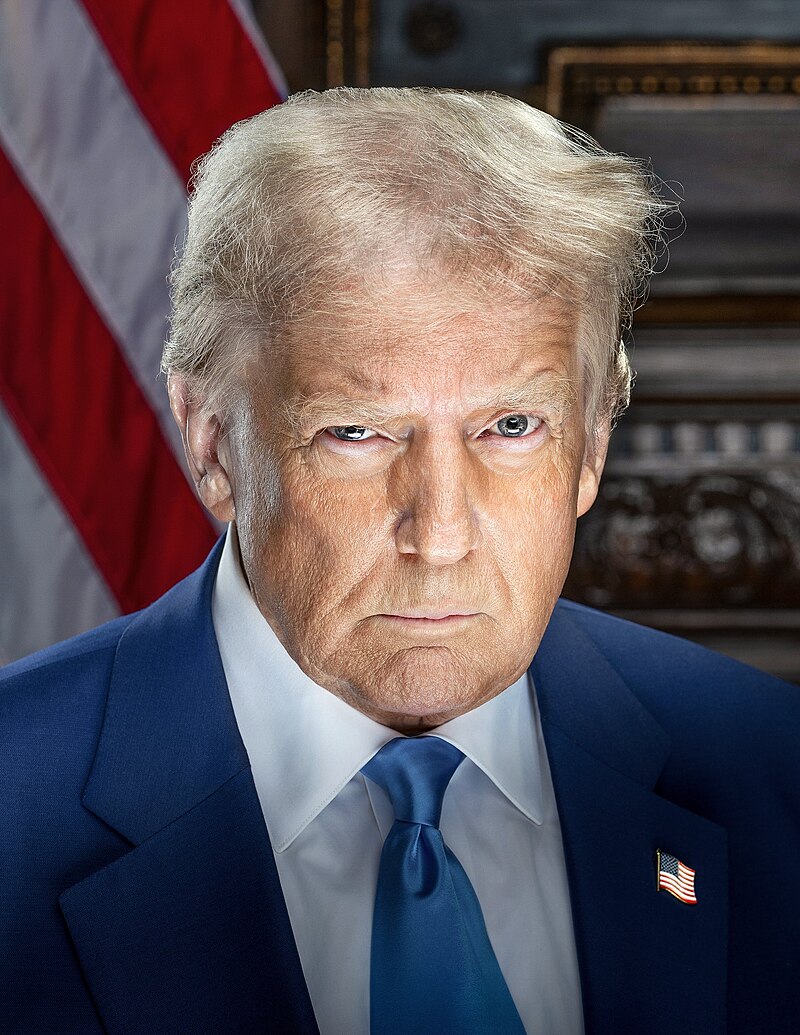

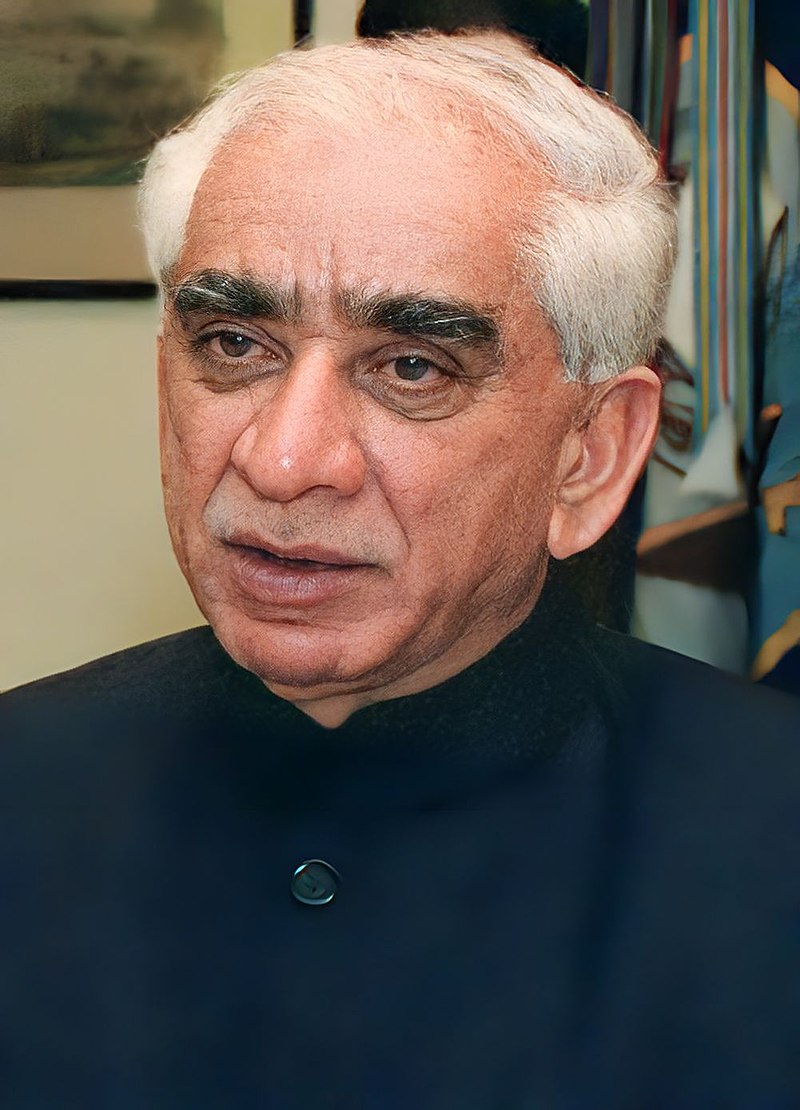
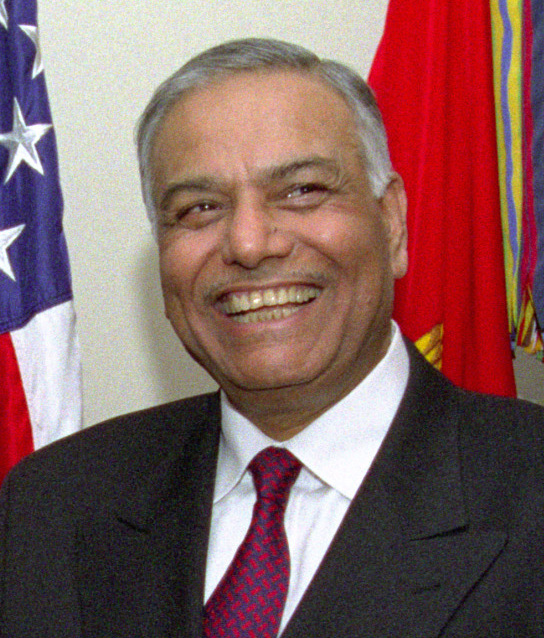
Atal Bihari Vajpayee was the Prime Minister under whom Yashwant Sinha served as finance minister.
Budget 2026: From no mention in Constitution to Sunday presentation — 10 lesser-known factsIndia· 2026-01-31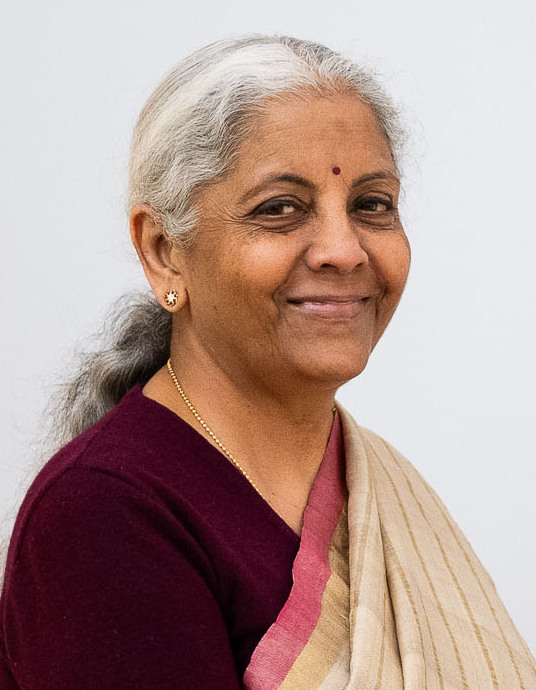


Atal Bihari Vajpayee was a former Prime Minister of India honored during a ceremony attended by Amit Shah.
Modi government brought peace to J&K, NE, Naxal-hit areas: Home minister | India NewsIndia· 2025-12-24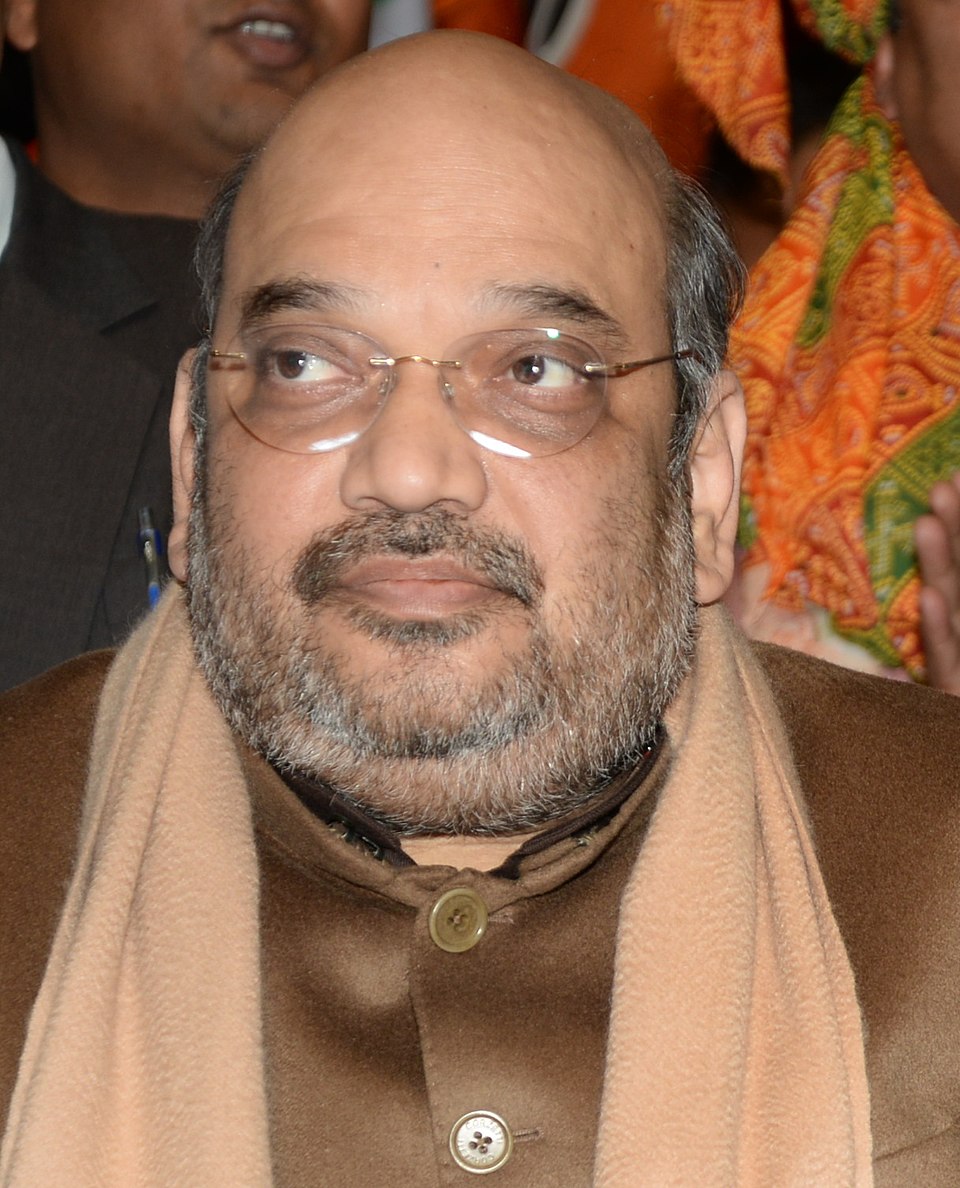
Vajpayee noted the close relationship between New Delhi and Moscow.
ওয়াশিংটনের সঙ্গে বাণিজ্যচুক্তি, আবার পুতিনকেও উষ্ণ অভ্যর্থনা: একসঙ্গে দুই কূল কি রাখতে পারবে ভারত Bangladesh· 2025-12-05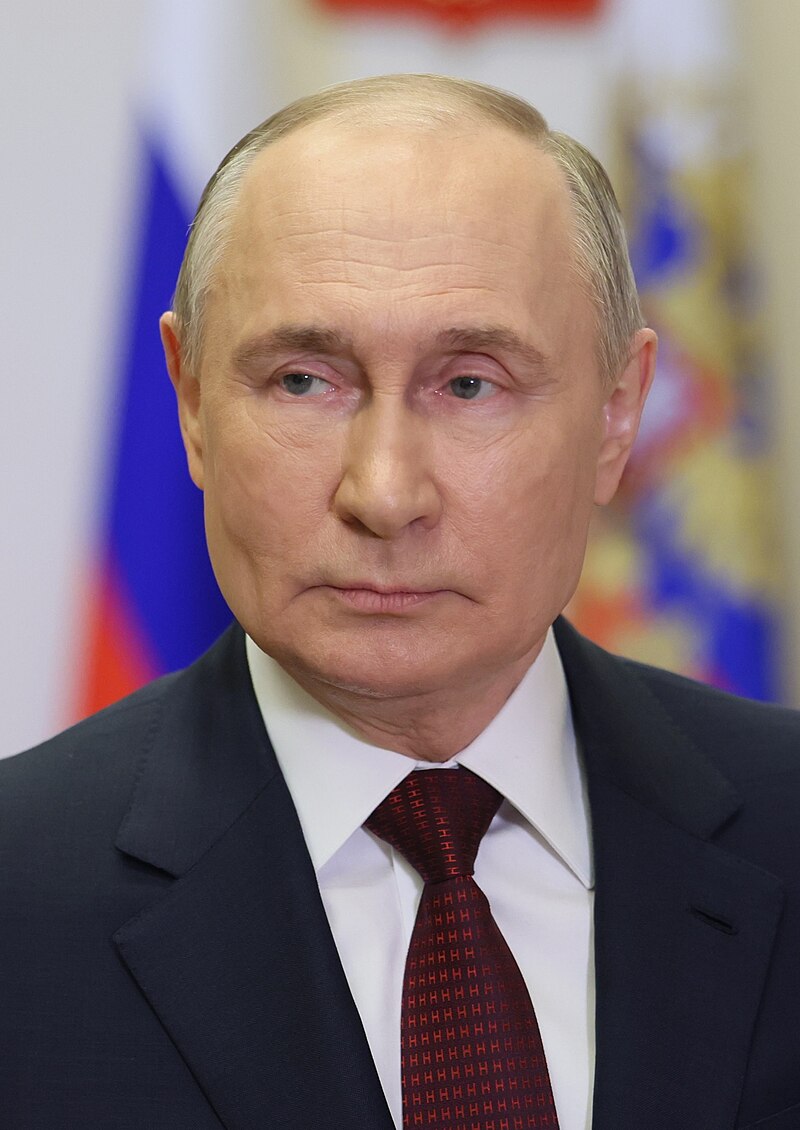

Atal Bihari Vajpayee's health condition led Modi to visit Moscow's ISKCON temple to offer prayers on his behalf.
Moscow callback: When Modi first met Putin; photos from 2001 go viral ahead of Russian leader's India visit | India NewsIndia· 2025-12-04
Eknath Shinde referenced the historical alliance that has been ongoing since Atal Bihari Vajpayee's time.
Cracks appear in Mahayuti: As Maharashtra local polls draw near, Eknath Shinde pitches for 'dharma of alliance' amid poaching row | Mumbai NewsIndia· 2025-12-01

Atal Bihari Vajpayee, the then Foreign Minister of India and a lifelong member of RSS, provided moral legitimacy to Ziaul Haq's murder of democracy.
তালেবান ও আরএসএস যে ইস্যুতে একBangladesh· 2025-10-15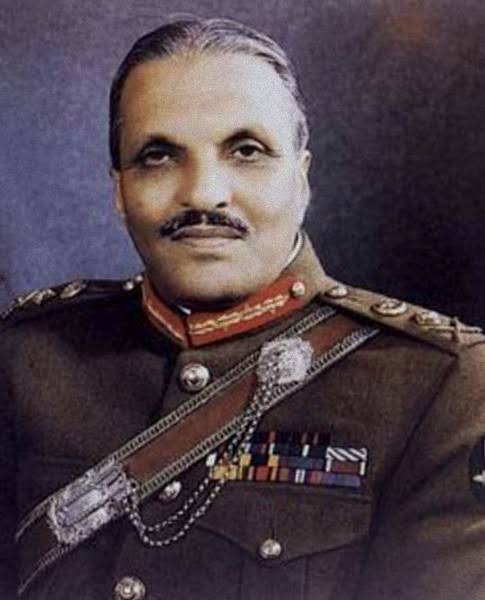
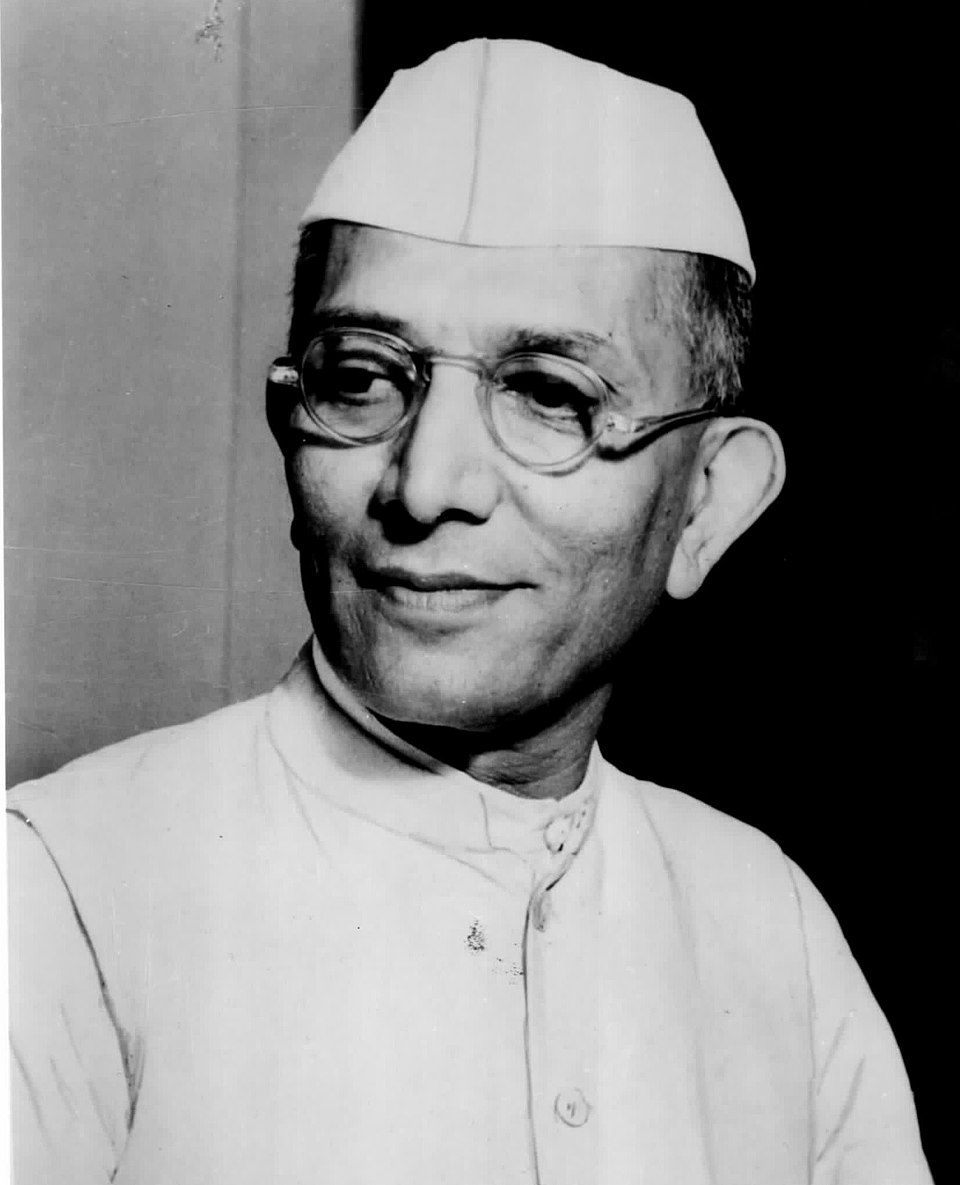
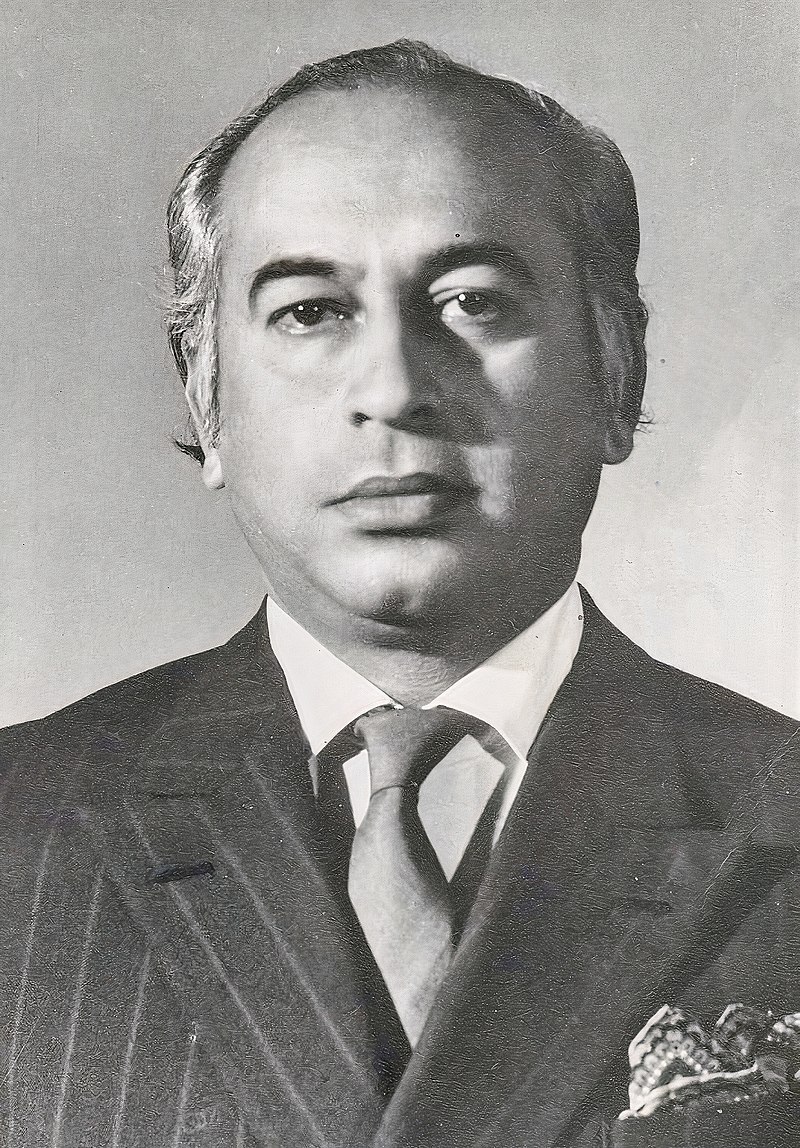
Atal Bihari Vajpayee was mentioned as a former leader of opposition who never criticized India while abroad.
‘Indira never spoke outside’: Kiren Rijiju slams Rahul Gandhi over Colombia comments; questions Congress’s free speech usage | India NewsIndia· 2025-10-05
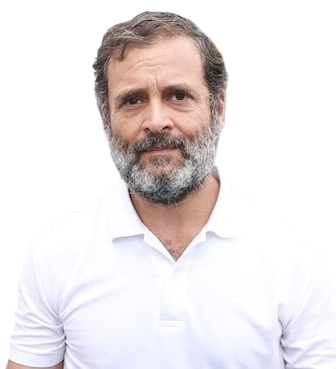

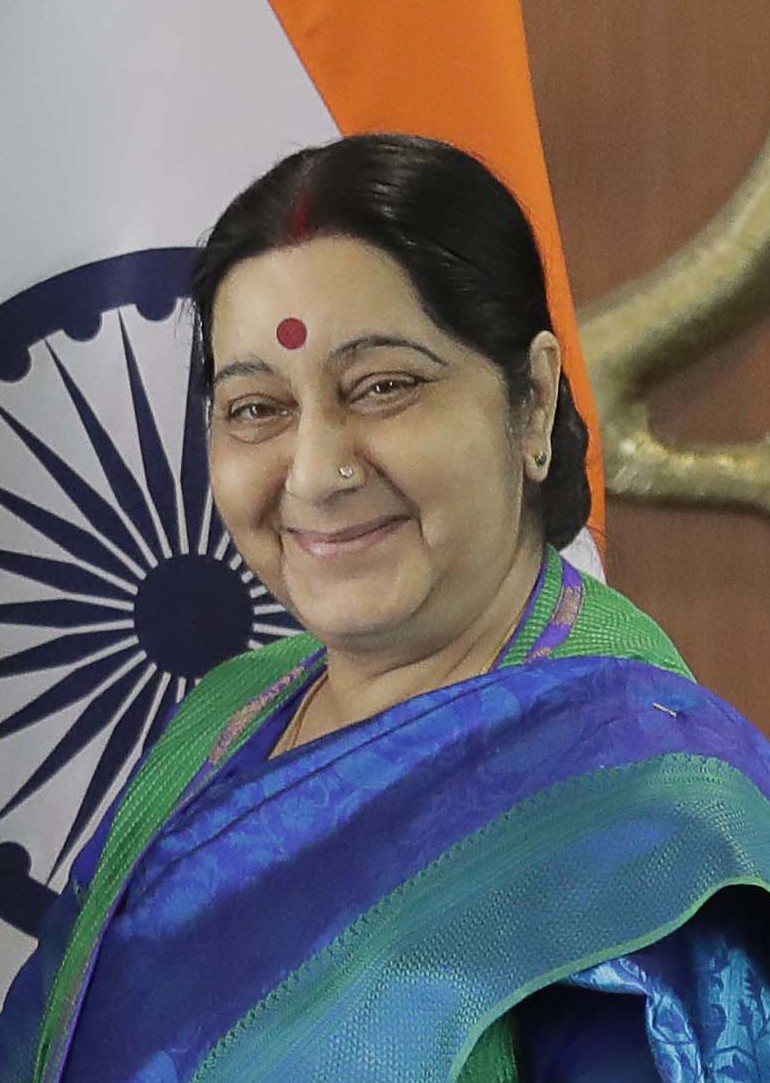
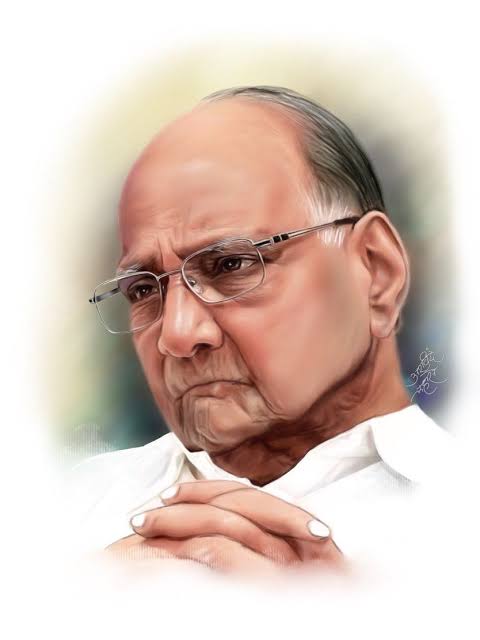
Vajpayee’s 'friendship through cricket' initiative in 2004 reminded South Asians that sport offers respite from hostility.
Petty politics - Newspaper - DAWN.COM Pakistan· 2025-09-30
In 2004, as the Indian team travelled to Pakistan, the Indian prime minister Atal Bihari Vajpayee told them: 'Whether you win or lose doesn’t matter to me, but while you are there, you must win the hearts of the Pakistani people.'
‘Cricket diplomacy’ collapses as India-Pakistan hostility enters field of play | South and central Asia United Kingdom· 2025-09-19


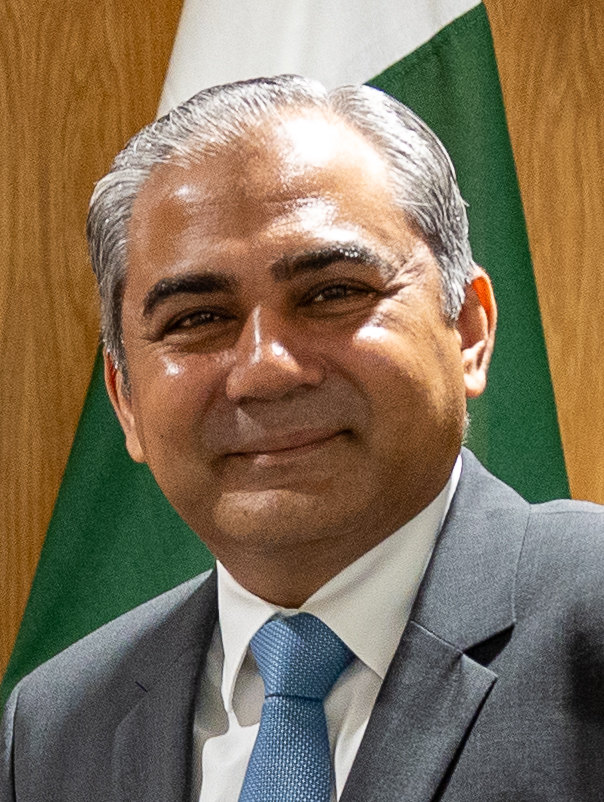



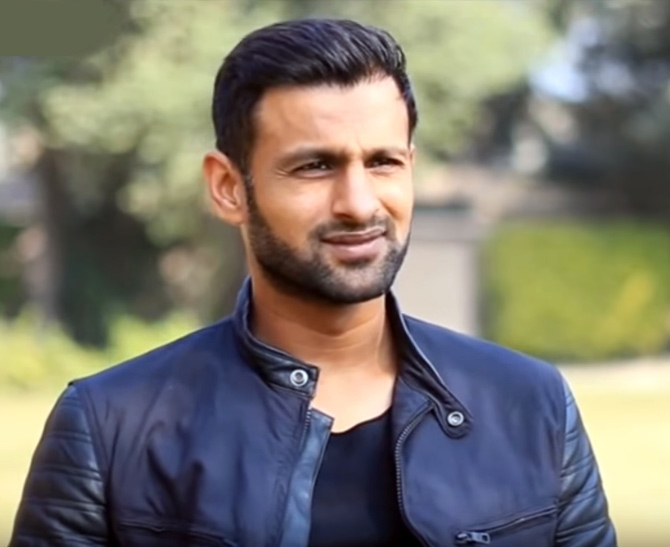
Nitish Kumar credited the late Atal Bihari Vajpayee for making him the Chief Minister.
'I will not go anywhere': Why Nitish Kumar is proclaiming allegiance to BJP-led NDA, again and again | India NewsIndia· 2025-09-15


Vajpayee confided in Bill Clinton about India's nuclear tests aimed at China.
The US is nobody’s ally - NewspaperPakistan· 2025-09-09
Piyush Goyal recalled how Atal Bihari Vajpayee ji left a strong economy.
Piyush Goyal calls GST rate cuts 'historic', slams Cong for its 'high-tax legacy'India· 2025-09-06
Atal Bihari Vajpayee accepted the heavy cost of declaring India a nuclear power.
On a wing and a prayer - PakistanPakistan· 2025-08-19
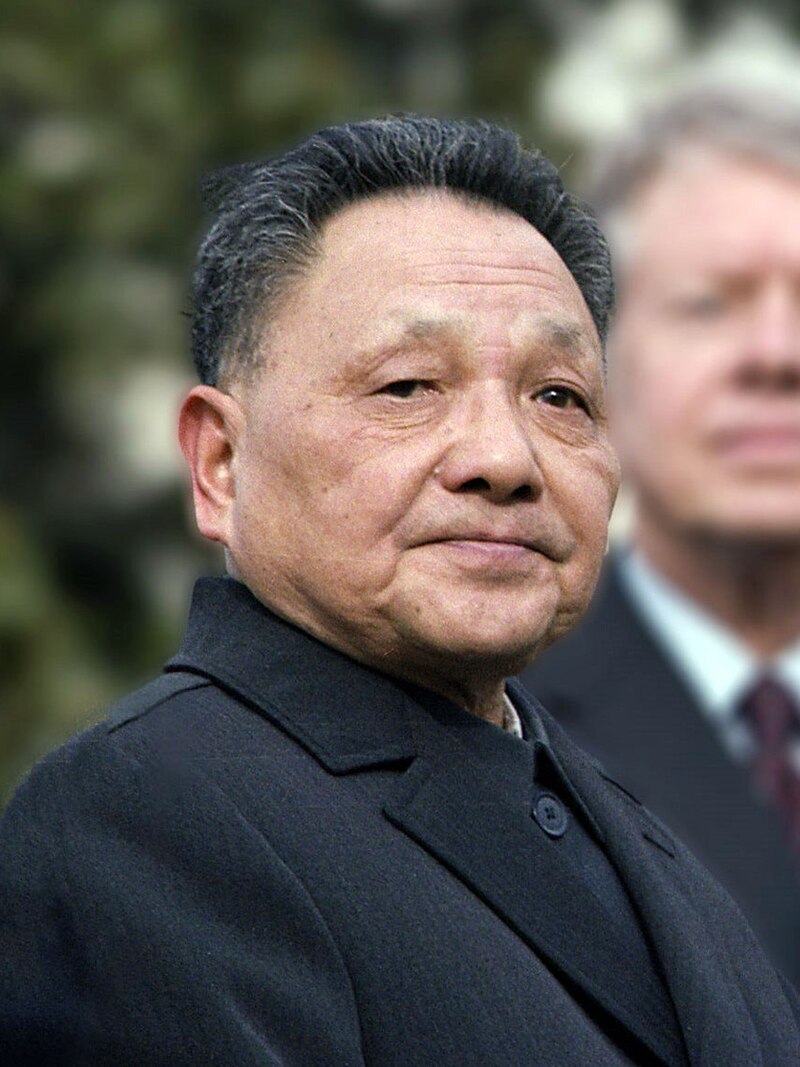
Mr Shinde mentioned that the RSS exploited Ayodhya to boost Atal Bihari Vajpayee to prime minister.
RSS, BJP plotted terrorist attacks in India, ex-RSS insider claims - WorldPakistan· 2025-08-11
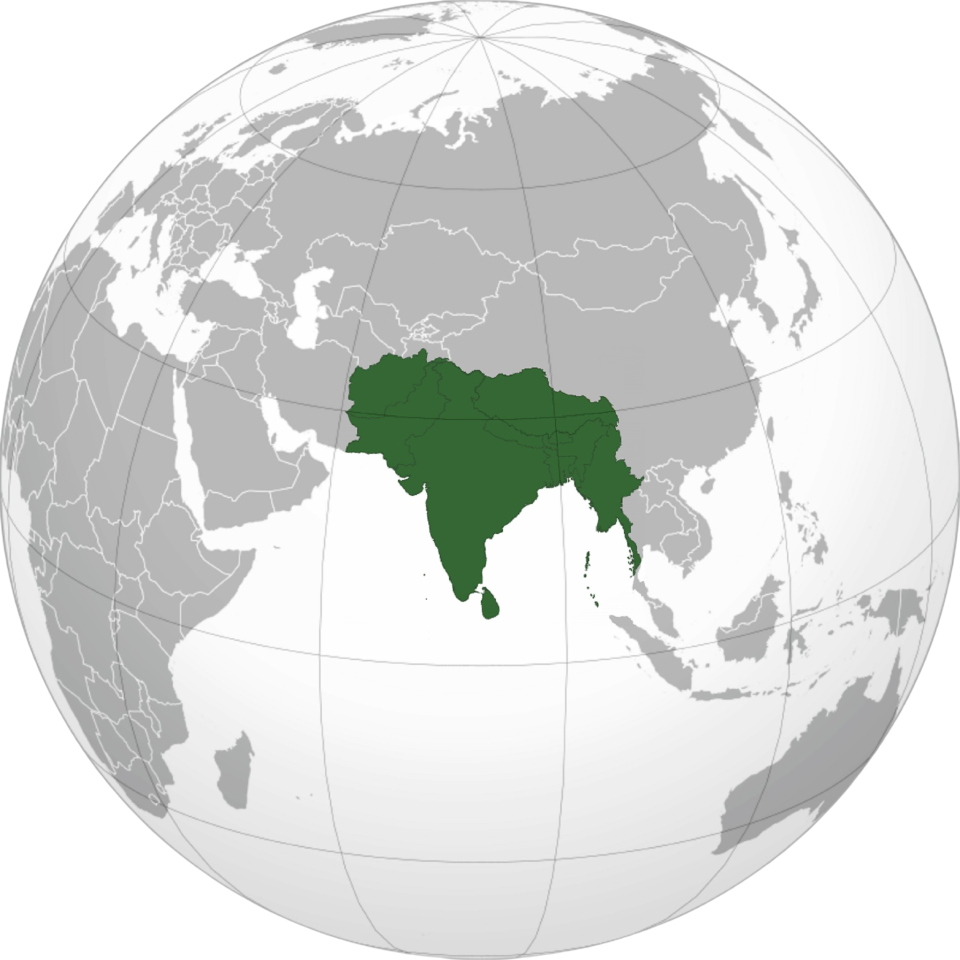



Atal Bihari Vajpayee is recognized for taking economic reforms forward.
Rajeev Shukla, Shashi Tharoor contradict Rahul Gandhi's stance on economy | India NewsIndia· 2025-08-01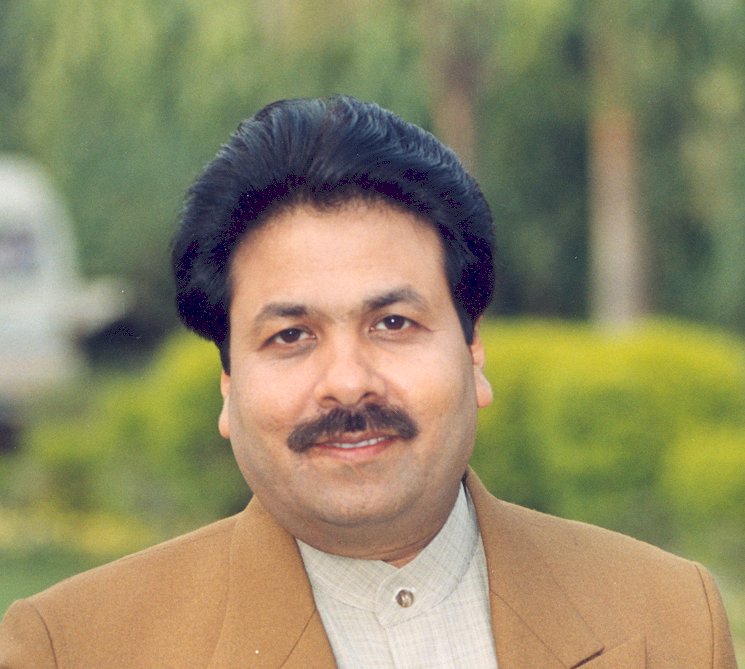
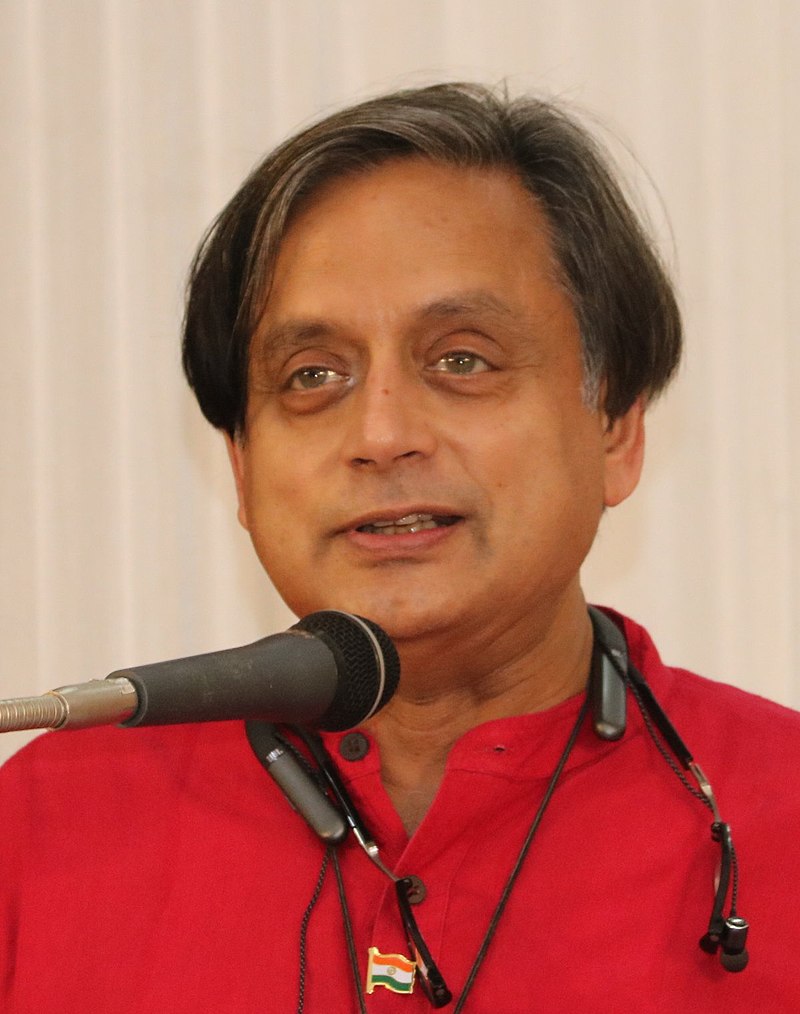

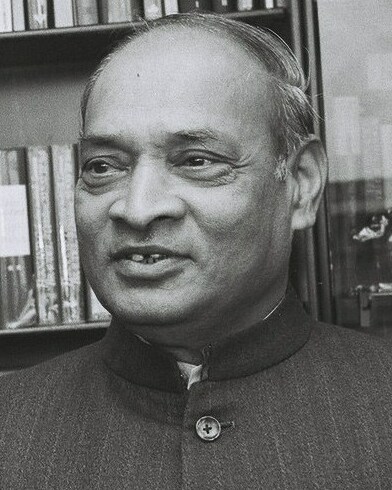
Rajeev Shukla cited contributions of past governments led by Atal Bihari Vajpayee.
Congress vs Congress: Rahul Gandhi backs Donald Trump’s ‘dead economy’ remark; Rajeev Shukla pushes back saying 'US Prez is wrong' | India NewsIndia· 2025-07-31
Atal Bihari Vajpayee was a prominent leader of the Hindu right and served as India's Prime Minister.
Hindutva’s myopic diplomacy - NewspaperPakistan· 2025-07-08
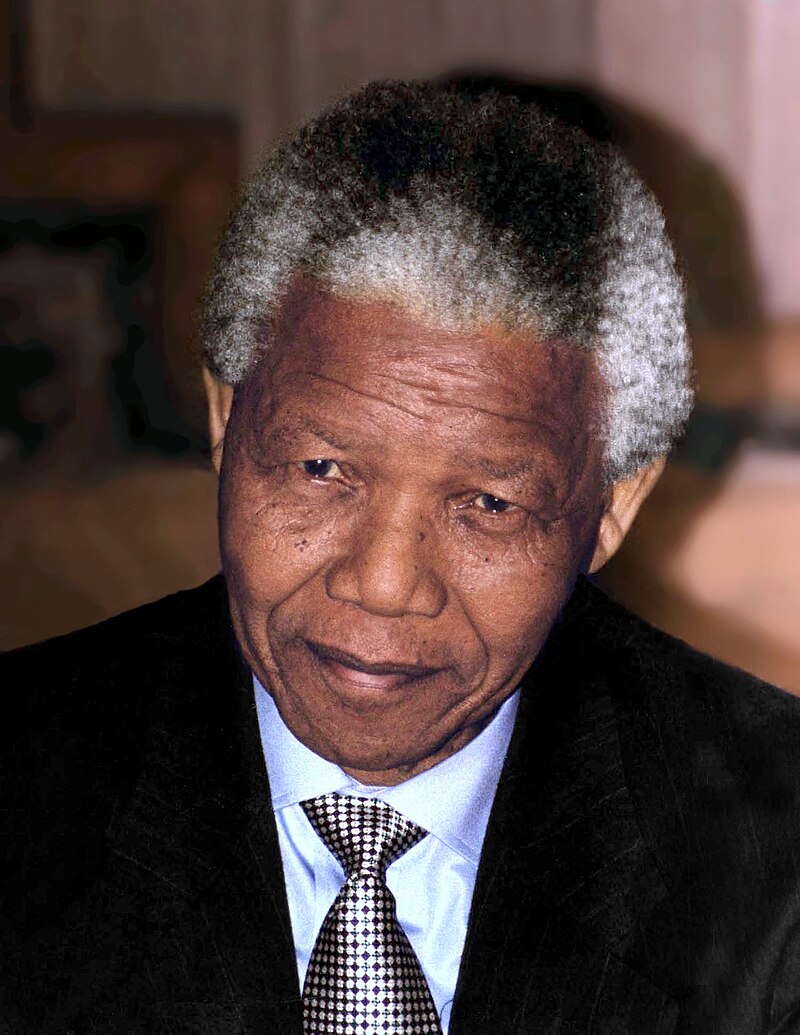

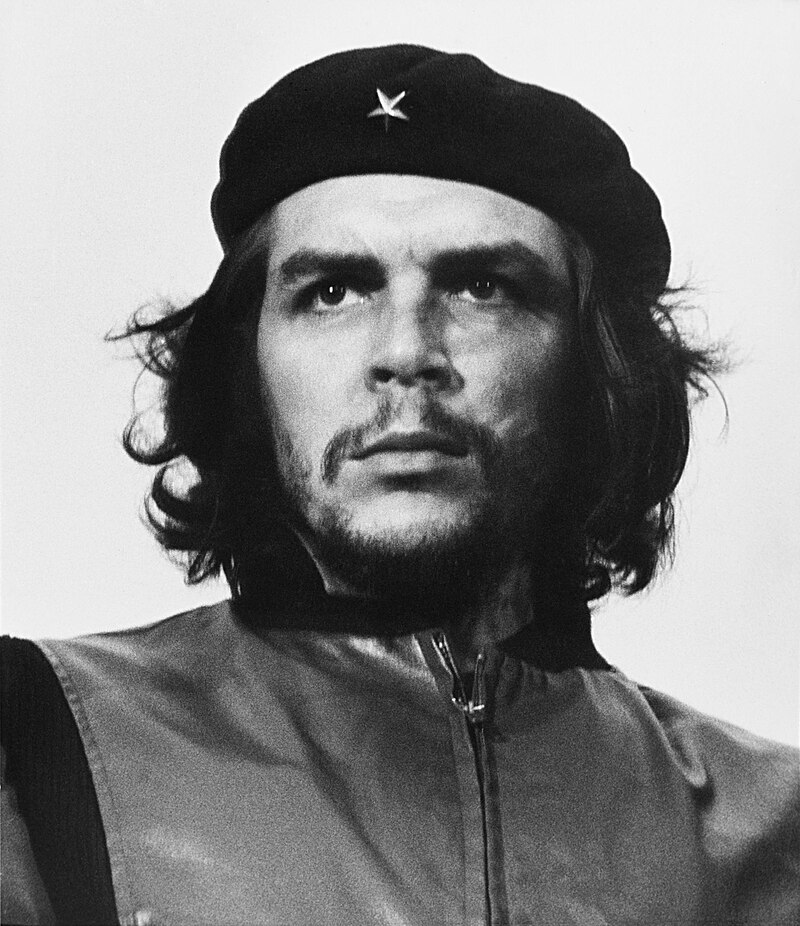
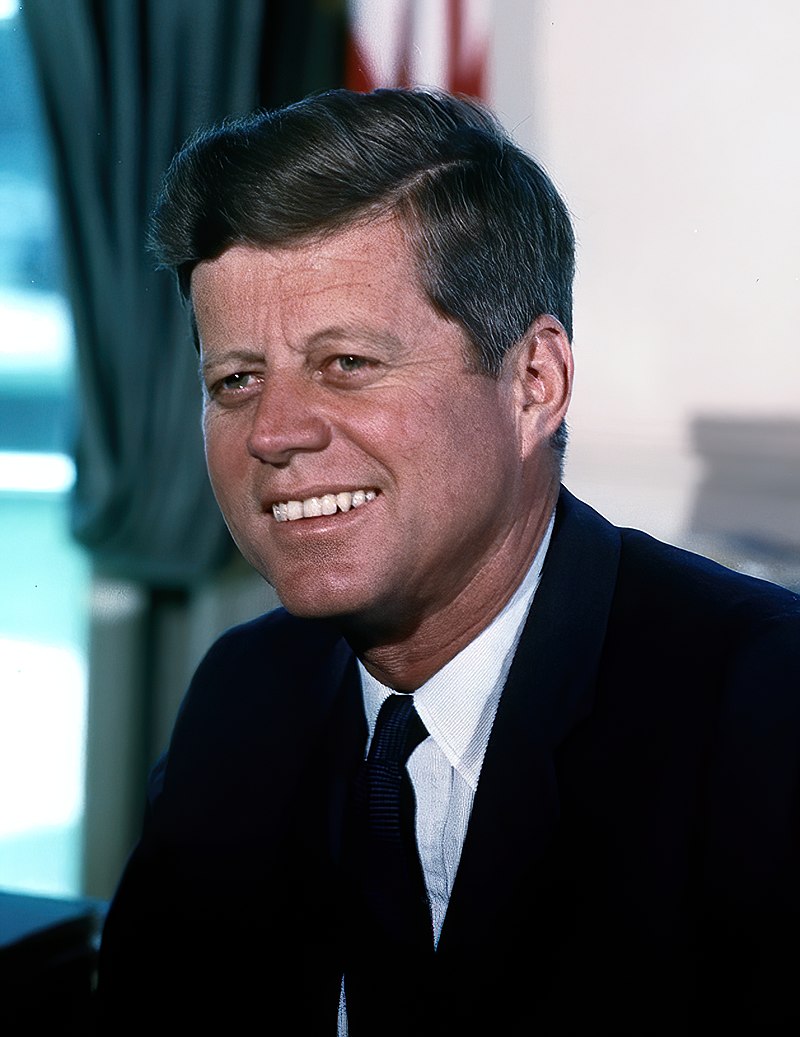
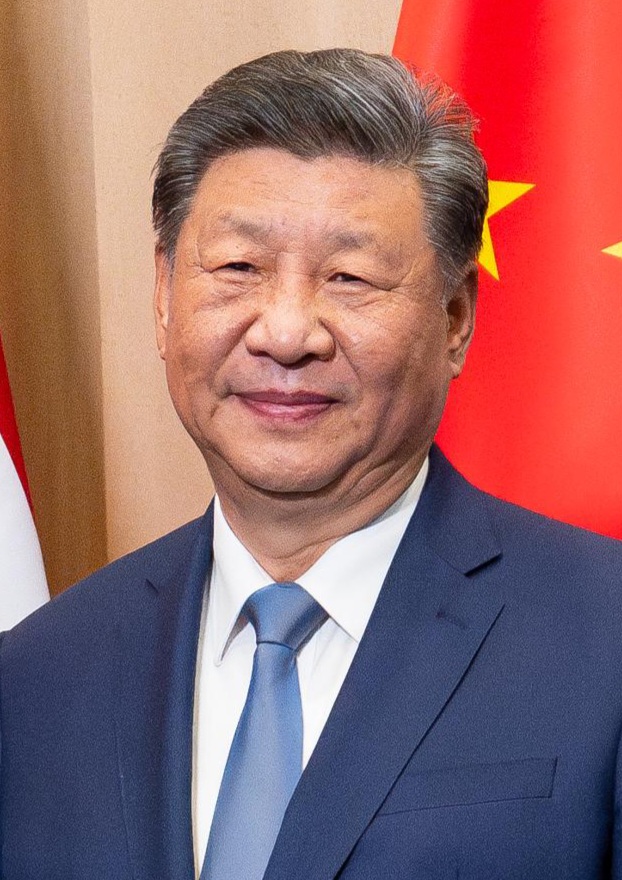
PM Modi played archival audio recordings of speeches by leaders such as Atal Bihari Vajpayee, who recounted the atrocities faced by people during the Emergency period.
'Intended to keep judiciary enslaved': PM Modi recalls imposition of Emergency in Mann ki Baat; plays archival audios of Morarji Desai, Atal Bihari Vajpayee | India NewsIndia· 2025-06-29
Vajpayee was one of the heavyweights from the opposition who rallied in Delhi before the Emergency declaration.
JP, Vajpayee, Morarji, Charan Singh…Vs Mrs GIndia· 2025-06-25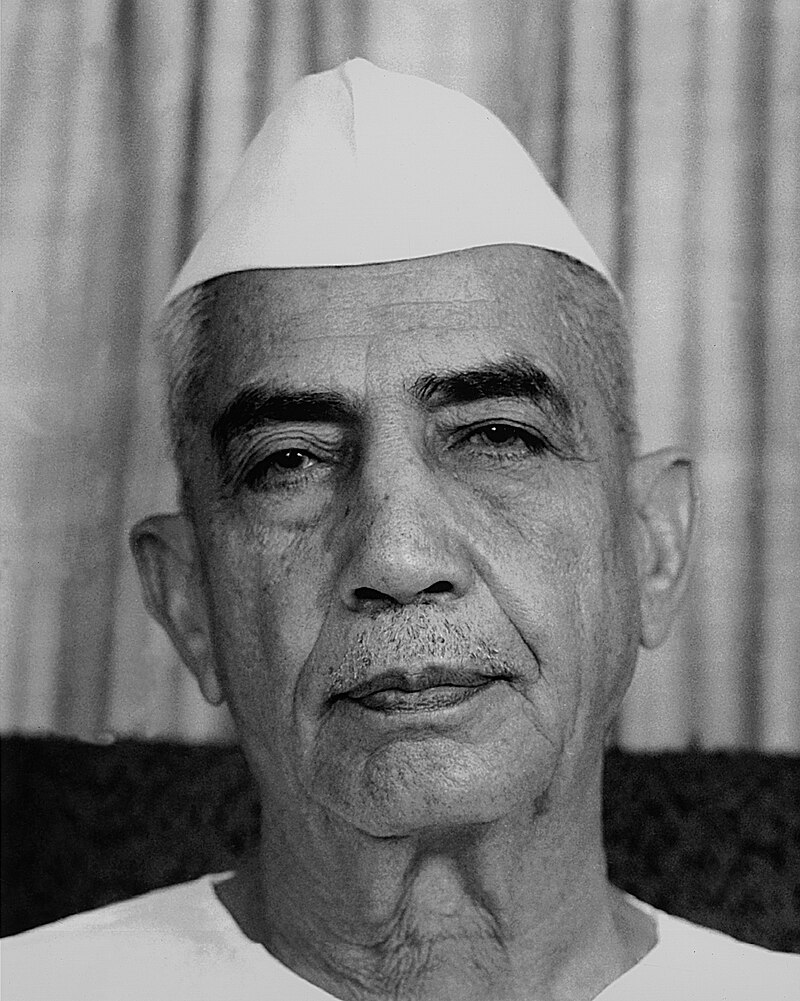
Only two such visits to Cyprus have taken place in the past 40 years, by Atal Bihari Vajpayee in 2002.
'A message to Turkey': Why PM Modi's trip to Cyprus is significant; 7 points | India NewsIndia· 2025-06-16
Atal Bihari Vajpayee was known for gathering leaders in the central hall of Parliament.
মোদির ব্যক্তিপূজার পররাষ্ট্রনীতি ভারতকে বন্ধুহীন করেছেBangladesh· 2025-06-01
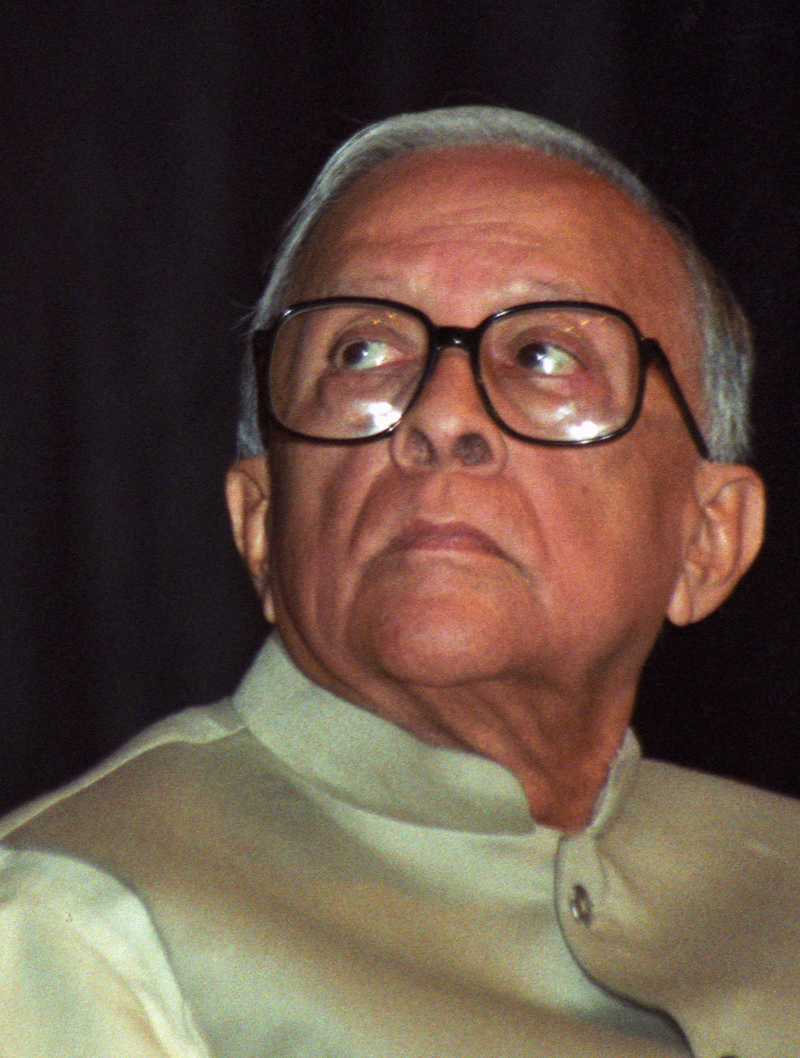

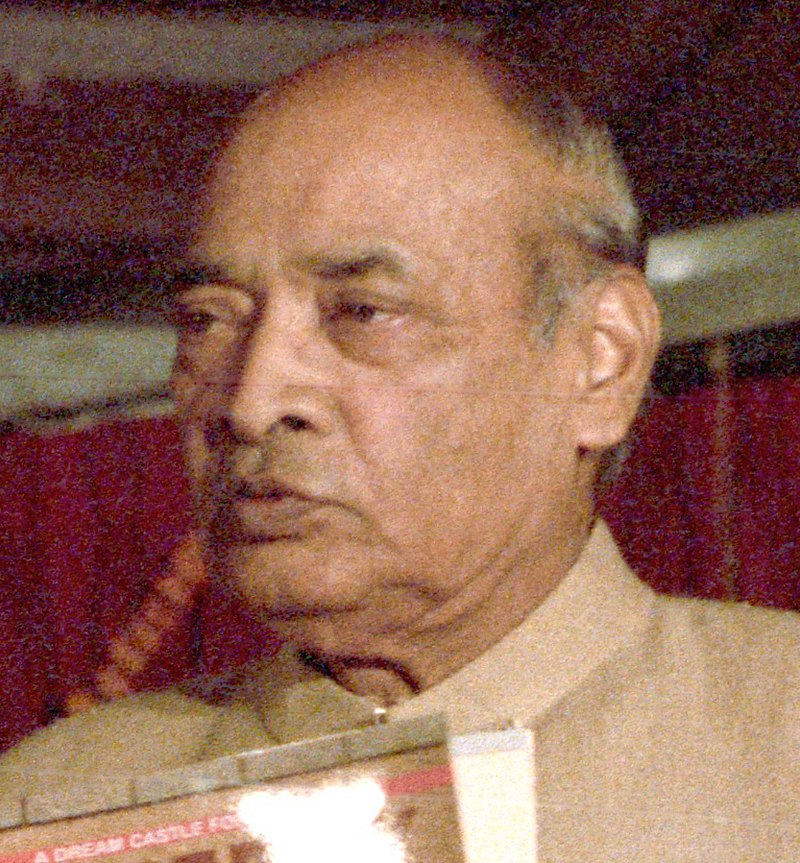

Atal Bihari Vajpayee's name was mistakenly mentioned by Nitish Kumar during a rally.
'BJP imposing Nitish on Bihar youth': Prashant Kishore on CM's latest gaffe | India NewsIndia· 2025-05-31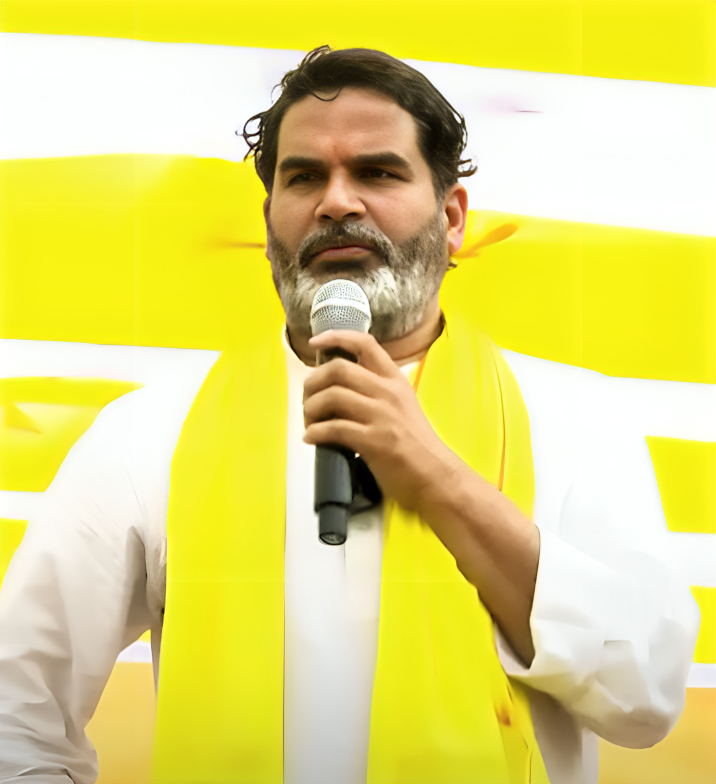

Atal Bihari Vajpayee was the Prime Minister of India during the nuclear tests.
کچھ لو کچھ دوPakistan· 2025-05-30

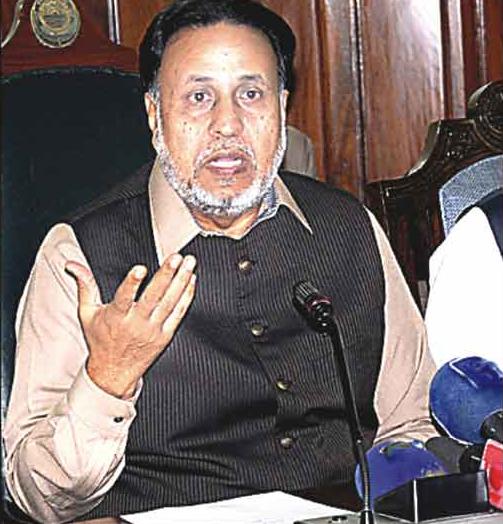


Chouhan mentioned that former PM Atal Bihari Vajpayee opposed the Indus Waters Treaty in Parliament.
Nehru gave Pakistan not only water but also money, Shivraj Singh Chouhan tells farmers in govt outreach on IWT | India NewsIndia· 2025-05-20
Mazhar Abbas mentioned the failure of Atal Bihari Vajpayee in Kargil.
Experts sceptical about longevity of ceasefire between Pakistan and India - PakistanPakistan· 2025-05-17

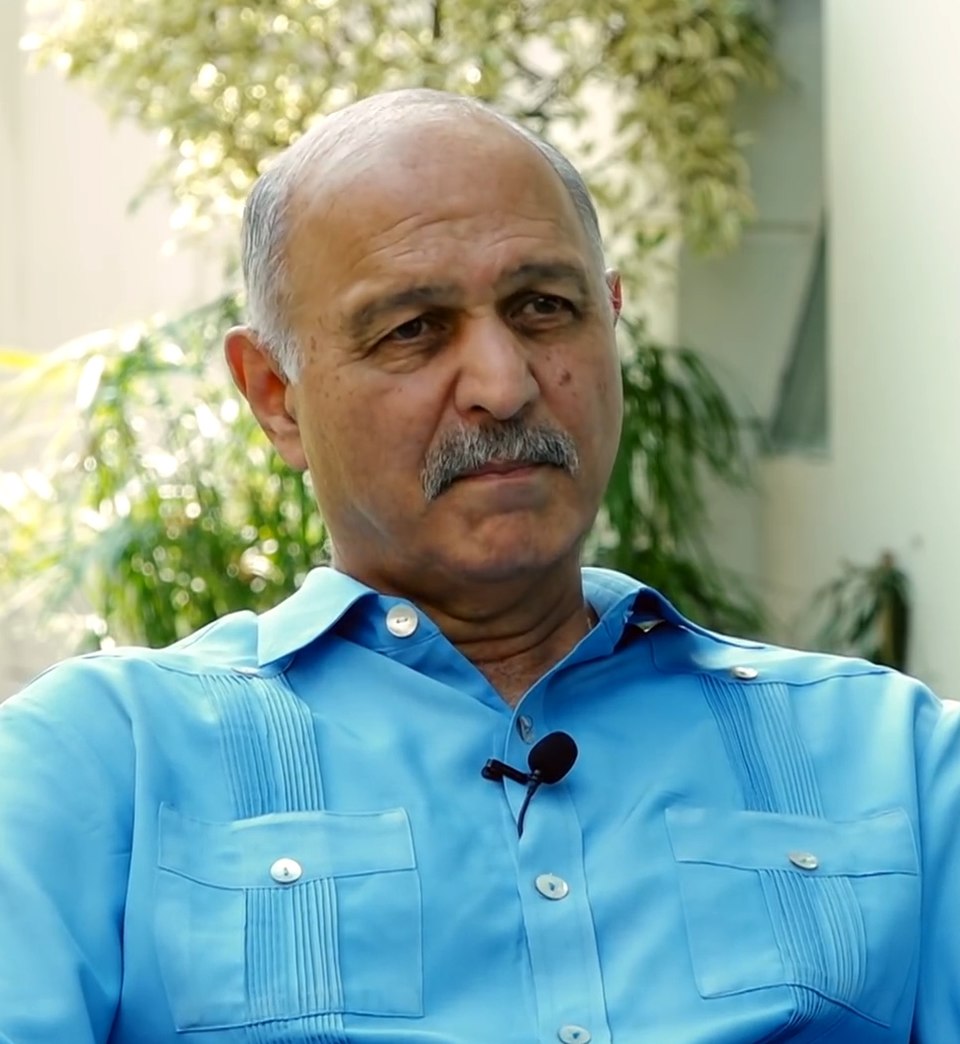





Singh recalled former PM Atal Bihari Vajpayee’s visit to Pakistan 21 years ago.
'Beggars with bombs': Defence minister Rajnath Singh seeks IAEA oversight on 'rogue nation' Pakistan's nuclear arsenal after Operation Sindoor | India NewsIndia· 2025-05-15