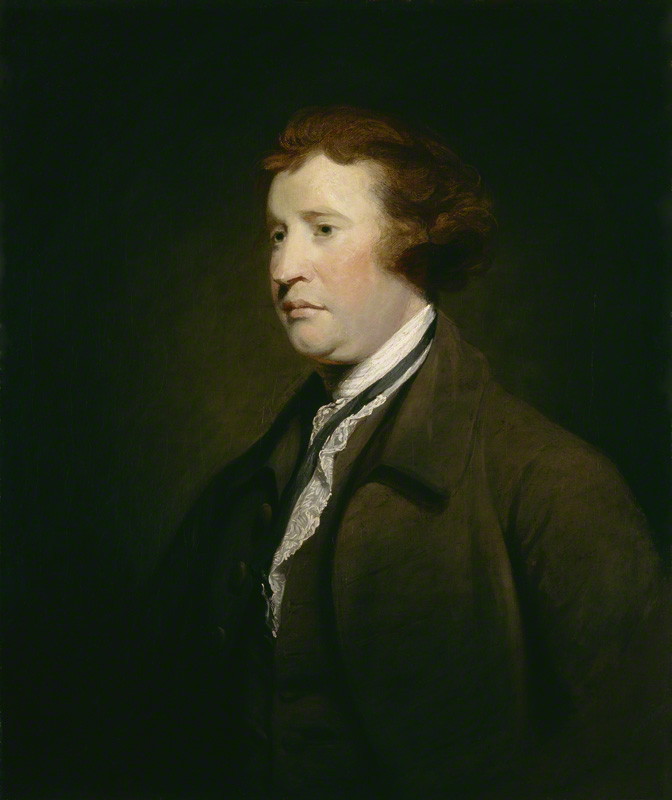
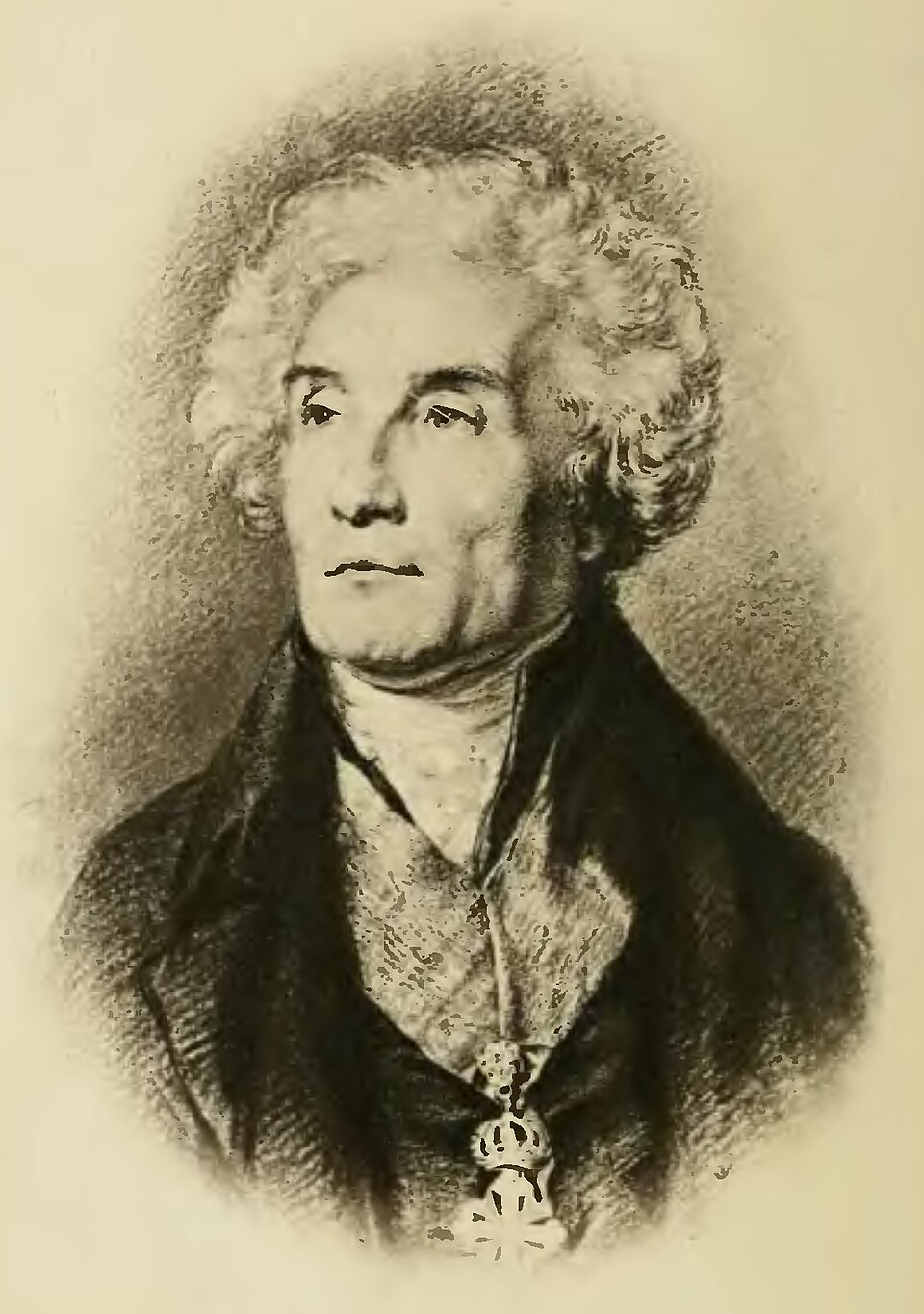
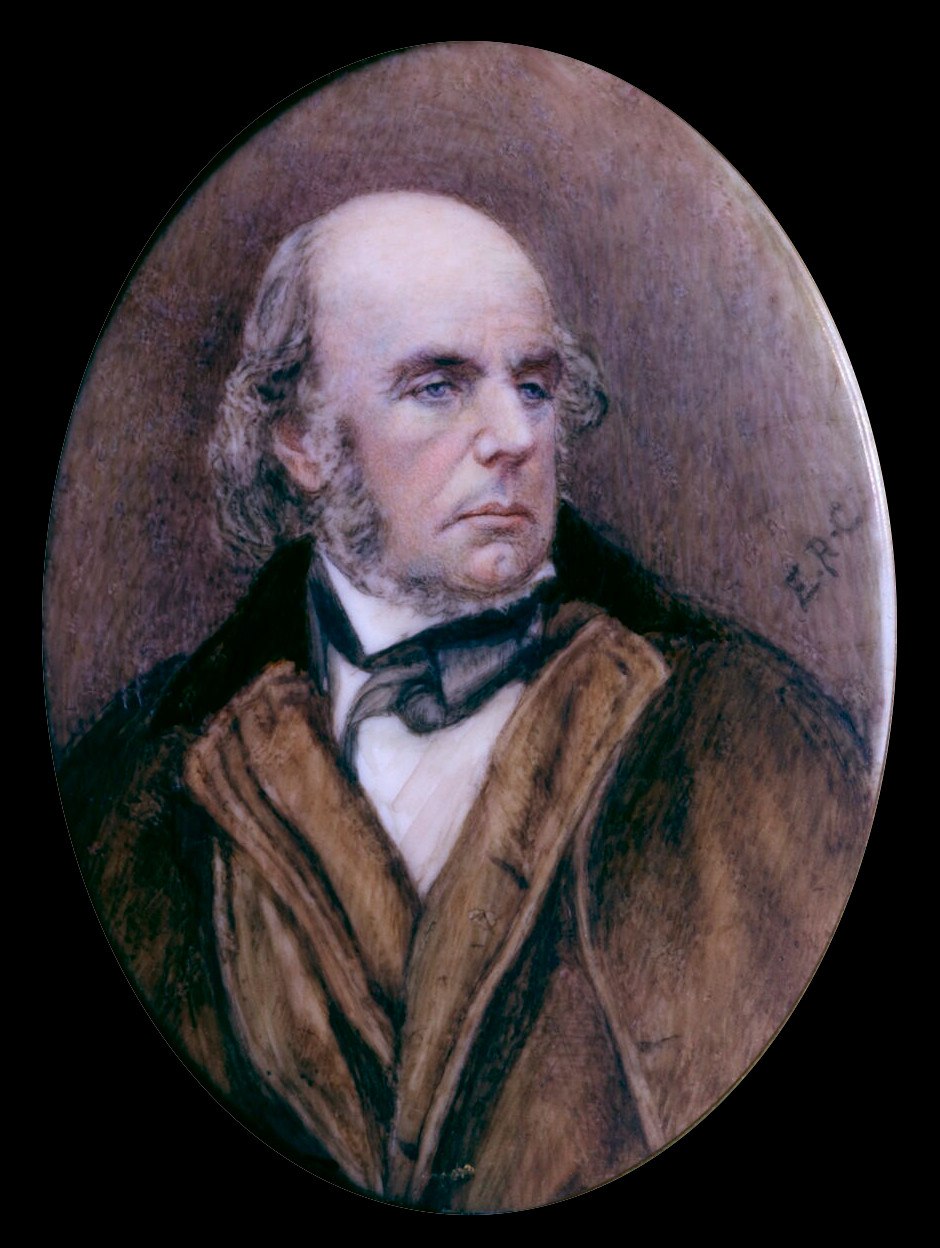
Edmund Burke
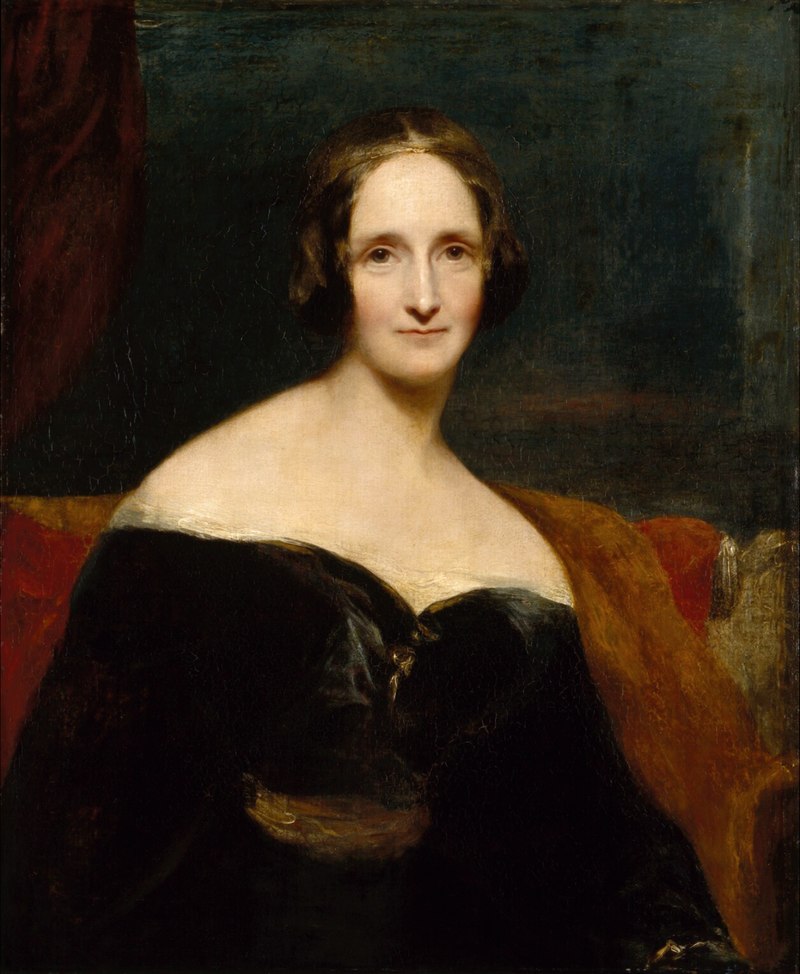
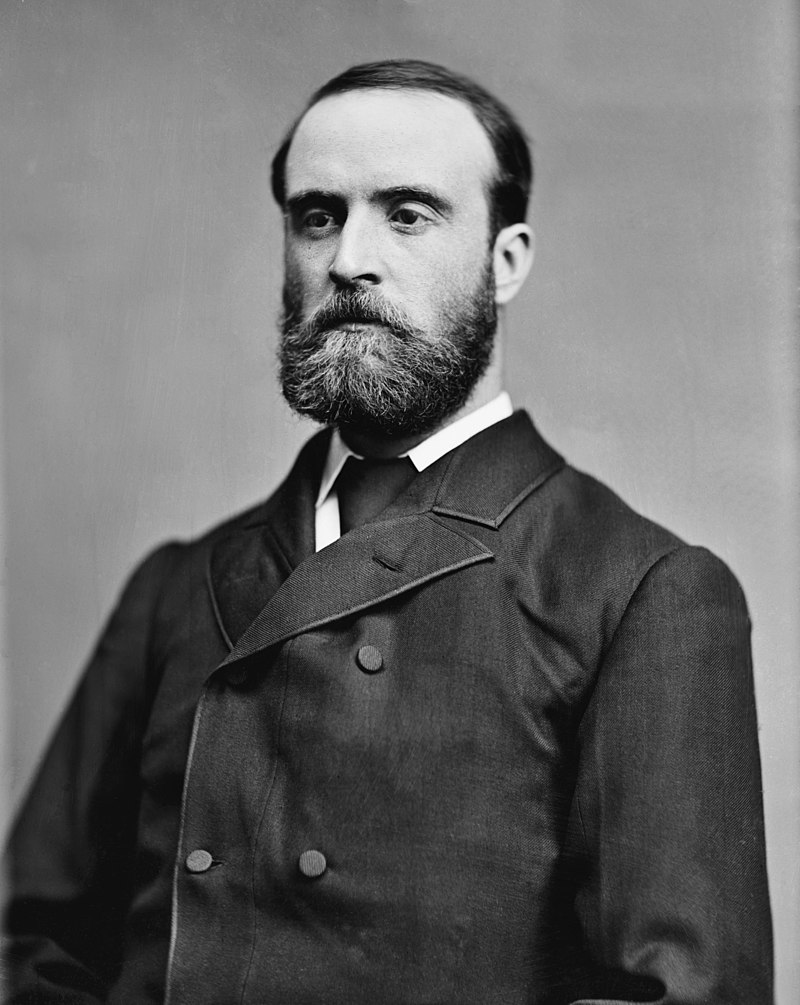
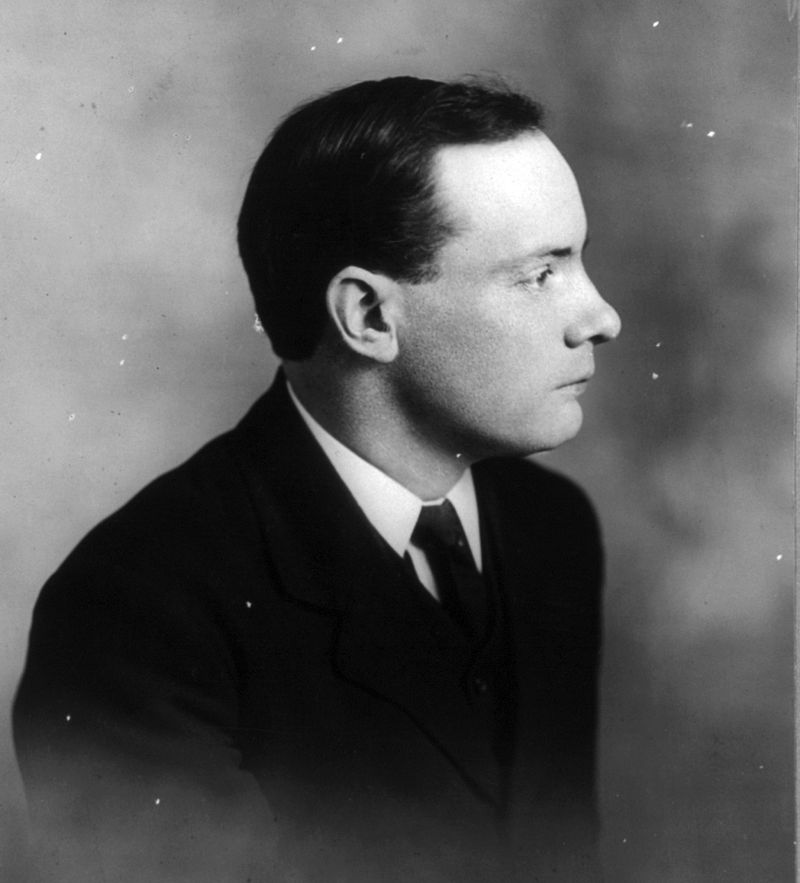
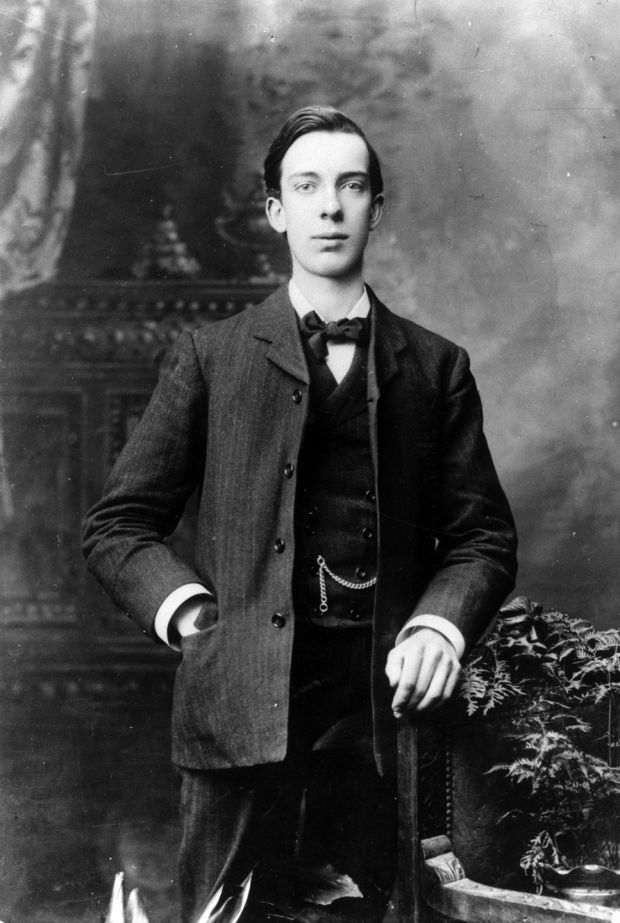
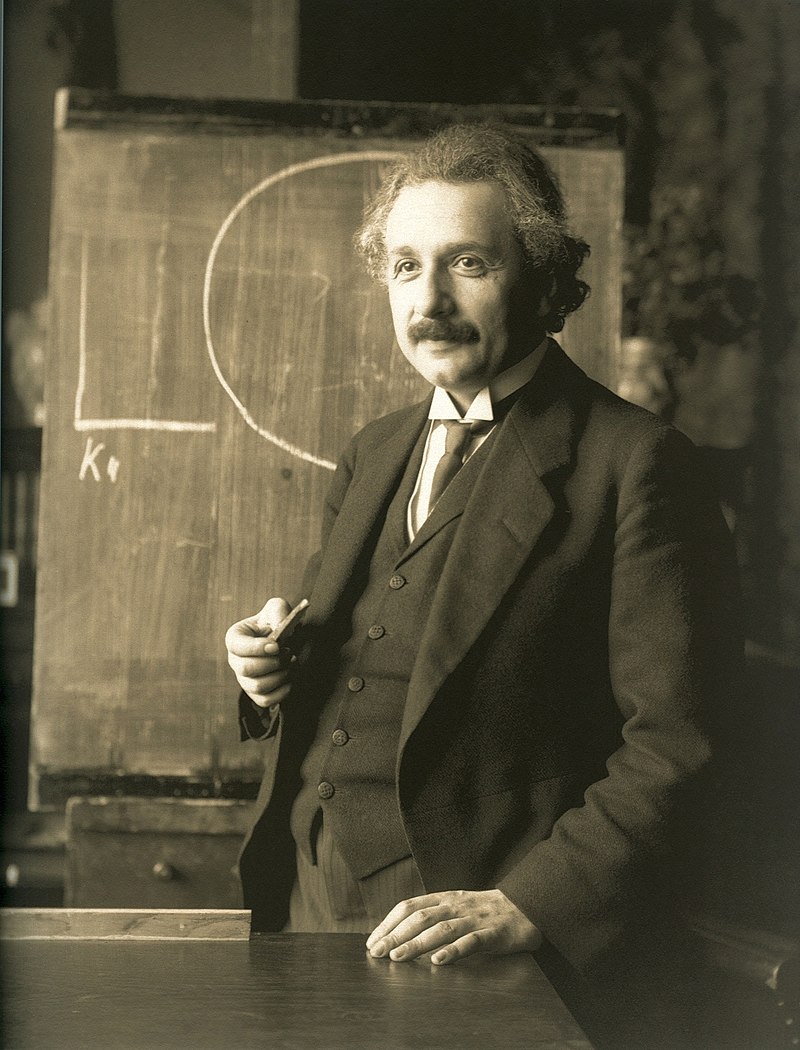
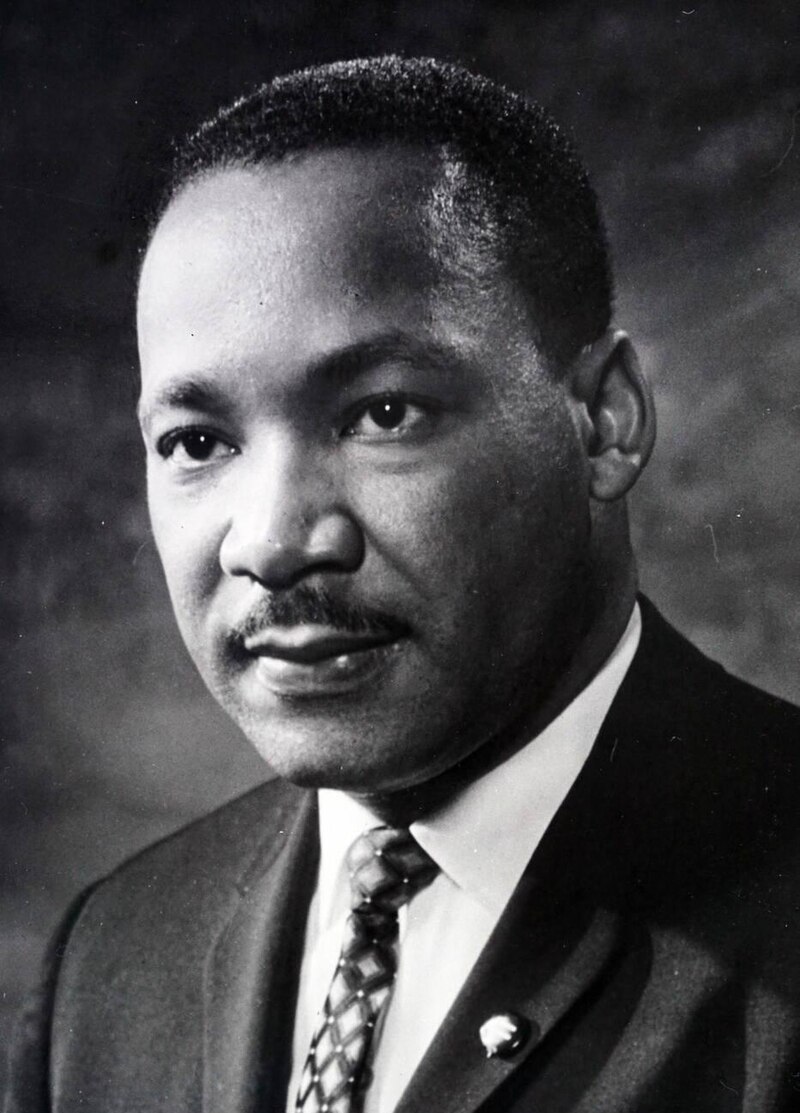
Edmund Burke (1729-1797) was an Irish statesman, political theorist, and philosopher, best known for his support of the American Revolution and his critique of the French Revolution. Burke's writings emphasized the importance of tradition, social order, and caution in political change. He is often regarded as the father of modern conservatism, advocating for gradual reform rather than radical upheaval. His insights into the nature of democracy and governance resonate with Carlyle's skepticism about the masses' ability to choose effective leaders, reflecting a deeper apprehension about the potential for chaos in democratic systems.
Not in the pool (under ¢1).
Recent news mentions
Edmund Burke’s critique of revolution remains persuasive.
Where is the line when it comes to protest? – The Irish Times Ireland· 2026-08-03


Edmund Burke is referenced for his philosophical insights on the sublime and beautiful.
Warum die Antarktis überwältigt und uns sprachlos macht Switzerland· 2026-07-31
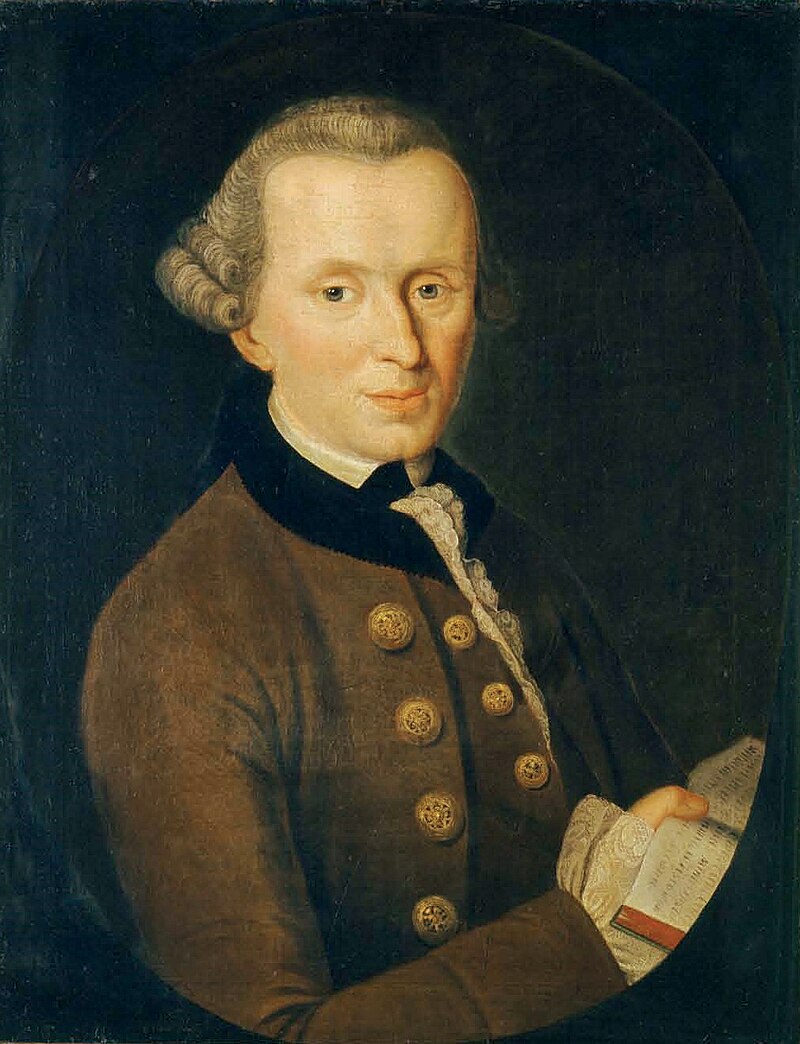


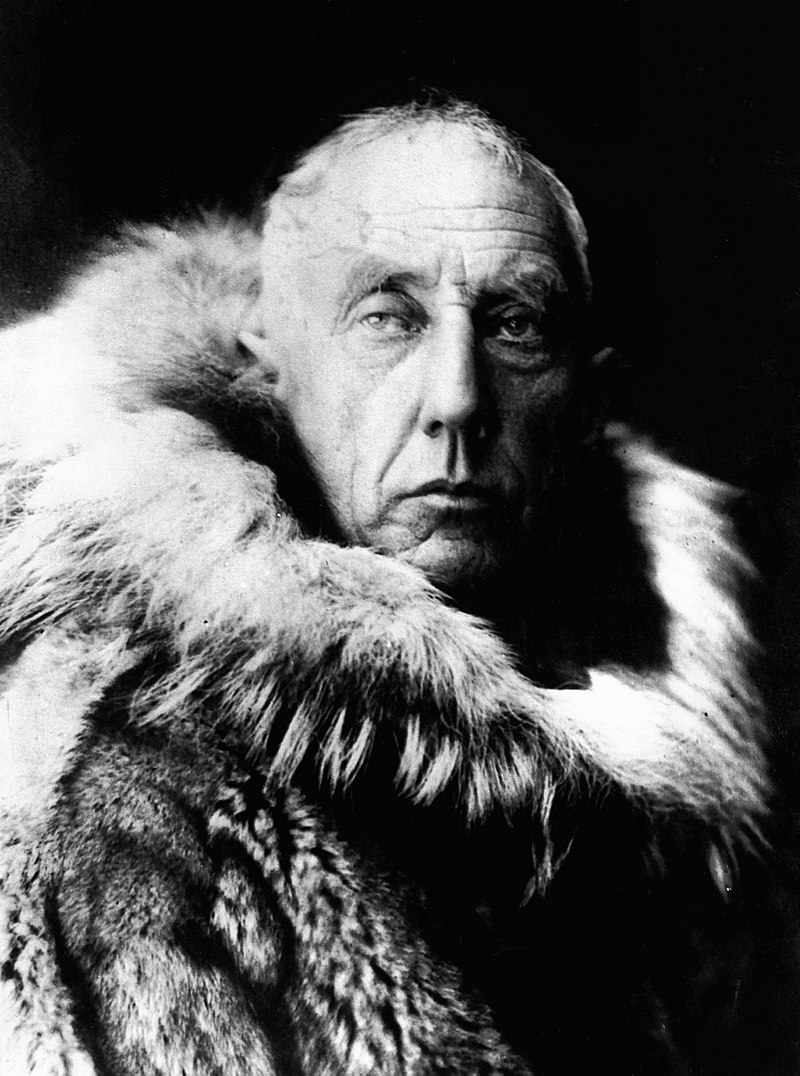
Edmund Burke, known as the founder of modern conservatism, wrote about the execution of the queen of France.
Stories win elections. So why are some politicians so bad at telling them? – The Irish TimesIreland· 2026-07-21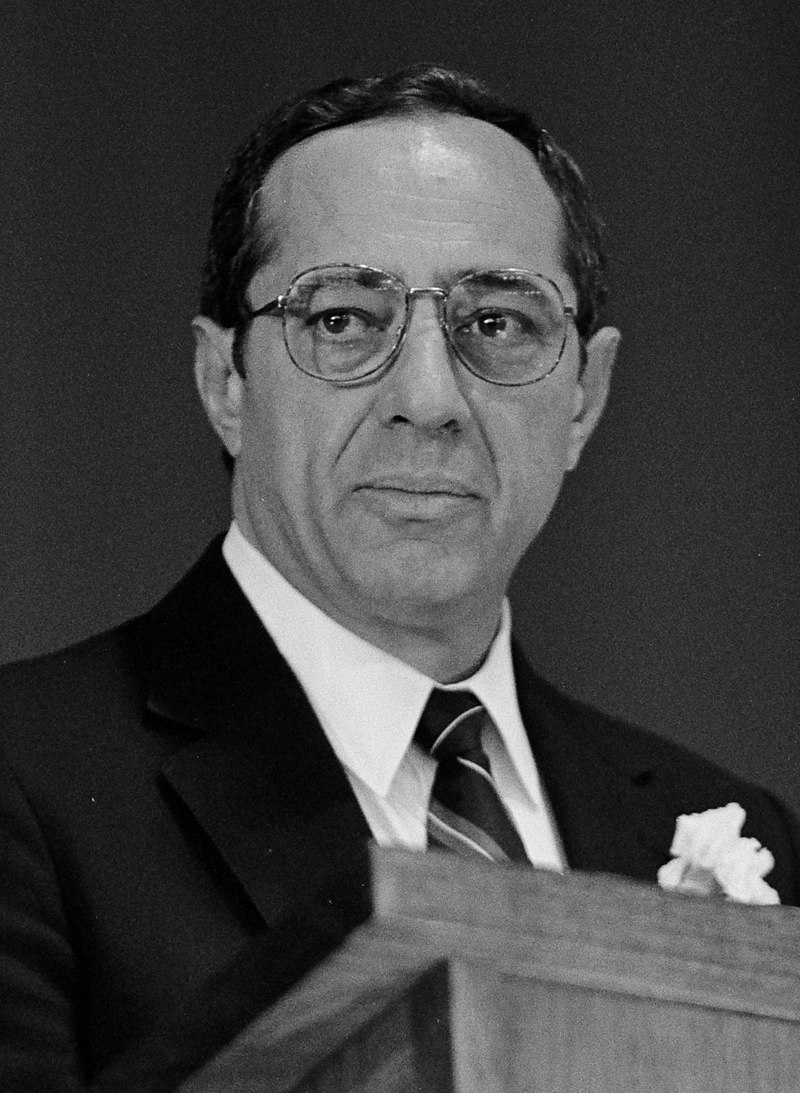

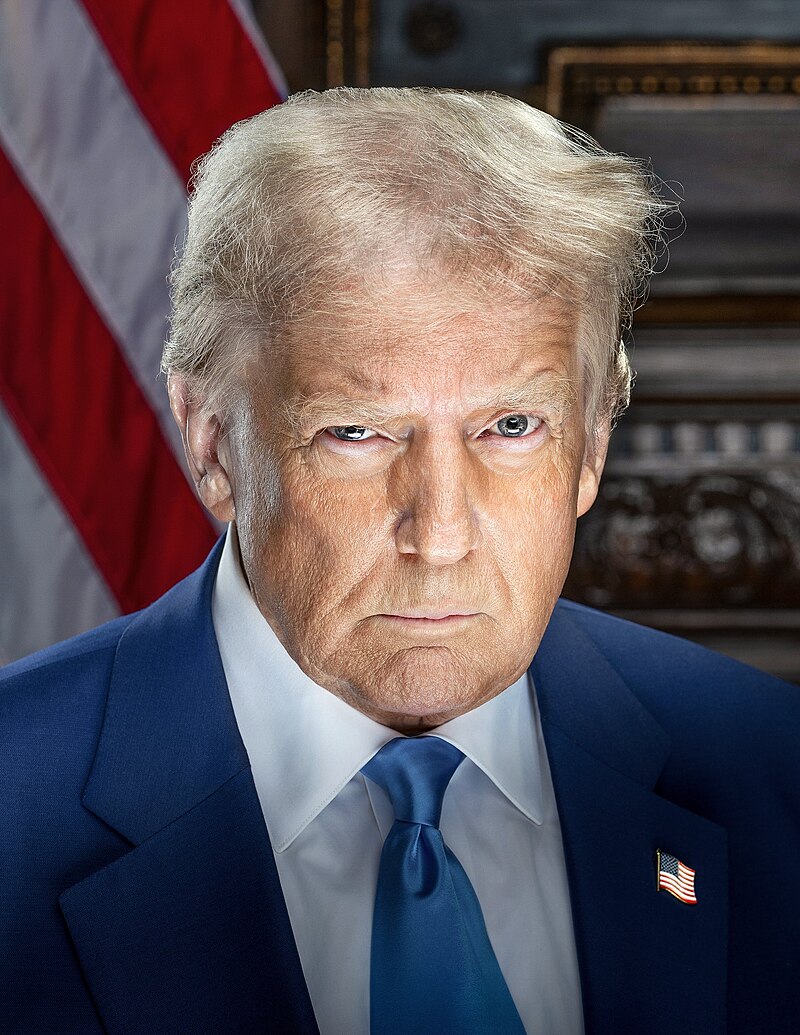
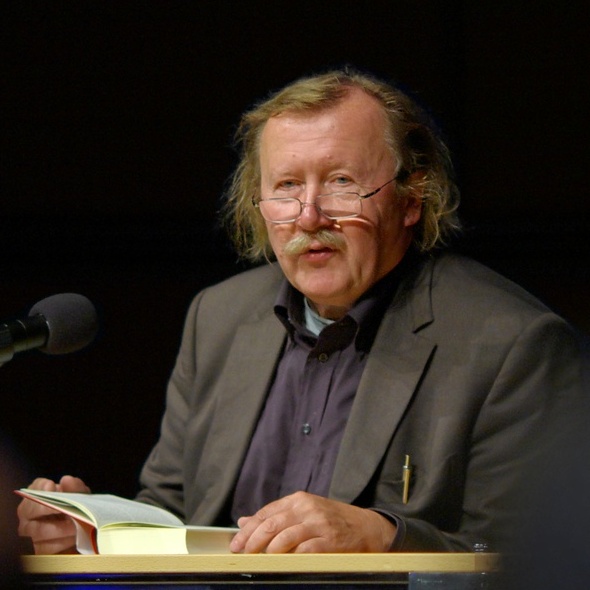

Philosopher Edmund Burke's warning that the only thing necessary for evil to triumph is for good men to do nothing was never intended as a governing philosophy.
History will judge Ruto harshly if the goons menace is not dealt with decisively Kenya· 2026-07-14
Edmund Burke is referenced as a historical figure representing a distinct indigenous line in conservative anti-modernity in Ireland.
You would have to be borderline insane – or American – to feel nostalgic for 1970s Ireland – The Irish TimesIreland· 2026-02-22
Edmund Burke is mentioned as part of a lineage of figures embodying anti-Enlightenment thought.
Trumps Maga-bevægelse er en kamp mod oplysningstiden Denmark· 2025-12-24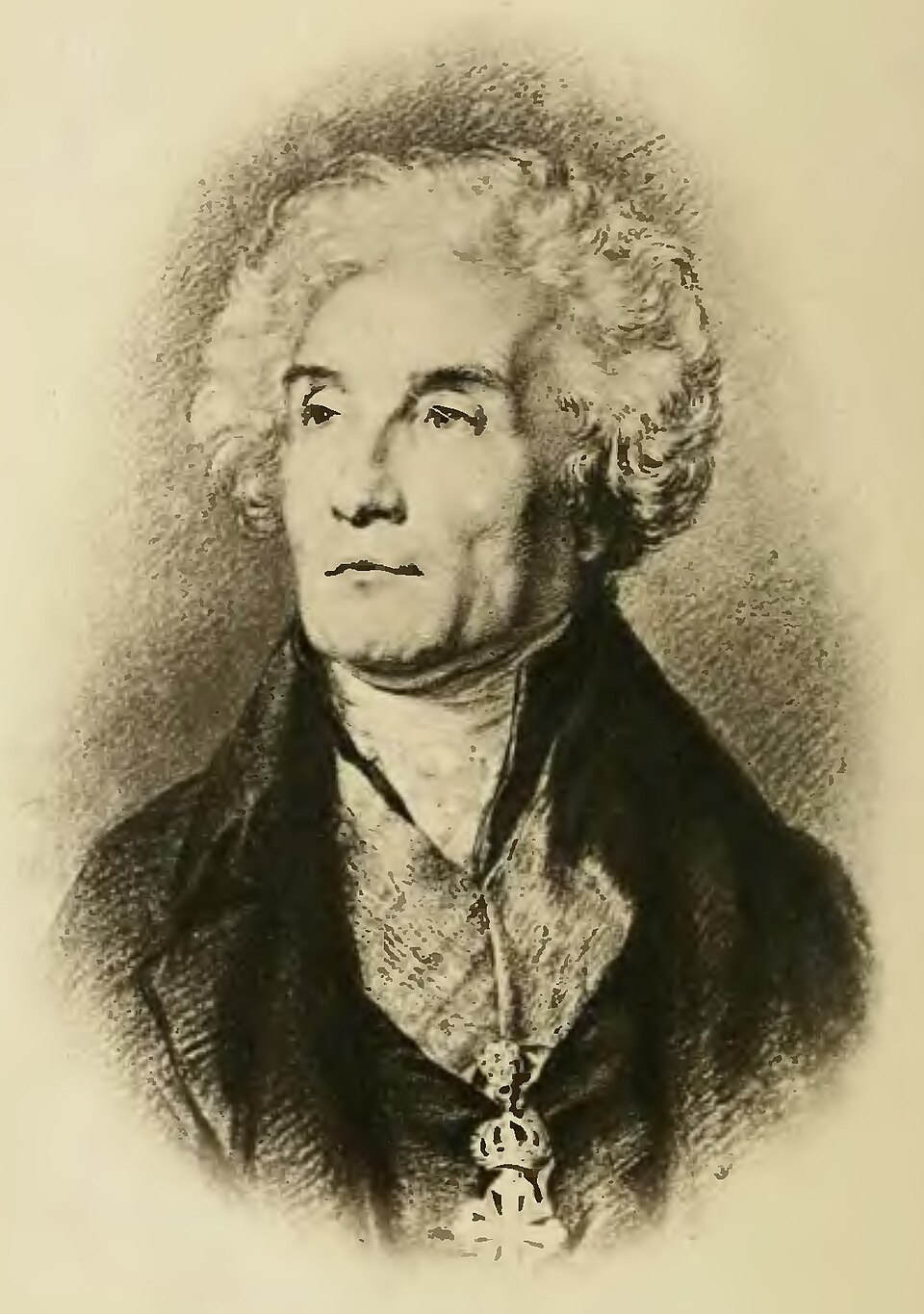
Edmund Burke highlighted the ease of losing truth and the dominance of false ideas through fear.
فيلسوف يُشَخِّص مصدر الخلل Iraq· 2025-12-24
Edmund Burke is considered the father of political conservatism.
Moștenirea toxică a Rusiei în România. Papahagi: Lipsa de libertate persistă Romania· 2025-12-22
Burke's observations about populist agitators are referenced.
Andrew Hastie wants to lead the Liberal Party. He won’t if he keeps savaging the ‘liberal’ bit Australia· 2025-11-09
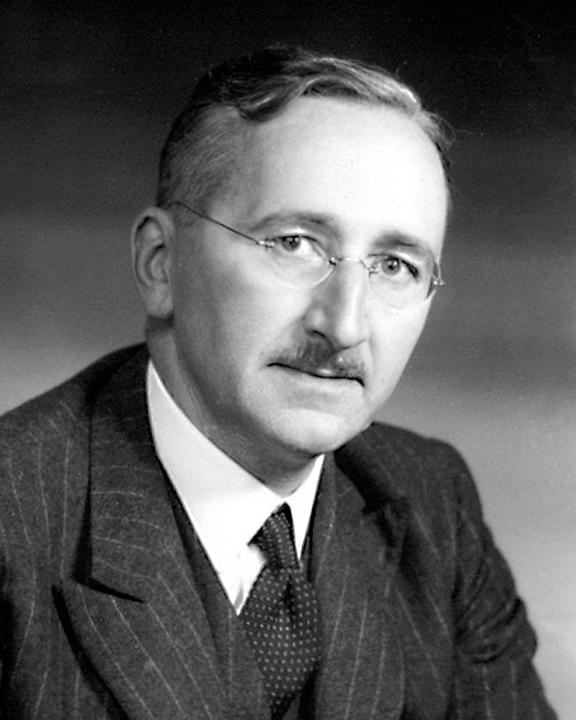
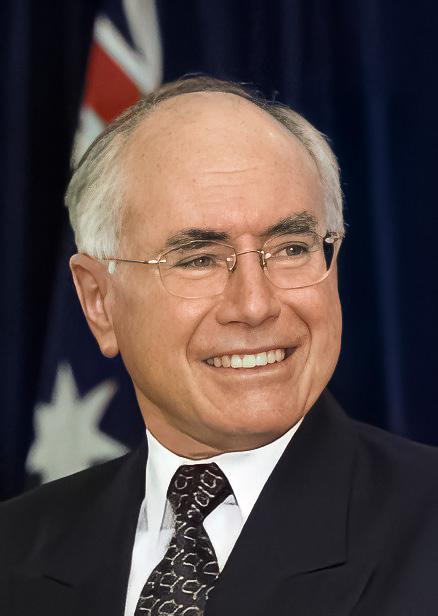
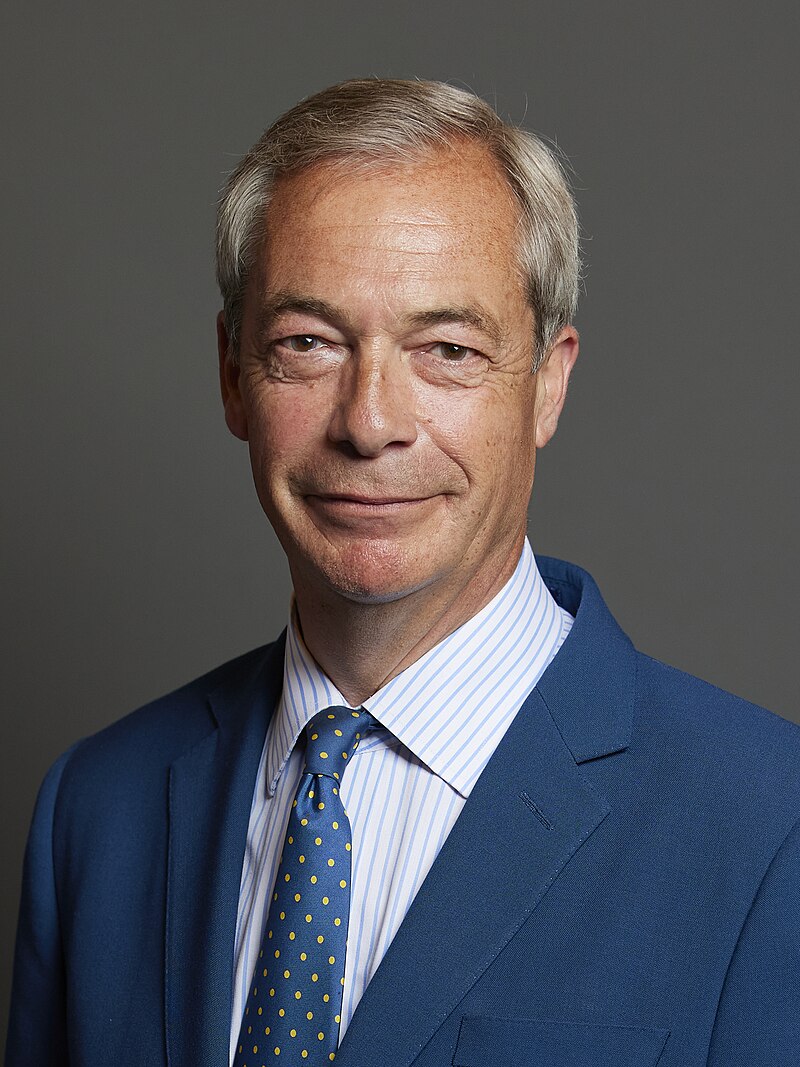
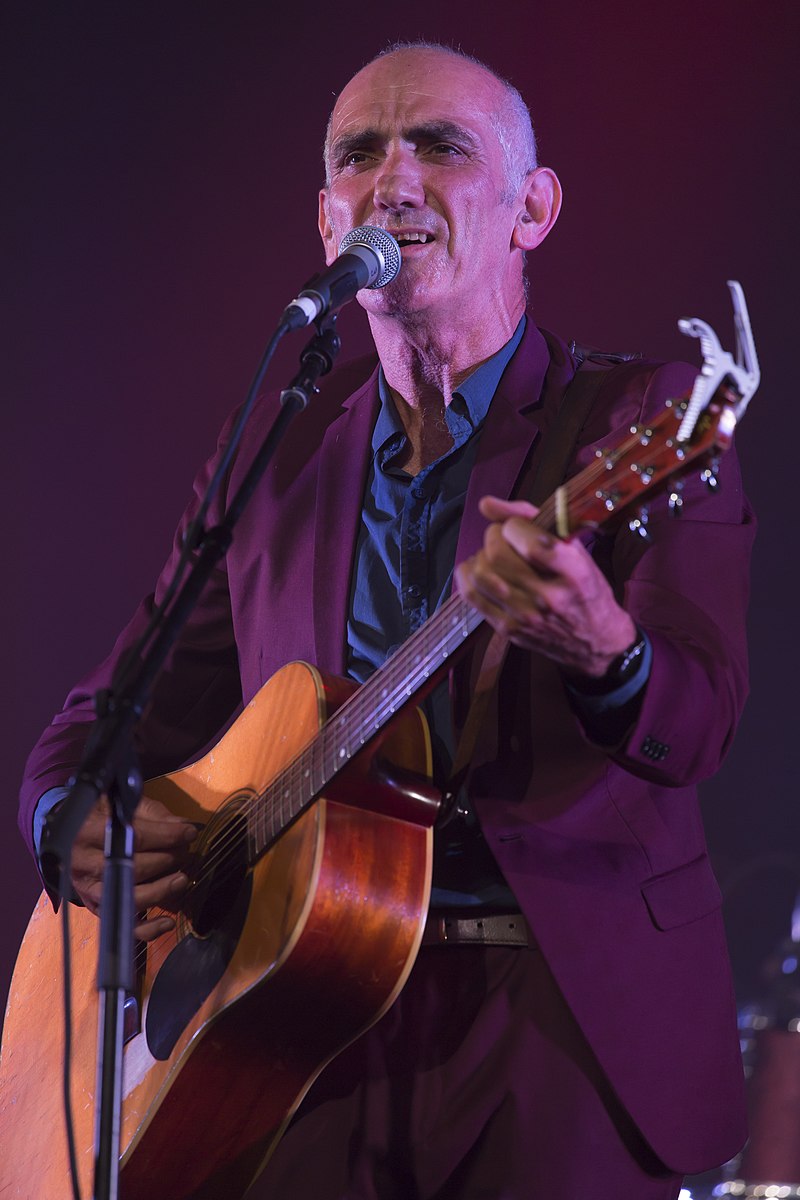

Edmund Burke delivered a bracingly anti-populist statement to his electors.
As Liberal Party squabbles over net zero, the din drowns out real concerns of votersAustralia· 2025-11-09

Political philosopher Edmund Burke once said, 'The only thing necessary for the triumph of evil is for good men to do nothing.'
Those who seek Raila's political mantle must carry his burdenKenya· 2025-10-31

Edmund Burke asserted that bad laws are the worst form of tyranny.
Democracy at a crossroads in South Africa – and the US – The Mail & Guardian South Africa· 2025-09-15

Edmund Burke is credited with giving conservatism a balanced tone and openness to facts.
Konservatisme uten liberalisme er farlig Norway· 2025-09-13
Edmund Burke is mentioned as having Norman roots.
Sinn Féin may reject commemorating the Normans, but there are some suspiciously Saxon names in its ranks – The Irish TimesIreland· 2025-08-19



Edmund Burke is referenced for his thoughts on the necessity of good people uniting against evil.
Hoy, más que nunca, el silencio no es una opción porque la democracia no se defiende sola Costa Rica· 2025-07-17
Edmund Burke is mentioned as a defender of reformism in contrast to Thomas Paine's revolutionary ideas.
Transformación | Política | ¿Qué es la revolución?, por Daniela Ibáñez | OPINION Peru· 2025-07-16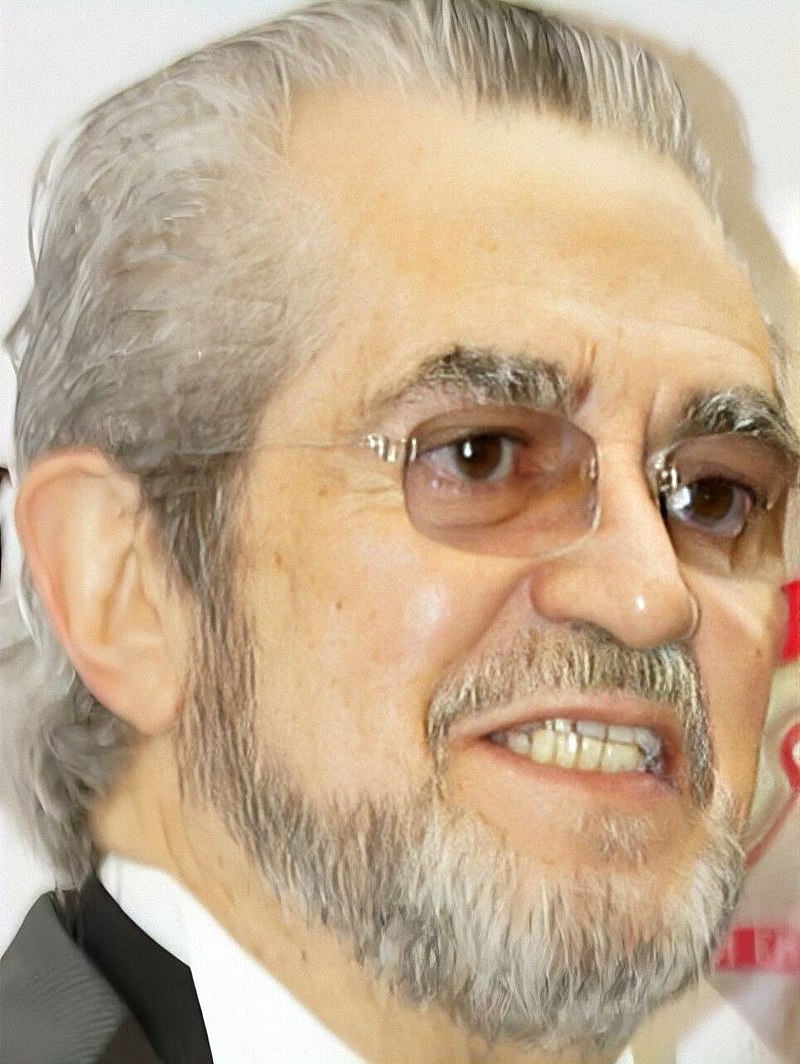
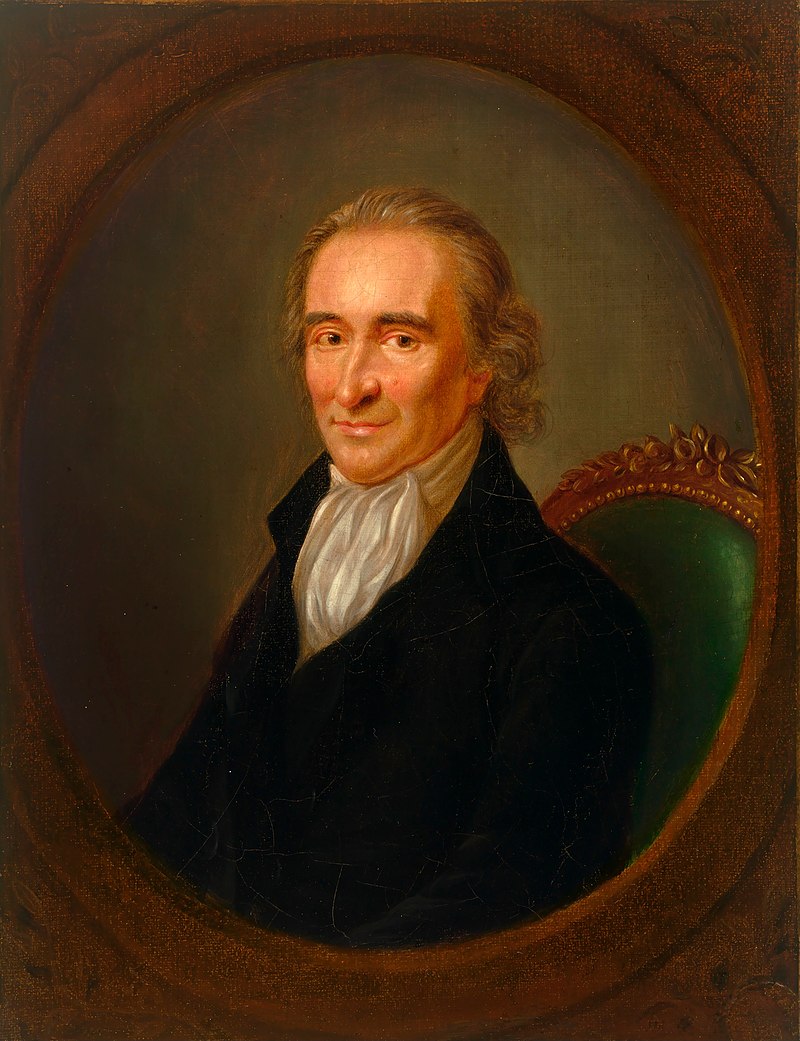
Edmund Burke's ideas are referenced in the context of the discussion on masculinity.
PEETER ESPAK ⟩ Kui keegi näeks, mis toimub tüdrukutega – avaneb üks jälgimaid ideoloogiaprojekte Estonia· 2025-06-09
Edmund Burke is regarded as the intellectual father of modern conservatism and opposed the French Revolution.
Was heisst konservativ? Es ist die Kunst der evolutiven politischen ReformSwitzerland· 2025-05-03
Edmund Burke's ideas suggest that emotion must be harnessed to achieve a better society.
North’s unionists can learn from Britain’s record on diversity – The Irish TimesIreland· 2025-03-31

Edmund Burke warned that the only thing necessary for evil to triumph is for good men to do nothing.
Imagine Rivers State without a state of emergency Nigeria· 2025-03-24

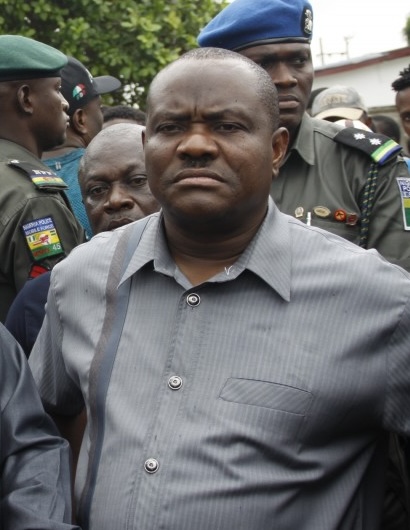

Edmund Burke is referenced for his warnings about the risks of radical change in society.
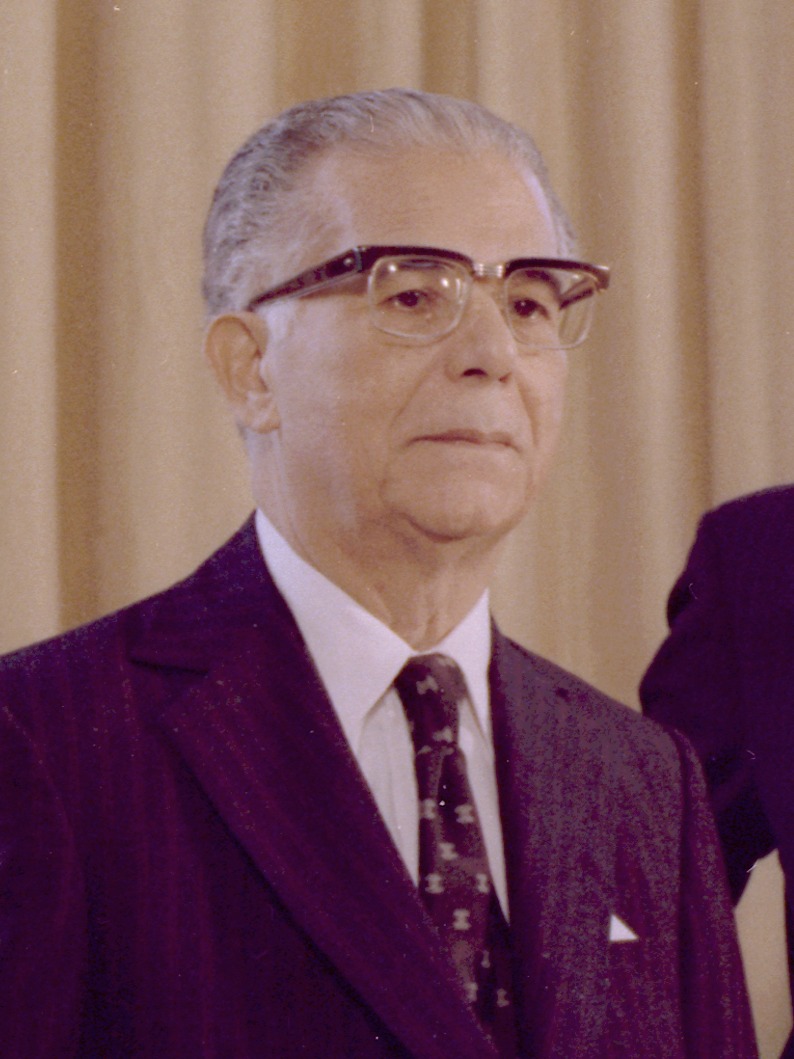
El peligro del cambio radical Dominican Republic· 2025-03-05
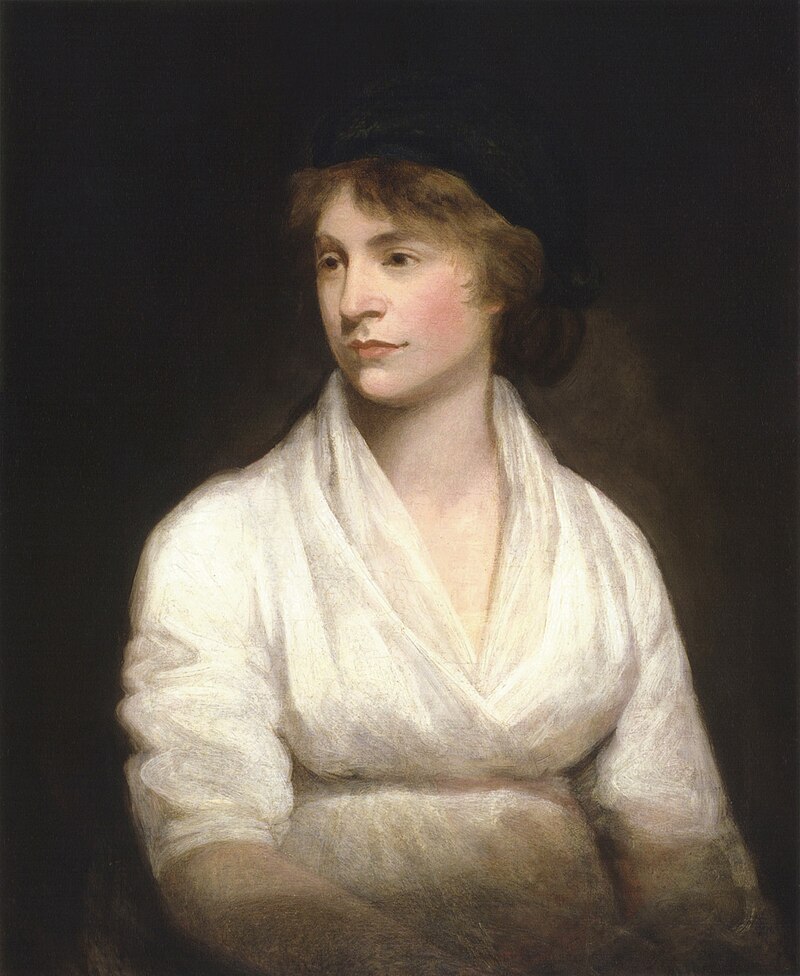
Mary Wollstonecraft famously went toe-to-toe with Edmund Burke on the political and cultural questions of the late 18th century.
The Enlightenment gave rise to a habit of worshipping ‘great men’, but they never had to worry about dying in childbirth – The Irish TimesIreland· 2025-03-03



Edmund Burke is quoted regarding the necessity for good men to act against evil.
Irish Times readers react to Trump-Zelenskiy meeting – The Irish TimesIreland· 2025-03-02



Edmund Burke is cited as a critic of democracy, contrasting with Carlyle's views.
L’heroisme segons Trump i Carlyle | Literatura Spain· 2025-02-15