
Kate Rees
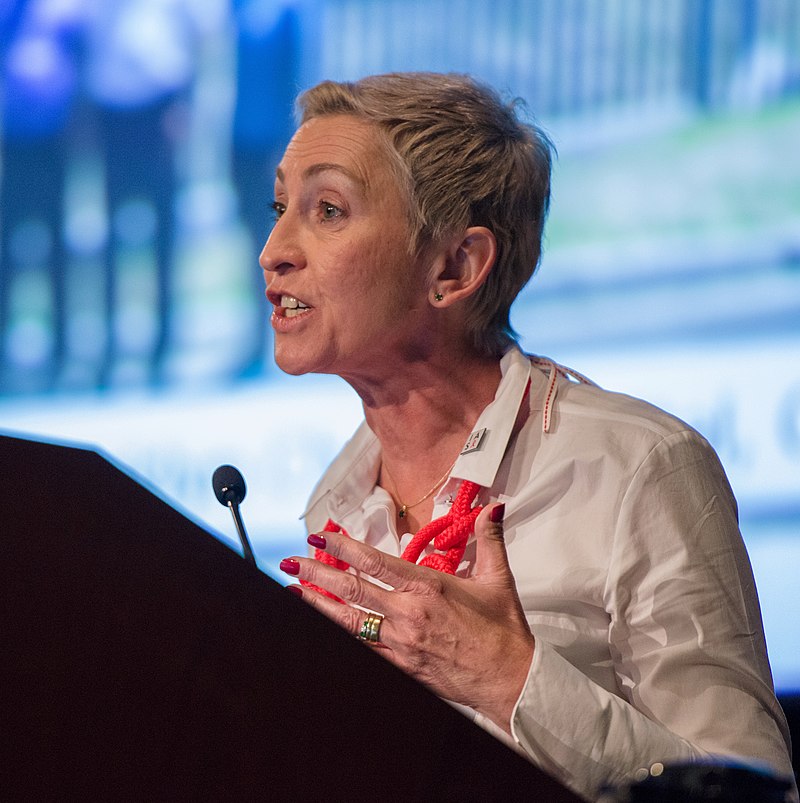
Dr. Kate Rees is a public health physician in South Africa, known for her work in HIV/AIDS treatment and prevention. She has expressed deep concern over the recent U.S. aid cuts, describing the day of the announcement as one of the worst in her career, as she believes these cuts will significantly impact the already vulnerable populations relying on life-saving healthcare services, pushing them toward disaster.
Not in the pool (under ¢1).
Recent news mentions
Kate Rees, a public health specialist at Anova Health Institute in Johannesburg, said while it’s ideal to have a transfer letter, it’s not needed and people can’t be turned away.
Most vulnerable struggle to find HIV medication after US aid cuts | World News Jamaica· 2025-08-25


Kate Rees, co-chair of the 12th South African Aids Conference, discussed the need for differentiated service delivery in HIV treatment.
Most people on ARVs stay on them. Does our health system know that? – The Mail & Guardian South Africa· 2025-08-04
Kate Rees is a public health specialist at the Anova Health Institute who discusses the challenges of getting people back on HIV treatment.
Is it true? – The Mail & GuardianSouth Africa· 2025-06-11
Kate Rees, a public health specialist with the Anova Health Institute, highlights the challenges of employing health workers to manage health data.
Trump’s HIV funding cuts will also hit diabetes, cervical cancer and depression hard – The Mail & GuardianSouth Africa· 2025-05-27

Kate Rees is a public health specialist with the Anova Health Institute who discussed the challenges of managing health data for older people with HIV.
The proportion of people 50+ with HIV has doubled in 10 years – The Mail & GuardianSouth Africa· 2025-05-12
Kate Rees from the Anova Health Institute described the funding cuts as being pushed off a cliff.
US aid cuts send South Africa's HIV treatment 'off a cliff' United Kingdom· 2025-02-28

Dr Kate Rees, a public health medicine specialist at the Anova Health Institute, said it was too early to conclude that those programmes were safe.
US shutdown of HIV/Aids funding ‘could lead to 500,000 deaths in South Africa’ | Global developmentUnited Kingdom· 2025-02-28
Kate Rees, a South African public health physician, described the day of the funding cuts as one of the worst of her career.
More than 90 per cent of U.S. aid programs abruptly cancelled, jeopardizing lives, humanitarian groups say Canada· 2025-02-27