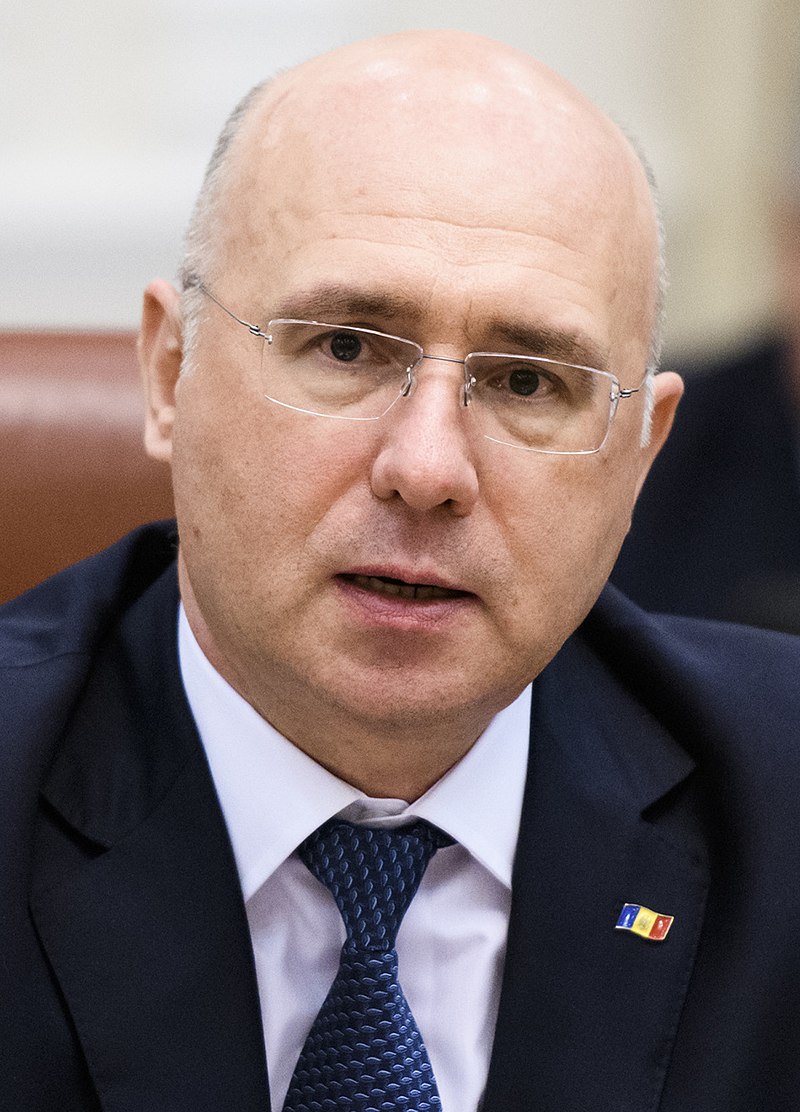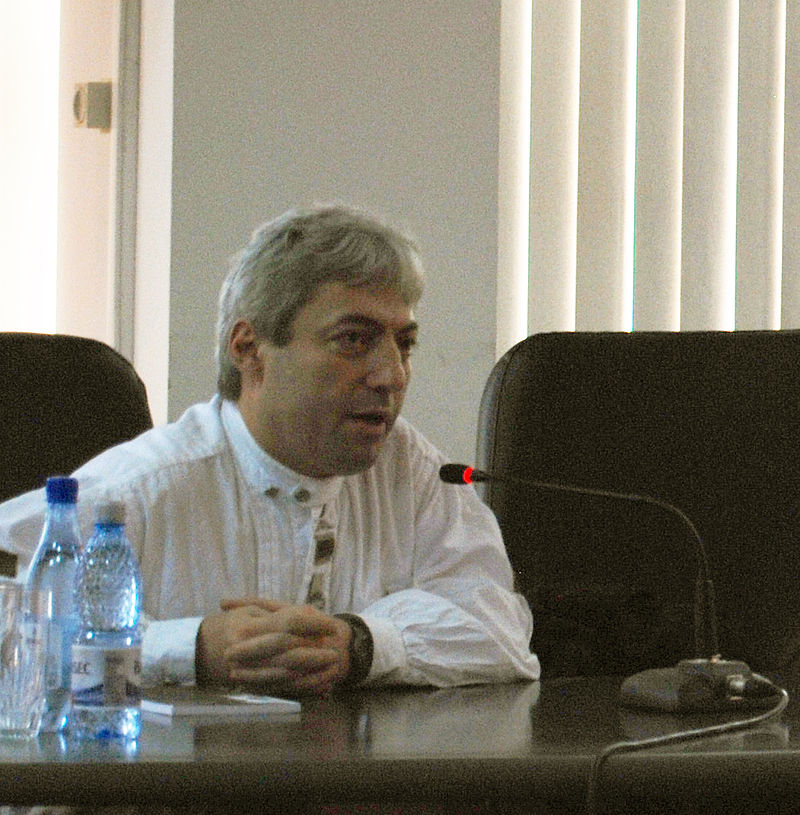
Marius Oprea
Marius Oprea is a Romanian historian and researcher known for his work on the history of political repression during the communist era. He has documented the atrocities committed in labor camps like Salcia and has referred to it as a 'Jerusalem of Romanians' due to the high number of victims.
Not in the pool (under ¢1).
Recent news mentions
Marius Oprea shared his personal experience regarding the brutal treatment of protesters during the 1987 Brașov protests.
Primii români care au avut curajul să strige „Jos Ceaușescu”. Revolta anticomunistă care a prefigurat Revoluția din 1989 Romania· 2025-12-15


Marius Oprea is a historian who commented on the potential influence of the Recorder publication.
Justiția, ruptă în două. Cine sunt semnatarii listei de susținere a magistraților din reportajul Recorder și cine sunt marii absențiRomania· 2025-12-14






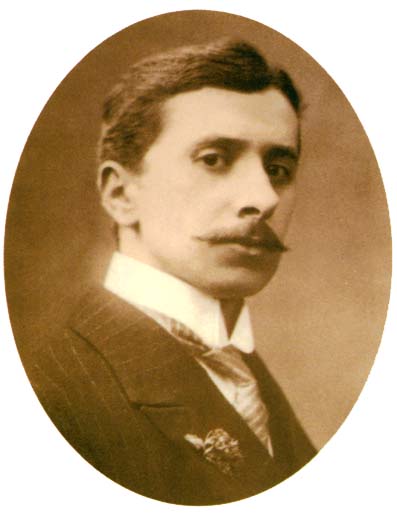

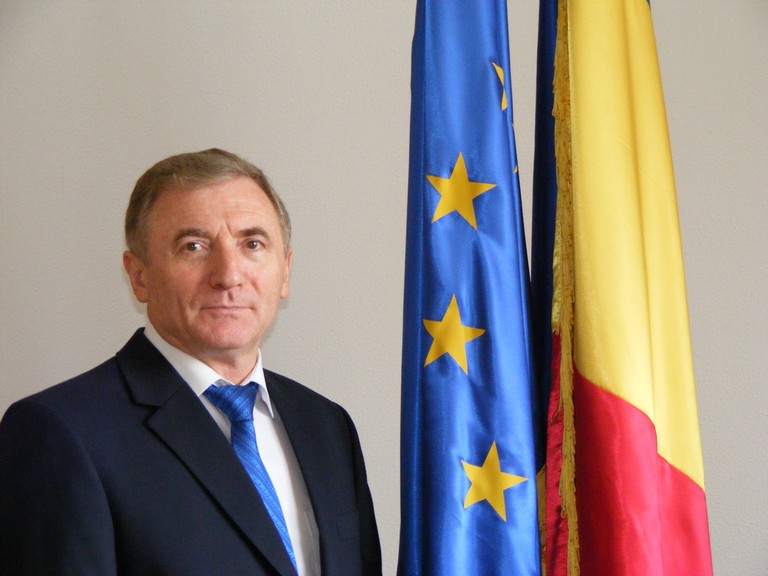


Marius Oprea is a historian who founded the Institute for the Investigation of Communist Crimes and has written extensively about communist security.
Adevăratul pericol rusesc din România. Istoric: „După 1989, Moscova și-a plasat oamenii în vârful instituțiilor-cheie românești”Romania· 2025-10-02



Marius Oprea, a well-known historian, believes that a reoccurrence of ethnic violence like that in Târgu Mureș is unlikely today.
Val de reacții după ce o femeie a fost agresată verbal în Cluj pentru că vorbea în maghiară la telefonRomania· 2025-09-14

Marius Oprea expressed that Iliescu's legacy is viewed negatively by many Romanians.
Iliescu, îngropat „într-un parc de cartier”. Cum este explicată absența publicului de la funeraliile fostului președinteRomania· 2025-08-07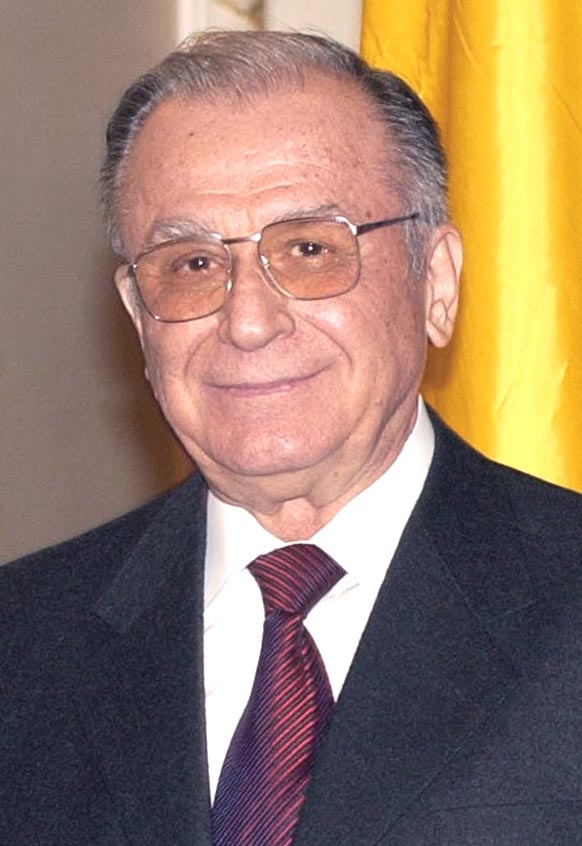


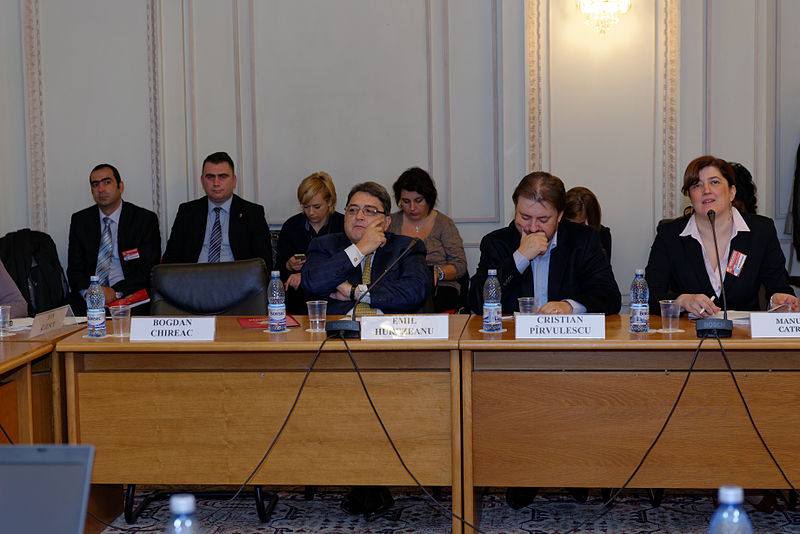
Marius Oprea is a historian who discusses the controversial secret units of the Romanian intelligence services in the documentary.
Misterul asasinării lui Ioan Culianu dezvăluit după 33 de ani: portretul robot al „fantomei” din DIE și legătura cu IliescuRomania· 2025-05-22


Historian Marius Oprea revealed details about his relationship with Crin Antonescu during their university years.
Istoricul Marius Oprea, despre relația sa cu Crin Antonescu: «Ne lega ceva, refuzasem „onoarea” de a intra în PCR»Romania· 2025-04-15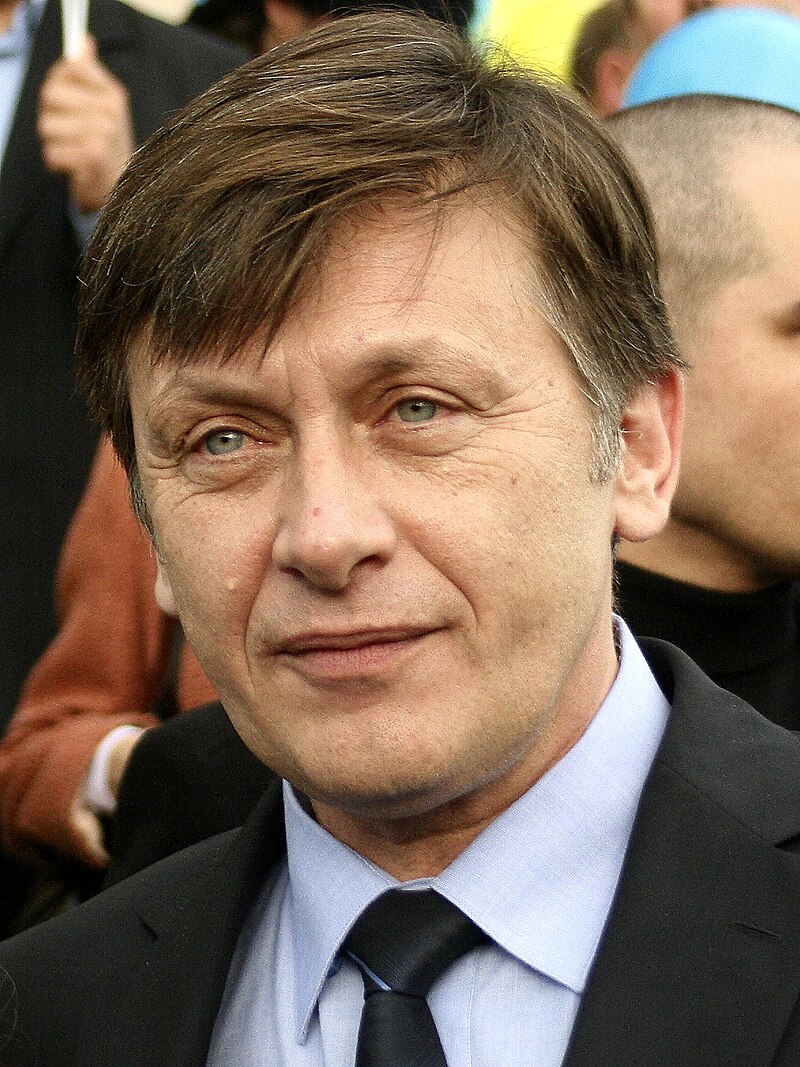
Marius Oprea, historian and archaeologist, founded the Institute for the Investigation of Communist Crimes.
Morții din lagărul Salcia, dezgropați cu „bănuțul văduvei“: „Am ajutat-o pe preoteasă să-l scoată și să-i ducă oasele acasă, învelite în ziare, peste care am pus niște pește“Romania· 2025-03-02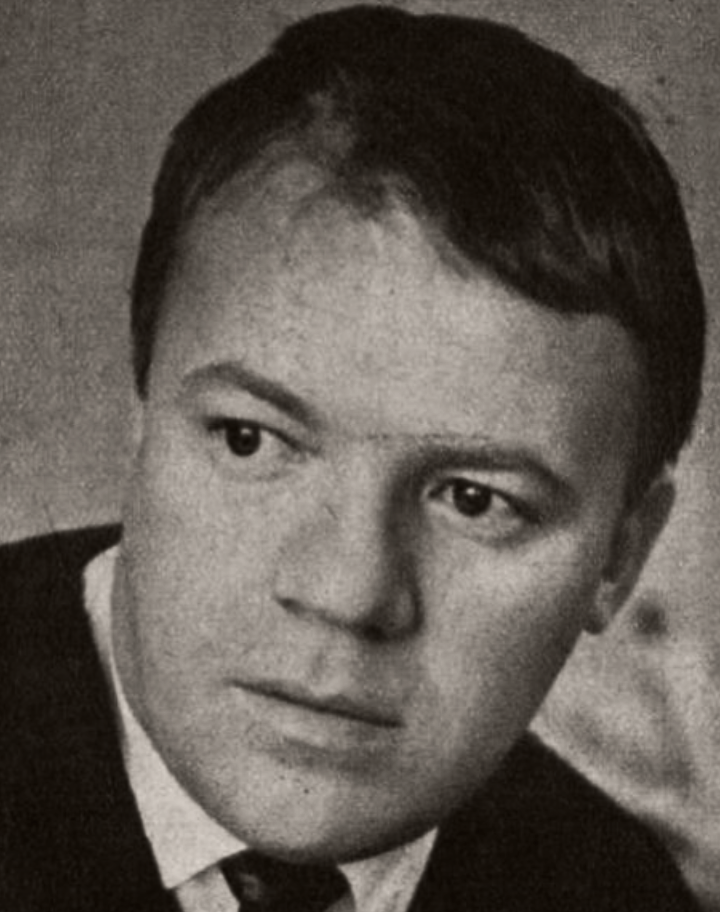
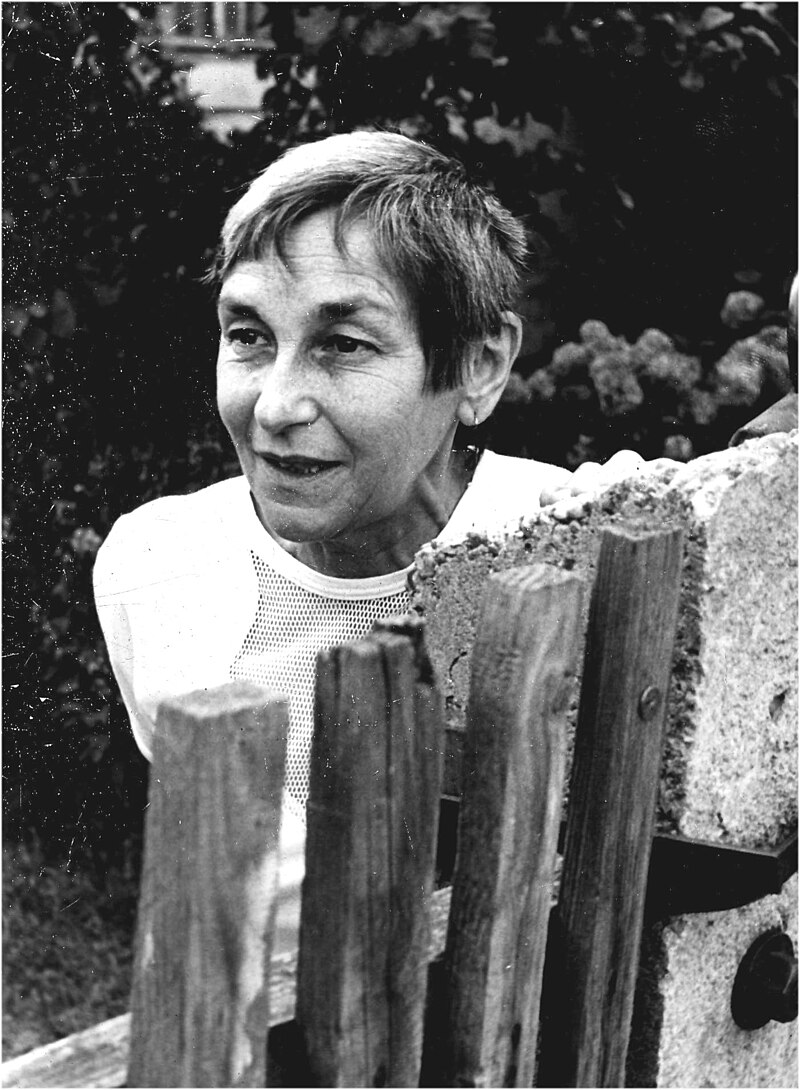






He referred to Salcia as a Jerusalem of Romanians due to the high number of martyrs from the communist regime.
Salcia, Ierusalimul românilor. Mărturii din lagăr: „După ce l-a bătut a fost pus pe o targă în care bătuse piroane de fier“Romania· 2025-03-01