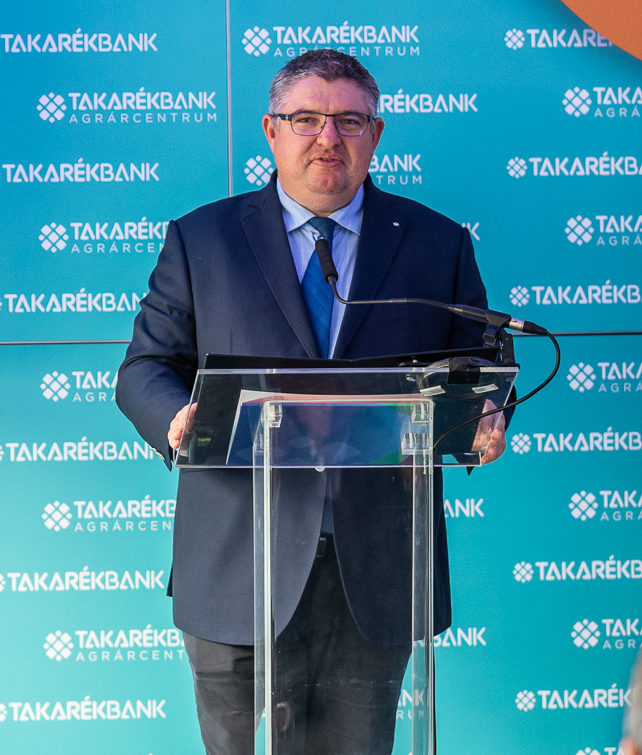
Mihály Varga
 HungarypoliticianMaleb. 19655.0Global Dominance: 0.00%
Mihály Varga is a Hungarian politician and economist, formerly serving as the Minister of Finance. He is set to take over leadership of the Hungarian National Bank, succeeding György Matolcsy. Varga has been instrumental in formulating Hungary's fiscal policies and has played a significant role in the country’s economic strategy.
Country presence
Recent news mentions
Mihály Varga, the former Minister of Finance, responded to questions through his Facebook page.
Index - Belföld - A negyedik elégedetlen úriember, avagy nem baj, ha Magyar Péter átnéz a fejem fölöttHungary· 2026-09-27

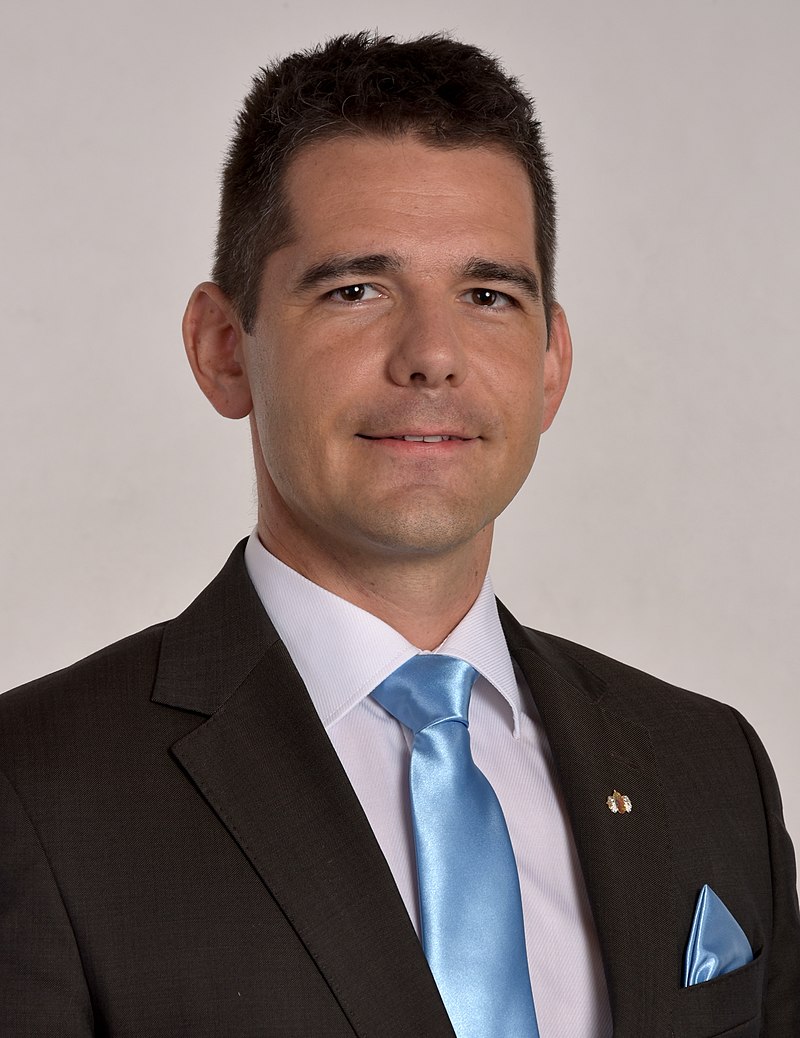


Mihály Varga is the current president of the MNB who filed a report against an unknown perpetrator in the case.
Index - Gazdaság - Gyanúsítottként hallgatták ki Matolcsy GyörgyötHungary· 2026-09-22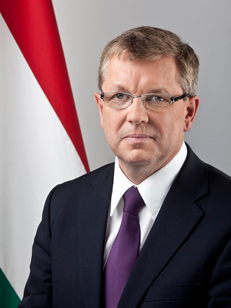
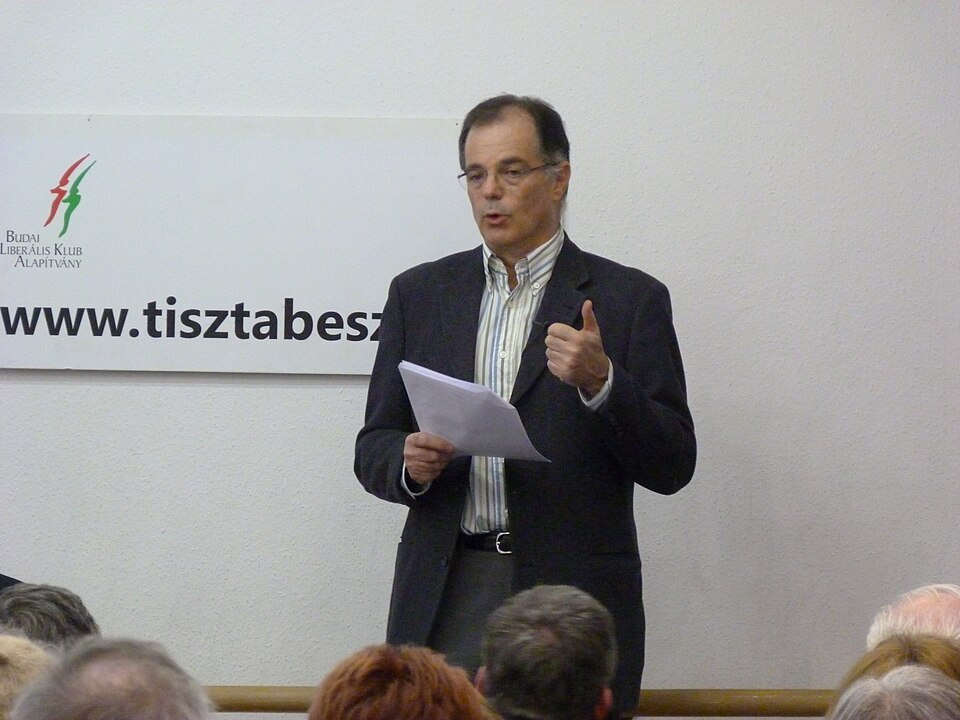
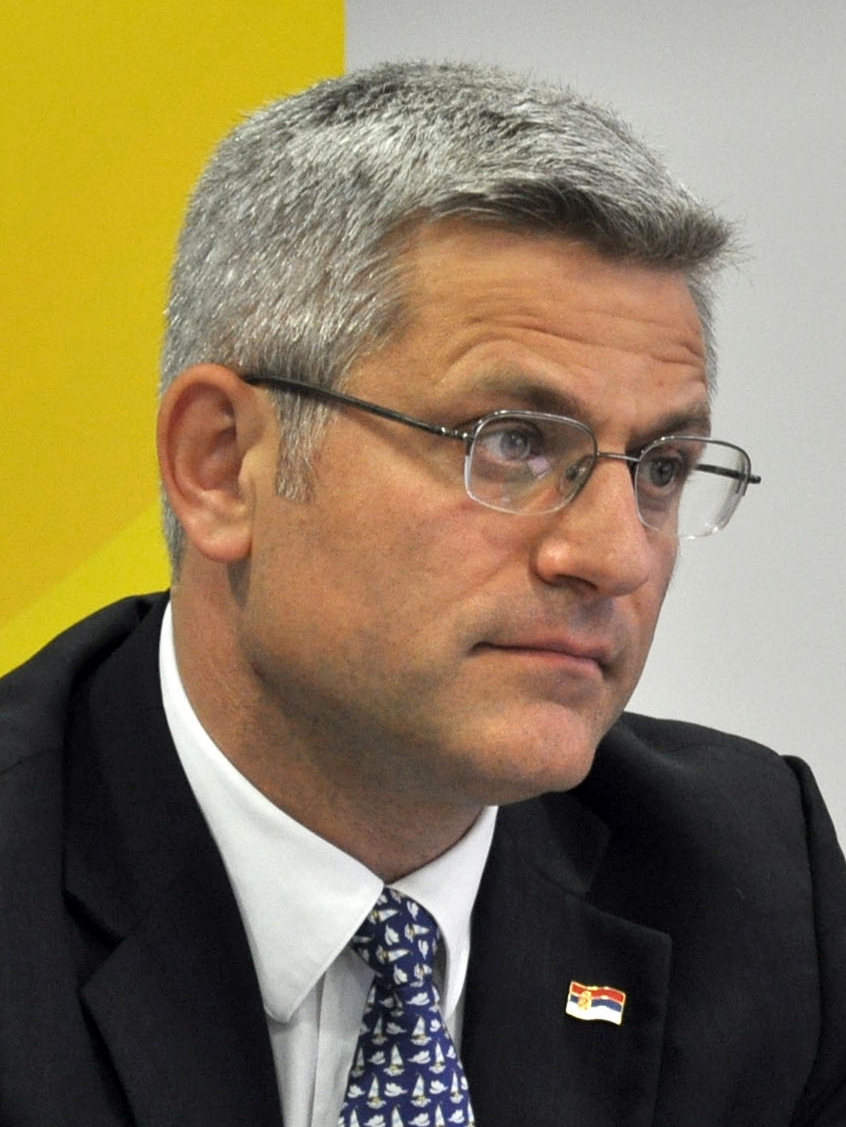

Mihály Varga made it clear that a mini interest rate cut cycle would continue during the summer months.
Index - Gazdaság - Magyar Péter nehéz döntések elé néz, ez nem fogja kímélni MagyarországotHungary· 2026-07-26


Mihály Varga, the president of the Hungarian National Bank, indicated that a mini interest rate cut cycle would continue during the summer months.
Index - Gazdaság - Döntöttek Varga Mihályék, meglépték, amire mindenki számítottHungary· 2026-07-21Mihály Varga is the president of the Hungarian National Bank and supports the government's economic strategies.
Index - Gazdaság - Ez lehet Magyar Péter első komoly dilemmája, most a boltokban jöhet a fordulatHungary· 2026-07-07
Mihály Varga emphasized that the exchange rate of the forint plays a key role in controlling inflation.
Index - Gazdaság - Magyar Péteréknek üzent Varga Mihály, azonnali változás jöhet a boltokbanHungary· 2026-06-23
Mihály Varga discussed the inflation outlook and the Monetary Council's considerations regarding interest rates.
Index - Gazdaság - Magyar Péter bejelentése után újabb csúcs születettHungary· 2026-05-31

Mihály Varga emphasized the importance of innovation in enhancing economic growth and stability during a conference.
Index - Gazdaság - Varga Mihály elárulta, hogy mi kell most MagyarországnakHungary· 2026-02-11Mihály Varga's horse, Kabala, has gone missing.
Index - Belföld - Magyar Péter üzent Orbán Viktornak: Ha esetleg megszorulna a hónap végén, csak szóljon!Hungary· 2026-02-01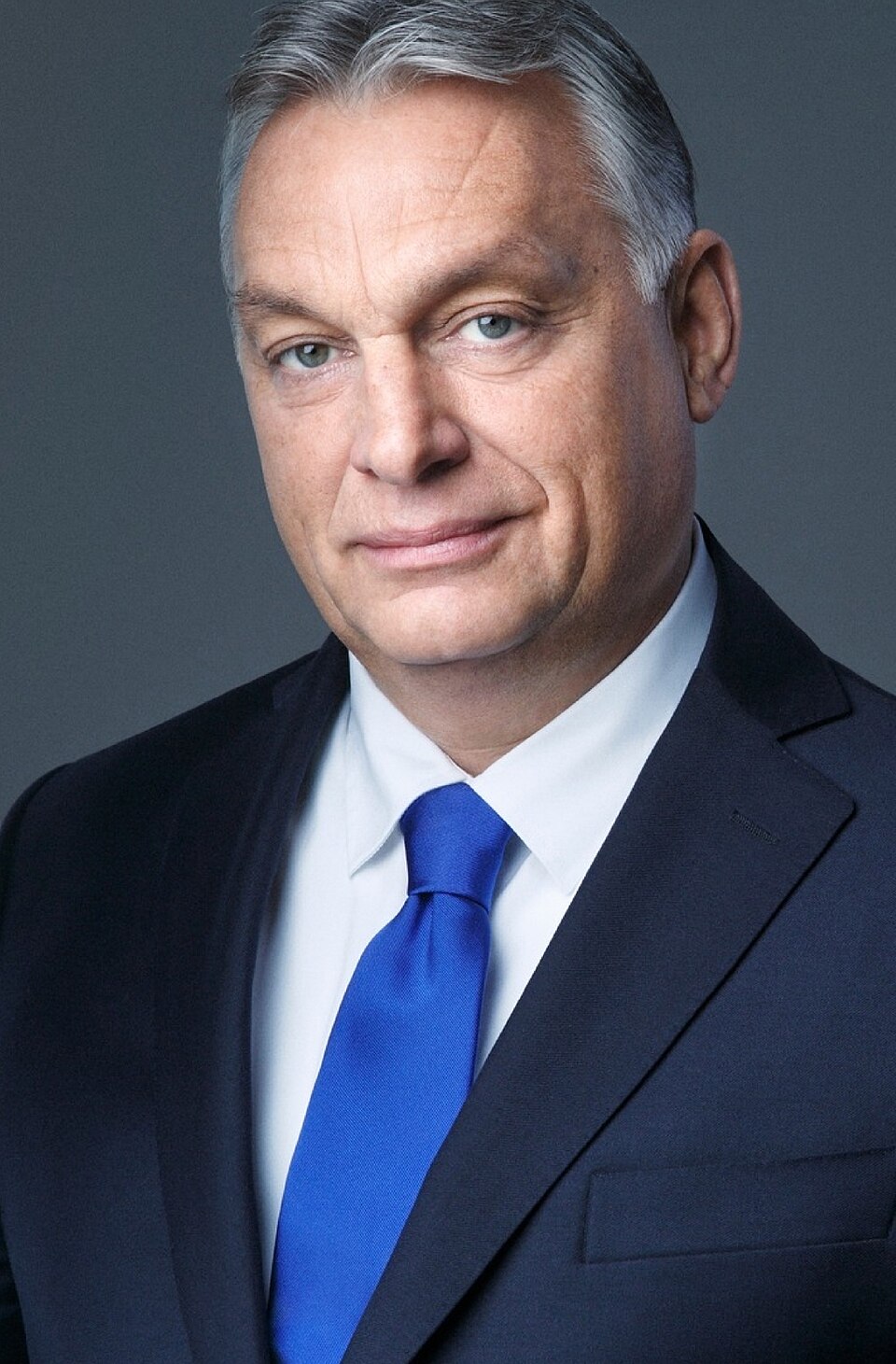

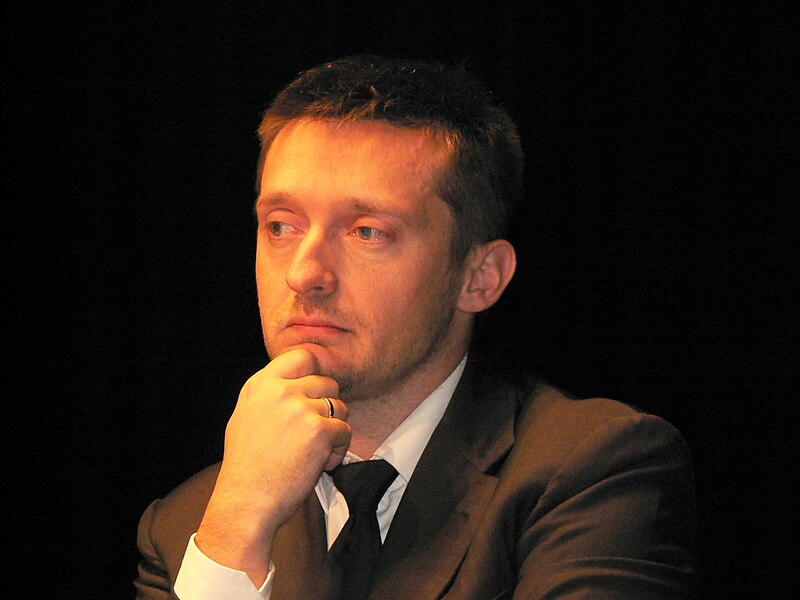
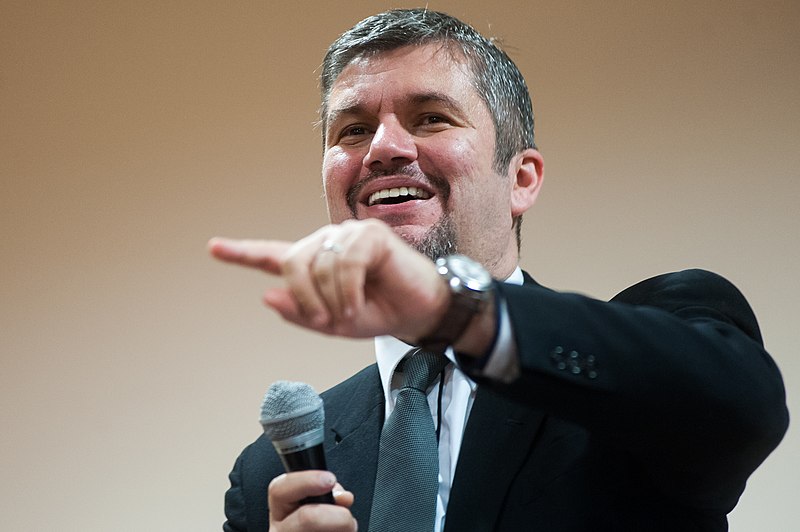
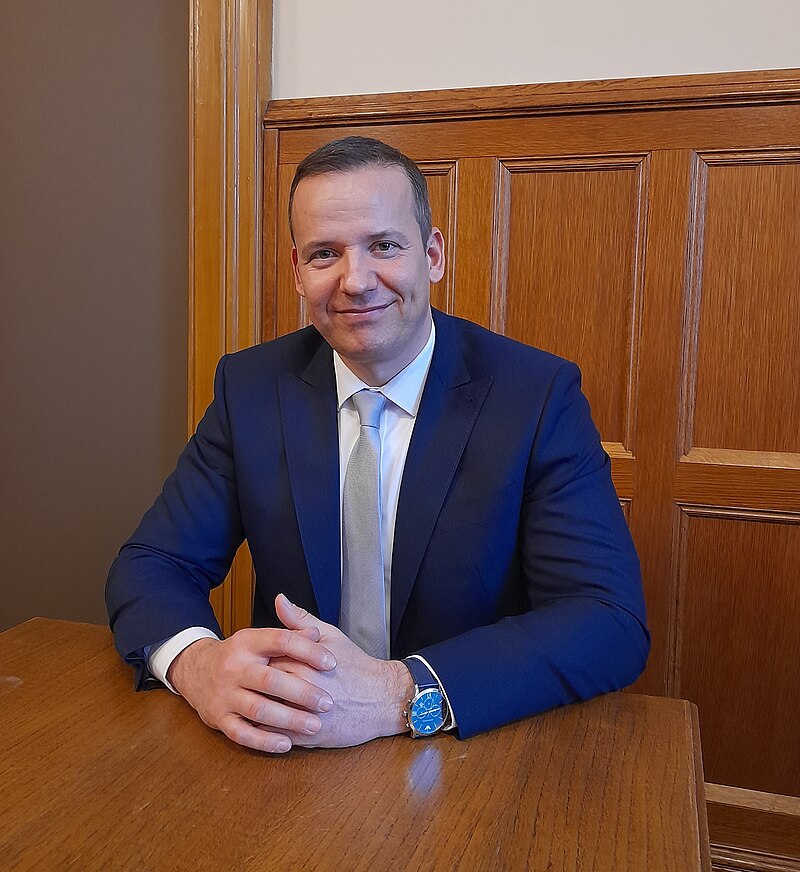

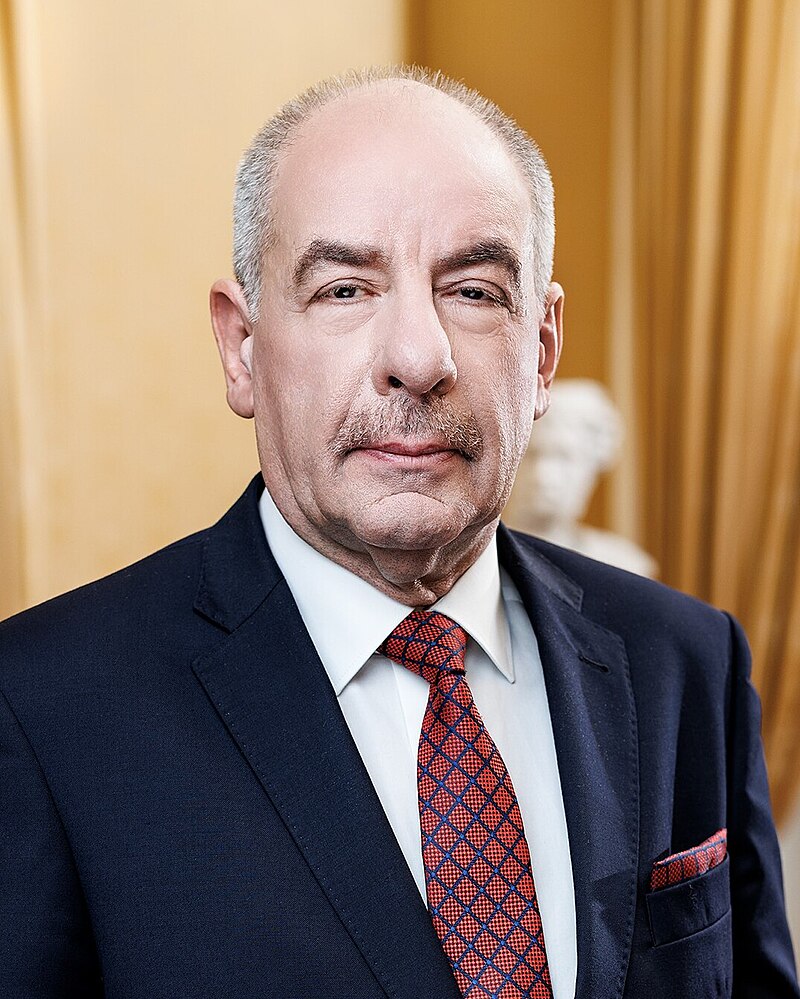
Mihály Varga reported significant assets in government bonds and investments while serving as finance minister.
Index - Belföld - Eltűnt Kabala, a jegybankelnök lovaHungary· 2026-02-01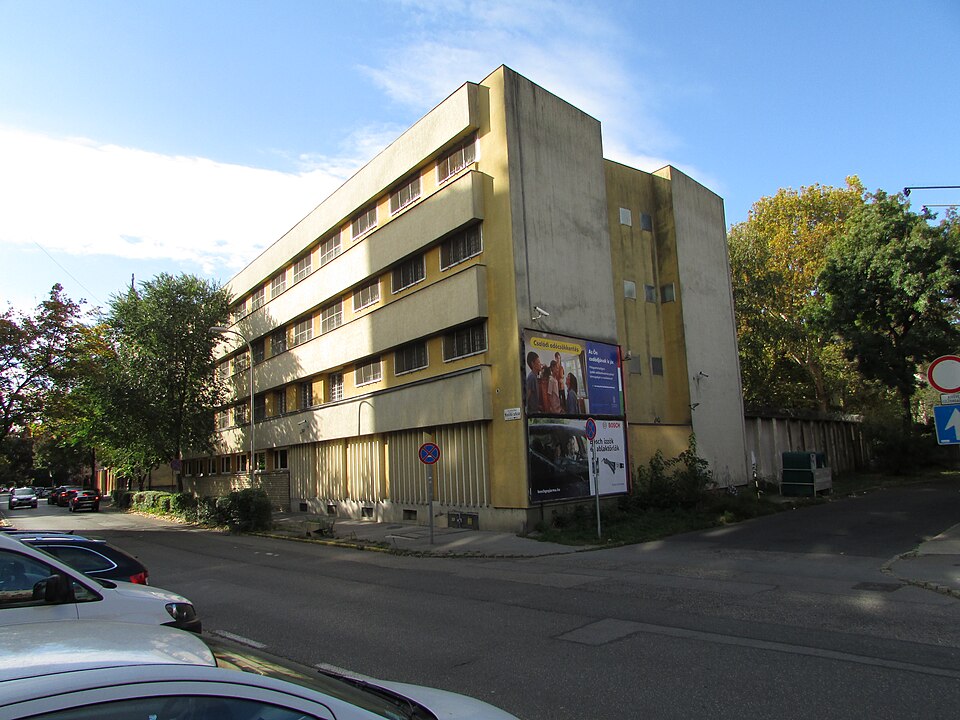
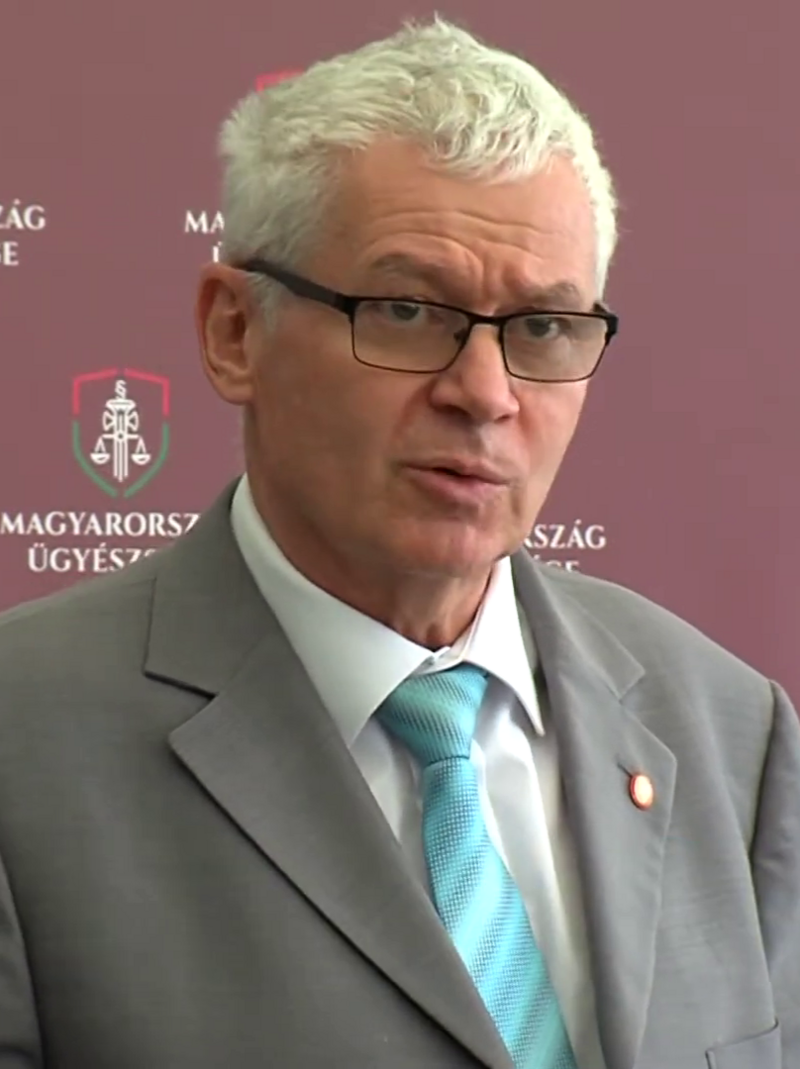
Mihály Varga is the governor of the Hungarian National Bank and has emphasized data-driven decision-making in monetary policy.
Index - Gazdaság - Varga Mihály erőset mondott az Indexnek az év eleji inflációrólHungary· 2026-01-27Mihály Varga initiated the comprehensive audit of Hungary's gold reserves after taking office.
Index - Gazdaság - Épp feje tetejére áll a világ, közben egy sárga fémmel degeszre keresi magát MagyarországHungary· 2026-01-26
Mihály Varga emphasized the importance of stability and trust in the Hungarian stock market's success.
Index - Gazdaság - Bődületes összeg, 24 ezer milliárd forint van a magyaroknál, amit Varga Mihályék szívesen látnánakHungary· 2026-01-12
Mihály Varga became the president of the Hungarian National Bank and ordered a comprehensive audit of the gold reserves.
Index - Külföld - Londonban ragadt 31 tonna venezuelai arany, Magyarországnak is van ott mintegy 15 tonnányiHungary· 2026-01-11
Mihály Varga emphasized the importance of competition in reducing prices and fulfilling the central bank's primary mandate.
Index - Gazdaság - Varga Mihály bekeményített, elmondta, mi lesz az új fegyvere az infláció ellenHungary· 2025-12-08Mihály Varga leads the central bank that is focused on stabilizing the forint.
Index - Gazdaság - Itt a következménye Orbán Viktor és Donald Trump találkozójának, ezt a zsebünkön is megérezzükHungary· 2025-11-10
Mihály Varga is the former finance minister who succeeded Matolcsy as central bank governor.
Index - Belföld - Matolcsy György alapítványa a budai Várból egy kelenföldi panelház lakásába költözöttHungary· 2025-11-01



Mihály Varga is the Governor of the Hungarian National Bank who emphasized the need for a cautious monetary policy.
Index - Gazdaság - A forint jövője a tét, nagyon fontos üzenetet küldött a Magyar Nemzeti Bank elnökeHungary· 2025-10-11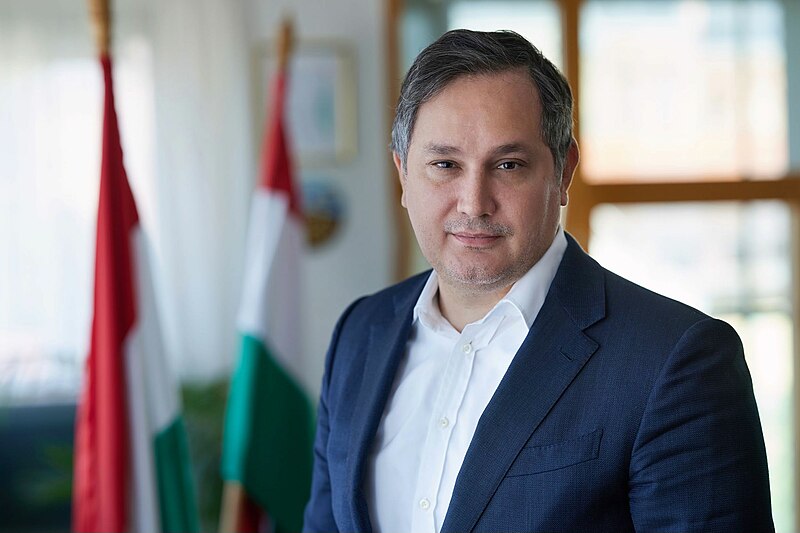
Mihály Varga leads the new management of the Hungarian National Bank involved in the ongoing dispute over the Marczibányi Sportcentrum.
Index - Gazdaság - Újabb csontváz hullott ki Matolcsy Györgyék után, most már a II. kerületben is áll a bálHungary· 2025-10-08
Mihaly Varga is the former Minister of Finance who became the governor of Hungary's central bank.
Hungria não deve adoptar o euro porque a UE está a “desintegrar-se”, diz Orbán | União Europeia Portugal· 2025-10-06
Mihály Varga, the president of the Hungarian National Bank, opened the Artificial Intelligence Workshop.
Index - Gazdaság - Itt a Magyar Nemzeti Bank válasza a jövőre, már a saját szemünknek sem hihetünkHungary· 2025-09-29
Mihály Varga took over the leadership of the central bank in early March and has since seen the forint strengthen significantly.
Index - Gazdaság - Itt a Magyar Nemzeti Bank újabb döntése, hamarosan megszólal a jegybanki vezetésHungary· 2025-09-23Mihály Varga is the central bank governor who has emphasized the importance of stabilizing the forint for price stability.
Index - Gazdaság - Döntöttek a forint sorsáról – Varga Mihály kimondta, amit eddig senki nem mertHungary· 2025-09-23Mihály Varga emphasized that the basis for the growth of the Hungarian economy could remain household consumption, supported by dynamic wage growth.
Index - Gazdaság - Varga Mihály megszólalt a forint erejéről: Az inflációs kockázatok nem szűntek megHungary· 2025-09-19Mihály Varga, the President of the Hungarian National Bank, emphasized the need to forget the idea that a weaker exchange rate helps the economy.
Index - Gazdaság - Nagy Márton nagy bejelentése az Indexnek: A kormány elhalaszthatja a jövedékiadó-emeléstHungary· 2025-09-05Mihály Varga is mentioned in relation to corporate lending issues.
Index - Gazdaság - Nagy Márton szerint nyugtalanító, hogy a kukában landolt egy nagyon fontos dokumentumHungary· 2025-09-04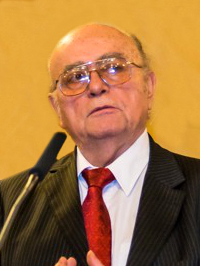
Mihály Varga was mentioned as one of the speakers at the conference.
Index - Gazdaság - Az ÁSZ elnöke lerántotta a leplet az MNB-botrányrólHungary· 2025-09-04
Mihály Varga is the president of the Hungarian National Bank and discussed the current economic situation and inflation in Hungary.
Index - Gazdaság - Varga Mihály kőkemény üzenetet küldött a forintnak, vége a korábbi stratégiánakHungary· 2025-09-04Mihály Varga was the finance minister whom László Nyikos approached regarding concerns about shareholder powers.
Index - Gazdaság - Matolcsy Györgytől kért pénzt az egyik ellenzéki jegybanki felügyelőbizottsági tagHungary· 2025-08-10
Mihály Varga, the central bank governor, explained the reasons behind maintaining the interest rate.
Index - Gazdaság - Varga Mihály bemondta, mikor jöhet végre az euróHungary· 2025-07-22