Rabindranath Tagore
 BangladeshpoetMaleb. 18617.2Global Dominance: 0.02%
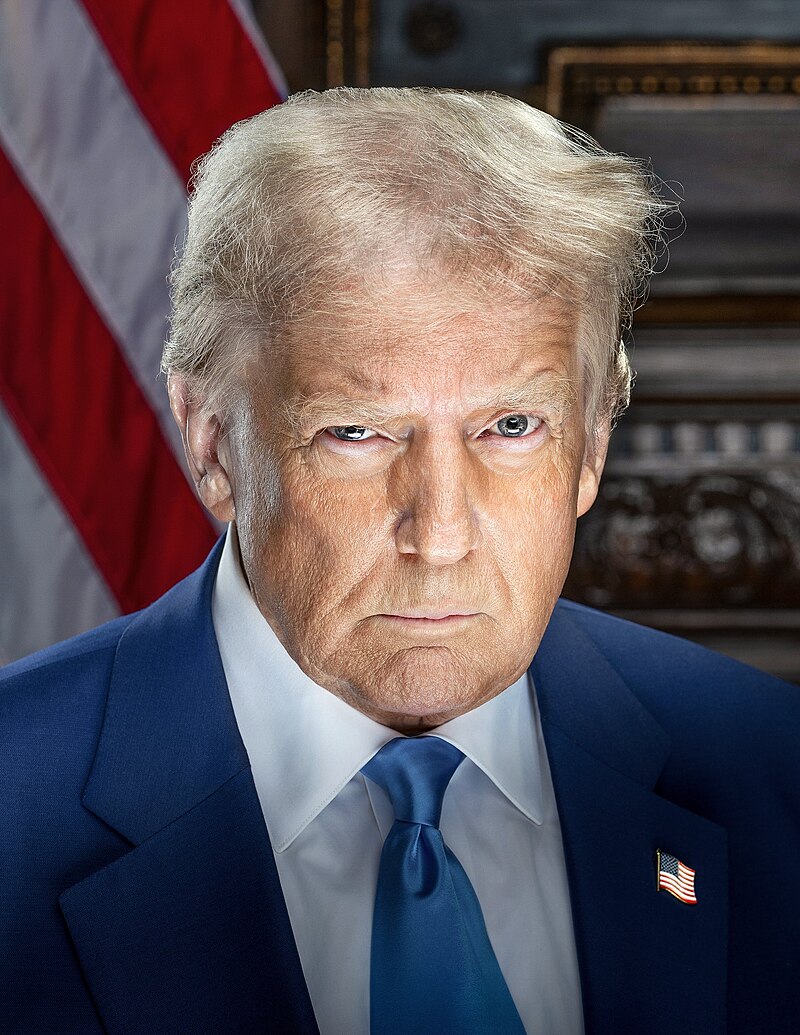
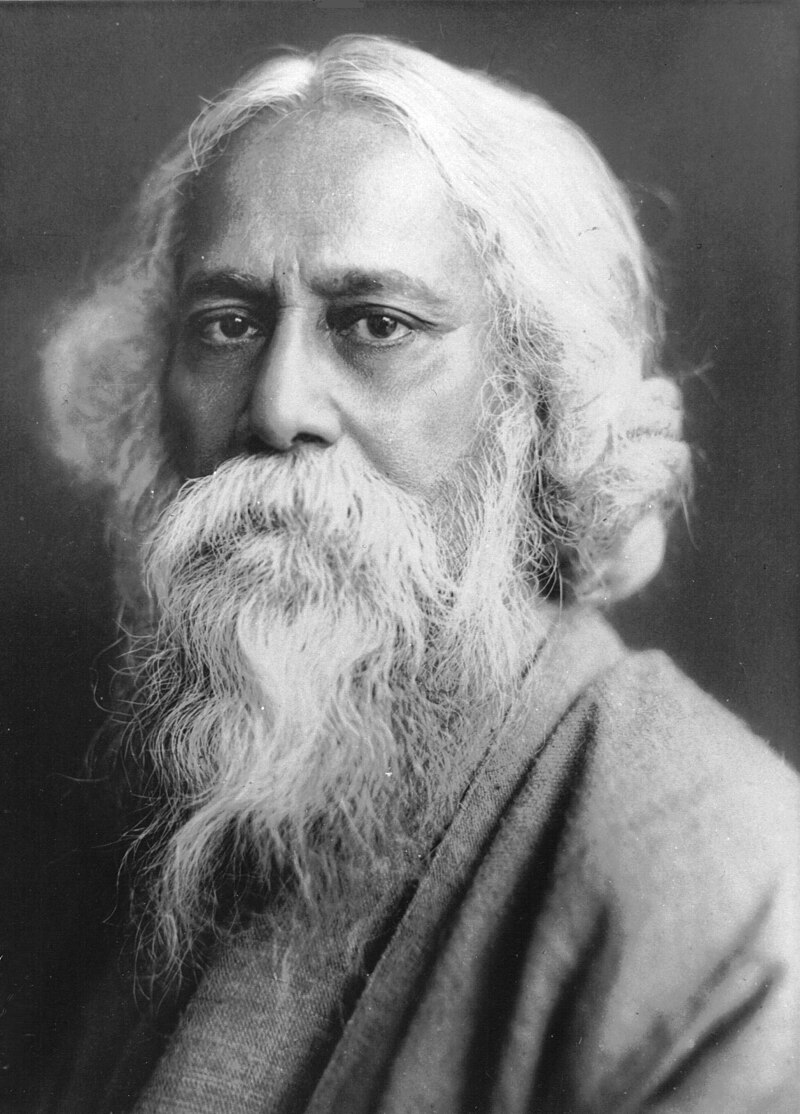
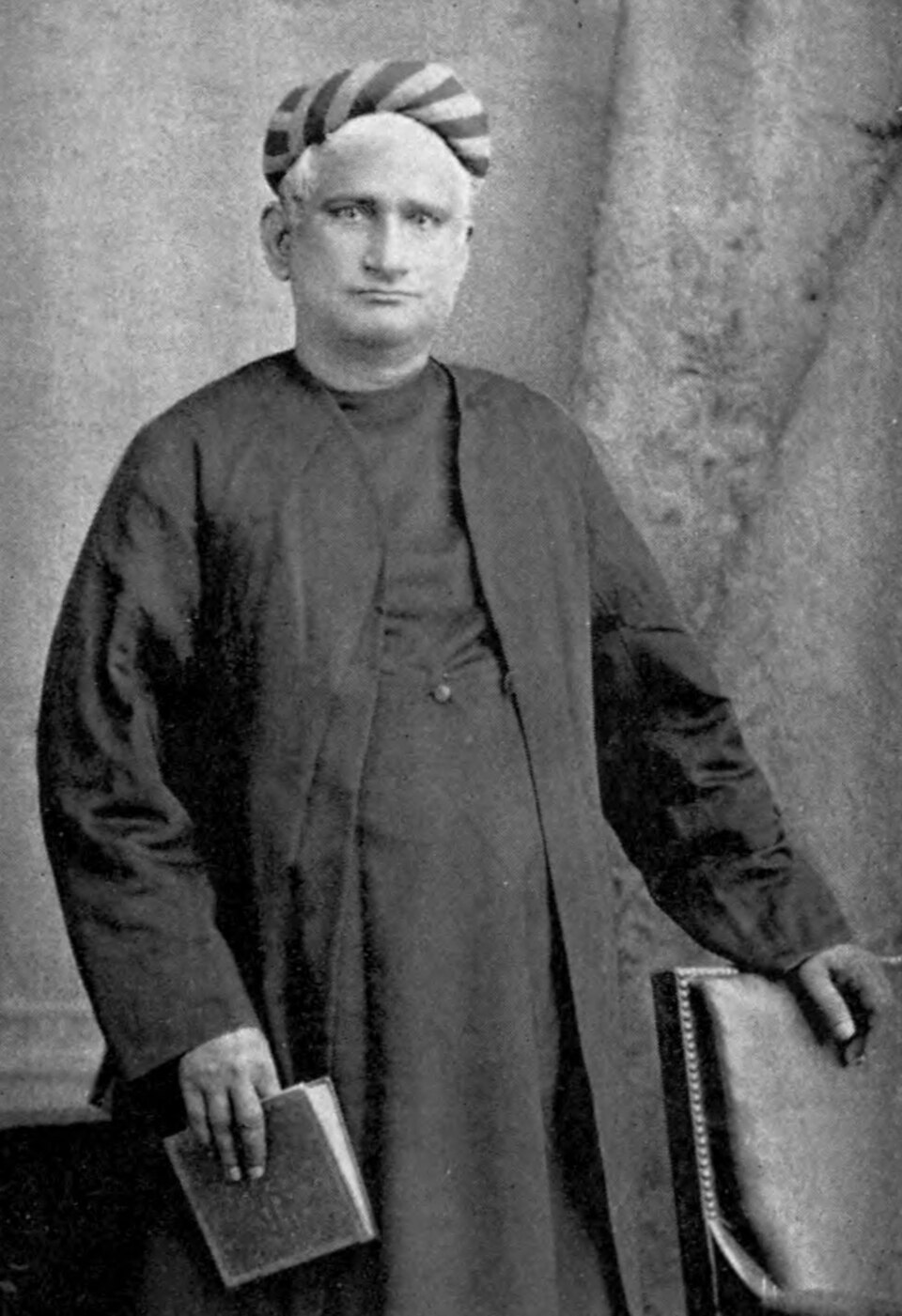
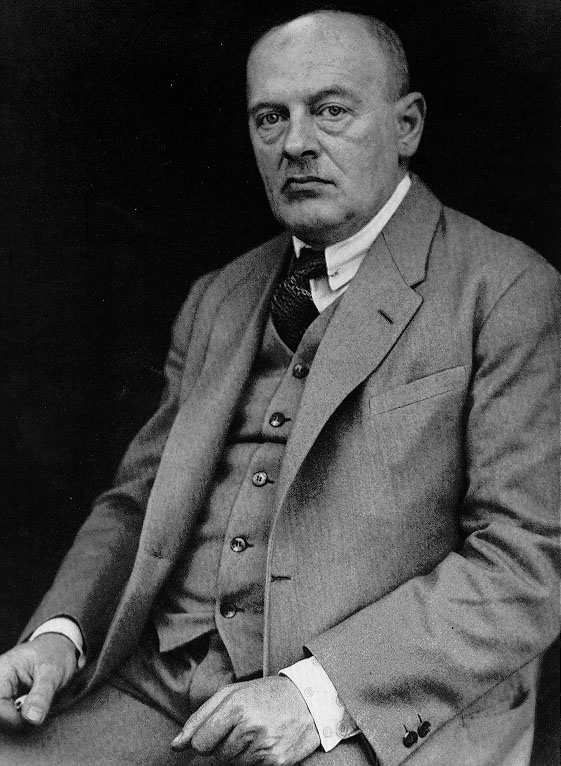
Rabindranath Tagore (1861-1941) was a Bengali poet, playwright, musician, and artist, who became the first non-European to be awarded the Nobel Prize in Literature in 1913. He is celebrated for his profound literary works, including 'Gitanjali,' which reflects his philosophical and spiritual thoughts. Tagore was also a social reformer and a key figure in the Indian independence movement, advocating for cultural and educational reform, and his legacy continues to inspire artists and thinkers around the globe.
Country presence
Recent news mentions
Rabindranath Tagore is mentioned as the person whose kitchen was the focus of the article.
রবীন্দ্রনাথের রান্নাঘরে ব্রাহ্মণবাড়িয়ার পাচক | প্রথম আলোBangladesh· 2026-09-24

Xi Jinping quoted Tagore during his visit to India, reflecting on the poet's insights about humility and greatness.
记者手记:正道昭昭行万里——感悟大国外交的宏阔时空经纬 _光明网 China· 2026-09-17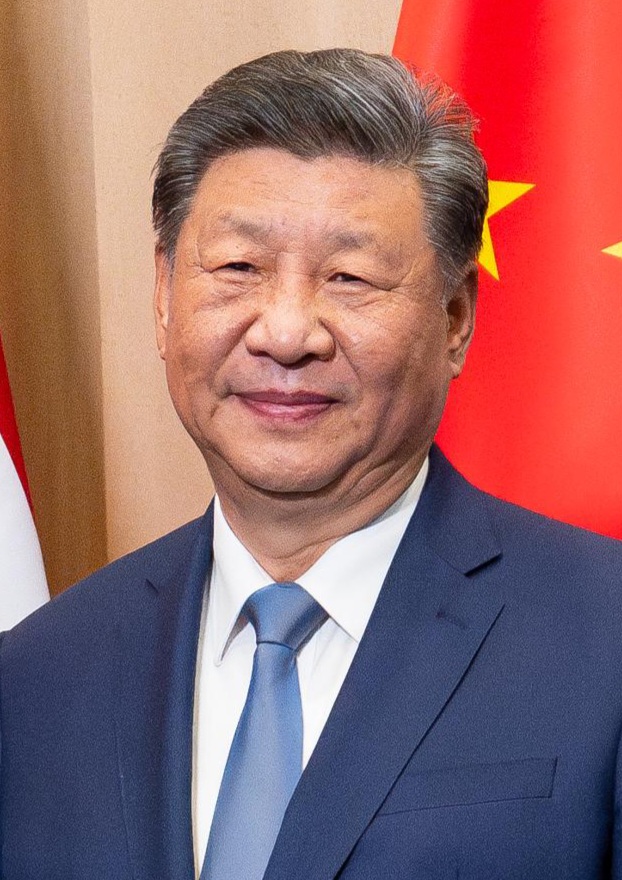

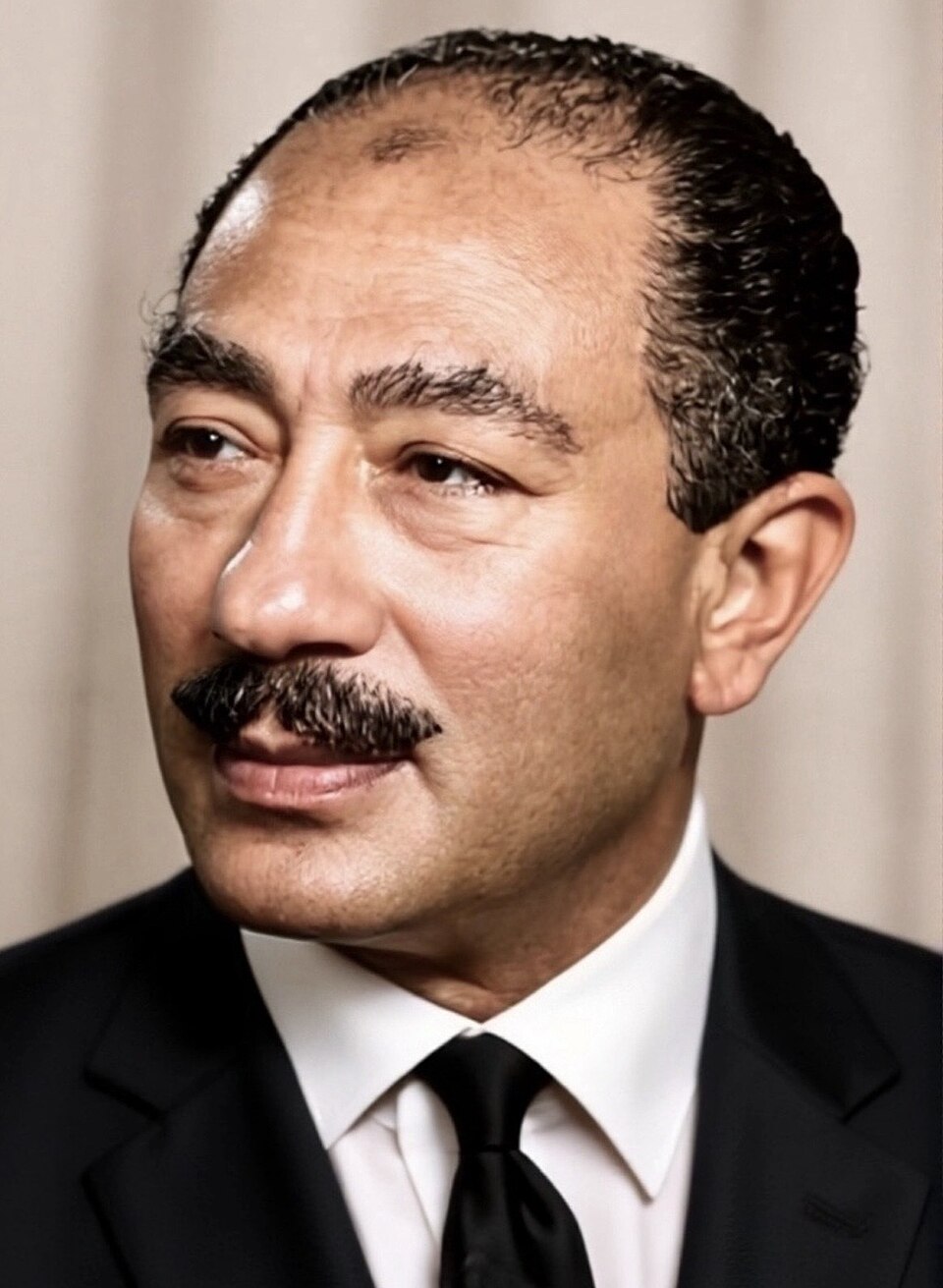
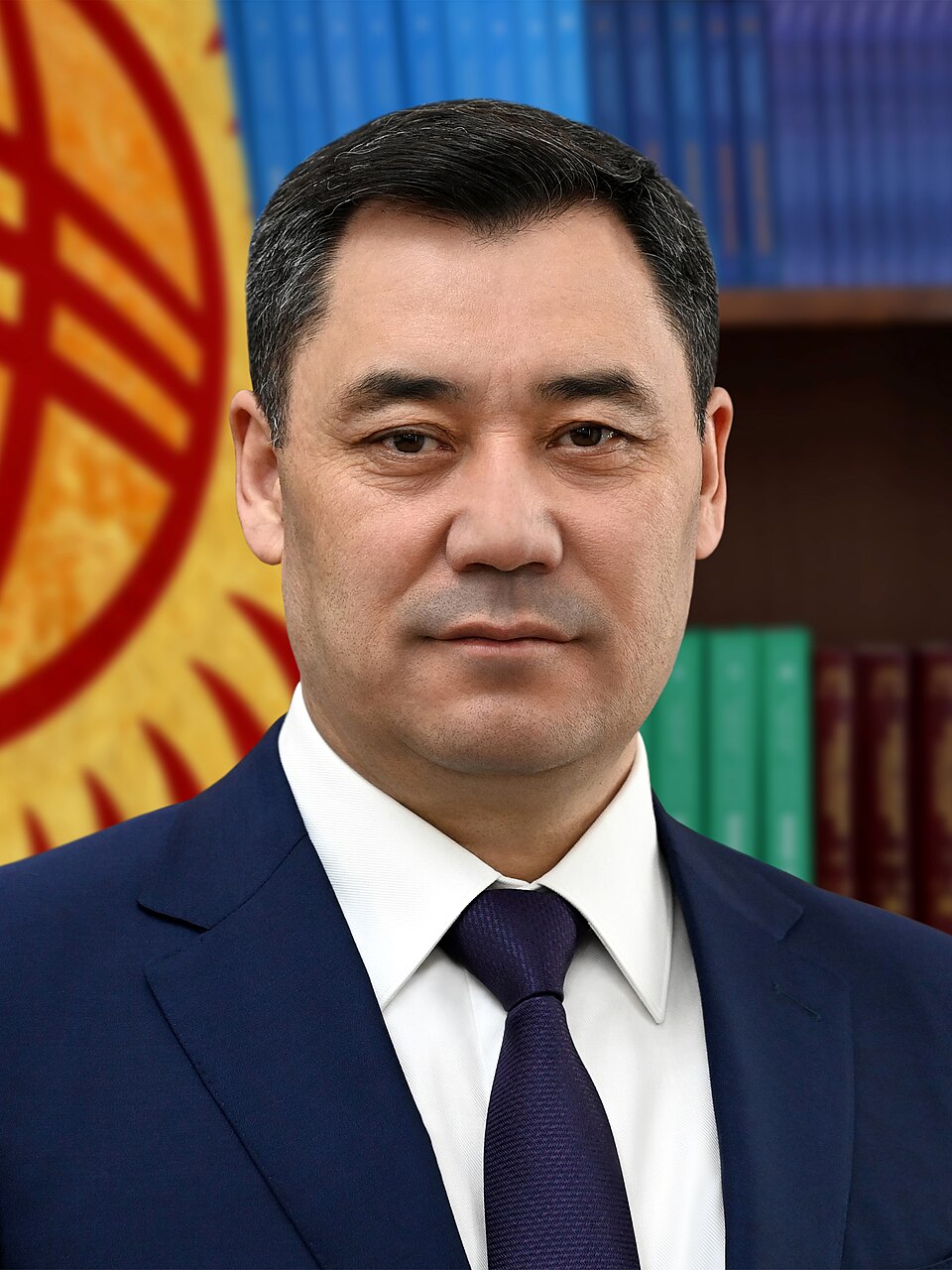
Rabindranath Tagore's poetry greatly influenced Syed Mujtaba Ali.
সৈয়দ মুজতবা আলী শুধু রম্যলেখক ননBangladesh· 2026-09-13
Rabindranath Tagore founded Visva-Bharati University in West Bengal in 1921 to challenge narrow, nationalistic education.
Quote of the day by Martha Nussbaum: 'Knowledge is no guarantee of good behavior, but ignorance is a virtual guarantee of bad behavior' and how our education system forgot the second half India· 2026-08-06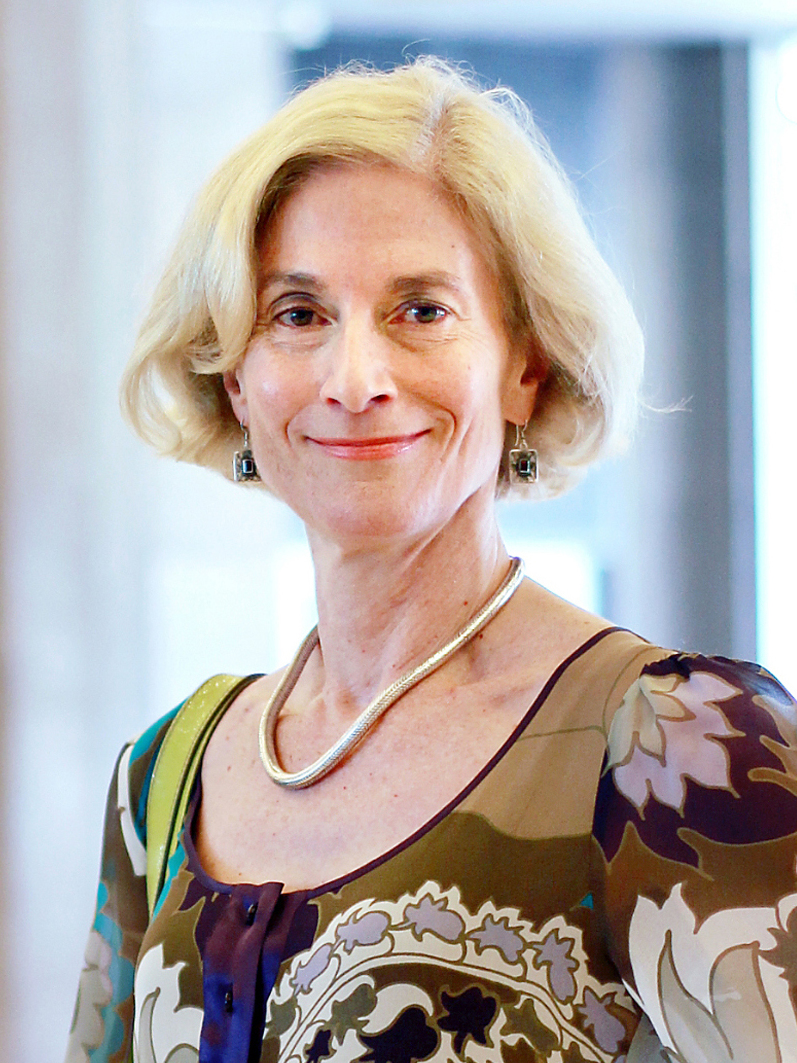

Rabindranath Tagore was so touched by Kesarbai Kerkar's performance that he personally penned a letter expressing the impact of her melodies.
Long before India's space missions made history, this legendary Indian singer's voice became one of the first sounds sent into deep space by NASA and it still echoes in the interstellarIndia· 2026-07-20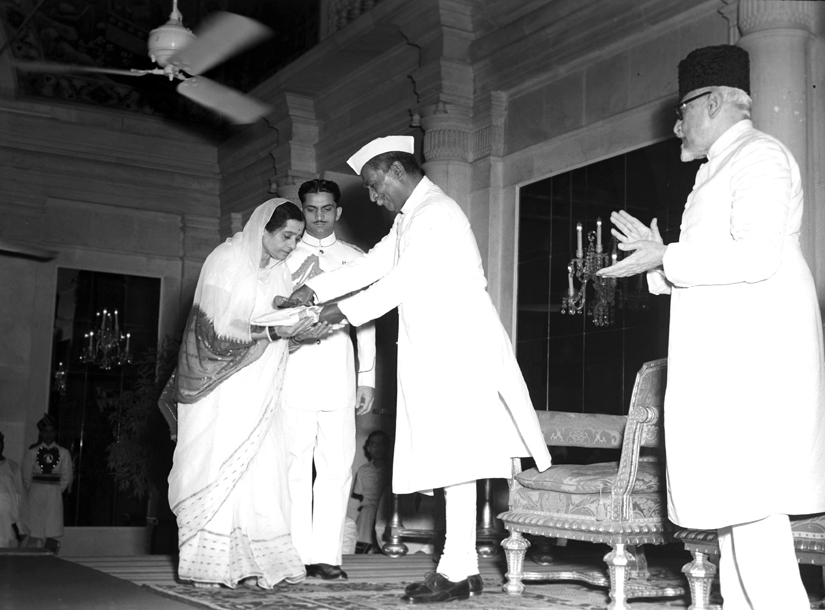

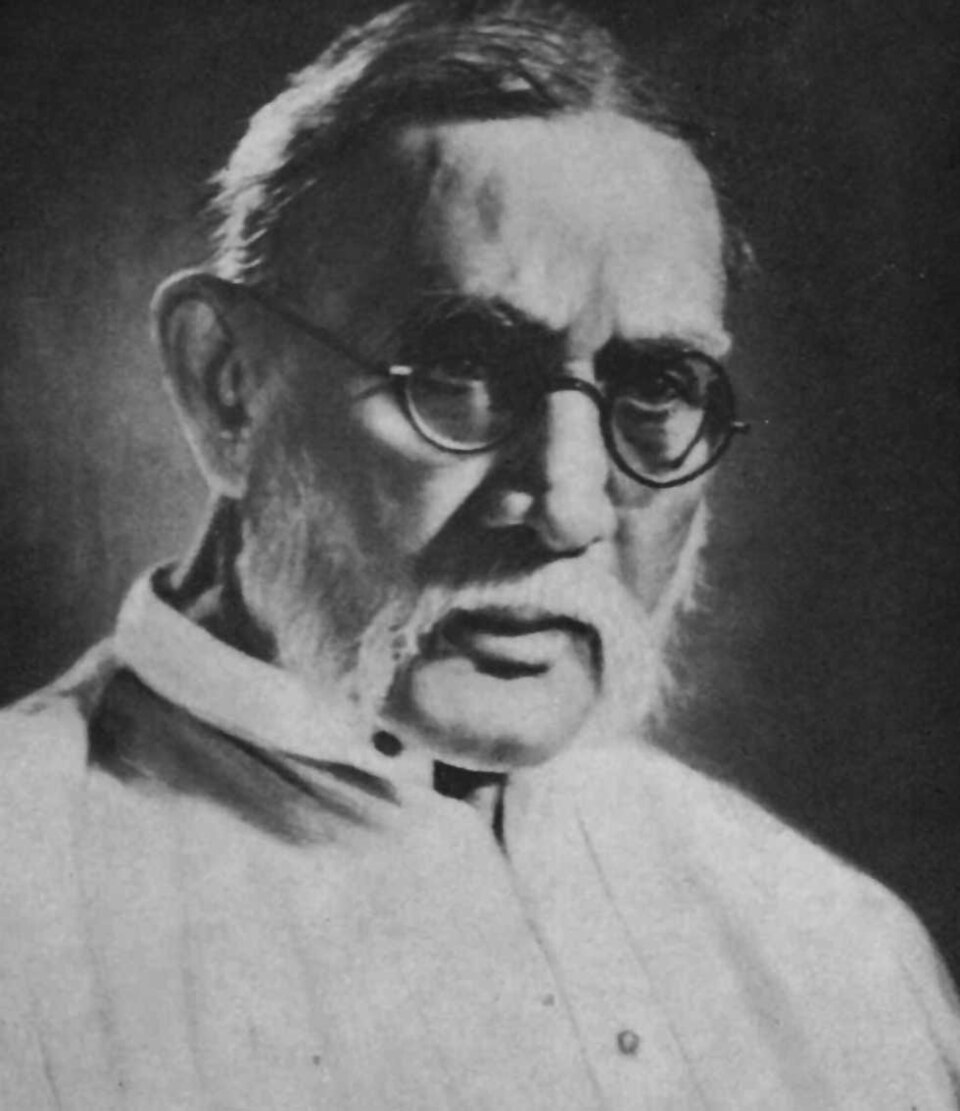
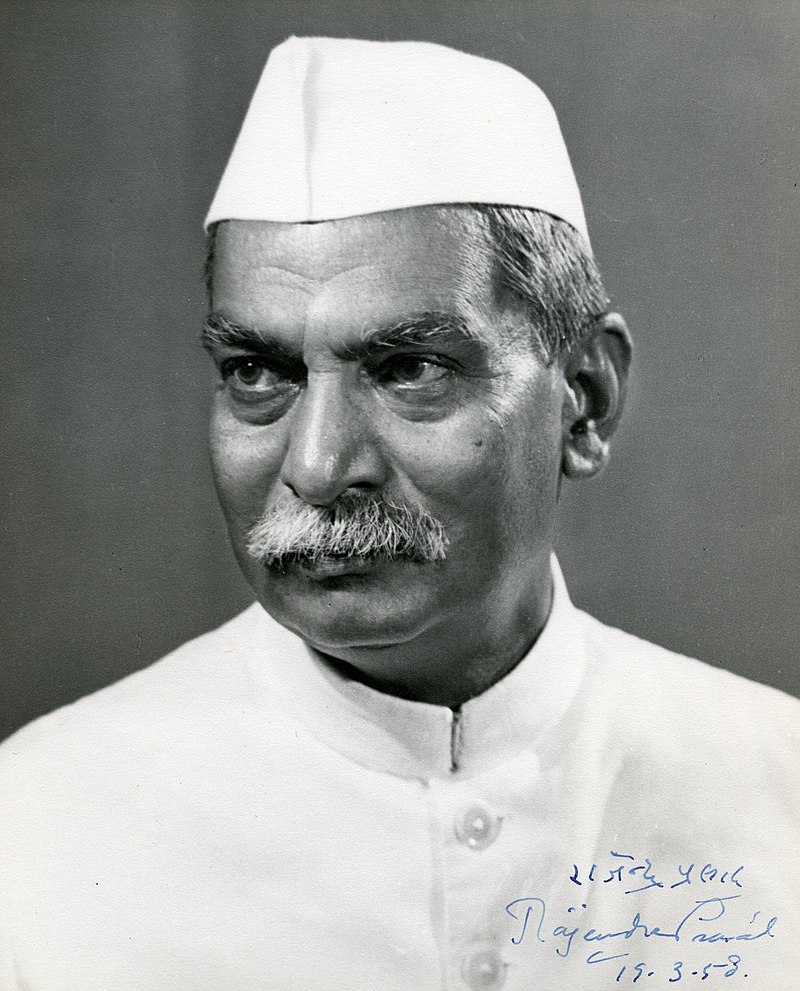
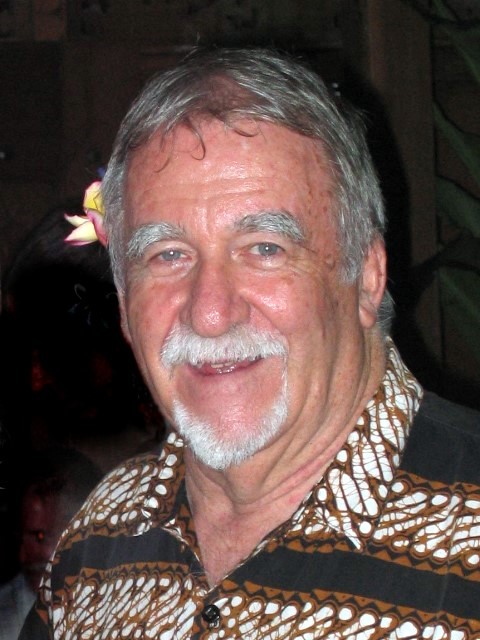
Rabindranath Tagore was the first Nobel laureate from Asia and a key figure in Bengali Renaissance.
Opinioni | Soffia un vento chiamato Modi Italy· 2026-07-09

PM Modi invoked Rabindranath Tagore's philosophy of human connection during his speech.
'It connects everyone': PM Modi leads Yoga Day celebrations from Kolkata's Red Road — in pictures | India NewsIndia· 2026-06-21

Rabindranath Tagore was the first non-European to be awarded the Nobel Prize for Literature in 1913.
An insider’s guide to India, beyond the Golden Triangle Canada· 2026-06-20




Rabindranath Tagore is mentioned as a Nobel Prize winner for literature who created his art under British rule.
‘Ireland means a lot to us in India with our own freedom struggle,’ Gandhi’s grandson says – The Irish Times Ireland· 2026-05-30
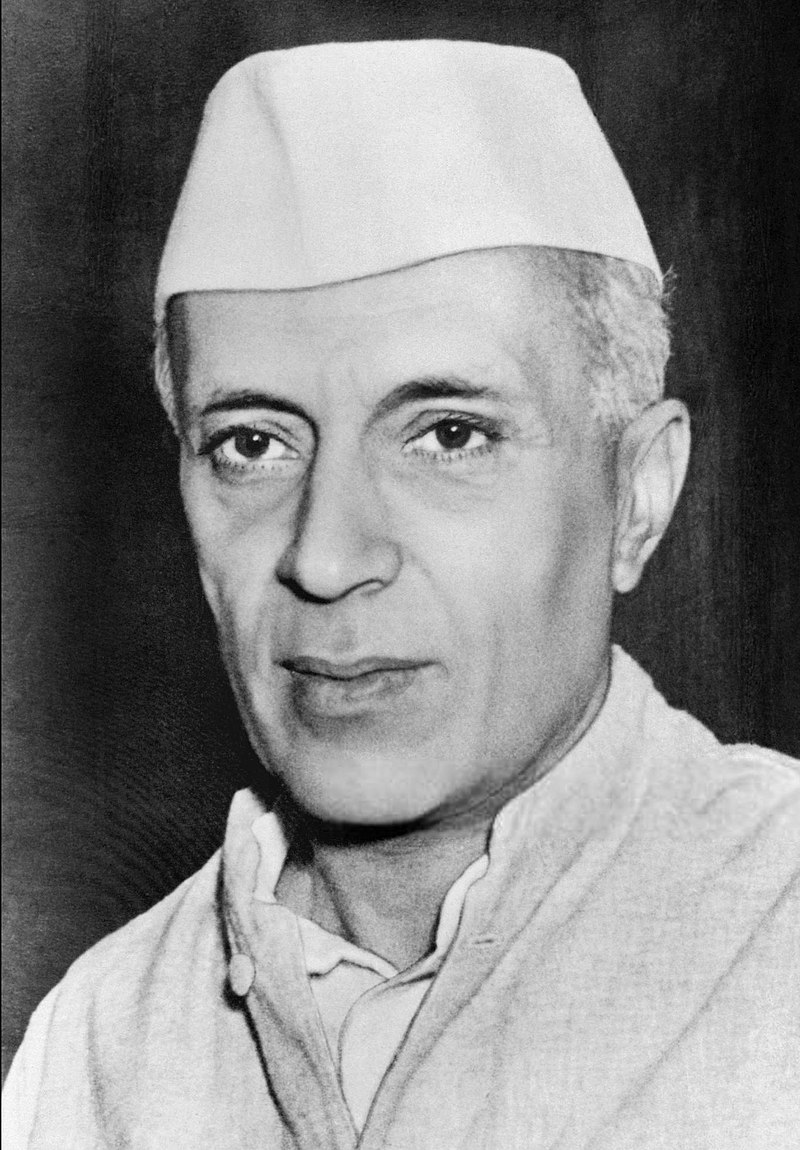
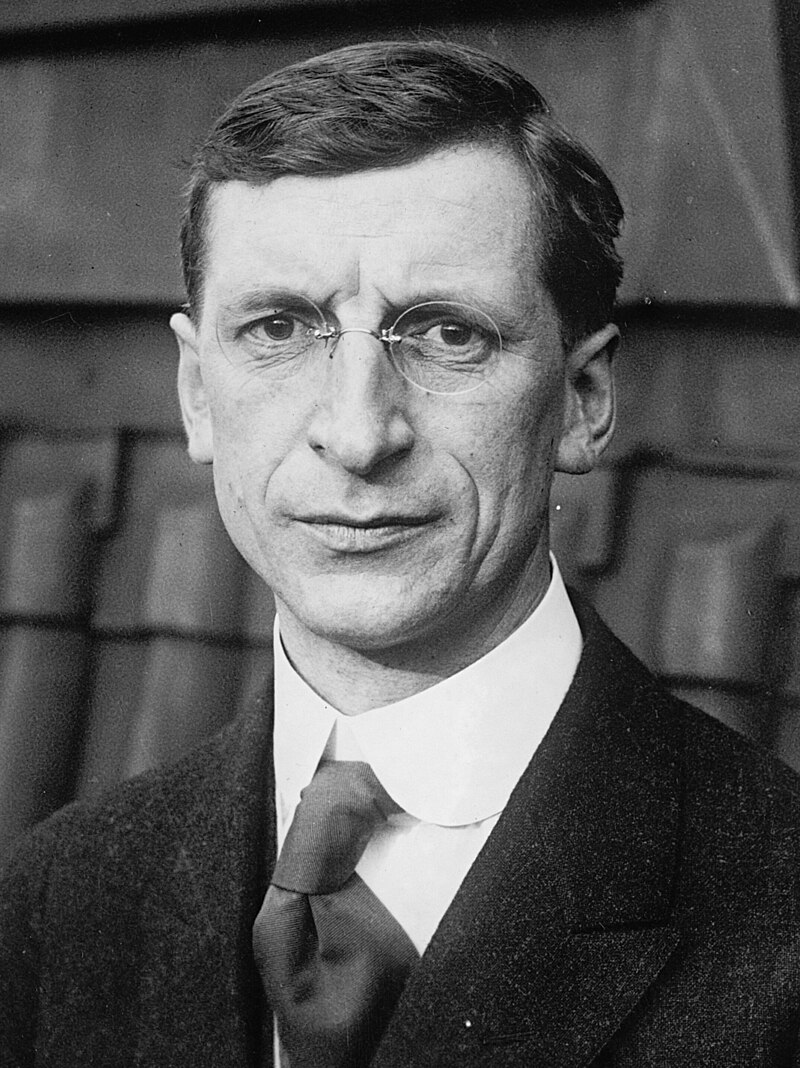



Maulana Mujaddidi said that, following Rabindranath Tagore’s advice, it had been agreed that only the first two stanzas of Vande Mataram would be used.
Muslim groups, Left, TMC oppose govt’s move to mandate recitation of all 6 verses of Vande Mataram | India NewsIndia· 2026-02-13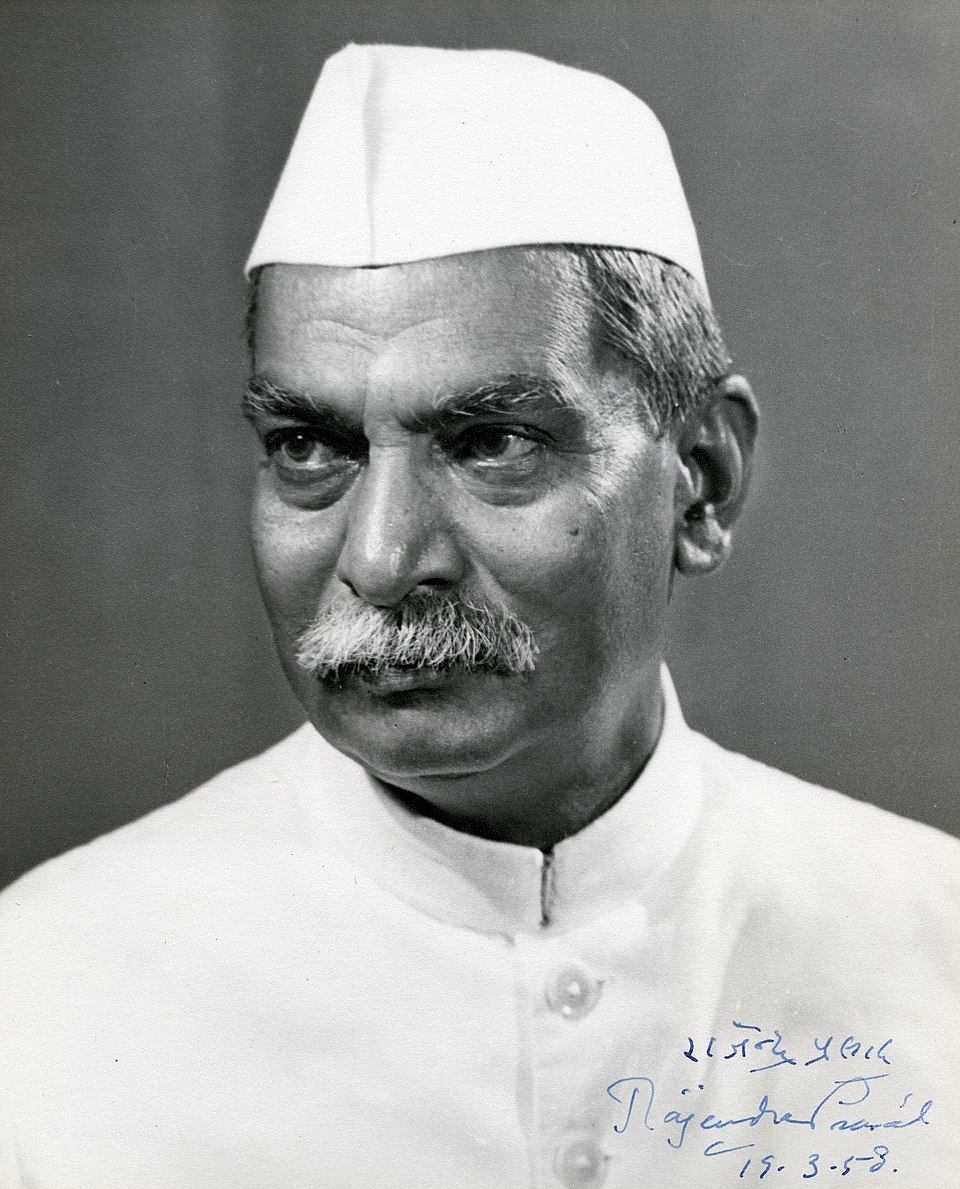

Rabindranath Tagore is a giant of Bengali literature and has significantly shaped Kolkata's cultural reputation.
Hat Kolkata noch eine Chance gegen Indiens Boomstädte? Switzerland· 2026-02-07
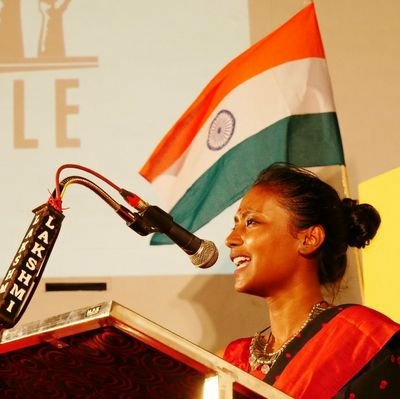

Rabindranath Tagore is quoted in the President's speech, emphasizing national pride and unity.
India Celebrates 77th Republic Day in Monrovia | News Liberia· 2026-01-28

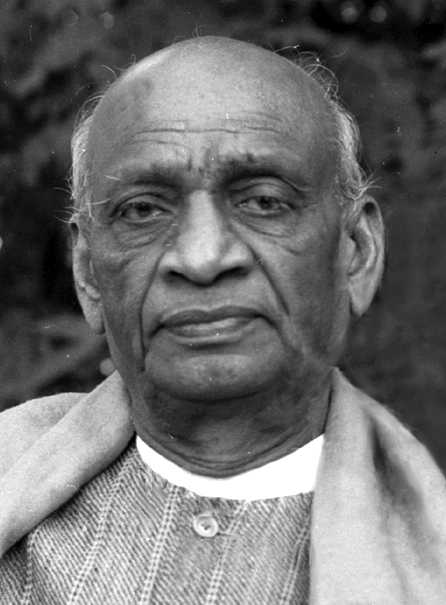
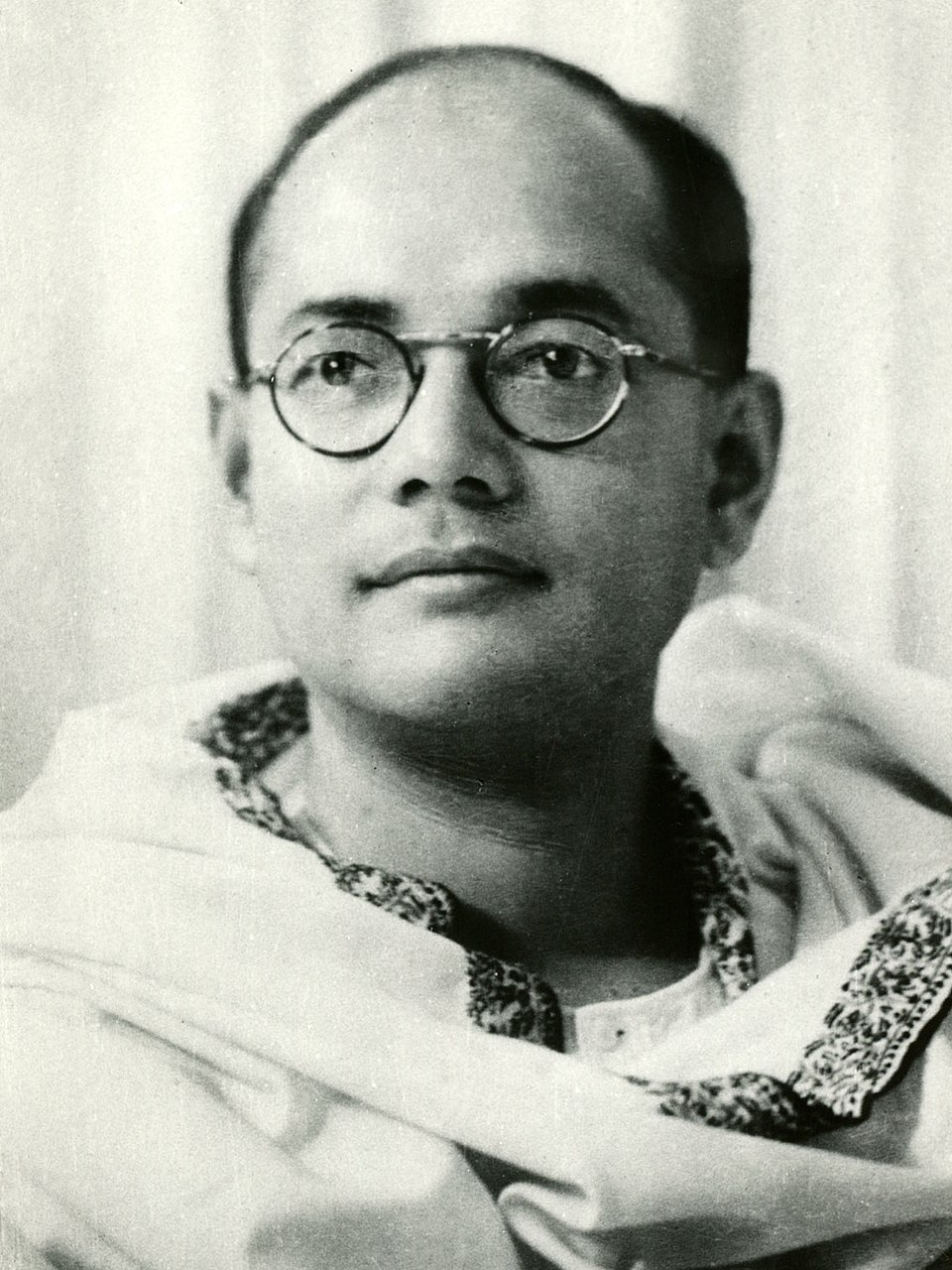
The tableau's rear end portrayed Rabindranath Tagore, marking India's freedom movement.
Republic Day parade: India showcases military might, growth story — top developments | India NewsIndia· 2026-01-26




Rabindranath Tagore's quote emphasizes the ideals of freedom and dignity.
Happy Republic Day 2026: Top 50 Wishes, Messages, and Quotes to Share with Friends and ColleaguesIndia· 2026-01-25

Moitra accused the government of 'dishonouring' Mahatma Gandhi and Rabindranath Tagore.
VB-G RAM G Bill passed in Lok Sabha: House adjourned after ruckus - key points | India NewsIndia· 2025-12-18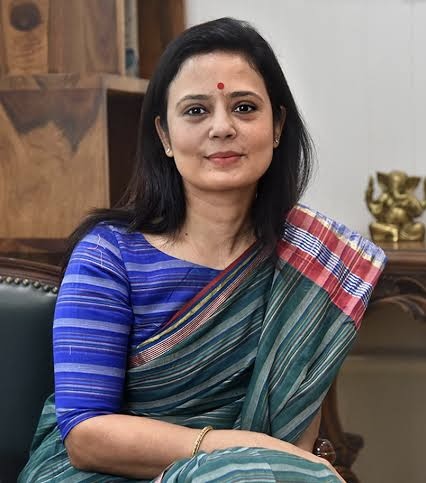

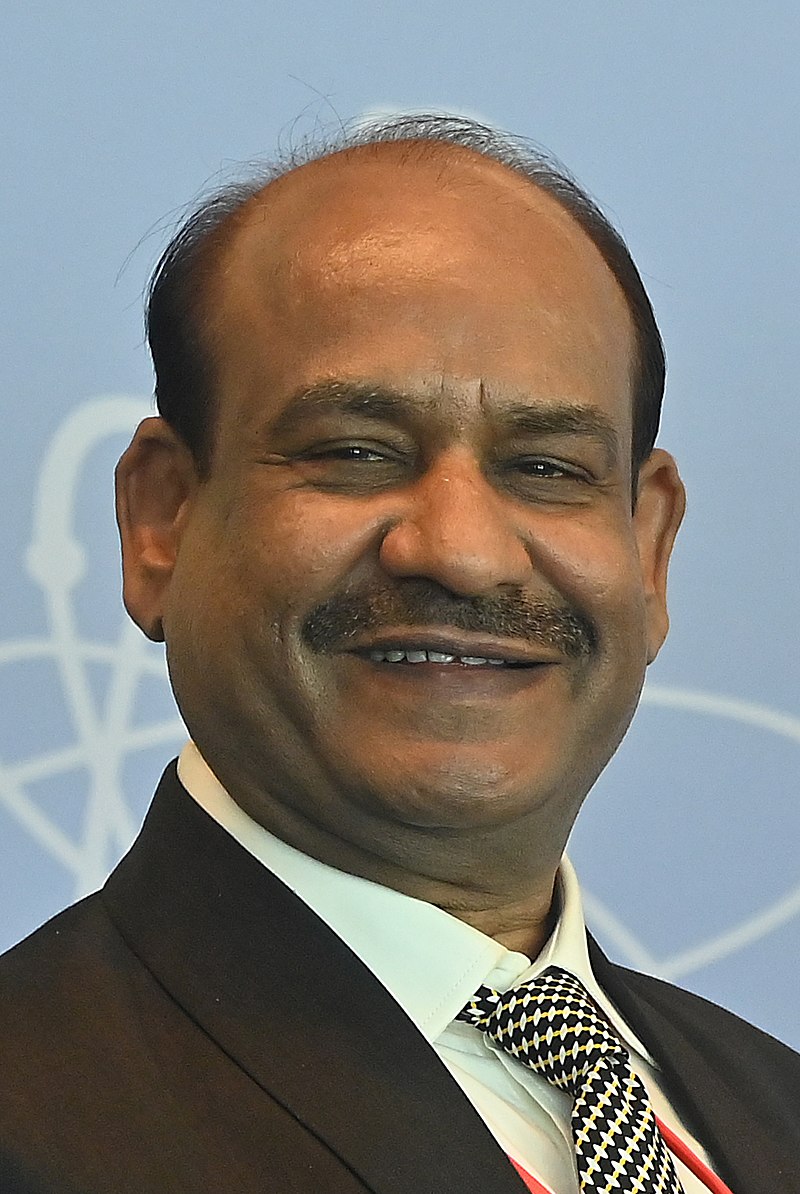

Rabindranath Tagore is cited for his thoughts on joy being found in contemplation rather than possession.
Joan Carles Sasplugas: Carregant alegria Andorra· 2025-12-13
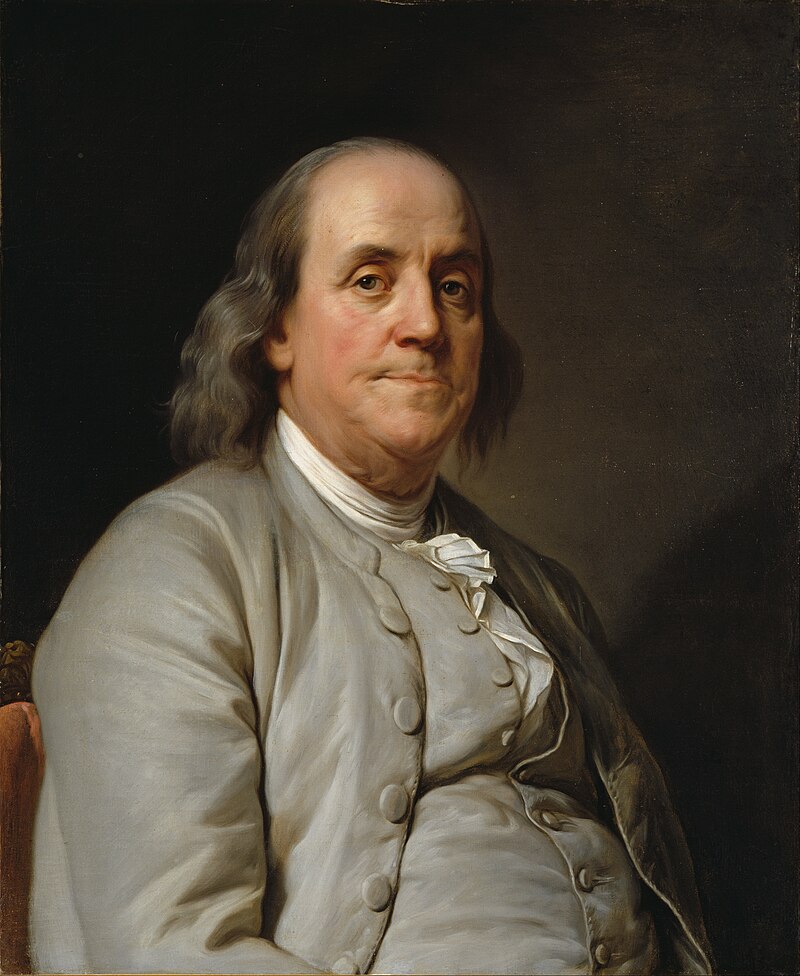
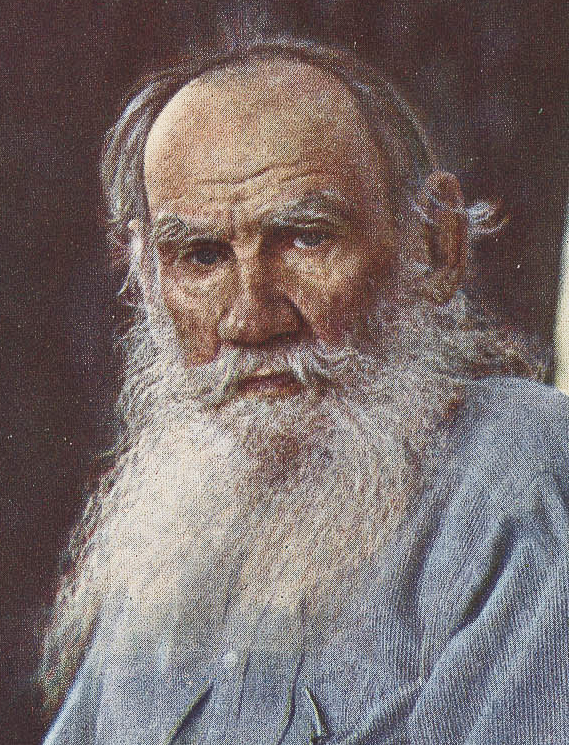
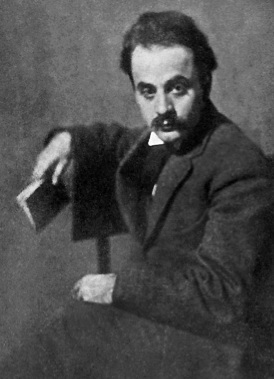
Rabindranath Tagore sang 'Vande Mataram' for the first time at a Congress session.
Debate a diversion, timed for Bengal elections: Opposition | India NewsIndia· 2025-12-09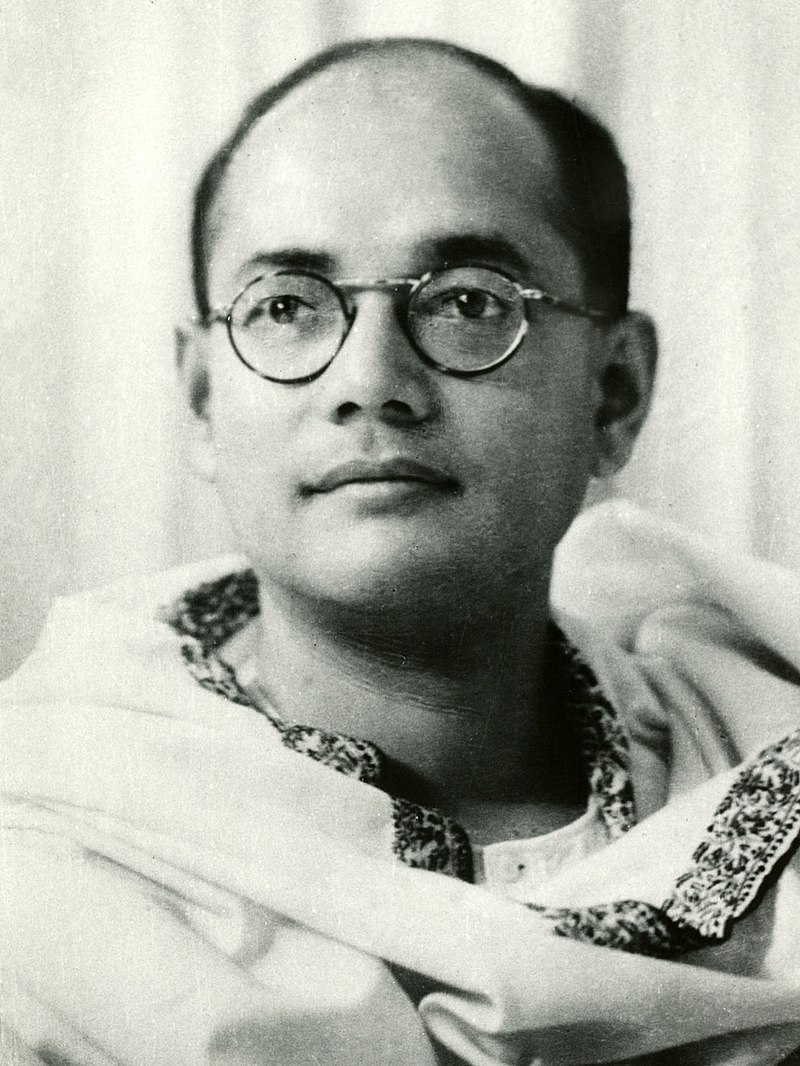
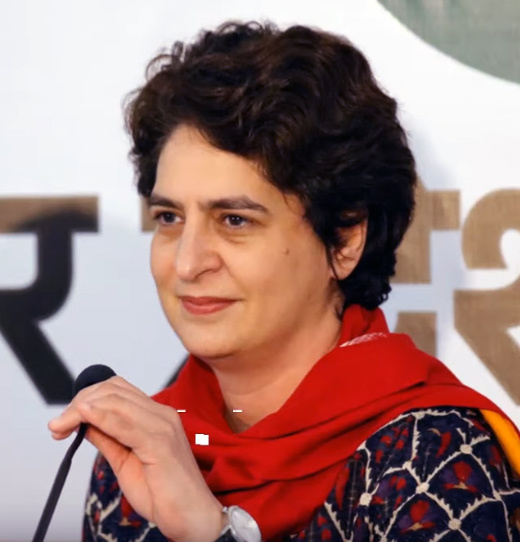
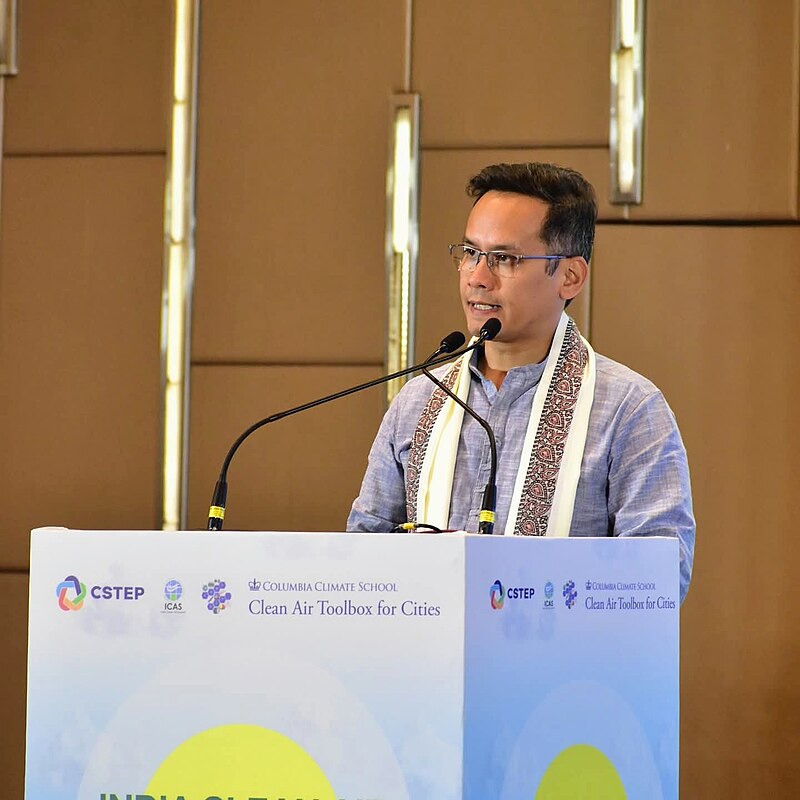
Rabindranath Tagore sang Vande Mataram for the first time at a Congress convention in 1896.
Vande Mataram debate: Priyanka Gandhi's 'chronology' jab at Centre; questions PM Modi's 'selective' history | India NewsIndia· 2025-12-08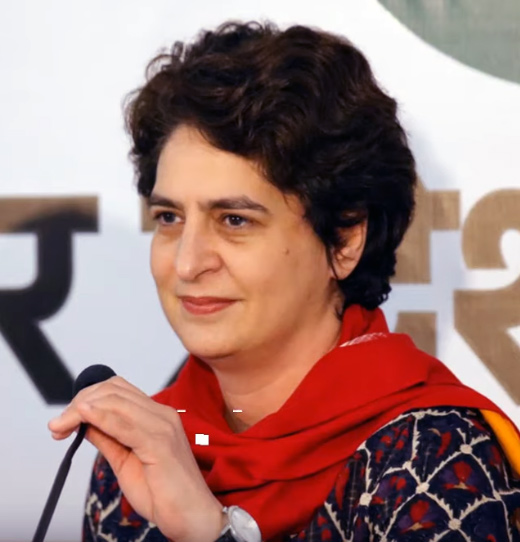
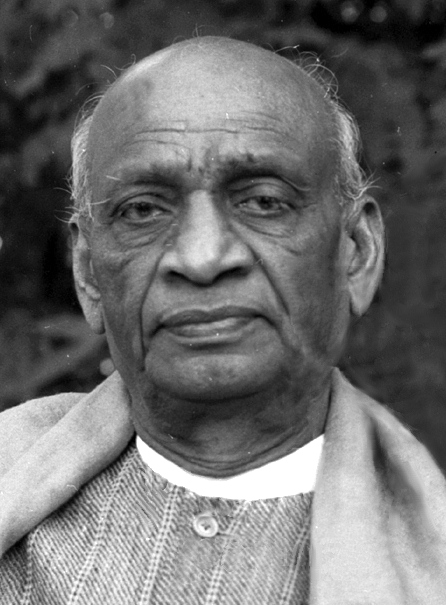
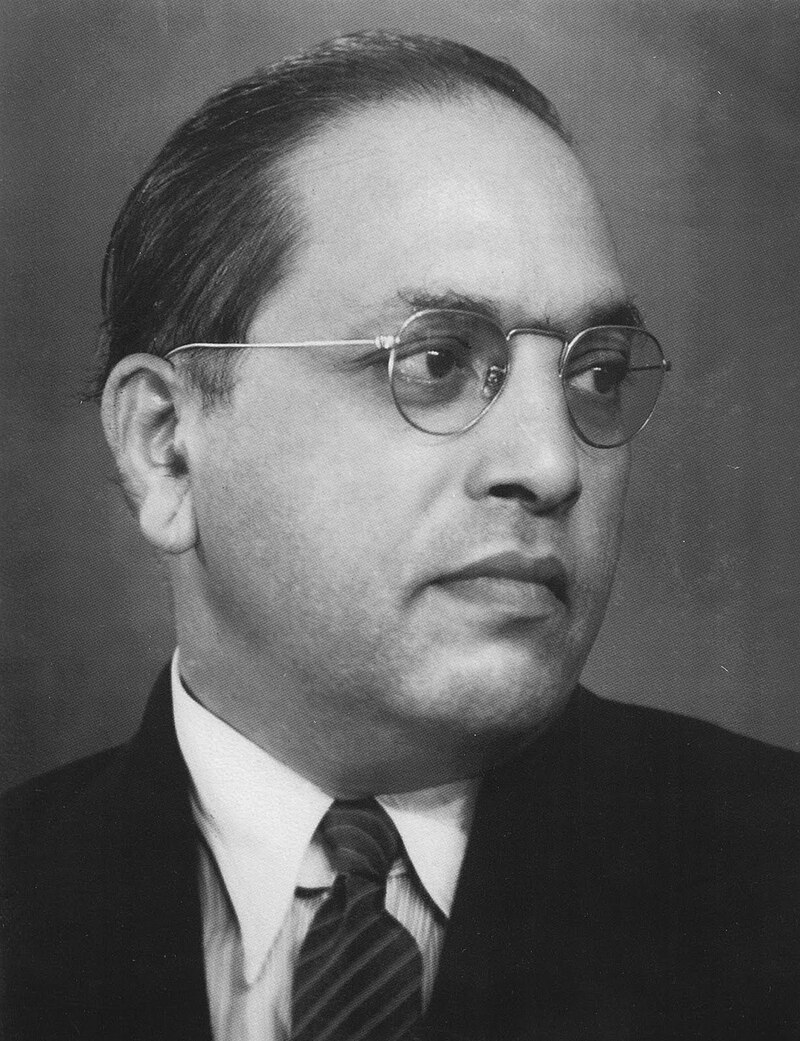
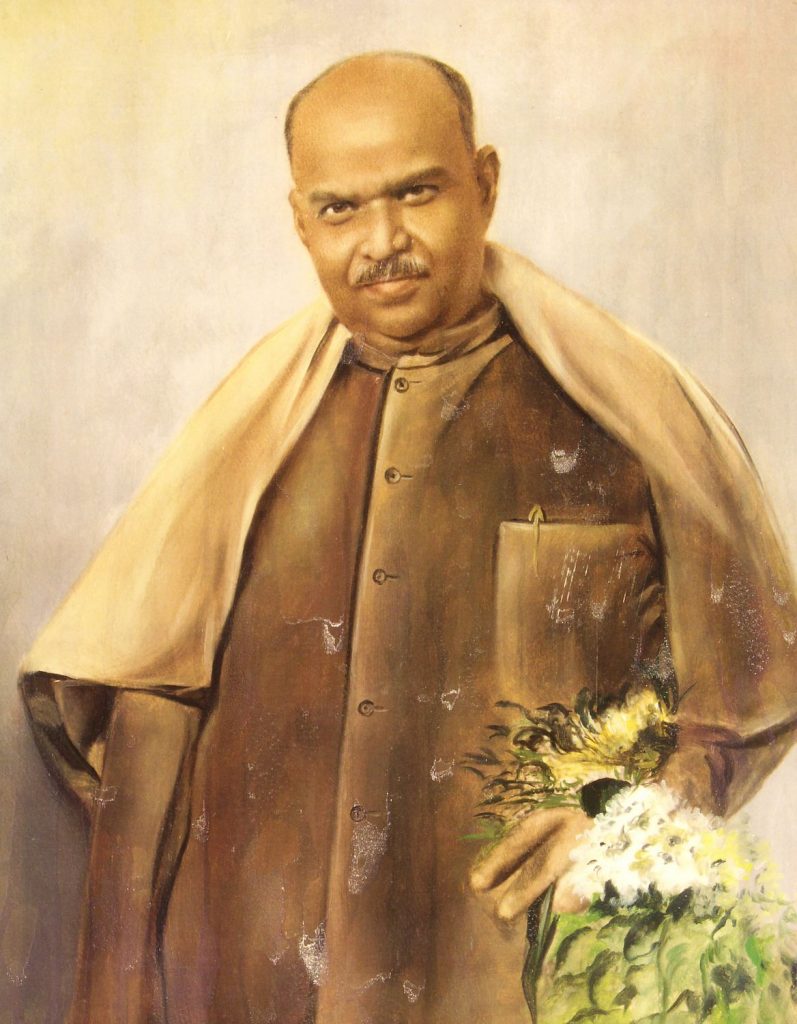
The Congress has countered by invoking Rabindranath Tagore’s support for limiting Vande Mataram to its first two stanzas.
'Congress knelt before Muslim League': PM Modi leads Vande Mataram debate in Lok Sabha - top quotes | India NewsIndia· 2025-12-08Congress cited Rabindranath Tagore's support for pruning the immortal composition of Vande Mataram.
'Vande Mataram' discussion in Parliament today, sparks set to fly | India NewsIndia· 2025-12-07
Rabindranath Tagore advised on the decision regarding Vande Mataram.
150 years of Vande Mataram: Why BJP and Congress are fighting over its ‘missing stanzas’ — explained | India NewsIndia· 2025-12-07
Rabindranath Tagore noted that information spread without verification is equivalent to a rumor.
রটে গেছে—নির্বাচন হবে না, এই গুজব কেন?Bangladesh· 2025-12-05
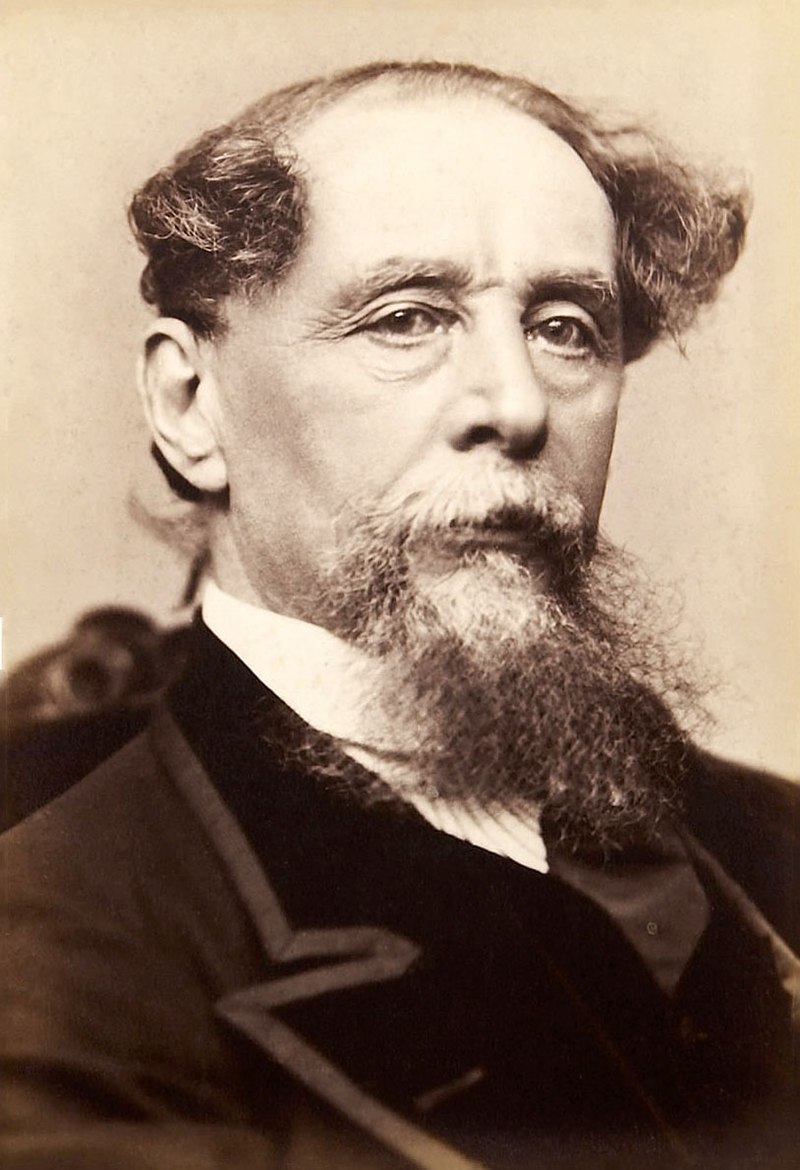
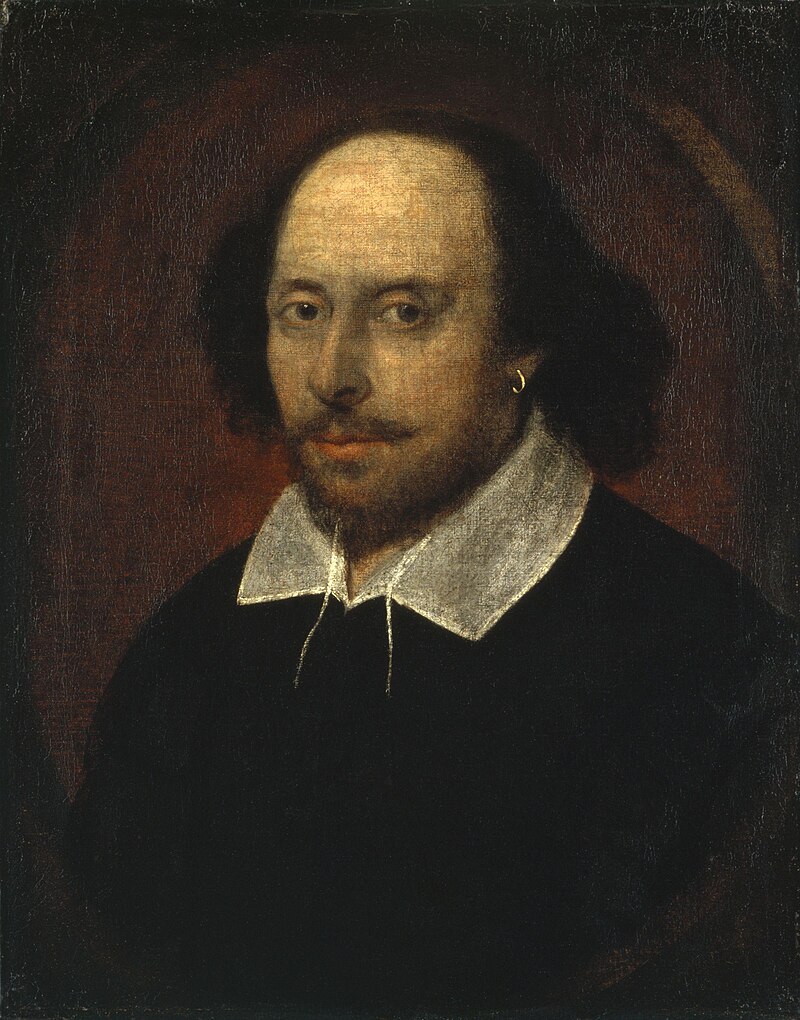
Rabindranath Tagore invited Xu Beihong to India for cultural exchange and held a welcome ceremony for him.
【铭记历史 缅怀先烈·抗战中的文艺力量】《愚公移山》:以移山之志鼓舞民族崛起精神 _光明网China· 2025-12-01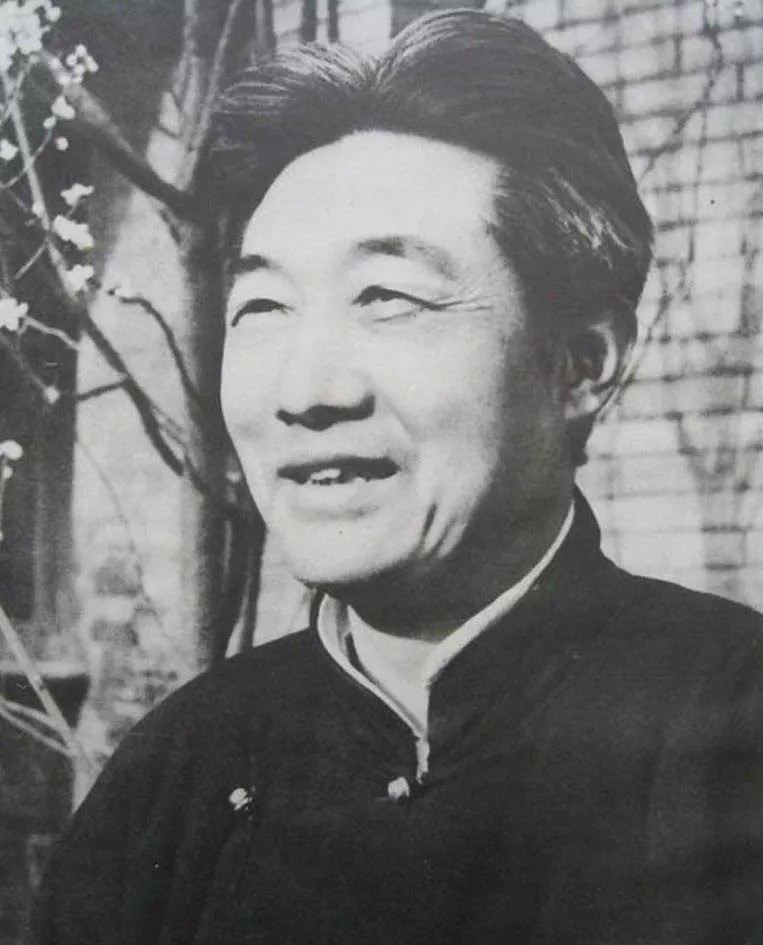
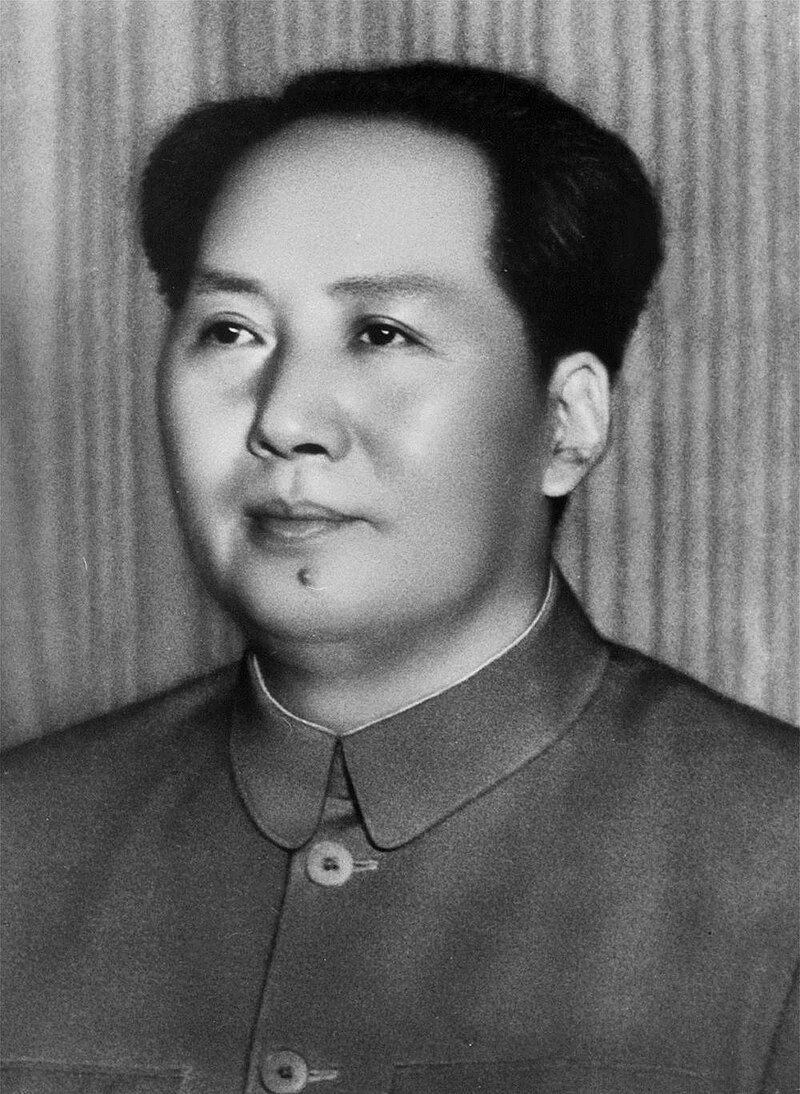
Rabindranath Tagore, a Nobel laureate, coined the term 'Mahatma' for Gandhi, meaning 'great soul'.
от человека, который верил империи и в империю, до человека, который ту империю победил Belarus· 2025-11-29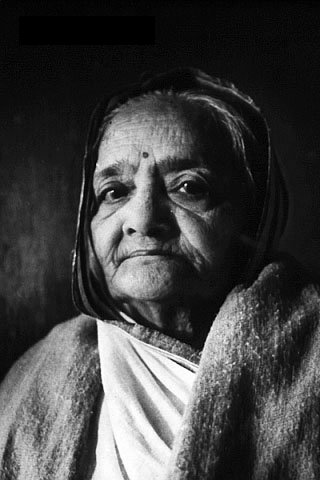
Macaulay's English education eventually created Nobel Prize winners such as Rabindranath Tagore.
Macaulay racist but his English push gave us passport to mobilityIndia· 2025-11-23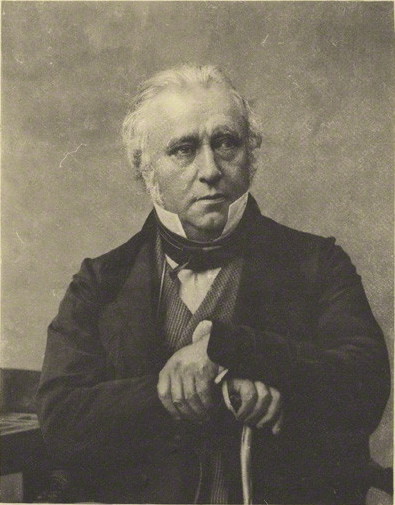
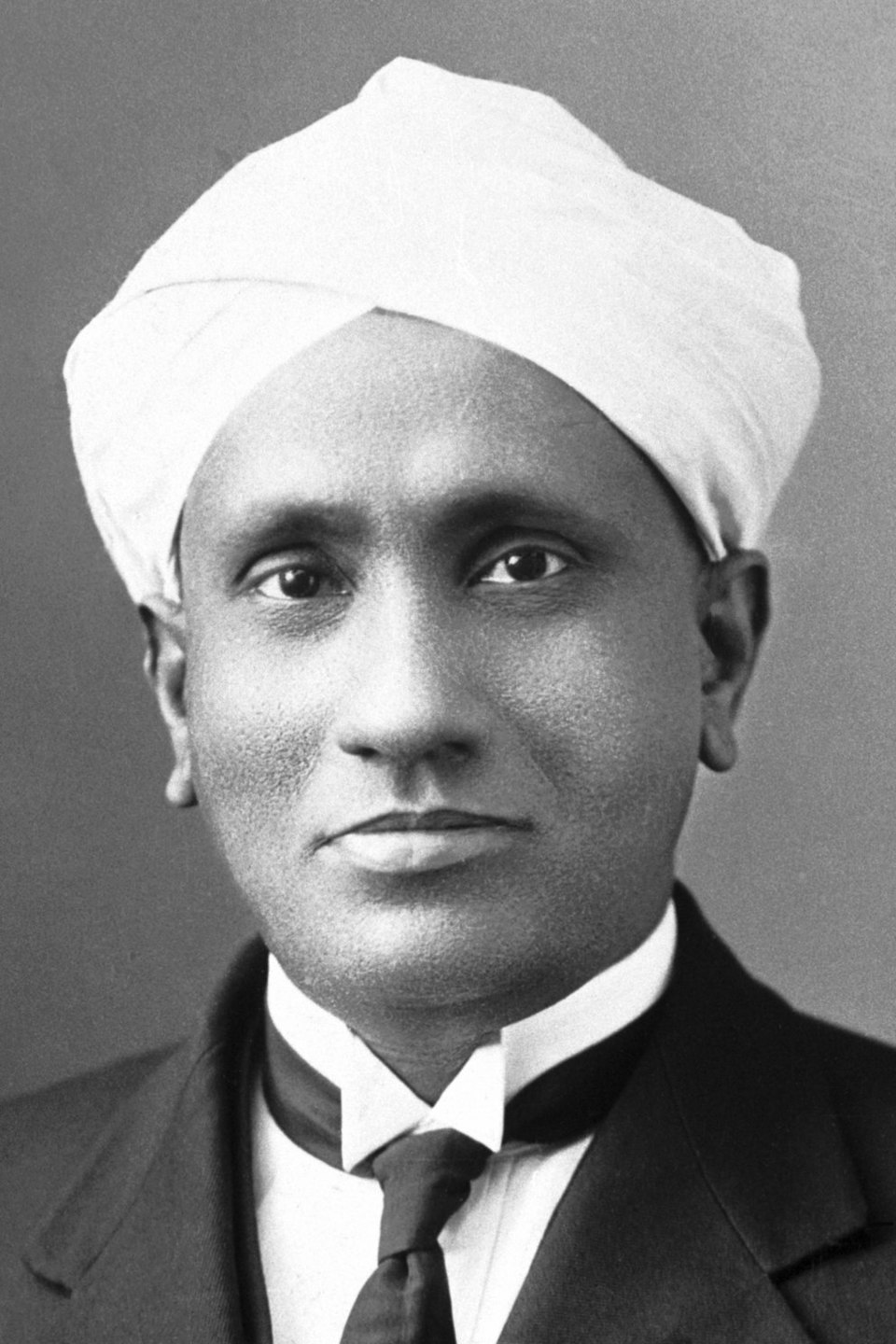
Rabindranath Tagore first publicly sung 'Vande Mataram' at a Congress session in 1896.
PM attacks Congress: Key verses of Vande Mataram dropped in 1937 | India NewsIndia· 2025-11-07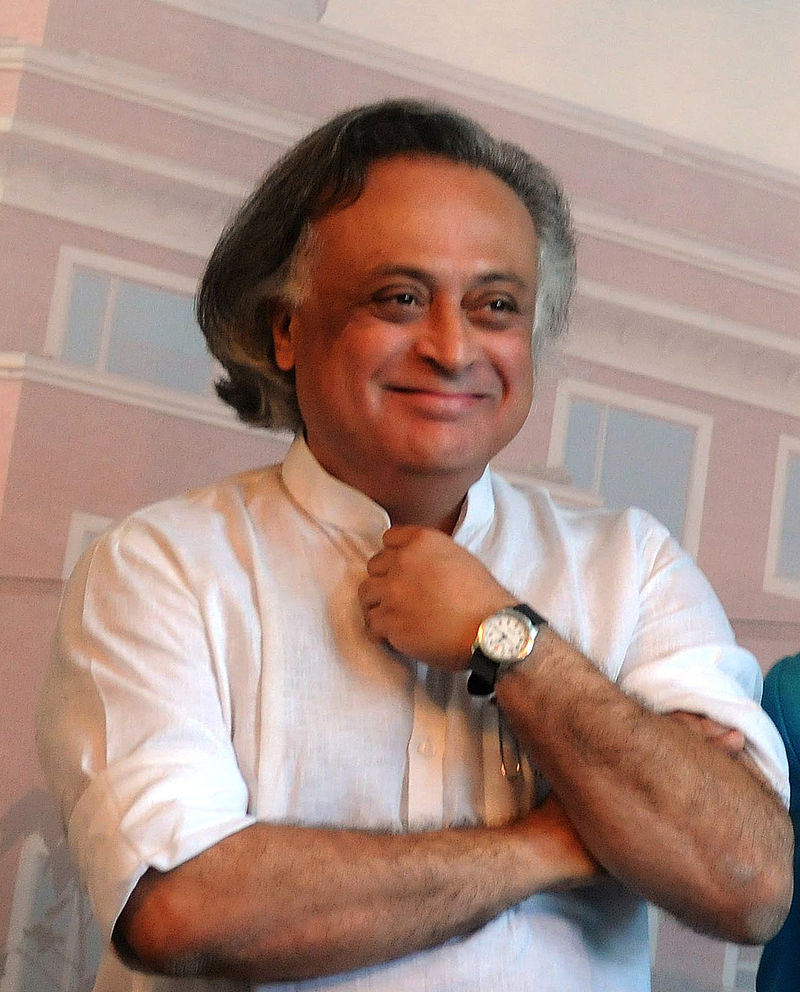

Rabindranath Tagore wrote 'Banglar Mati', which is now to be sung as a prayer song in schools.
Must for all schools to sing state anthem, declares Bengal government | India NewsIndia· 2025-11-06
The rally concluded at Jorasanko Thakur Bari, the ancestral home of Rabindranath Tagore.
'Be ready': Mamata leads TMC's rally against SIR; Abhishek claims 'revision fear claimed 7 lives' | India NewsIndia· 2025-11-04

The author preferred to read stories by Rabindranath Tagore instead of traditional fairy tales.
Llàgrimes i estelsAndorra· 2025-11-04
Rabindranath Tagore infused the Indian resistance with its intellectual and spiritual soul.
At India’s Durga Puja festival, a Hindu goddess slays a demon: Trump United States· 2025-10-08