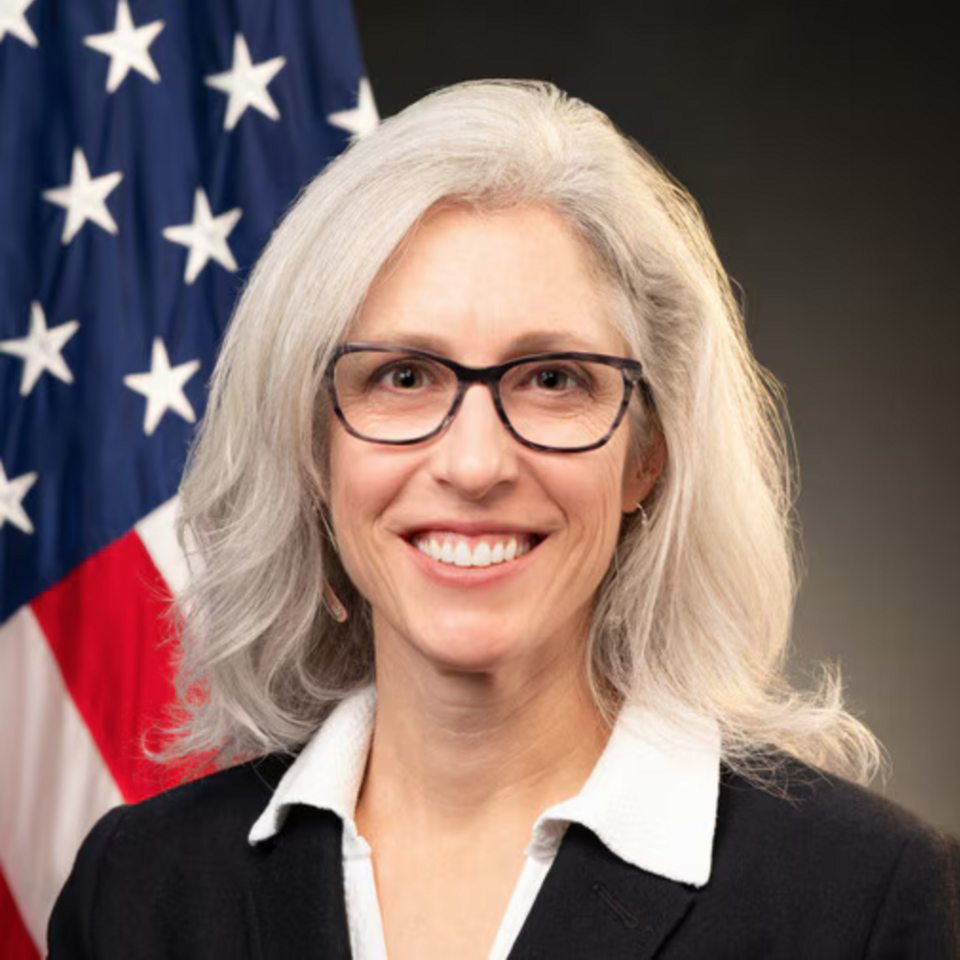
Stephanie Roth
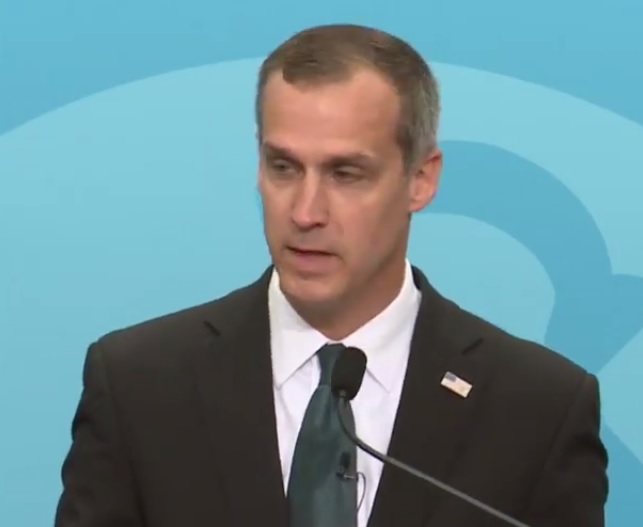
Stephanie Roth is the chief economist at Wolfe Research, where she specializes in analyzing economic trends and providing insights on labor market conditions. Her recent commentary on the impact of federal layoffs indicates her expertise in forecasting economic repercussions, particularly concerning the stability of the U.S. job market amidst significant government workforce reductions.
Not in the pool (under ¢1).
Recent news mentions
Stephanie Roth, chief economist at Wolfe Research, stated that higher rates won't solve the current inflation issues.
Kevin Warsh can’t reopen the Strait of Hormuz United States· 2026-07-28



Stephanie Roth called the current economy 'Goldilocks' due to its solid growth.
This is the state of the economy (ahead of the State of the Union)United States· 2026-02-24

Stephanie Roth, chief economist at Wolfe Research, was blunt when asked what the Supreme Court ruling would mean for consumer prices.
Tariffs and prices: The Supreme Court just gave Trump an off ramp. He’s not taking itUnited States· 2026-02-23



Stephanie Roth, chief economist at Wolfe Research, stated that the Supreme Court's ruling means nothing for prices.
What the Supreme Court’s tariff ruling means for the prices you’re payingUnited States· 2026-02-21Stephanie Roth, chief economist at Wolfe Research, stated that companies are highly unlikely to start trimming their prices as a result.
The $134-billion question: Who will get a tariff refund?United States· 2026-02-20


Stephanie Roth, chief economist at Wolfe Research, told CNN that last year’s slower growth was 'great given how much labor supply is down.'
US economy slowed sharply in the fourth quarter, expanding at a rate of just 1.4%United States· 2026-02-20

Stephanie Roth is the chief economist at Wolfe Research who commented on Rieder's interview.
Trump’s new Fed chair could be Rick Rieder, a candidate who backed Democrats, higher taxes and more immigrationUnited States· 2026-01-30


Stephanie Roth from Wolfe Research noted that the layoffs of federal employees could lead to serious economic problems.
Ушатдали. В американців знову закінчилися гроші Ukraine· 2025-10-02



Stephanie Roth is the chief economist at Wolfe Research.
What this shutdown could mean for the economy and your 401(k)United States· 2025-10-01



Stephanie Roth is the chief economist at Wolfe Research.
Government shutdowns usually don’t hurt the economy. This time could be differentUnited States· 2025-09-29Stephanie Roth, chief economist at Wolfe Research, noted that strength in native-born employment is masking weakness among foreign-born workers.
Tariff-exposed industries are losing jobsUnited States· 2025-09-09

Stephanie Roth, chief economist at Wolfe Research, expressed concerns around the labor market and the reliability of the data.
Get ready for more employment data revisionsUnited States· 2025-09-09

Stephanie Roth, chief economist at Wolfe Research, warned that doing stimulus checks might fuel inflation.
Tariff rebate checks may sound awesome but they could be ‘quite dangerous’United States· 2025-08-08



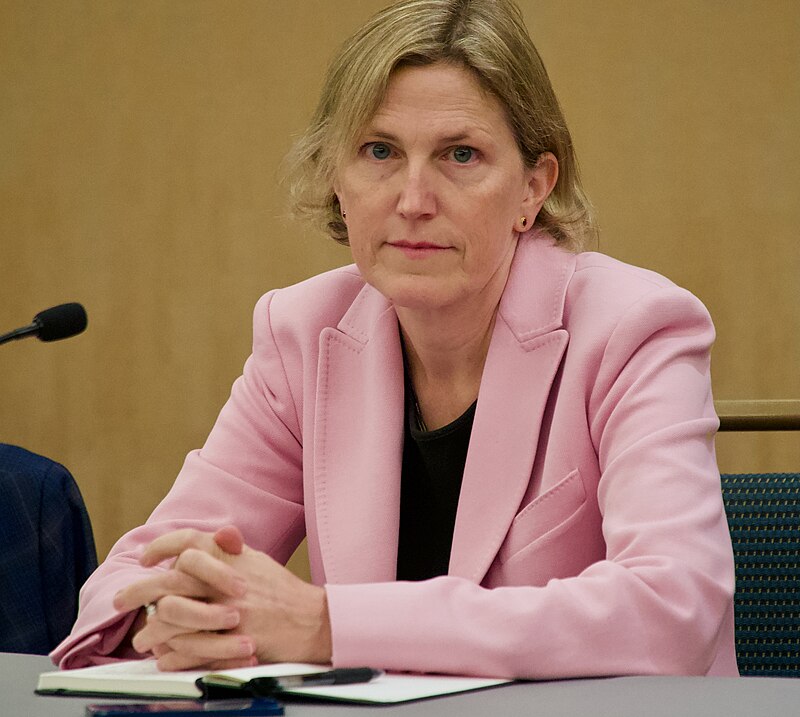

Stephanie Roth points out that there are many jobs in the U.S. that native people do not want, which immigrants are willing to take.
¿Cómo pueden afectar las redadas de Trump a la economía de EE. UU. y por qué harían retroceder el PIB del país? Guatemala· 2025-07-26
Stephanie Roth, chief economist at Wolfe Research, said that foreign-born workers are critical to the labor force – especially in this environment where the population is aging.
How Trump’s mass deportations could backfire on the American economy by shrinking paychecksUnited States· 2025-07-25Stephanie Roth stated that the low inflation of the spring represents a calm before the summer storm.
So, has anything actually gotten more expensive because of Trump’s tariffs?United States· 2025-06-20



Stephanie Roth, chief economist at Wolfe Research, said she thinks 'they will come into conflict,' but does not think 'that the Fed is going to succumb to the political pressure.'
Trump goes to war with the Fed - World Pakistan· 2025-04-20
Stephanie Roth is the chief economist at Wolfe Research who believes the Fed will not succumb to political pressure.
Trump goes to war with the Fed Kenya· 2025-04-19
Stephanie Roth is the chief economist at Wolfe Research.
Mass layoffs of federal workers could damage families and local economies — but may not dent the overall economyUnited States· 2025-02-25