
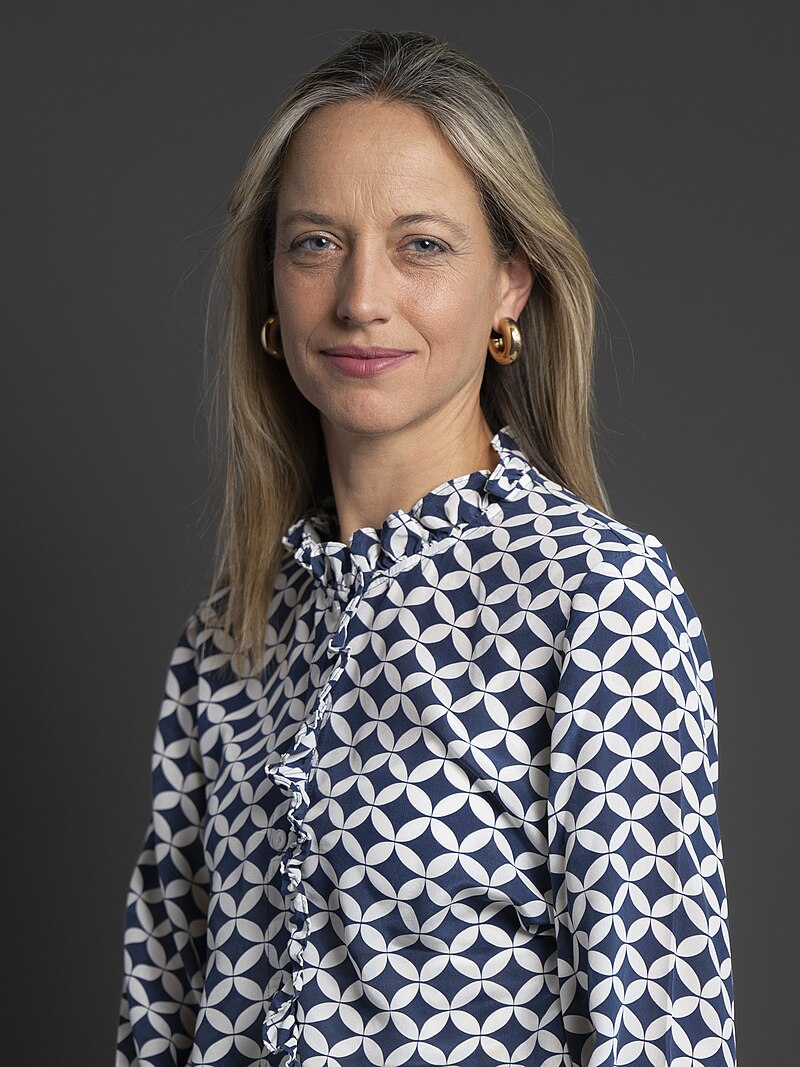
Yael Selfin
 United KingdomeconomistFemale7.0Global Dominance: 0.00%
Yael Selfin is the Chief Economist at KPMG UK, known for her insights on economic trends and their implications for businesses and policymakers. She often analyzes labor market dynamics, inflation rates, and wage growth, providing valuable forecasts that help shape economic strategies. Her recent commentary on the UK's wage growth suggests a cautious outlook for future pay increases amid rising costs and changing employment conditions.
Country presence
Recent news mentions
Yael Selfin, chief economist at KPMG, commented on the economic environment outside of the US.
Are interest rates on their way up again?United Kingdom· 2026-09-11Yael Selfin is the chief economist at KPMG UK who predicted an increase in the overall unemployment rate.
Wage growth slows as number of people employed fallsUnited Kingdom· 2026-01-20






Yael Selfin is the chief economist at KPMG UK, discussing economic activity and growth.
UK economy grew by 0.3% in November, beating forecastsUnited Kingdom· 2026-01-15

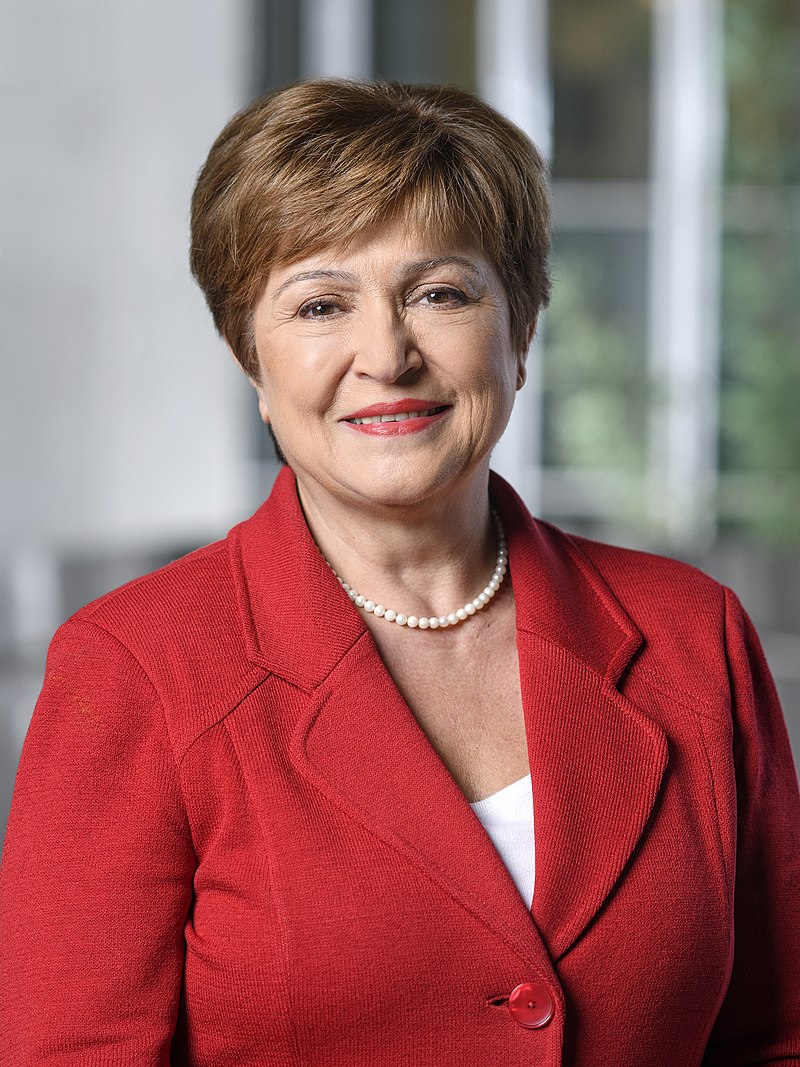



Yael Selfin is KPMG UK's chief economist.
US economy grows at fastest pace in two yearsUnited Kingdom· 2025-12-23





Yael Selfin, KPMG UK's chief economist, stated that investment could help foster growth in the coming year.
Lower clothing prices help inflation fall by more than expectedUnited Kingdom· 2025-12-17




Yael Selfin, chief economist at KPMG UK, suggested a rate cut is likely based on labor market evidence.
Young workers hit hardest as UK unemployment rate rises to 5.1%United Kingdom· 2025-12-16



Yael Selfin expressed optimism about private sector investment fostering growth.
UK economy shrank unexpectedly by 0.1% in OctoberUnited Kingdom· 2025-12-12Yael Selfin, chief economist at KPMG UK, discussed public sector pay growth and its implications.
UK unemployment rate rises to 5% as jobs market weakensUnited Kingdom· 2025-11-11
Yael Selfin, chief economist at KPMG UK, said Britain had become 'an outlier in recent months on inflation compared to other major economies'.
UK inflation remains at 3.8% but food prices continue to surgeUnited Kingdom· 2025-09-17


Yael Selfin, chief economist at KPMG UK, said the weak start to the third quarter is a sign of things to come.
UK economy saw zero growth in JulyUnited Kingdom· 2025-09-12
Yael Selfin, chief economist at KPMG UK, said persistent underlying pressures meant inflation was likely to peak at 4% in the autumn.
UK inflation hits highest rate for almost a year and a halfUnited Kingdom· 2025-07-16



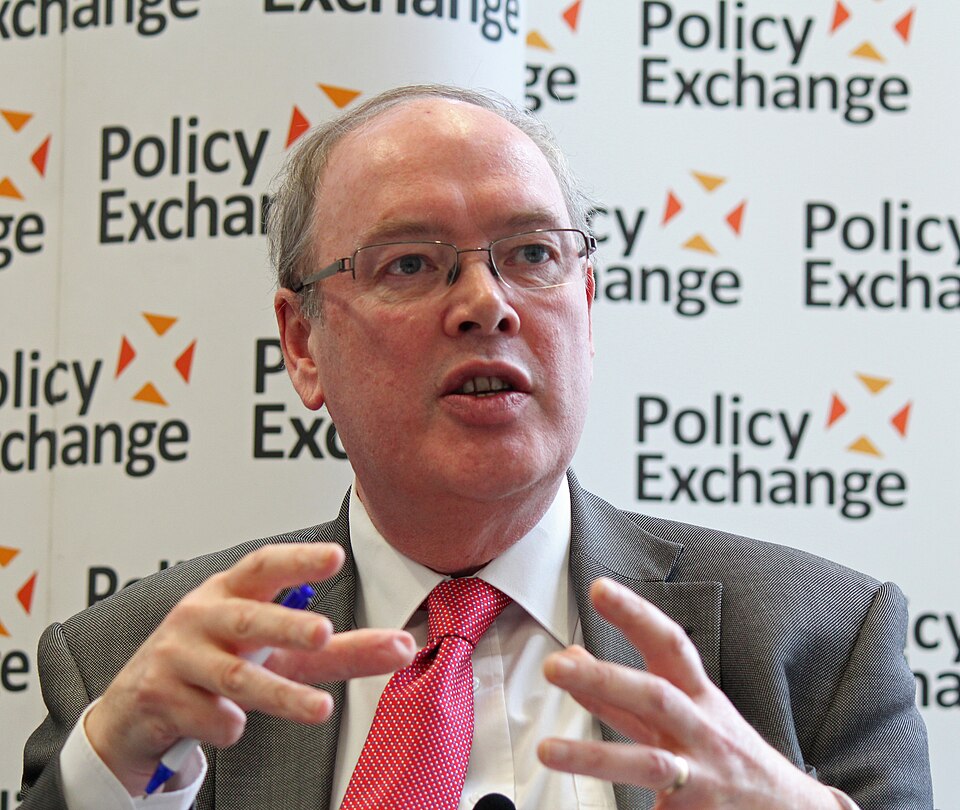
Yael Selfin is the Chief Economist for Europe at KPMG International.
espera una caída de la actividad económica mundial por la incertidumbre geopolítica y la volatilidad macroeconómica Argentina· 2025-06-30
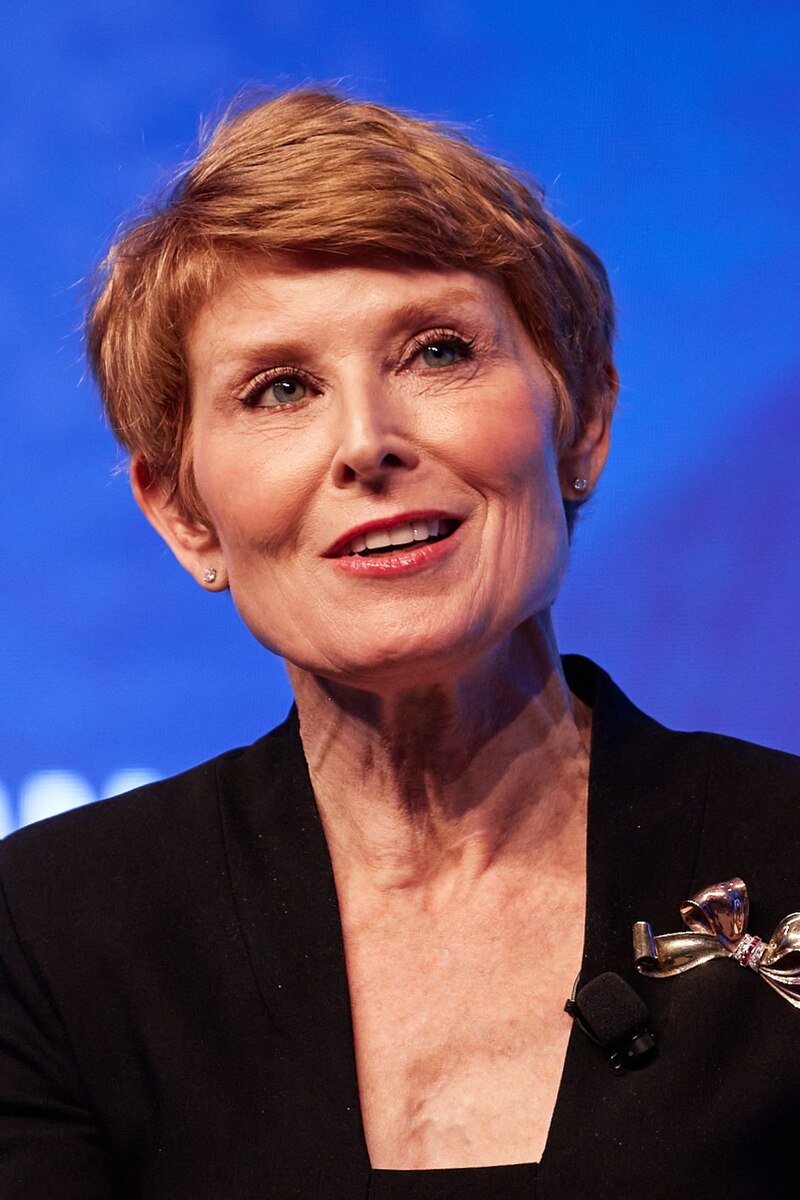
Yael Selfin is the chief economist at KPMG UK.
UK firms hold off on hiring as job vacancies fallUnited Kingdom· 2025-06-10

Yael Selfin, chief economist at consultancy KPMG, said the ECB might cut rates another three times this year.
The European Central Bank cuts interest rates as tariffs threaten the economy United States· 2025-04-17
Yael Selfin, KPMG's chief economist, said there is a strong incentive to seek a negotiated settlement that diminishes the need for tariffs.
US markets drop as tariffs spark recession fearsUnited Kingdom· 2025-04-07

Yael Selfin stated that the start of the year for the UK economy is marked by a loss due to global uncertainty.
برطانیہ کی معیشت غیر متوقع طور پر صفر اعشاریہ ایک فیصد سکڑ گئی Pakistan· 2025-03-15
Yael Selfin, chief economist at KPMG UK, noted that the UK economy had started the year on the back foot due to uncertainty about Trump tariffs.
UK economy shrank unexpectedly by 0.1% in JanuaryUnited Kingdom· 2025-03-14
Yael Selfin predicted a steady downward trend in pay growth in the coming months.
Government finances in surplus but pressure builds on ReevesUnited Kingdom· 2025-02-21



Yael Selfin, chief economist at KPMG UK, expects a steady downward trend in pay growth in the coming months.
US Federal Reserves warns Trump's tariffs may increase pricesUnited Kingdom· 2025-02-19Yael Selfin predicted a steady downward trend in pay growth in the coming months.
Inflation jumps on food, air fares and school feesUnited Kingdom· 2025-02-19


Yael Selfin, chief economist at KPMG UK, said she expected a 'steady downward trend' in pay growth in the coming months.
UK wages continue to outpace inflation, figures showUnited Kingdom· 2025-02-18