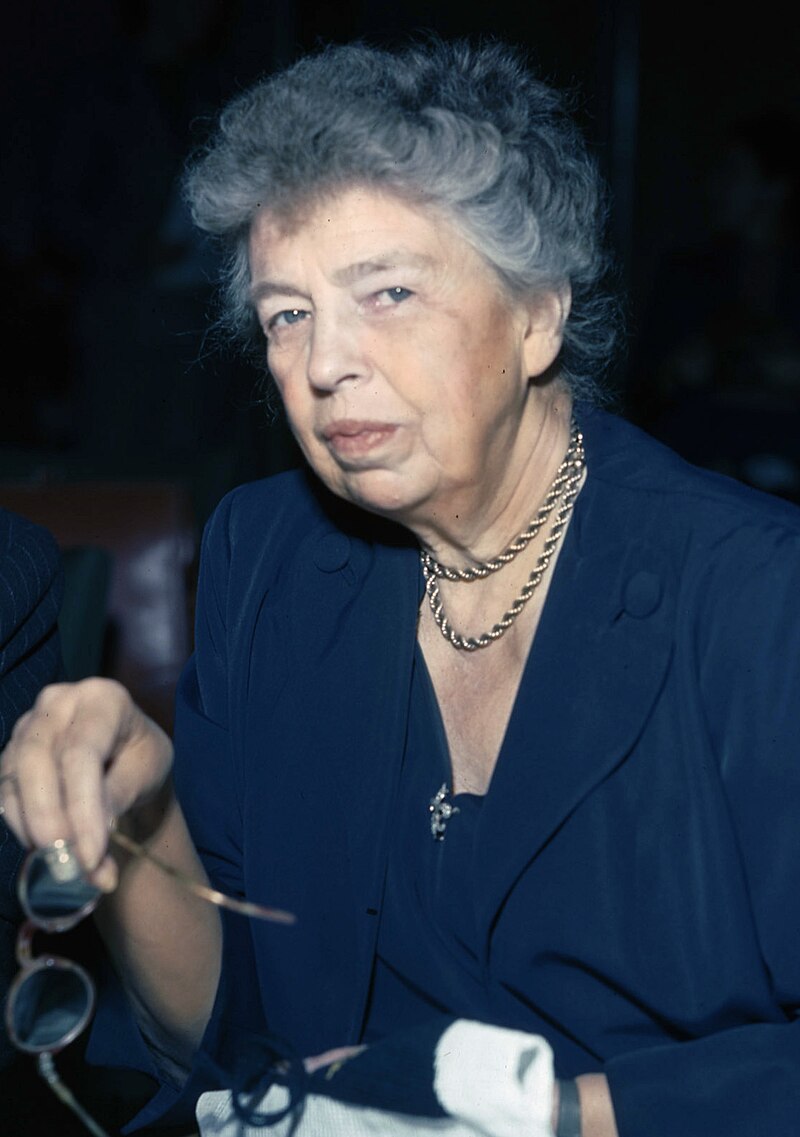
Eleanor Roosevelt
 AustraliapoliticianFemaleb. 18848.6Global Dominance: 0.00%
Eleanor Roosevelt was an influential American political figure, diplomat, and activist, serving as the First Lady of the United States from 1933 to 1945. She was a key advocate for human rights, playing a pivotal role in the drafting of the Universal Declaration of Human Rights in 1948. Her commitment to social justice and equality made her a champion for refugees and displaced persons, emphasizing the importance of asylum as a fundamental human right.
Country presence
Recent news mentions
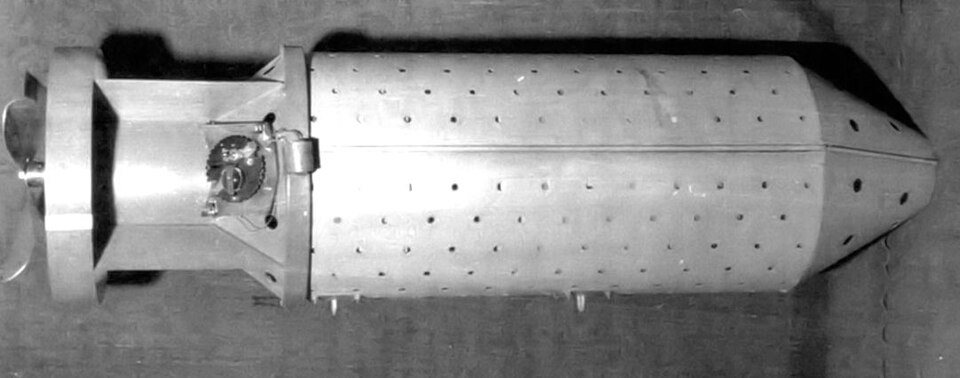
Eleanor Roosevelt was a close acquaintance of Lytle S. Adams and received his proposal for the bat bomb.
Ce erau "câinii antitanc" și "liliecii cu napalm"? Povestea incredibilă a celor mai bizare arme proiectate în timpul celui de-al Doilea Război Mondial Romania· 2026-09-22
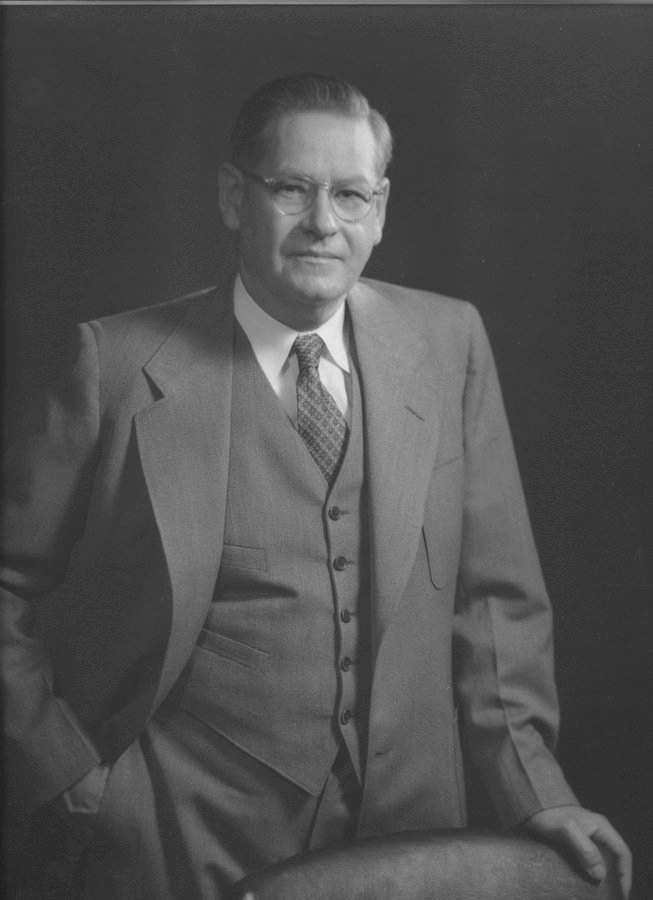
Eleanor Roosevelt presented the Universal Declaration of Human Rights to the president of the General Assembly.
United Nations is a failure at stopping war. Could Australia help it escape Trump’s America?Australia· 2026-09-20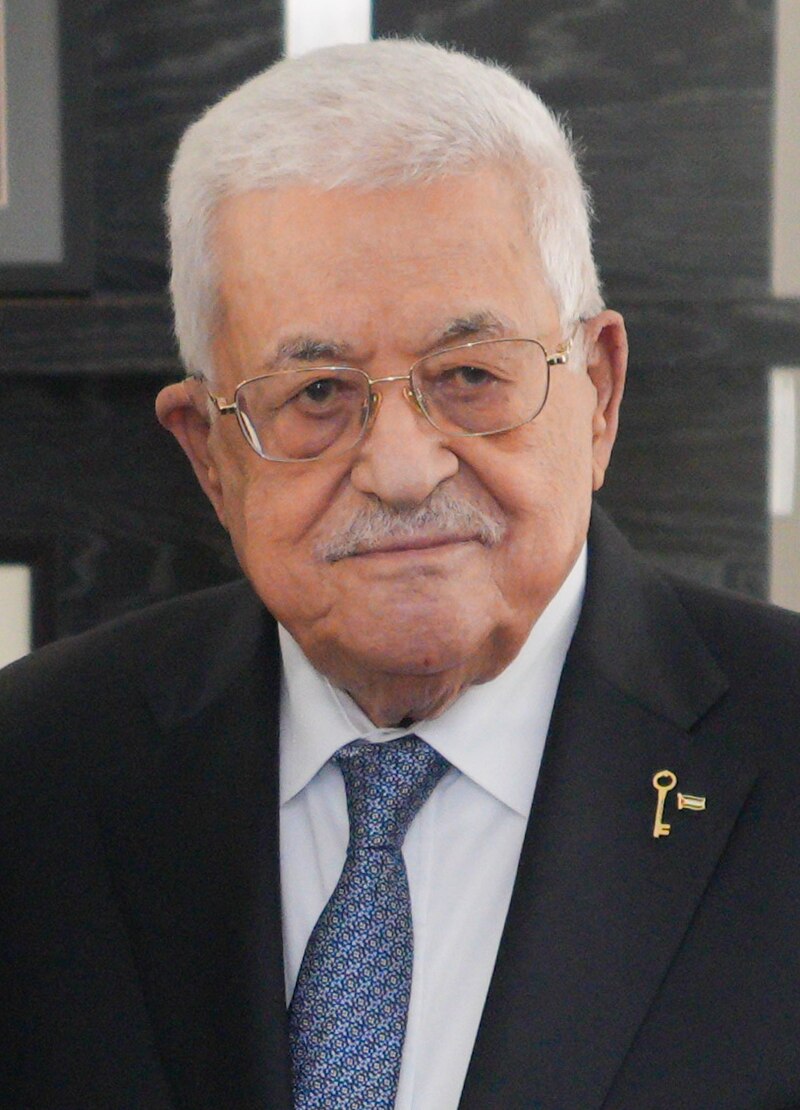
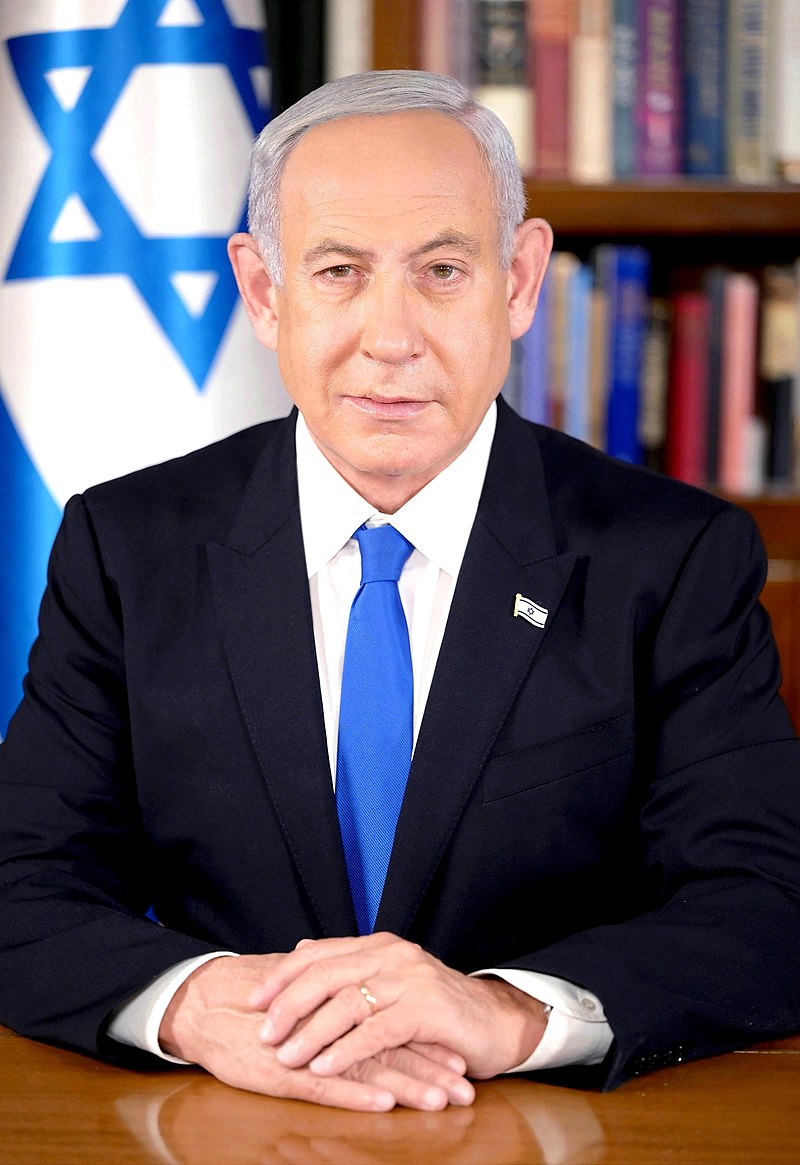
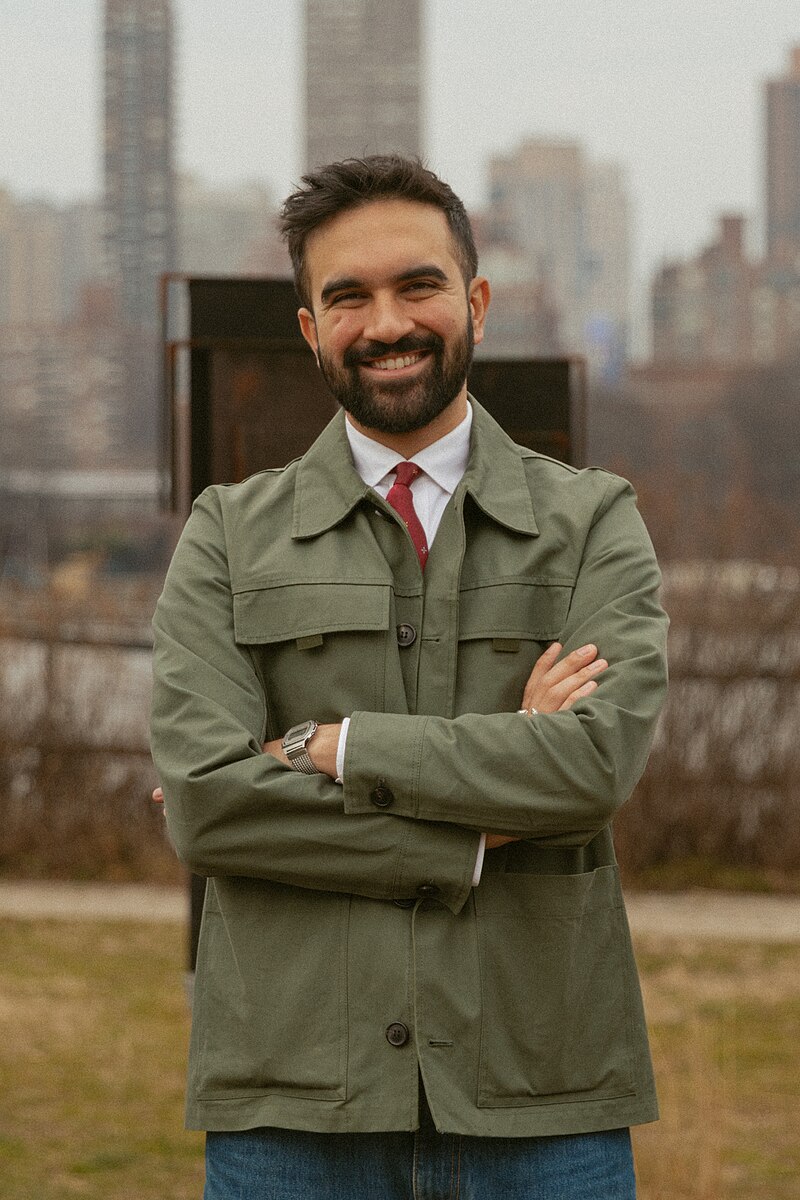
Bruce Dern was born into a wealthy family where Eleanor Roosevelt babysat him.
‘I turned down Gandhi because I’m terrified of snakes’: the amazing movie memories of Bruce Dern | Film United Kingdom· 2026-08-12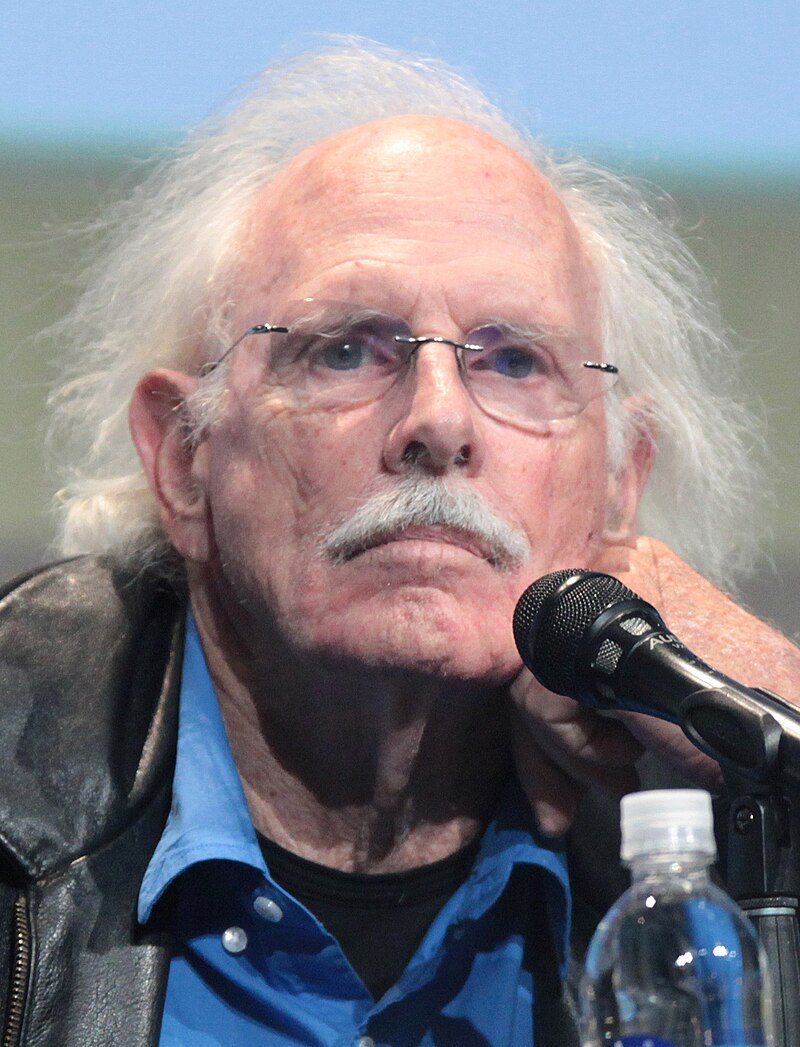
Eleanor Roosevelt's famous words remain profoundly important: 'No one can make you feel inferior without your consent.'
Why "Token" is never just a word South Africa· 2026-08-03


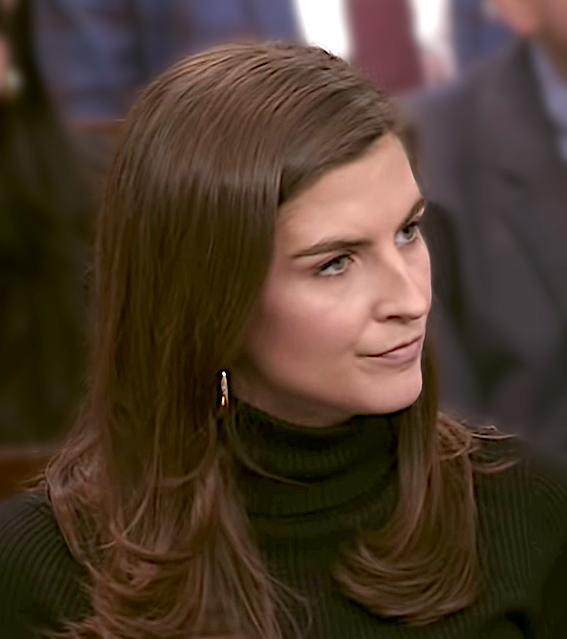
Kaitlan Collins quoted Eleanor Roosevelt to emphasize resilience against belittlement.
Donald Trump und CNN-Journalistin Kaitlan Collins: Sie lässt sich nicht beirren - Gesellschaft Germany· 2026-07-29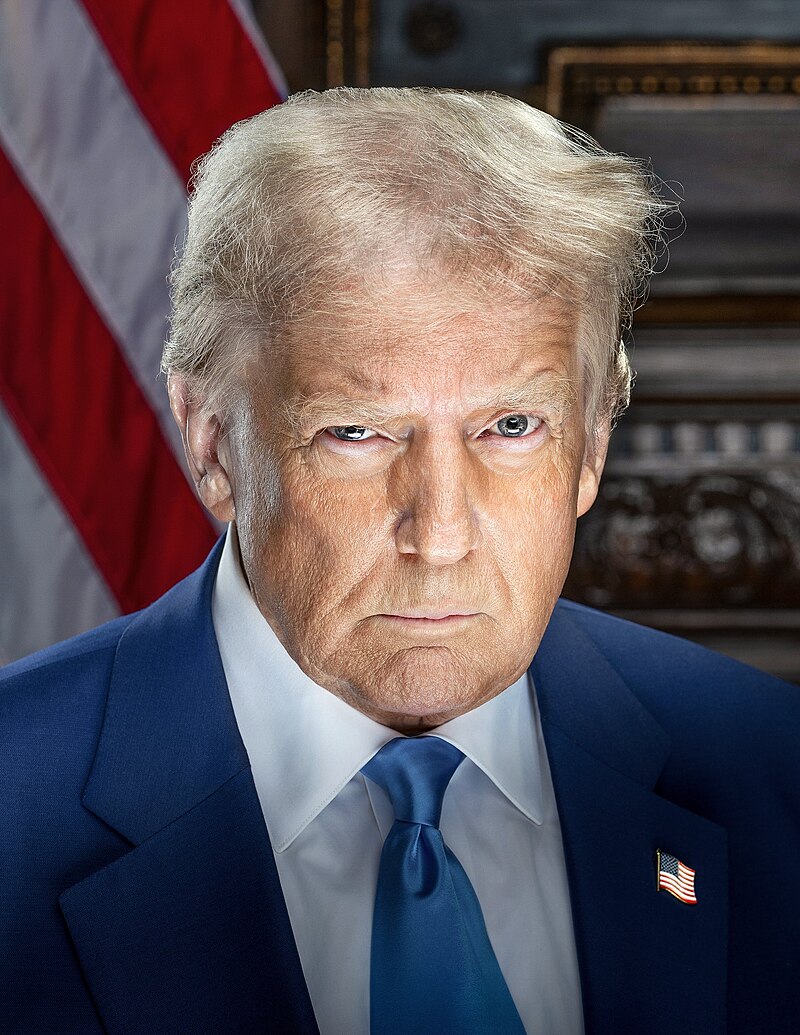
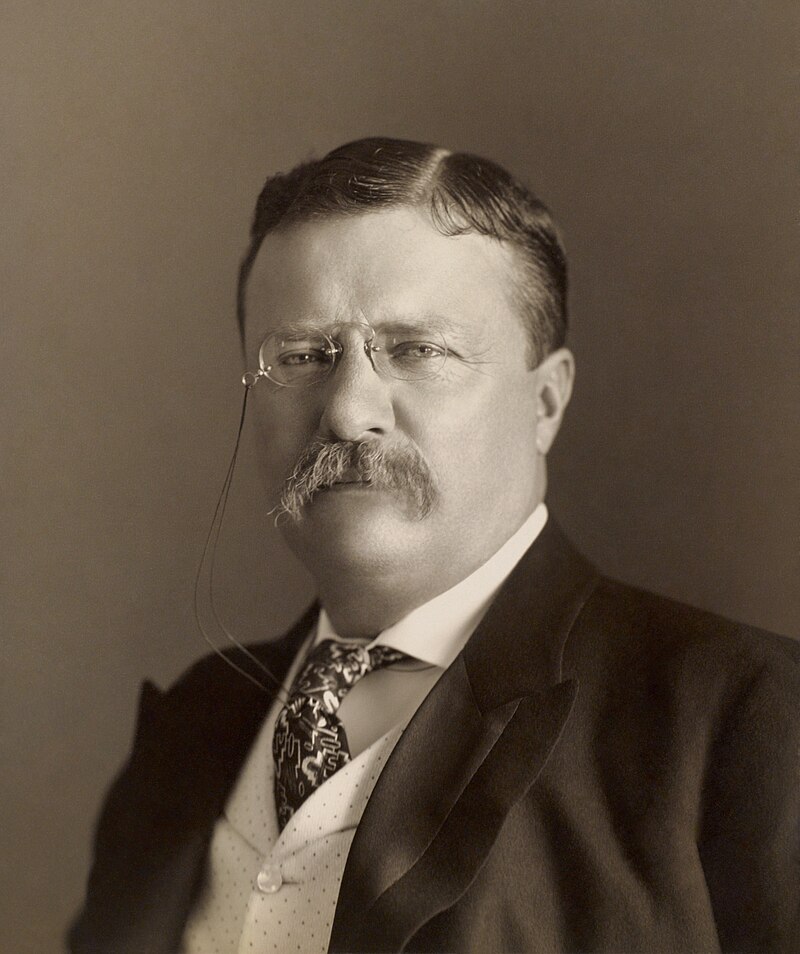
Eleanor Roosevelt was approached by Rose Arnold Powell to include Susan B. Anthony's face in the Mount Rushmore project.
Monte Rushmore: dove si trova, chi sono i presidenti scolpiti e perché Trump ha celebrato il 4 luglio da lì Italy· 2026-07-04
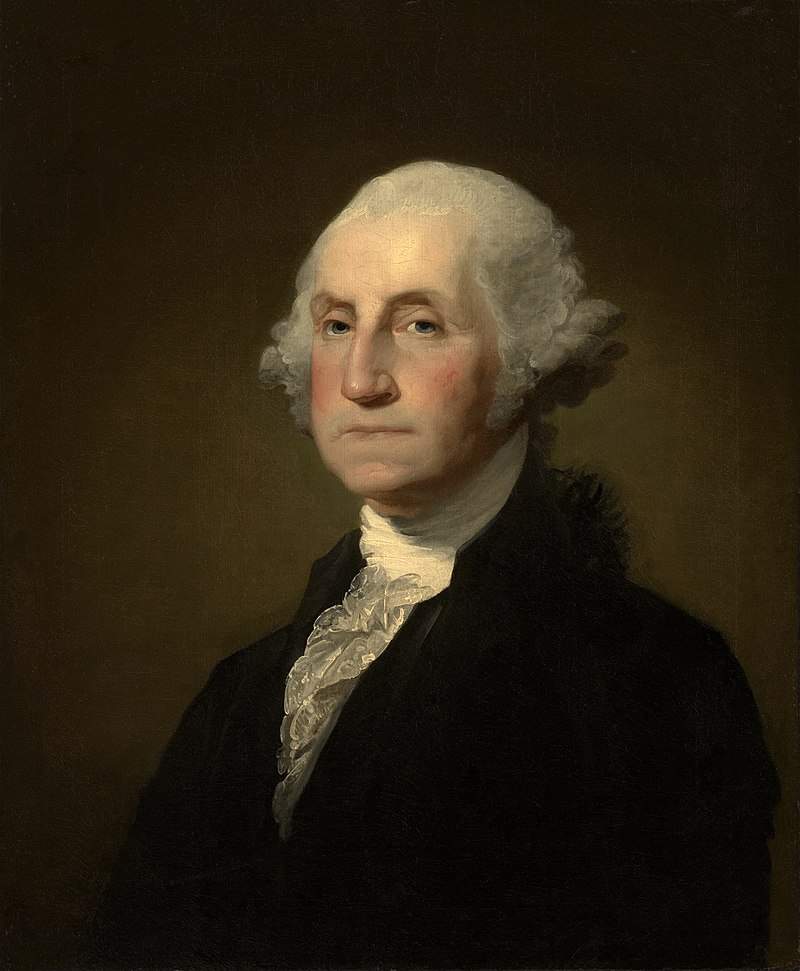
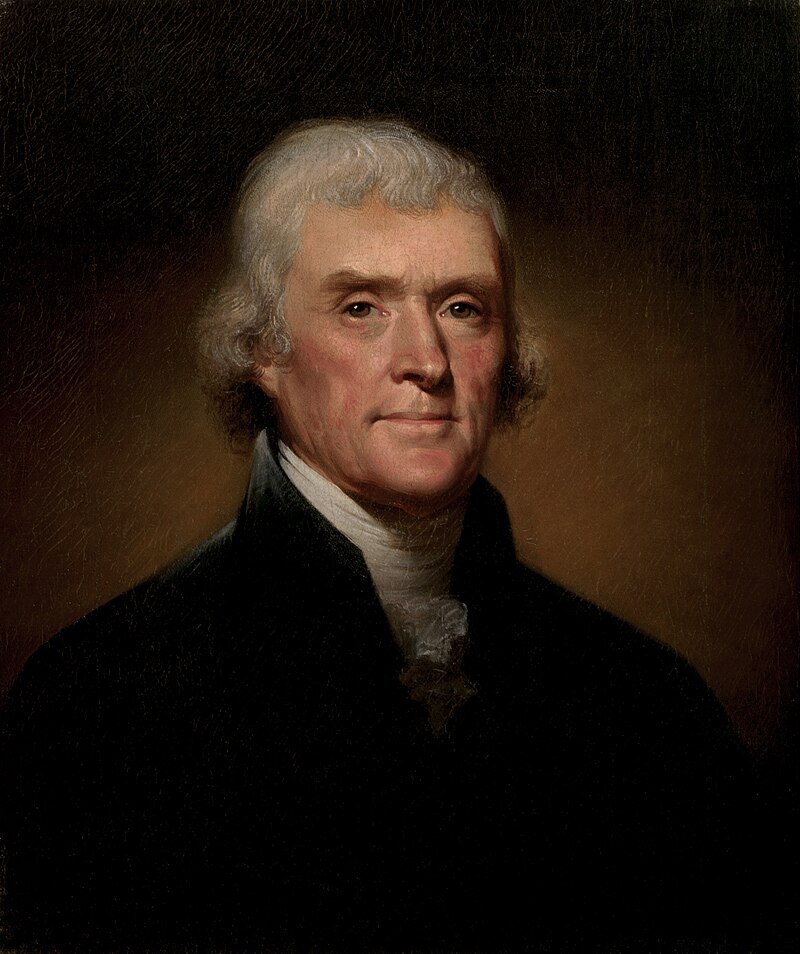
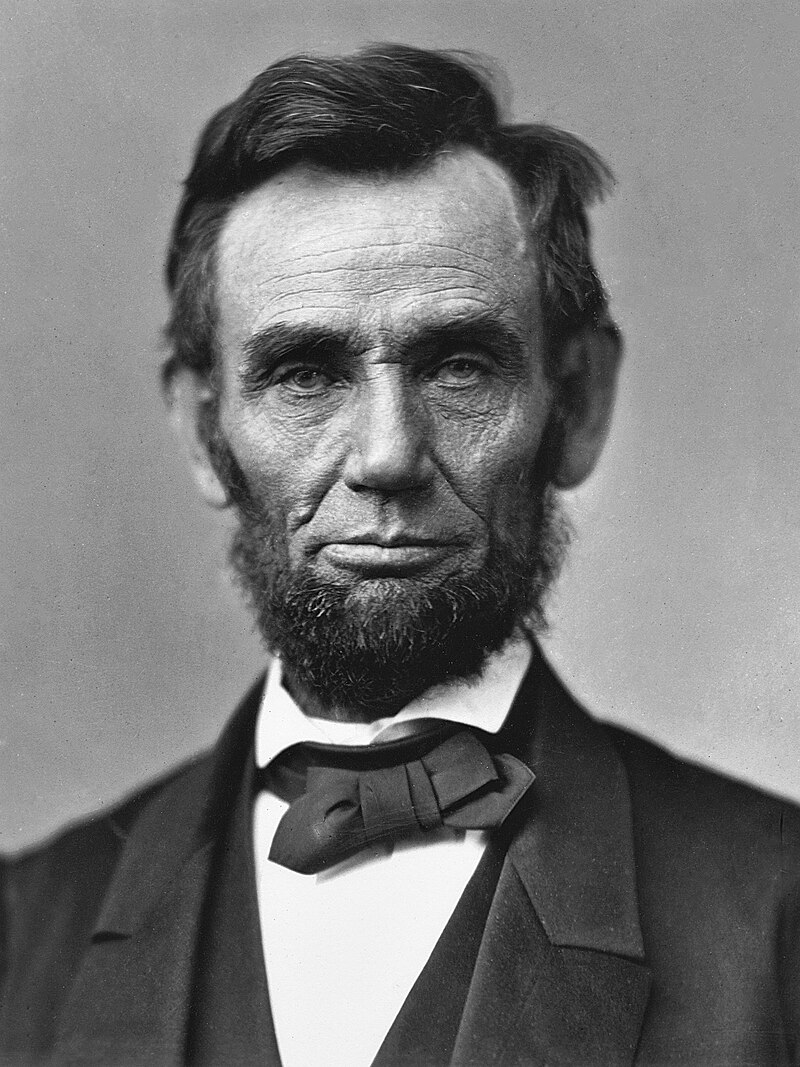
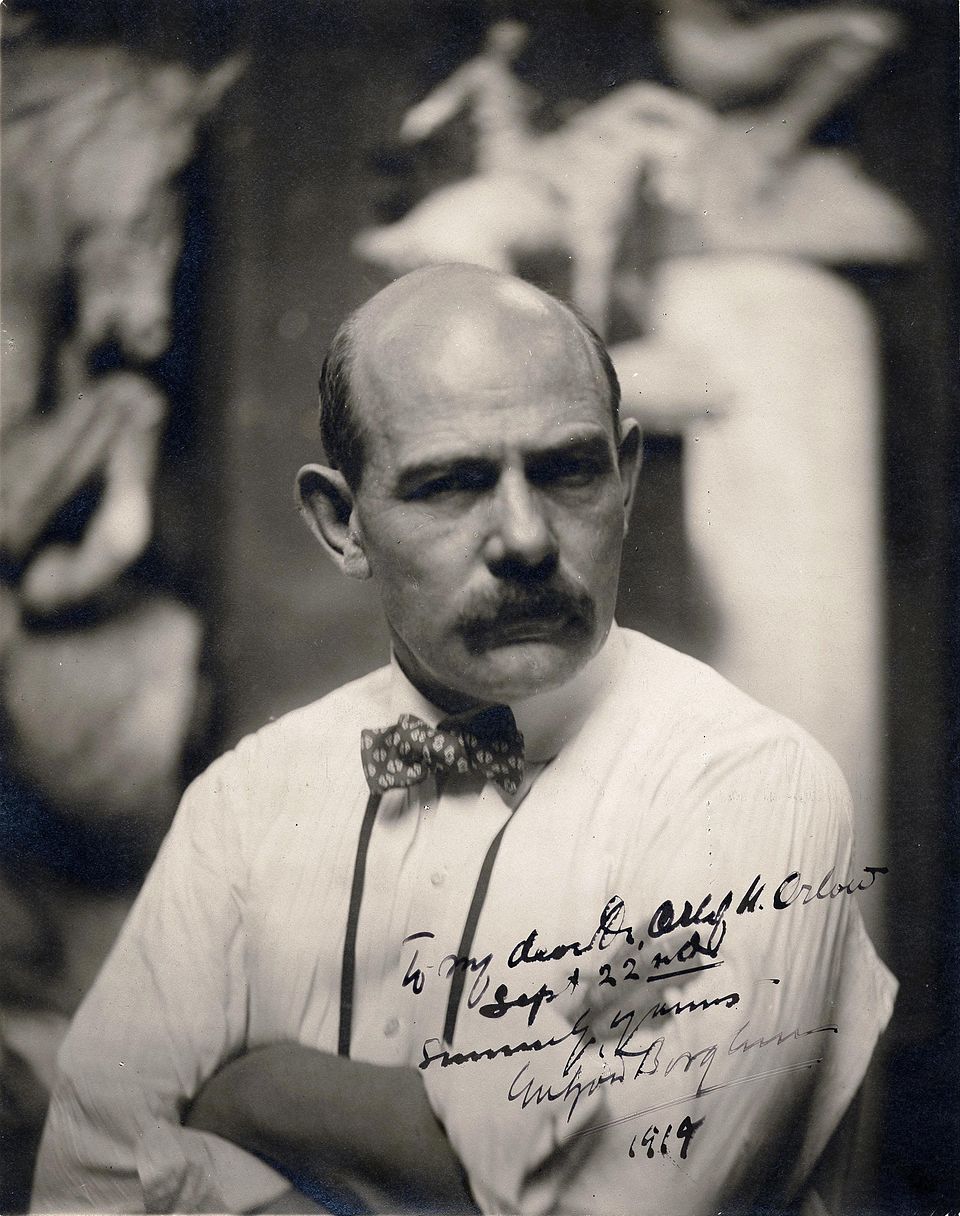
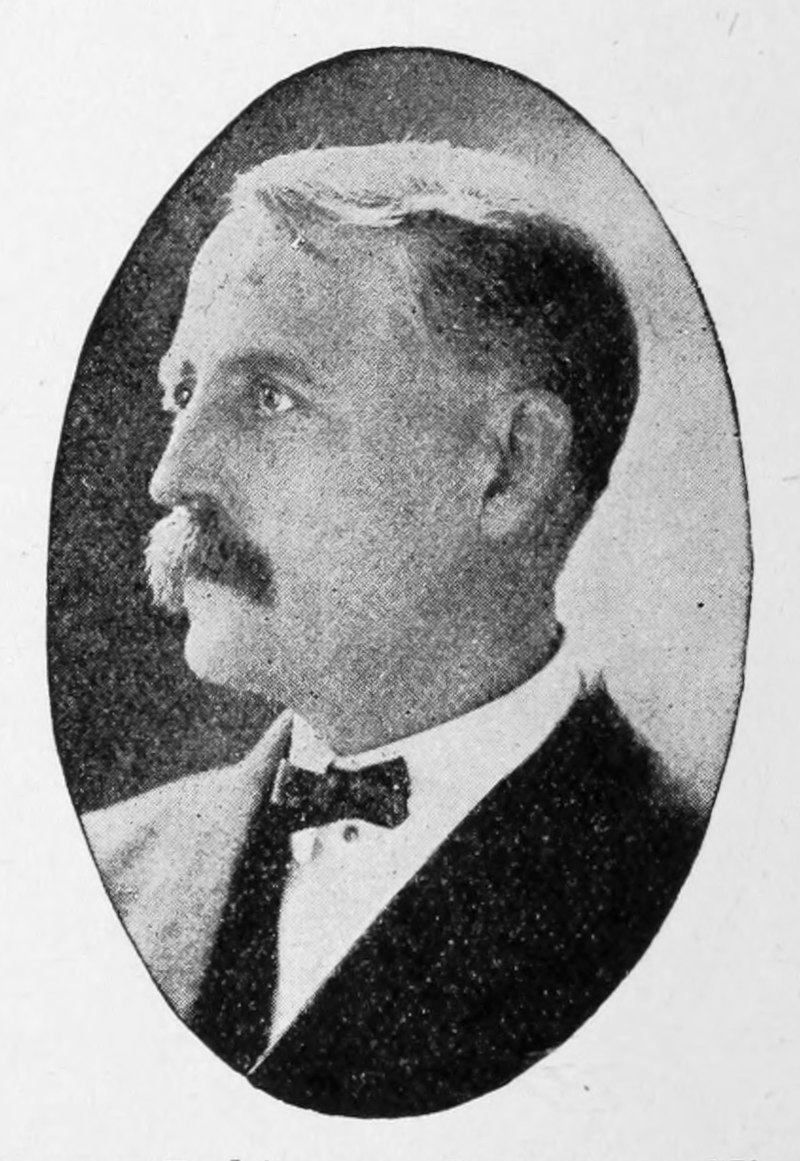
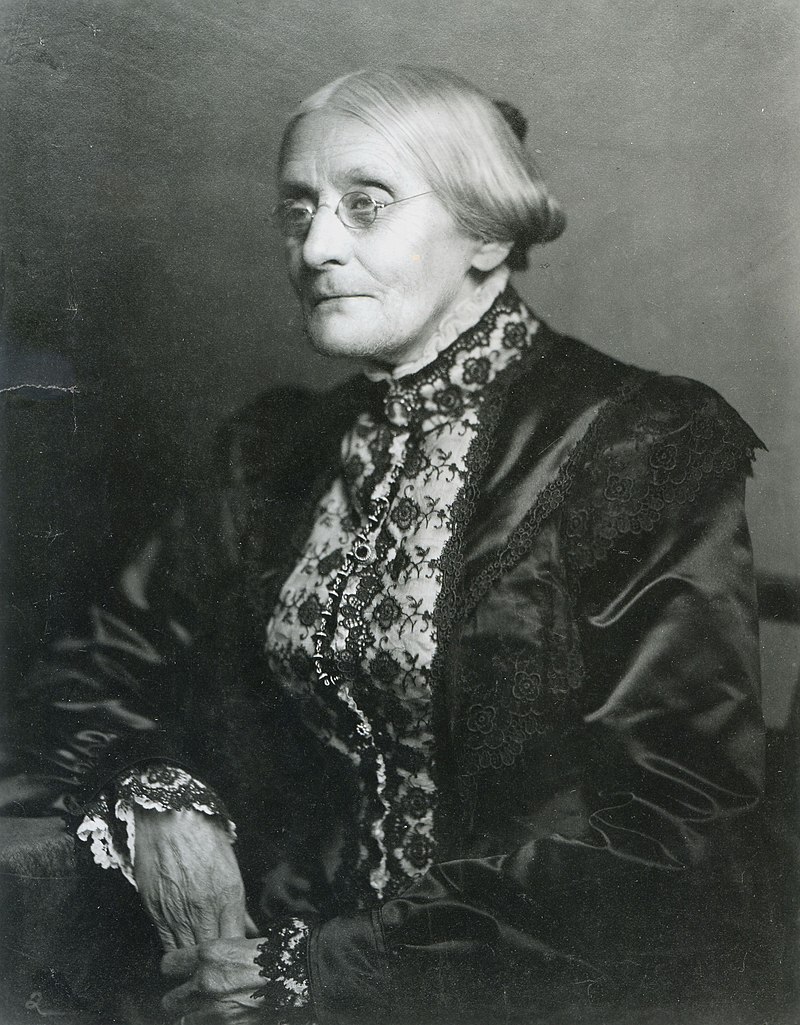
Eleanor Roosevelt reformulated Jefferson's words as chair of the UN Human Rights Commission.
A 250 años de aquel 4 de julio... Argentina· 2026-07-04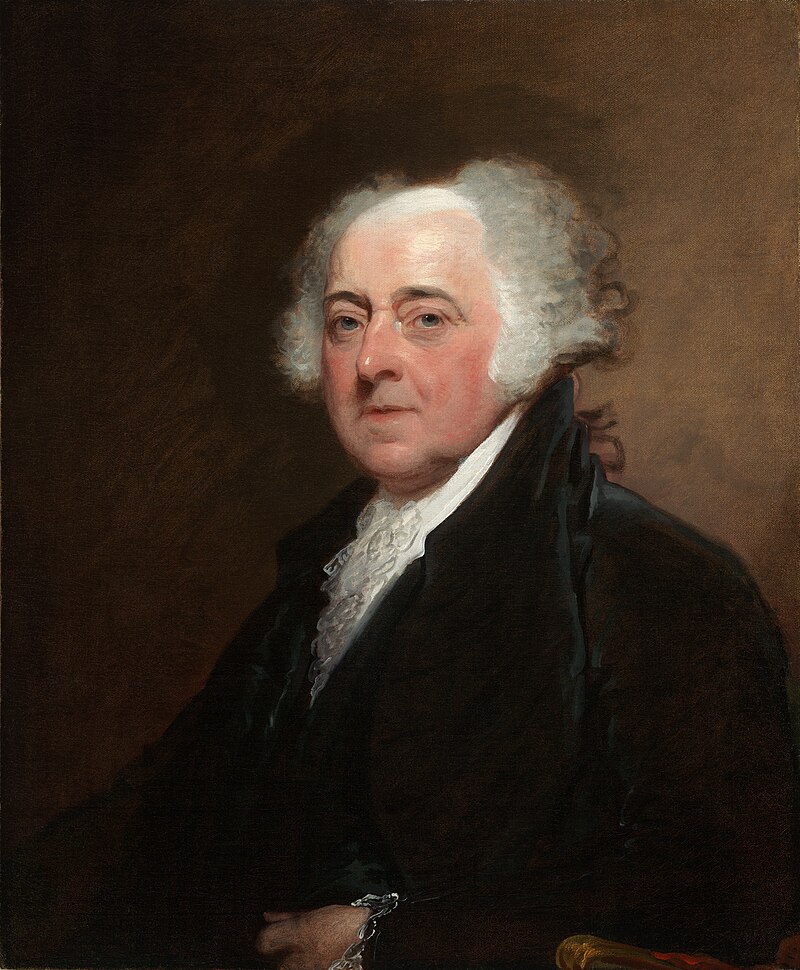
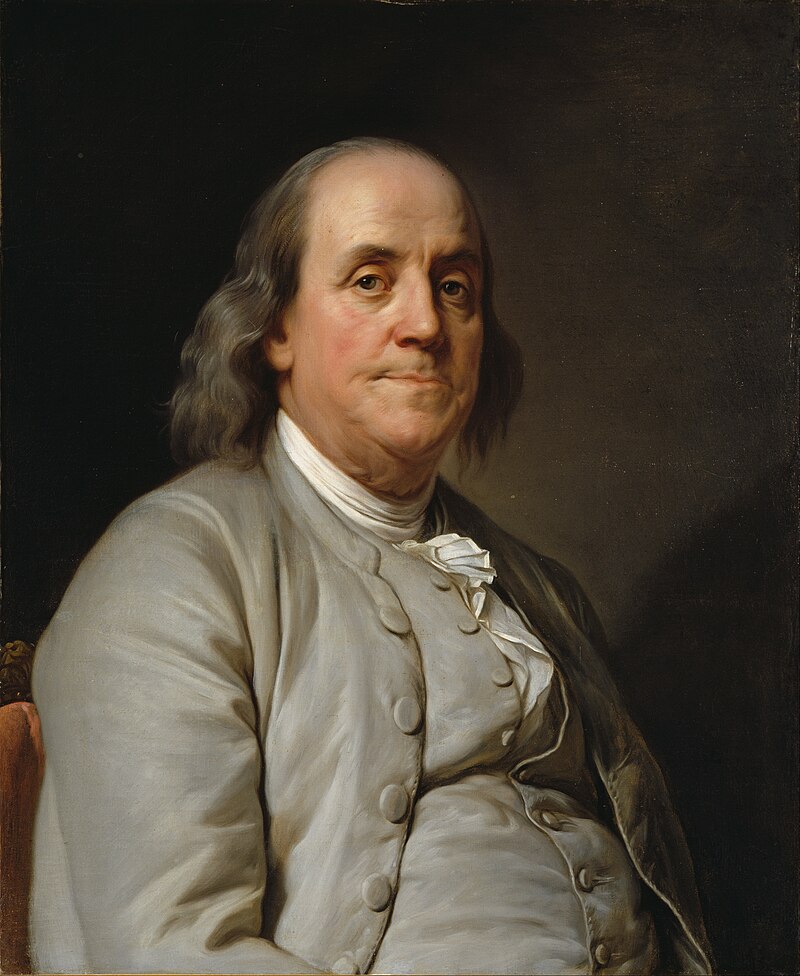
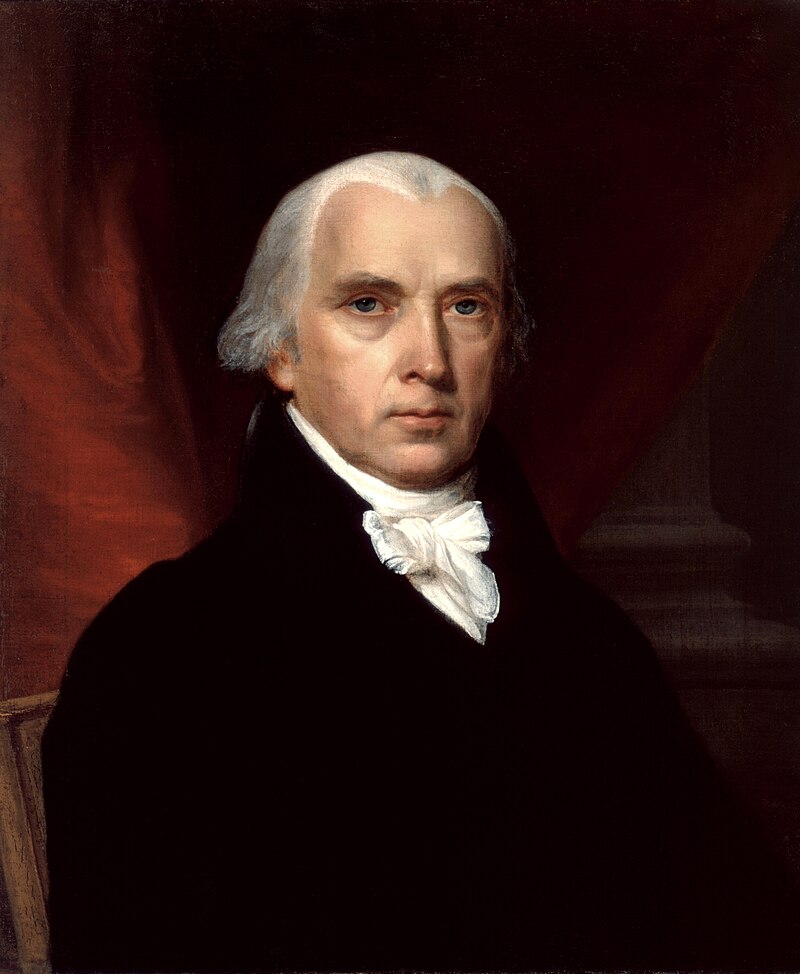
Eleanor Roosevelt is quoted regarding the nature of discussions among great minds.
Diez minutos de atención Uruguay· 2026-07-03


Leaders such as Eleanor Roosevelt have demonstrated that women can influence global policy, multilateral cooperation and economic governance.
How Samia is redefining women’s diplomacy in Africa Tanzania· 2026-06-30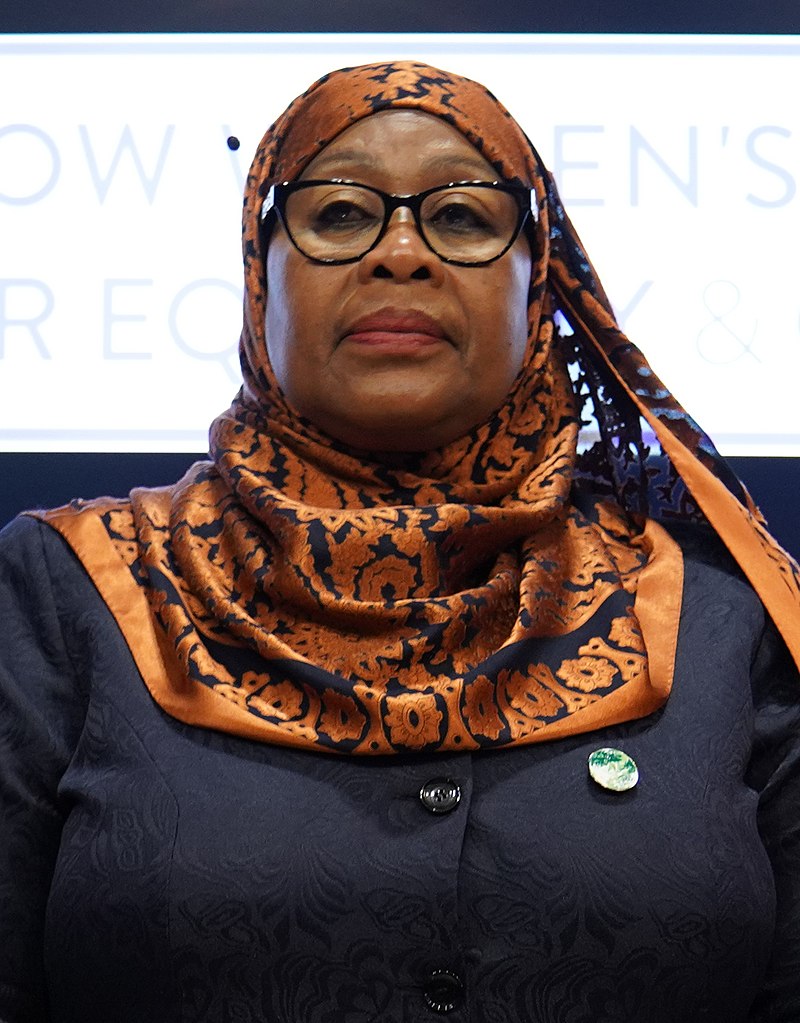

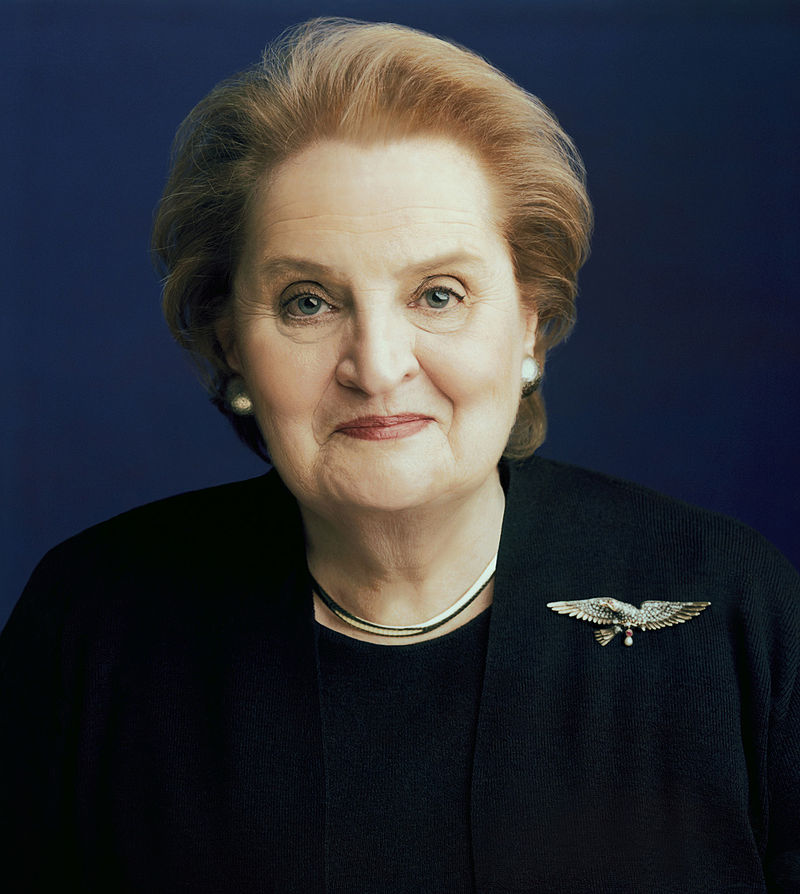
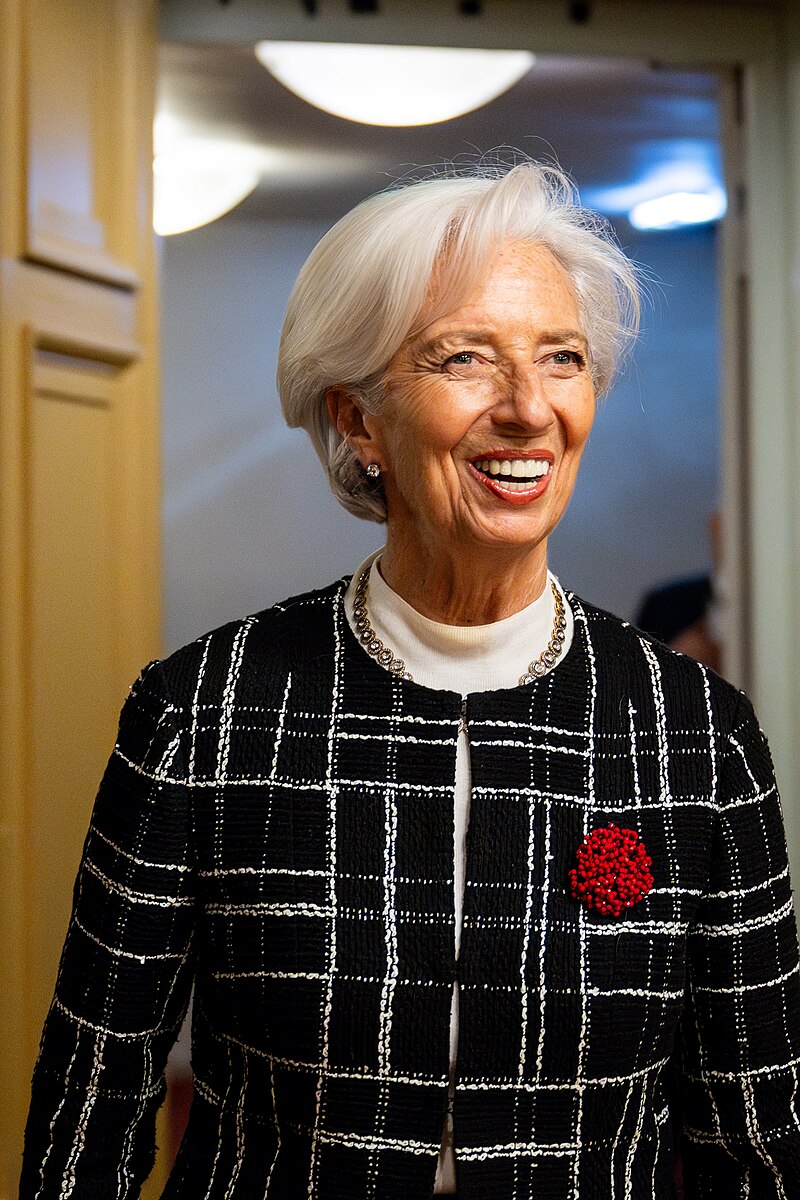
Eleanor Roosevelt famously said, 'No one can make you feel inferior without your consent.'
Women's Day Quotes: 35+ powerful quotes by famous authors to celebrate Women's Day India· 2026-03-08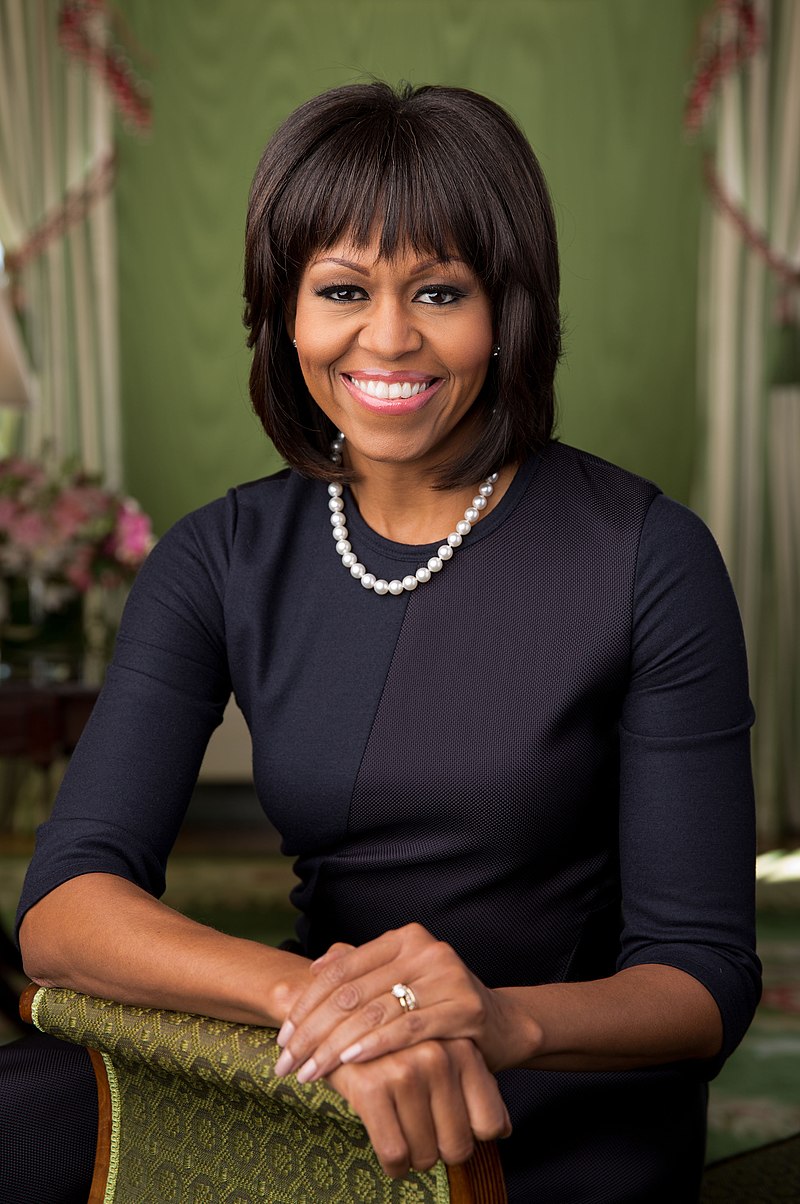

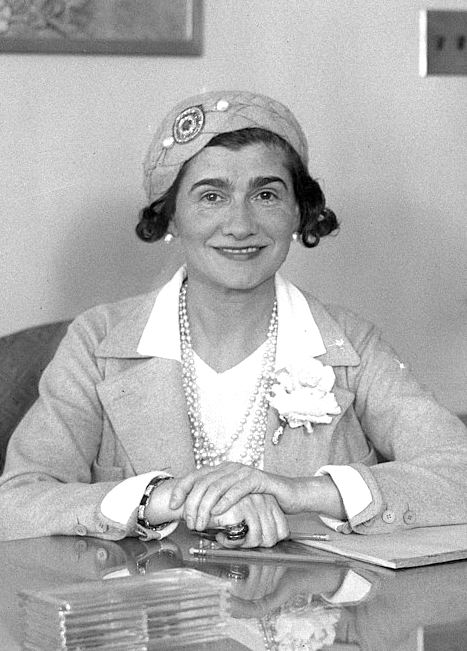
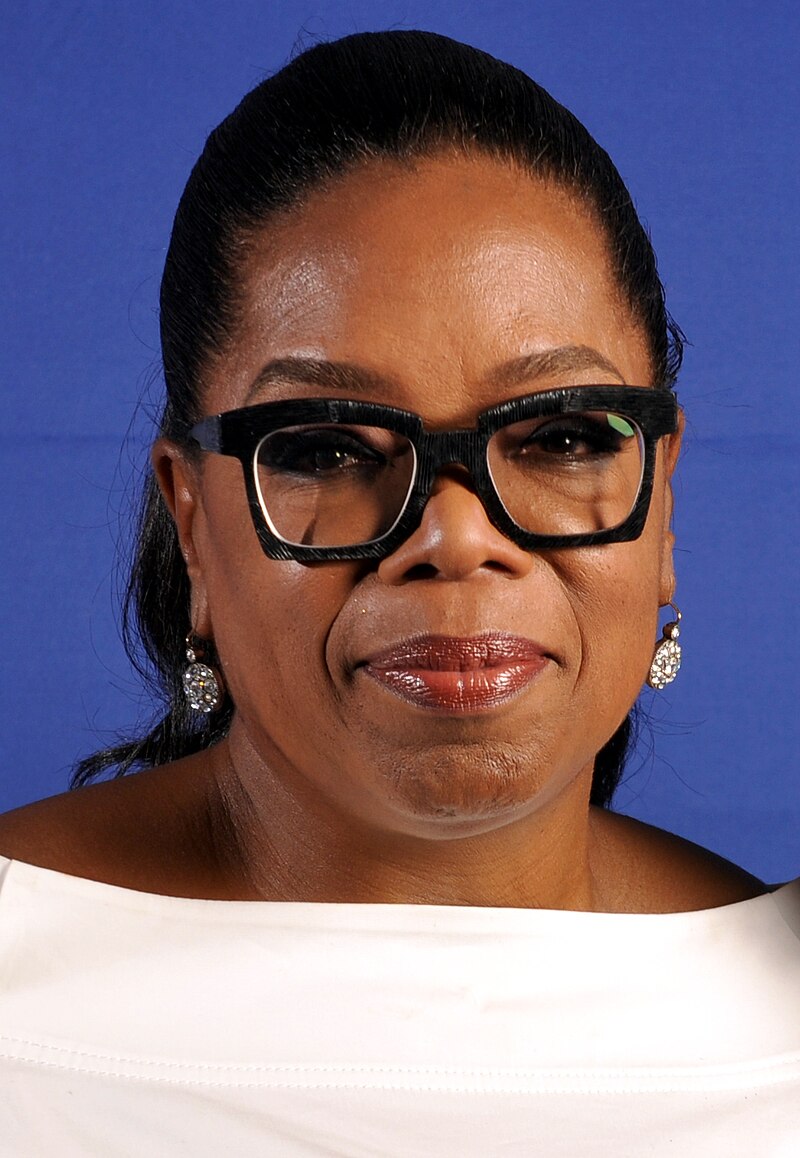
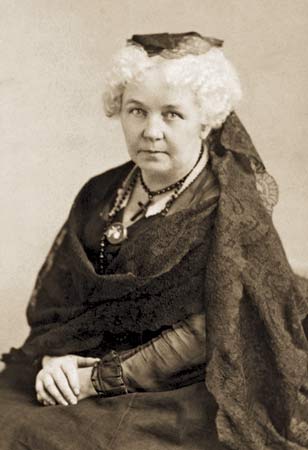
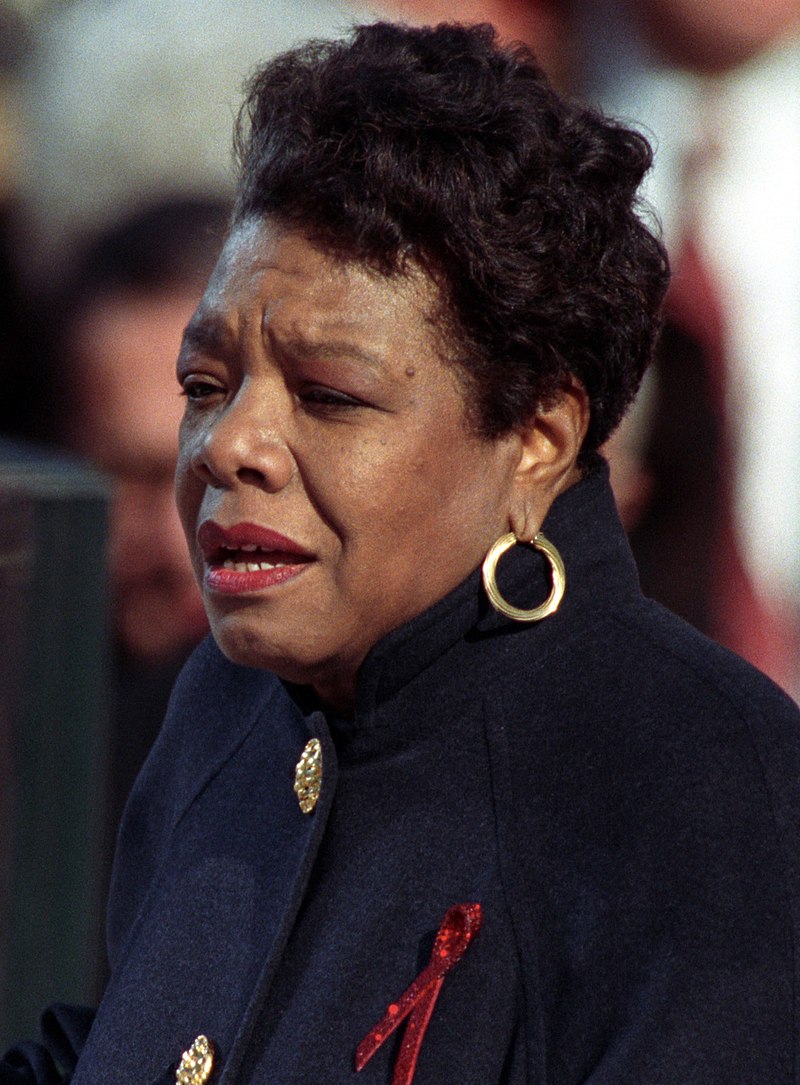
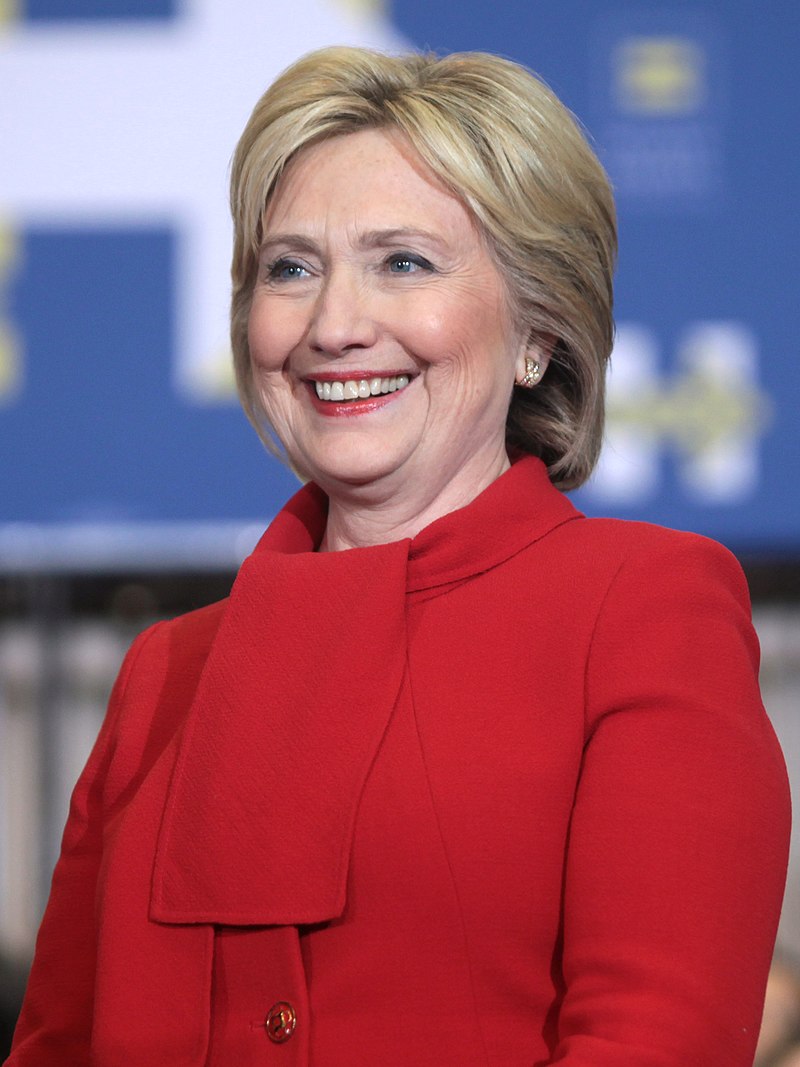
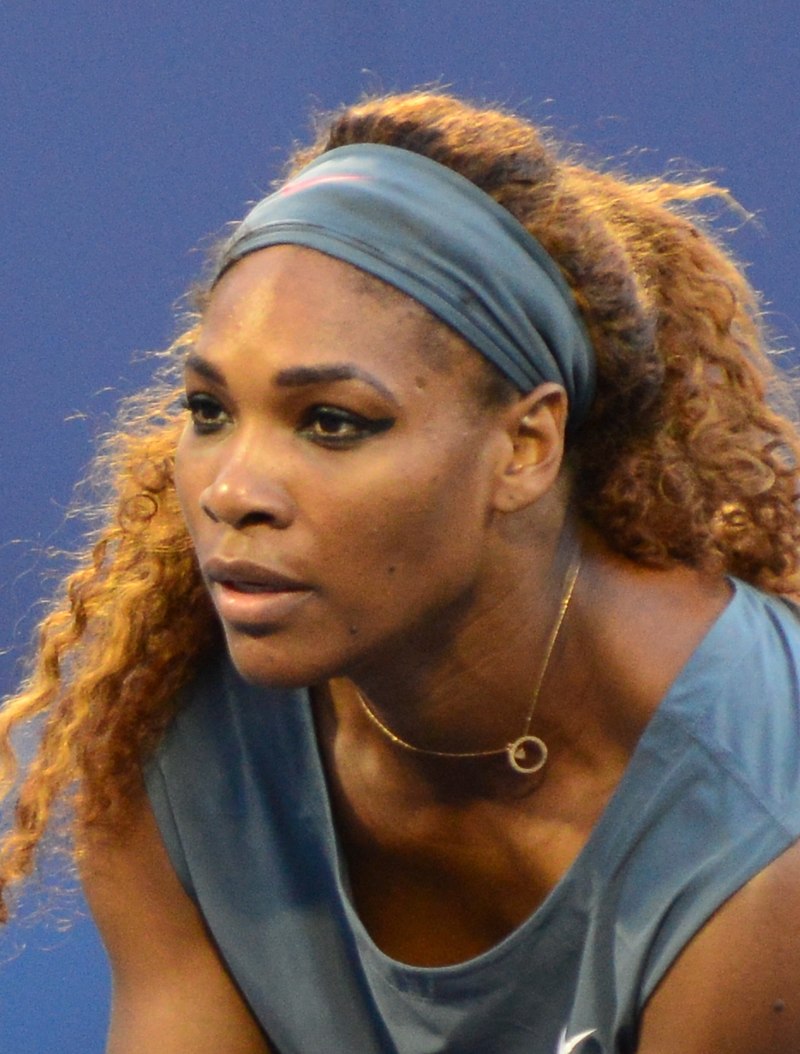
Eleanor Roosevelt is quoted stating, 'No one can make you feel inferior without your consent.'
Happy Women's Day 2026: Top 60 wishes, messages, and quotes to share with your loved onesIndia· 2026-03-06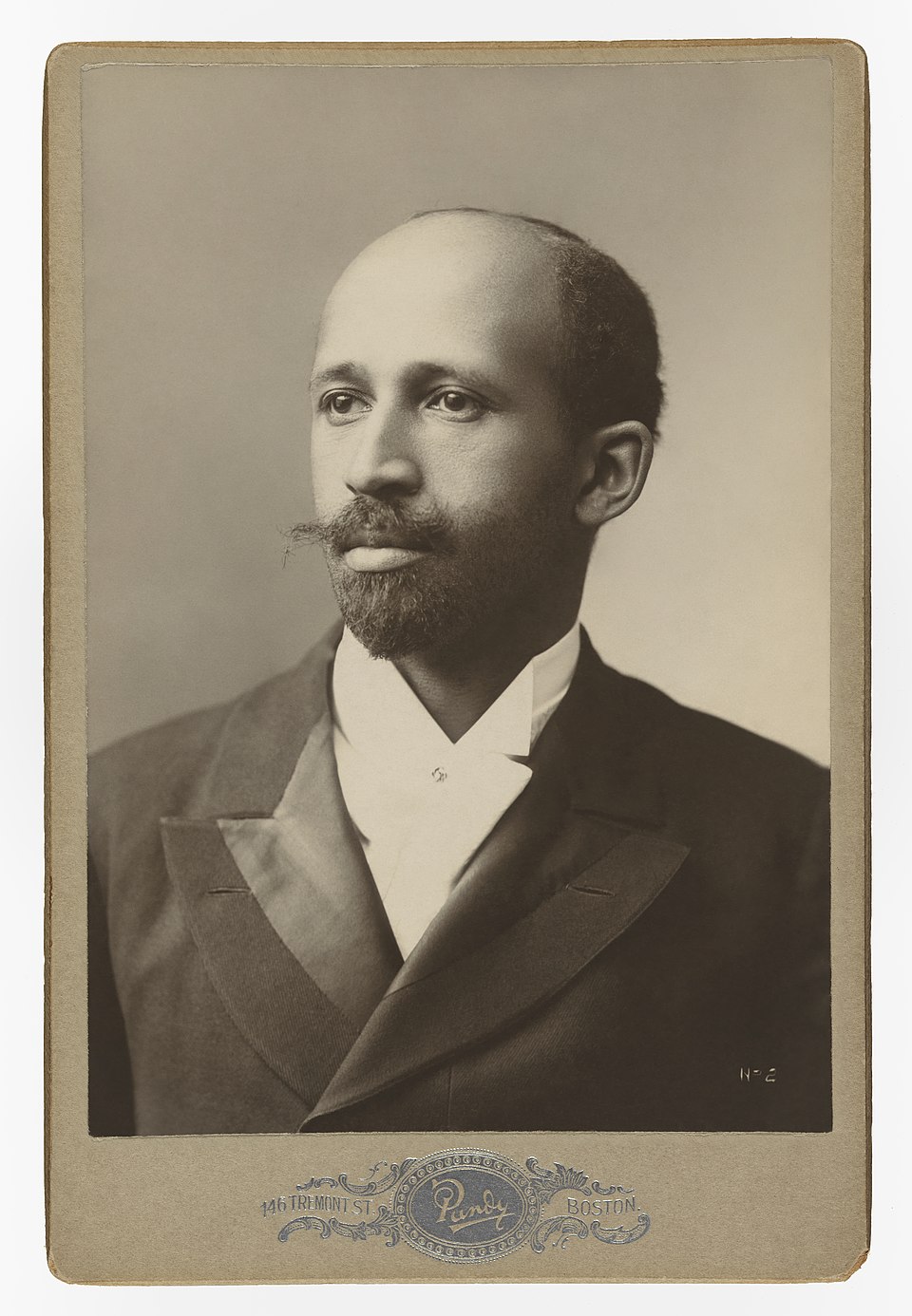
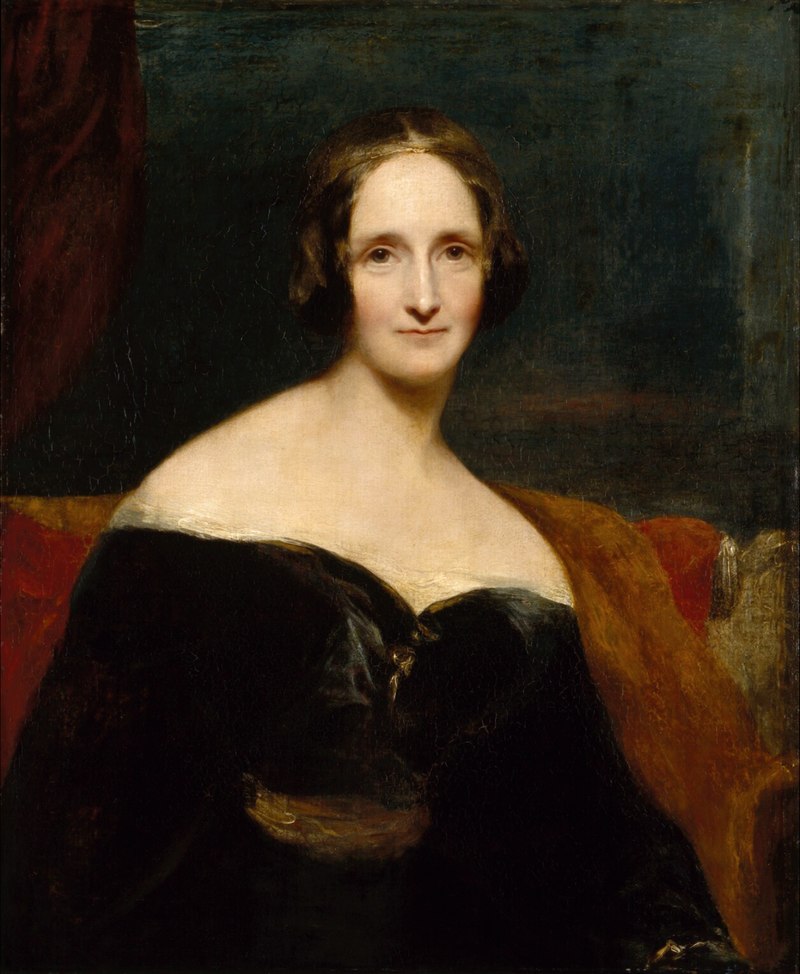
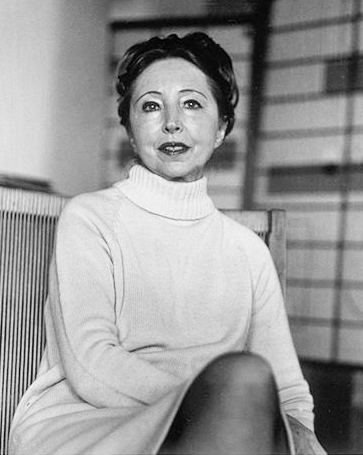


While former first ladies such as Eleanor Roosevelt held influential positions within the UN.
Melania Trump to lead UN security council session, White House says | Melania TrumpUnited Kingdom· 2026-02-26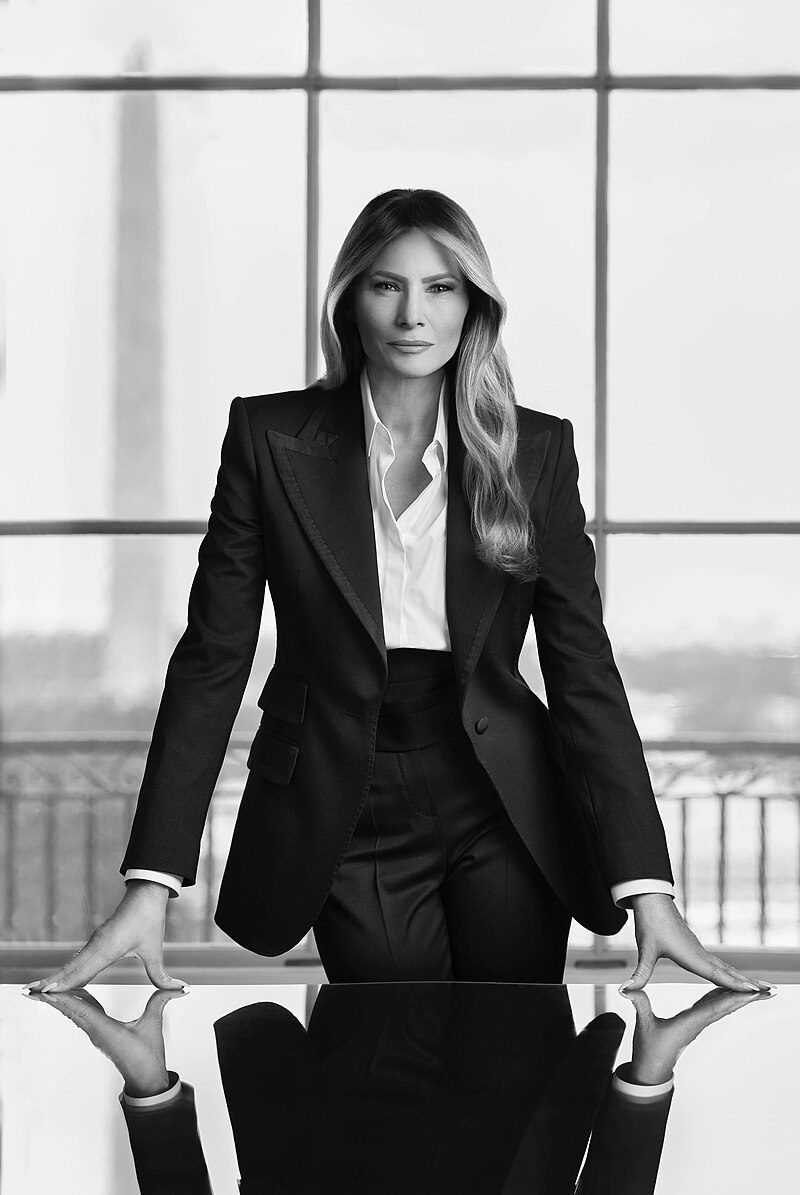
Eleanor Roosevelt was quoted as reminding participants that universal human rights begin in small places close to home.
Parliament urged to turn human rights promises into action Gambia· 2026-02-23

Eleanor Roosevelt's quote emphasizes the importance of respecting human rights at the local level.
Invertir en las niñas y mujeres en la ciencia es invertir en la democracia, el bienestar y el futuro Panama· 2026-02-11
Eleanor Roosevelt is attributed with the quote about the beauty of dreams and was the longest serving First Lady of the United States.
Corruption biggest impediment to President's development vision Kenya· 2026-01-26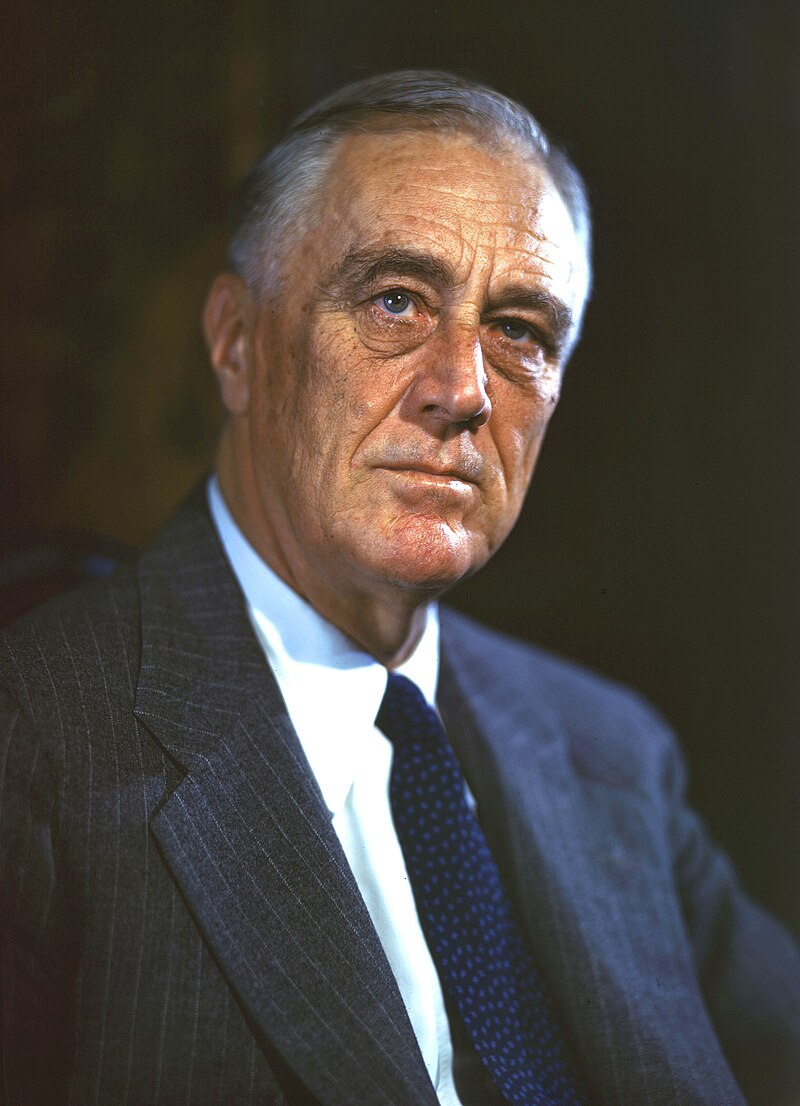
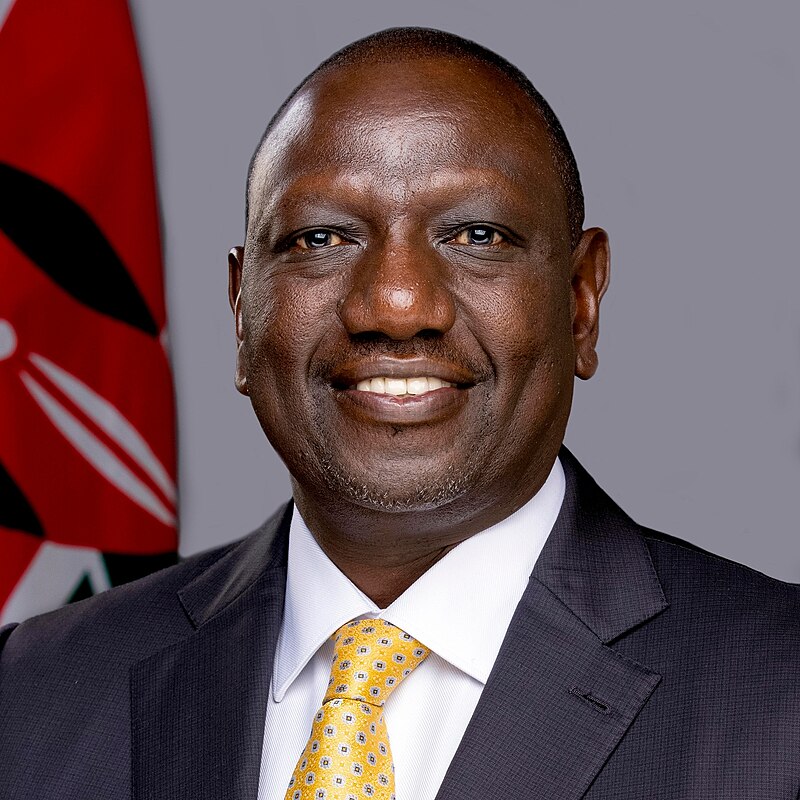

Eleanor Roosevelt first expressed the idea of a national cultural center many decades ago.
Kennedyjev center v Washingtonu, živi spomenik Trumpu Slovenia· 2025-12-19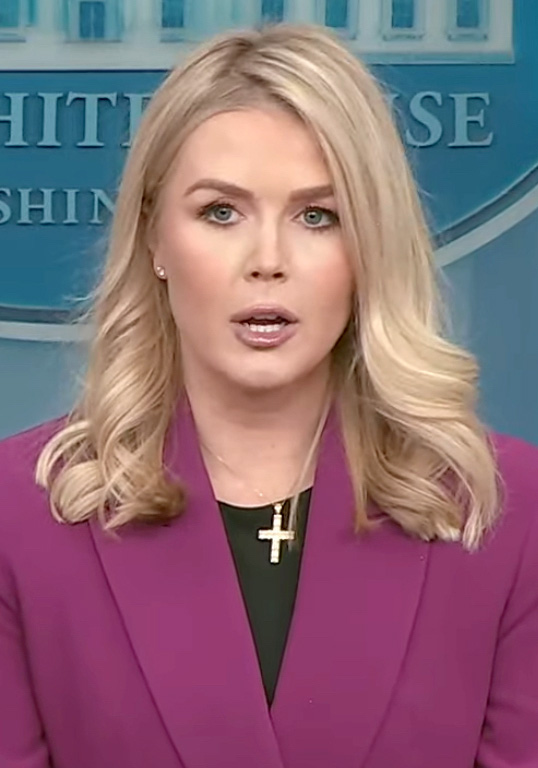
Eleanor Roosevelt is referenced in a story about uncertainty.
Investors end 2025 asking: Who thought that would happen? Canada· 2025-12-19



Eleanor Roosevelt was the chair of the UN committee that prepared the draft of the Universal Declaration of Human Rights.
Za dobo umetne inteligence potrebujemo novo deklaracijo o človekovih pravicahSlovenia· 2025-12-13
As Eleanor Roosevelt said in a 1958 UN address: 'Where, after all, do universal human rights begin? In small places, close to home… the world of the individual person.'
The individual is the smallest minority – Jonathan Ayling New Zealand· 2025-11-05

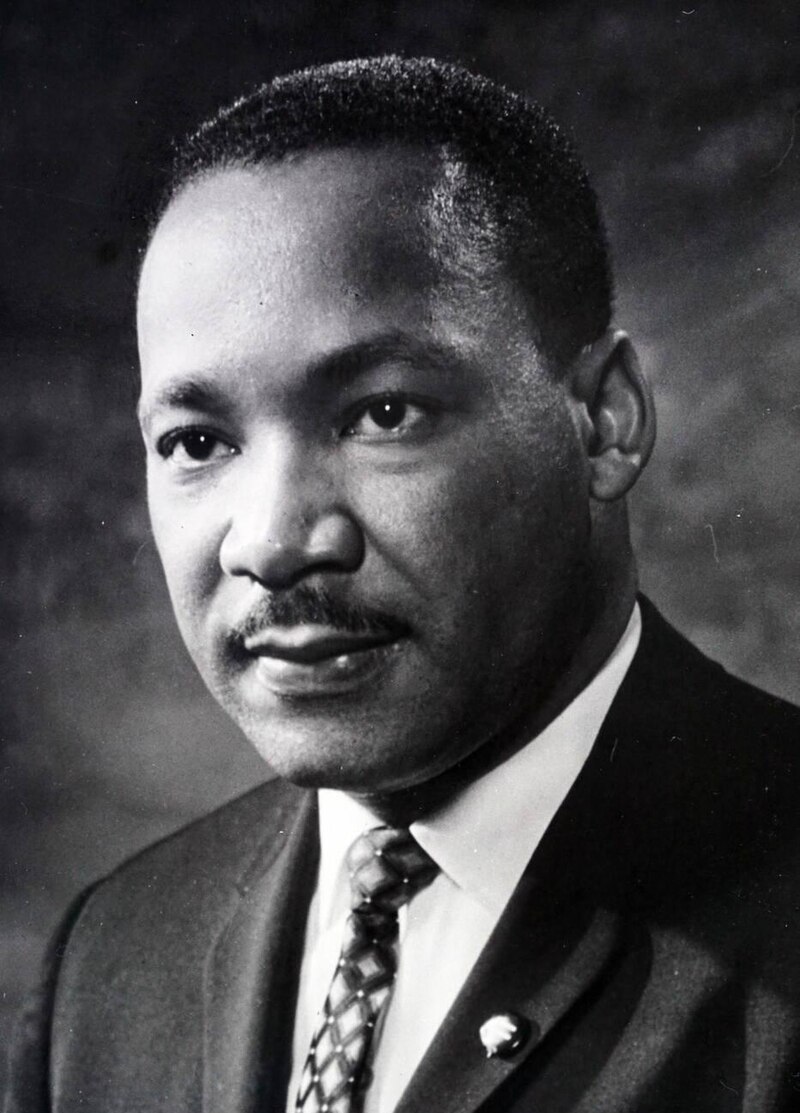
This was Eleanor Roosevelt’s domain.
The East Wing demolition speaks to Trump’s wrecking-ball presidency United States· 2025-10-26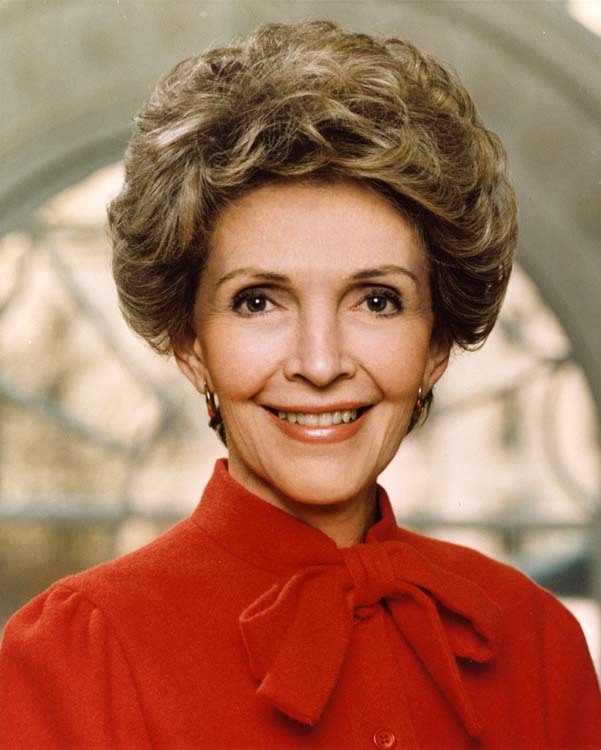
Eleanor Roosevelt was a life-long anti-poverty activist and leading advocate for the 1948 Universal Declaration of Human Rights.
Nobel Peace Prize’s credibility on the line – again – The Mail & GuardianSouth Africa· 2025-10-01

Eleanor Roosevelt was motivated by her Christian faith when she thrashed out the UN Convention of Human Rights.
Nobody can claim the decline of Catholic influence has made Irish society happier or healthier – The Irish Times Ireland· 2025-09-14
Eleanor Roosevelt remarked on the grandeur of the Iguazú Falls, comparing them to Niagara Falls.
Toto bude cestovateľský hit roka 2026 Slovakia· 2025-09-14
Eleanor Roosevelt was known for championing civil rights and the New Deal.
Le first lady della diplomazia: Melania, Olena e le altre. Dalle lettere agli appelliItaly· 2025-09-07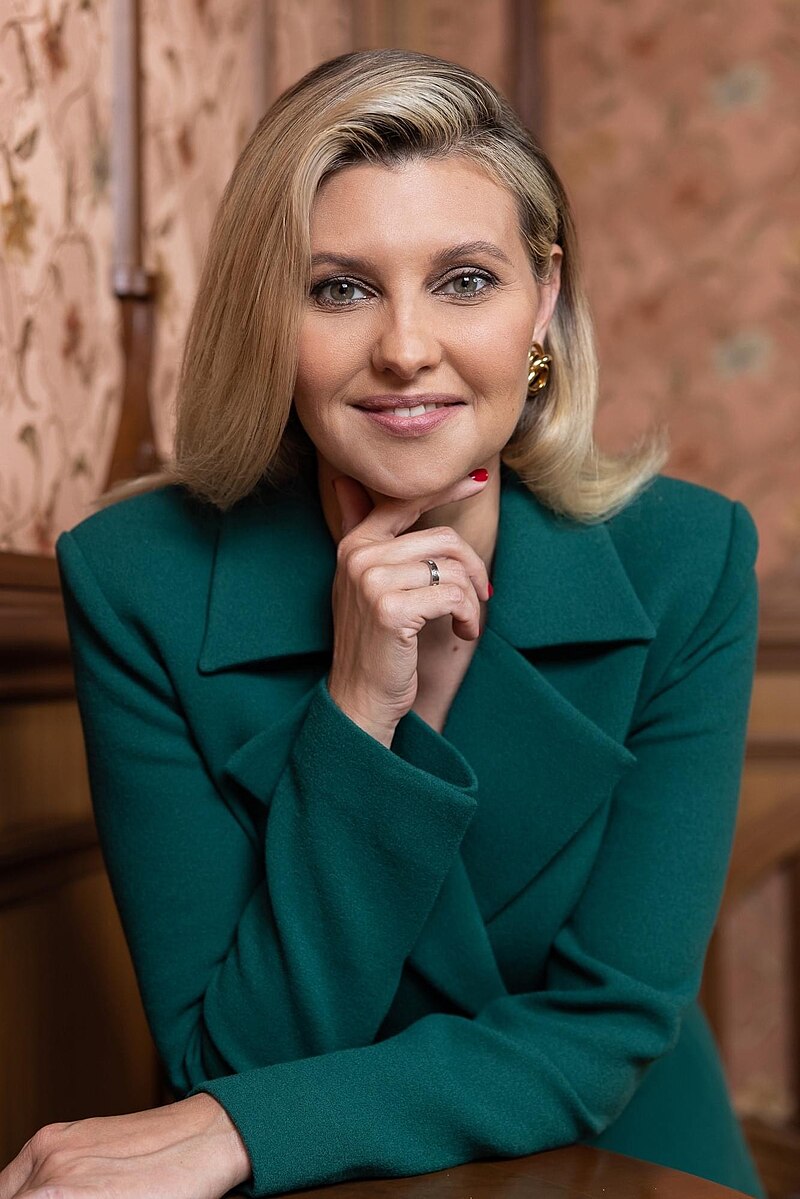
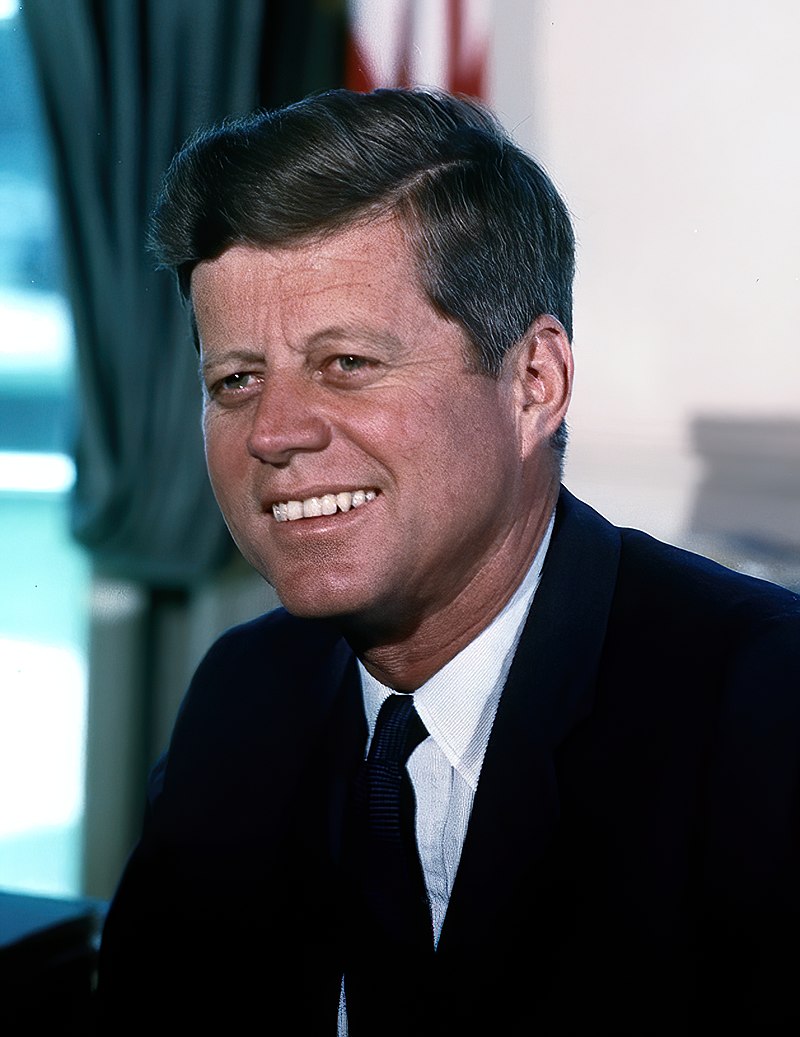

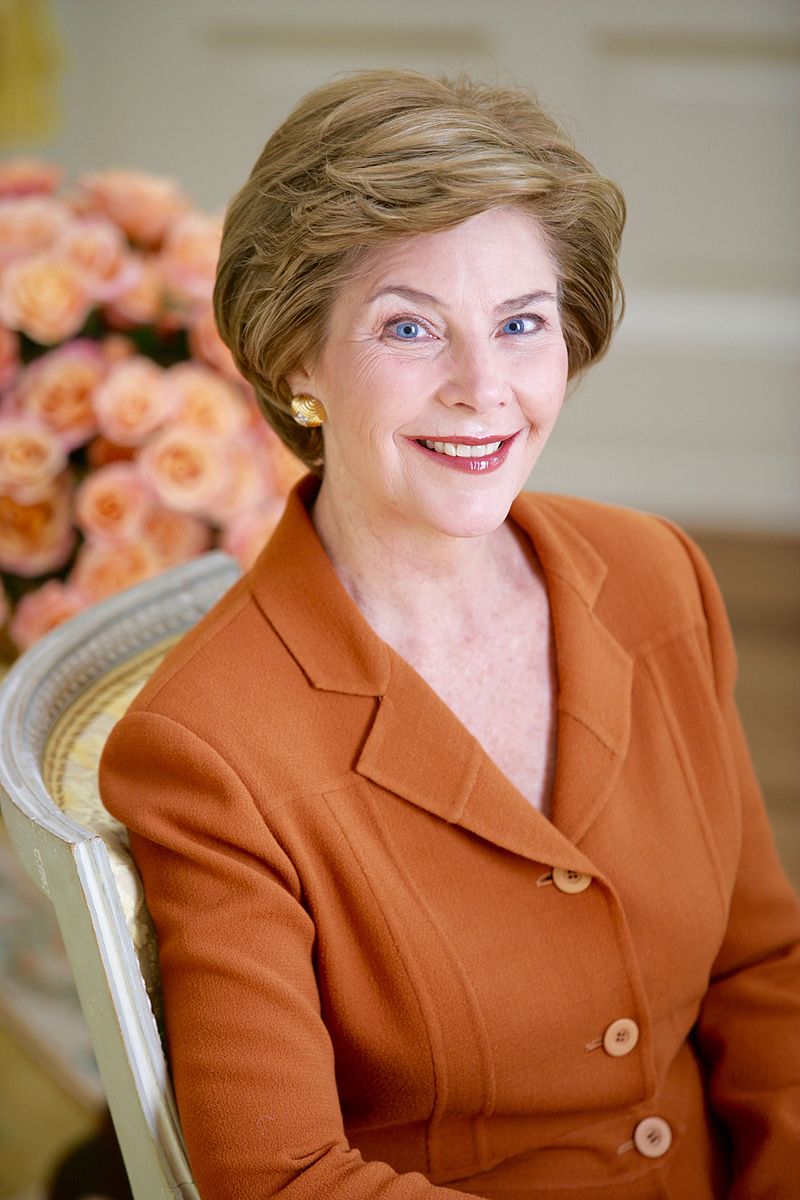
Monkman said, recalling a ceremony during the Johnson administration for Eleanor Roosevelt’s portrait unveiling.
Trump moves Obama, Bush portraits to hidden stairwellUnited States· 2025-08-10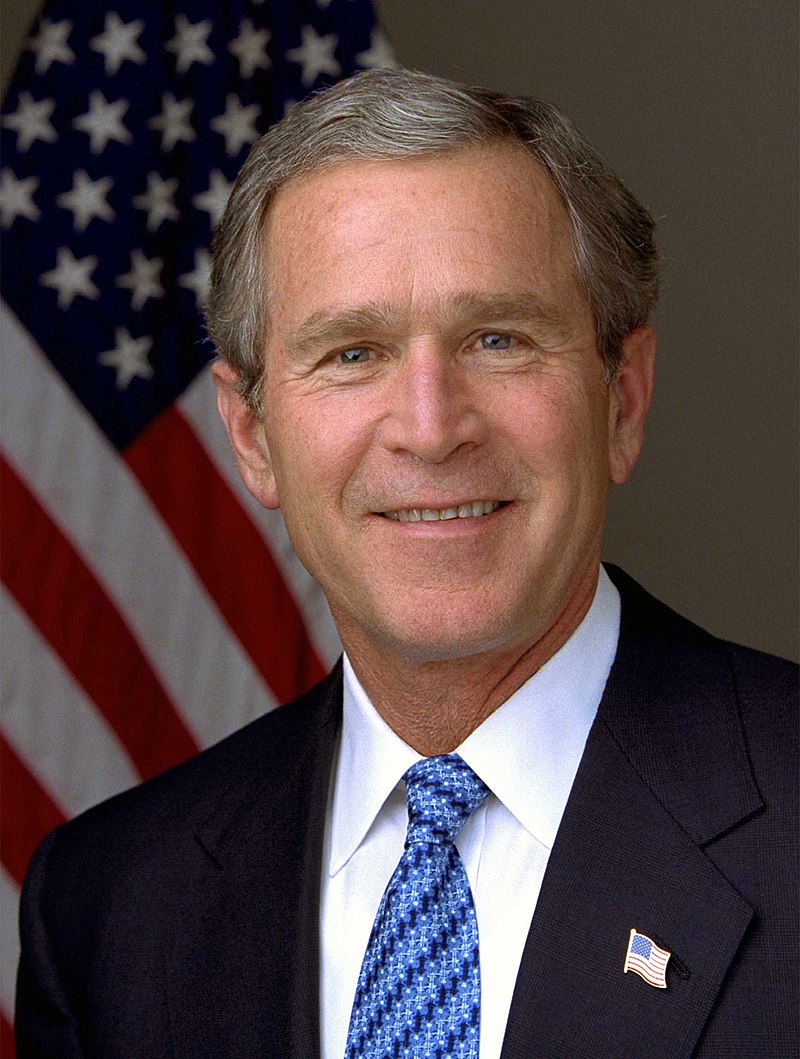
Eleanor Roosevelt will be the Minister of Foreign Affairs.
"سينساي" أول دولة في العالم تُدار بالكامل بالذكاء الاصطناعي United Arab Emirates· 2025-08-05
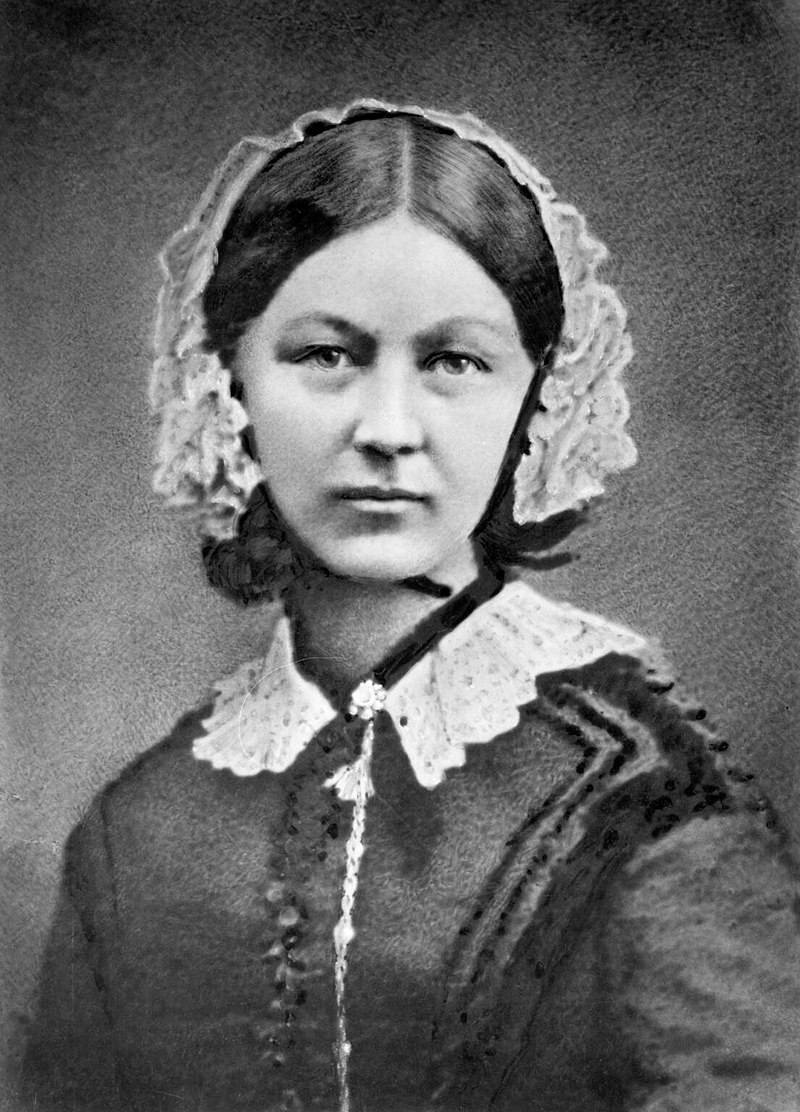

Motaung quoted former US first lady Eleanor Roosevelt: 'The future belongs to those who believe in the beauty of their dreams.'
Football’s doctor of dreams – The Mail & GuardianSouth Africa· 2025-07-19


Eleanor Roosevelt is noted for being more radical than her husband Franklin and actively confronting the powers of her time.
Oriente Occidente di Rampini | L'invenzione dei «100 giorni» di presidenza Usa ha più di 100 anniItaly· 2025-04-29
Eleanor Roosevelt is noted for her involvement in cultural projects during the New Deal.
“¿Entonces, para qué estamos luchando?” El necesario renacimiento cultural en Venezuela Venezuela· 2025-04-22

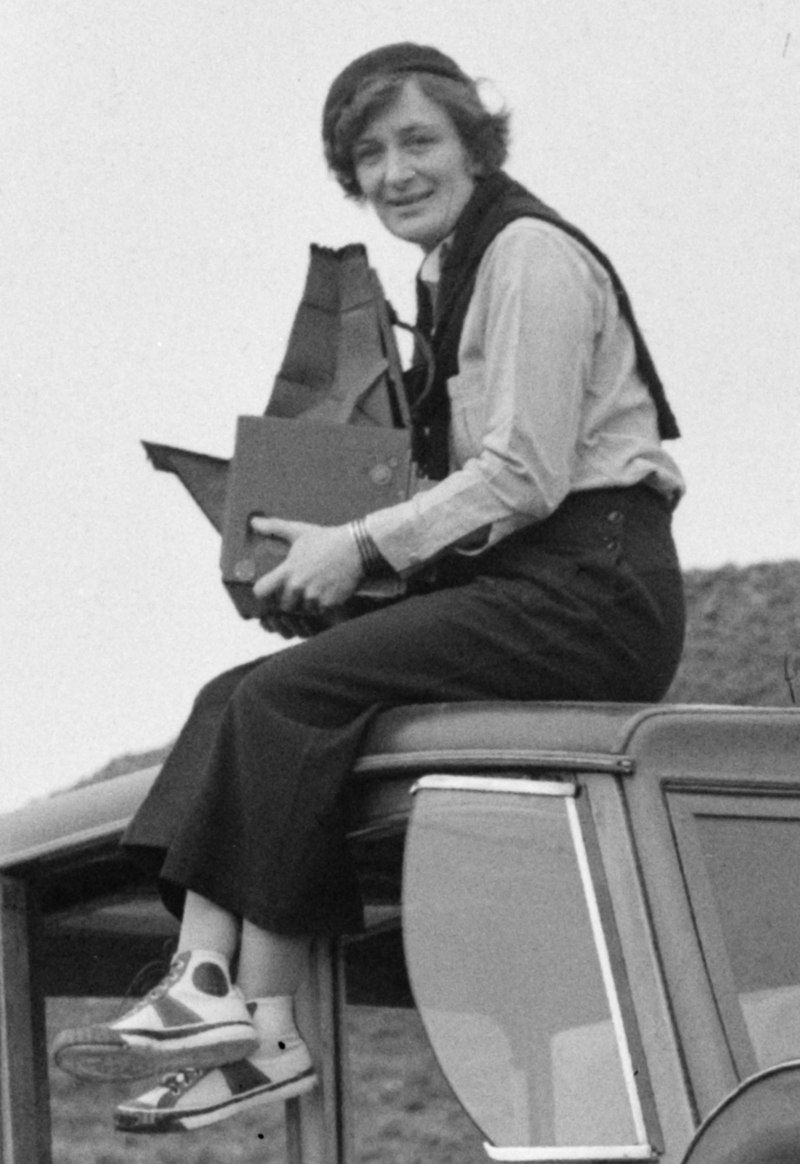
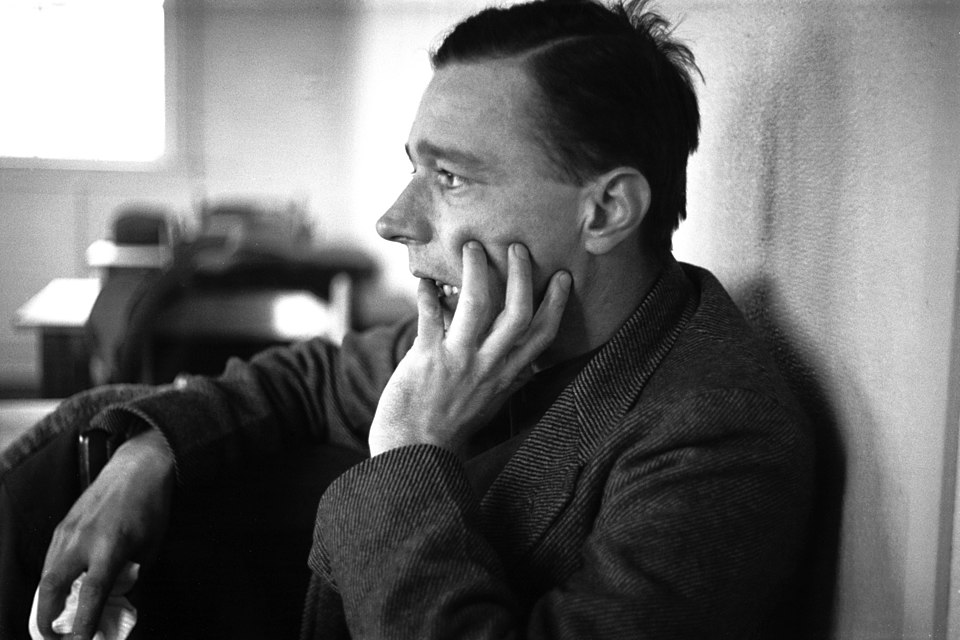
Eleanor Roosevelt's collection is one of the five documentary heritages related to gender equality recognized by UNESCO.
Relevansi Surat-surat dan Arsip Kartini Indonesia· 2025-04-20