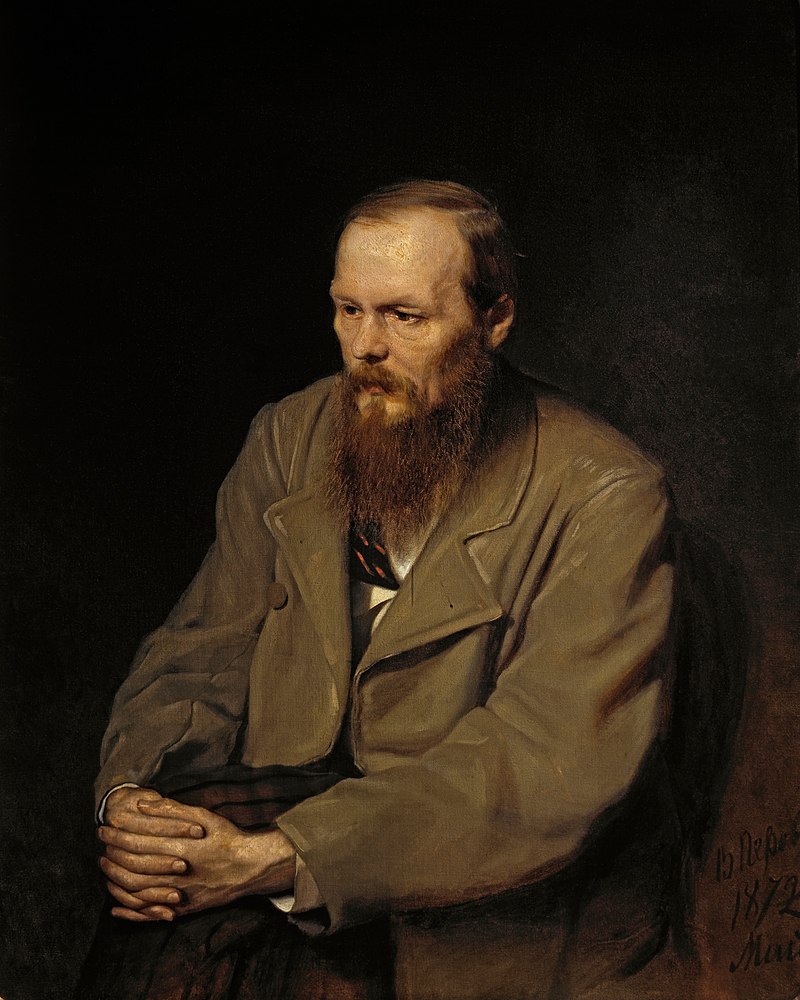
Fyodor Dostoevsky
 GermanyauthorMaleb. 18216.2Global Dominance: 0.00%
Fyodor Dostoevsky was a Russian novelist, philosopher, and essayist, born in 1821 and passing away in 1881. He is best known for his profound explorations of psychology, morality, and existentialism in works such as 'Crime and Punishment,' 'The Brothers Karamazov,' and 'Notes from Underground.' His writing delves into the depths of the human soul and the struggles of faith and doubt, often reflecting the social and political upheaval of 19th-century Russia. Dostoevsky's influence extends beyond literature, impacting philosophy, theology, and psychology, with many considering him one of the greatest writers in world literature.
Country presence
Recent news mentions
Fyodor Dostoevsky is mentioned in comparison to Orelien Telison's work, highlighting the standards of classic literature.
Τεχνητή νοημοσύνη και λογοτεχνικός κομφορμισμός Greece· 2026-09-28
Fyodor Dostoevsky is cited regarding the philosophical implications of technology and human nature.
Künstliche Intelligenz: Wenn nur noch der Bot hilft - PanoramaGermany· 2026-09-13


Fyodor Dostoevsky's Crime and Punishment is mentioned as a book being read in public.
Booktok, performance and the politics of reading South Africa· 2026-08-06






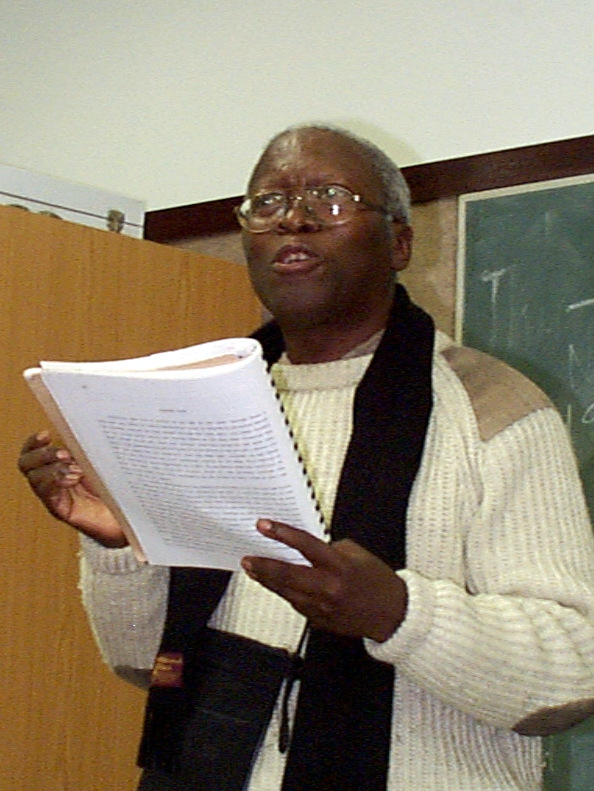
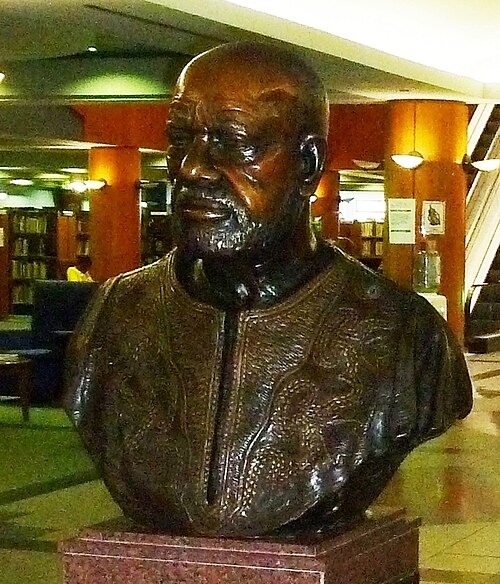
Fyodor Dostoevsky is mentioned in relation to a gravestone found in Semey, where he lived during his exile.
В центре Семея нашли надгробие, связанное с окружением Достоевского: 31 июля 06:38 Kazakhstan· 2026-07-31

Fyodor Dostoevsky was also depicted in the painting presented to Vladimir Putin.
Токаев преподнёс Путину символический подарок: Вчера 22:54Kazakhstan· 2026-07-25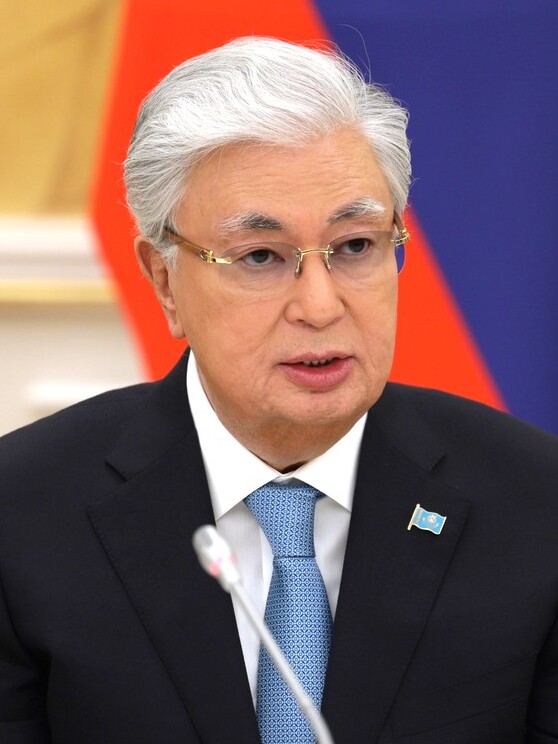
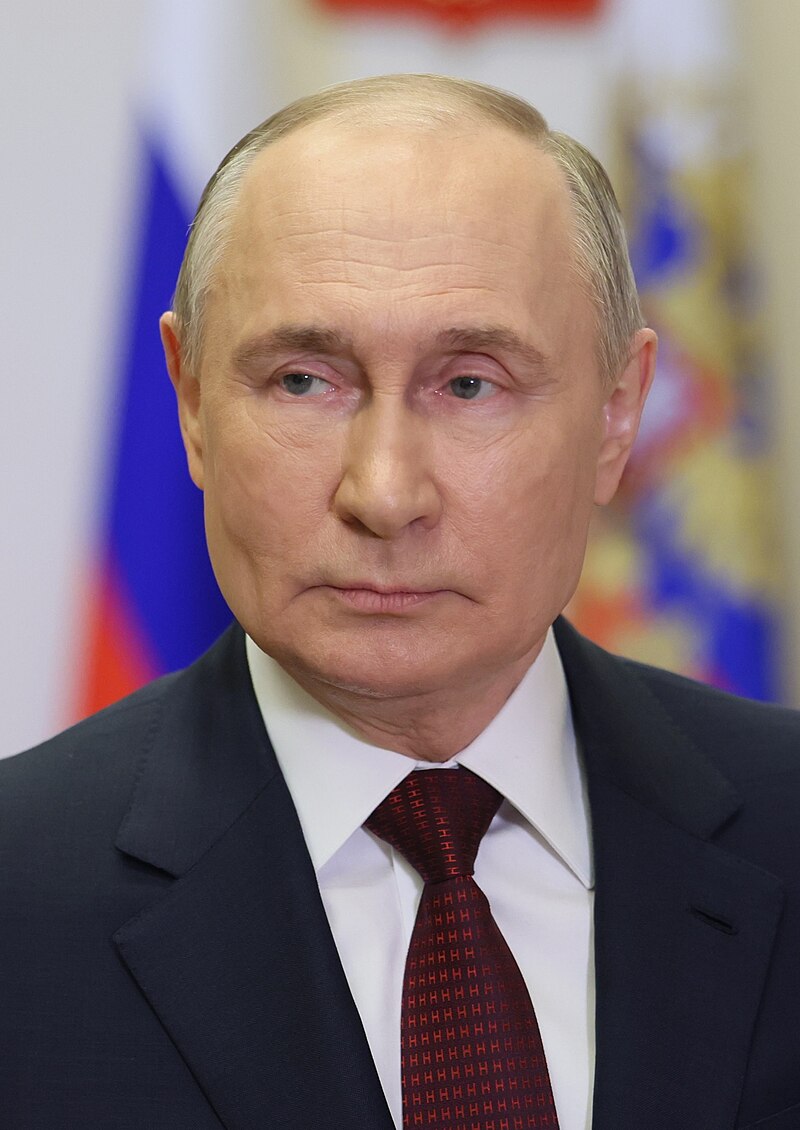

Fyodor Dostoevsky had a friendship with Ualikhanov that began in Omsk.
“Дорогой мой Валихан“. Омск, Достоевский и казахстанско-российский форум: 25 июля 07:05Kazakhstan· 2026-07-25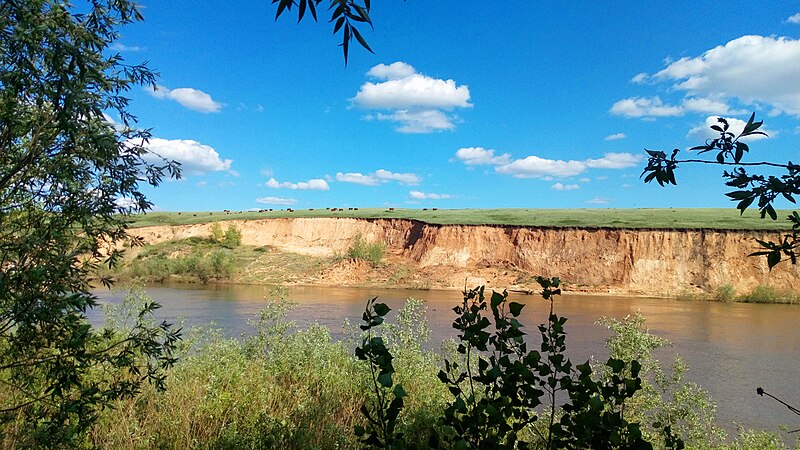
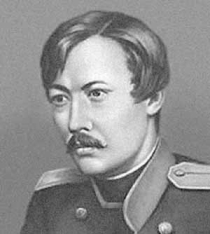

Dostoevsky's oeuvre is also suggested as a significant starting point for understanding existential psychology.
Index - Belföld - A modern ember menekül a halál gondolatától, pedig éppen ez tanít meg élni Hungary· 2026-07-13
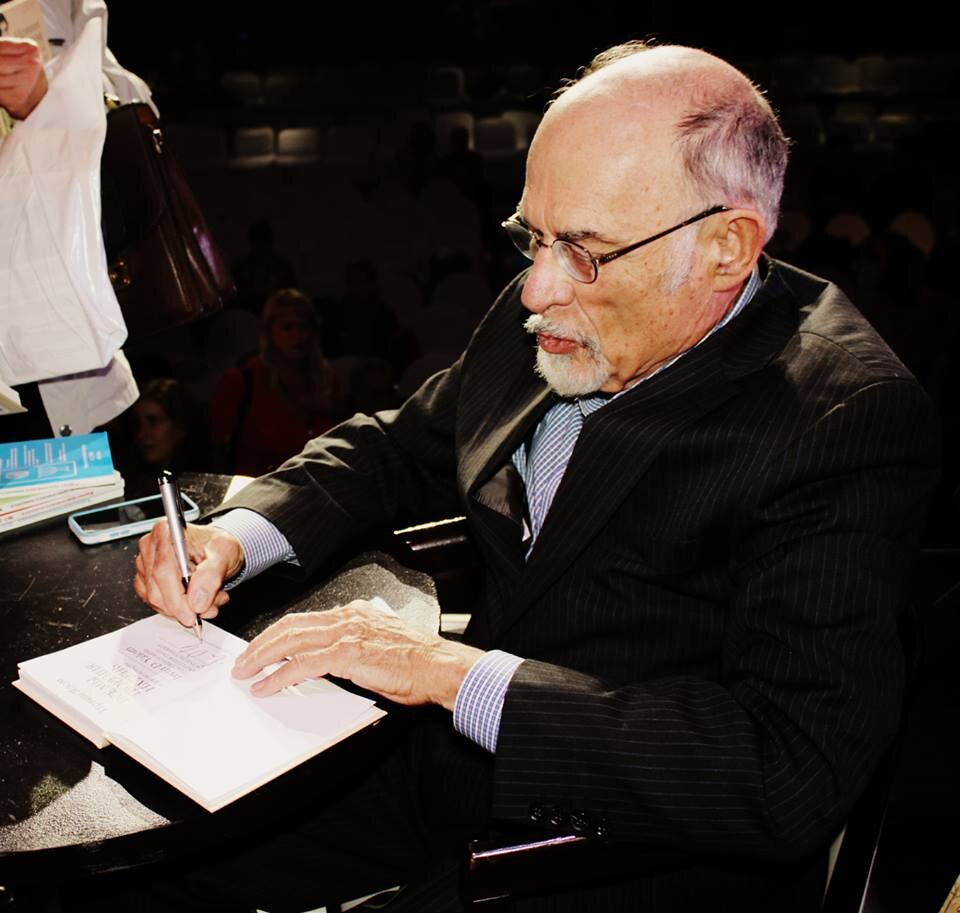

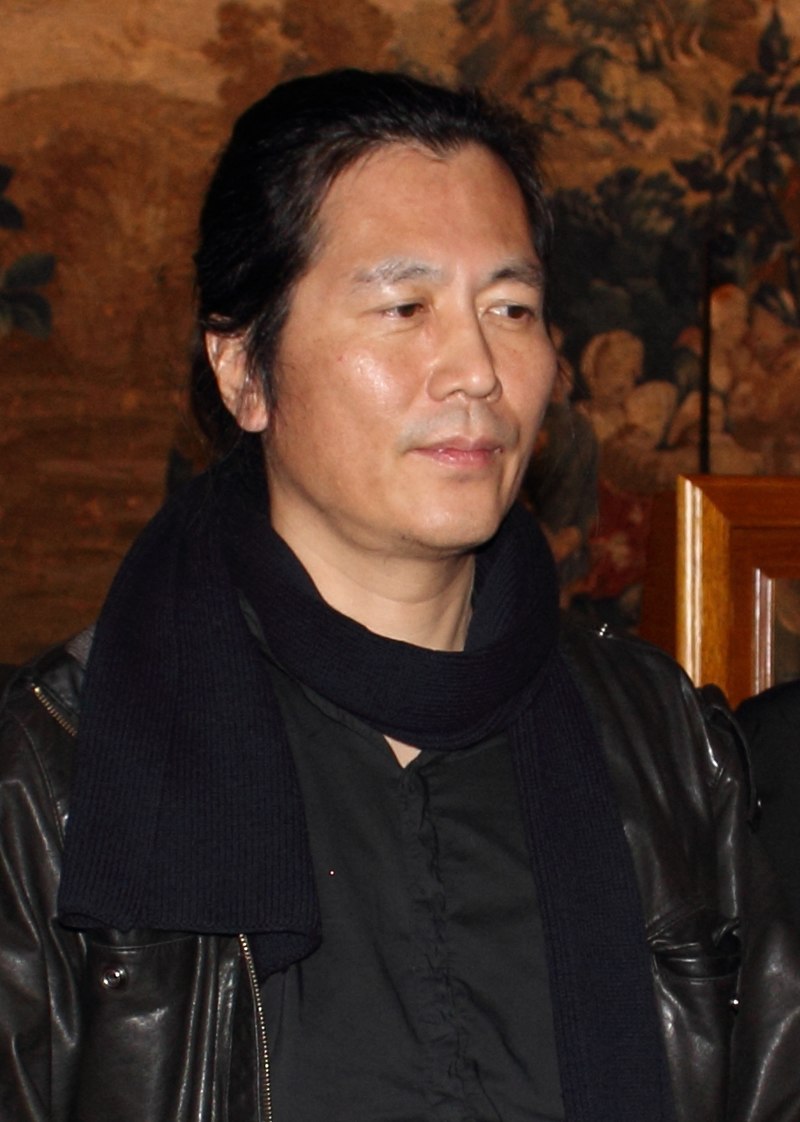
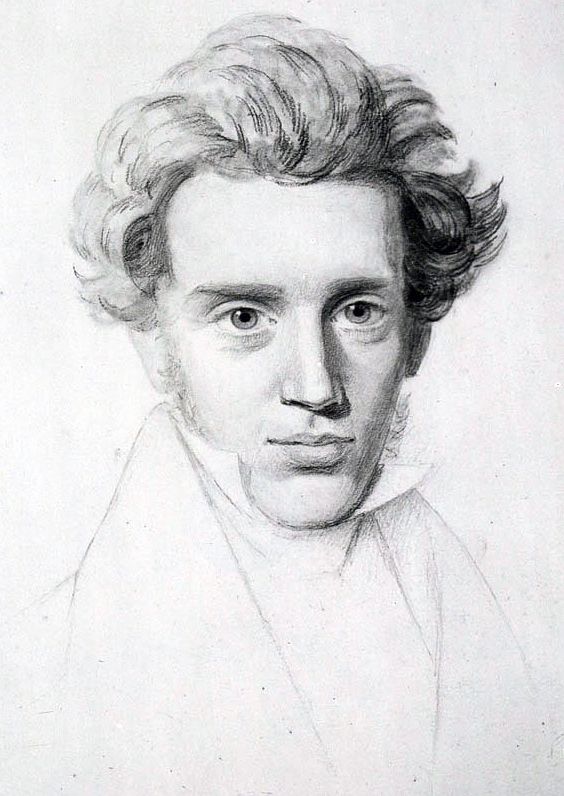
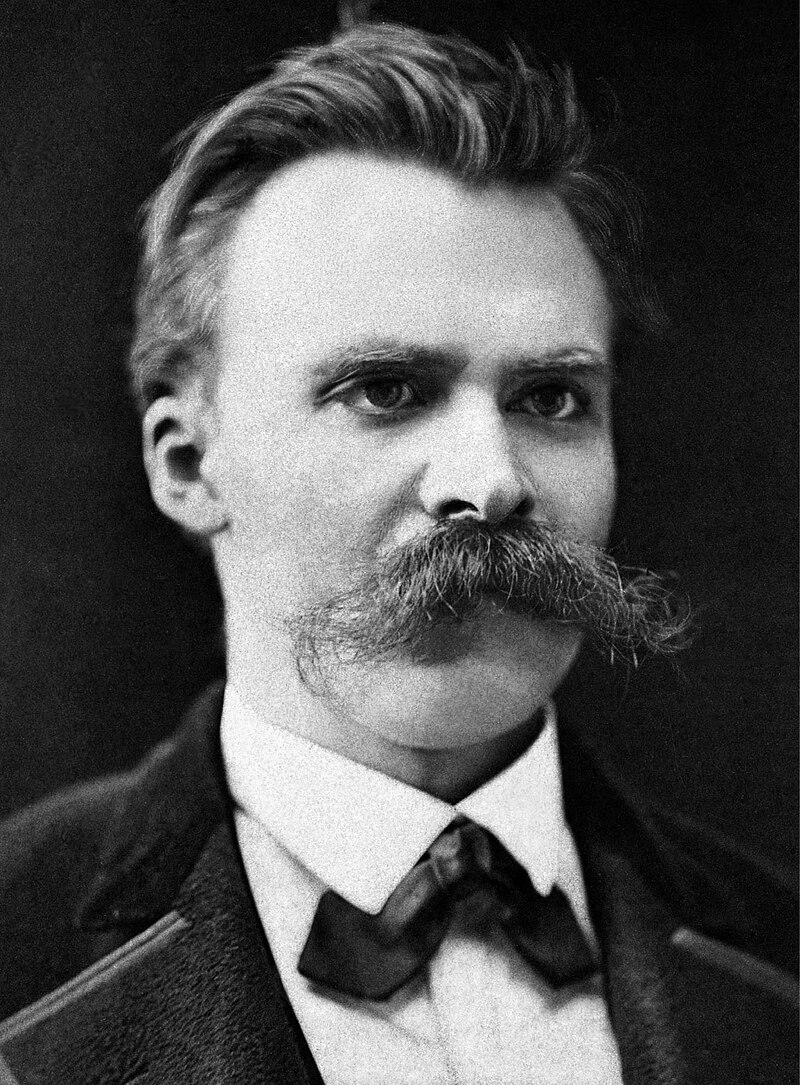
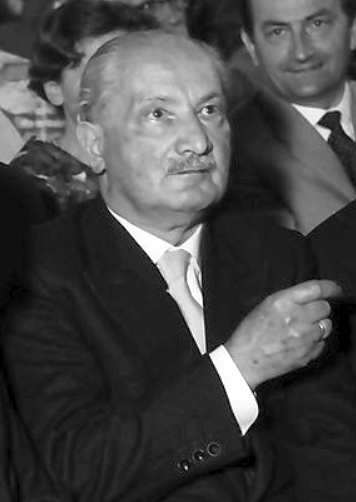
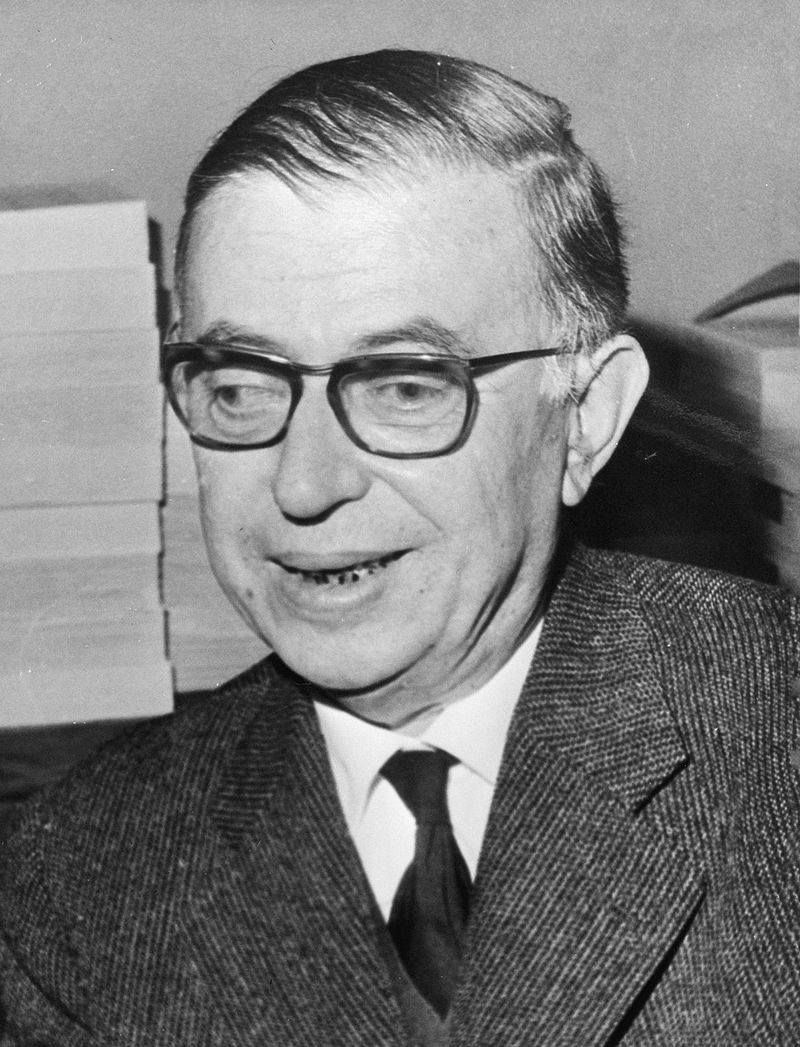
Fyodor Dostoevsky is referenced as a classic author alongside whom modern Russian literature will be integrated into the school curriculum.
в российскую школьную программу по литературе включат книги о «СВО» Belarus· 2026-07-04
Marilyn Monroe admired the works of Fyodor Dostoevsky, showcasing her passion for literature.
Blondinka, ki je ljubila Dostojevskega. Zakaj Marilyn še vedno fascinira svet? Slovenia· 2026-06-01

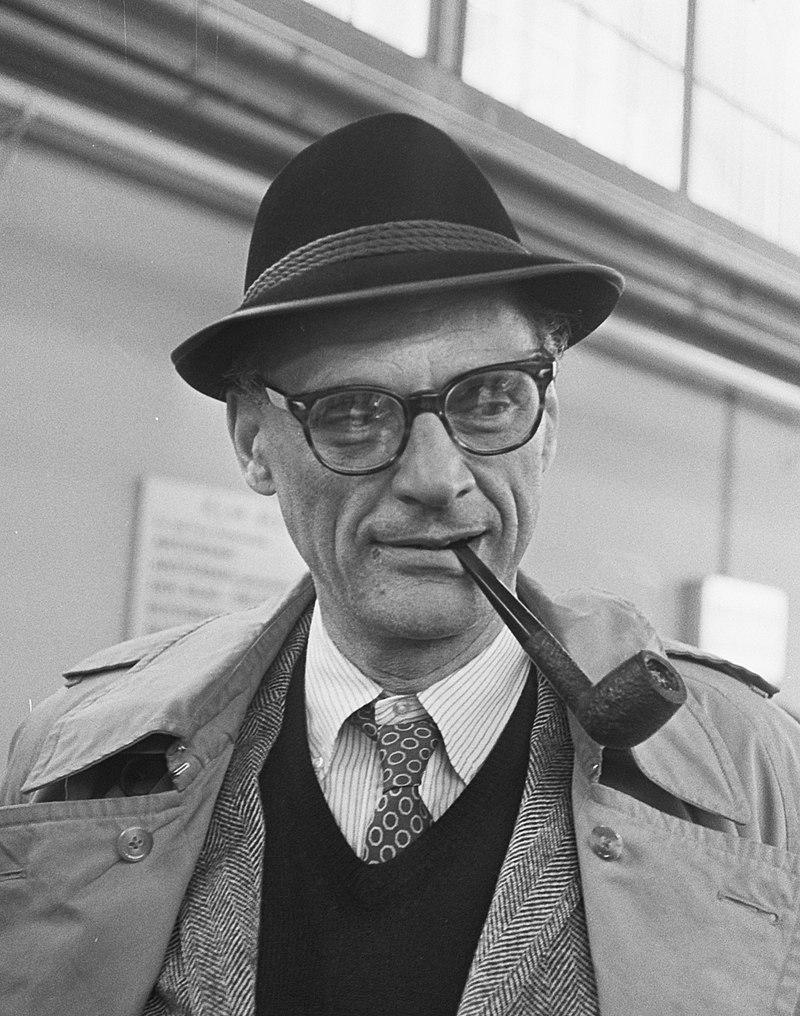
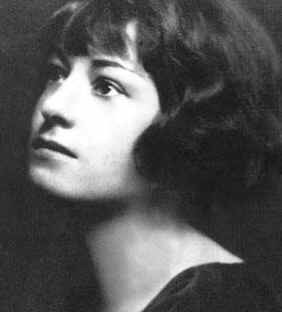
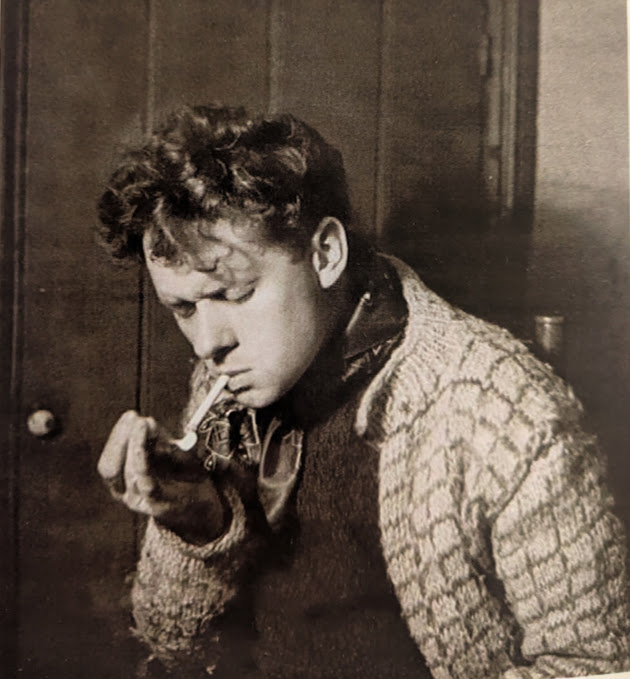
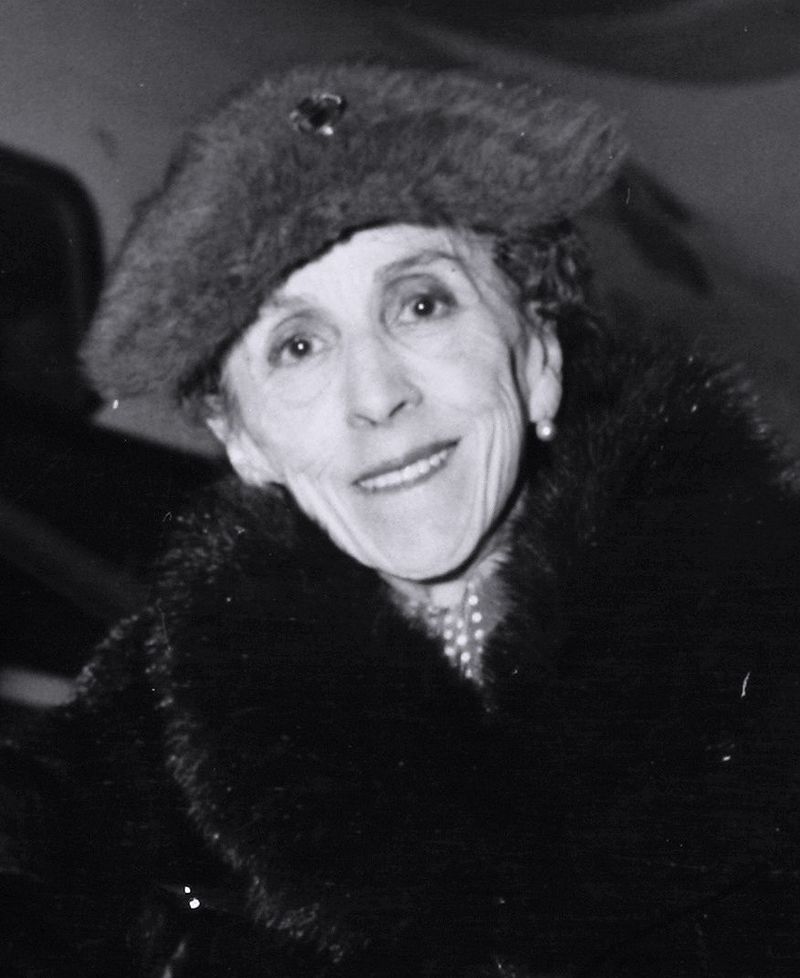
Fyodor Dostoevsky is mentioned in a creative context as a significant literary figure.
Жената на мојот живот и животот на мојата жена North Macedonia· 2026-02-07
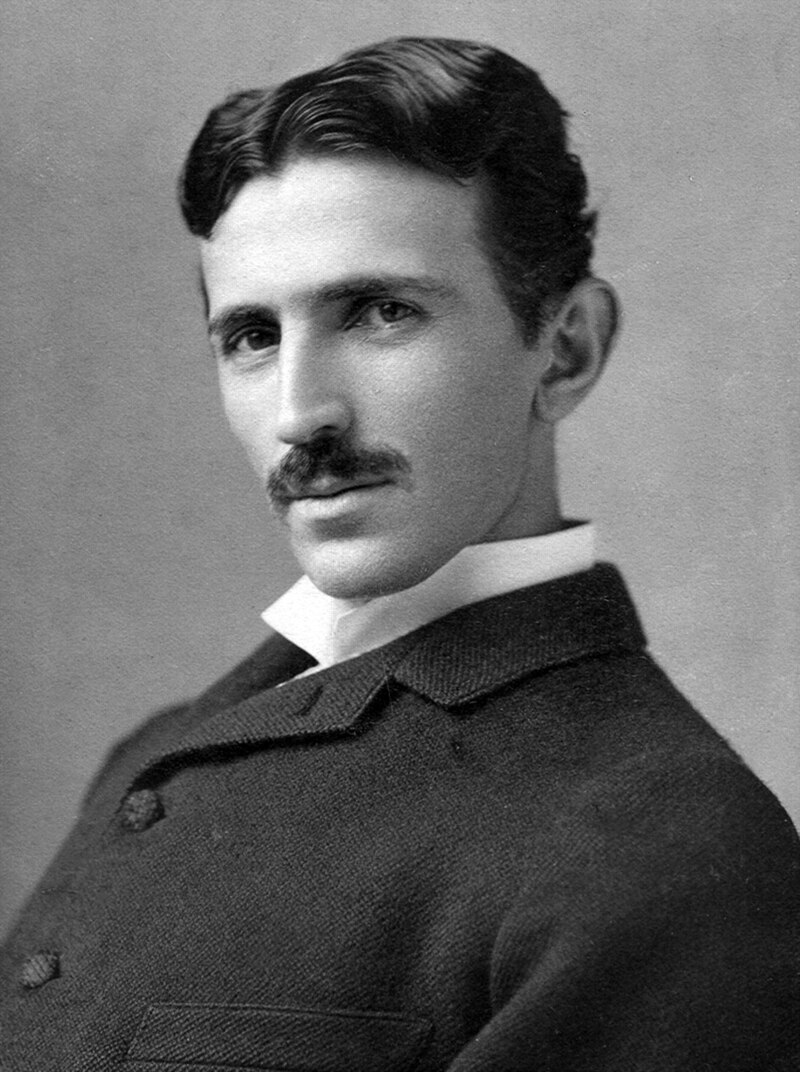
Fyodor Dostoevsky was influenced by Pushkin's work to write 'Crime and Punishment' and 'The Gambler'.
Στο κυνήγι του χρήματος | Η ΚΑΘΗΜΕΡΙΝΗGreece· 2026-02-06
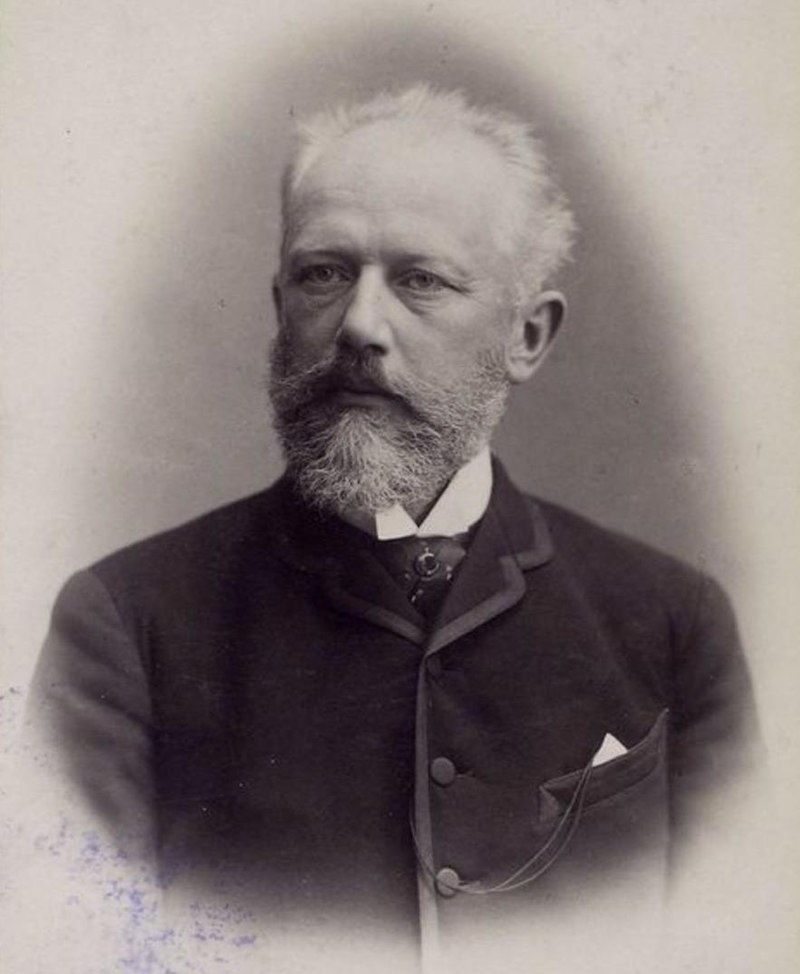


Fyodor Dostoevsky is a Russian novelist who explored the complexities of the human psyche in works such as Crime and Punishment.
Expose students to books that enhance critical thinking Kenya· 2025-12-06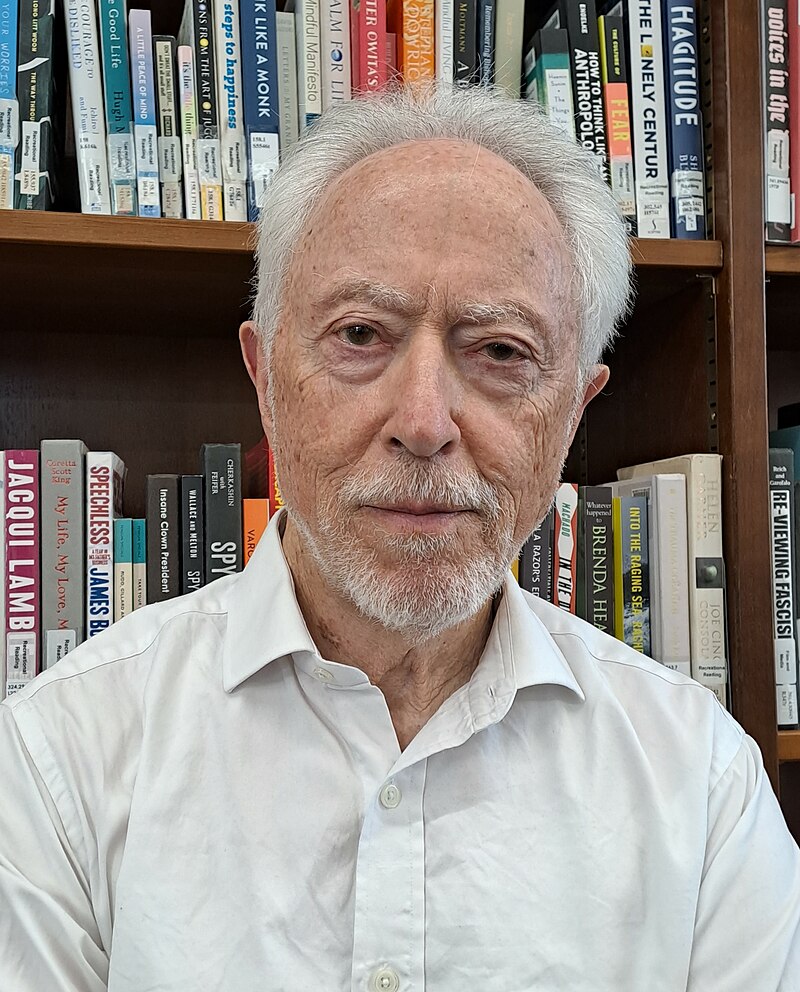
He is read and admired despite being condemned to death and exiled.
„Noi, sincer, admirăm marea cultură rusă. Problema nu este aici” – Ziarul de Gardă Moldova· 2025-11-14
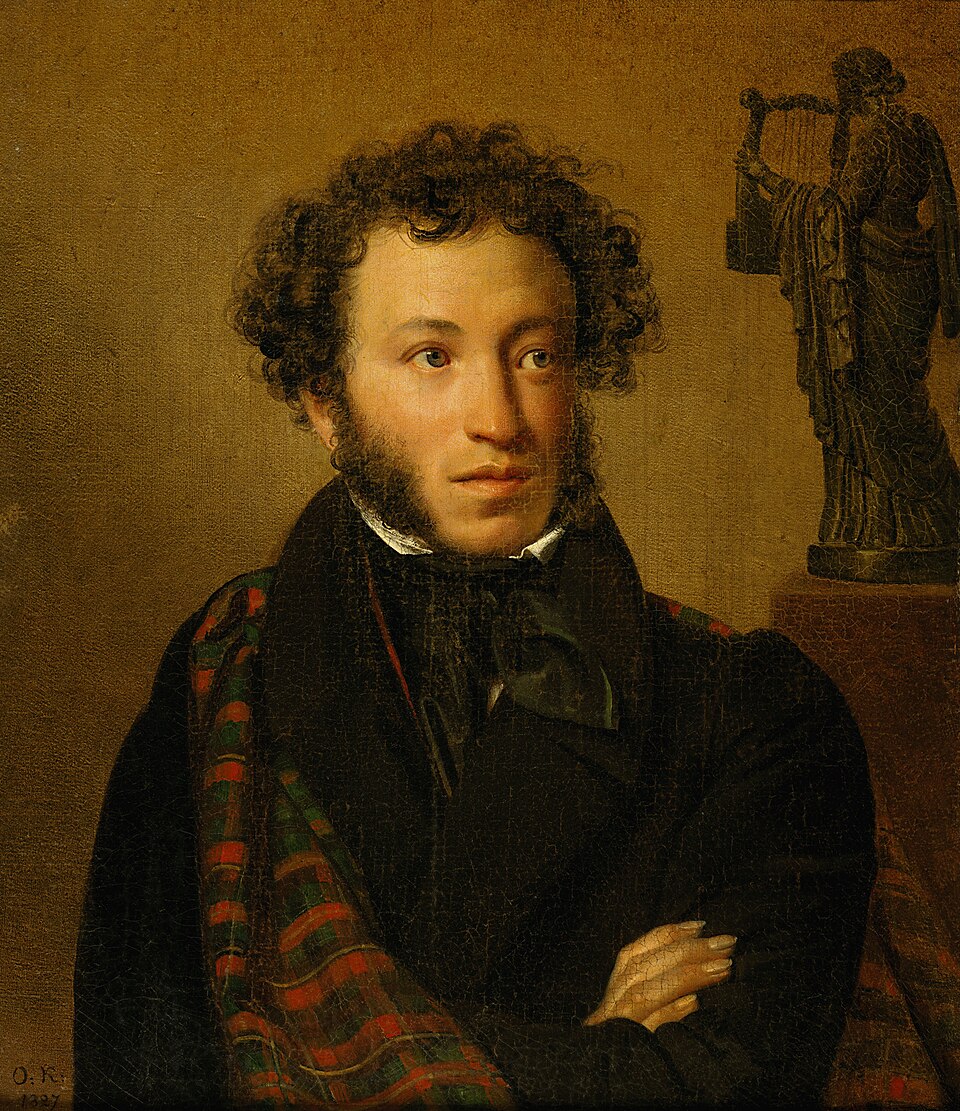
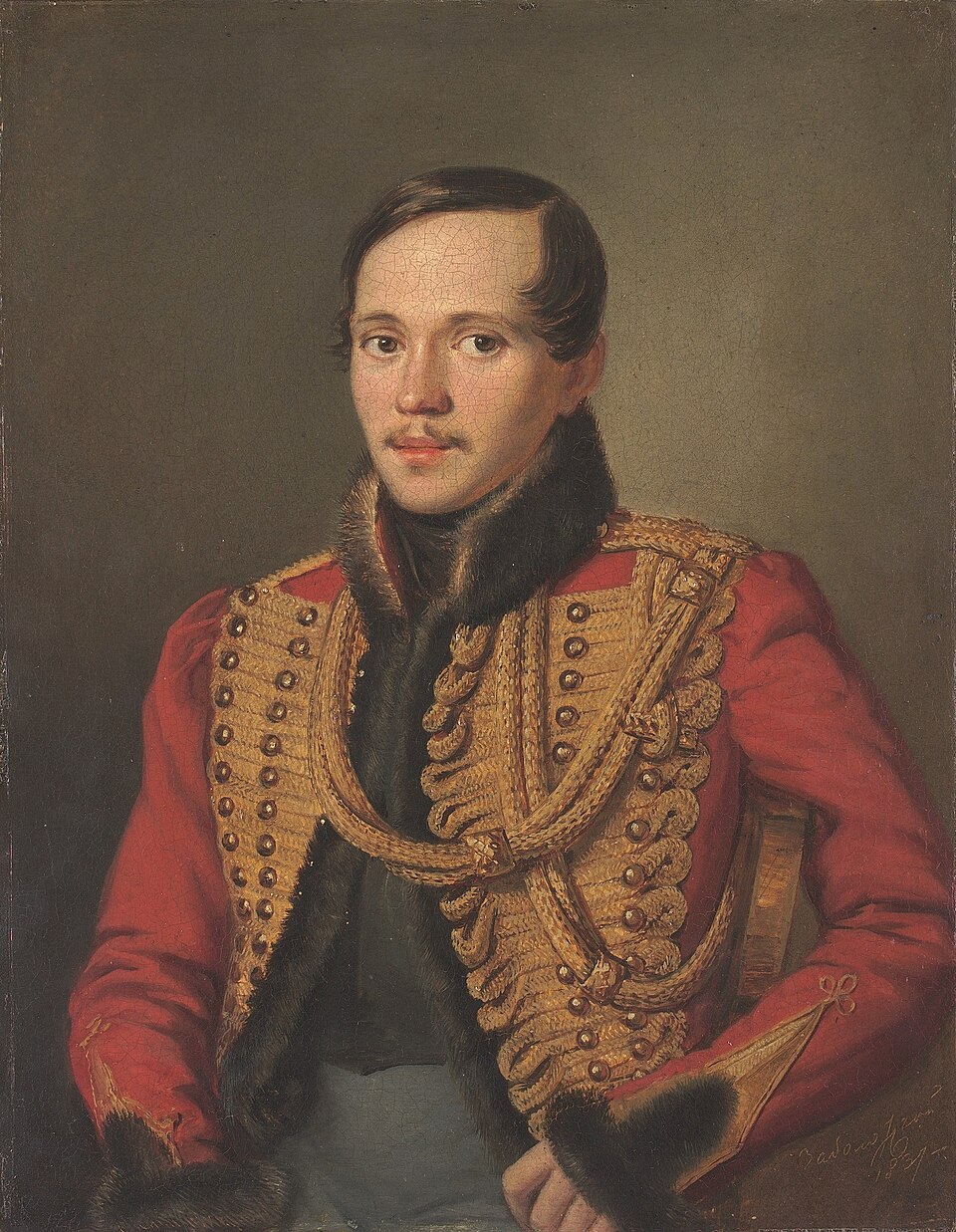
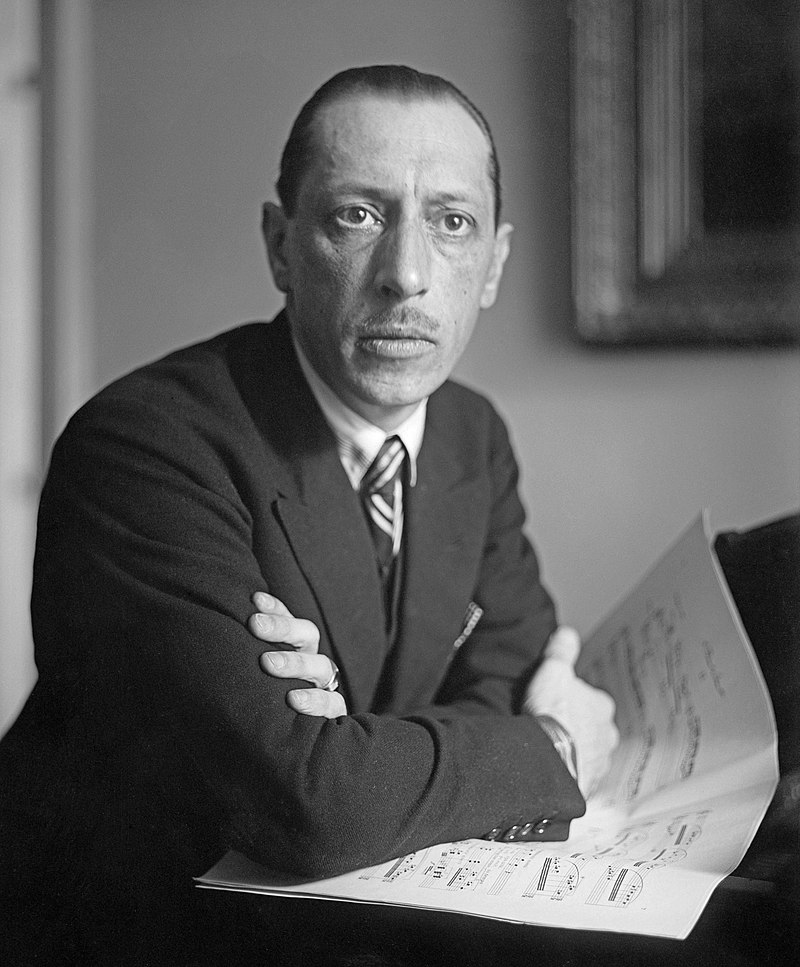
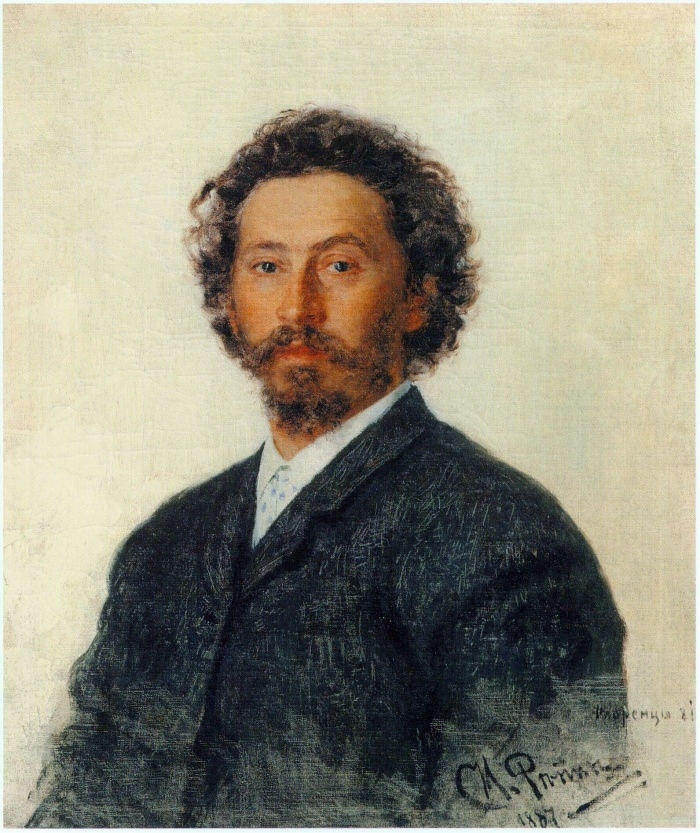
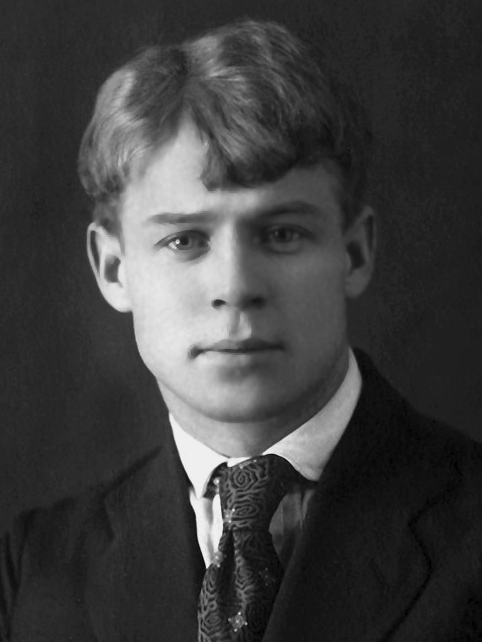
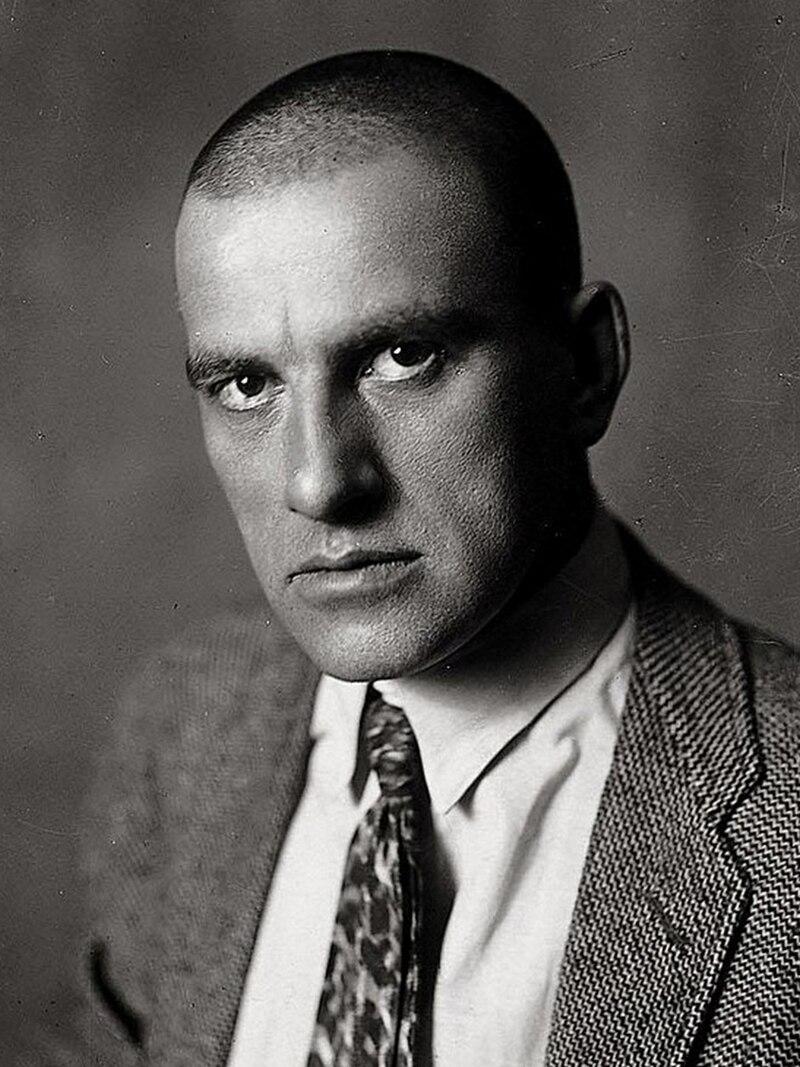
Fyodor Dostoevsky's novella White Nights sold more than 100,000 copies in the UK in 2024.
‘It’s not just a book, it’s a window to my soul’: why we’re in love with literary angst | Books United Kingdom· 2025-11-02





Cameron Winter expresses admiration for Fyodor Dostoevsky's work.
Geese frontman who has been called Gen Z’s Bob Dylan and praised by Nick Cave tells tall tales Australia· 2025-10-24



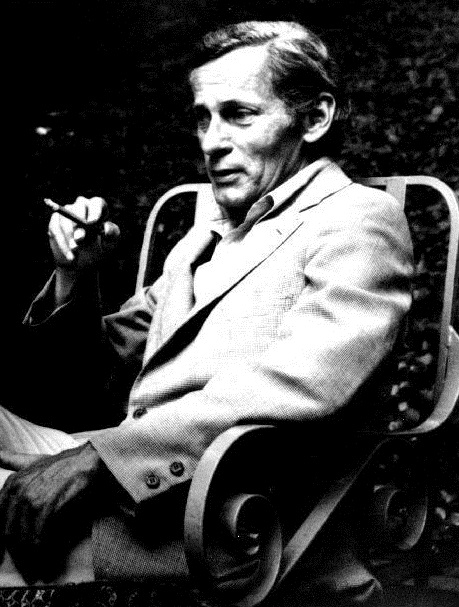
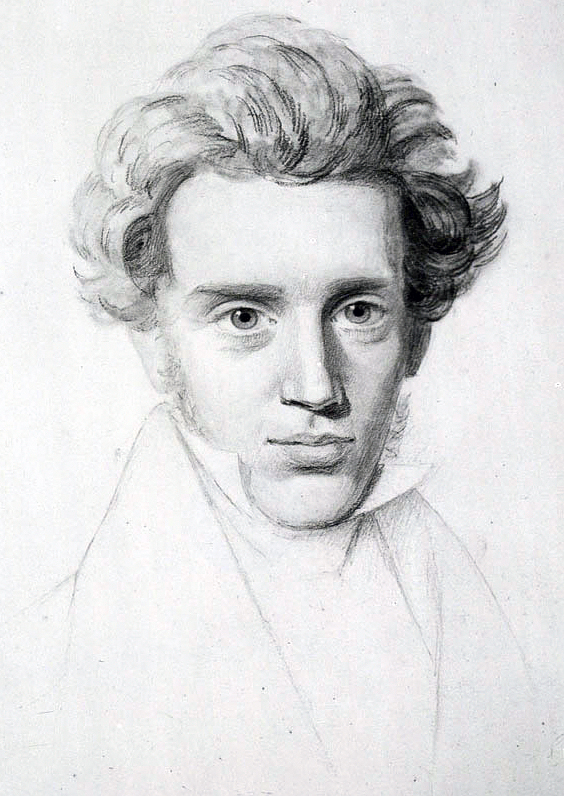
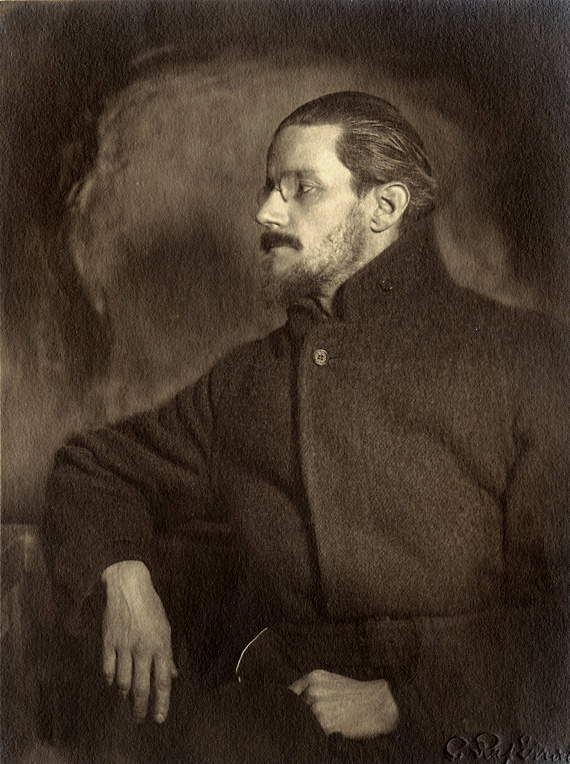

Fyodor Dostoevsky is mentioned as one of the best teachers for writing polyphonic narratives.
Sastra Penanda Zaman Indonesia· 2025-10-17




Dostoevsky is mentioned as a significant cultural figure associated with Russia.
Οταν η αρκούδα γρυλίζει | Η ΚΑΘΗΜΕΡΙΝΗGreece· 2025-10-10
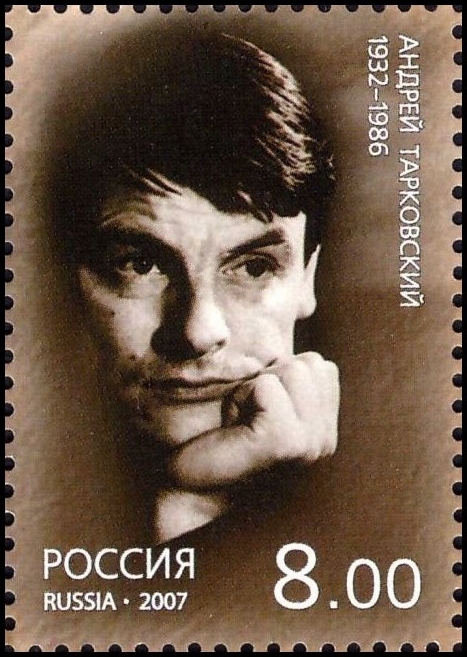
Dostoevsky is referenced in the context of similar archetypal themes in literature.
UNGARLASEST KIRJANDUSNOBELIST ⟩ Orbáni režiim on «psühhiaatriline juhtum» Estonia· 2025-10-10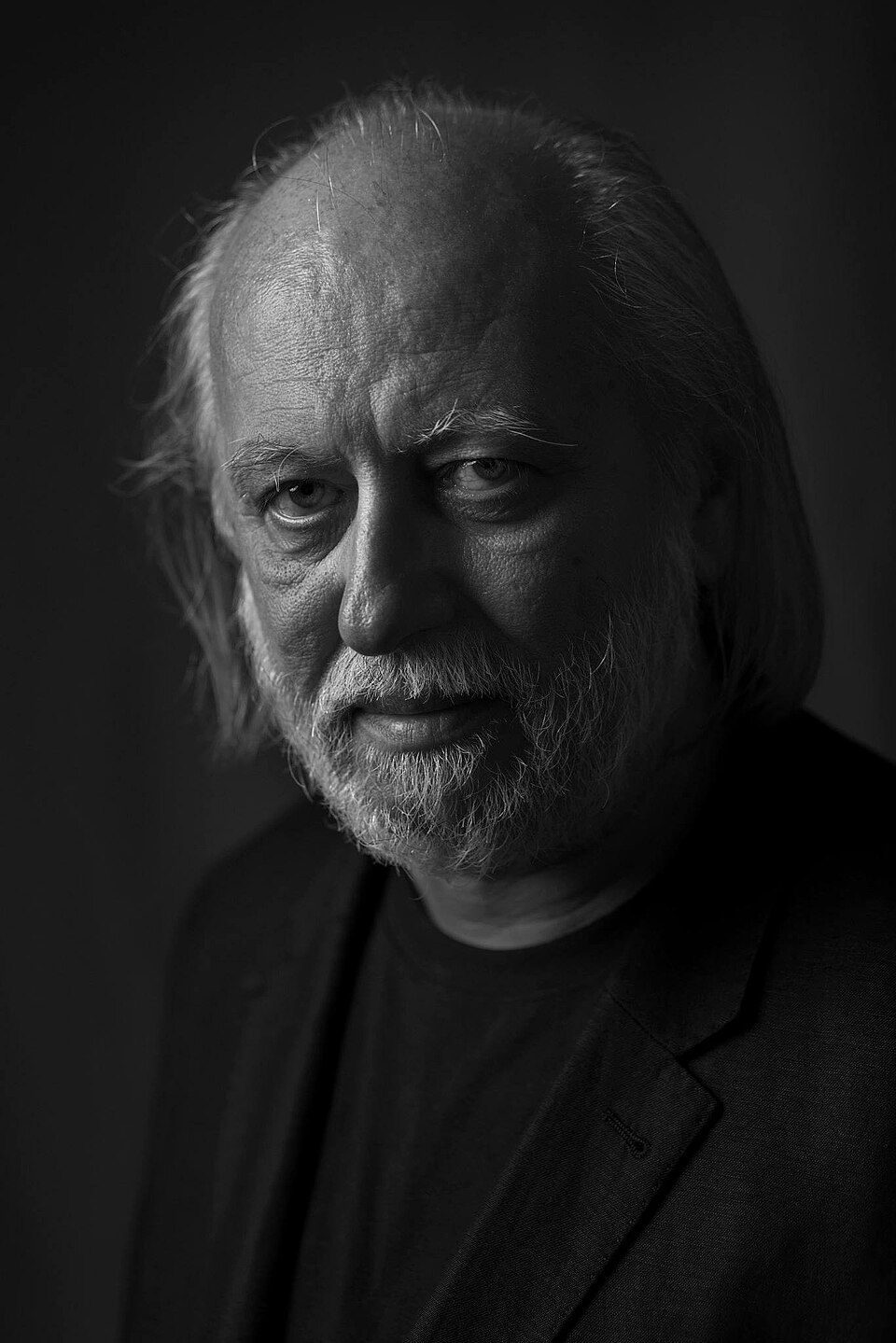

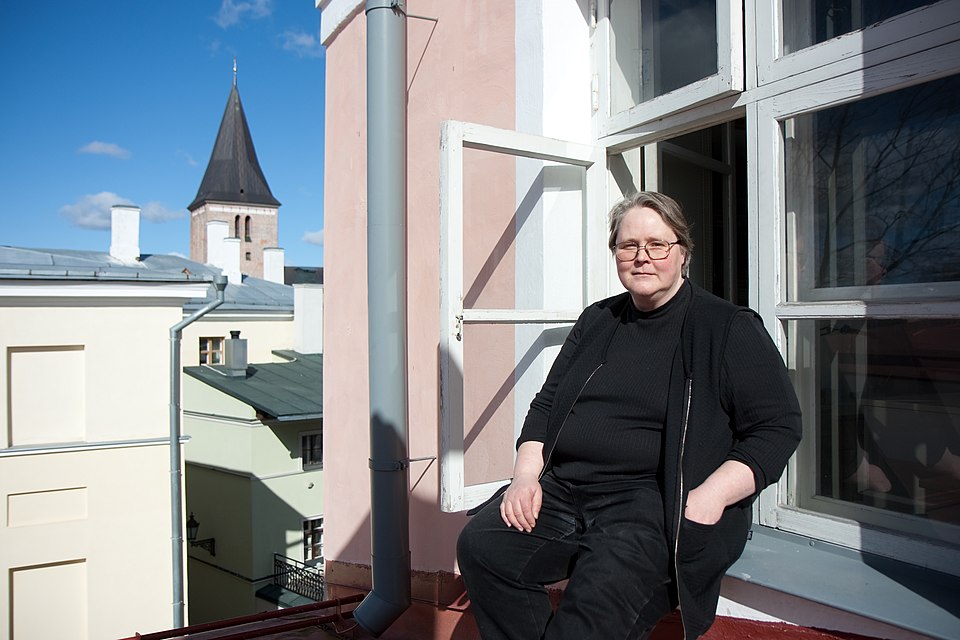
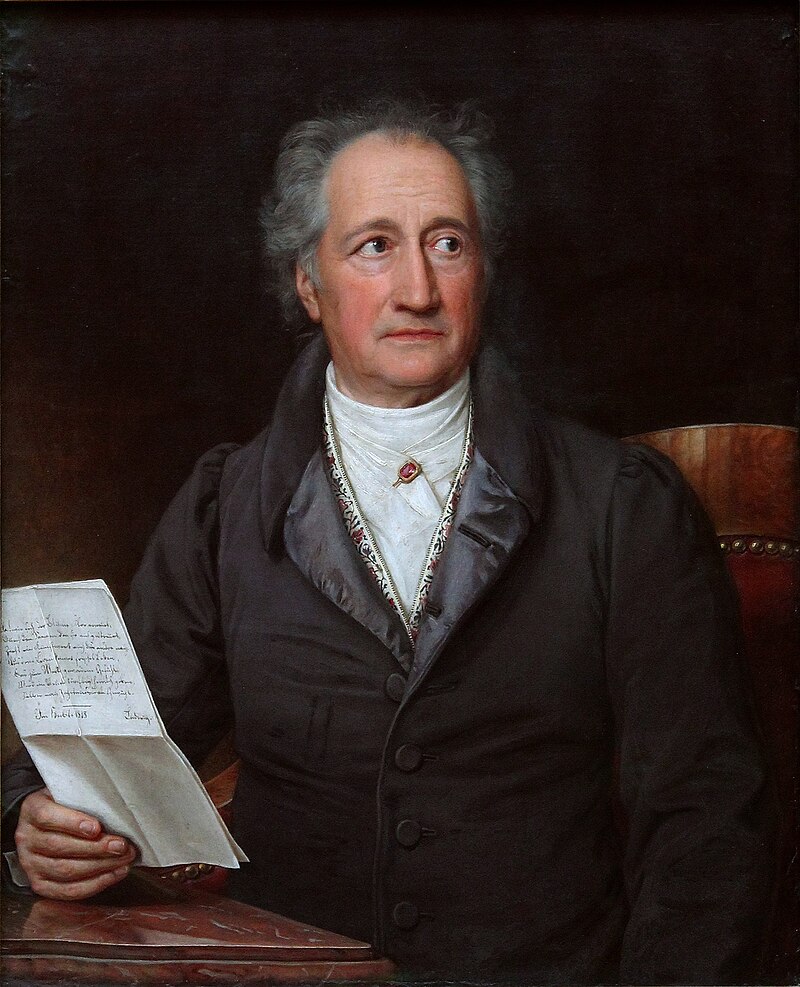
Dostoevsky is known for his complex characters and themes, many of which are influenced by Shakespeare's works.
Dostojevski je ambivalentan prema Šekspiru Montenegro· 2025-09-21
Fyodor Dostoevsky noted that without God, everything is permitted.
Vojna je iluzija zmagovalcev, mir je realnost preživetjaSlovenia· 2025-09-07

Dostoevsky believed that deep ideas are presented by ordinary life and emphasized the need for an artist's eye to perceive them.
كلاكيت: تكوّن شكل السيناريو Iraq· 2025-08-28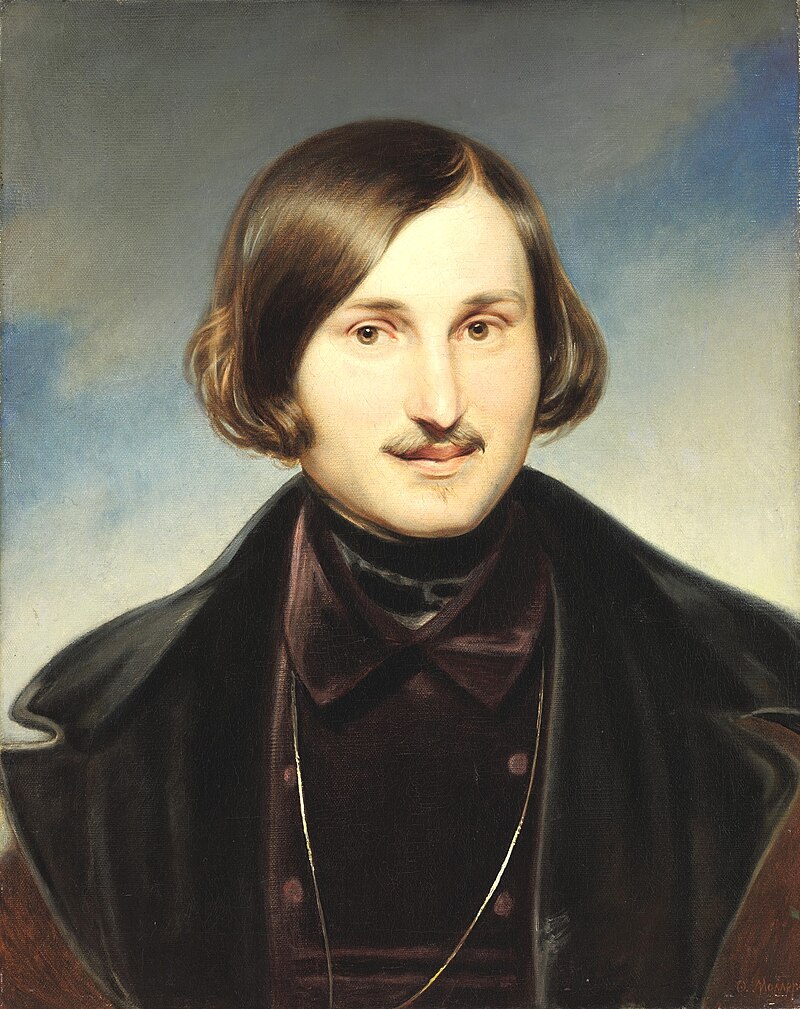

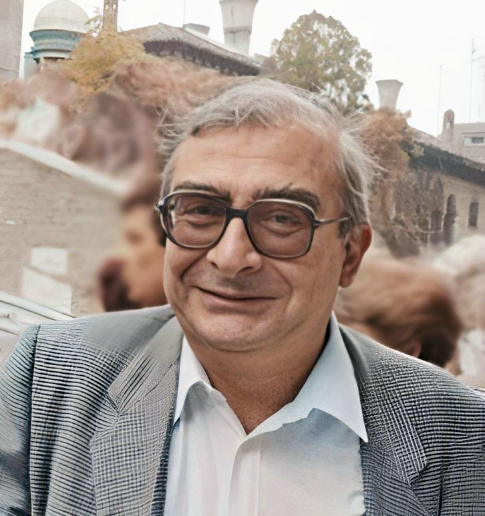


Dostoevsky is referenced in the context of the idea that beauty will save the world, which he never actually wrote.
Dante, Dostoevskij, Shakespeare dicono il contrario di quanto pensiamo | Lo dico al Corriere Italy· 2025-08-28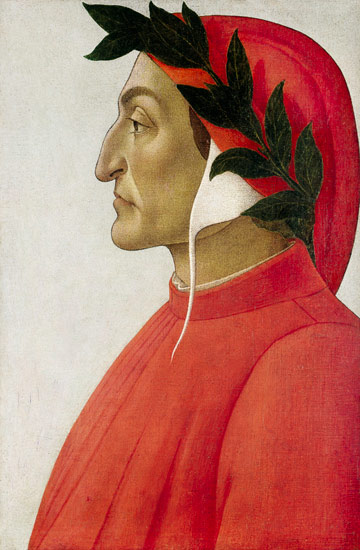
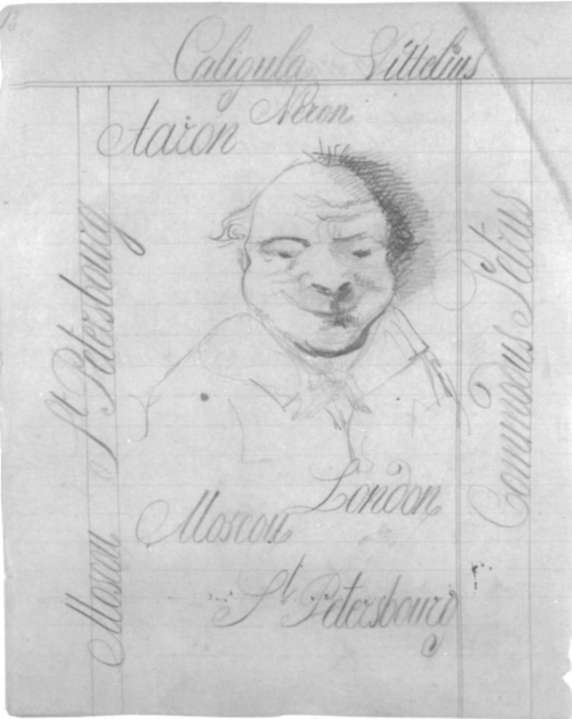
Allen noted that artificial intelligence will never be able to create works equal to those of Fyodor Dostoevsky.
Режиссер Вуди Аллен принял участие в Московской неделе кино, где восхищался Россией и ДостоевскимBelarus· 2025-08-25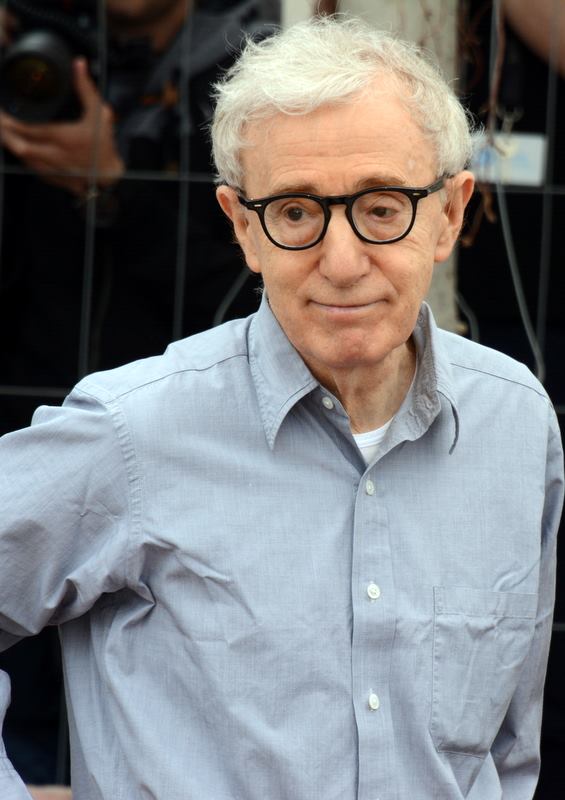
Fyodor Dostoevsky said, 'Beauty will save the world.'
Το ελληνικό καλοκαίρι εκδικείται | Η ΚΑΘΗΜΕΡΙΝΗGreece· 2025-08-18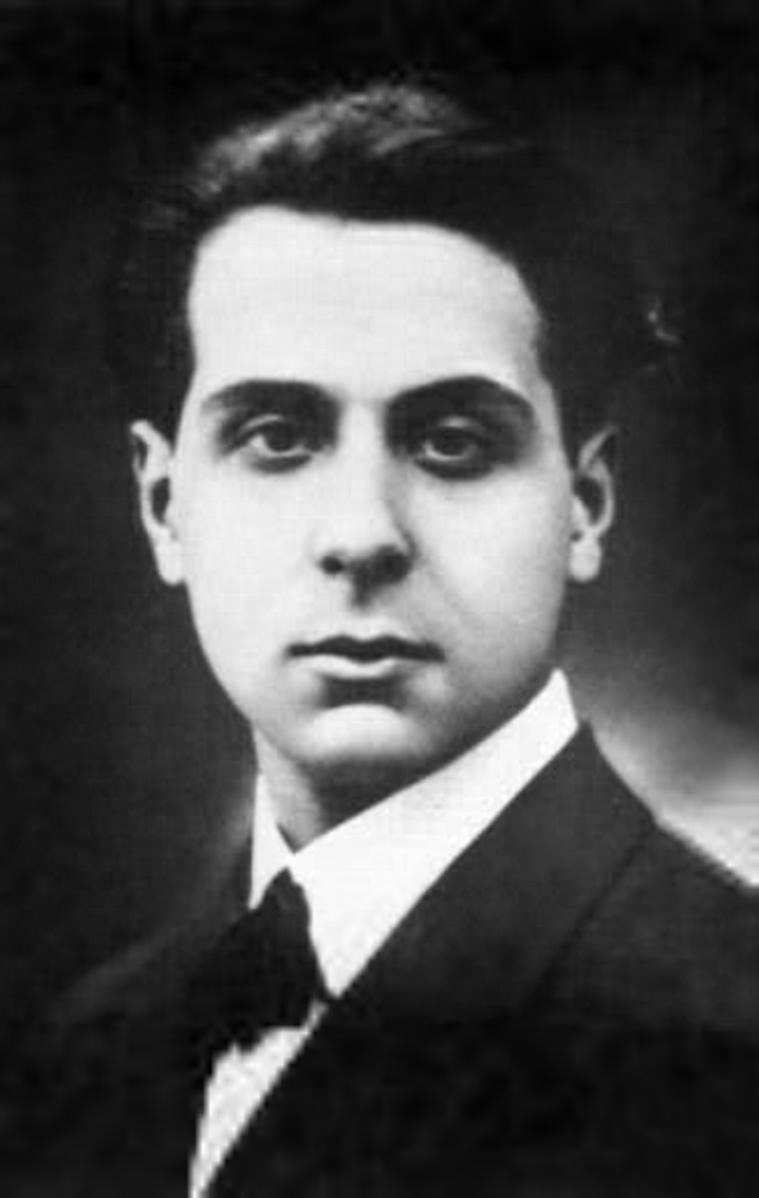
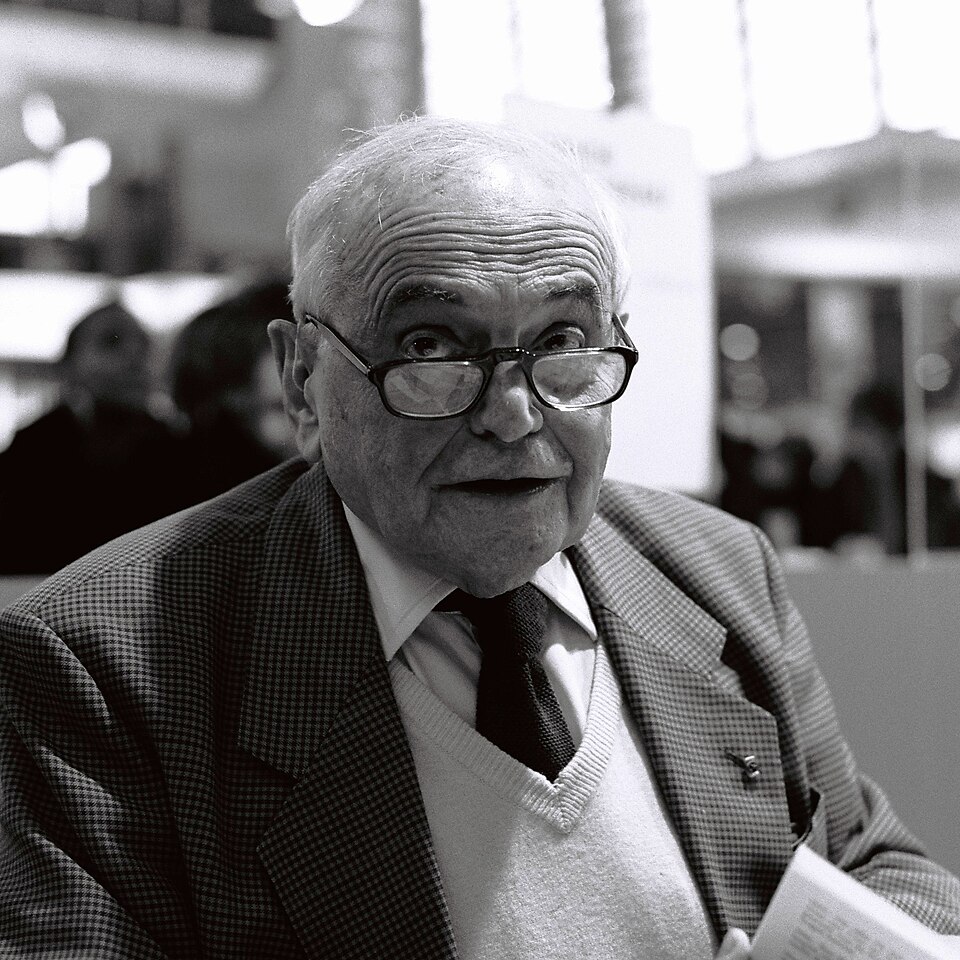
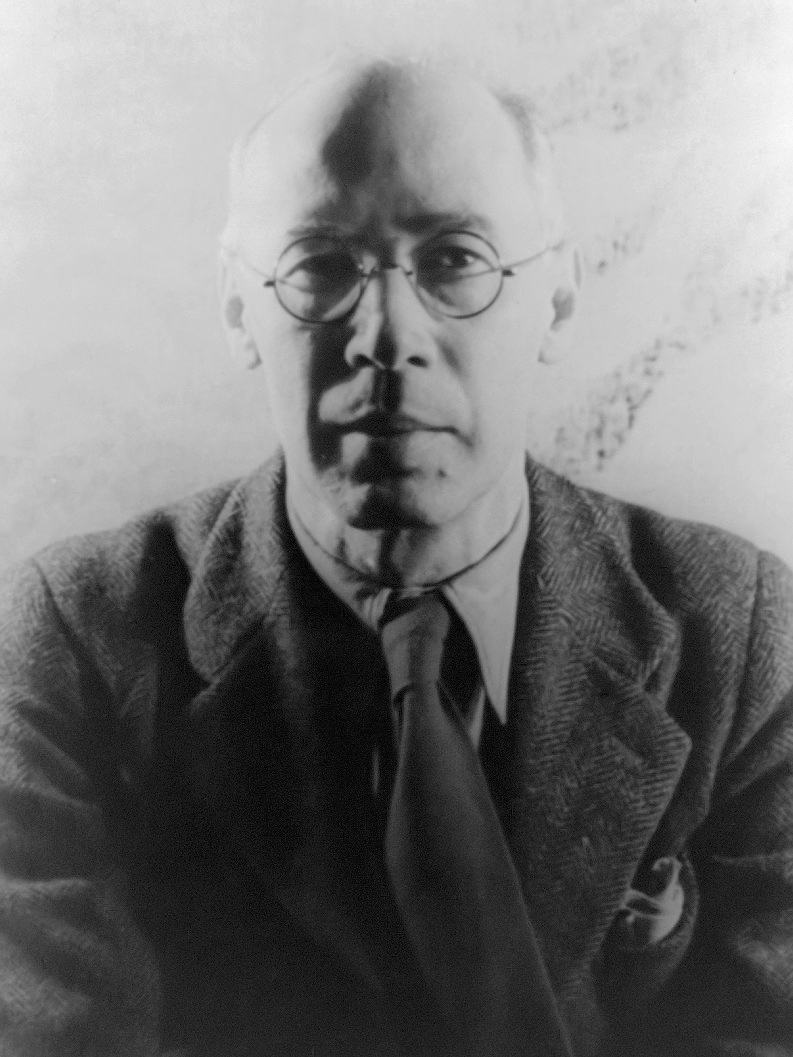
Dostoevsky is frequently mentioned alongside Tolstoy in classic literature discussions.
قناديل: سرّ القراءة الأولىIraq· 2025-08-03
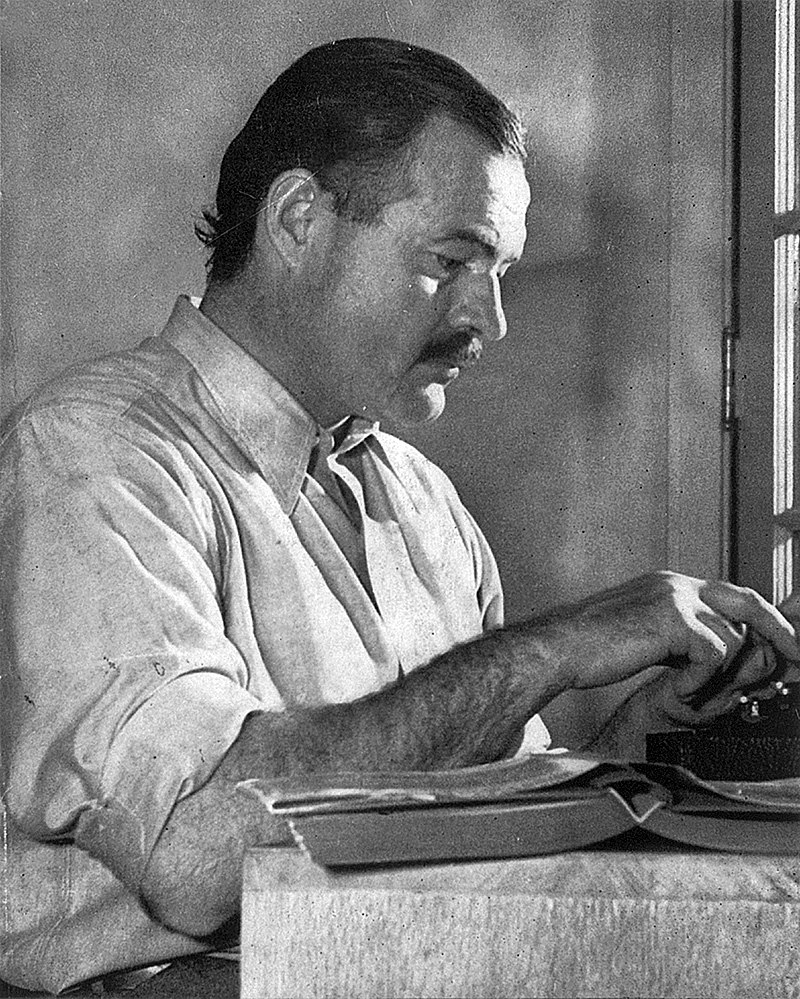
Fyodor Dostoevsky stated that foolishness is a universal phenomenon.
Sigmund Frojd u jednoj rečenici objasnio kako prepoznati glupe ljude Serbia· 2025-07-30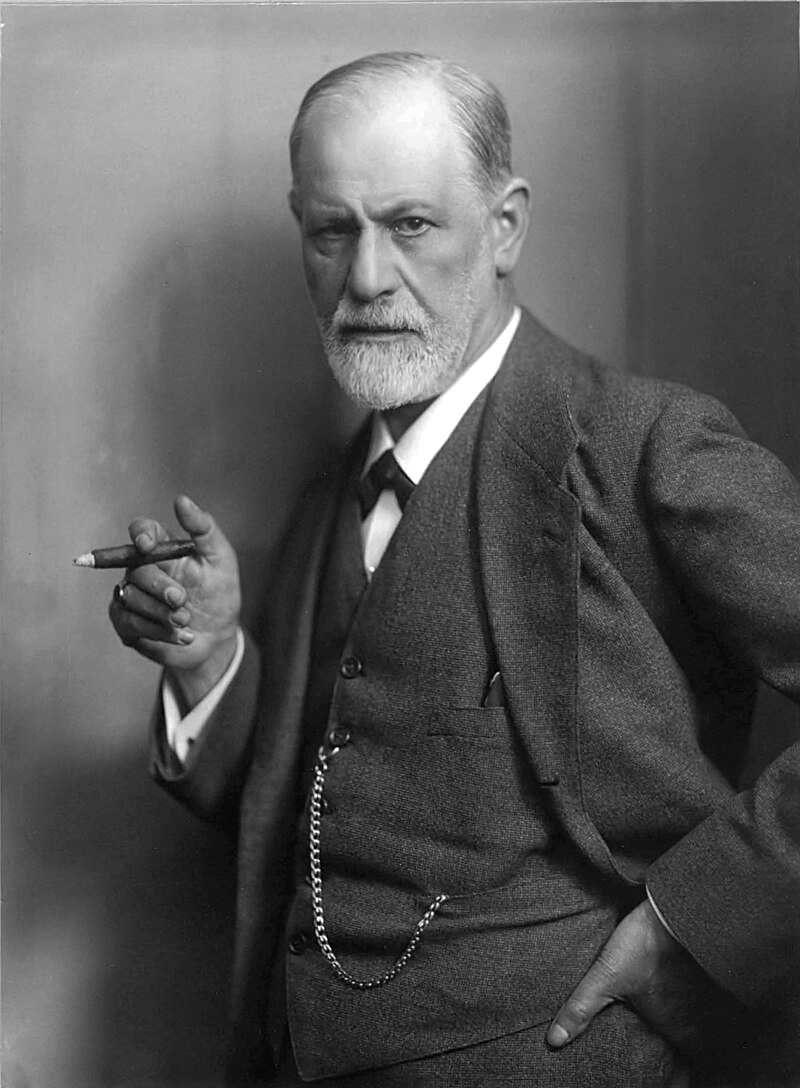
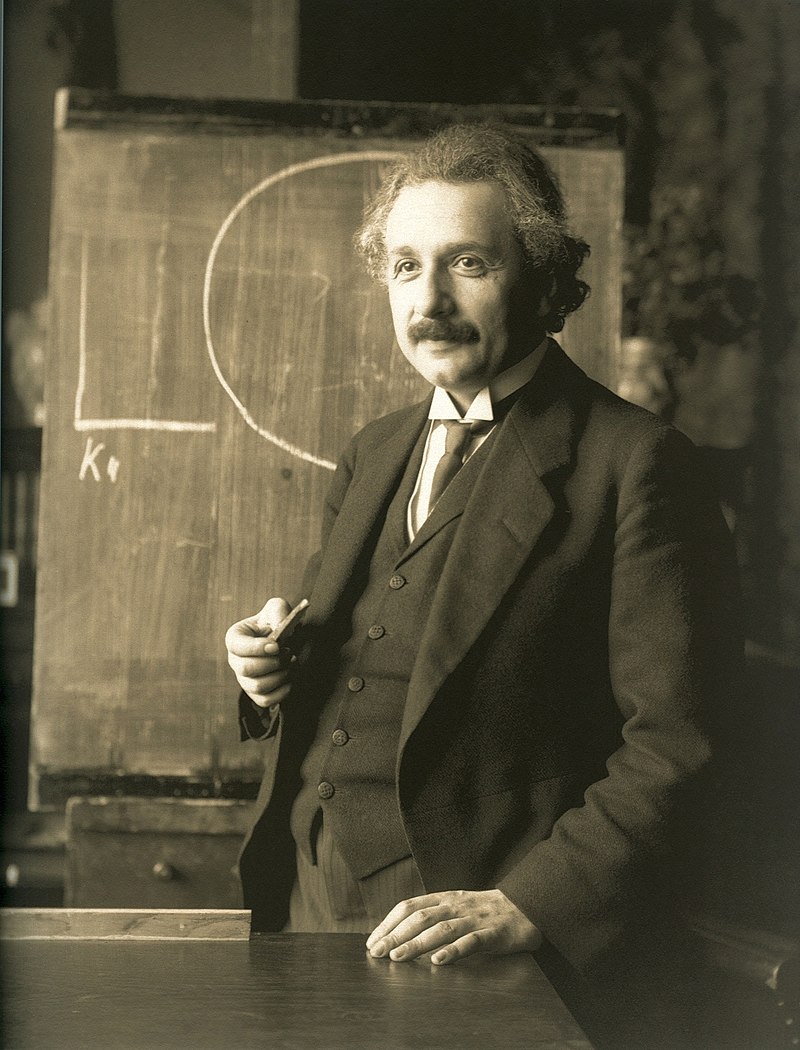
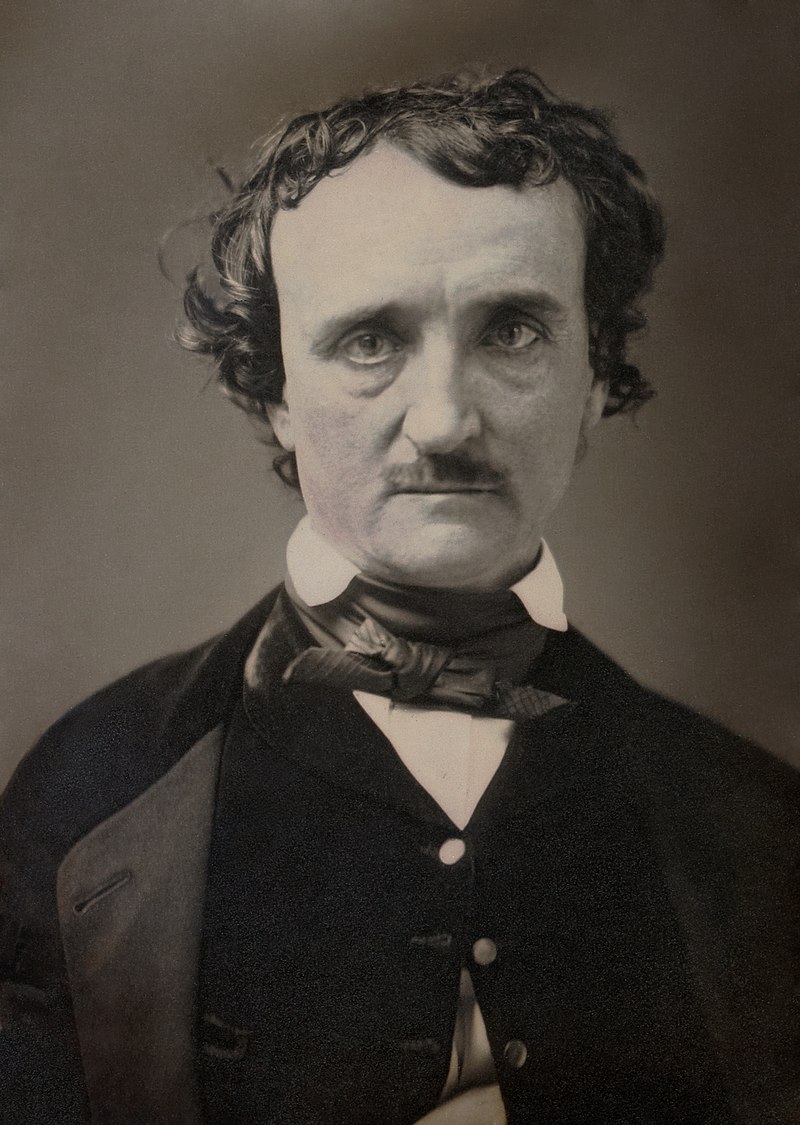
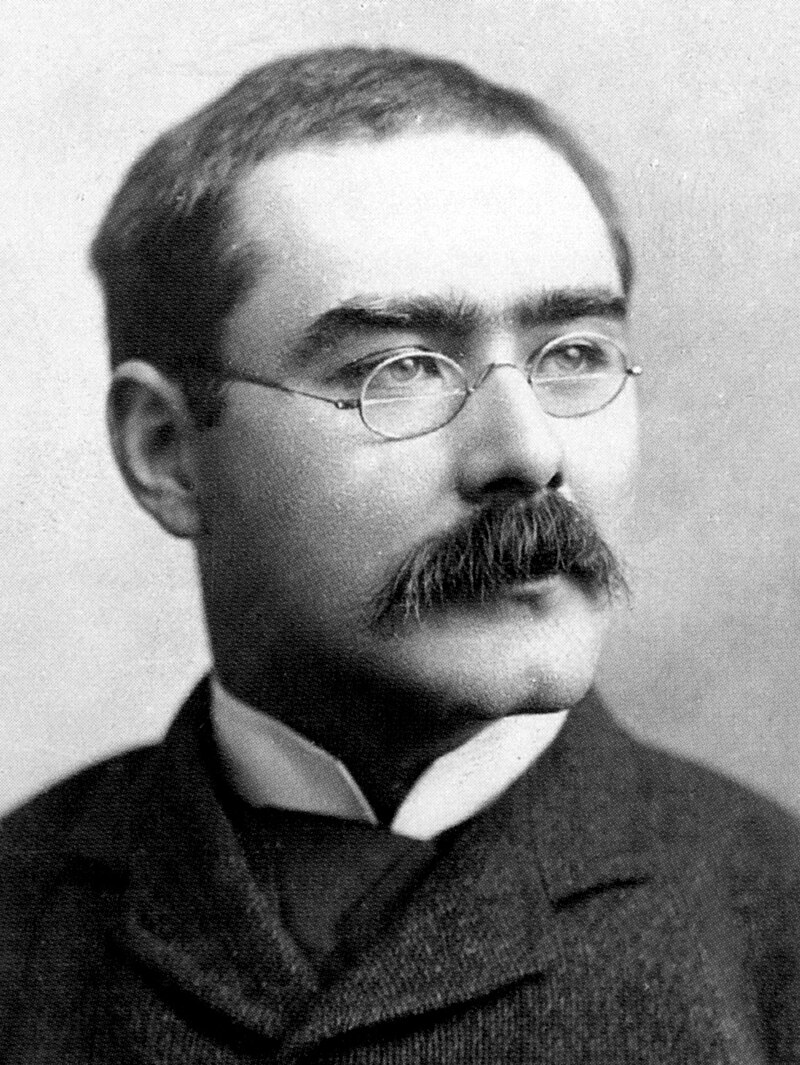

Dostoevsky is mentioned as part of the literary realism that characterized the belle époque in Europe.
La tensión perpetua entre Rusia y Europa (II) Panama· 2025-07-21
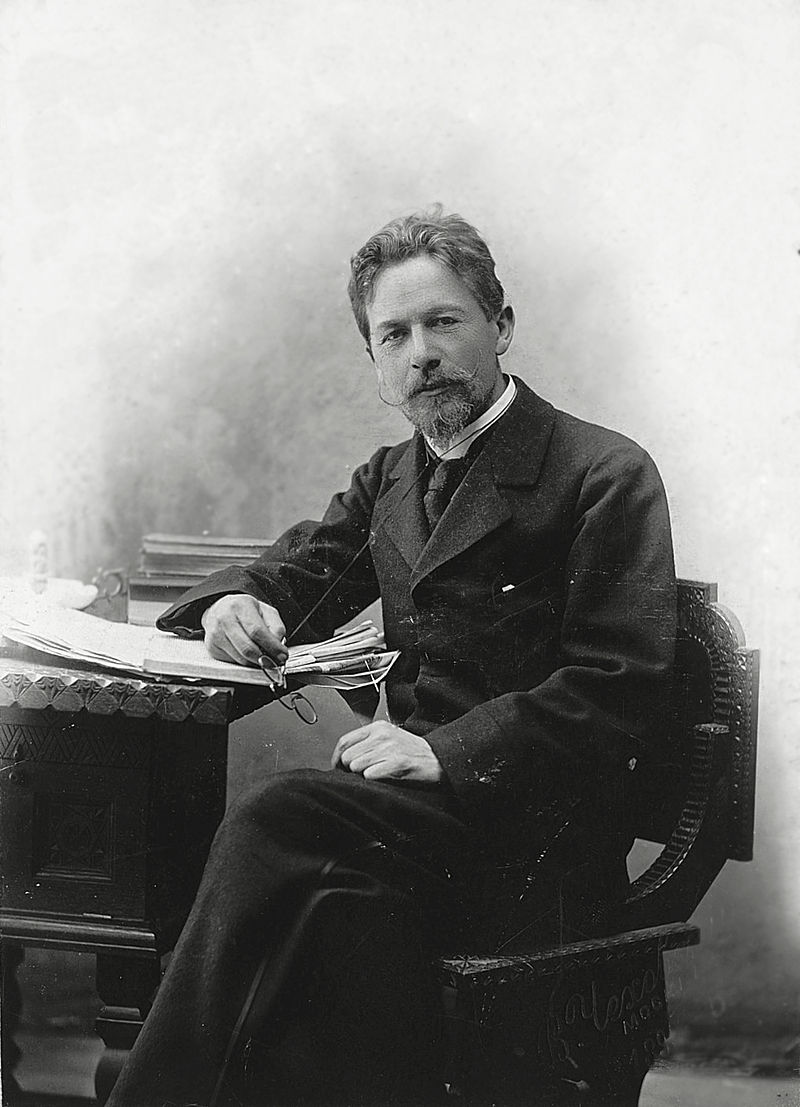
St. Petersburg is highlighted as the city where Dostoevsky wrote 'White Nights' and set 'Crime and Punishment'.
Tarih, kültür ve estetiğin buluşma noktası | Artık vize sorunu kalmadı... İstanbul ve Antalya'dan günde 20 sefer düzenleniyor Turkey· 2025-07-16
Fyodor Dostoevsky is mentioned as one of Thomas Bodström's favorite authors.
Thomas Bodström: ”Jag går alltför mycket på krogen” Sweden· 2025-07-11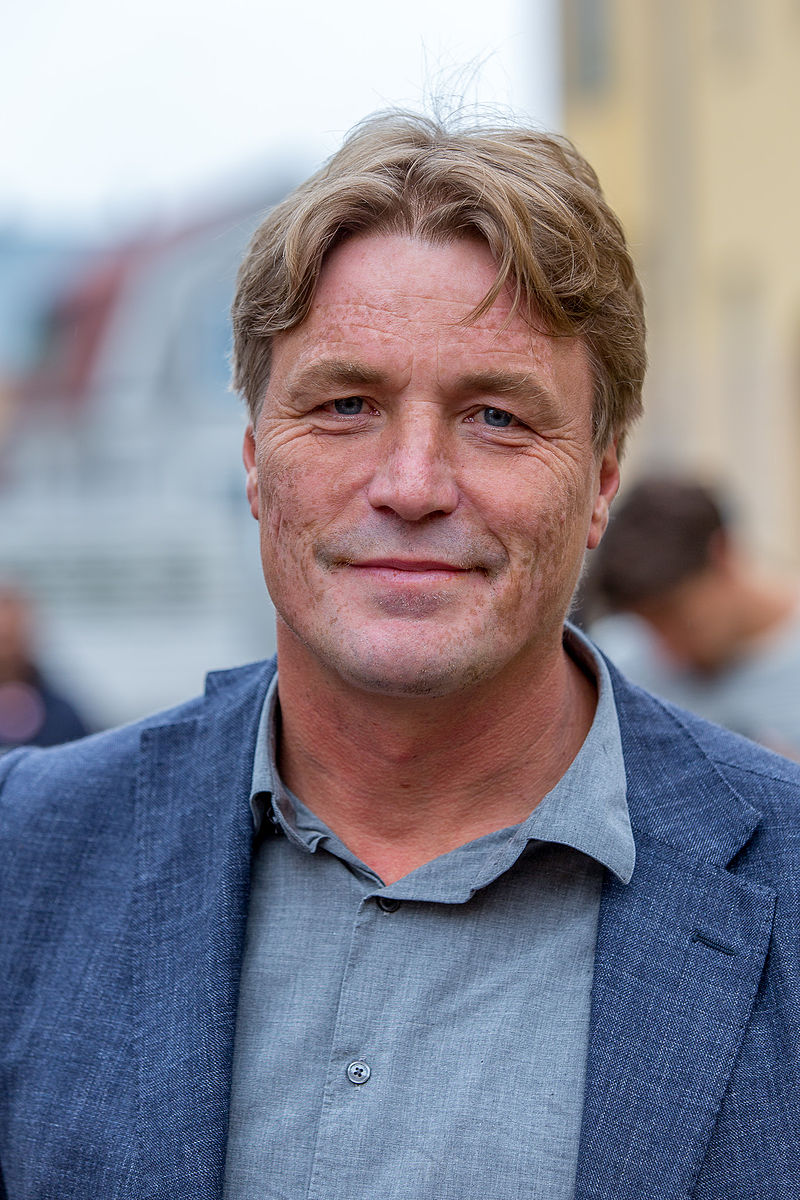




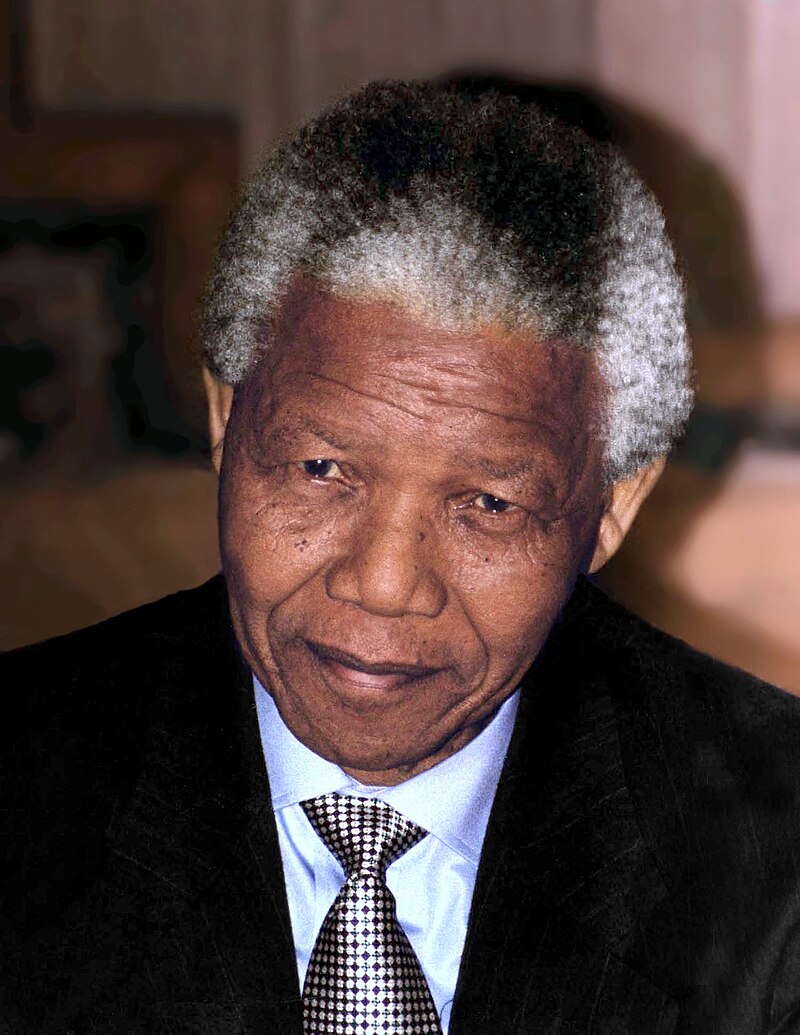


Dostoevsky explored nihilism and the spiritual crisis in his works, highlighting the consequences of losing faith and moral values.
La escritura como rebeldía ante el absurdo Venezuela· 2025-06-13