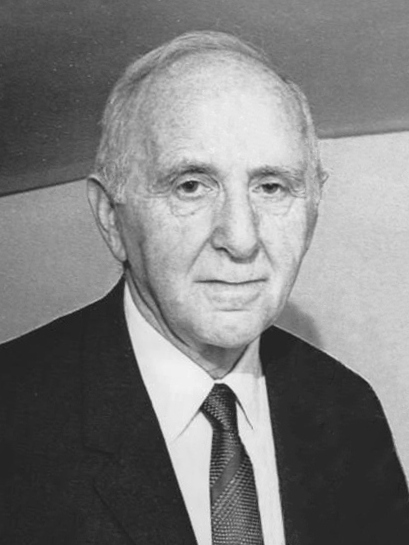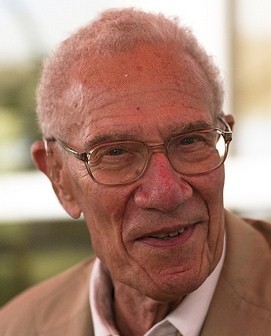
Robert Solow
Robert Solow is an American economist and a recipient of the Nobel Prize in Economic Sciences in 1987 for his contributions to the theory of economic growth. He is best known for the Solow Growth Model, which emphasizes the role of technological innovation and capital accumulation in driving economic growth. His work has significantly influenced contemporary economic thought, particularly in understanding the dynamics of productivity and long-term economic development.
Not in the pool (under ¢1).
Recent news mentions
Robert Solow quipped that you can see the computer age everywhere but in the productivity statistics.
The AI jobs apocalypse probably isn’t coming anytime soon | Eduardo Porter United Kingdom· 2026-07-25
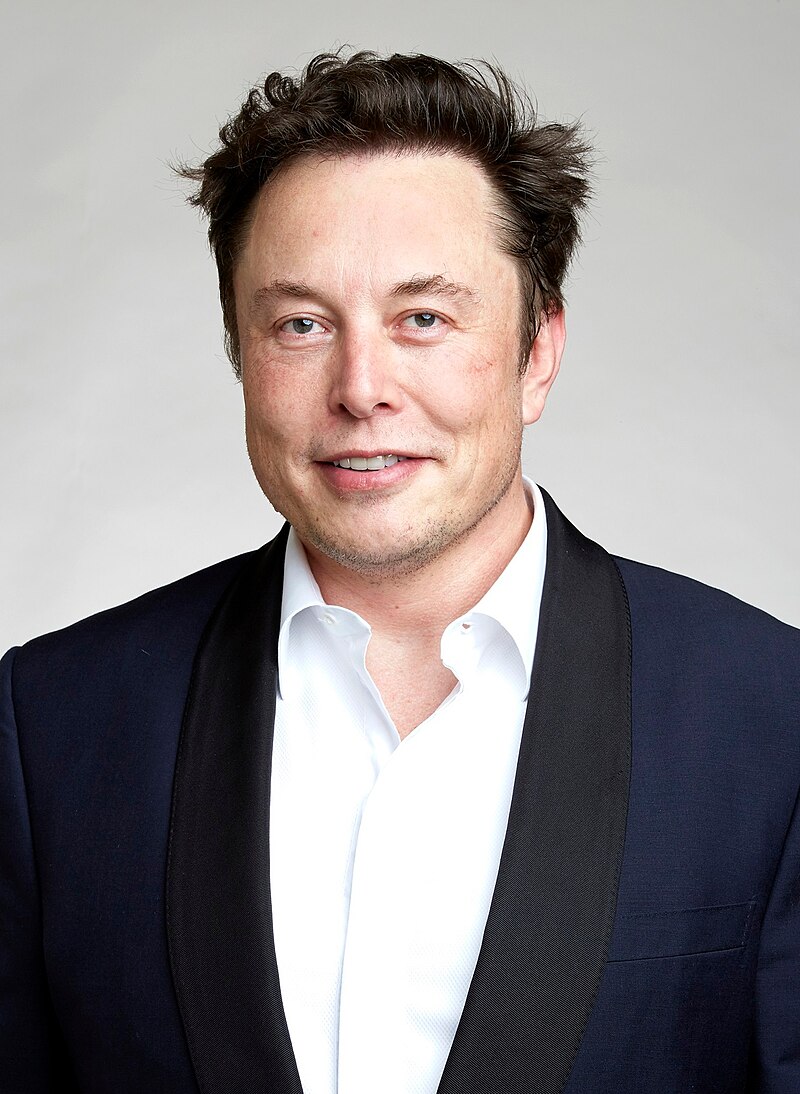
Robert Solow highlighted the paradox of productivity in the 1980s, stating that the computer age was visible everywhere except in productivity statistics.
Die Risiken von Kevin Warshs Fed-Plänen Switzerland· 2026-02-11
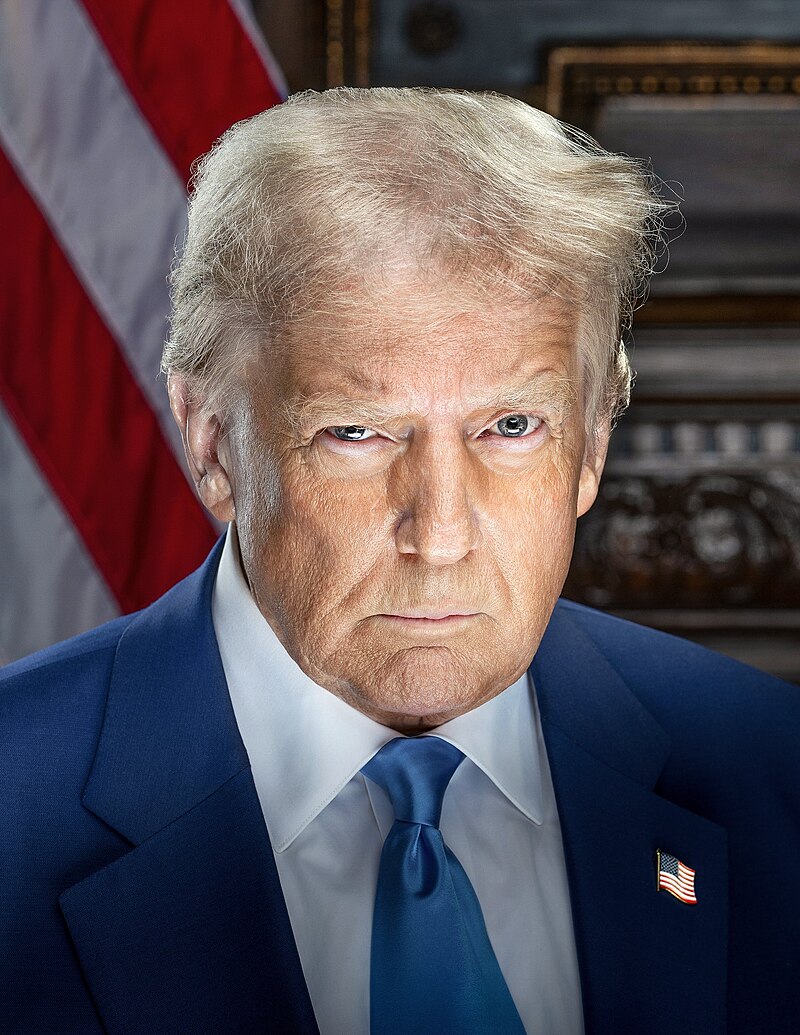
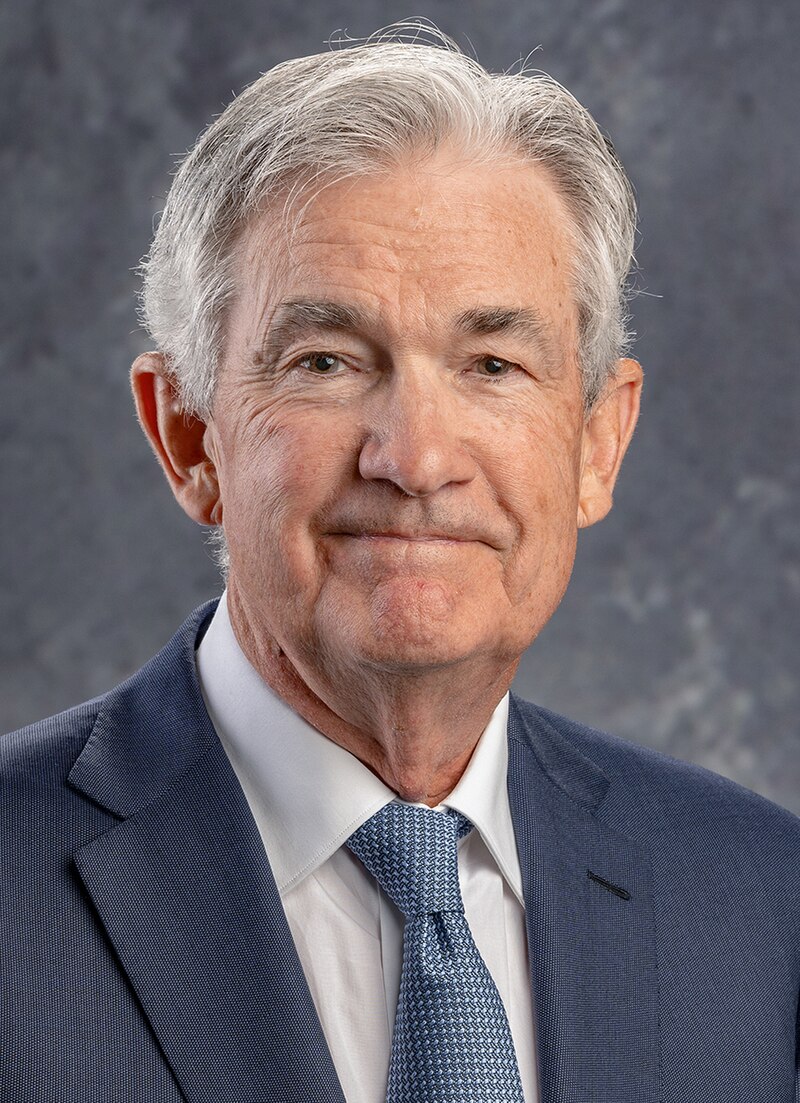
Robert Solow is a Nobel Prize winner known for his insights on productivity and technology.
For all the hype, we’re a long way from AI transforming our economy Australia· 2025-11-23



Robert Solow explained the role of technical progress in productivity and received the Nobel Prize in 1987.
Lecciones del Nobel de Economía para RD Dominican Republic· 2025-11-19

Robert Solow established a method for calculating total factor productivity growth known as the Solow residual method.
全要素生产率大幅提升:新质生产力的核心标志(深入学习贯彻习近平新时代中国特色社会主义思想·学习《习近平经济文选》第一卷专家谈) --观点--人民网 China· 2025-07-11
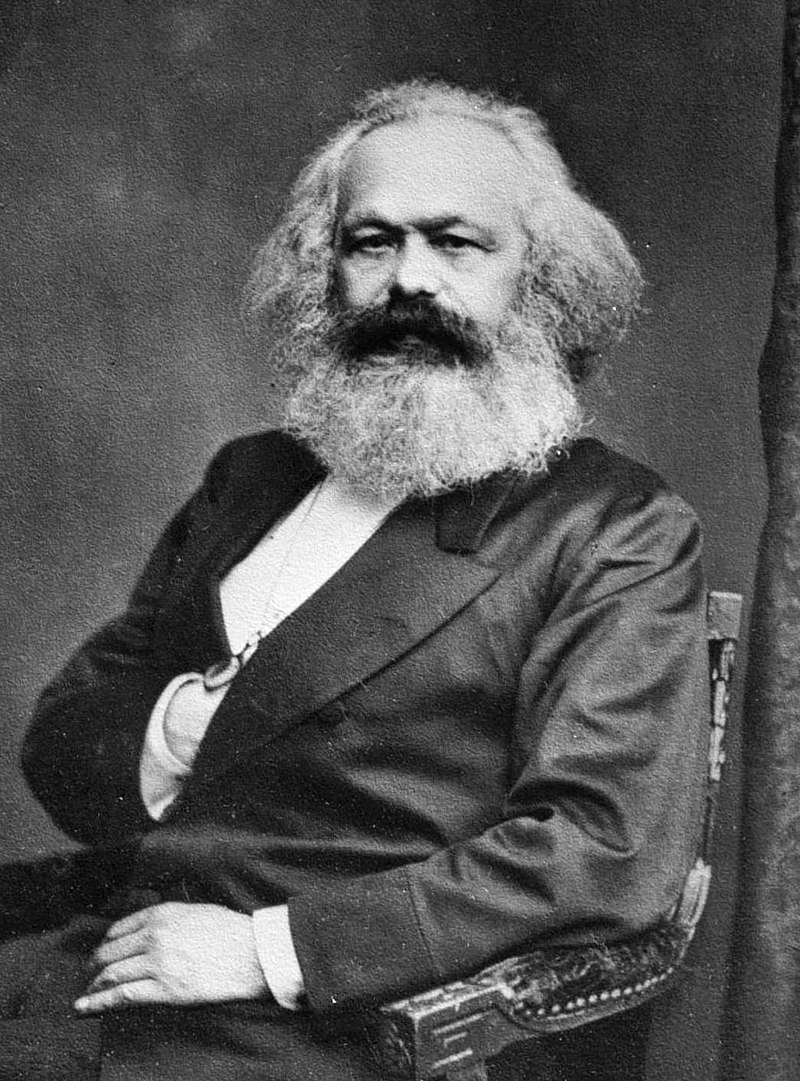
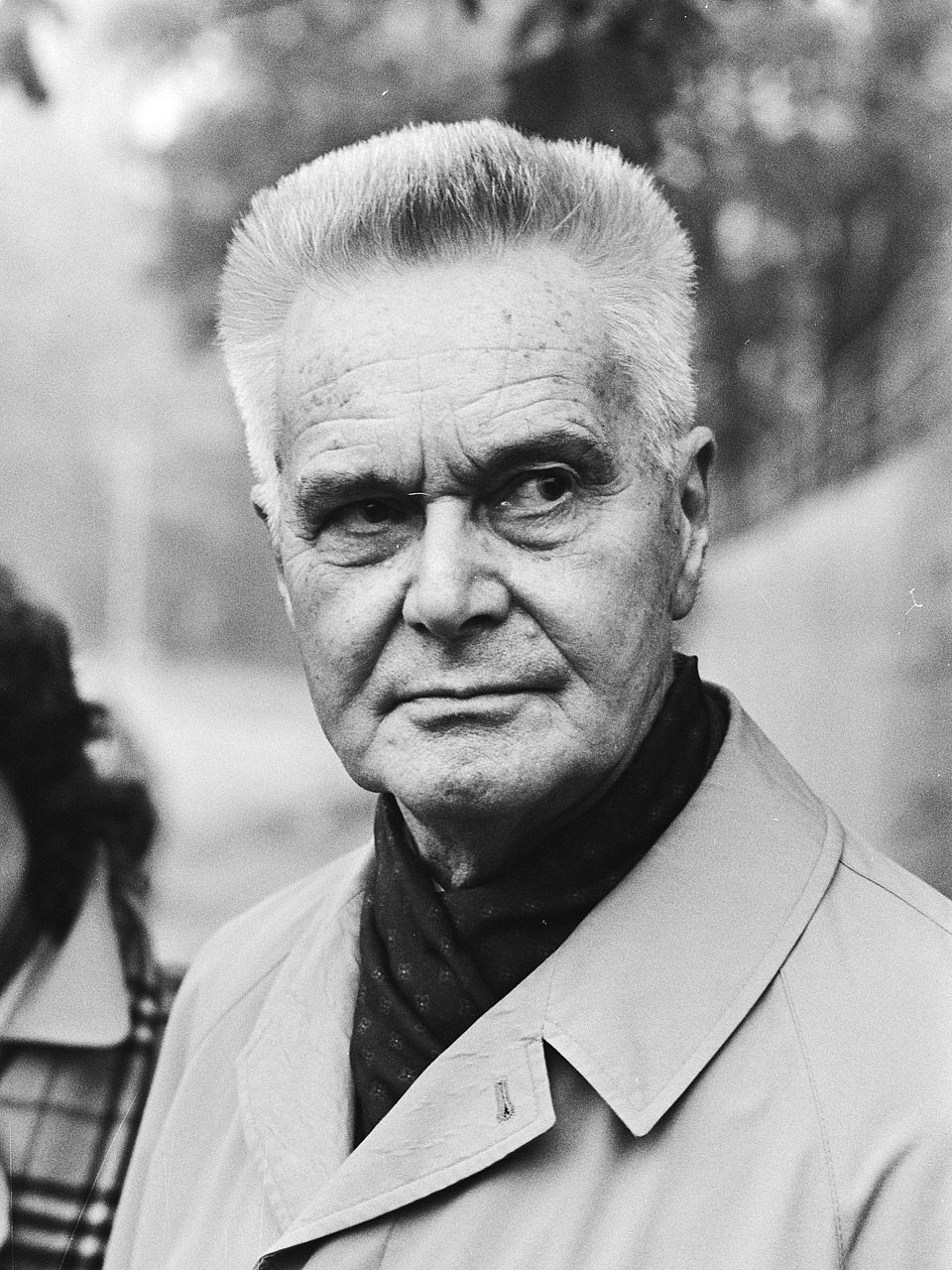

Economist Robert Solow noted that we can see the computer age everywhere except in productivity statistics.
Karim Jebari om att 2050 närmar sig med stormsteg Sweden· 2025-07-08
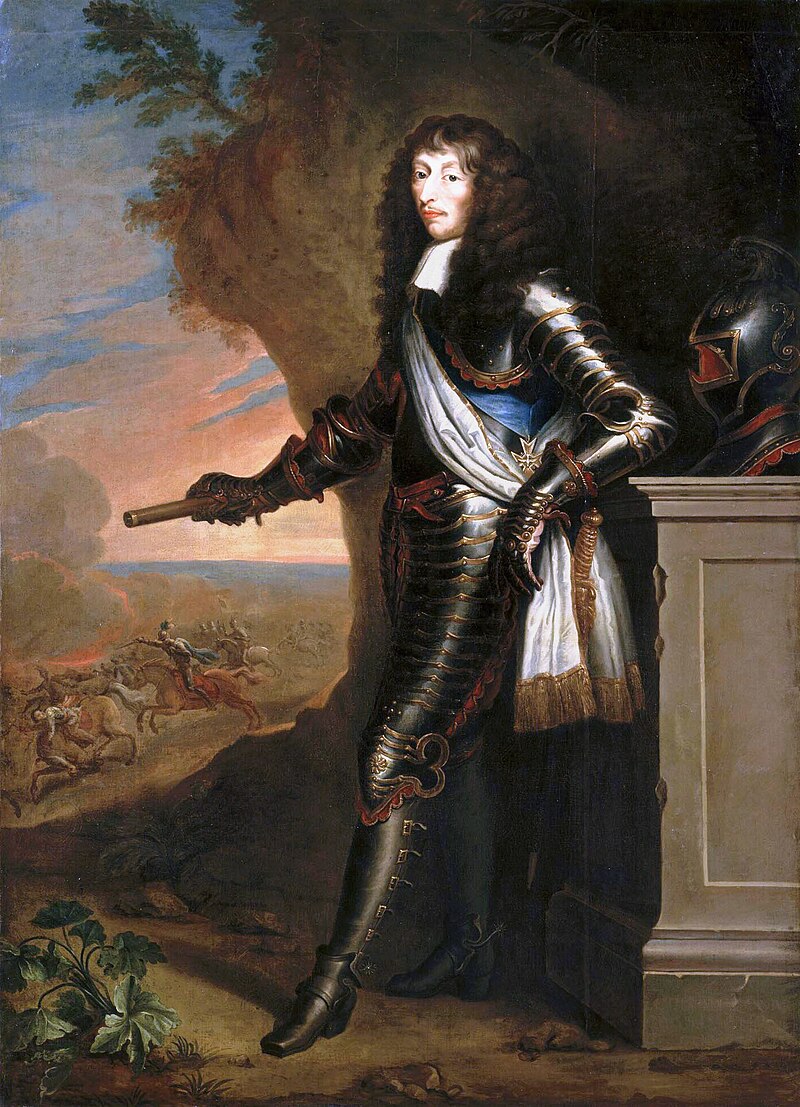
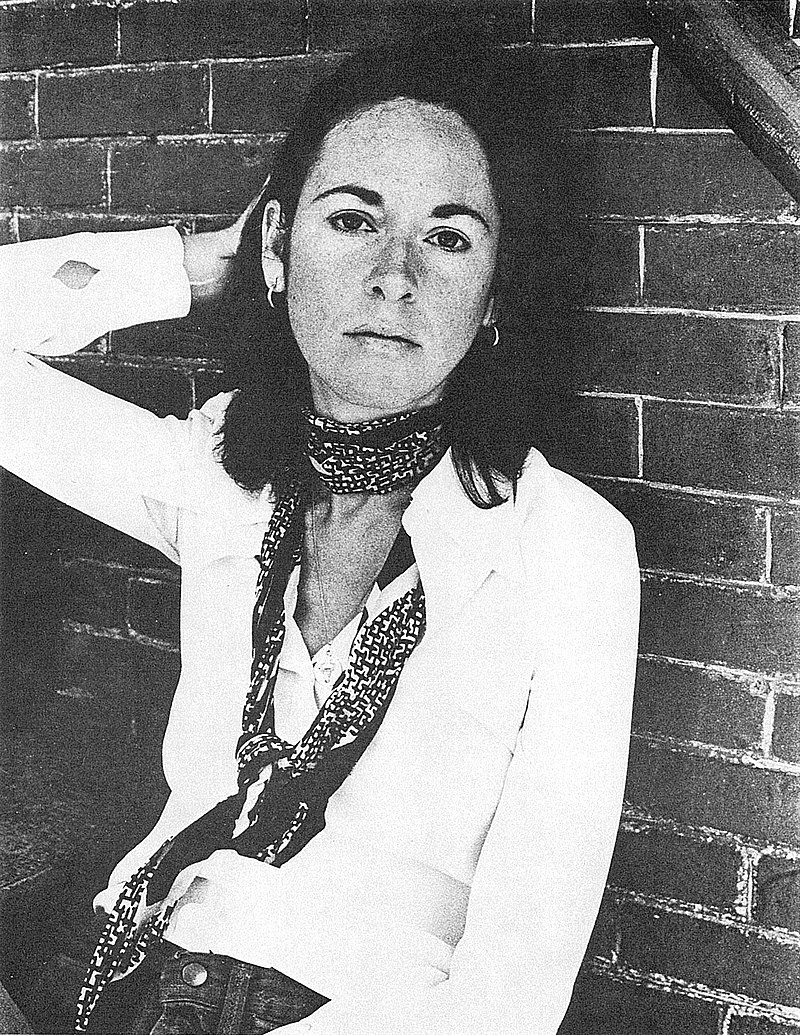
Nobel economics laureate Robert Solow said the 'you can see the computer age everywhere but in the productivity statistics.'
As the world’s economy shifts, is the G7 even the G7 any more? Canada· 2025-06-13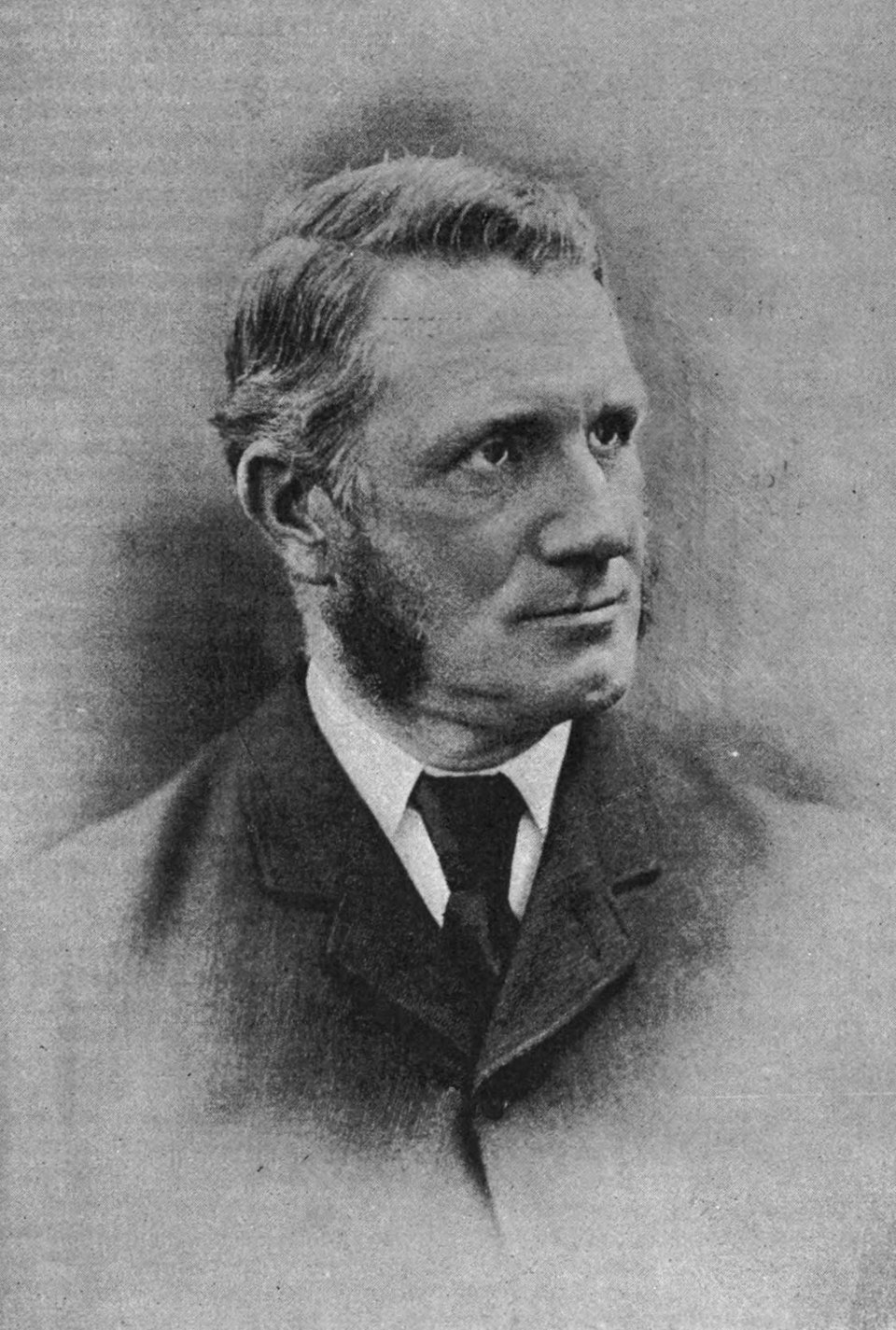
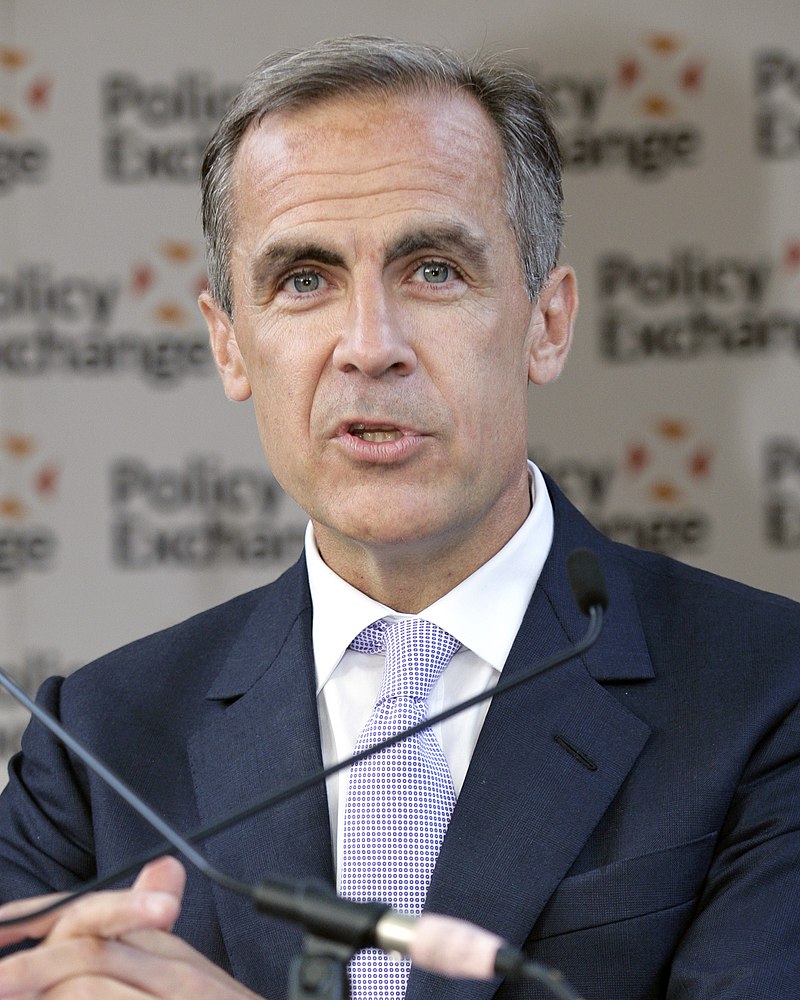

The dominant explanation for post-war growth is attributed to economist Robert Solow.
« L’échange international conduit à la convergence de ceux qui contrôlent les marchés industriels » France· 2025-06-04
Robert Solow worked with Stan Fischer at MIT.
Opinioni | Stan Fischer il super banchiere potente e mite Italy· 2025-06-02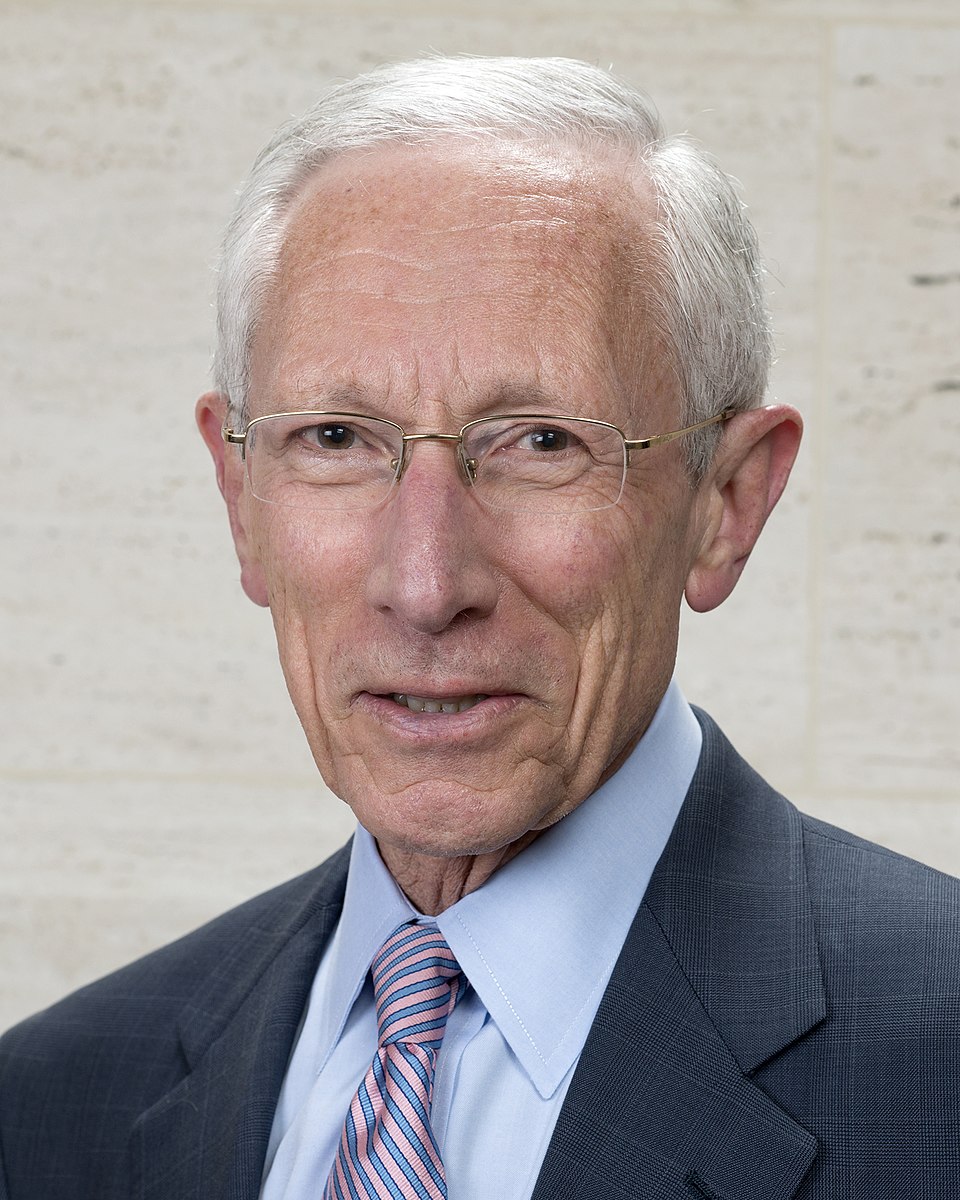
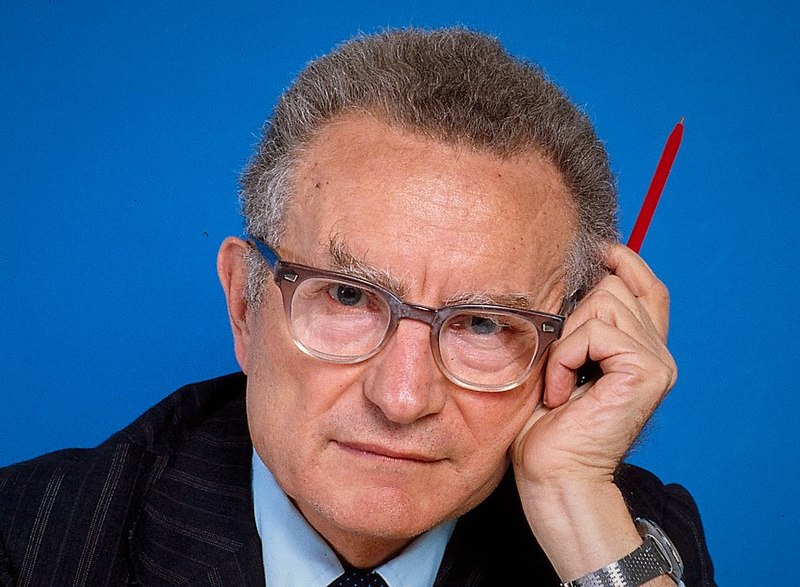
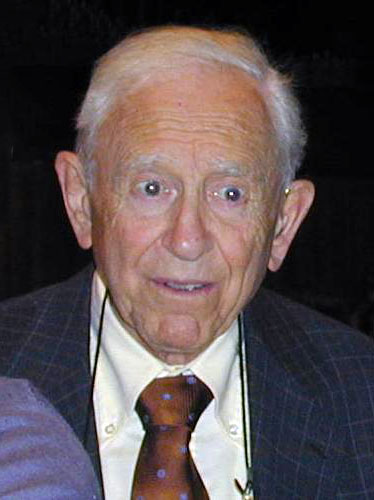
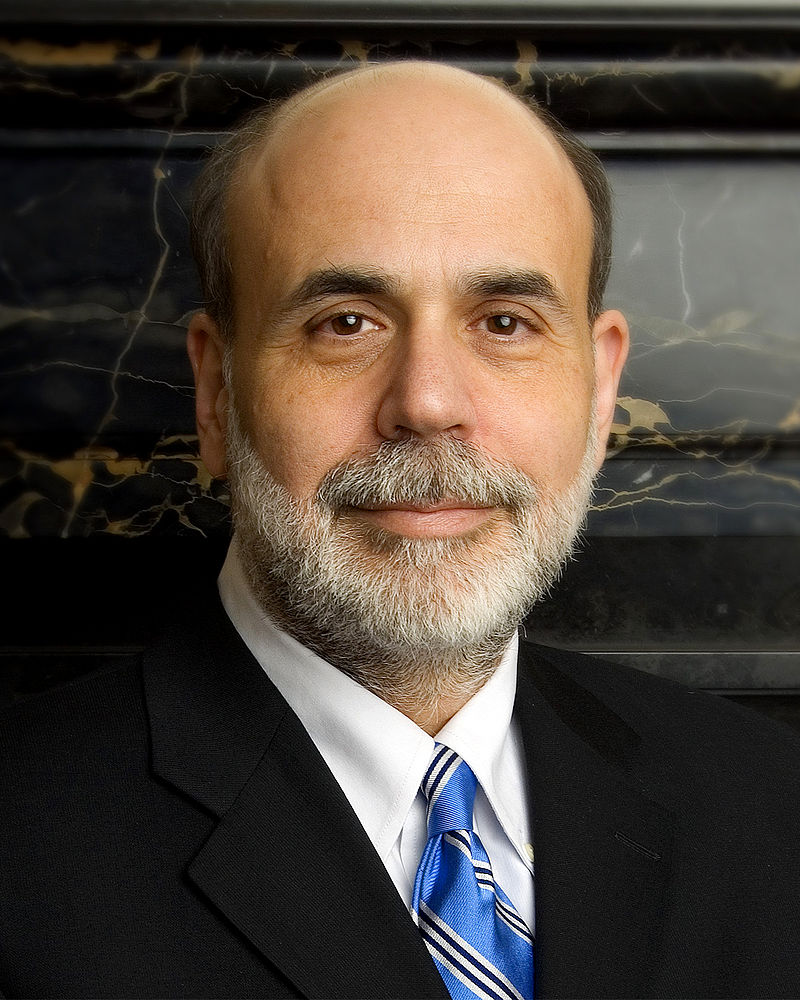
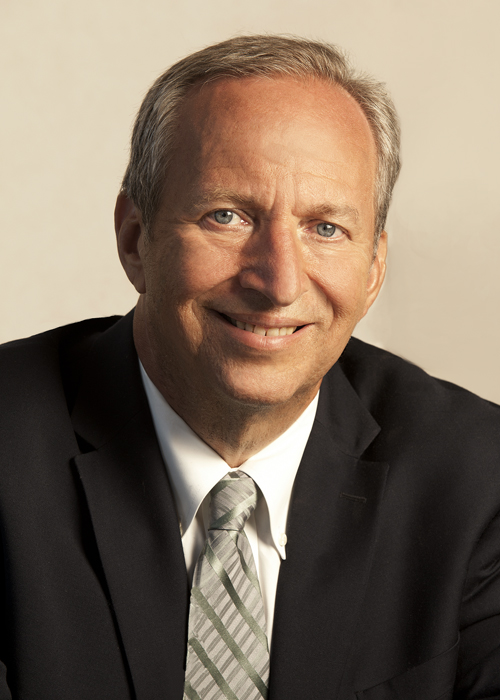
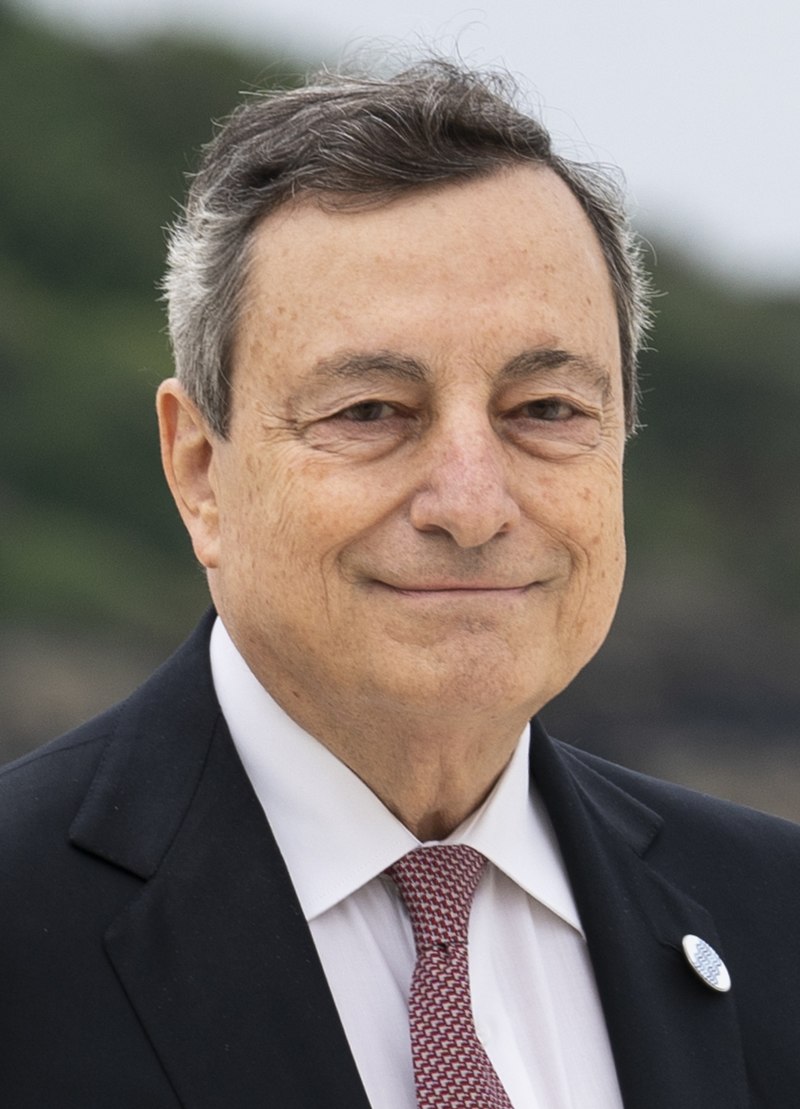
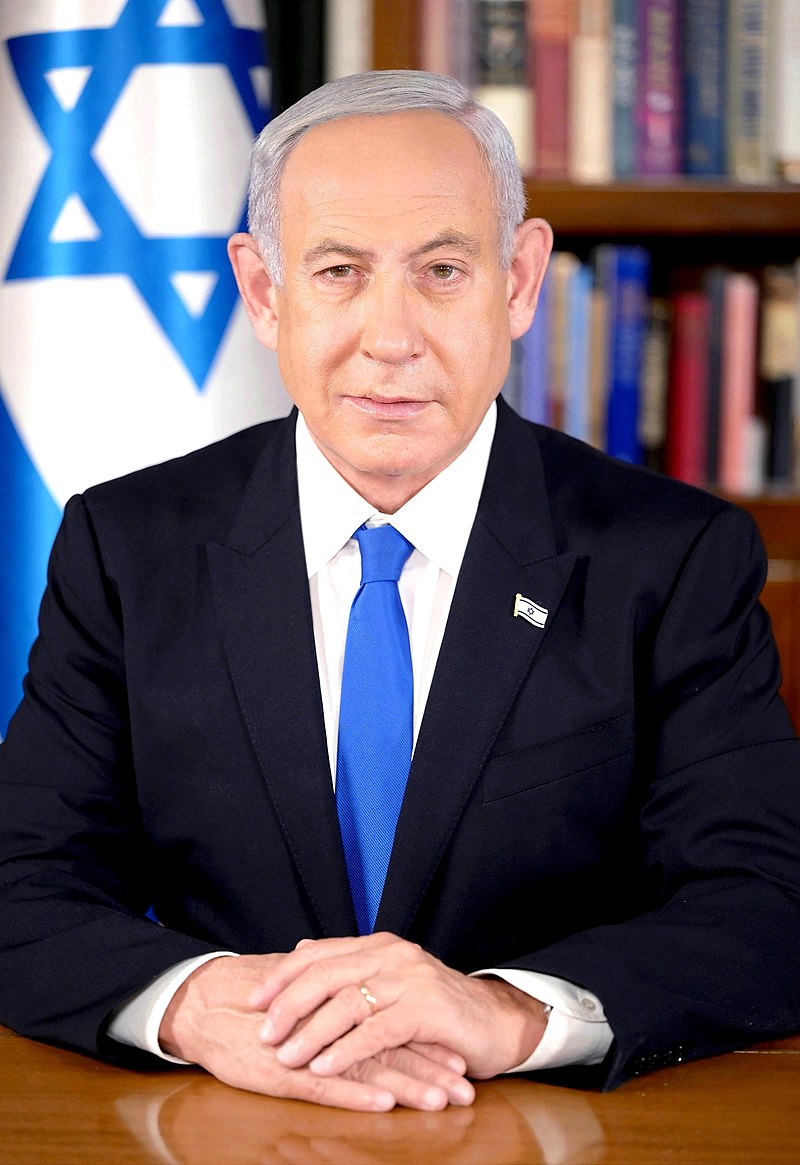
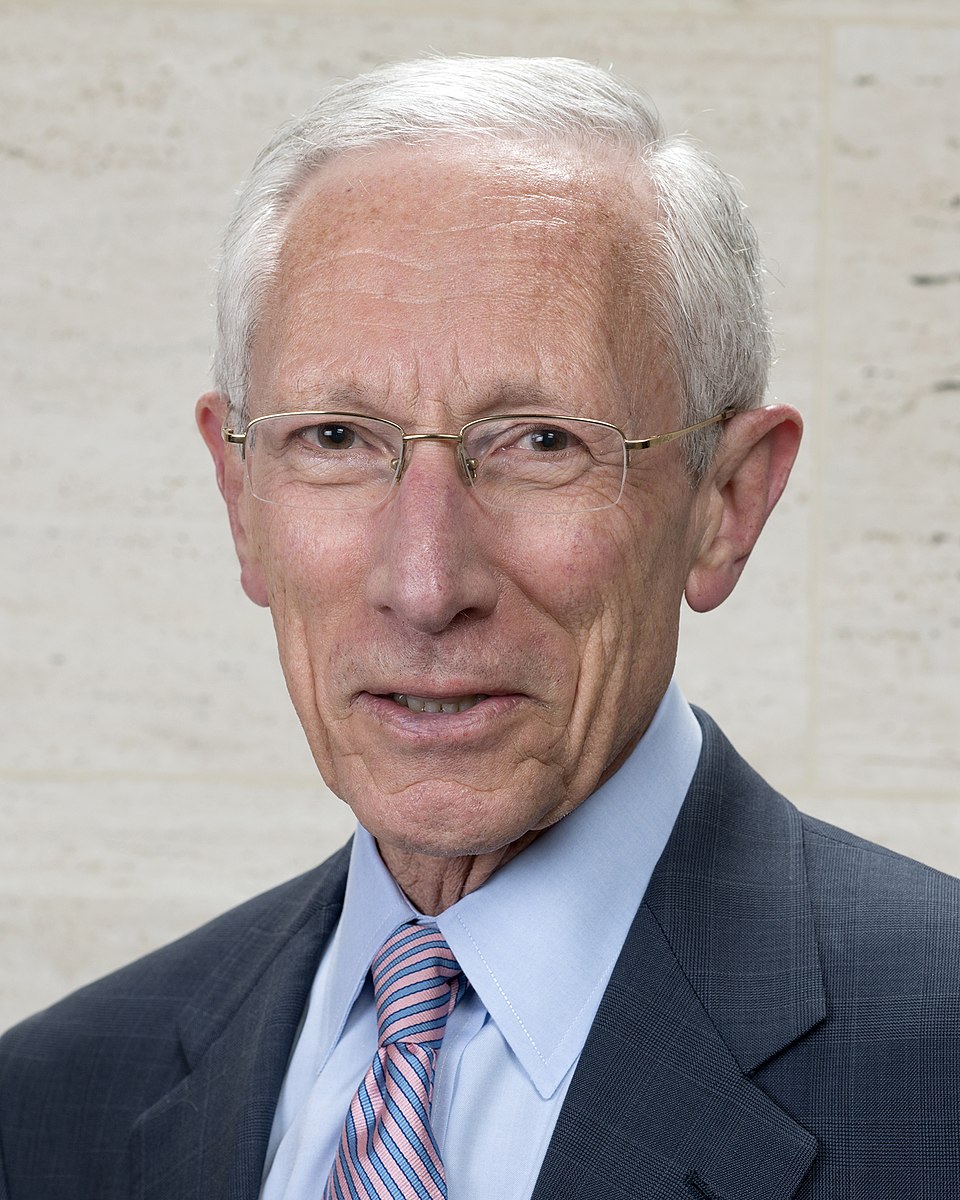
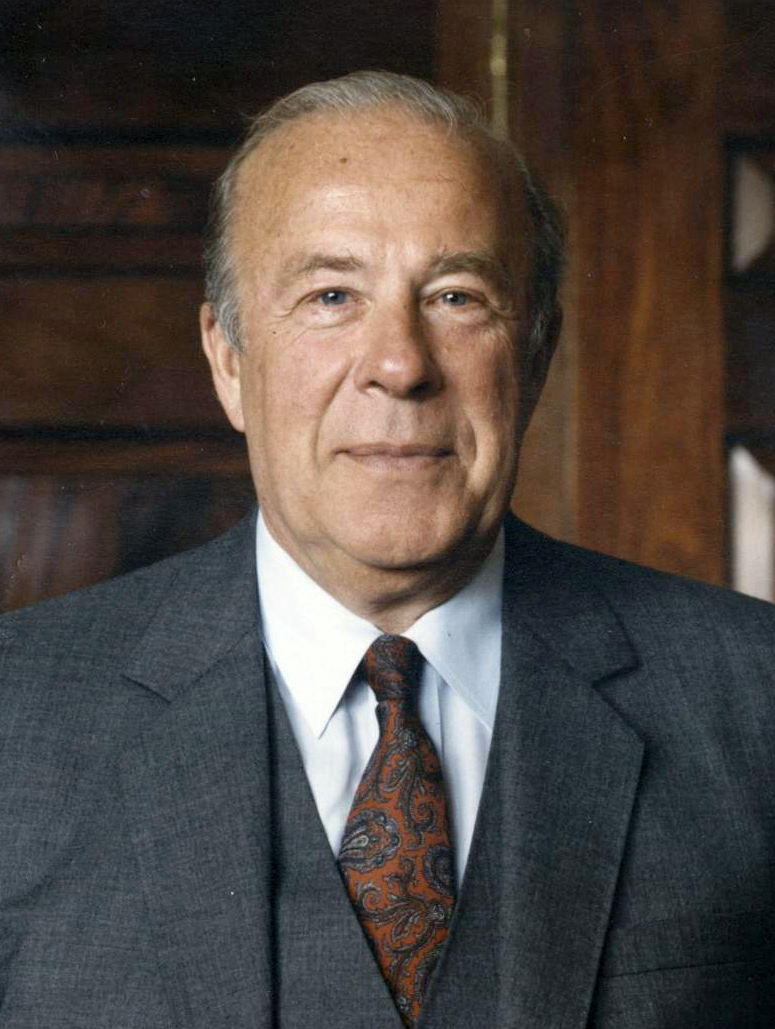
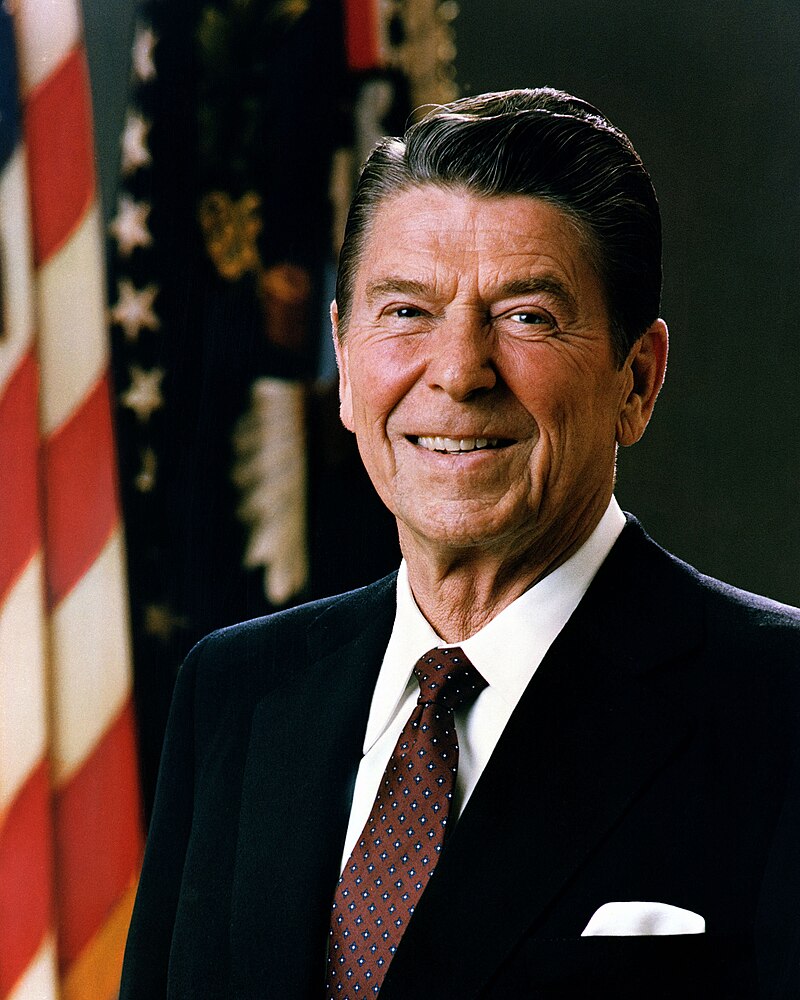
Robert Solow is a Nobel laureate who contributed to the understanding of how investments stimulate economic growth.
Index - Vélemény - Beruházásokkal a növekedésért – van még tartalék a magyar gazdaságban? Hungary· 2025-05-19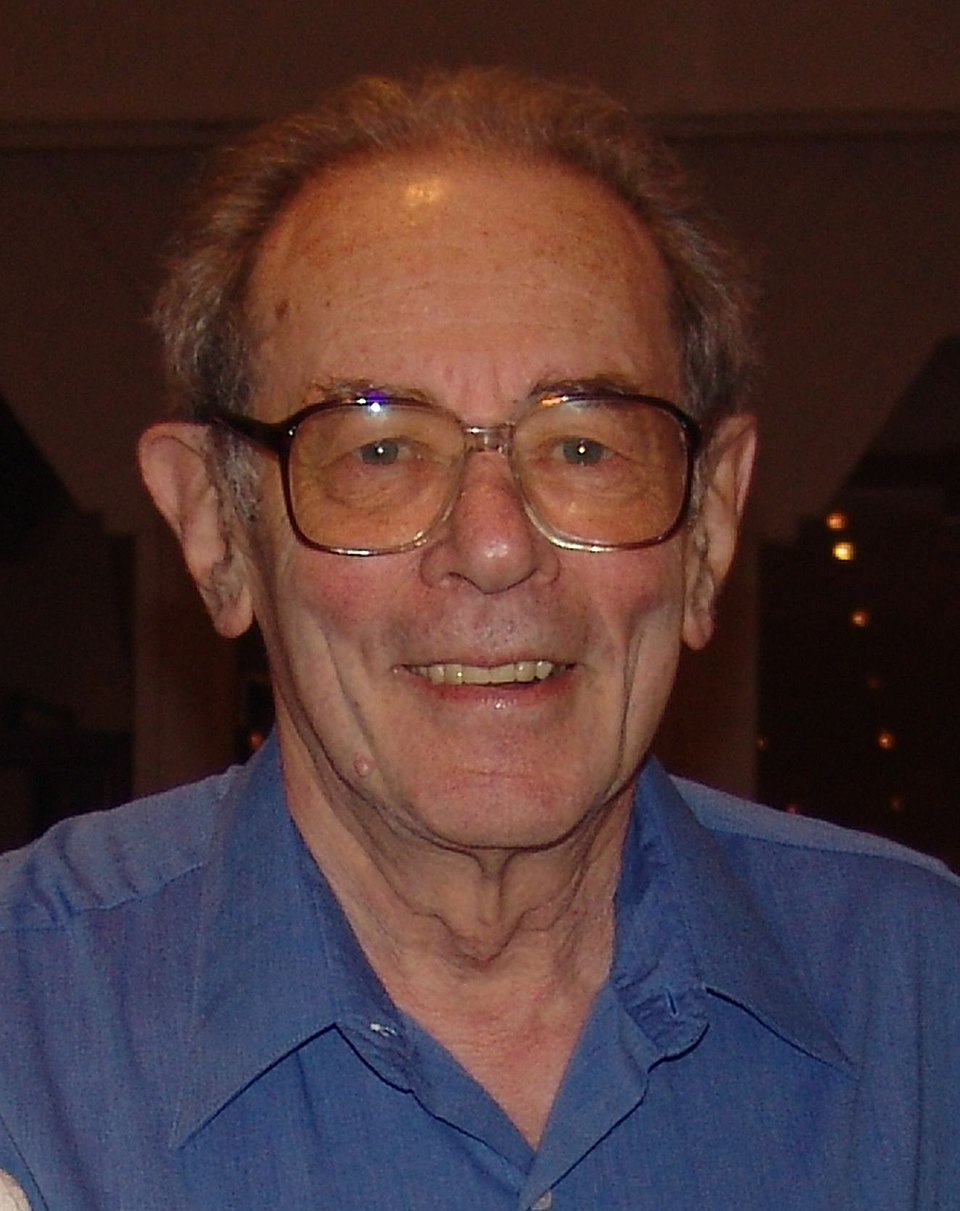
Robert Solow argued in favor of integrating China into the global economy in 2000.
Oriente Occidente di Rampini | Come sopravvivere ai dazi di Trump? Prima bisogna capirliItaly· 2025-04-19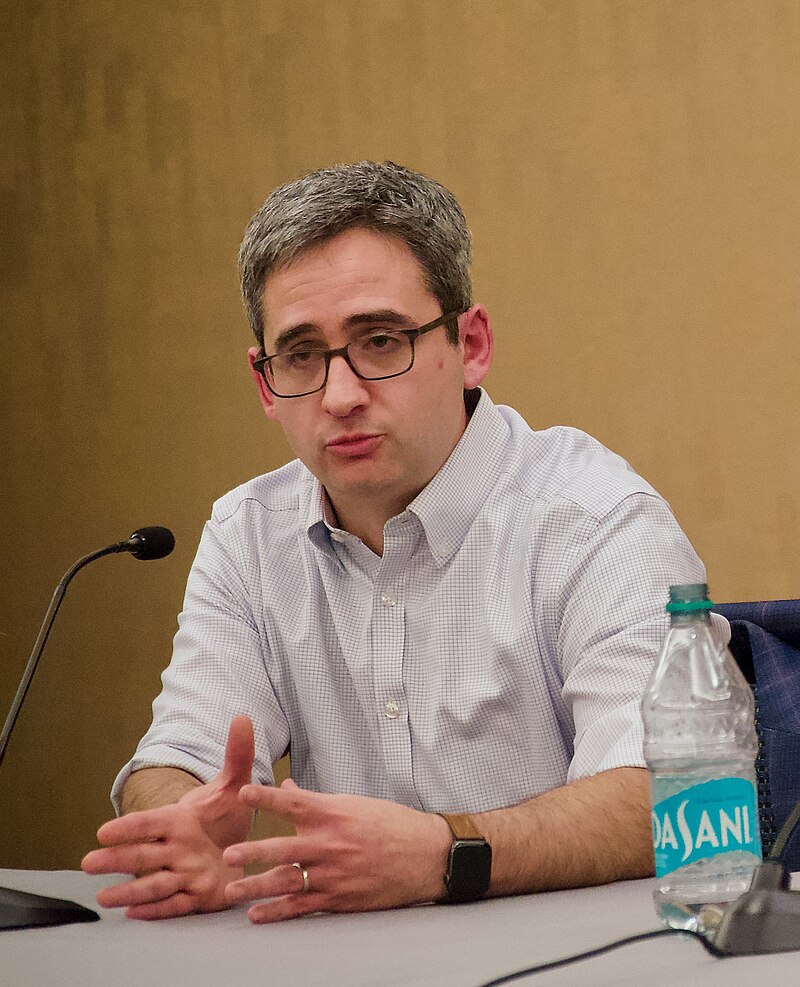

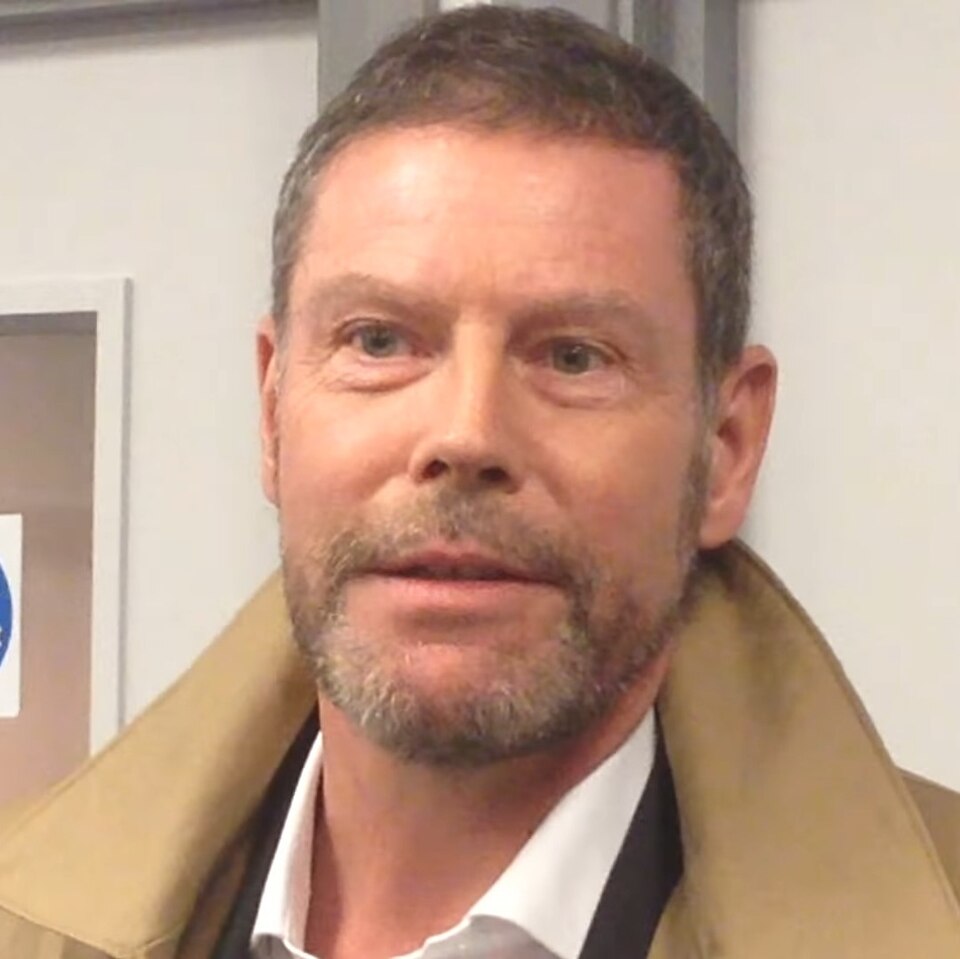
Robert Solow is mentioned as the president of a commission on technology and economic progress.
Por que é tão difícil determinar quantos empregos a IA irá eliminar? Liechtenstein· 2025-03-15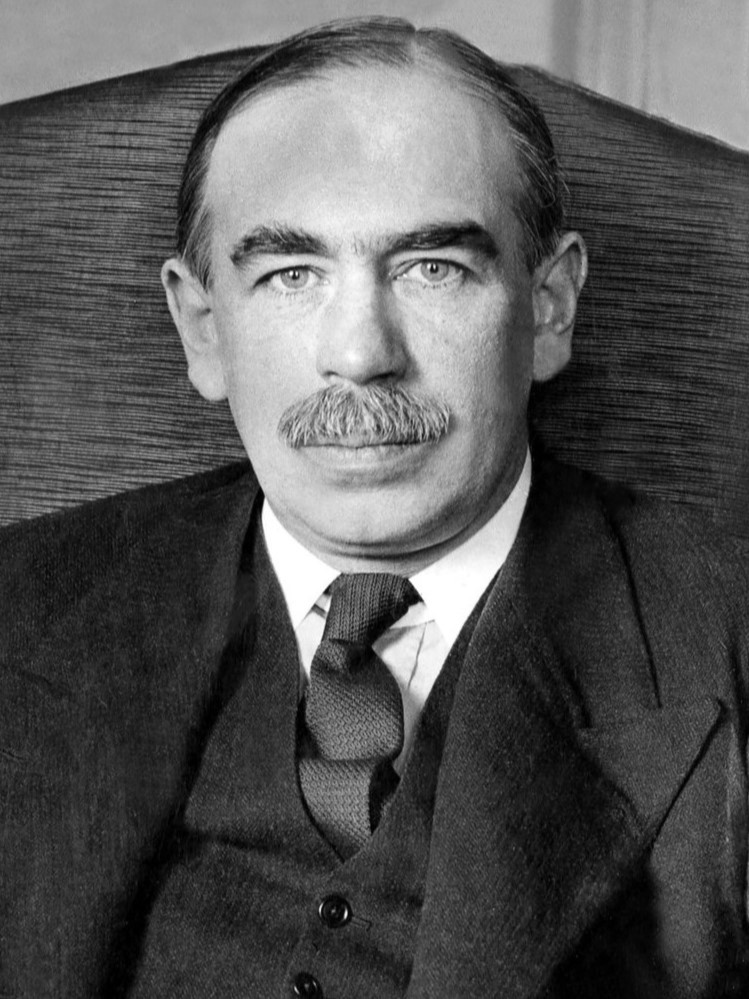
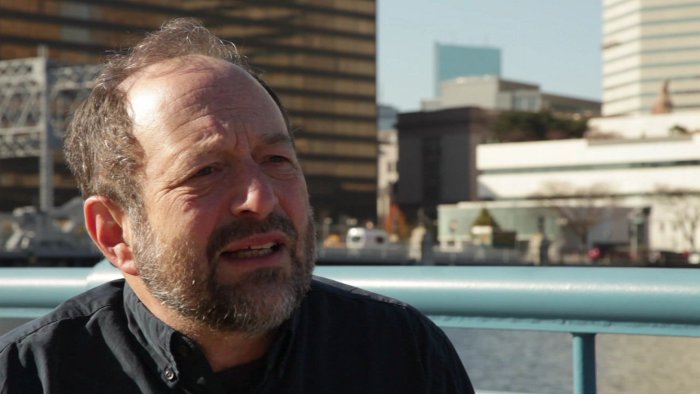
Robert Solow, a Nobel Prize winner in Economic Sciences in 1987, explained the position of labour productivity in economic growth.
Pension, gratuity and Nigerian pensioners Nigeria· 2025-03-13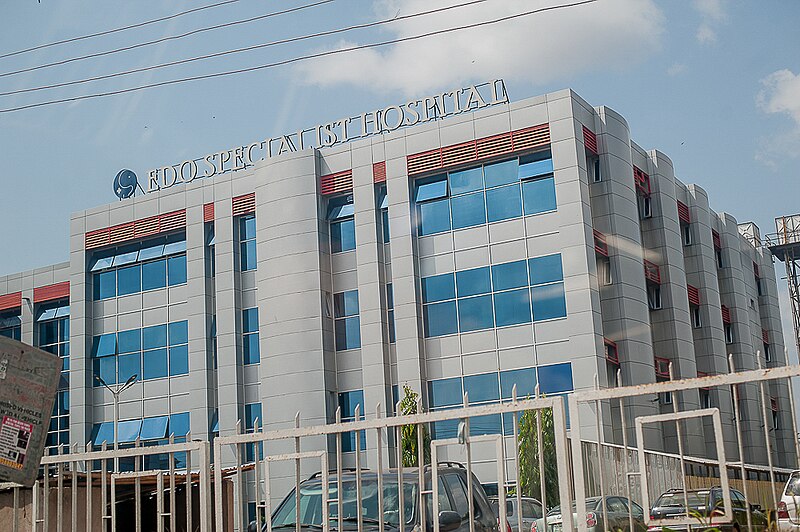
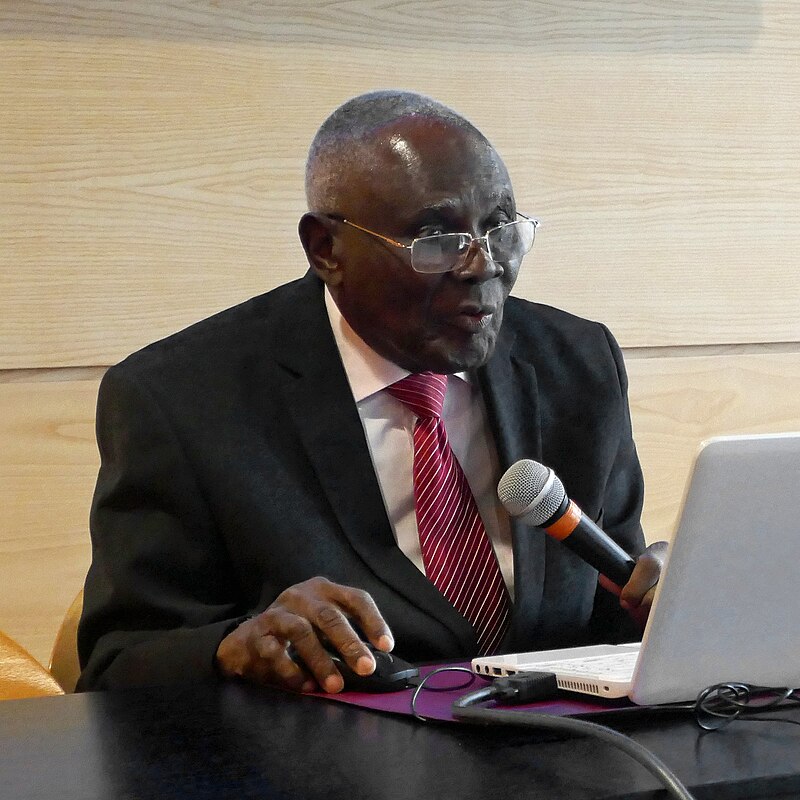
Robert Solow, a Nobel Prize-winning economist, argued that without economic growth, there are no means to finance education, health, or necessary infrastructure for a more equitable society.
Crescimento e Desenvolvimento: O caminho Cabo-Verdiano Cabo Verde· 2025-03-07