Antonio Gramsci
 TunisiapoliticianMaleb. 18916.6Global Dominance: 0.00%
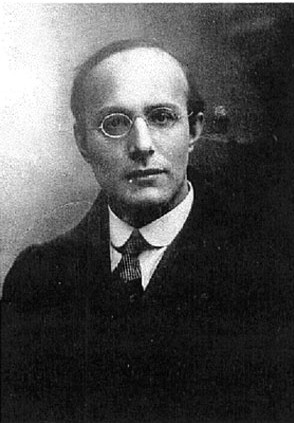
Antonio Gramsci was an Italian Marxist philosopher, journalist, and political theorist, best known for his theories on cultural hegemony and the role of intellectuals in society. Born in 1891, Gramsci was a founding member of the Italian Communist Party and was imprisoned by Mussolini's fascist regime for his political activities. During his incarceration, he wrote extensively, producing the 'Prison Notebooks,' where he explored the relationships between power, culture, and ideology. Gramsci's work has had a lasting impact on political thought and continues to influence contemporary debates on democracy, social justice, and the role of civil society.
Country presence
Recent news mentions
Gramsci's ideas on education and hegemony are referenced to illustrate the potential for critical thought.
Diario Co Latino - Informándote con Credibilidad El Salvador· 2026-09-17
Antonio Gramsci's quote serves as a moral framework for the film H@low Man, reflecting on the political landscape post-revolution in Tunisia.
Kamel Laaridhi, Réalisateur de H@low man, à La Presse : « Un film né d’une guérilla de cinéma »Tunisia· 2026-09-10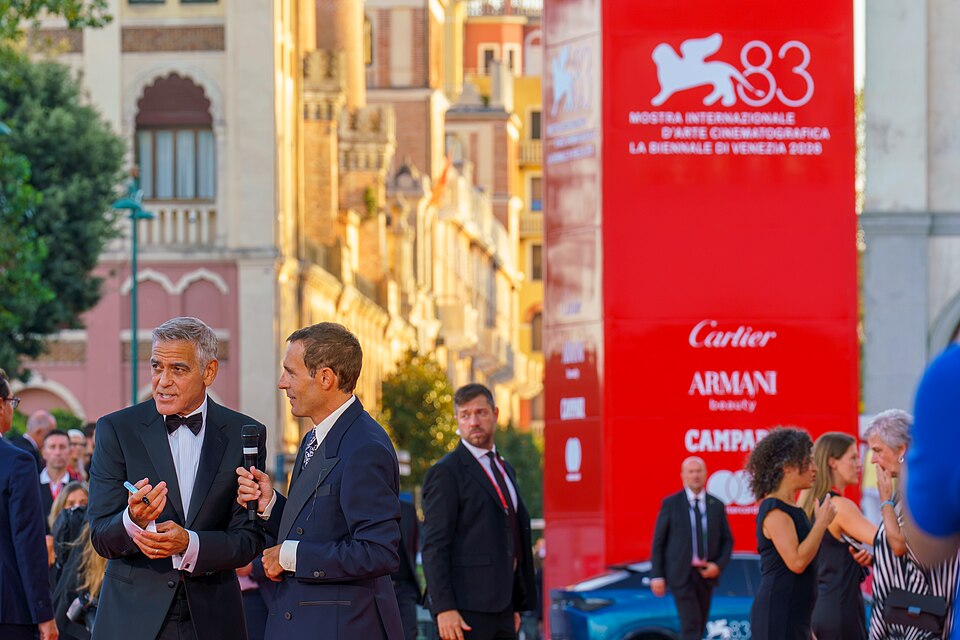

Antonio Gramsci's quote is referenced in the title of Şeyda Kurt's novel.
Şeyda Kurts Werk «Zeit der Monster»: Fiebertraum trifft Kölner Vorstadtphantasie Switzerland· 2026-08-06





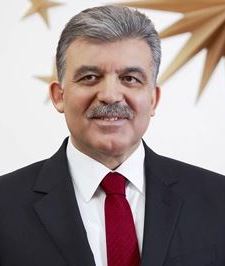
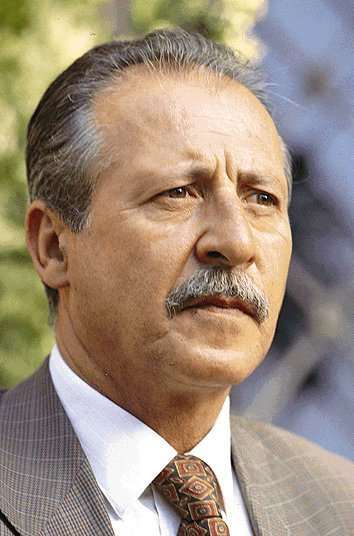
Antonio Gramsci is referenced as an influential figure in Marxist thought, impacting Giuseppe Carlo Marino's academic career.
«Bastonate»: il podcast del Corriere della Sera che racconta un'amicizia che mise la lotta alla mafia davanti all'ideologia Italy· 2026-07-01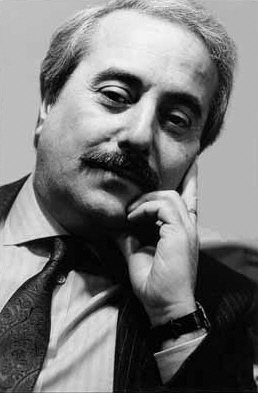
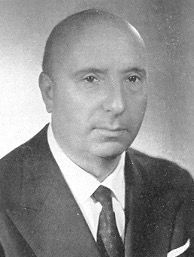
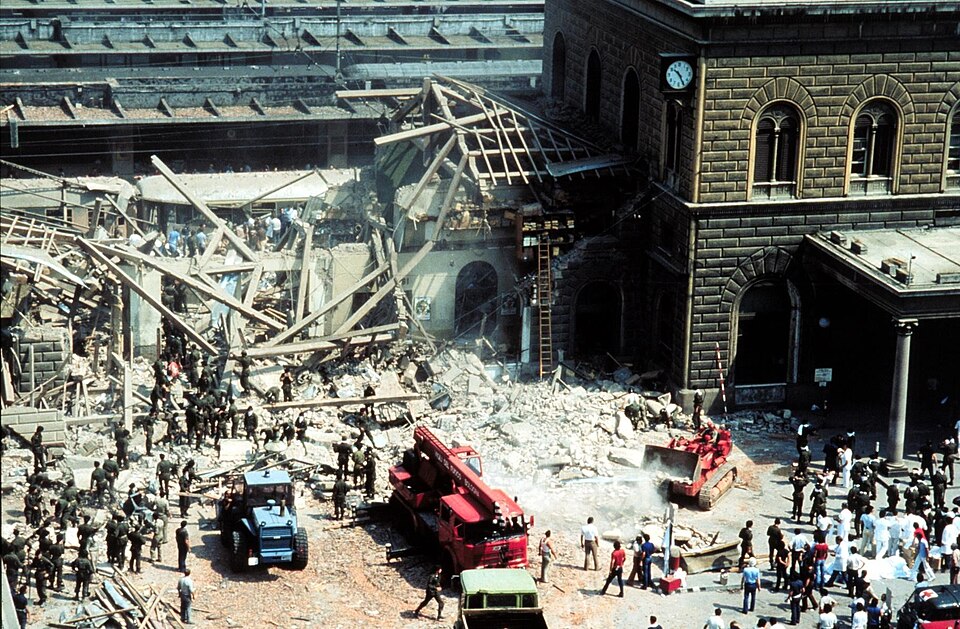


Mamdani quoted Antonio Gramsci while discussing his views on super PAC spending.
Mamdani defends criticism of AIPAC after being accused of antisemitism United States· 2026-06-23
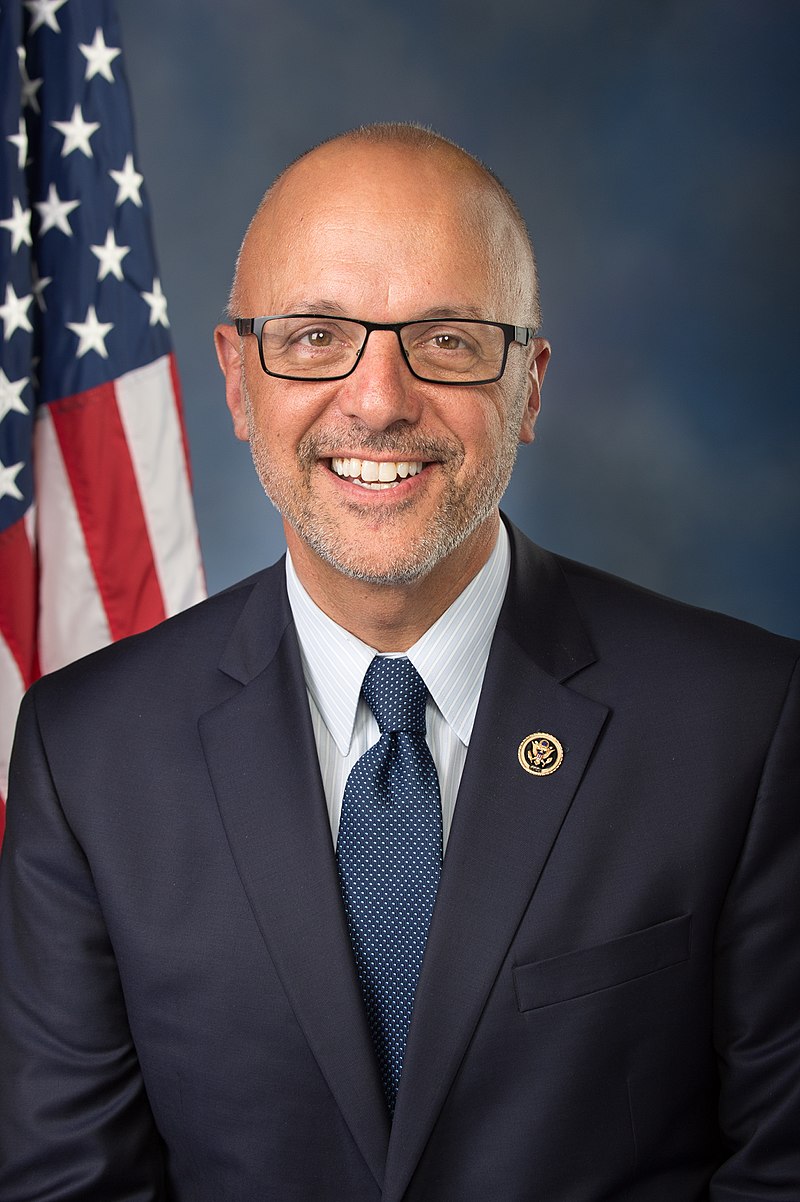




Antonio Gramsci's observations are cited regarding the resistance of subaltern classes.
Diario Co Latino - Informándote con CredibilidadEl Salvador· 2026-06-22
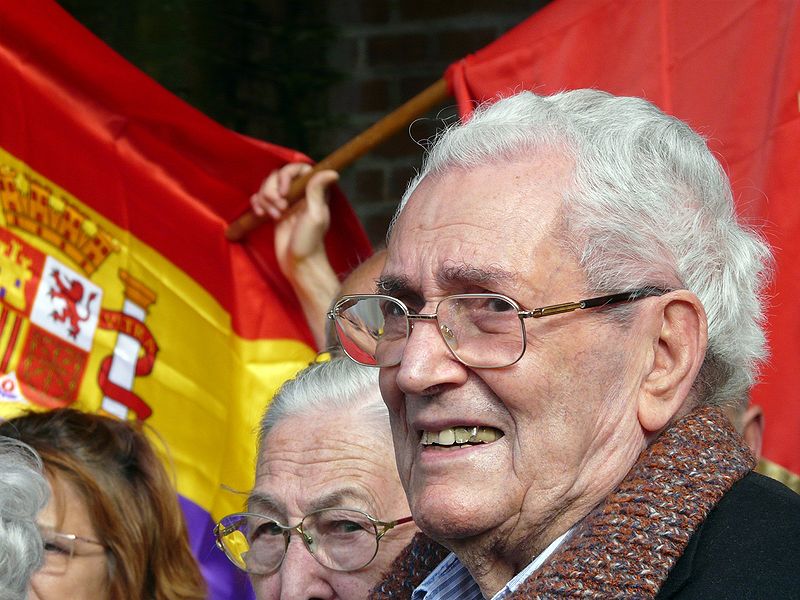
Antonio Gramsci's ideas are referenced to illustrate the societal impact of environmentalism.
Rachel Carson en nuestra cultura ambiental Panama· 2026-06-19

Iván Cepeda admires the Italian Marxist philosopher Antonio Gramsci.
Iván Cepeda, un hijo del marxismo y la persecución toca las puertas de la presidencia en Colombia Dominican Republic· 2026-06-01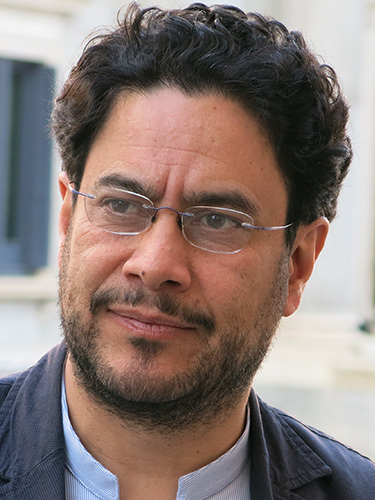


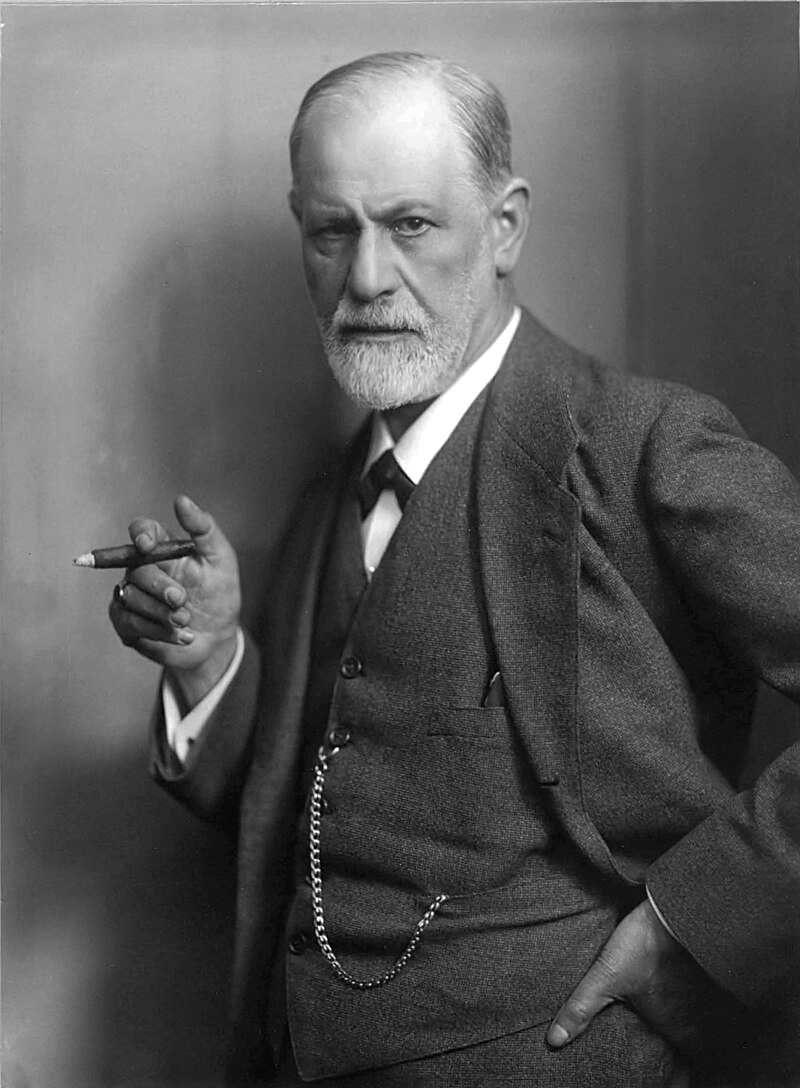
Antonio Gramsci refers to the process of hegemony as the formation of normal ways of thinking.
”Pocong”, Negara dan Produksi Ketakutan Indonesia· 2026-05-28
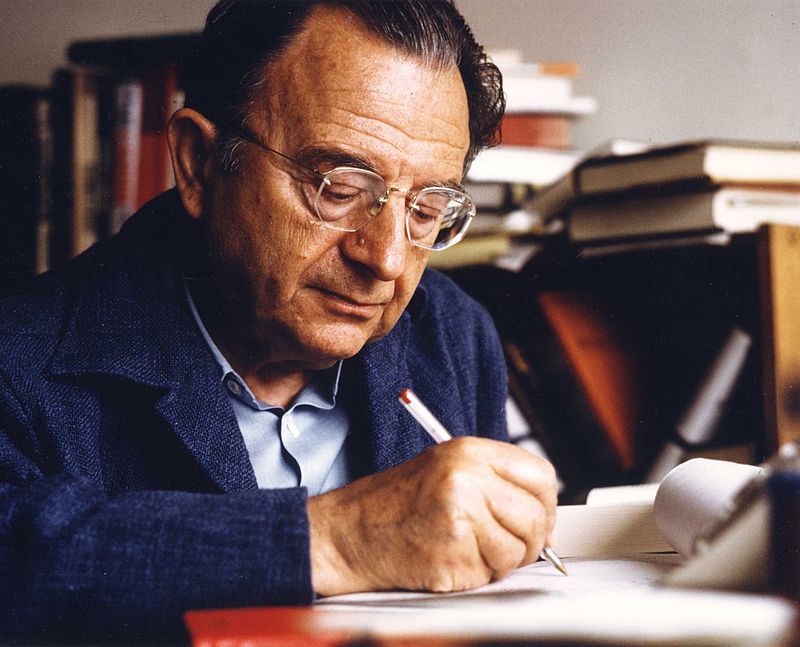
Antonio Gramsci refers to the process of hegemony as the formation of a normal way of thinking.
”Pocong”, Negara dan Produksi KetakutanIndonesia· 2026-05-28Antonio Gramsci's quote is used to describe the current world and its relation to cinema.
"The Bride!" im Kino: Sie schimpft, sie spuckt, sie beißt - Kultur Germany· 2026-03-08
Antonio Gramsci's concept of hegemony is discussed in the context of modern power and control.
Kekuasaan Tipu-tipuIndonesia· 2026-02-19
Antonio Gramsci is noted as the major Western communist thinker of the twentieth century.
Tutti pazzi per Gramsci, ma la citazione è inesatta- Corriere.itItaly· 2026-02-14



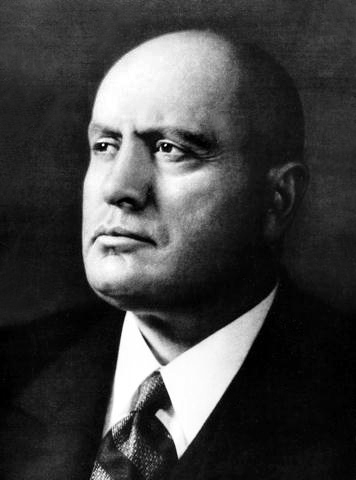
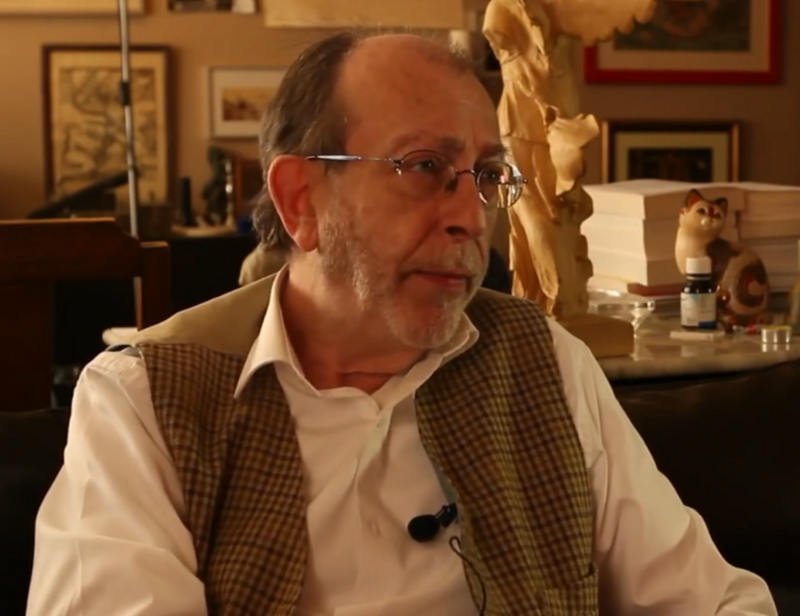
Antonio Gramsci is a former Italian Communist party leader whose quote 'the time of monsters' has been widely referenced in contemporary discussions.
‘The time of monsters’: everyone is quoting Gramsci – but what did he actually say? | Philosophy United Kingdom· 2026-02-14


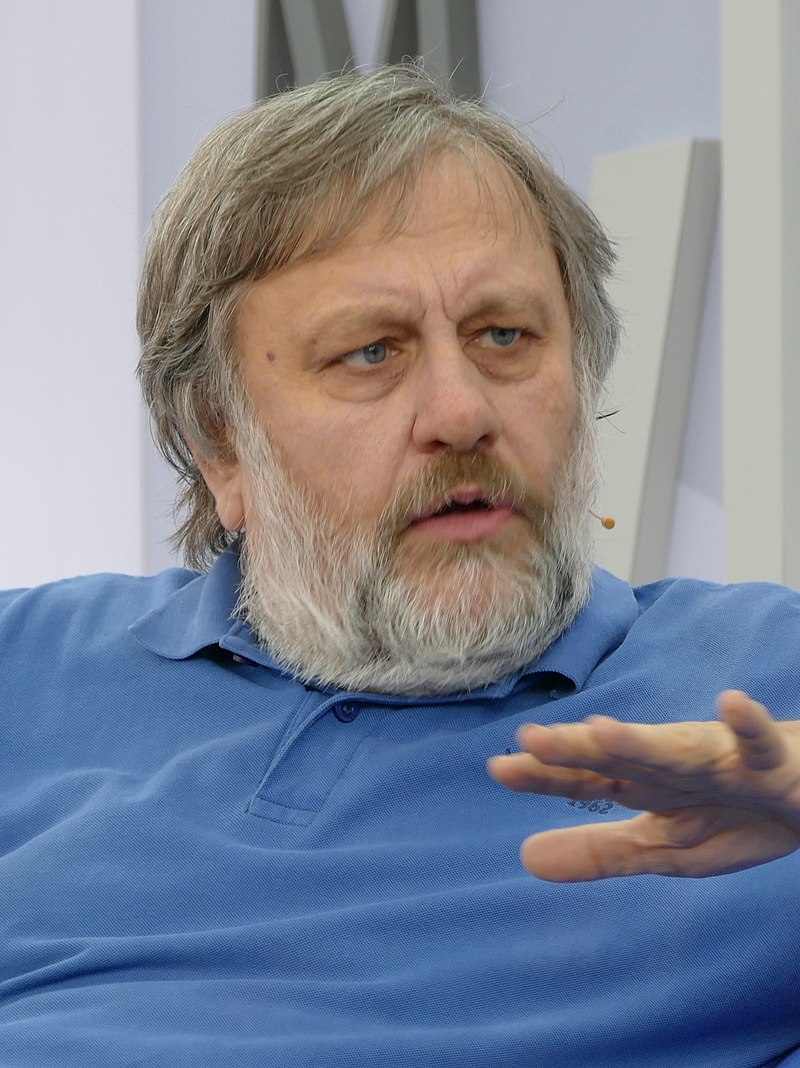

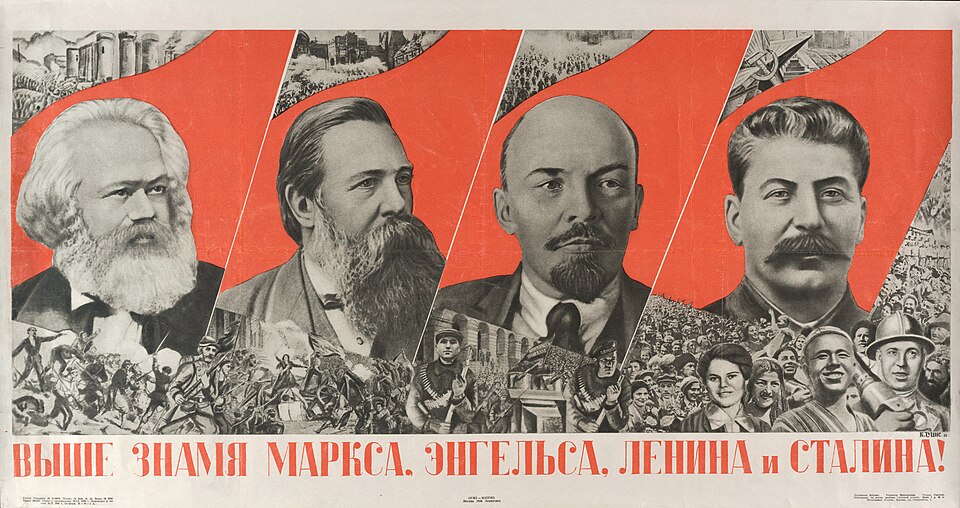


Antonio Gramsci's writings are referenced in the context of the cultural battle concept adopted by the far right.
Comment l’extrême droite a repris le concept de « bataille culturelle » France· 2026-02-08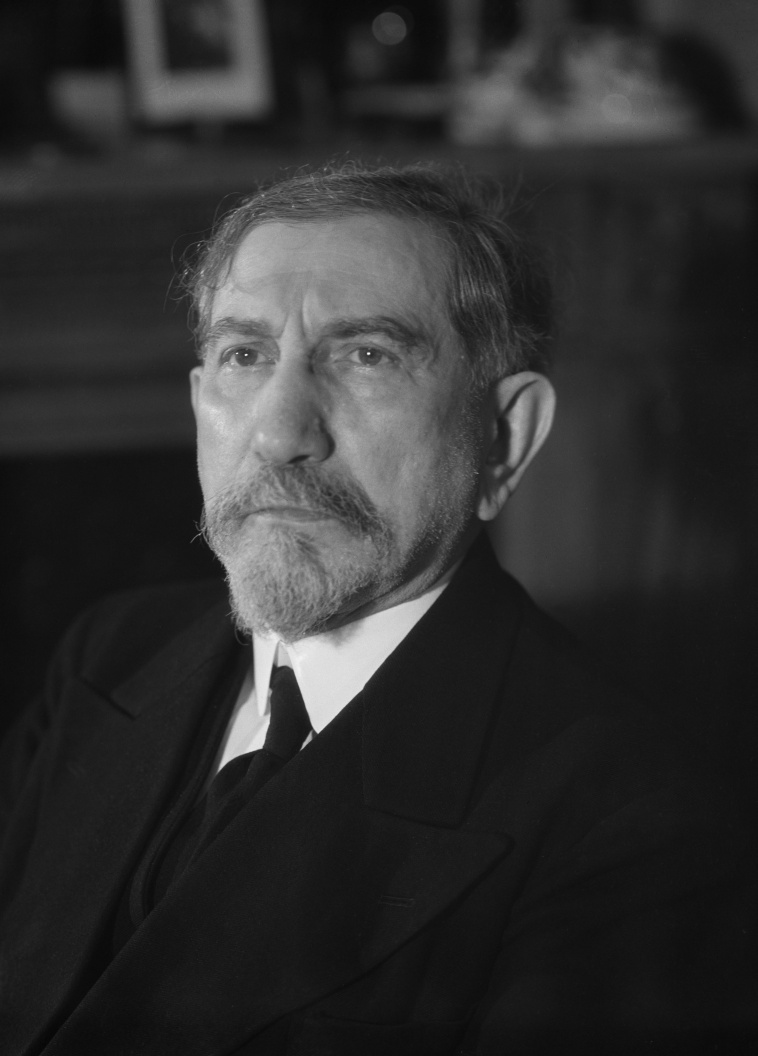
Antonio Gramsci is mentioned as an unexpected reference for the Nouvelle Droite's concerns about cultural hegemony.
Comprender la ideología ultra que se extiende por el planeta: “Hay que temer más el ruido de las pantuflas que el de las botas” | Cultura Spain· 2026-02-07




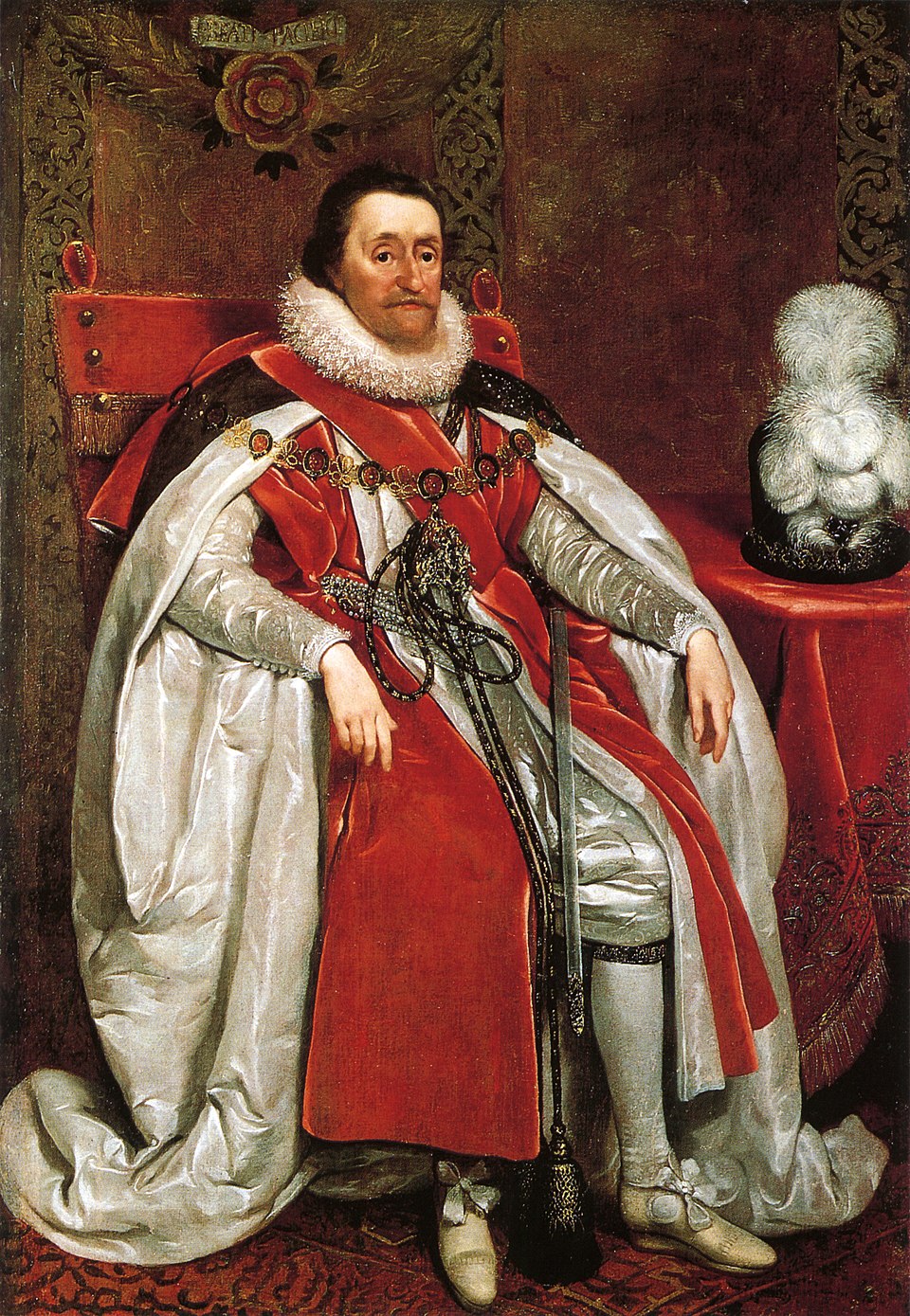

Antonio Gramsci is the founder of the Italian Communist Party and a major theorist of cultural hegemony.
Da Tolkien a Gramsci, a Pasolini: così destra e sinistra litigano sul pantheon di scrittori e cantantiItaly· 2026-02-03




Antonio Gramsci's ideas suggest that the people seem to accept conditions that disadvantage them due to moral and cultural values.
Paradoks Rakyat ”Bahagia”Indonesia· 2026-01-28
Antonio Gramsci's concept of 'cultural hegemony' is referenced.
Trump setzt Weltordnung aufs SpielSwitzerland· 2026-01-28
Antonio Gramsci is referenced for his formula of 'pessimism of the intellect' and 'optimism of the will' in political discourse.
Slovenački sociolog Rudi Rizman o tome kako se snaći “u svijetu Kafke, Orvela i Hobsa” Montenegro· 2026-01-25


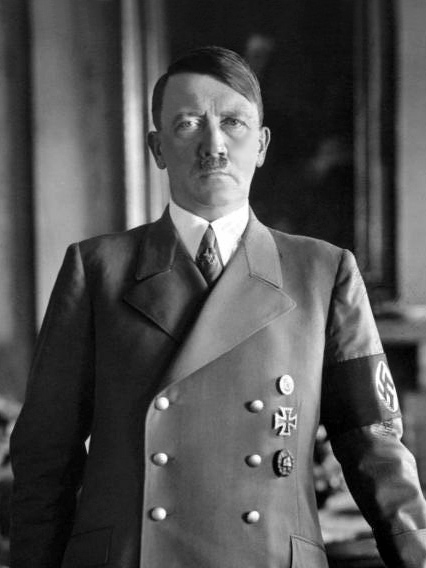
Antonio Gramsci's ideas are referenced in the context of digital influencers being seen as organic intellectuals.
Kritik Viral, Teror ManualIndonesia· 2026-01-13

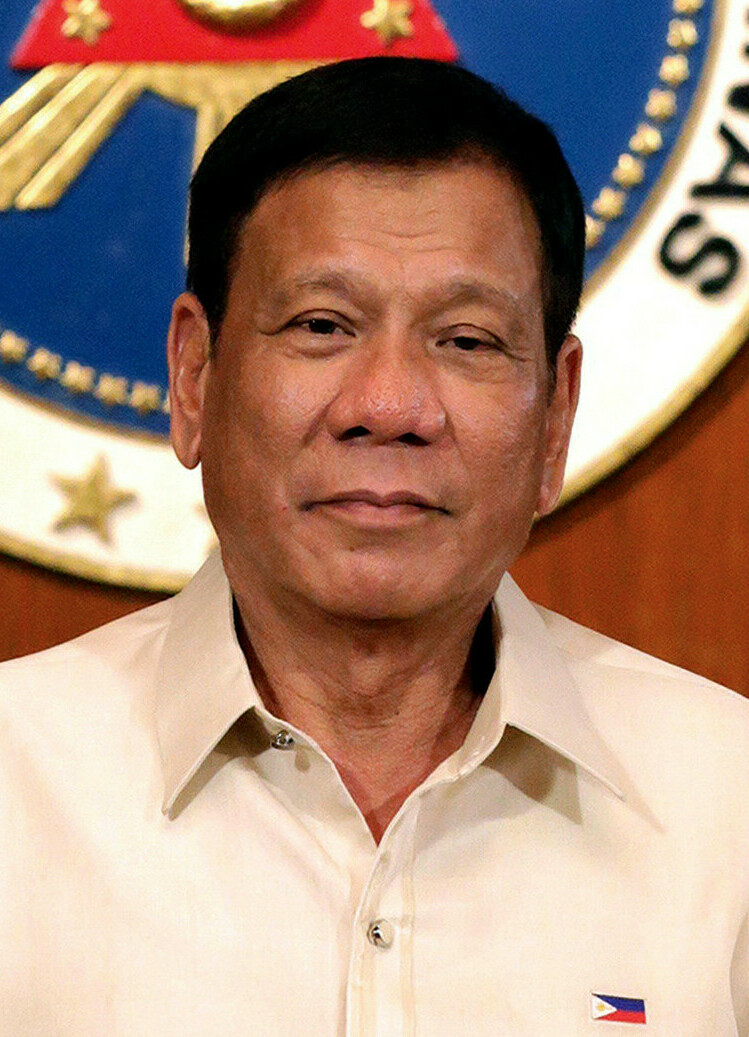
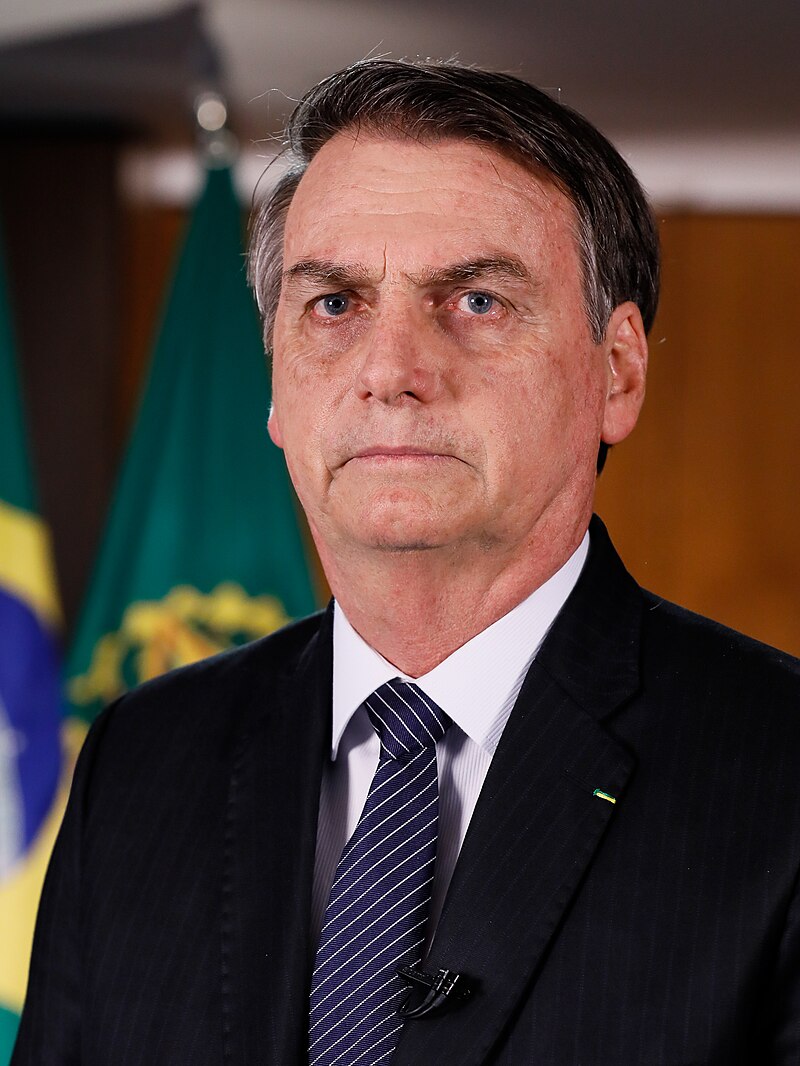
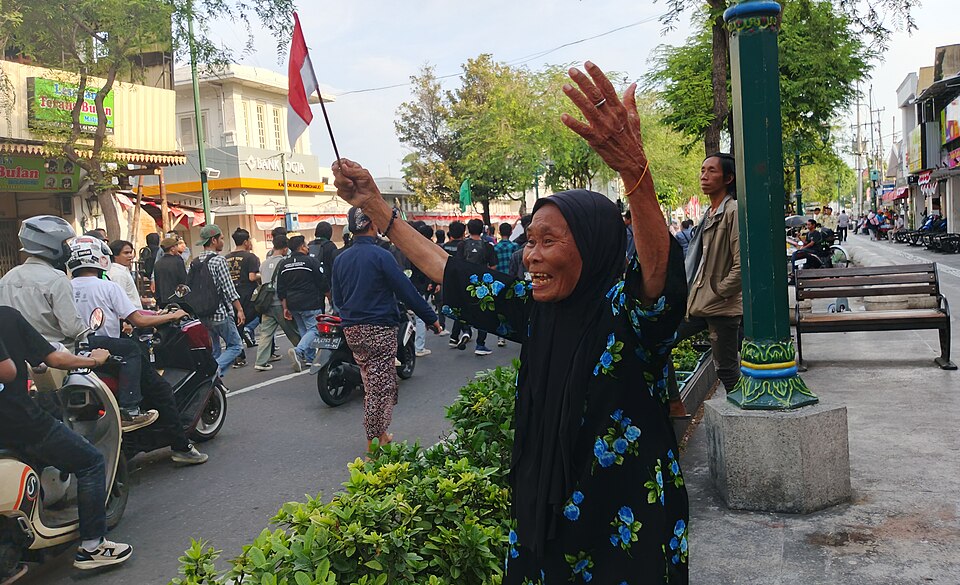
Antonio Gramsci wrote about the fear of monsters leading people to believe in false prophets.
Jede Geburt ist ein neuer AnfangSwitzerland· 2025-12-24


Bob draws from Antonio Gramsci's philosophy in his discussions.
‘The phone would ring and it would be Mike Scott from the Waterboys or Bono from U2. Everyone wanted to talk to my father’ – The Irish Times Ireland· 2025-12-20



Antonio Gramsci's quote reflects on the transition between old and new worlds.
La broma infinita Argentina· 2025-12-19
Antonio Gramsci's theories are referenced in relation to the cultural battle.
La arenga del Pacha, blancos contra lo woke y las luces amarillas de Orsi Uruguay· 2025-12-17




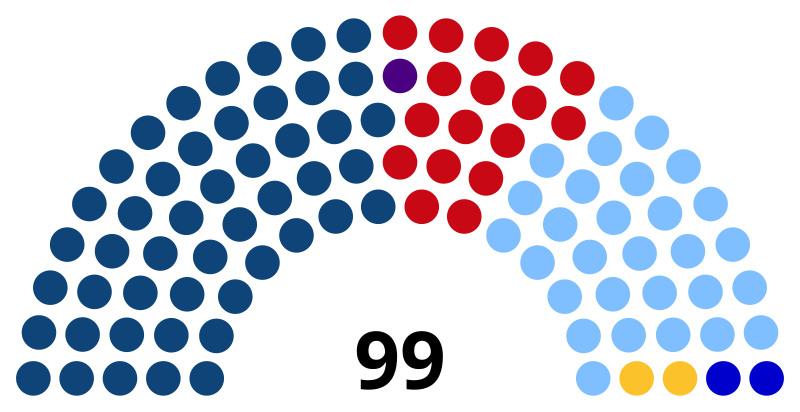

Antonio Gramsci is cited as an ideological figure by the youth movement of Giorgia Meloni.
Vom rechten Rand zum Zentrum von ItalienSwitzerland· 2025-12-14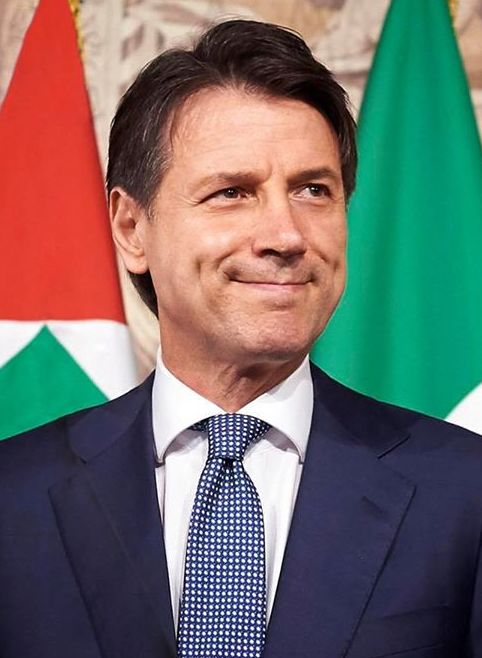
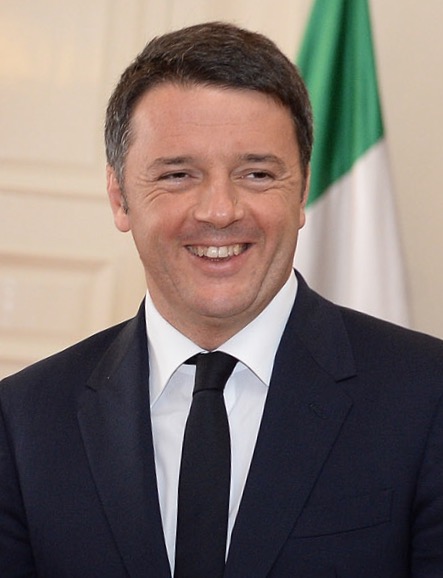

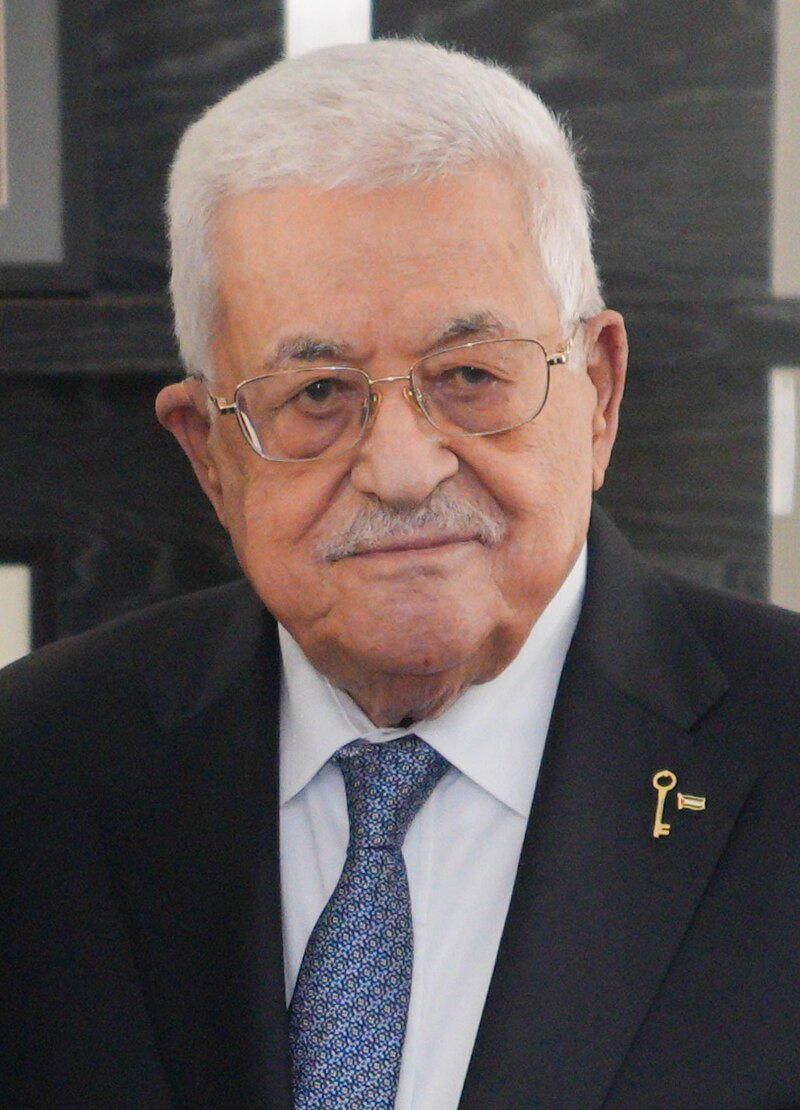
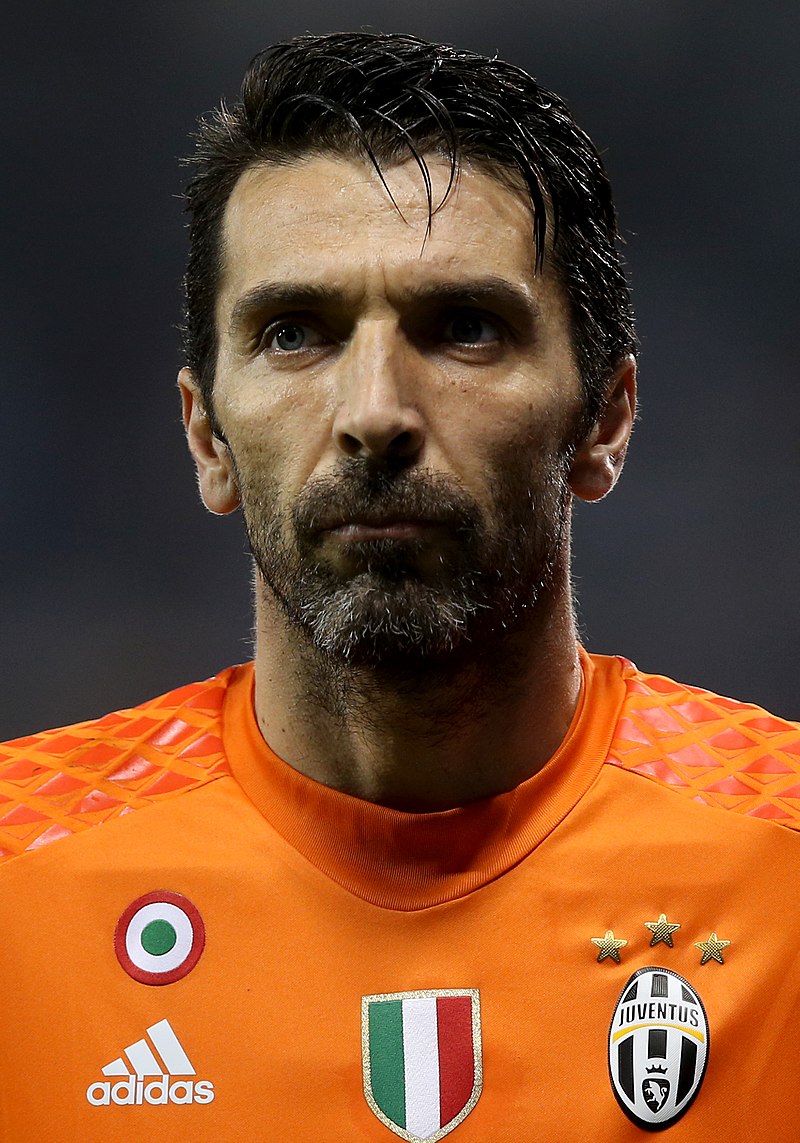




Antonio Gramsci developed the idea of cultural hegemony, which helps explain how certain ways of knowing rise to global dominance.
What AI doesn’t know: we could be creating a global ‘knowledge collapse’ | Artificial intelligence (AI)United Kingdom· 2025-11-18


Celeste Amarilla recalled the words of Italian thinker Antonio Gramsci regarding the indifference of voters.
Celeste Amarilla advierte sobre “el poder de los indiferentes” en las elecciones de Ciudad del Este - Política Paraguay· 2025-11-06



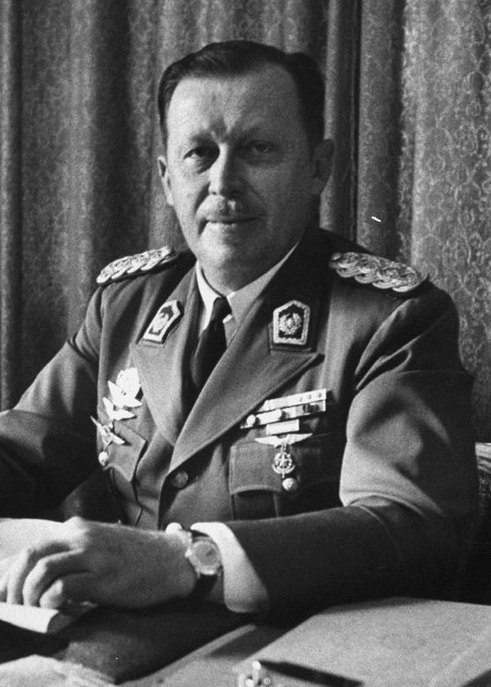


Antonio Gramsci is referenced as a significant figure in the political understanding of Buttigieg's father.
Zohran, Barack, Kamala y Pete | InternacionalSpain· 2025-11-06
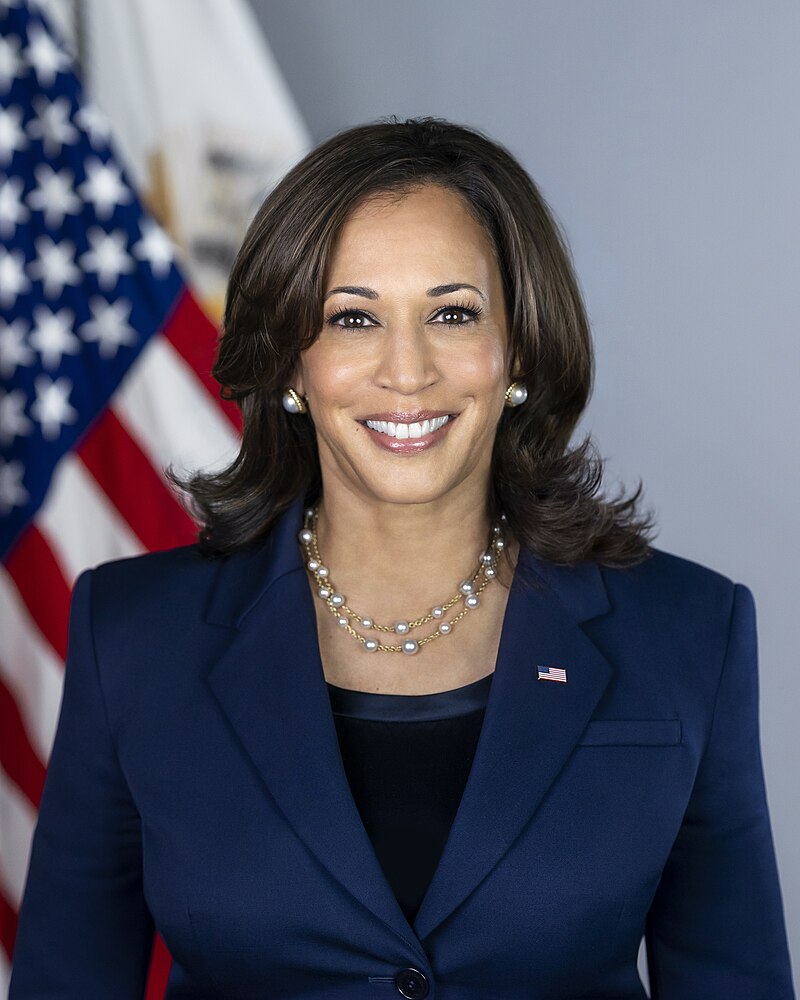

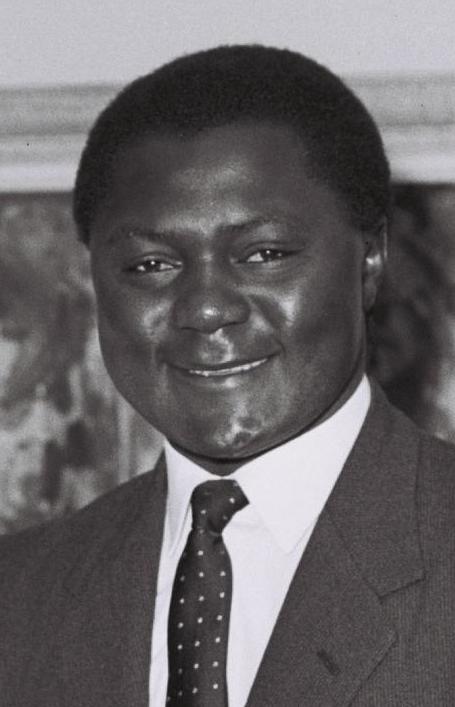

Antonio Gramsci's metaphor of interregnum is used to describe the current crisis period.
Preizkušnja demokracije v dobi globalne negotovosti Slovenia· 2025-10-31