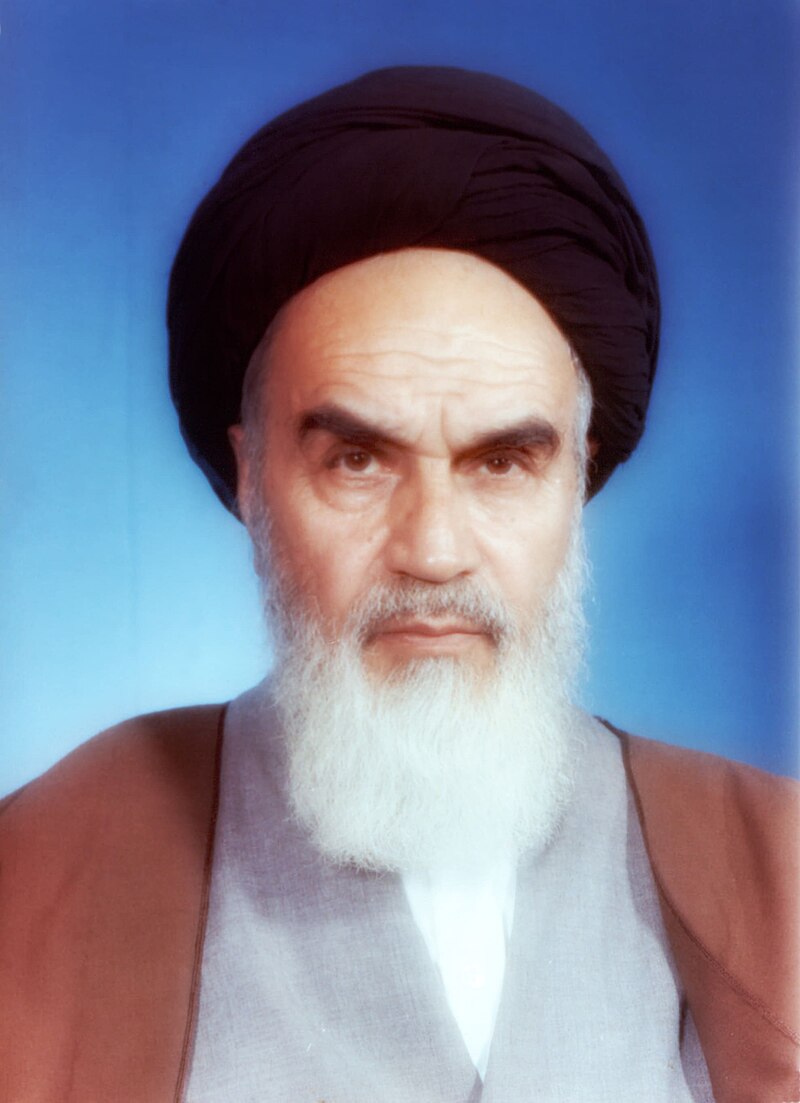
Ayatollah Khomeini
 North MacedoniapoliticianMaleb. 19023.2Global Dominance: 0.00%
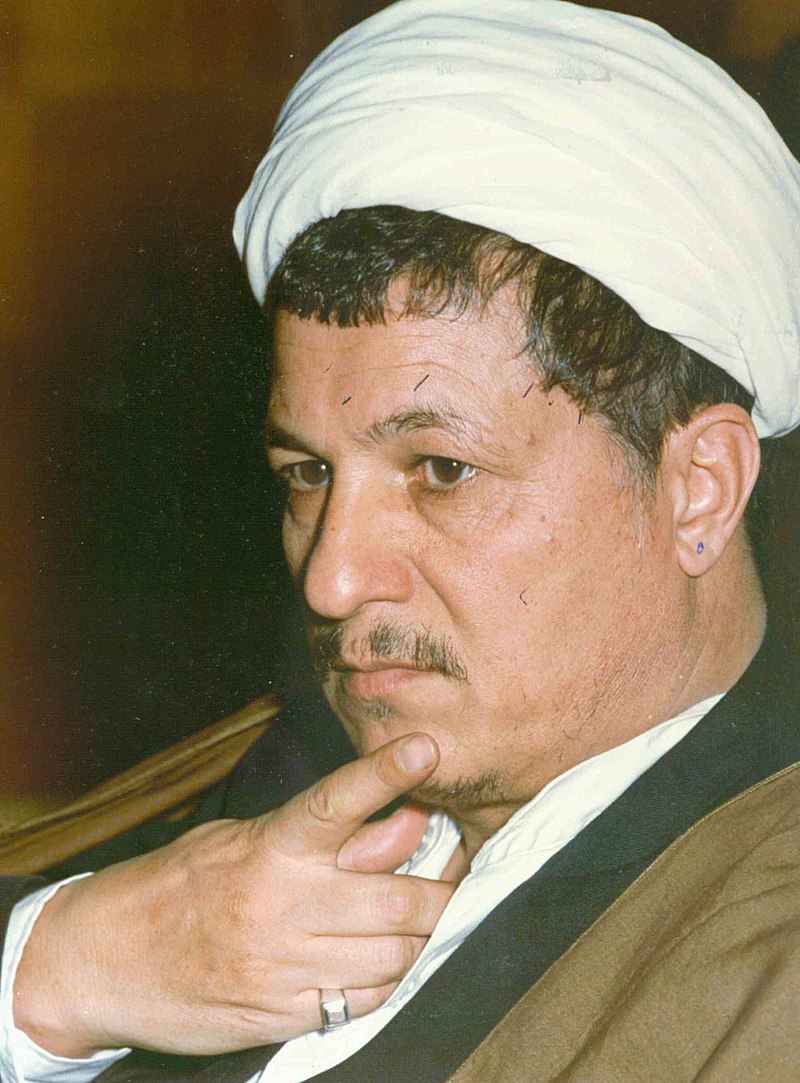
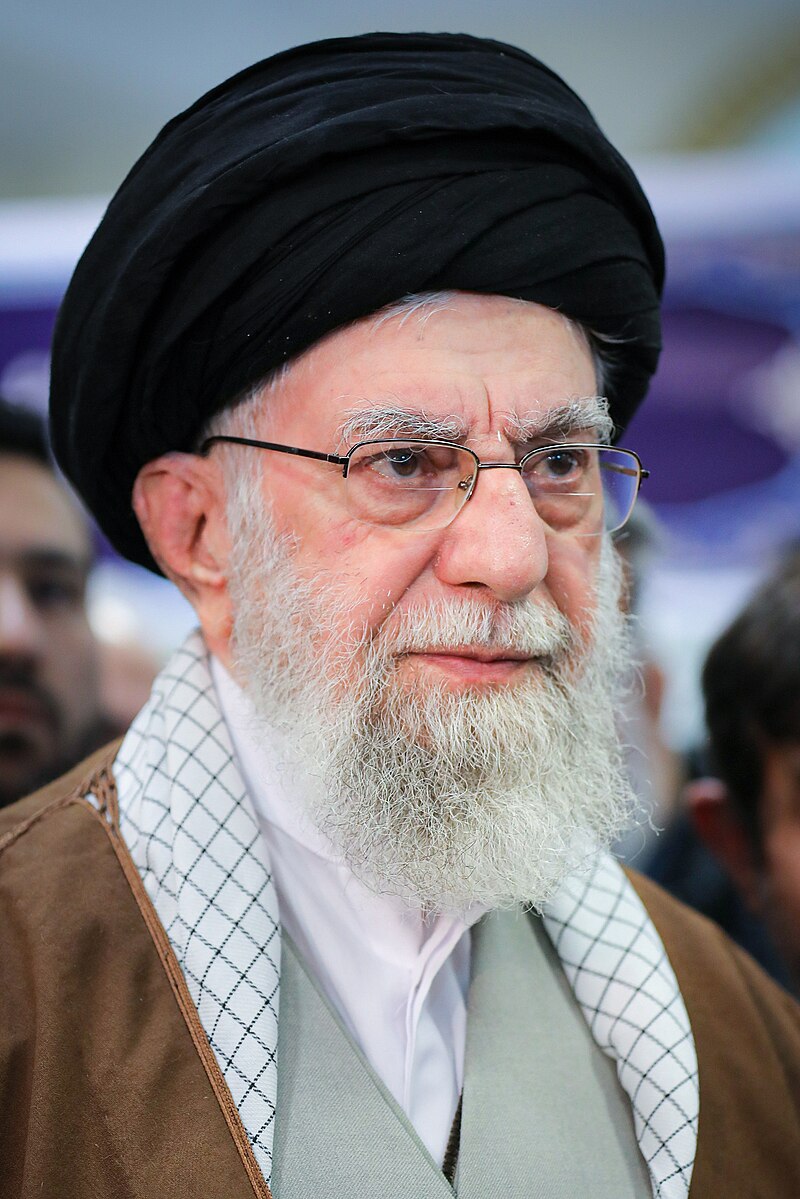
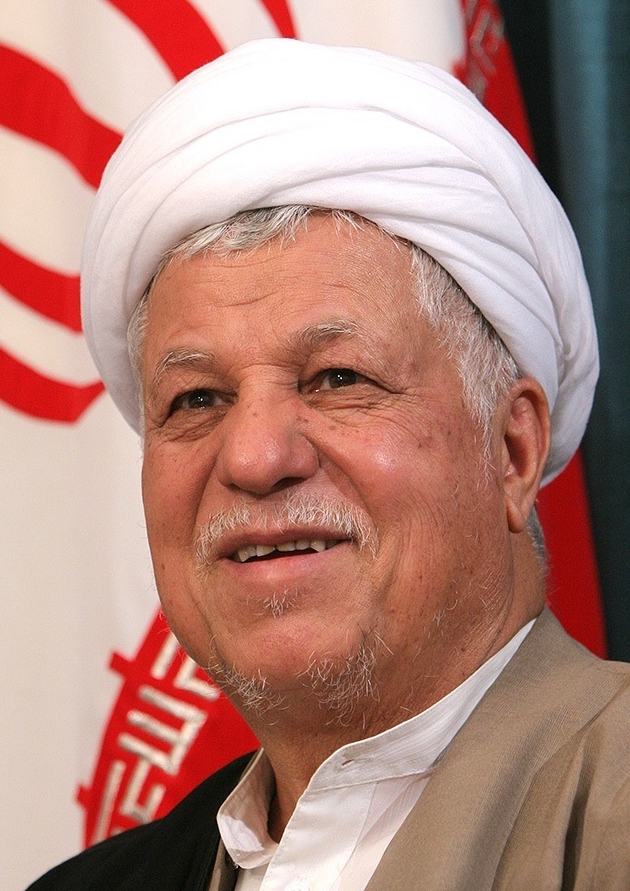
Ayatollah Khomeini was an Iranian revolutionary leader and cleric who became the Supreme Leader of Iran after the 1979 Islamic Revolution. He played a crucial role in overthrowing the Pahlavi monarchy and establishing the Islamic Republic of Iran. Khomeini is best known for his staunch opposition to Western influence in Iran and his promotion of Islamic governance based on Shia principles. His issuance of a fatwa against Salman Rushdie in 1989, following the publication of 'The Satanic Verses', led to widespread controversy and threats against Rushdie's life, symbolizing the ongoing tensions between Islamic fundamentalism and freedom of expression.
Country presence
Recent news mentions
Khomeini banned the celebration of Cyrus the Great's entry into Babylon after coming to power.
Kada smo i zašto počeli da izmišljamo istoriju Montenegro· 2026-09-24

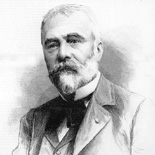
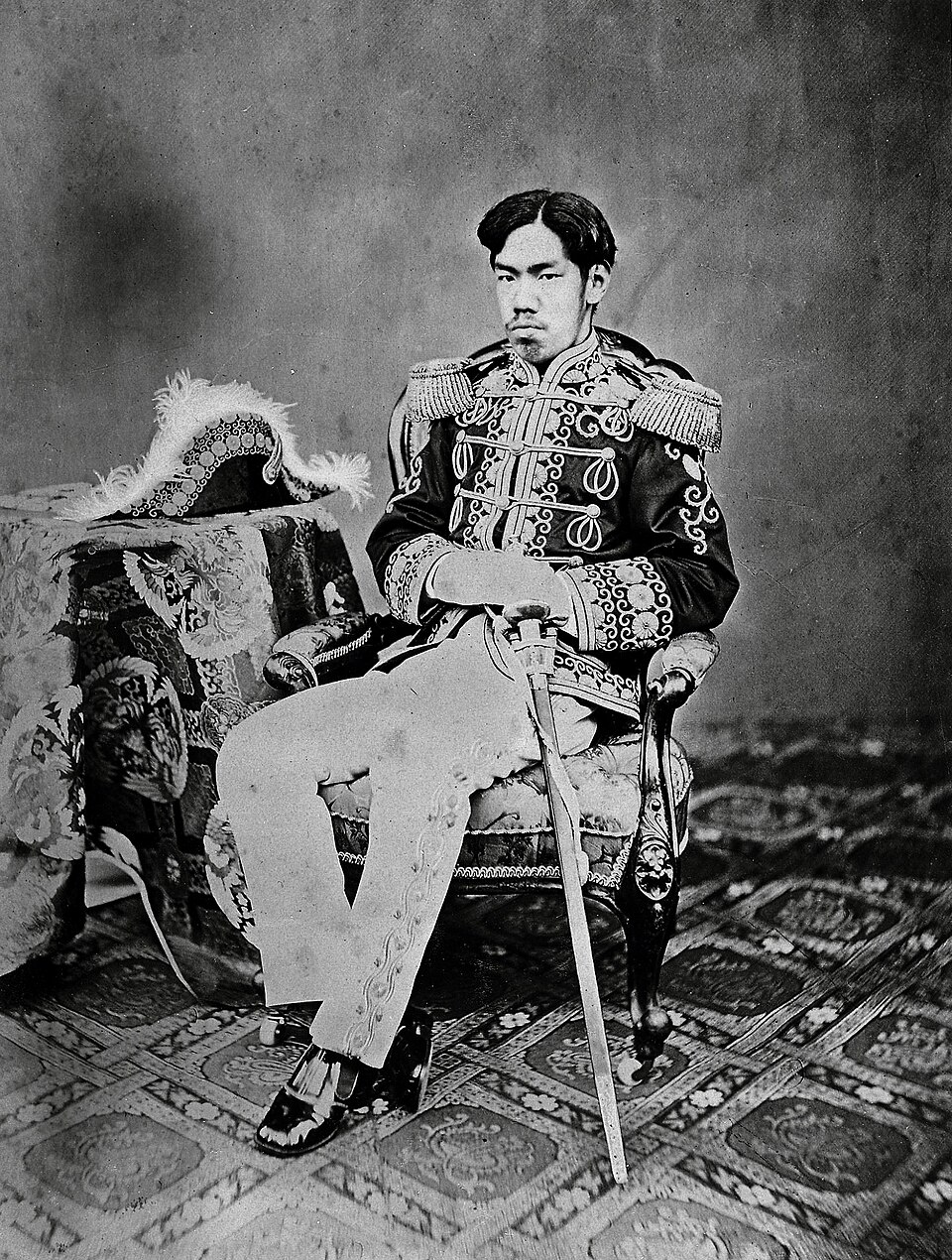
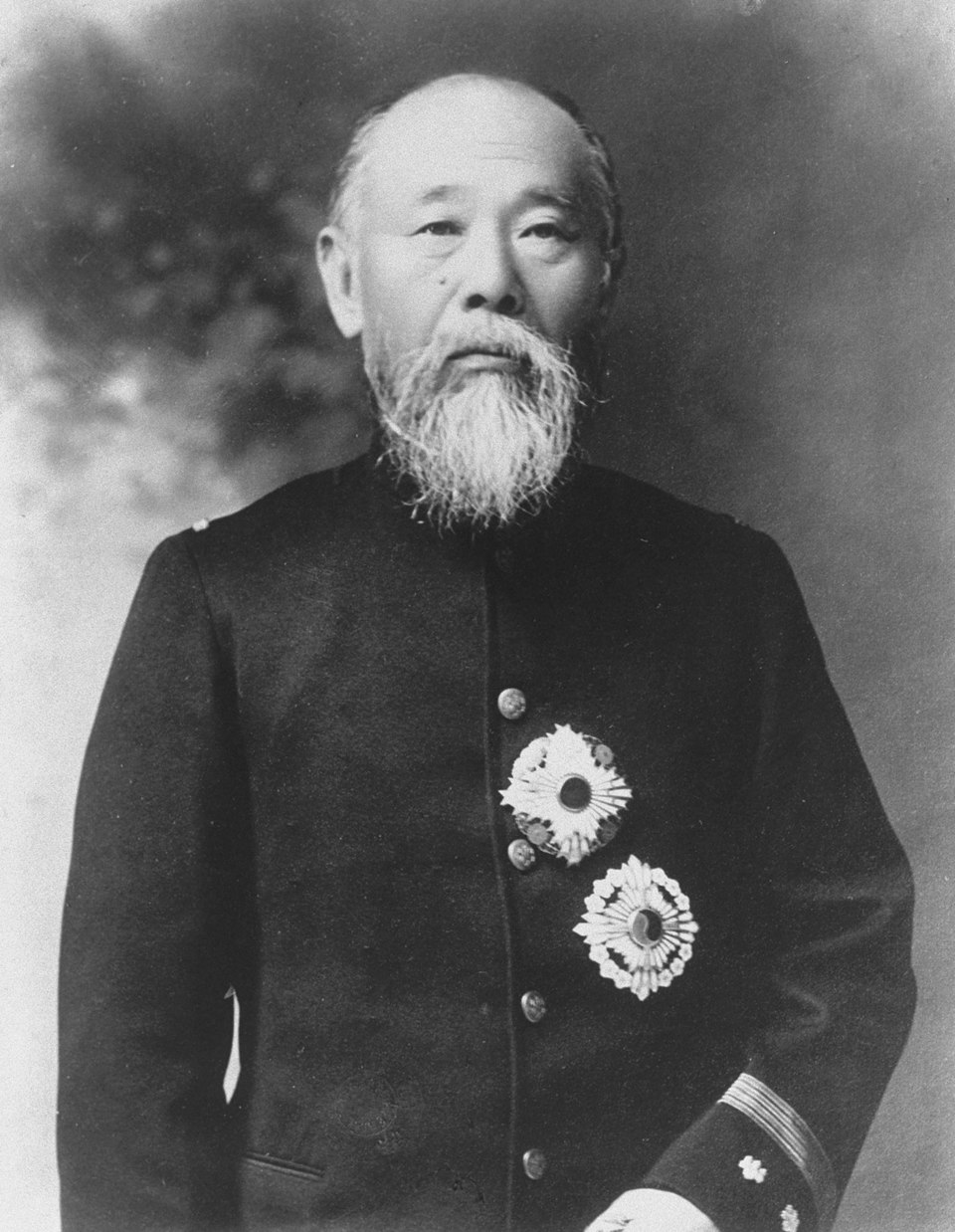
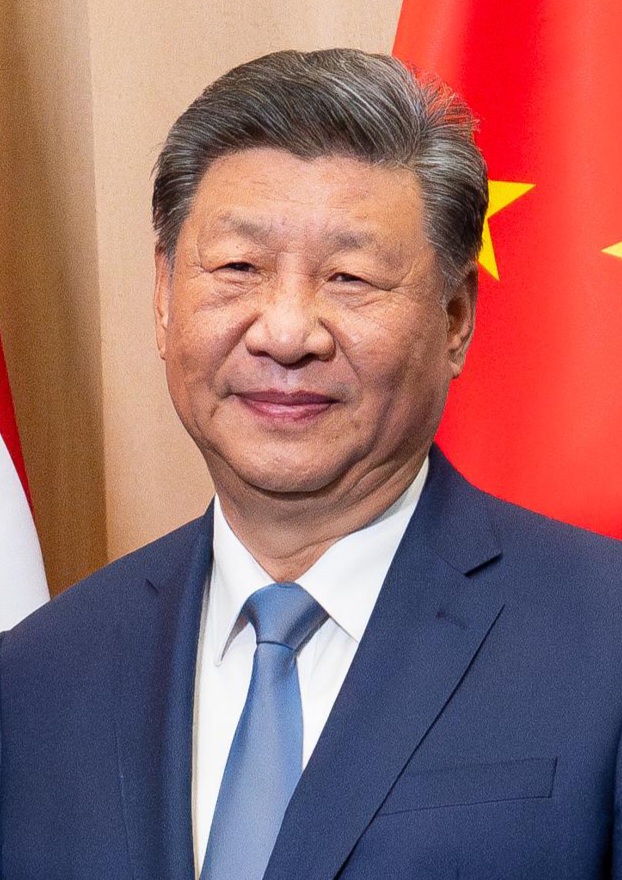
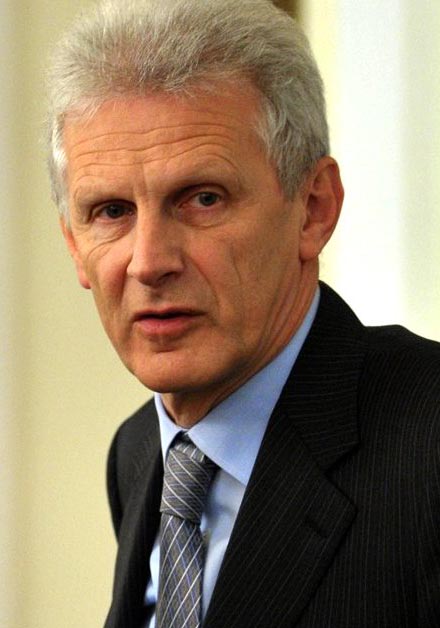
Ayatollah Khomeini became a symbol of the revolution against the Shah in Iran.
Iran, nelle voci del silenzio c’è l’urlo di un popolo: «Libertà, libertà!» Italy· 2026-09-23

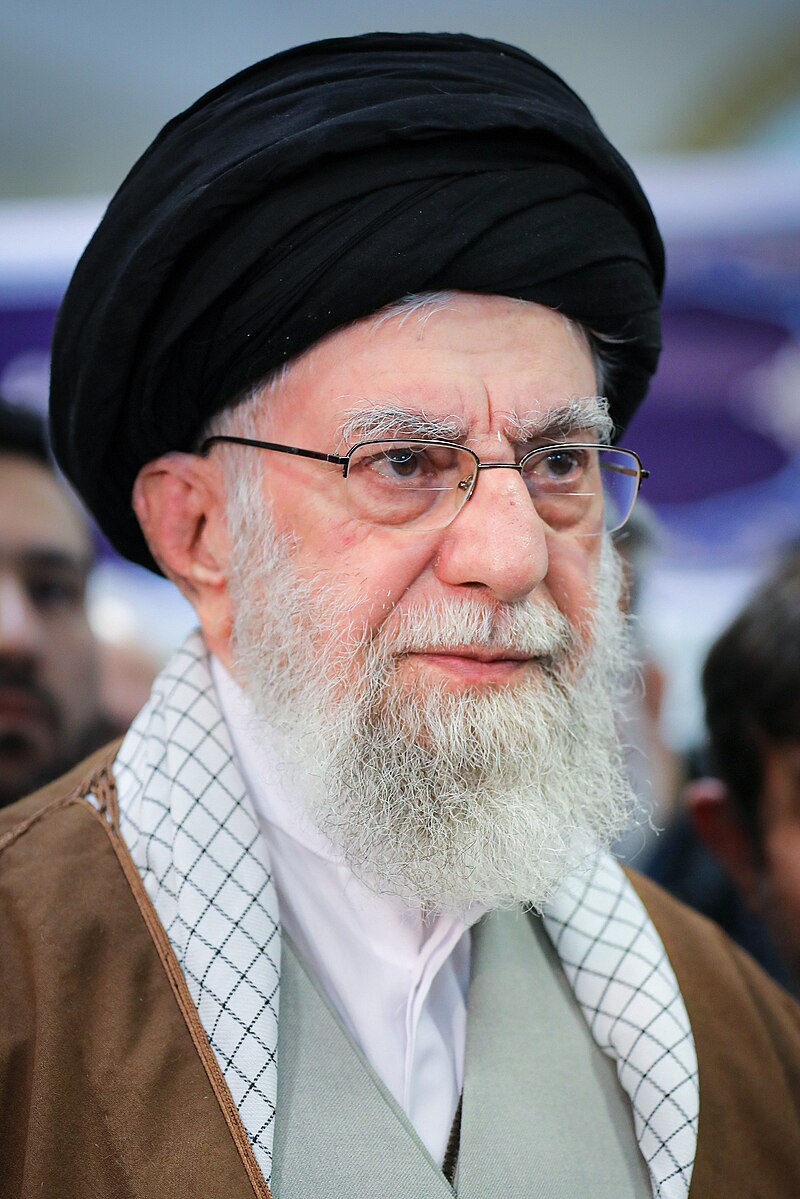
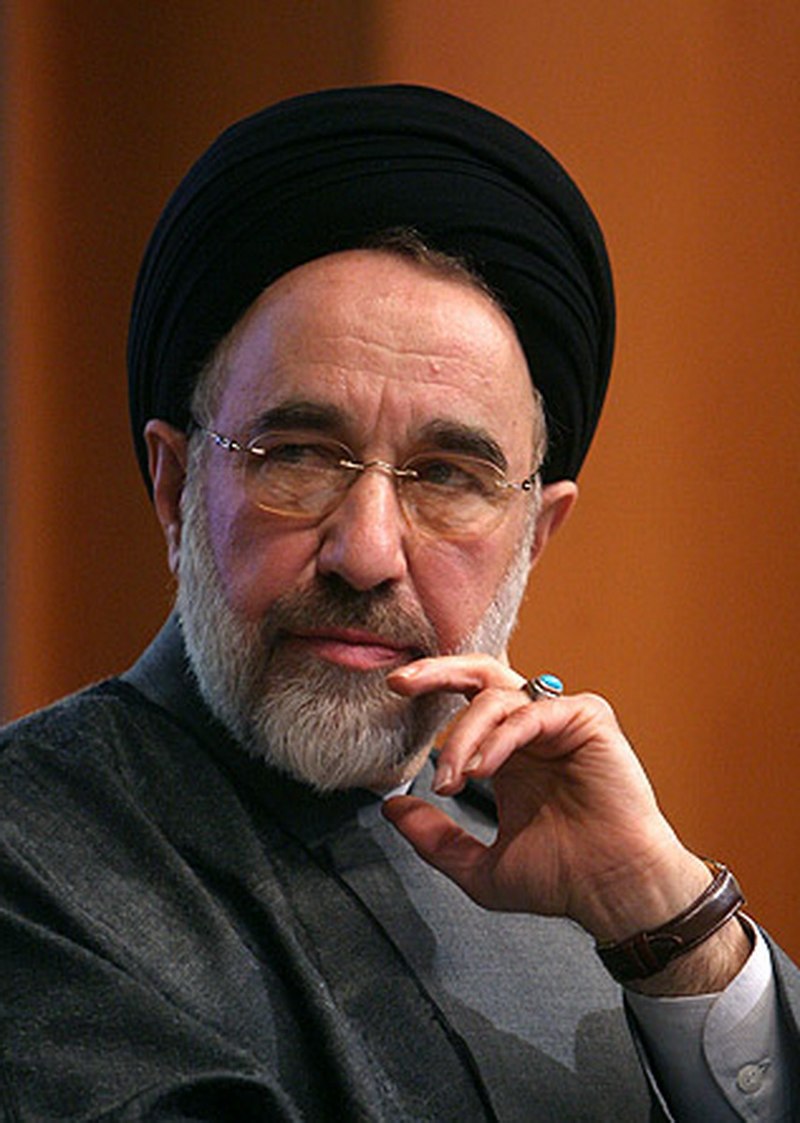
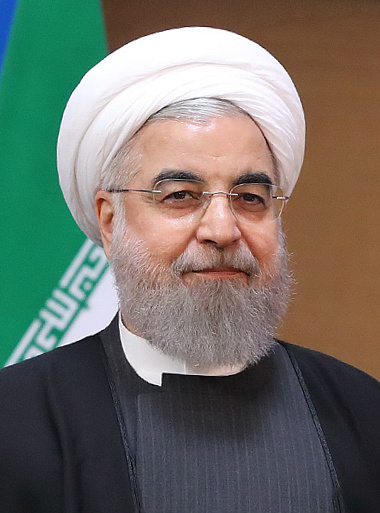
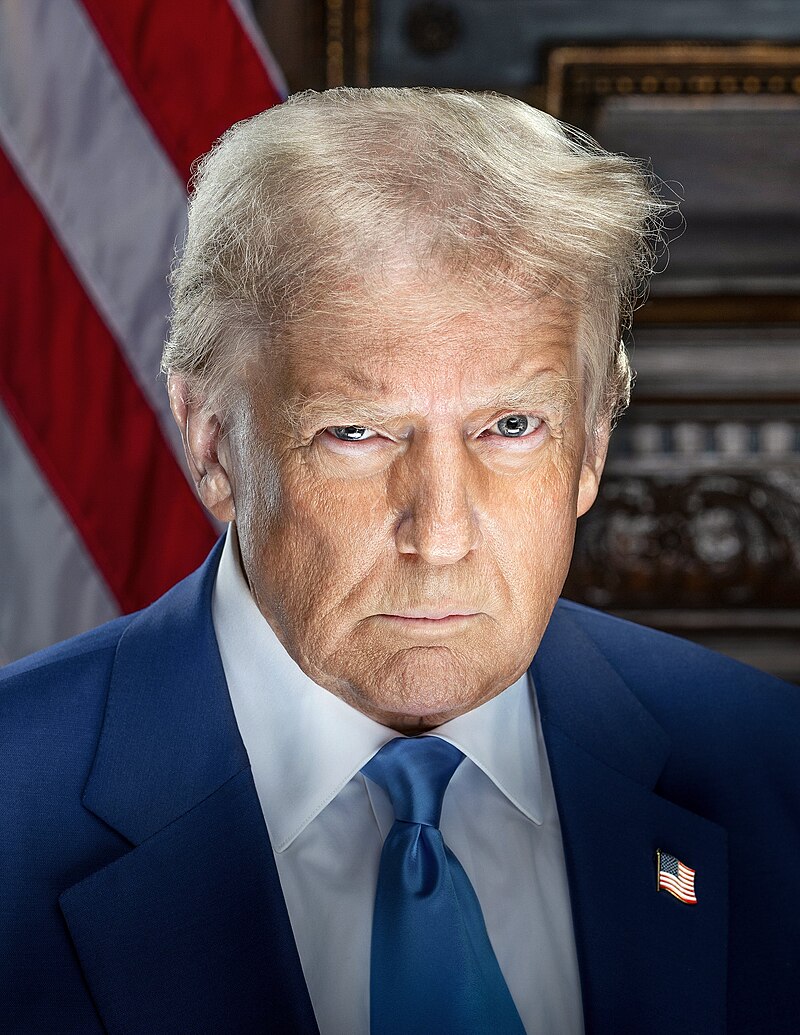
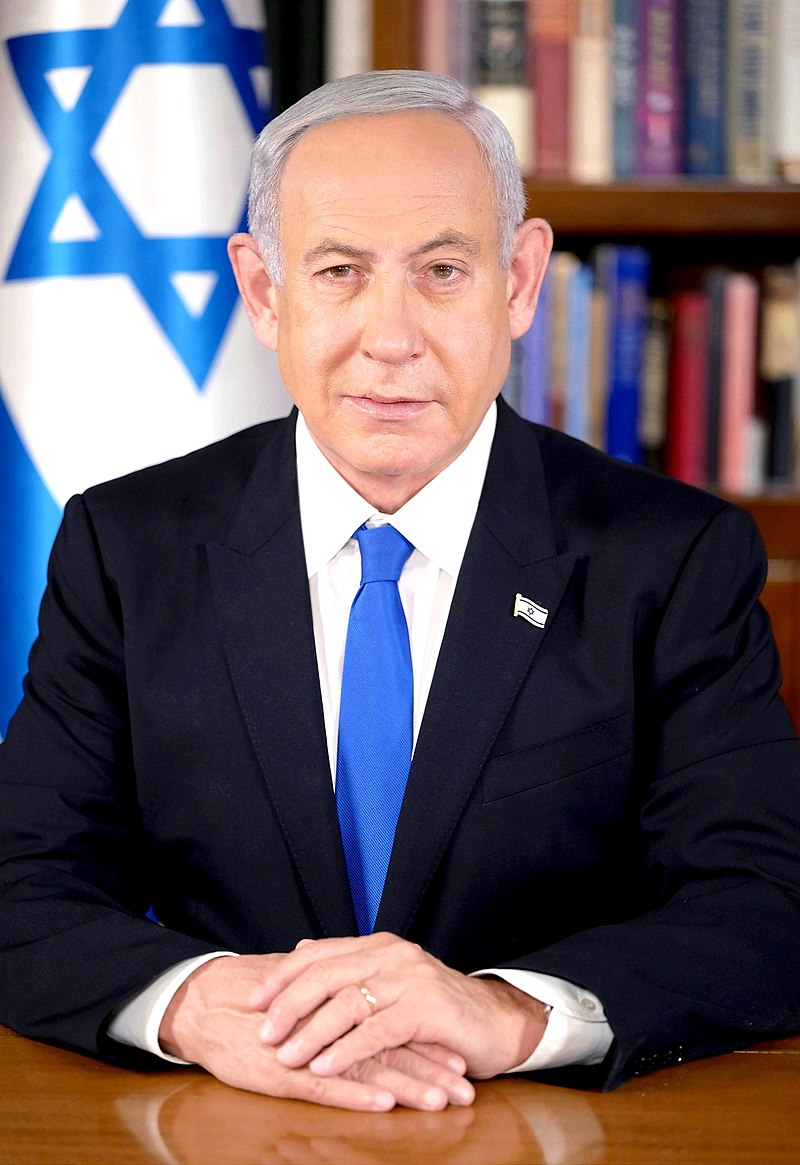
Ayatollah Khomeini led the Islamic Revolution in Iran and became its Supreme Leader.
Иран - булка на камен (прв дел)North Macedonia· 2026-09-15



Ayatollah Khomeini was the Supreme Leader of Iran who approved arms purchases.
Διπλωματικό φιάσκο πρώτου μεγέθους | Η ΚΑΘΗΜΕΡΙΝΗ Greece· 2026-08-03
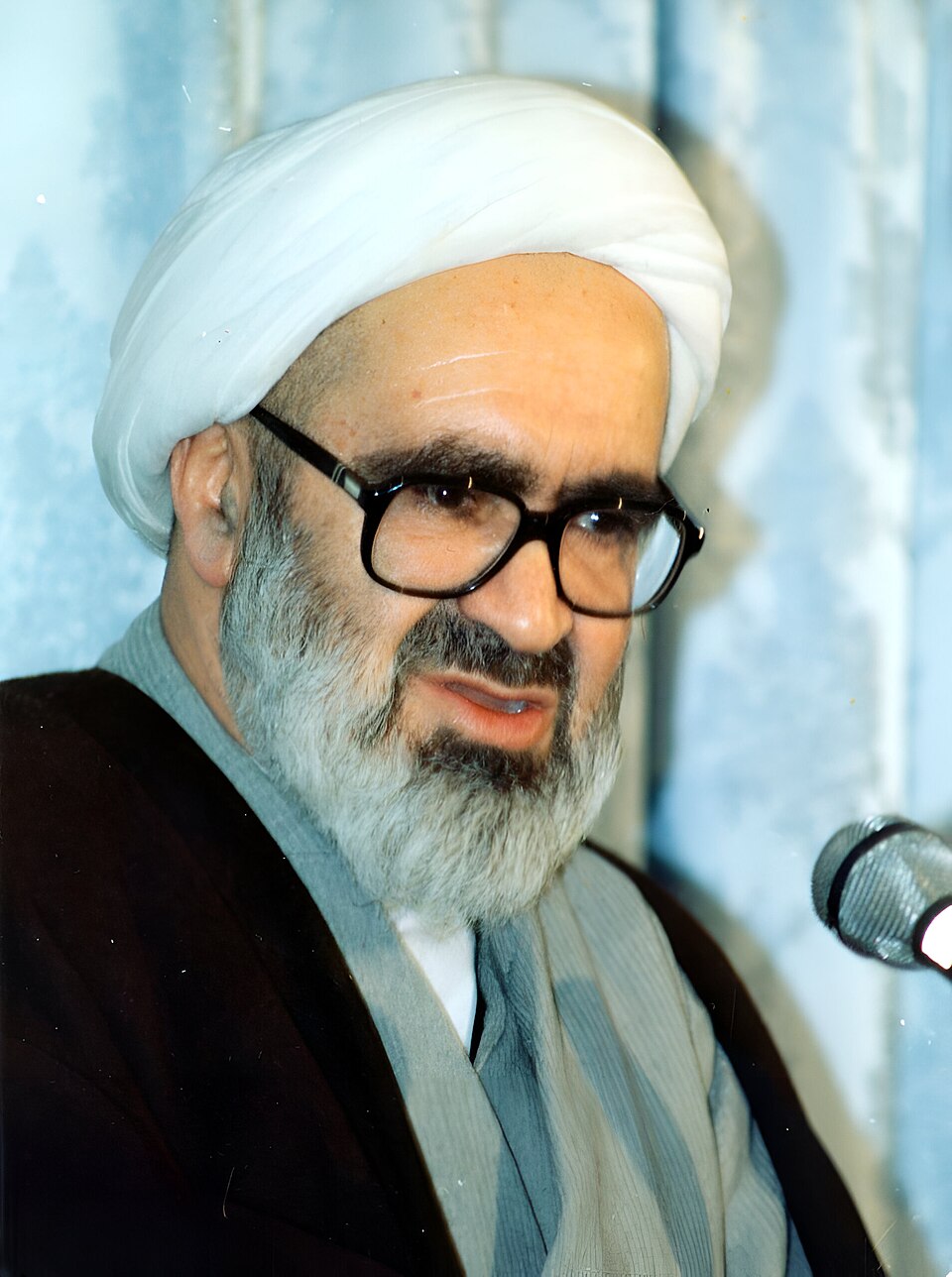
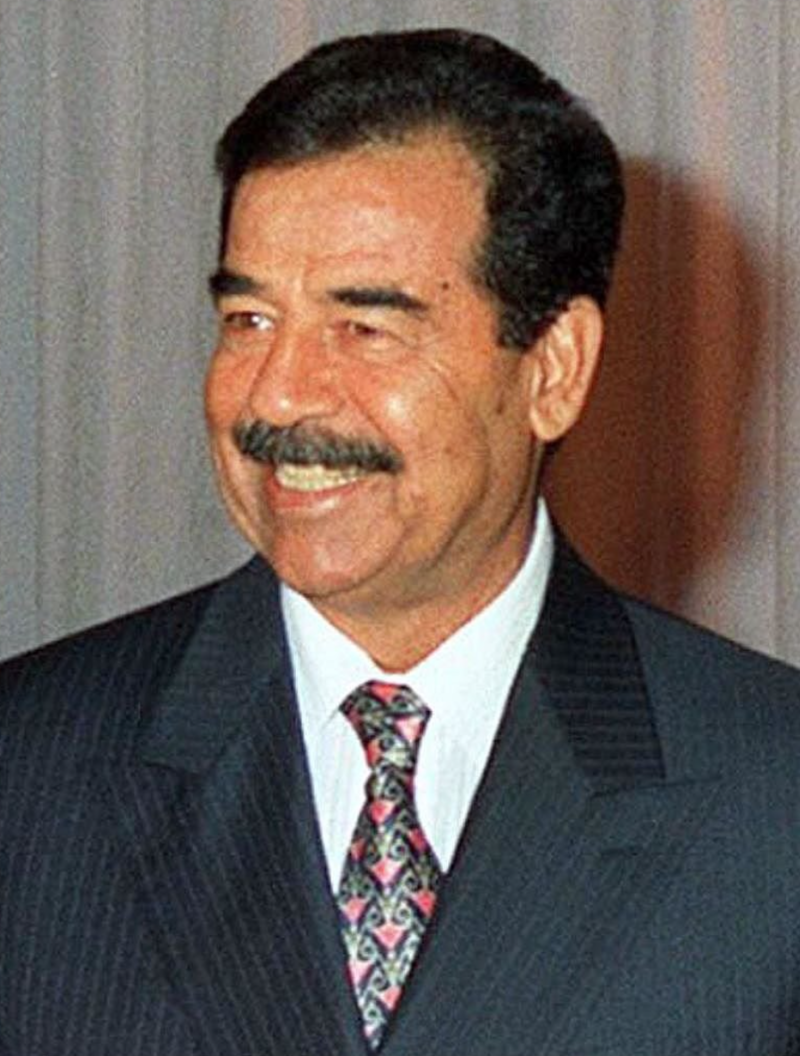
Ayatollah Khomeini is referenced as Iran's first tyrant who accepted a ceasefire with Iraq during the war.
MORNING GLORY: The Napoleon maxim President Trump must remember on Iran United States· 2026-07-23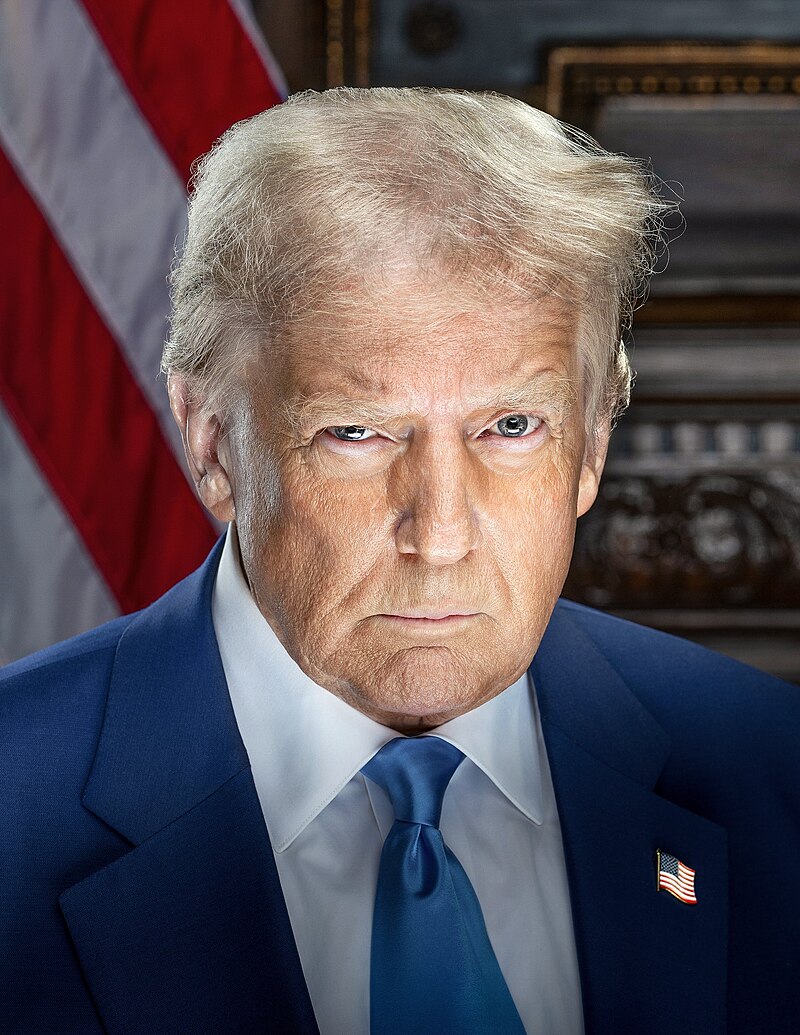
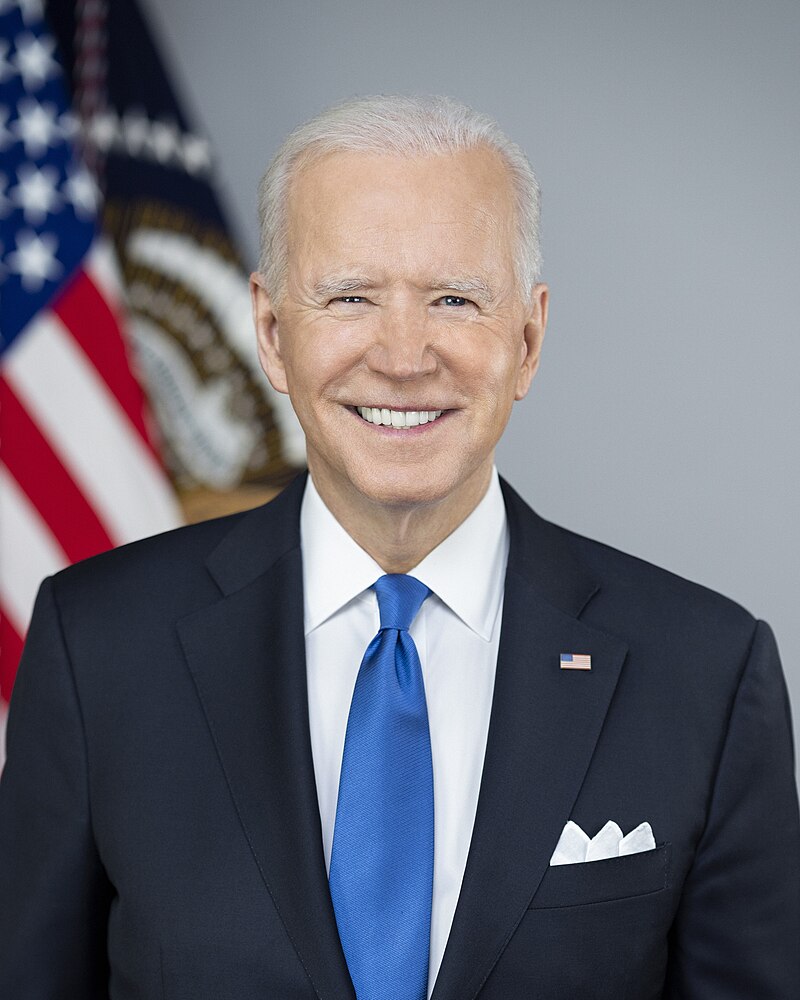
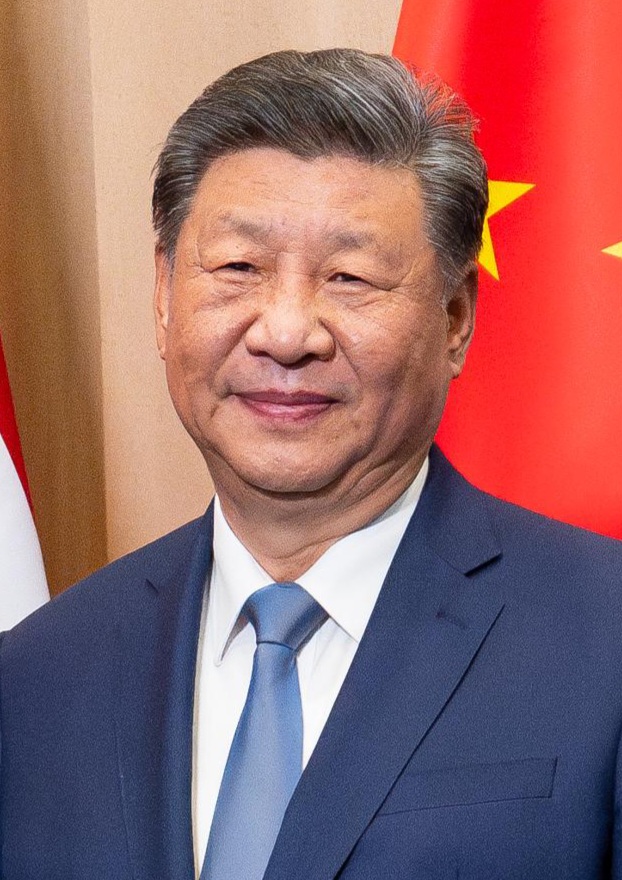
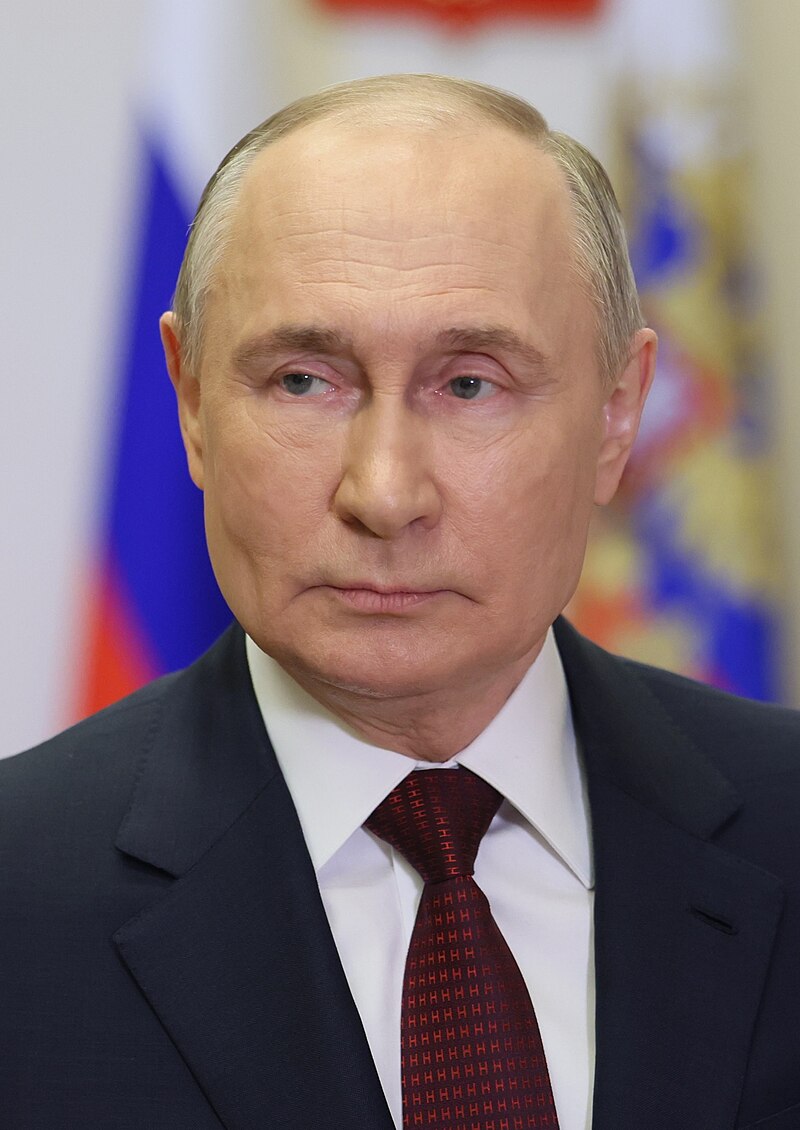
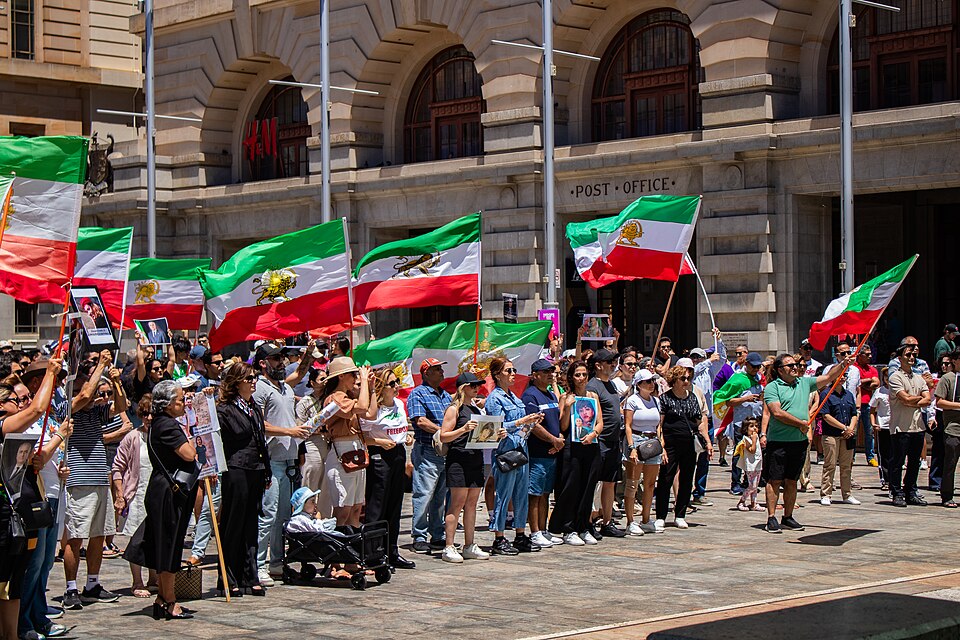
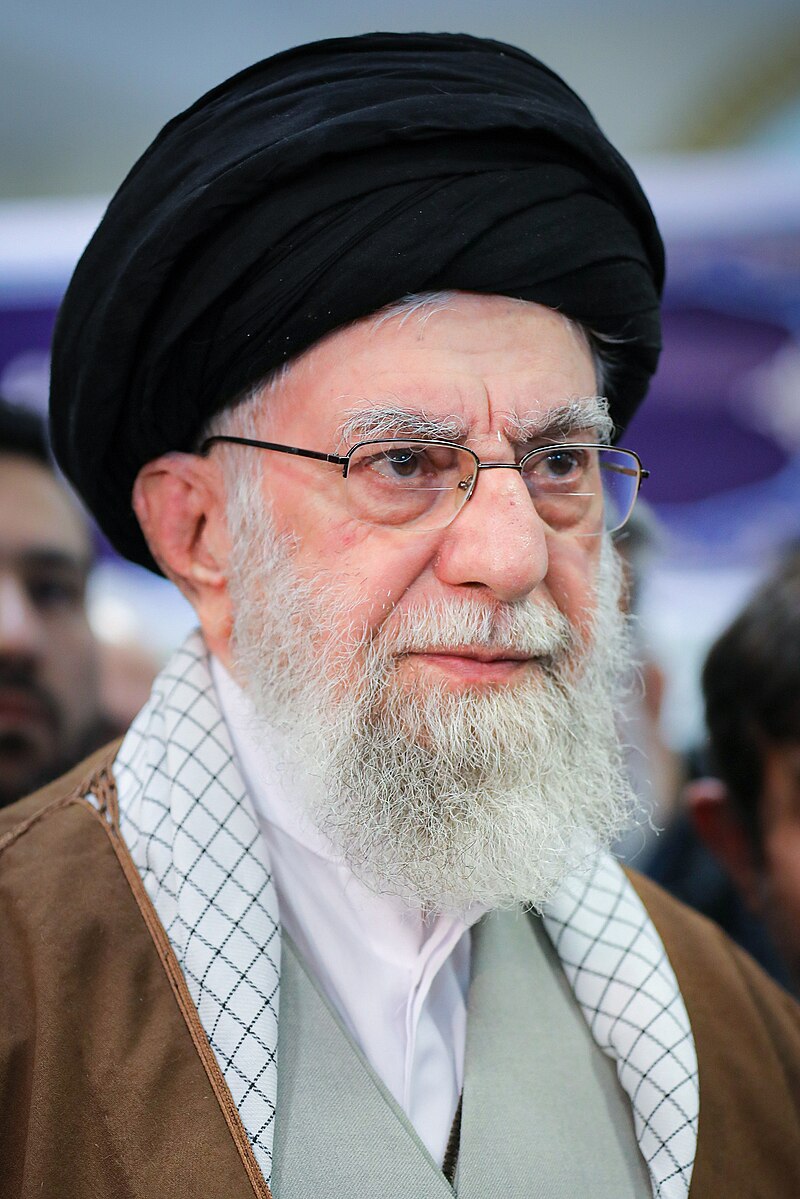
Ayatollah Khomeini was the original dictator of the Islamic Republic of Iran who accepted defeat in the Iran-Iraq War.
Iran's nuclear program in ruins as US blockade tightens in conflictUnited States· 2026-07-21
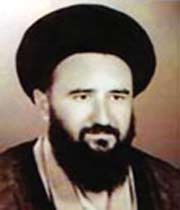
The Supreme Leader of Iran, Ayatollah Khomeini, began sending military operators to the region.
El sur de Líbano: pequeño gran problema Guatemala· 2026-06-21
Ayatollah Khomeini is referenced as the spiritual leader of Iran targeted in military operations.
මැදපෙරදිග යුද ගින්න ලංකාවටත් ඇවිළෙයිද? Sri Lanka· 2026-03-07

Ayatollah Khomeini was forced to seek a ceasefire during the Iran-Iraq war.
I covered the Middle East when Saddam was America’s friend. The bloodletting hasn’t stopped Australia· 2026-03-06

Khomeini expected to conquer Iraq within a year during the Iran-Iraq war.
Daha büyük tehlike kapımızda | Abdulkadir SELVİ Köşe Yazısı Turkey· 2026-03-05

Ayatollah Khomeini was recognized as the supreme religious leader by many Shiites after the Iranian Revolution in 1979.
Taberele din Orientul Mijlociu: cine sunt aliații Iranului și cine e de partea lui Trump Romania· 2026-03-04

Ayatollah Khomeini is identified as a key figure in the historical conflict between Iran and the United States.
Oriente Occidente di Rampini | No, non è «la guerra di Trump»: la storia dell'odio Usa-Iran, iniziato 45 anni fa (e con una lunga scia di vittime)Italy· 2026-03-03
Ayatollah Khomeini returned to Iran in 1979, marking the beginning of the Islamic Revolution.
Sieben Bücher, um Iran besser zu verstehen - Kultur Germany· 2026-03-03

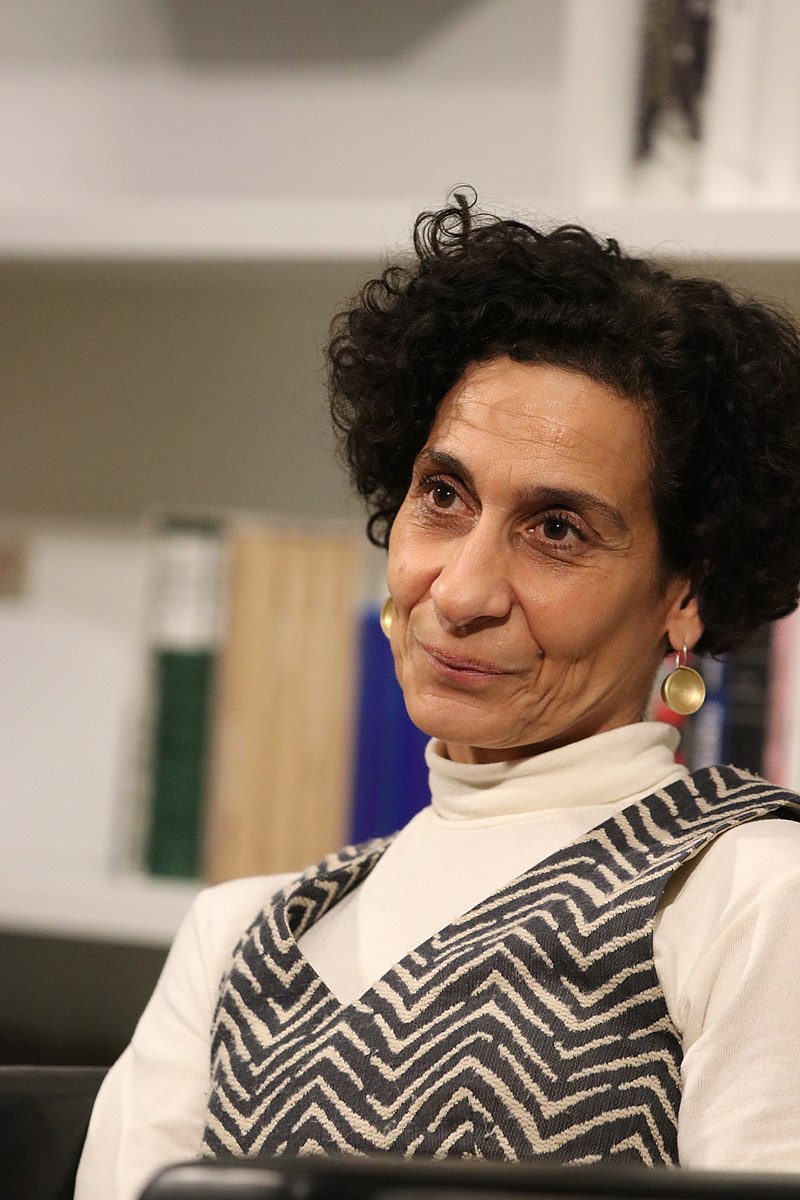
Khomeini had promised to make the lives of Iranians better, as if freedom and democracy were miracles that he could magically bestow.
Will Iran ever be free? Canada· 2026-03-02
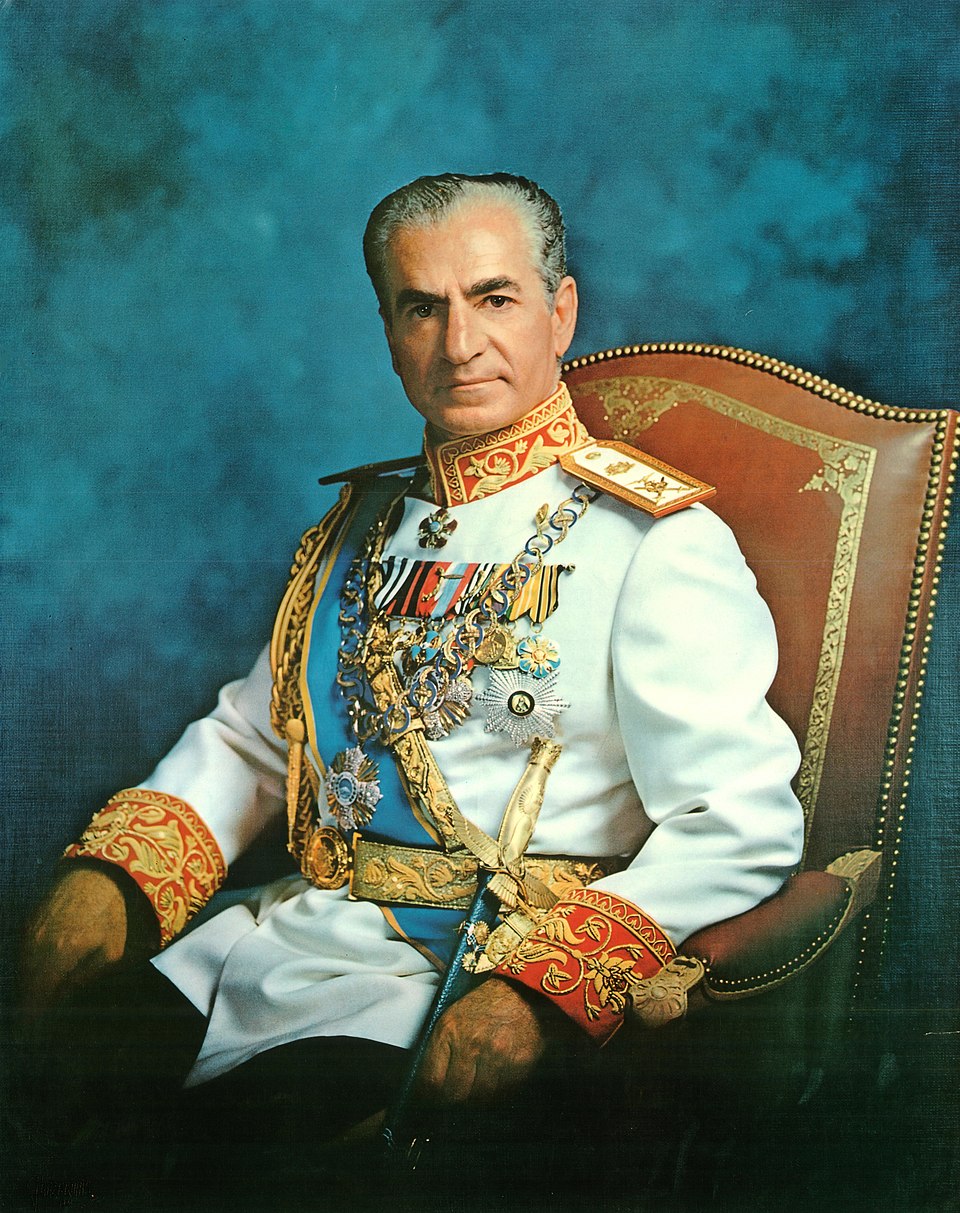
Ayatollah Khomeini was a key figure in the Iranian revolution, returning from exile to lead the movement.
«Una polveriera chiamata Islam»: l’intervento di Foucault sul Corriere del 1979Italy· 2026-03-01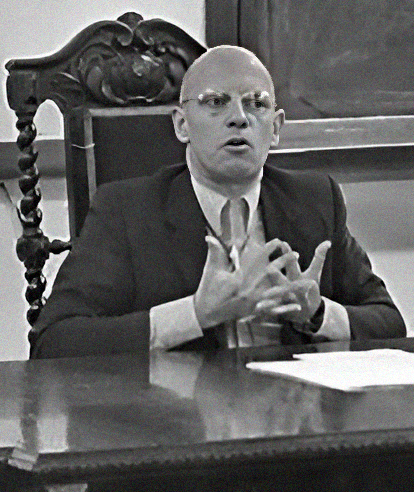
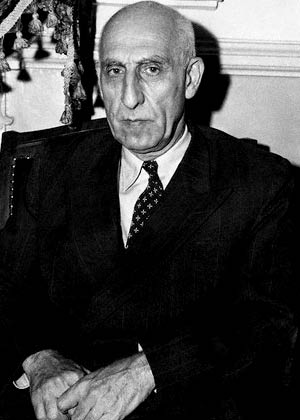
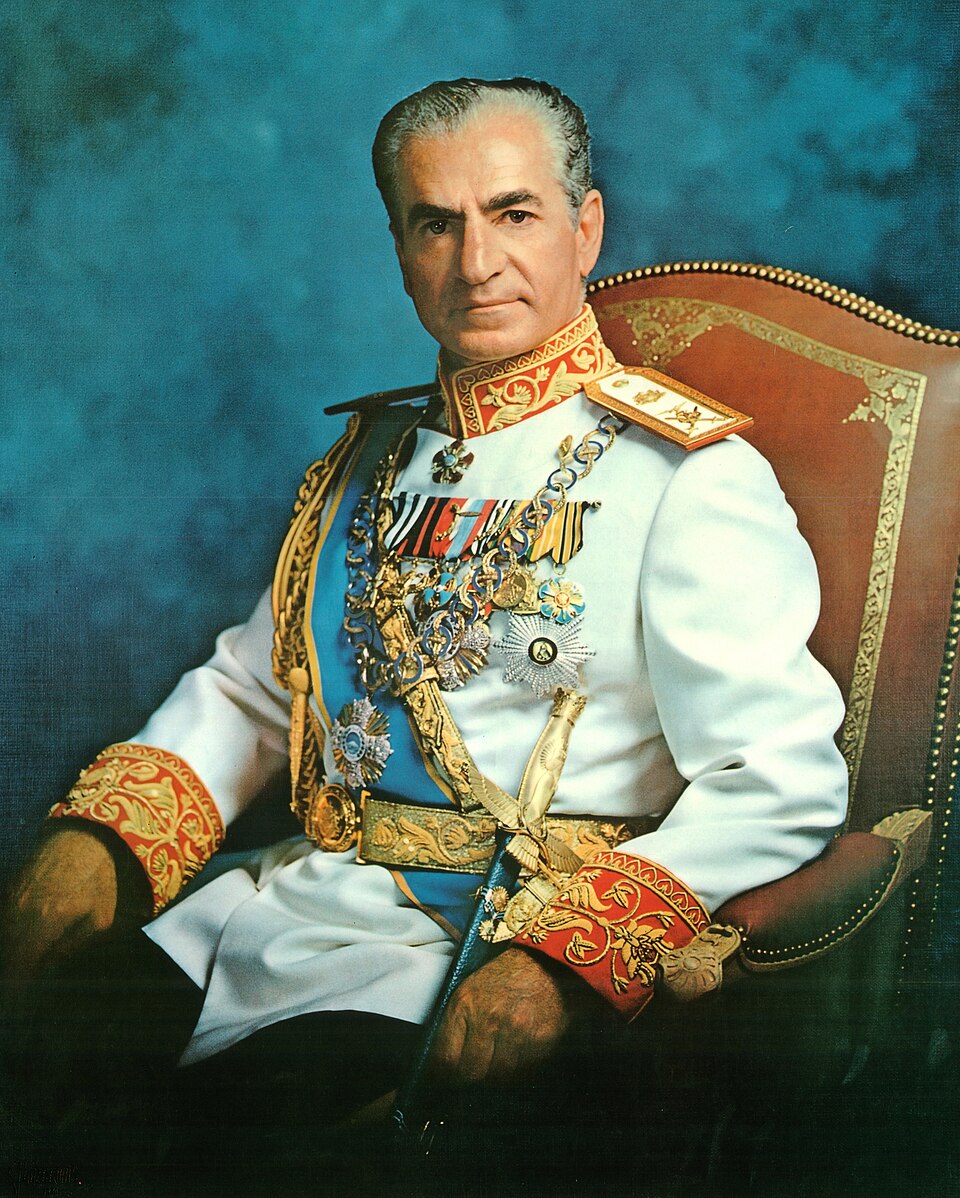

He led the Iranian Revolution and established the Islamic theocracy in Iran.
Revoluția care a sădit ura între Iran și Israel. Cum au ajuns cele două națiuni de la cooperare la război totalRomania· 2026-03-01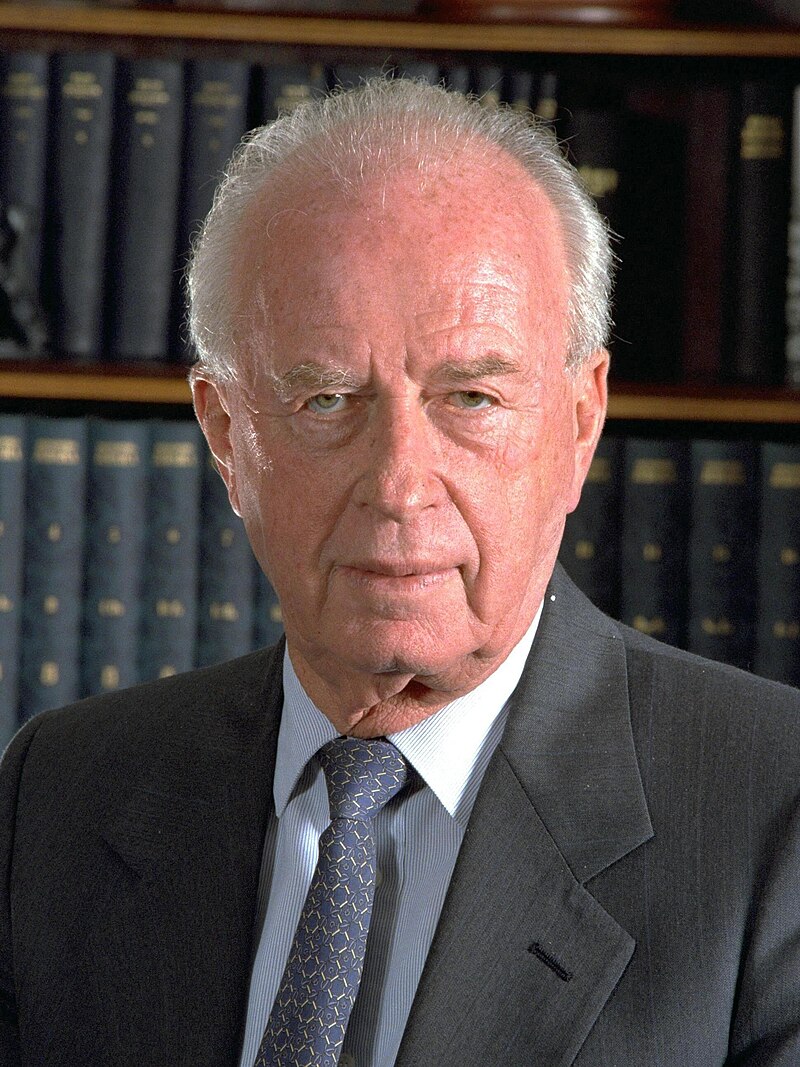
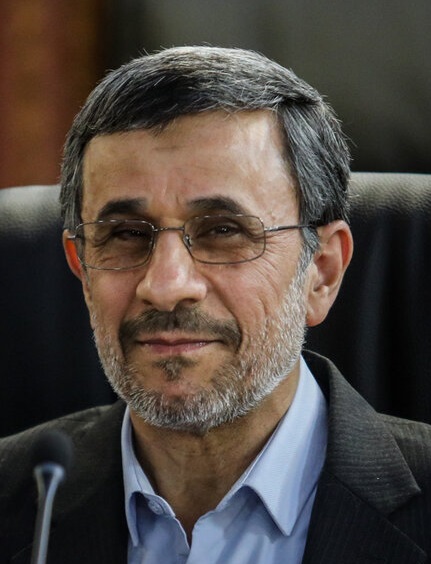

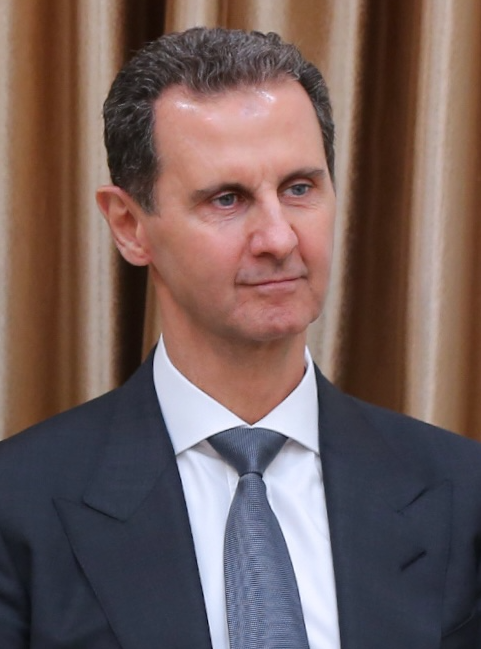
Ayatollah Khomeini was the founder of the Islamic Republic of Iran, known for his famous phrase about drinking from the cup of poison.
סמל ההתנגדות למשטר האיראני בראיון מיוחד: "ההתקוממות לא נכשלה" Israel· 2026-02-07
Ayatollah Khomeini is mentioned as a figure who imposed strict religious customs in Iran.
Contra el imperio | Opinión Spain· 2026-01-31

Ayatollah Khomeini issued a fatwa calling for Salman Rushdie's death in response to the publication of 'The Satanic Verses'.
‘For the authoritarian, culture is the enemy’: Salman Rushdie talks recovery and resilience at Sundance | Sundance 2026 United Kingdom· 2026-01-26
Ayatollah Khomeini's stern face peers down at the trickle of Iranians leaving the territory.
Iranians on border describe violence and more protestsand violence during blackoutUnited Kingdom· 2026-01-16Ayatollah Khomeini is mentioned as a key figure in the Iranian revolution and the establishment of the Islamic Republic.
Иран - дали е крај на џихадизмот?North Macedonia· 2026-01-16
Ayatollah Khomeini was the Supreme Leader of Iran and a key figure in the Iranian Revolution.
Oriente Occidente di Rampini | La parola a una ragazza iraniana (e un ricordo di Oriana Fallaci)Italy· 2026-01-14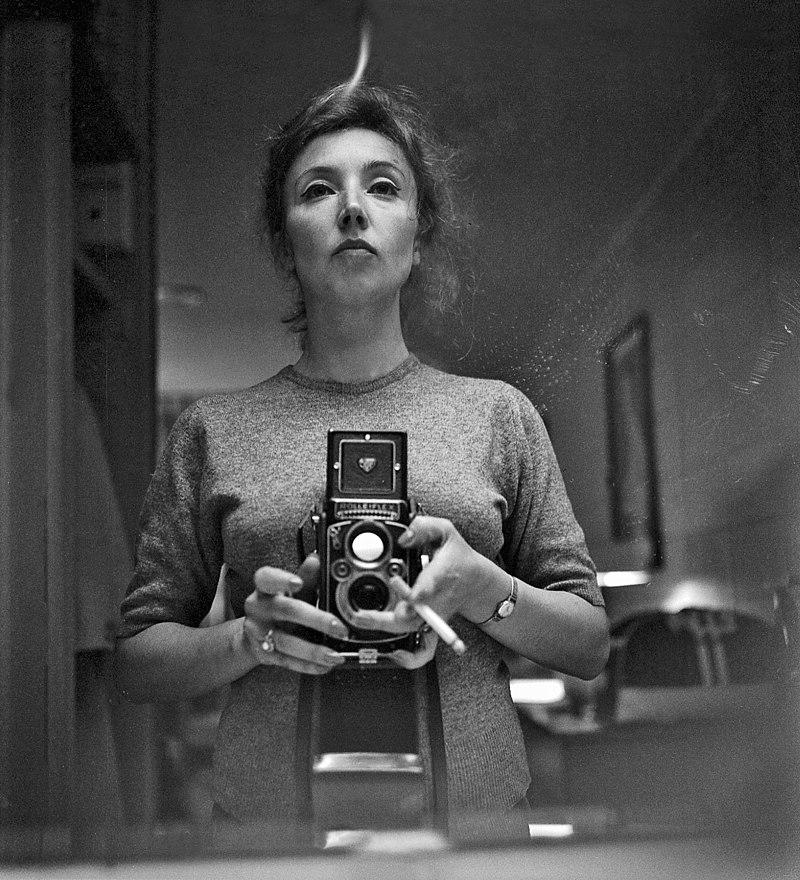
Ayatollah Khomeini led the Islamic Revolution in Iran in 1979, overthrowing the Shah.
Præster kæmper for egen overlevelse ved at dræbe landsmænd Denmark· 2026-01-13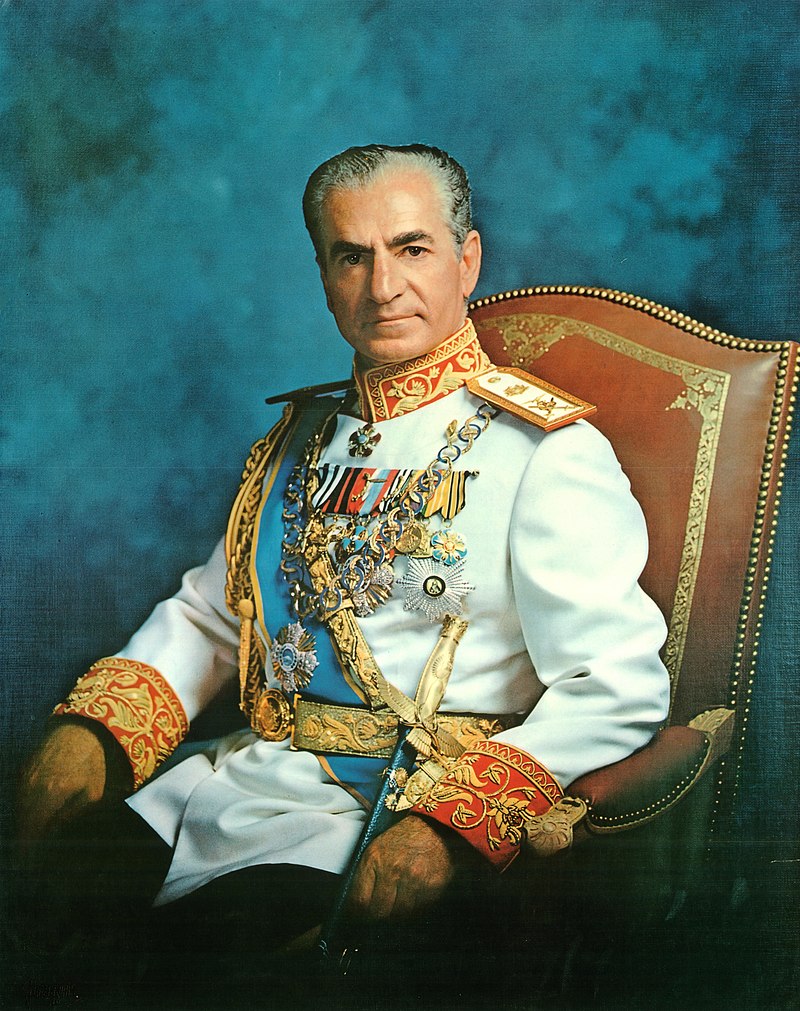
Ayatollah Khomeini was the spiritual leader of the fundamentalists who sought to overthrow the Shah's regime.
Teheranul în flăcări! | adevarul.roRomania· 2026-01-12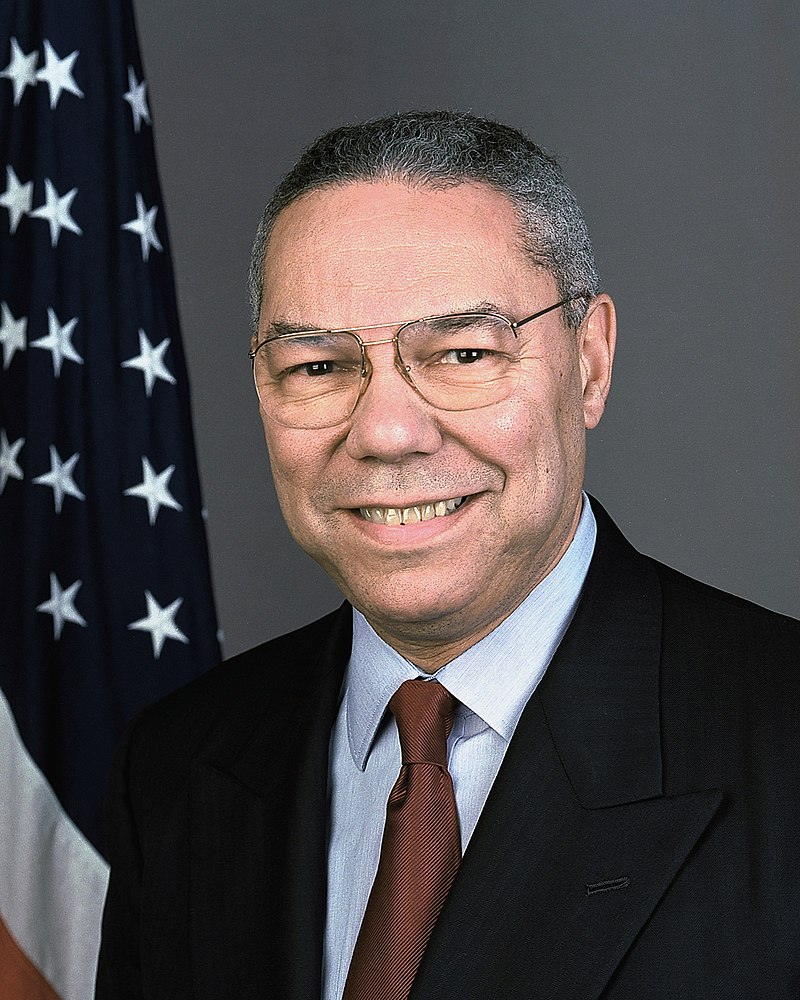

Ayatollah Khomeini was the leader whose successor was Ali Khamenei.
Wie Ali Khamenei an die Macht kam – und sie behielt Switzerland· 2025-09-29

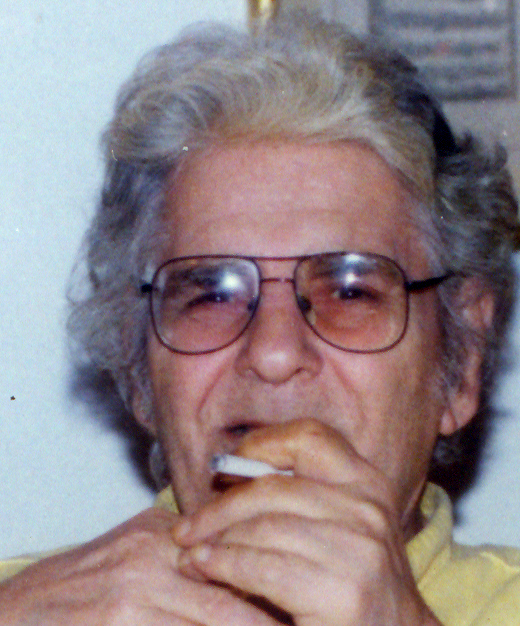
Khomeini is mentioned as a negative political figure.
Miks meil enam riigimehi ei ole? Estonia· 2025-09-28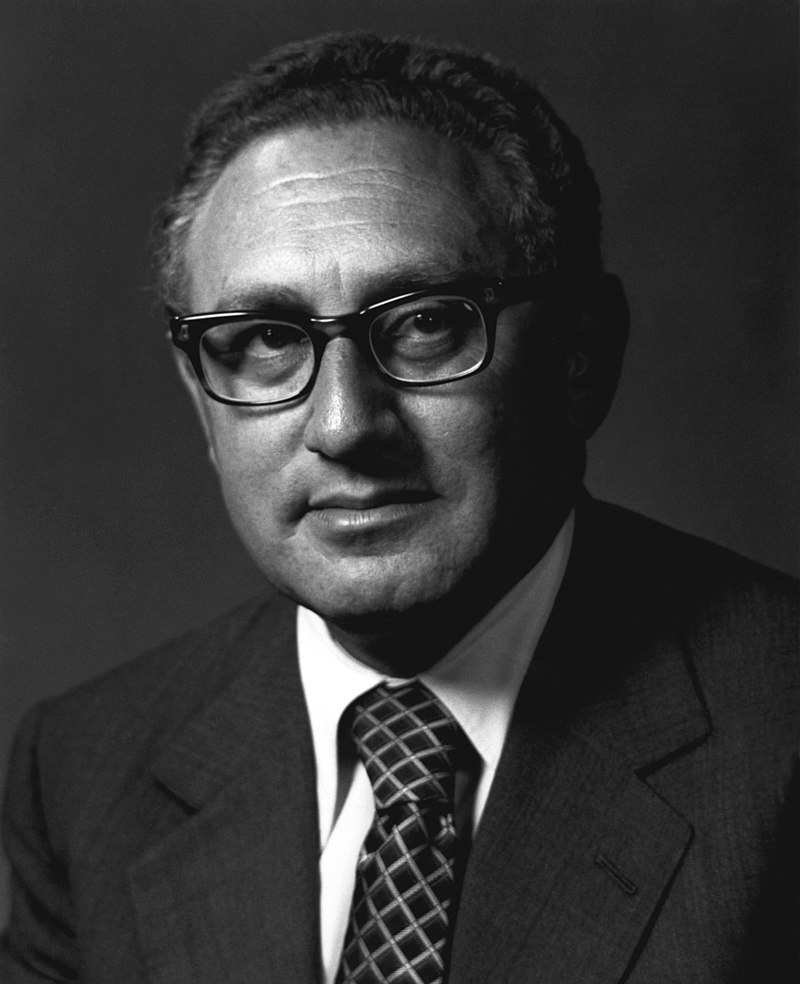
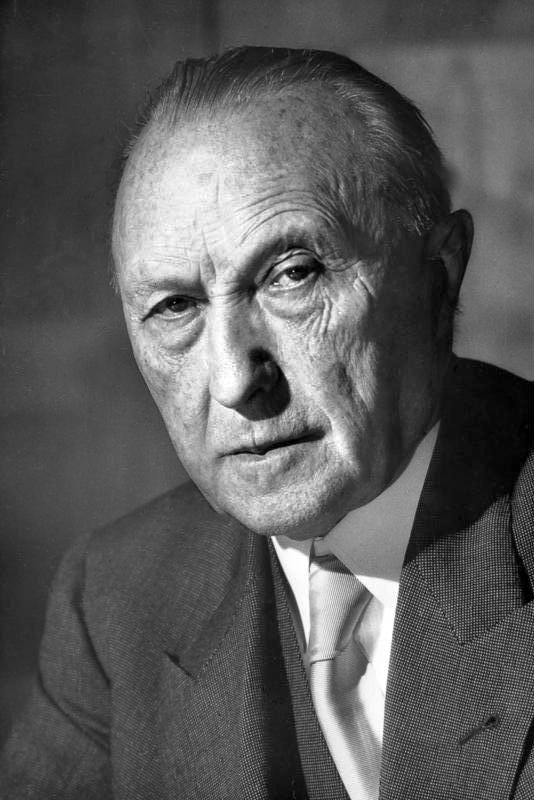

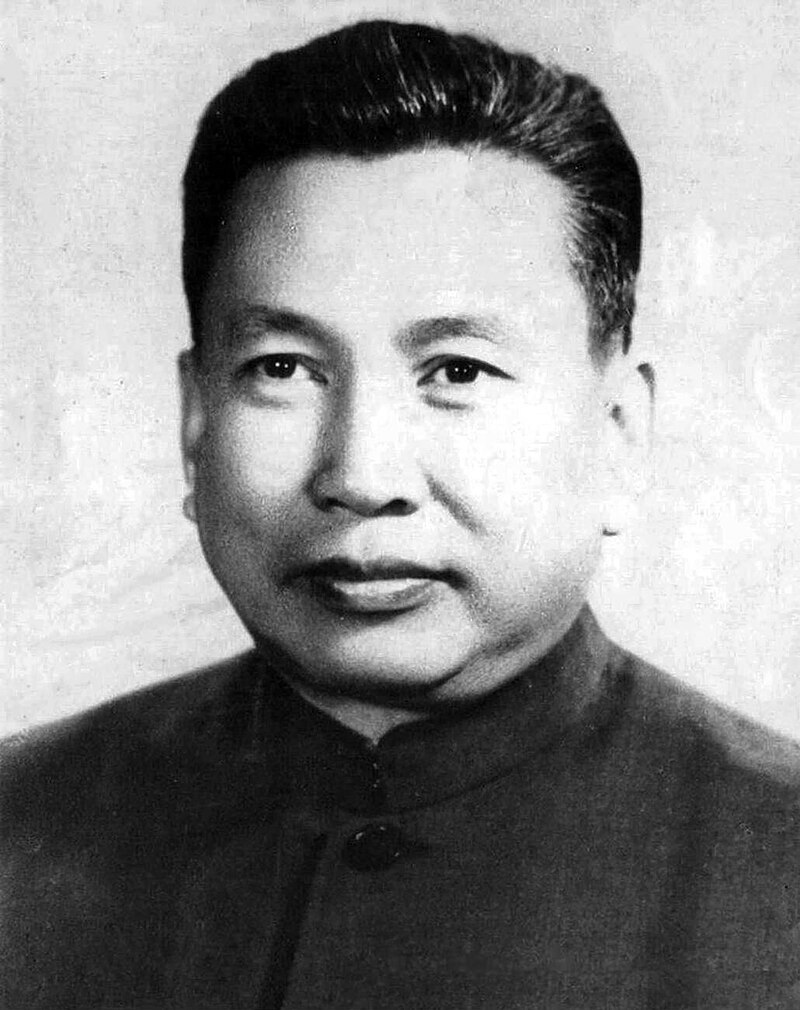
Ayatollah Khomeini viewed the Iraqi attack as a 'gift from heaven' that united the Iranian people.
Ein Korrespondent erinnert sich an den ersten Golfkrieg Luxembourg· 2025-09-22

The most visible of these was someone who held up a large placard of the Ayatollah Khomeini, the architect of the Iranian Revolution.
Public protests manipulated for propagandaAustralia· 2025-09-07


Ayatollah Khomeini led the Iranian Revolution and established an Islamic Republic.
بدلتی دنیا اور مسلم ممالک Pakistan· 2025-09-05
Ayatollah Khomeini viewed universities and cultural spaces as dangerous breeding grounds for secular, leftist and liberal thought.
SPOTLIGHT: THE BLOSSOMING OF IRANIAN CINEMA - NewspaperPakistan· 2025-08-31