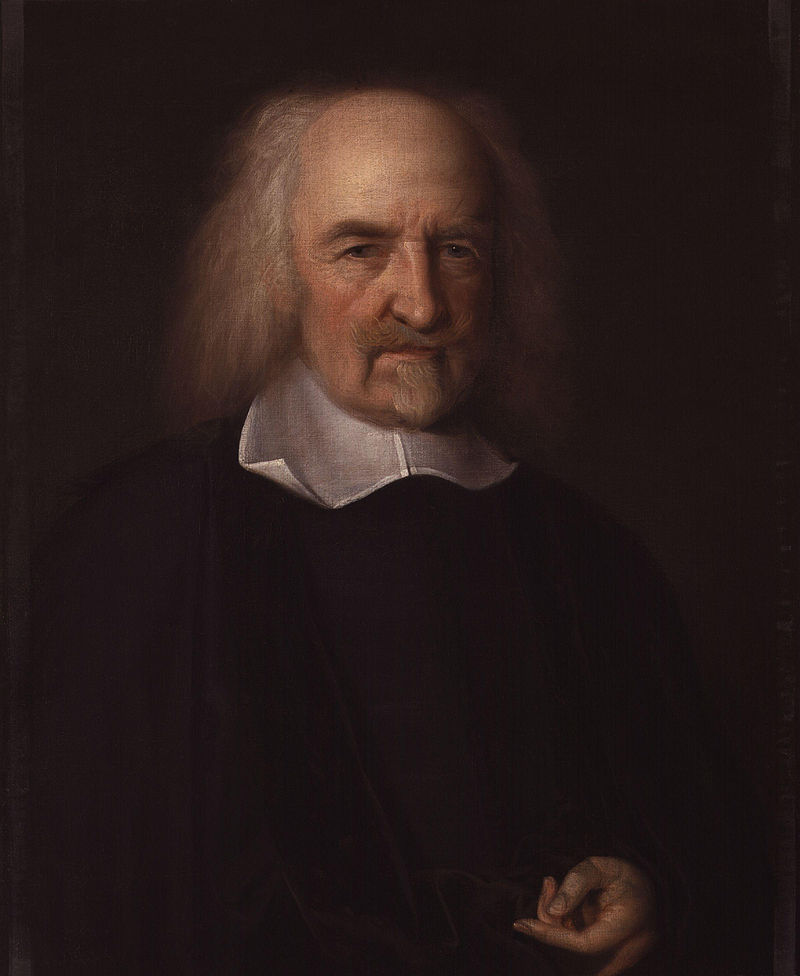
David Graeber
David Graeber (1961-2020) was an influential American anthropologist, activist, and author, known for his work on economic anthropology and critiques of capitalism. He gained significant recognition for his book 'Debt: The First 5,000 Years' and was a prominent figure in the Occupy Wall Street movement, advocating for social justice and economic equity. Graeber's thought-provoking ideas challenged conventional narratives about society, economics, and human history, positioning him as a key voice in contemporary social theory.
Not in the pool (under ¢1).
Recent news mentions
David Graeber analyzed the phenomenon of 'bullshit jobs' in his book published in 2018.
Làm việc giả vờ suốt một năm nhưng sếp không phát hiện Vietnam· 2026-08-04
David Graeber, a professor at The London School of Economics, made a famous essay that eventually became a book called 'Bullshit Jobs: A Theory'.
El trabajo dignifica y otros inventos Costa Rica· 2026-07-31


David Graeber coined the term 'Bullshit-Jobs' to describe jobs that even the workers consider unnecessary.
Warum sinnlose Arbeit uns auslaugt Switzerland· 2026-06-21




David Graeber is an anthropologist whose work influenced the author's understanding of Palaeolithic humans.
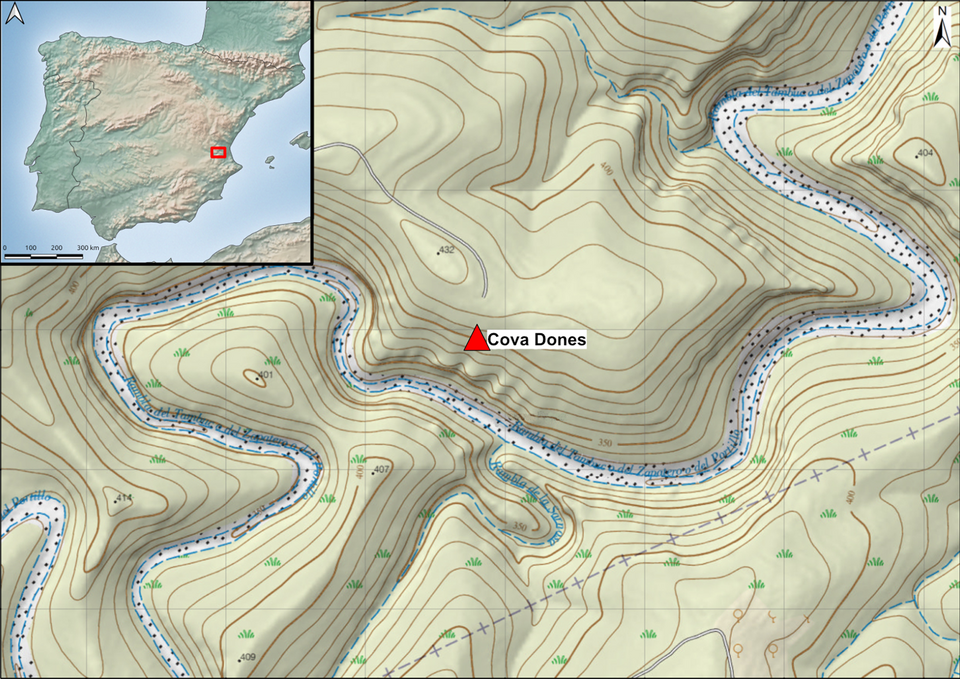
‘They take you out of life, out of time’: a journey into Spain’s astonishing cave paintings | Archaeology United Kingdom· 2026-06-02






The anthropologist David Graeber characterised Marxism as a theoretical discourse about revolutionary strategy.
It is no surprise people are inclined towards radical direct action given the level of dereliction in Dublin – The Irish Times Ireland· 2026-06-01

David Graeber's book 'Bullshit Jobs' explores the bureaucracy that people often resent.
Чем заняться дома: «Хамнет», Куценко, бюрократия и самые умные животные Russia· 2026-02-07










David Graeber is quoted regarding the origins of impersonal, commercial markets in theft.
Copyrighted art, mobile phones, Greenland: welcome to our age of shameless theft | Jonathan LiewUnited Kingdom· 2026-01-28






David Graeber is cited for his views on the moral implications of money and its impact on society.
¿Para qué sirve el dinero? | EL PAÍS Semanal Spain· 2025-12-25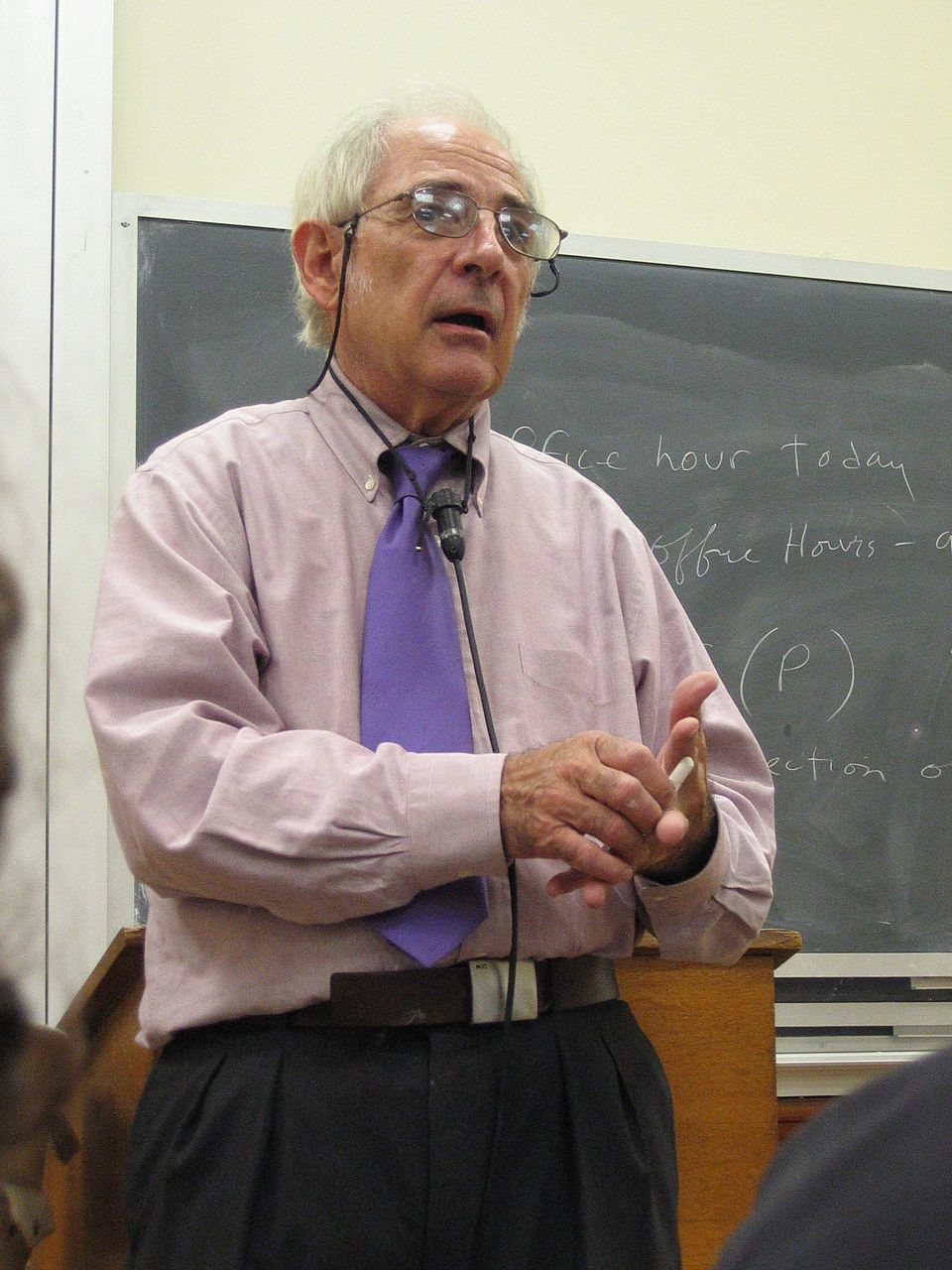



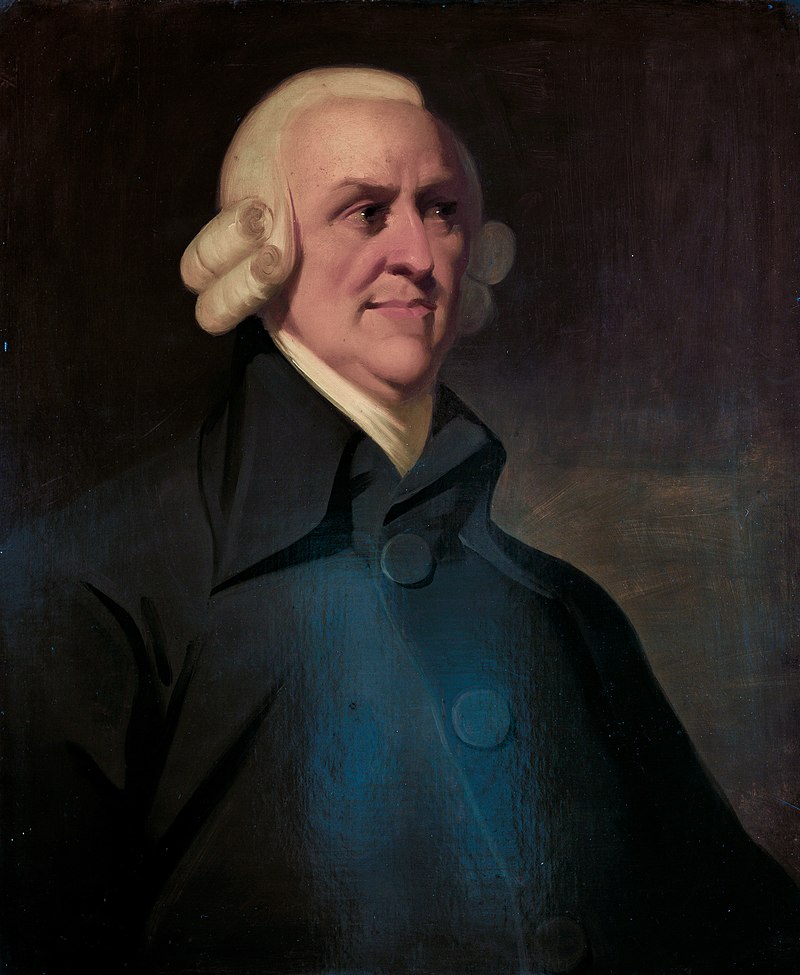




Some of Kemp's arguments align with those of David Graeber in The Dawn of Everything.
Lecții după 5.000 de ani de prăbușiri civilizaționale: societățile construite pe concentrare excesivă a bogăției și puterii poartă în ele propriile premise ale colapsului Romania· 2025-12-02





David Graeber discusses the concept of unnecessary work in his book 'Bullshit Jobs'.
Kako delati tako, kot ustvarjajo umetniki? Slovenia· 2025-11-04








David Graeber is mentioned in relation to the themes of Cotillard's performance in a capitalism redemption story.
Marion Cotillard at 50: the actor’s 20 best films – ranked! | FilmUnited Kingdom· 2025-10-02










David Graeber was an anthropologist known for his work on the concept of bullshit jobs.
Rutger Bregman, historien : « Pour changer le monde, il faut être le plus pragmatique possible » France· 2025-09-15
David Graeber is referenced for his critique of 'bullshit jobs' in the context of AI's impact on the labor market.
Never mind the botlickers, ‘AI’ is just normal technology – The Mail & Guardian South Africa· 2025-08-17



David Graeber co-authored a lengthy book that Nana Soares found difficult to concentrate on.
Para driblar ansiedade e falta de concentração, leitores abraçam livros curtos; seleção inclui obras de Annie Ernaux, Conceição Evaristo e Ailton Krenak Brazil· 2025-07-12










David Graeber explains that magnates want to appear as martyrs rather than heirs.
60 horas laborales... o cuando se trabaja hasta el colapso Mexico· 2025-06-29









David Graeber observed that the ultimate hidden truth of the world is that it is something that we make, and could just as easily make differently.
Harder life for children - Newspaper Pakistan· 2025-06-21

David Graeber criticized the creation of unnecessary jobs to keep people occupied.
Más ocio y menos trabajo: por qué queremos más tiempo para nosotros | IdeasSpain· 2025-06-13



David Graeber is referenced for his arguments regarding the historical roots of universal values.
Sobre la educación universal Uruguay· 2025-05-23







David Graeber is mentioned for his contributions to the understanding of human history.
Cristina Carvalhal procura a segunda temporada da humanidade | Teatro Portugal· 2025-05-15








David Graeber had a highly technical term for such positions: bullshit jobs.
No, you’re not fine just the way you are: time to quit your pointless job, become morally ambitious and change the world | Life and styleUnited Kingdom· 2025-04-19


David Graeber was an influential anthropologist and anarchist activist who passed away in 2020.
Οσα ξέρατε για την ιστορία του ανθρώπινου είδους, είναι λάθος Greece· 2025-04-17