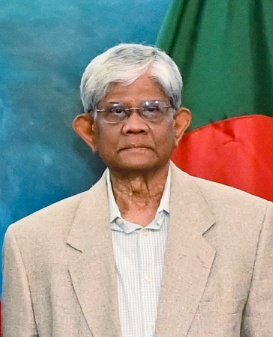
Salehuddin Ahmed
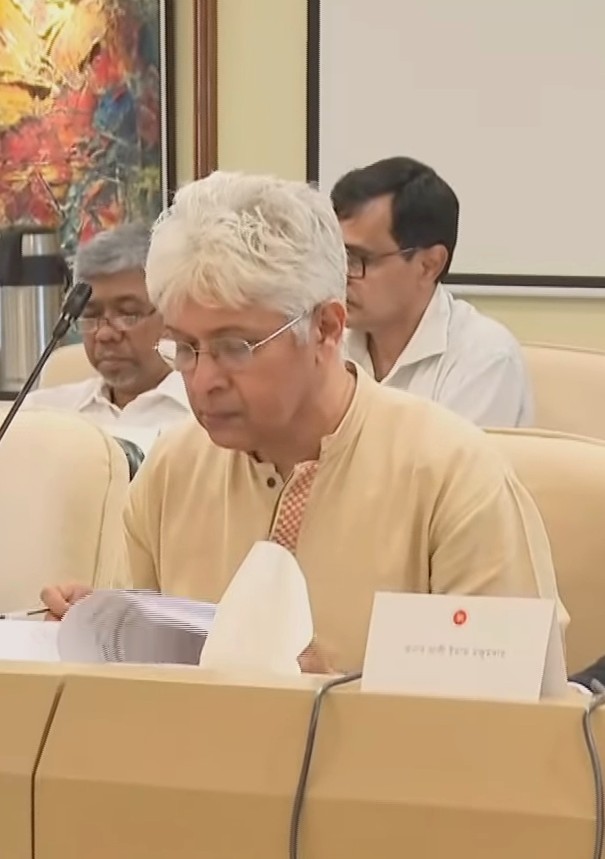
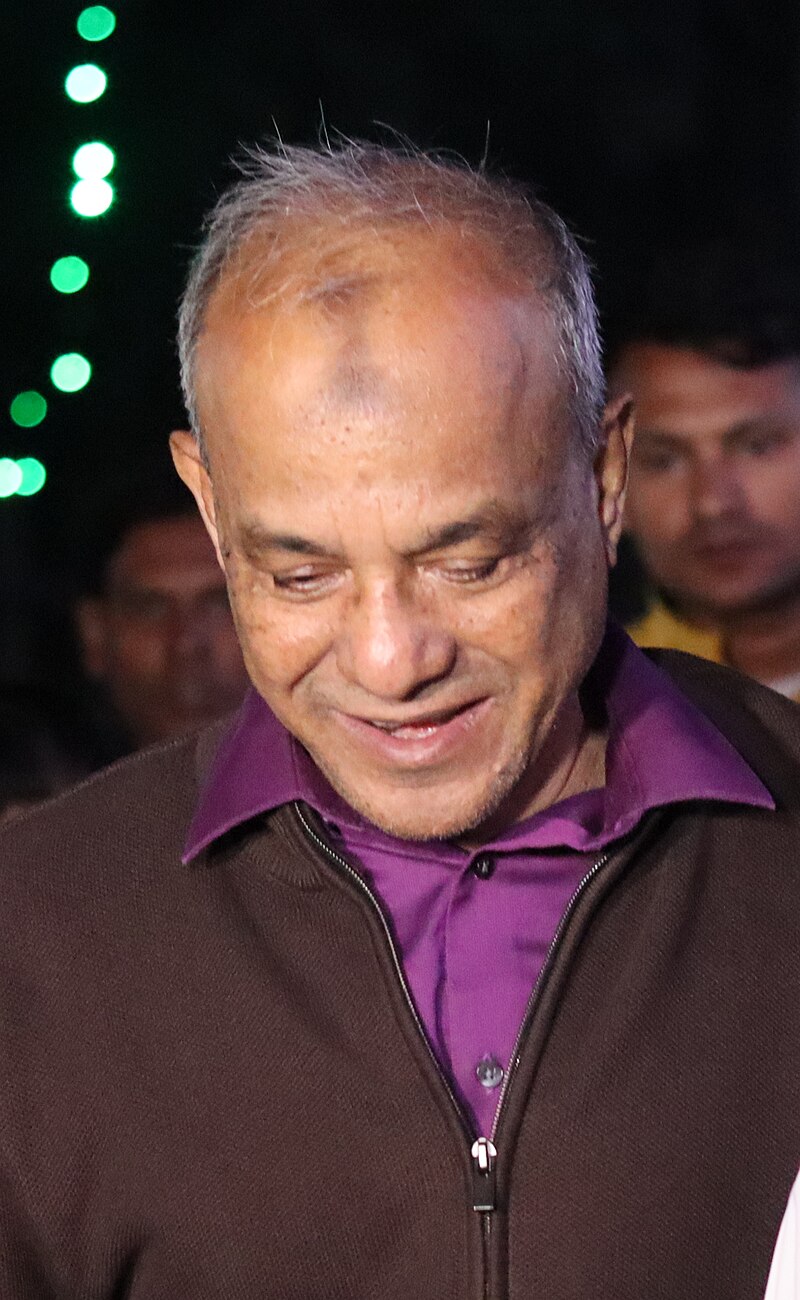
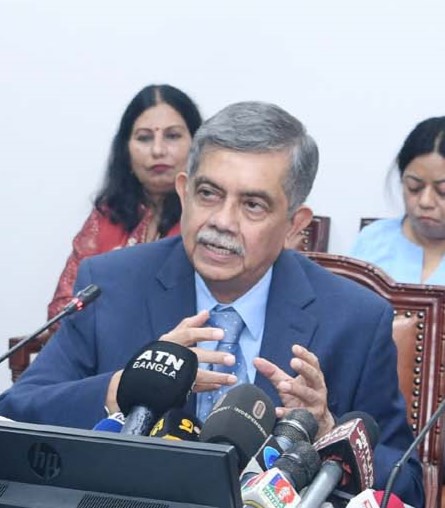
Salehuddin Ahmed is a prominent economist and the current economic advisor in Bangladesh. He has played a crucial role in advising the government on macroeconomic policies and financial matters. Recently, he was in the news discussing the International Monetary Fund (IMF) funding proposals, indicating that the board's proposal will not be presented in March but will be addressed together in June.
Not in the pool (under ¢1).
Recent news mentions
Salehuddin Ahmed is referenced as a former governor of the Bangladesh Bank and a prominent economist.
ড. ইউনূসকে বাদ দিয়ে অন্য কাউকে প্রধান উপদেষ্টা করার চেষ্টা হয়েছিল Bangladesh· 2026-08-06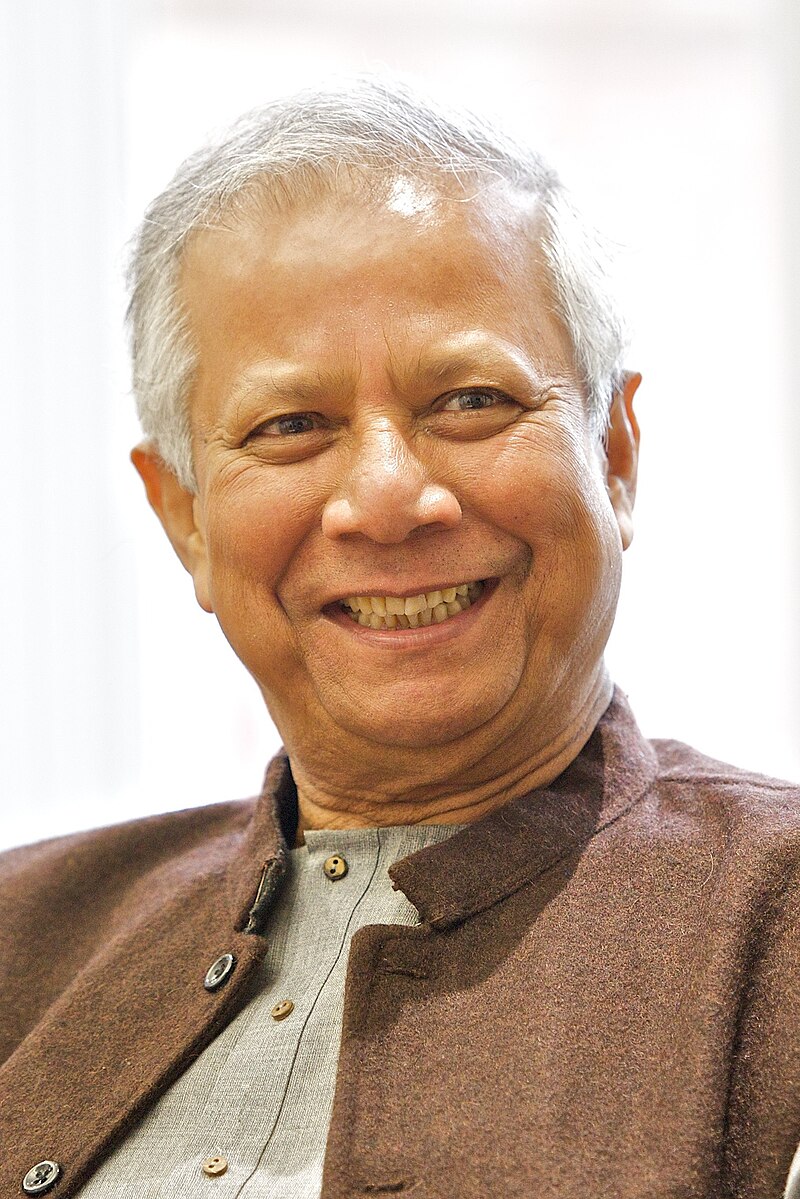
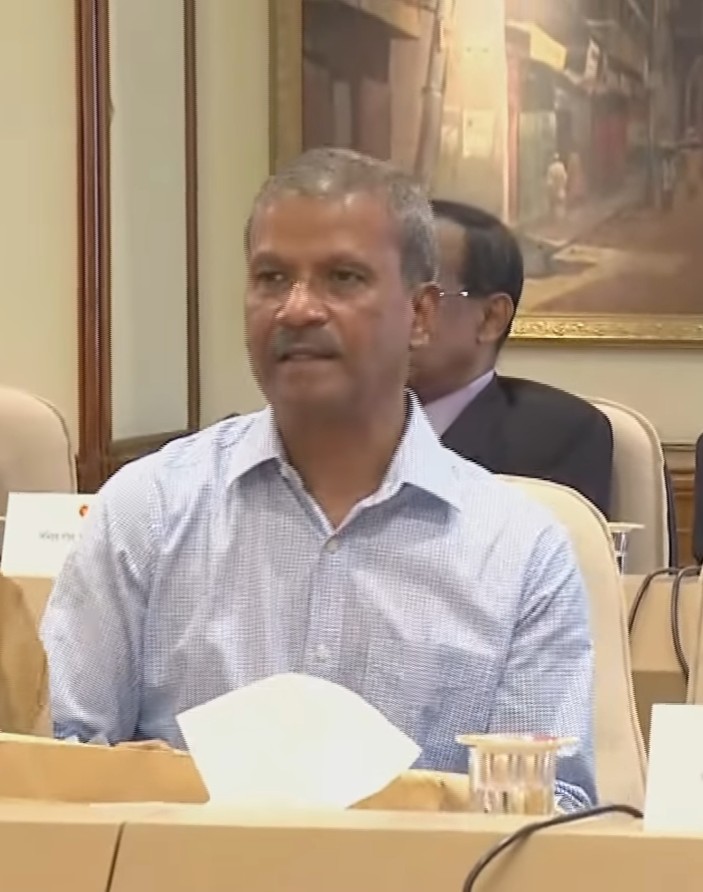




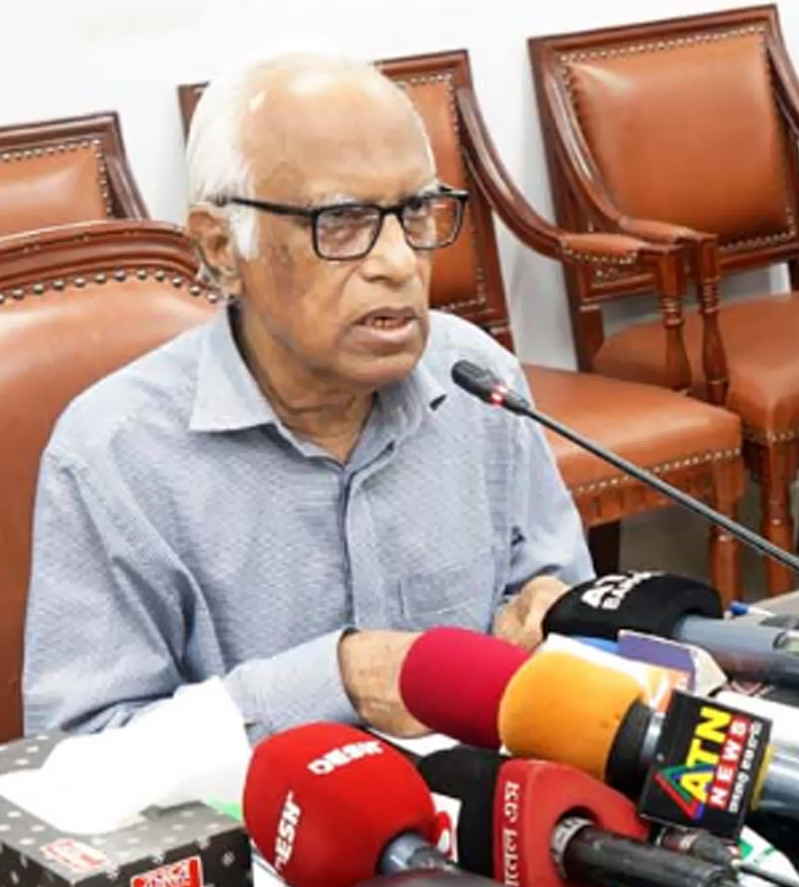
Salehuddin Ahmed was one of the former advisors at the iftar dinner.
অধ্যাপক ইউনূসসহ সাবেক উপদেষ্টারা ছিলেন ফাওজুল কবিরের বাসার ইফতারেBangladesh· 2026-02-27


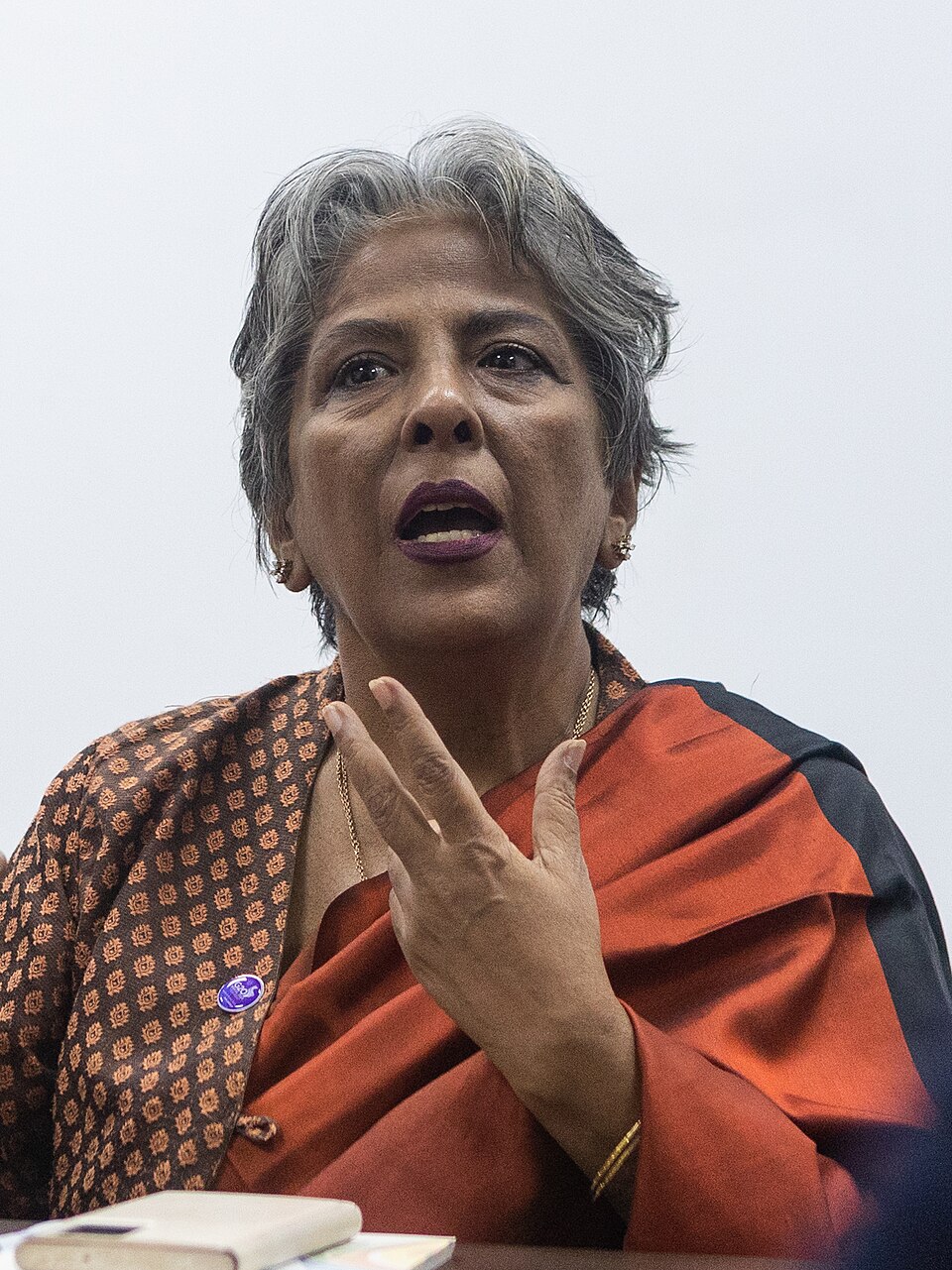


Salehuddin Ahmed discussed the challenges of employment and the need for small and medium enterprises in Bangladesh.
প্রক্রিয়ায় এত গলদ, চিন্তাও করতে পারবেন না: সংস্কার না হওয়া প্রসঙ্গে অর্থ উপদেষ্টাBangladesh· 2026-02-03Salehuddin Ahmed chaired the meeting regarding the social security program.
খেতাবপ্রাপ্ত ও শহীদ মুক্তিযোদ্ধাসহ কয়েকটি খাতে ভাতা বাড়ছেBangladesh· 2026-01-26Finance advisor Salehuddin Ahmed stated that a grant of one crore taka is being given to Sharif Osman bin Hadi's family.
ওসমান হাদির পরিবারকে ফ্ল্যাট কিনতে ১ কোটি টাকা দিচ্ছে সরকারBangladesh· 2026-01-20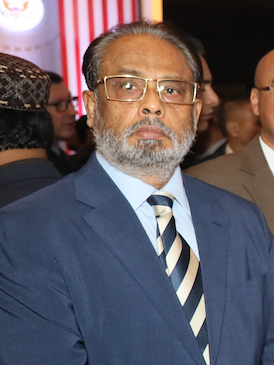
Salehuddin Ahmed informed reporters that a decision on the new salary structure for government employees will be made after receiving the pay commission's report.
বেতন কমিশনের প্রতিবেদন জমা হবে ২১ জানুয়ারিBangladesh· 2026-01-16Salehuddin Ahmed commented that India does not interfere in Bangladesh's politics.
অর্থনীতি, স্বাস্থ্য—সব ব্যাপারেই ভারতকে সবচেয়ে বেশি পাই আমরা: অর্থ উপদেষ্টাBangladesh· 2025-12-23Salehuddin Ahmed, the finance advisor, discusses the finalization of the salary structure for government employees.
সরকারি কর্মকর্তা-কর্মচারীদের বেতন কাঠামো চূড়ান্ত করে যাবে অন্তর্বর্তী সরকার: অর্থ উপদেষ্টাBangladesh· 2025-11-12Salehuddin Ahmed stated that the new pay commission's decision will be made by the next government.
সরকারি কর্মকর্তা–কর্মচারীদের নতুন বেতনের সিদ্ধান্ত নেবে আগামী সরকার: অর্থ উপদেষ্টাBangladesh· 2025-11-09
Salehuddin Ahmed, the financial advisor, mentioned that the merger of five banks will be discussed in the advisory council tomorrow.
পাঁচ ব্যাংক কীভাবে একীভূত হবে, সেই প্রস্তাব উপদেষ্টা পরিষদে উঠছে কালBangladesh· 2025-10-08Salehuddin Ahmed was the chief guest at the seminar discussing the bond and sukuk market.
সঞ্চয়পত্র কেনাবেচার আলাদা বাজার তৈরির পরামর্শ দিলেন গভর্নরBangladesh· 2025-09-22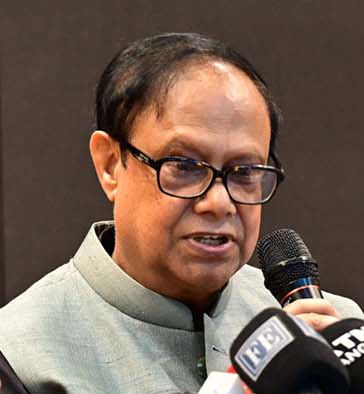

Salehuddin Ahmed, the chief guest of the event, emphasized the importance of operational autonomy for the PSC.
এক বছরেই বিসিএস শেষ করার পথনকশা জানালেন পিএসসি চেয়ারম্যানBangladesh· 2025-09-10
He is the Economic Advisor present at the meeting.
পৃথিবীর কোনো শক্তি নাই নির্বাচন ঠেকাতে পারেBangladesh· 2025-09-07


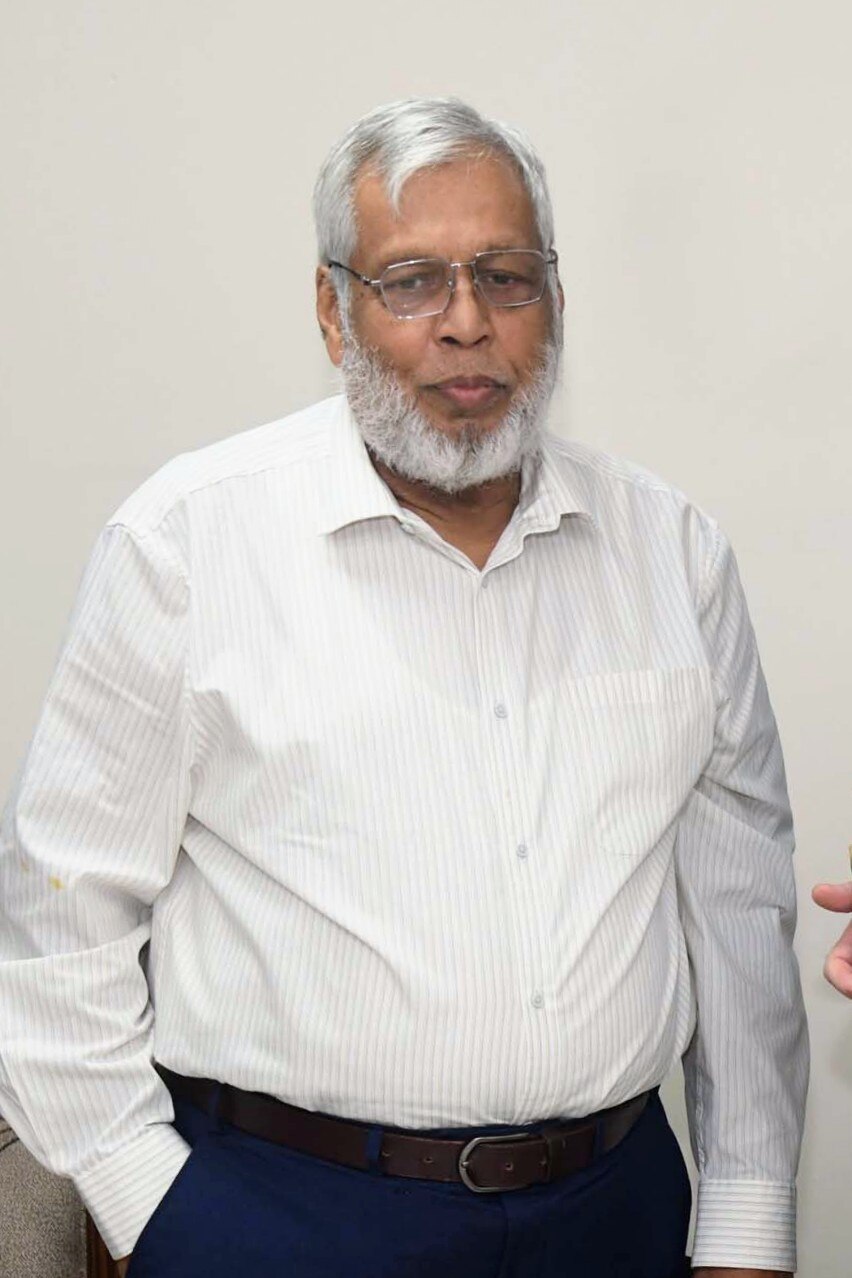

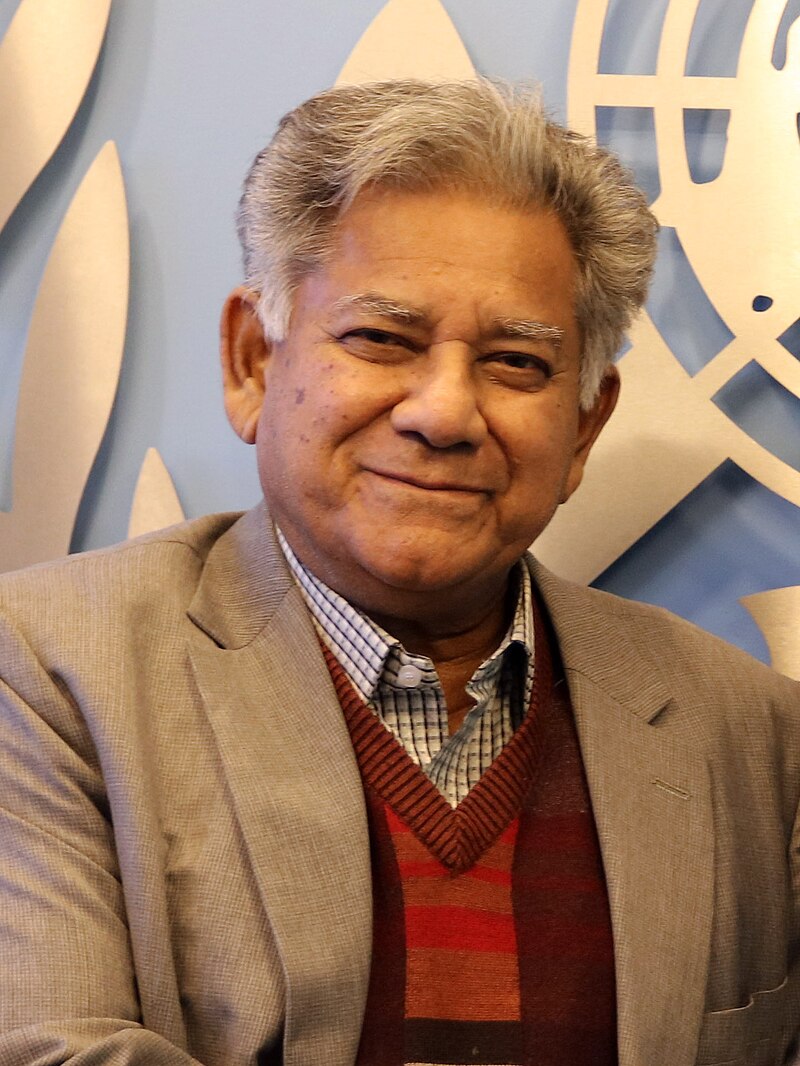
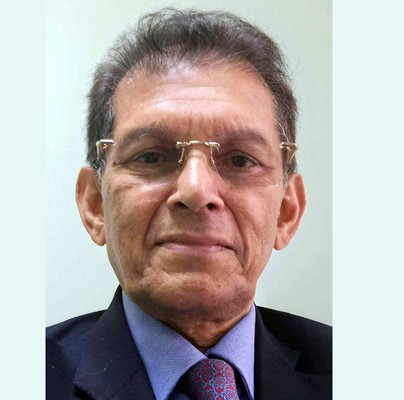

Salehuddin Ahmed stated that the necessary funds for the elections will be provided without any issues.
নির্বাচন সামনে রেখে নির্বাচন কমিশনের জন্য বরাদ্দ ২,৯৫৬ কোটি টাকাBangladesh· 2025-08-06Salehuddin Ahmed is mentioned as a good performing economic advisor.
সচেতনভাবে কোনো দলের পক্ষ নেওয়া হয় নাBangladesh· 2025-08-06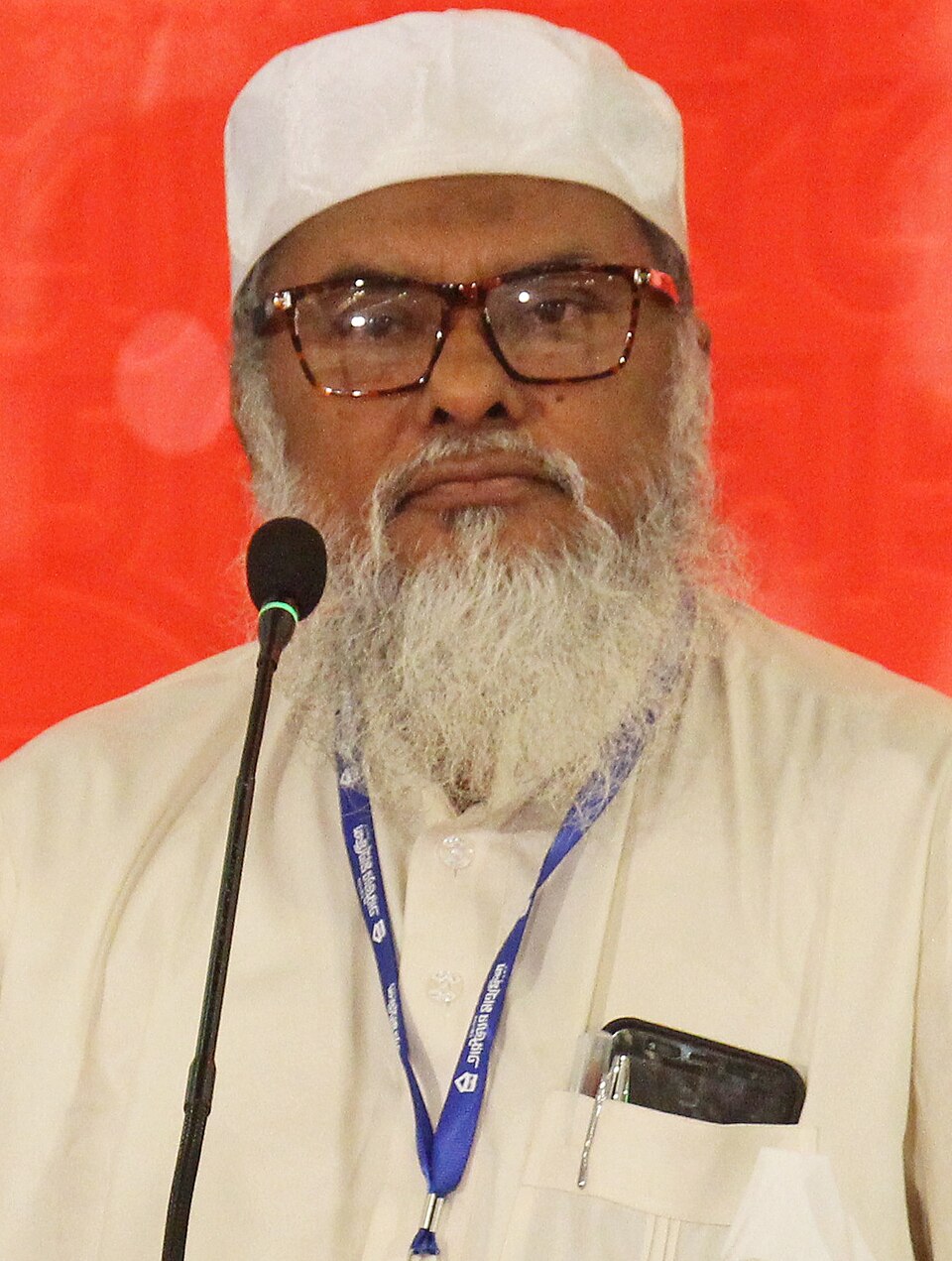
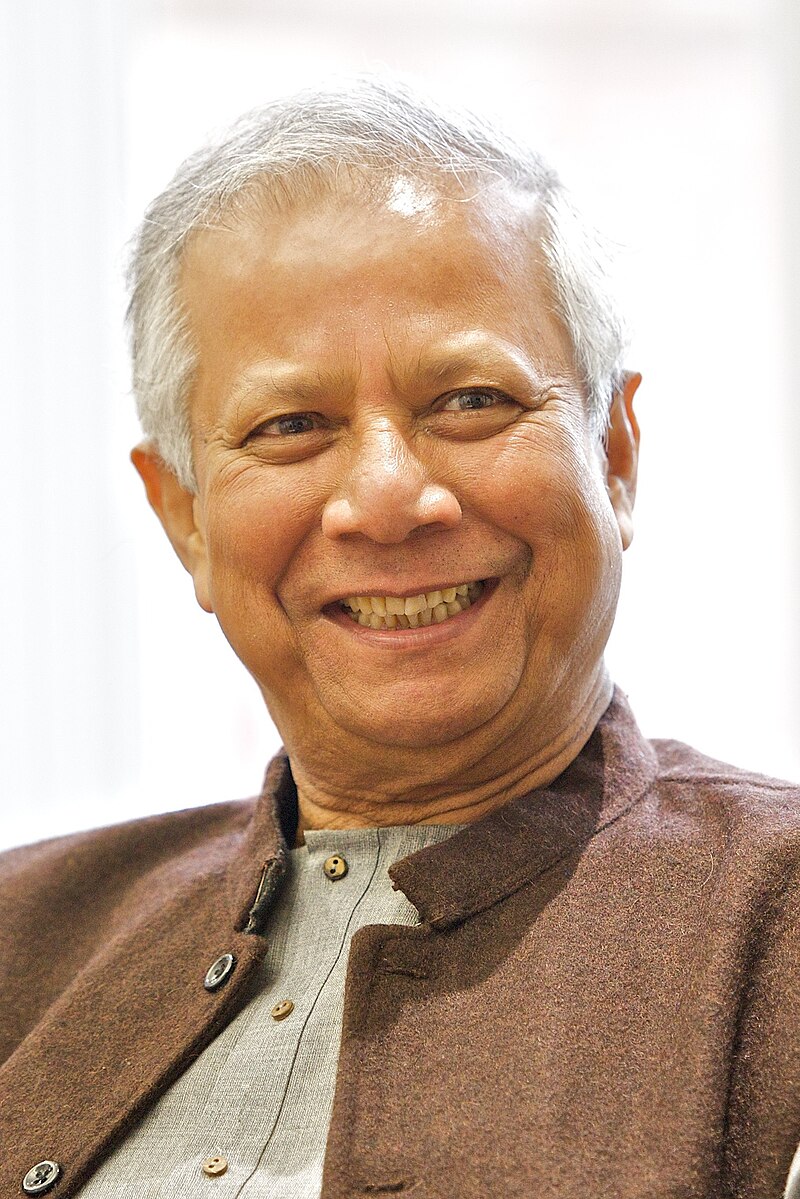
Salehuddin Ahmed was the chief guest at the book launch event.
আগে ঘুষ দিতে হতো ১ লাখ টাকা, এখন দিতে হয় ৫ লাখ: মির্জা ফখরুলBangladesh· 2025-07-26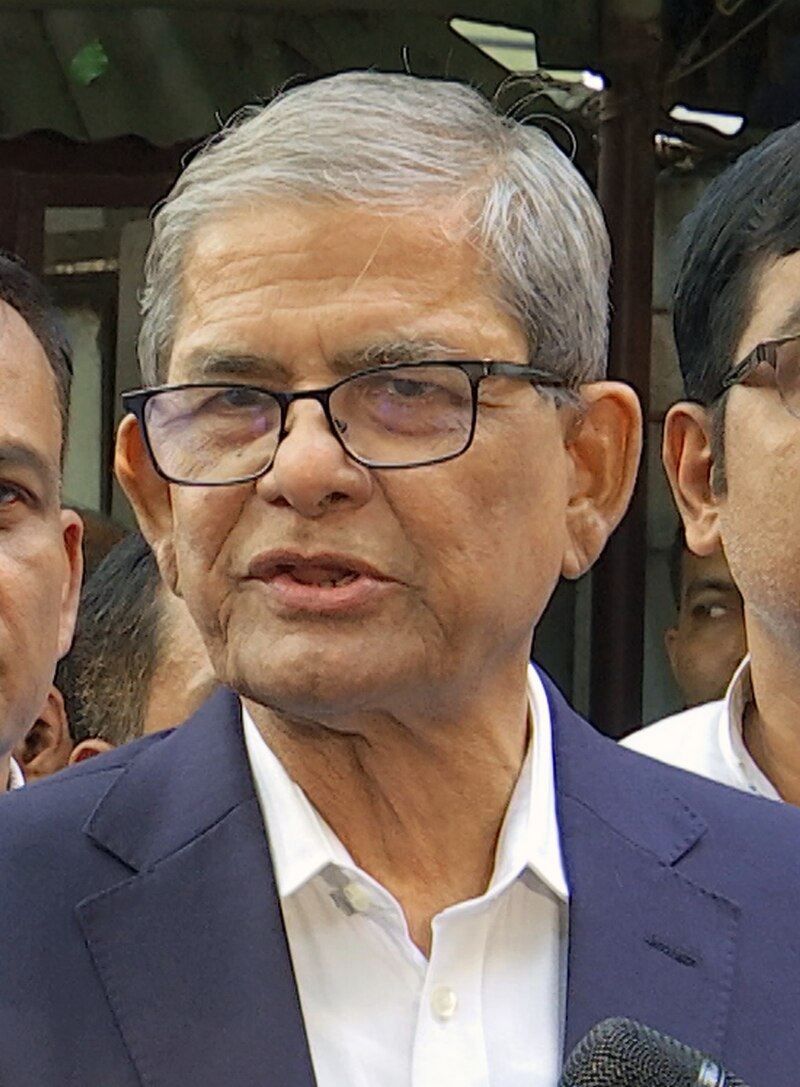
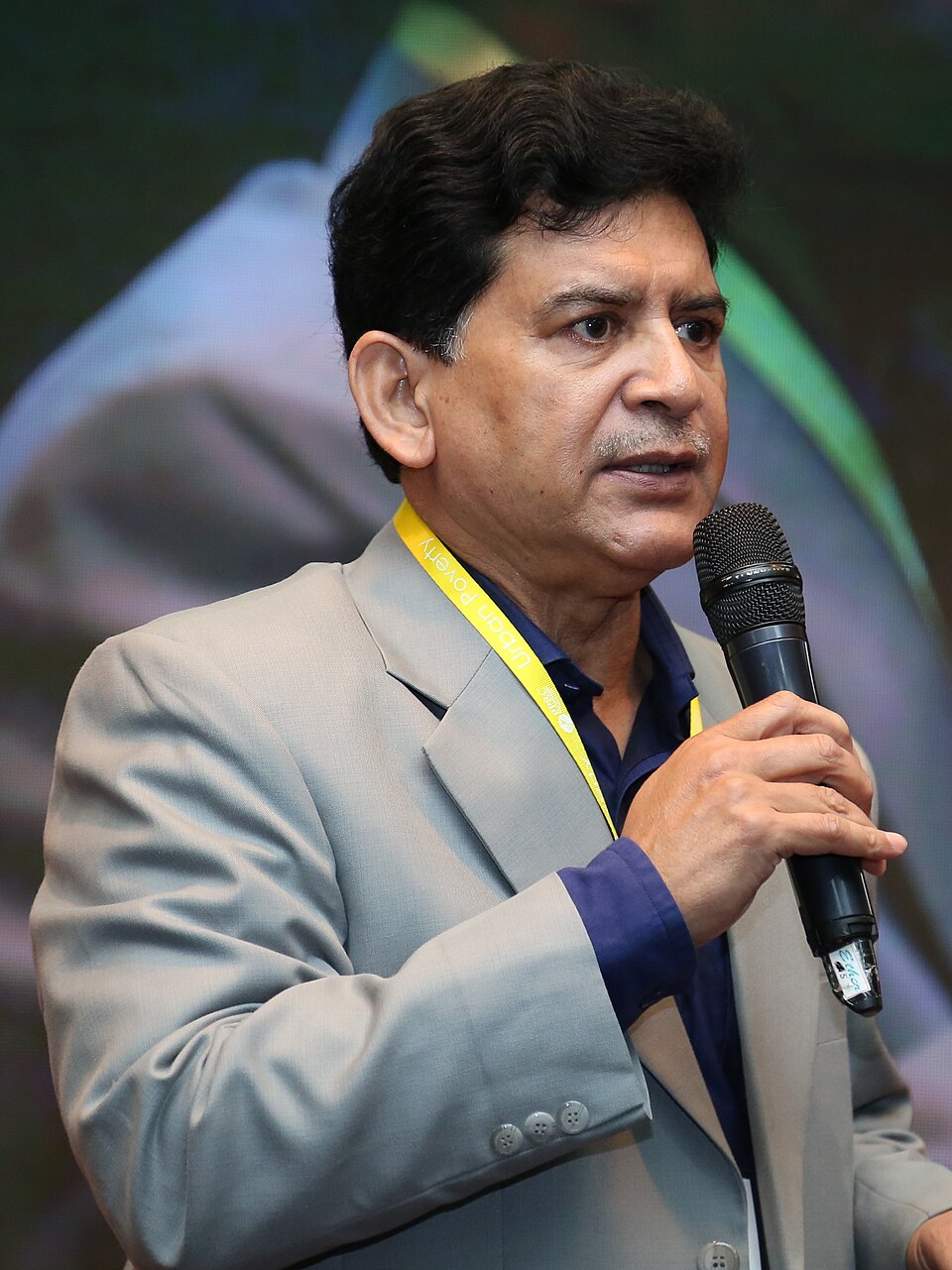
Salehuddin Ahmed is the economic advisor who discussed special benefits for government officials and employees in the budget.
সরকারি কর্মকর্তা–কর্মচারীদের নতুন বেতনকাঠামো নির্ধারণে পে কমিশন গঠনBangladesh· 2025-07-24Financial advisor of Bangladesh, Salehuddin Ahmed, stated that Bangladesh hopes to negotiate for a better outcome.
Aranceles de Trump: Aparte de México y Canadá, ¿qué países han recibido las cartas de EU? Mexico· 2025-07-12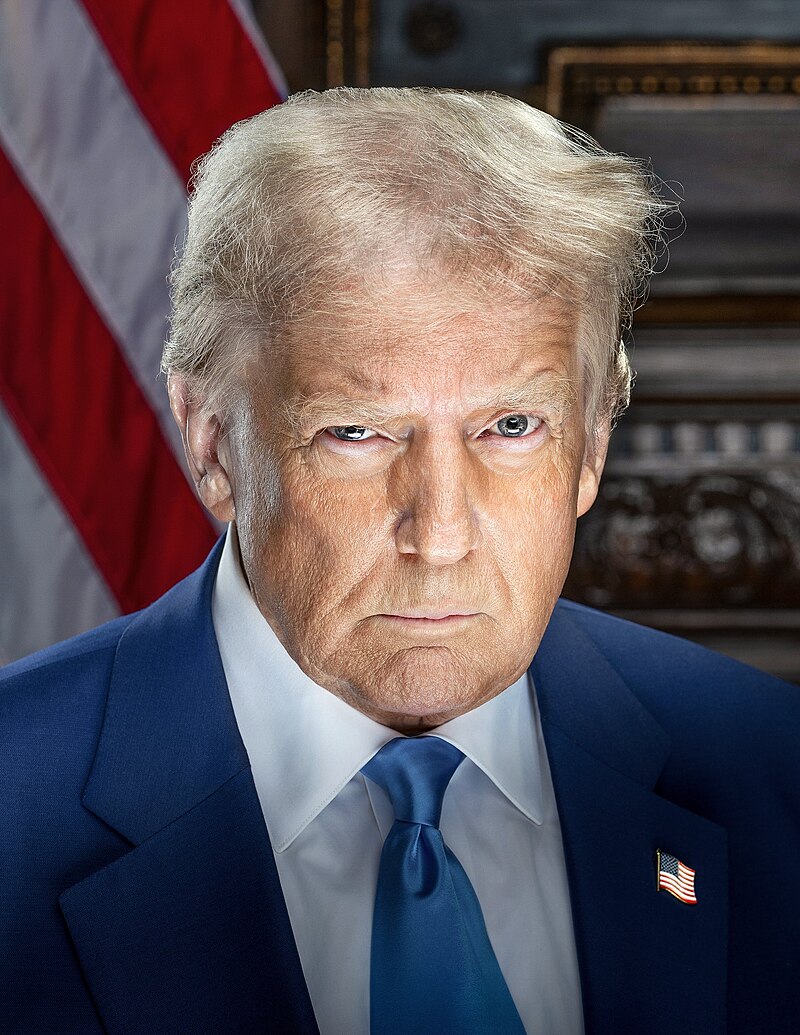
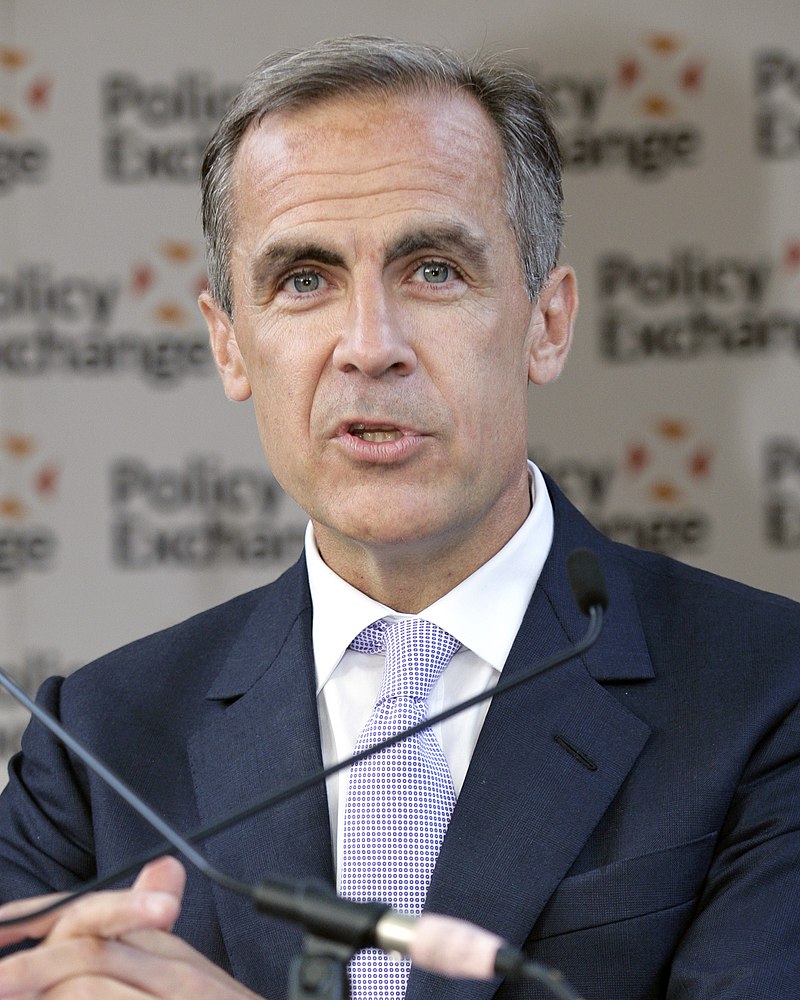
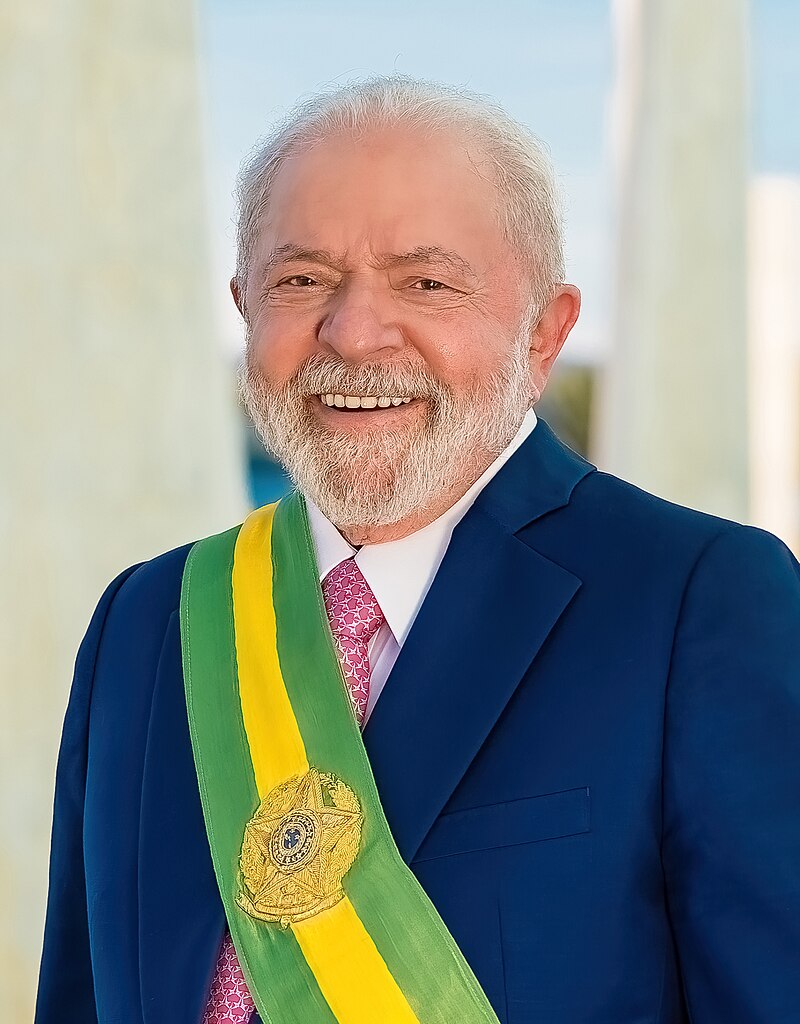
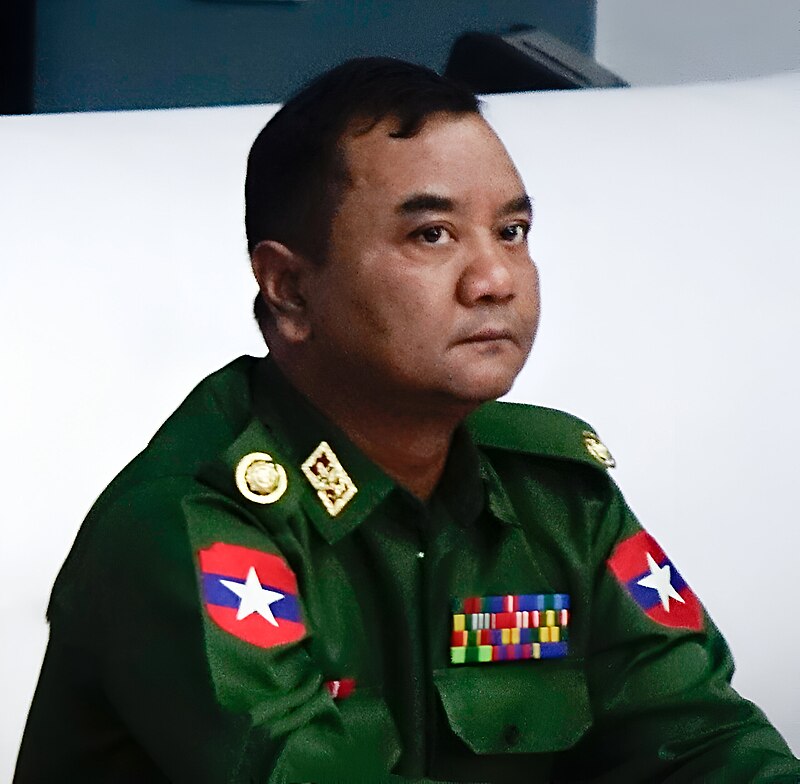
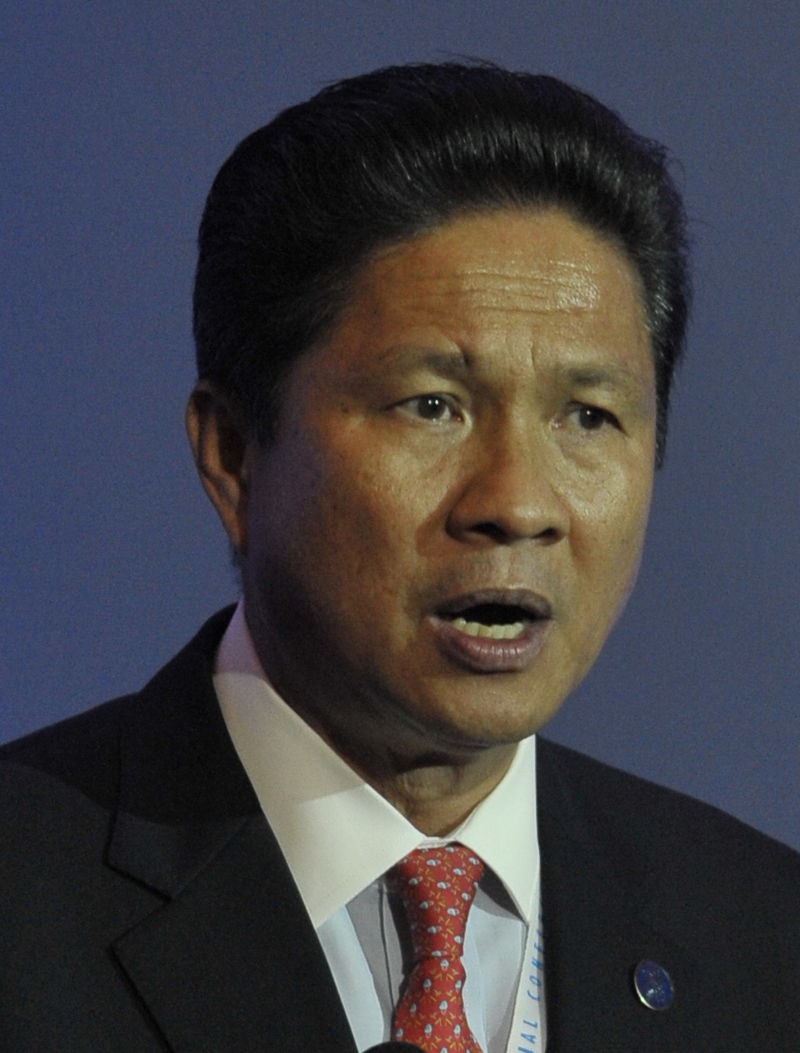
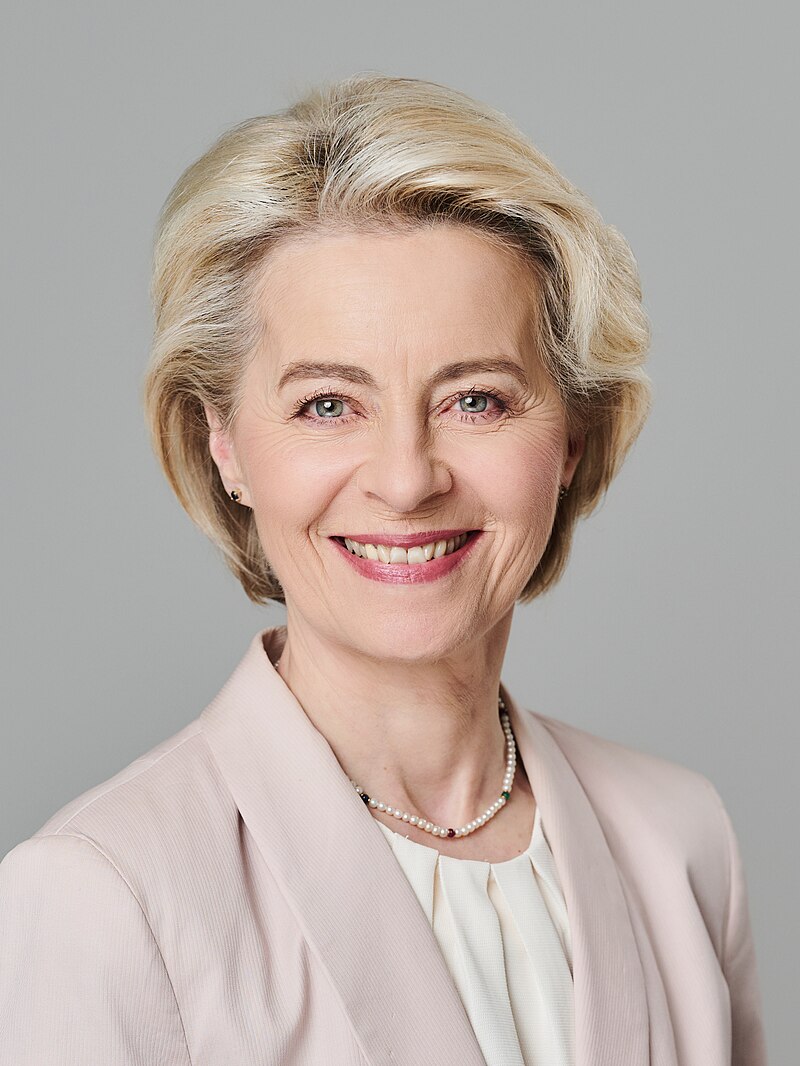
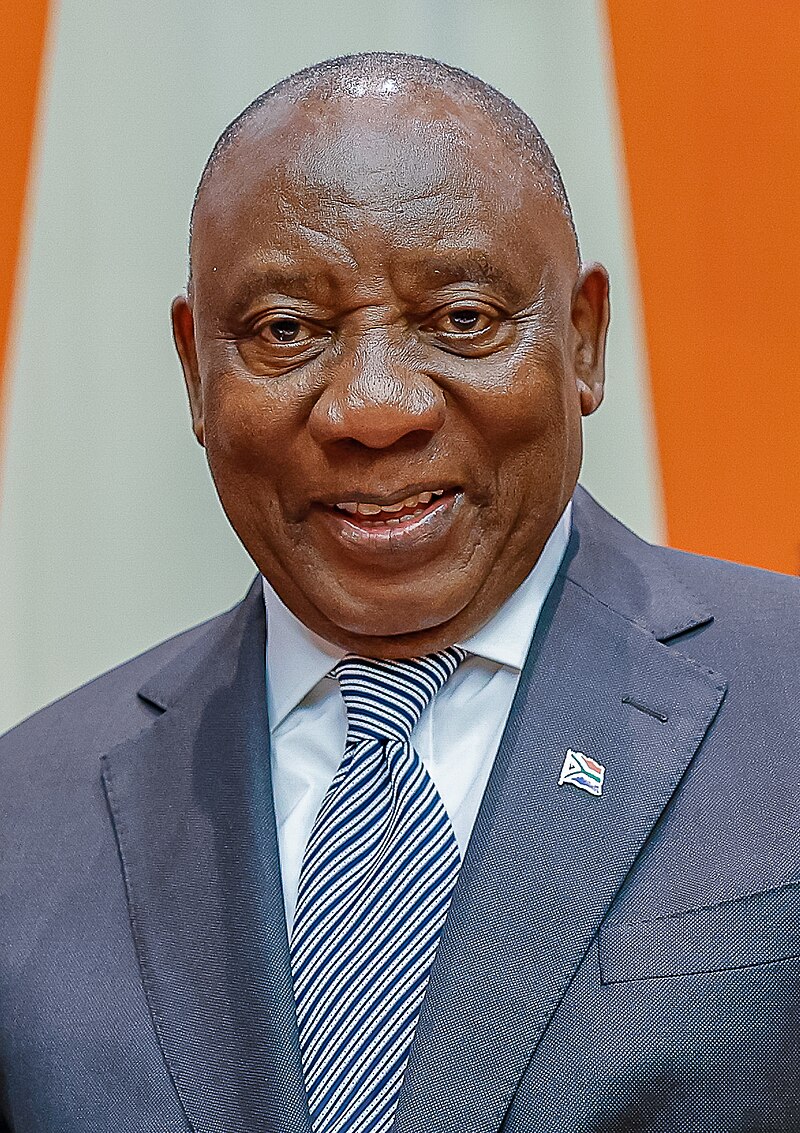
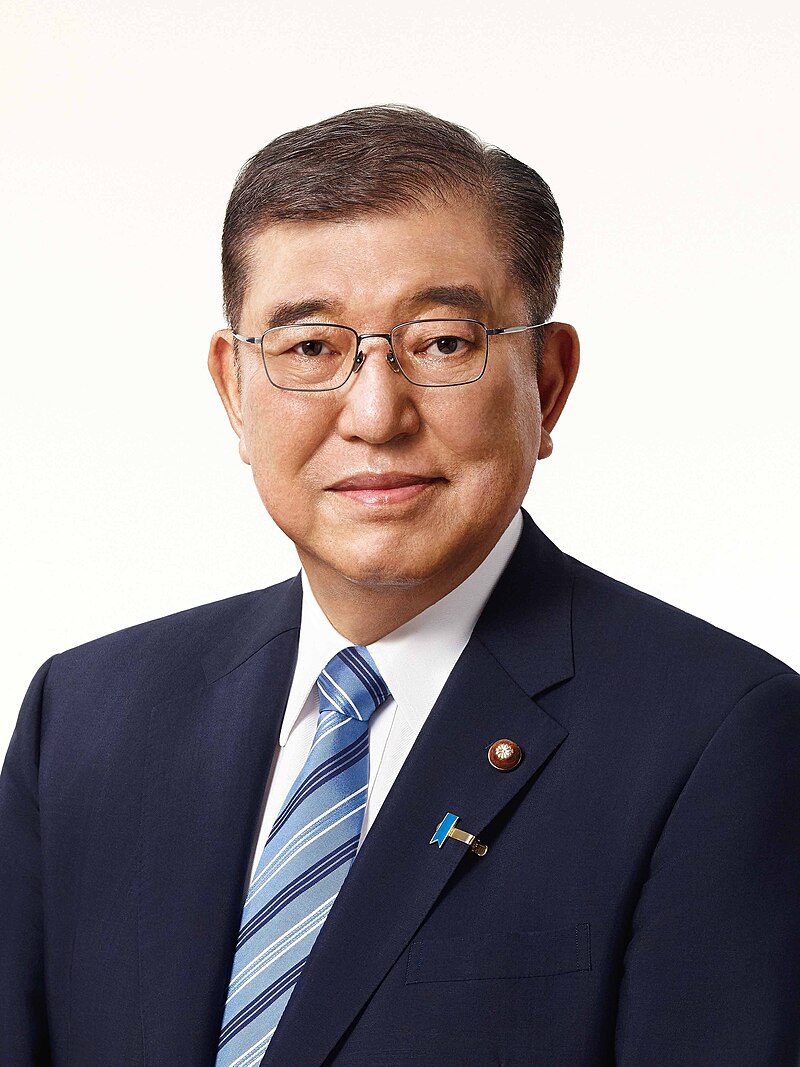

Advisor Salehuddin Ahmed said Bangladesh hopes to negotiate a better outcome.
Veja os principais produtos afetados pelas tarifas de Trump em cada país Liechtenstein· 2025-07-12
Bangladesh’s finance adviser Salehuddin Ahmed said Bangladesh hopes to negotiate for a better outcome.
The countries that received Trump’s tariff letters – and where things stand now Canada· 2025-07-11
Salehuddin Ahmed, the financial advisor, stated that the government is committed to returning the money of those who deposited in banks.
যারা ব্যাংকে টাকা জমা দিয়েছে, কারও টাকা মার যাবে না: অর্থ উপদেষ্টাBangladesh· 2025-07-05Salehuddin Ahmed announced the budget for the fiscal year 2025-26.
ভুয়া পরিসংখ্যানের সেইসব বাজেট আর এবারের বাজেটBangladesh· 2025-07-03


Salehuddin Ahmed discusses the issues with tax implementation by officials at the NBR.
এনবিআরে কাজ বন্ধ করে আন্দোলন করা ঠিক হয়নিBangladesh· 2025-07-03Salehuddin Ahmed mentioned that he has scheduled a meeting with the protesters on July 1, provided they withdraw their movement.
এনবিআরে ‘কমপ্লিট শাটডাউন’, শুল্ক–কর আদায়ে স্থবিরতাBangladesh· 2025-06-29Salehuddin Ahmed called for a meeting with the protesting officials and employees of the National Board of Revenue (NBR).
এনবিআর ভবন অবরুদ্ধ করে রেখেছে আইনশৃঙ্খলা রক্ষাকারী বাহিনীBangladesh· 2025-06-26Salehuddin Ahmed is the economic advisor mentioned in the context of a memorandum being submitted by protesters.
‘এমন কর্মসূচি দেব, কল্পনা করতে পারবেন না’Bangladesh· 2025-06-03

He presented the budget for the fiscal year 2025-26, which is described as small and lacking in significant projects.
বাজেট ‘স্মল’, কিন্তু ‘বিউটিফুল’ নয়Bangladesh· 2025-06-03
Salehuddin Ahmed announced the imposition of a 10% supplementary tax on OTT services during the budget speech.
ওটিটি প্ল্যাটফর্মে নাটক, সিনেমা দেখায় খরচ বাড়তে পারেBangladesh· 2025-06-02Salehuddin Ahmed is involved in setting budgetary targets for the upcoming fiscal year.
আগামী বাজেটে যেসব লক্ষ্য নির্ধারণ করেছেন সালেহউদ্দিন আহমেদBangladesh· 2025-06-02Salehuddin Ahmed discusses the identification of various business groups involved in financial misconduct.
মানুষের জীবন-জীবিকা উন্নত করার বাজেট করছিBangladesh· 2025-05-25