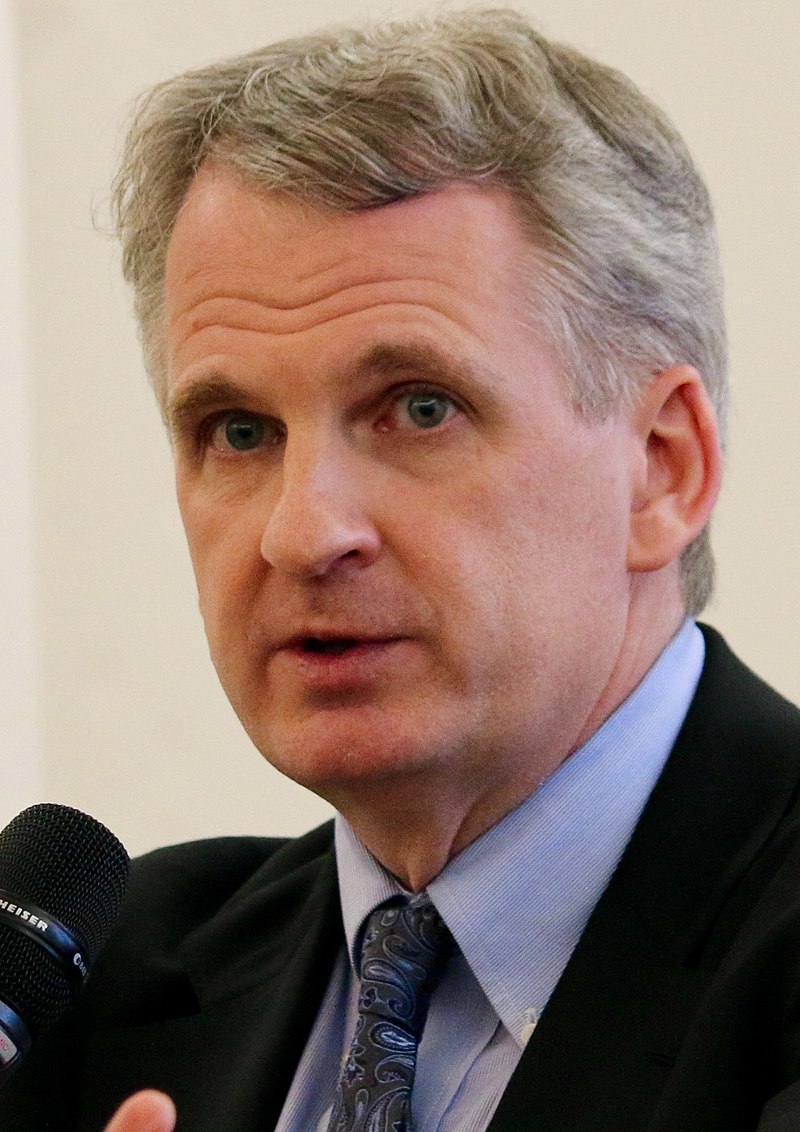
Timothy Snyder
 GermanyhistorianMaleb. 19697.2Global Dominance: 0.01%
Timothy Snyder is an American historian and author known for his expertise in Eastern European history and his critiques of authoritarian regimes. He has expressed concerns about the rise of oligarchic rule in the U.S. and its implications for Europe, particularly in light of the ongoing war in Ukraine.
Country presence
Recent news mentions
Timothy Snyder is referenced for his essential exhortation against submission in the context of extremism.
Decalog împotriva extremismului - 10 lucruri pe care fiecare dintre noi le poate face, în mod concret Romania· 2026-09-13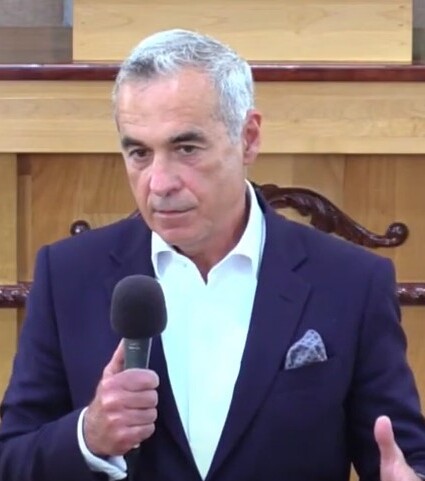

Timothy Snyder is a professor of Eastern European history at Yale.
Timothy Snyder zu 9/11: Haben die Terroristen gewonnen? - KulturGermany· 2026-09-11Timothy Snyder is an American historian who criticized Ukraine's past honors for UPA leaders.
Istorija ponovo dijeli Poljsku i Ukrajinu Montenegro· 2026-07-19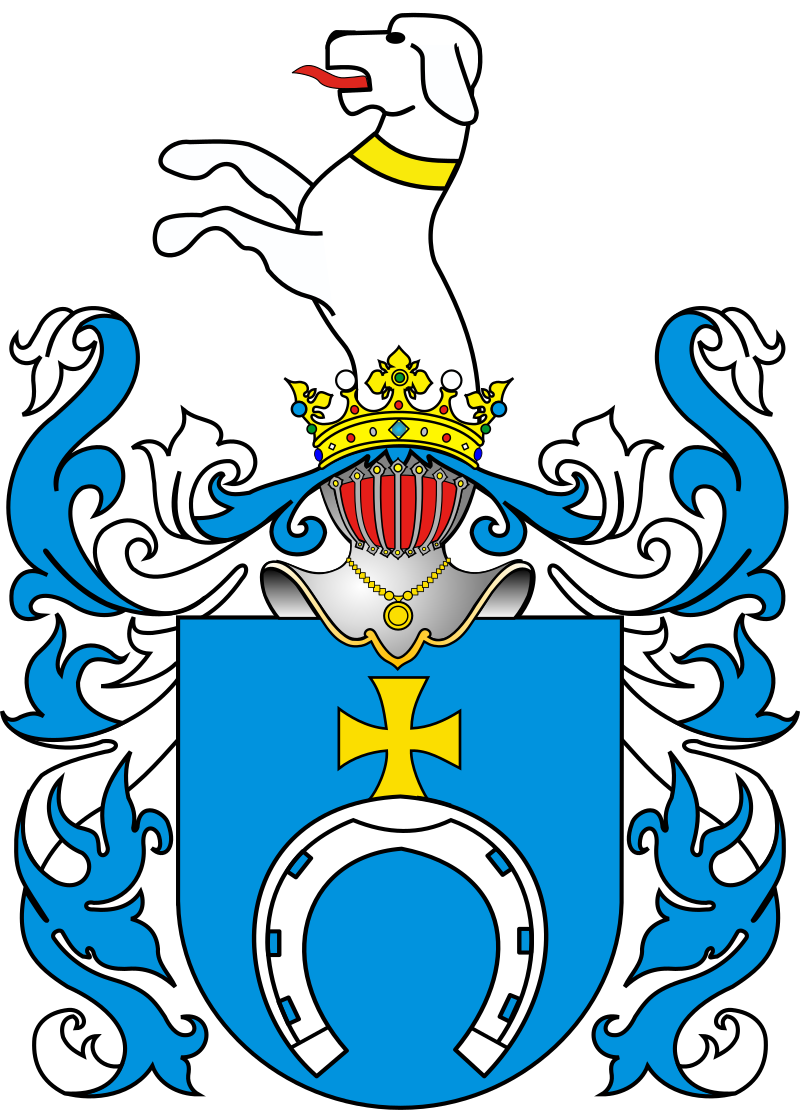
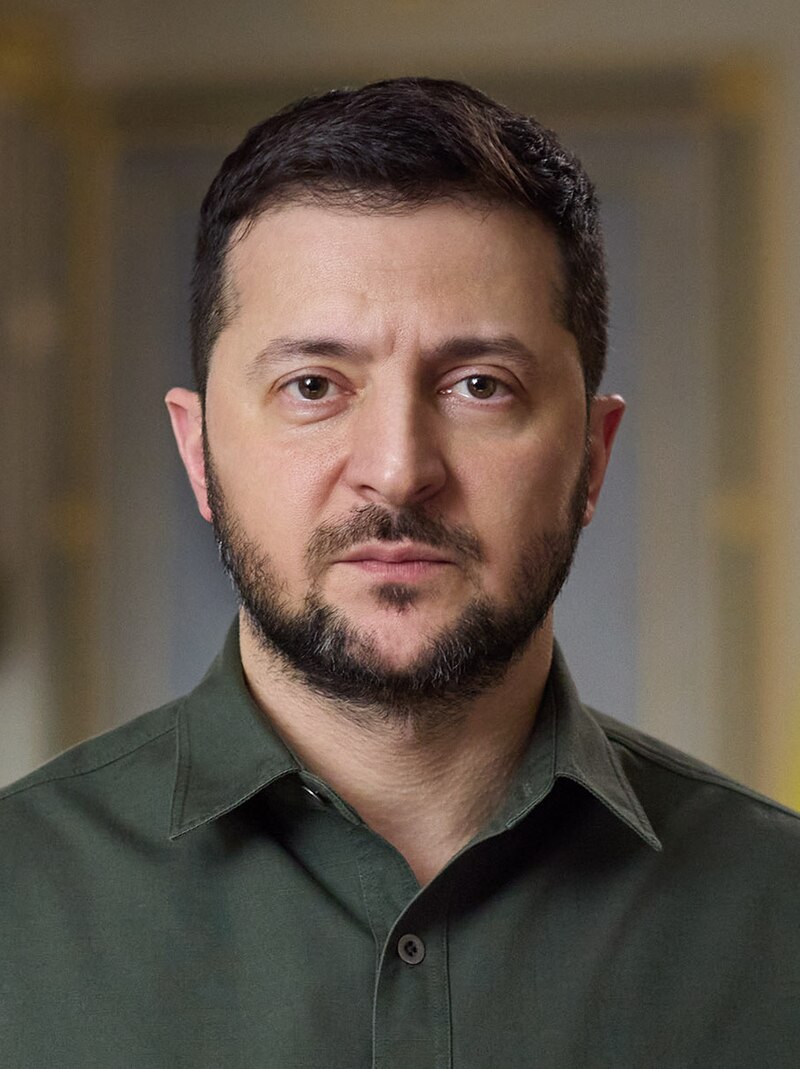


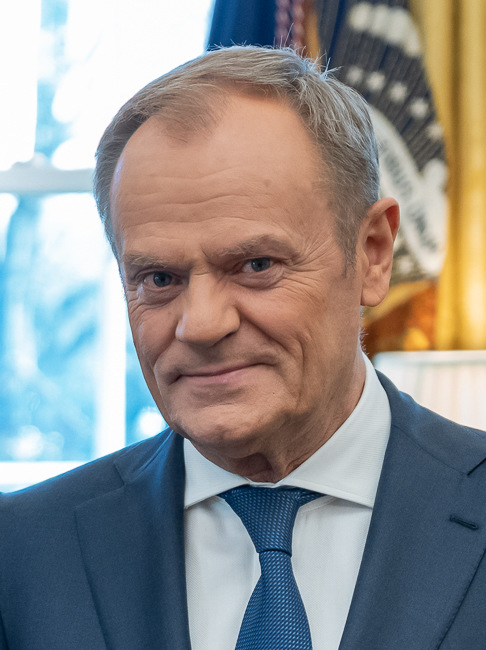

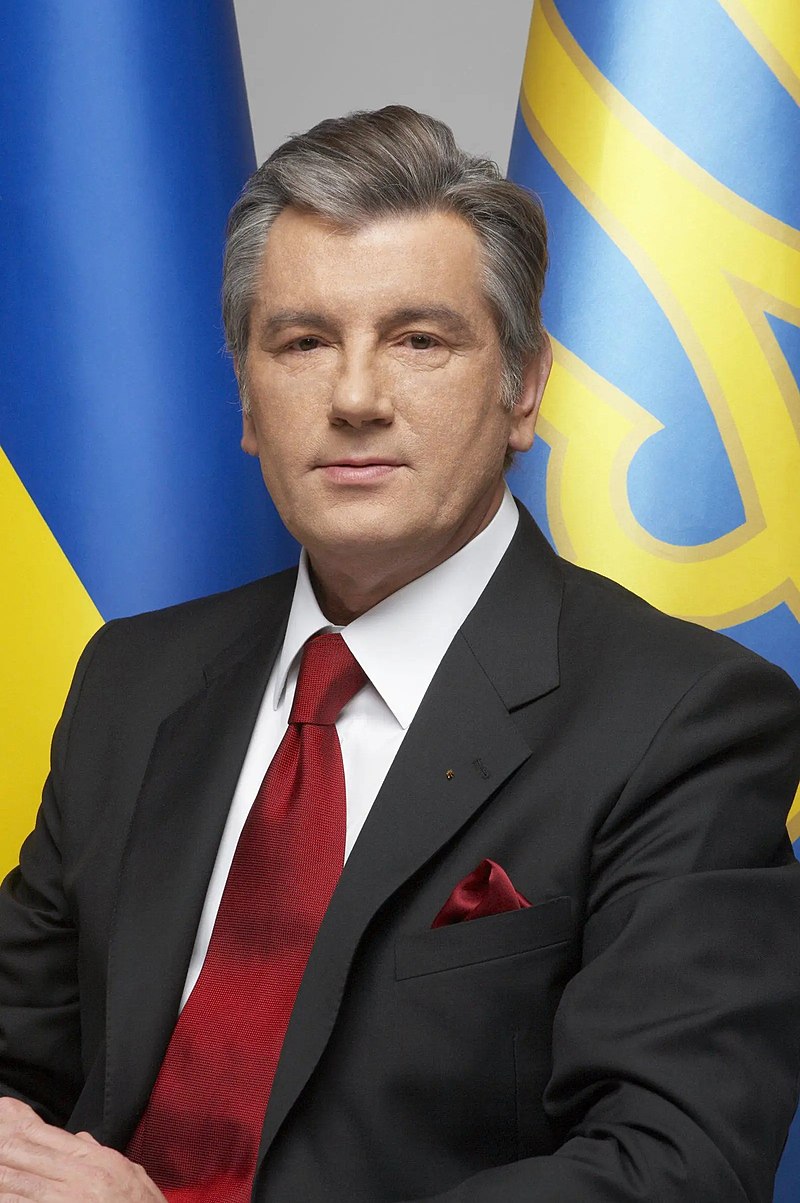
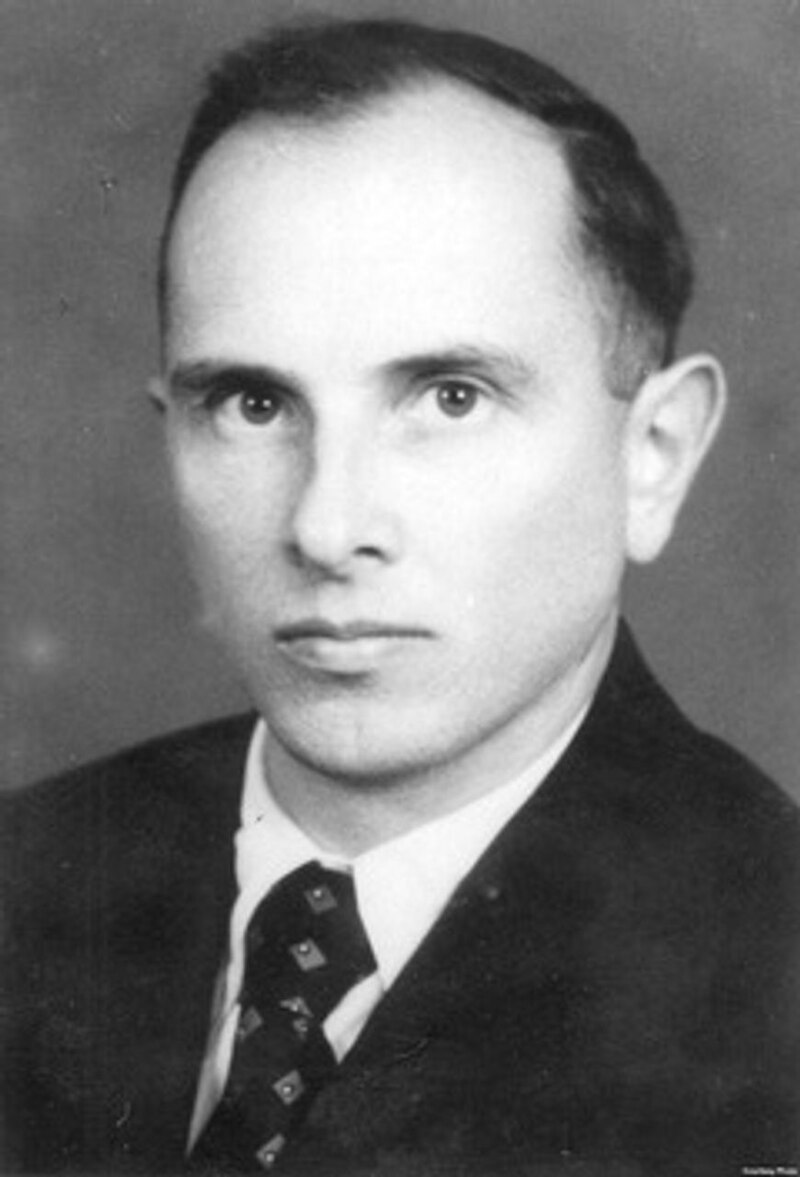
Snyder is a US historian who criticized former Ukrainian president Viktor Yushchenko for honoring Stepan Bandera.
Polish-Ukrainian solidarity over Russian threat undermined by bitter historical dispute | Ukraine United Kingdom· 2026-07-14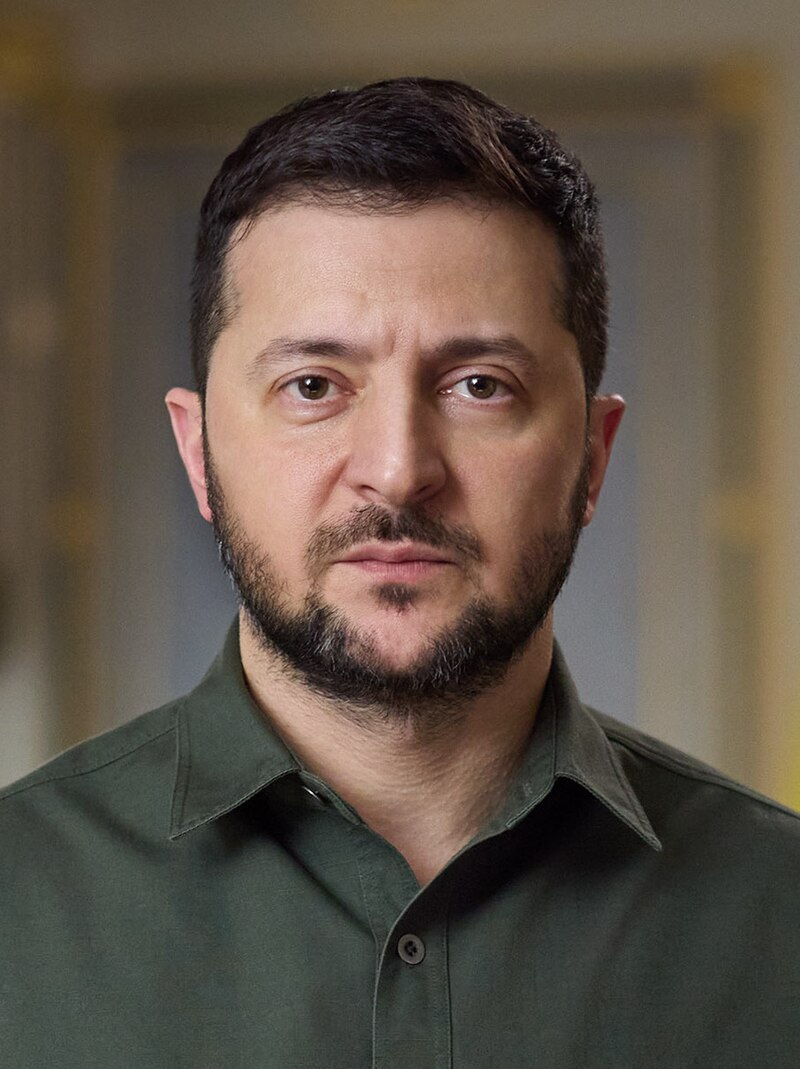



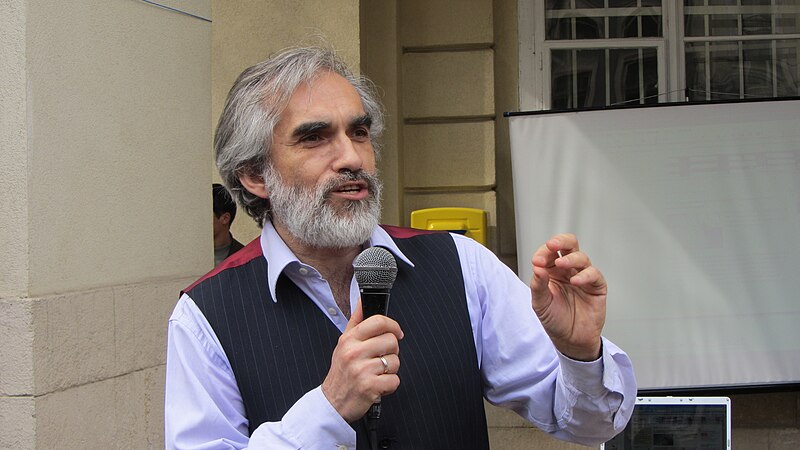

Timothy Snyder warns in the video that the upcoming elections are a pivotal moment for the U.S.
Holivud ustao protiv Trampa: Glumci pozivaju Amerikance da mu se suprotstave Serbia· 2026-07-05


Timothy Snyder is referenced for his analysis of the strategic implications of the conflict.
El régimen de los ayatolás: gran ganador de la guerra contra Irán Costa Rica· 2026-06-29
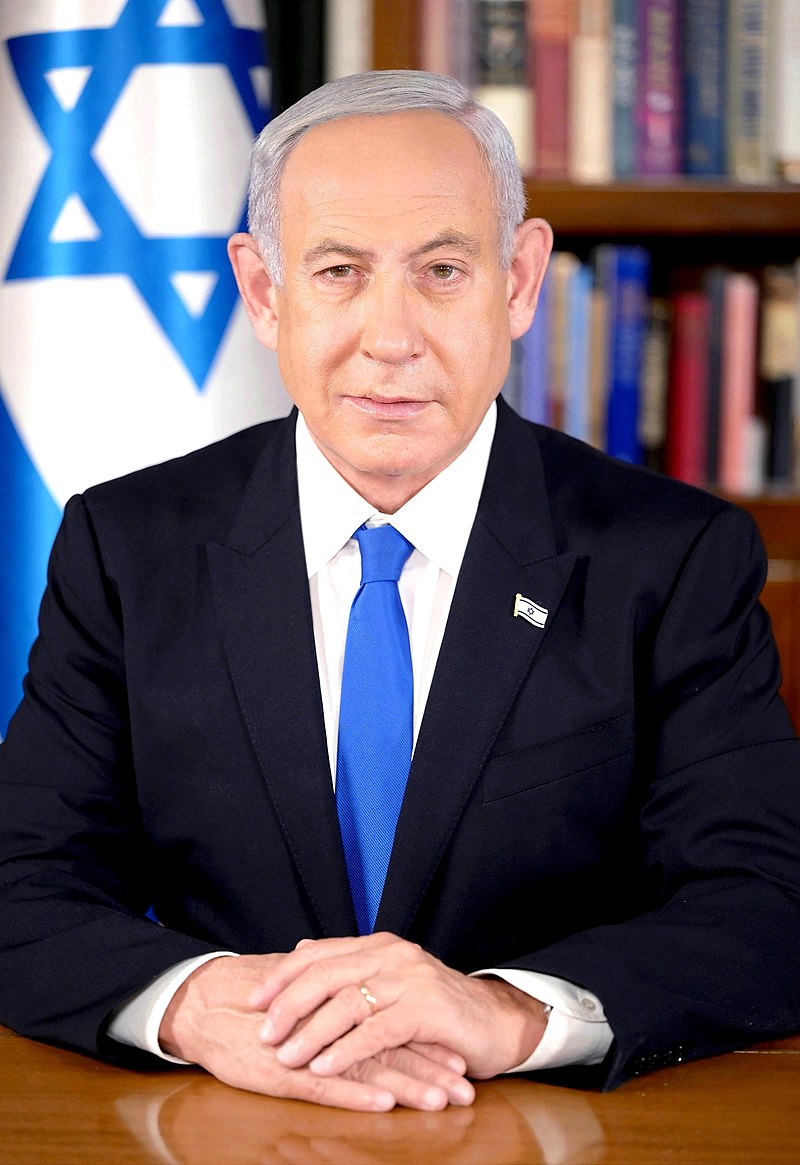
Timothy Snyder discusses the implications of a deal signed by the United States and Iran.
Gastbeitrag von Timothy Snyder: Ein Dealmaker unterschreibt seine Kapitulation - KulturGermany· 2026-06-24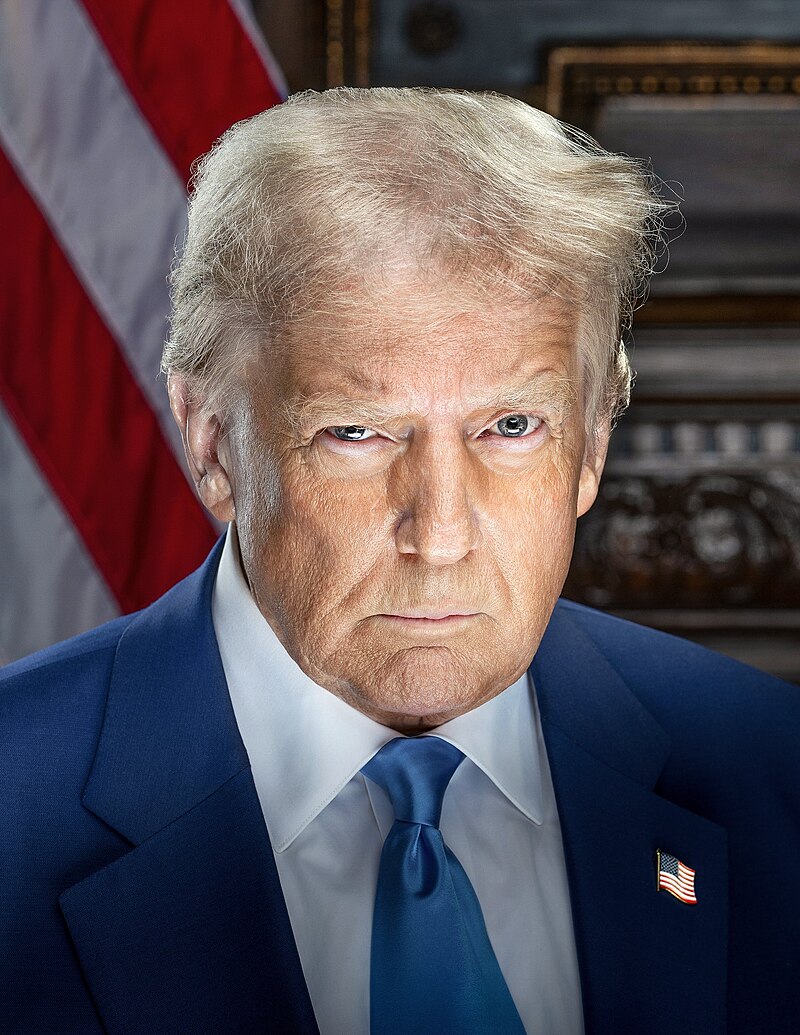
Timothy Snyder is a professor of History at Yale University and an author of several books.
Destruir la democracia o enriquecerse a sí mismo: los motivos de Trump para atacar a Irán | Ideas Spain· 2026-03-04
Historian Timothy Snyder questions who would benefit from a regime change in Iran.
News am Morgen - Nachrichten vom 04. März 2026 - PolitikGermany· 2026-03-04
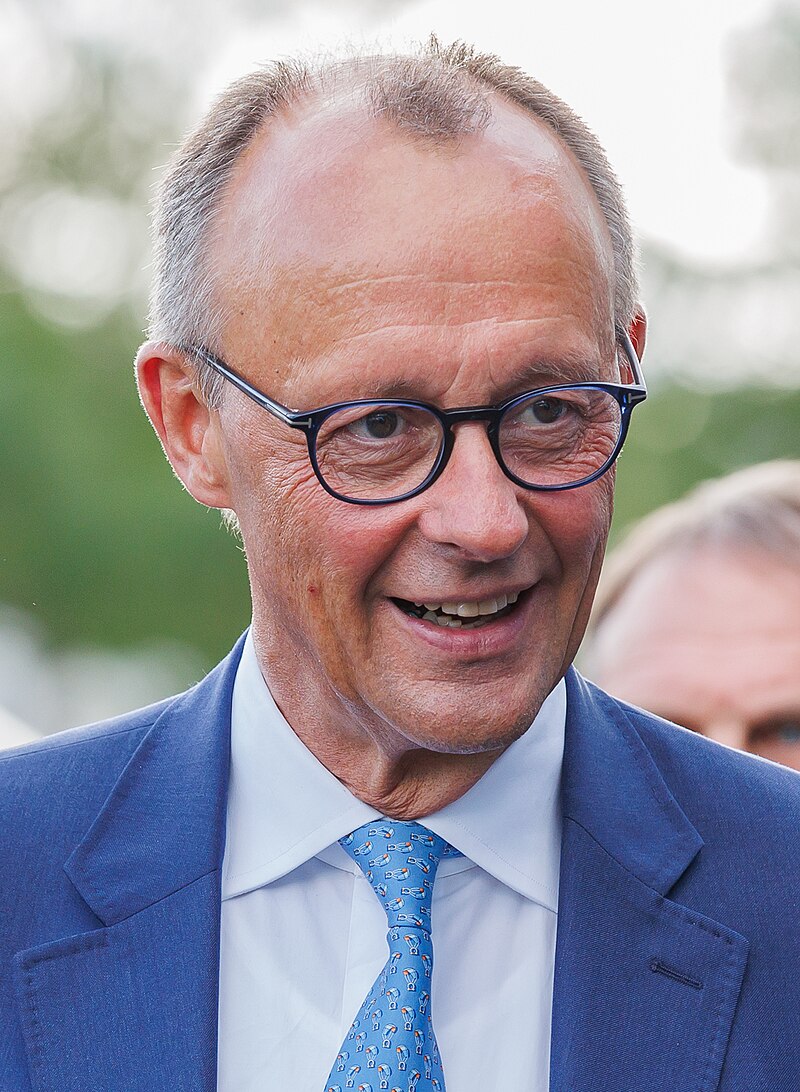
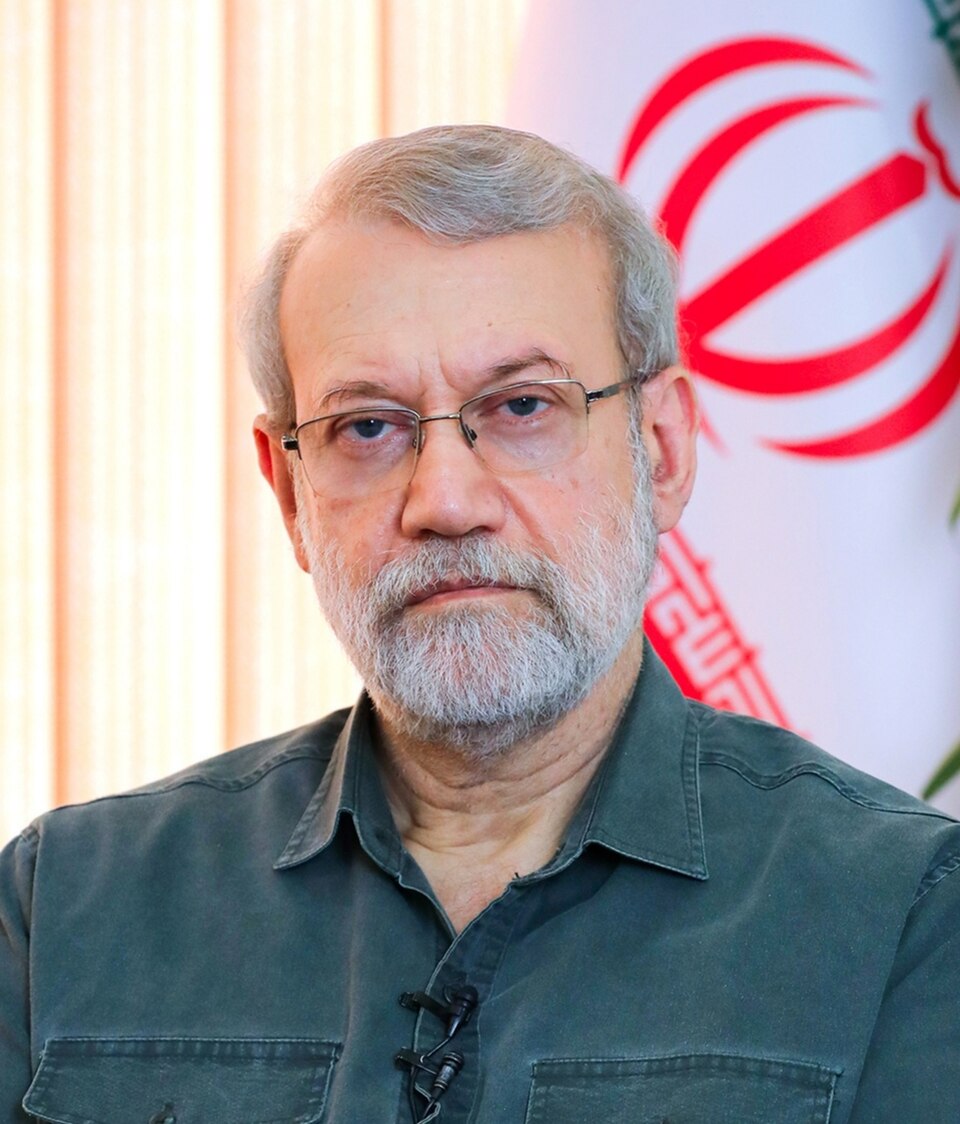



Timothy Snyder wrote a guest article discussing the US government's indifference towards human rights in Iran.
News am Abend - Nachrichten vom 3. März 2026 - PolitikGermany· 2026-03-03

Timothy Snyder discusses the US government's indifference towards human rights in Iran.
Gastbeitrag von Timothy Snyder: Warum Trump wirklich Iran angreifen ließ - KulturGermany· 2026-03-03Timothy Snyder is the inaugural chair in modern European history at the Munk School of Global Affairs and Public Policy at the University of Toronto.
Trump offers Iran militarism, authoritarianism and corruption instead of a coherent plan Canada· 2026-03-02
Professor Timothy Snyder has commented on the remarkable resilience of Ukrainians in their fight against Russia.
Four years on, Ukrainians no longer believe in anything but the weapons they carry – The Irish Times Ireland· 2026-02-24
Timothy Snyder, world-renowned historian, left Yale for the University of Toronto.
The world is finally standing up to Donald Trump. It’s time for Republicans to do the sameCanada· 2026-01-31




Timothy Snyder is a former colleague of Adam Tooze who moved to Canada.
The crisis whisperer: how Adam Tooze makes sense of our bewildering age | EconomicsUnited Kingdom· 2026-01-15
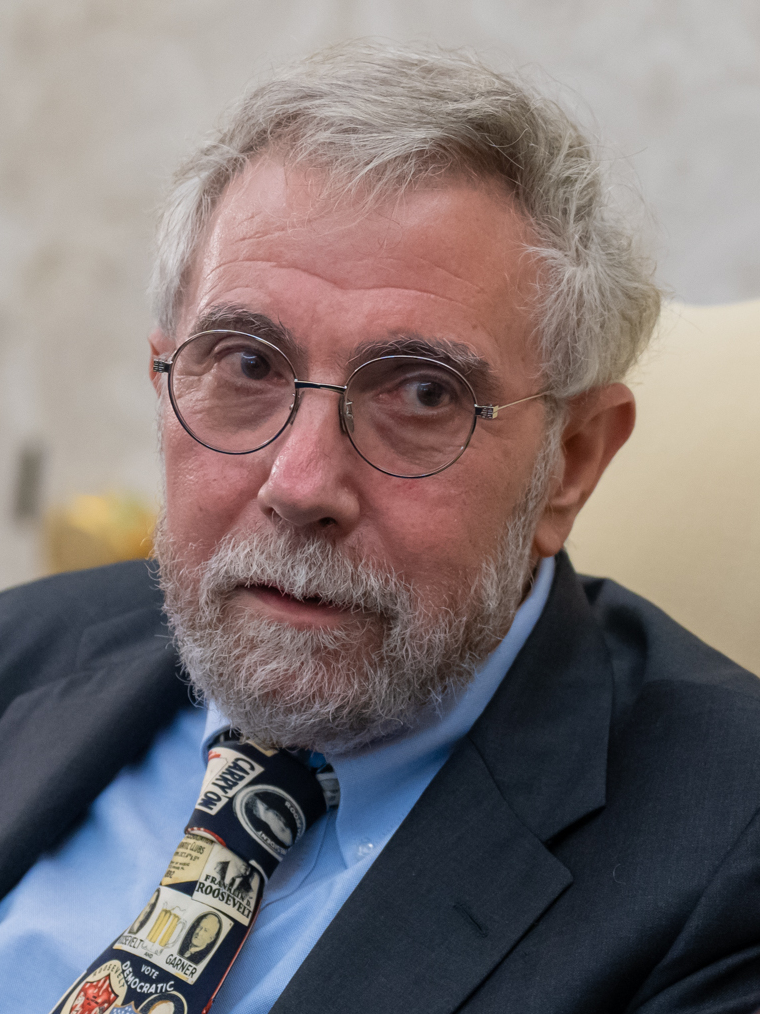


Timothy Snyder is mentioned in relation to a discussion about Christmas carols.
TIMOTHY SNYDER ⟩ Tehisaru ründab vanu häid jõululaule Estonia· 2025-12-26
Timothy Snyder views the story of the carol as a metaphor for the continuity of Russian colonialism.
Orașul care a dat lumii un colind de Crăciun a fost distrus de RusiaRomania· 2025-12-25


Timothy Snyder explains two main types of populism in his book 'Sobre la libertad'.
La versión criolla del sadopopulismoCosta Rica· 2025-12-05

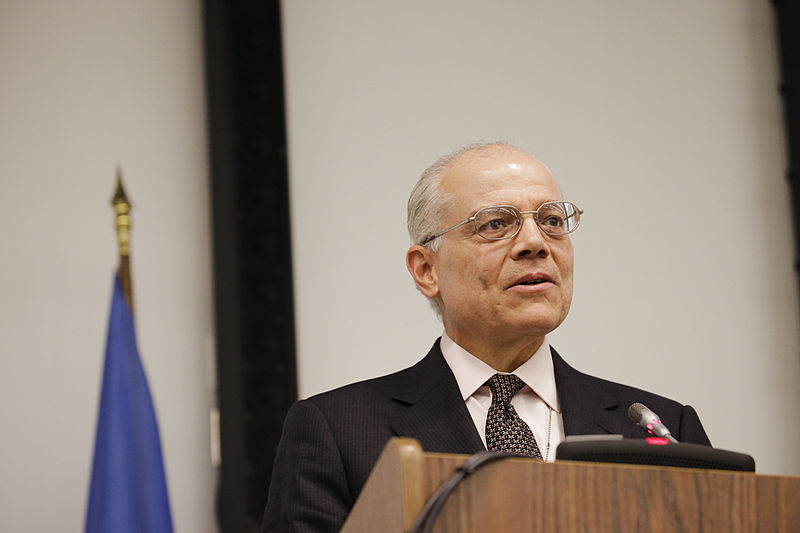
Historian Timothy Snyder argues that a Russian victory in Ukraine would lead to severe consequences for Europe and Western democracies.
Perché Putin non deve vincere: «Ecco le 6 conseguenze per l'Europa e l'Occidente se lo Zar raggiungesse i suoi obiettivi» Italy· 2025-12-02
Timothy Snyder's work 'On Tyranny' is referenced as part of the adaptations that influenced Atkinson.
Rick Atkinson’s Revolutionary War trilogy to be adapted into graphic editions | Art & Leisure Jamaica· 2025-12-01


Timothy Snyder is a well-known American historian who attempted to answer questions about the history of Belarus during his lecture.
Новый взгляд Тимоти Снайдера на историю Восточной Европы теперь можно послушать по-белорусски ВИДЕО Belarus· 2025-11-30
Prof Timothy Snyder commented on Witkoff's actions regarding the Russian narrative.
In a normal country, Donald Trump and Steve Witkoff would be tried for treason – The Irish TimesIreland· 2025-11-29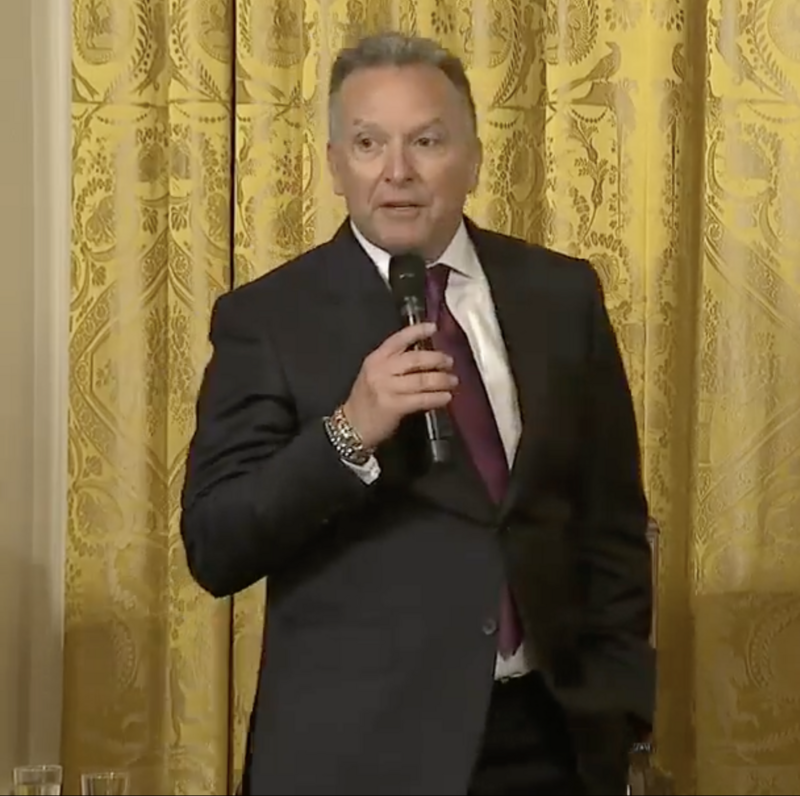
Timothy Snyder analyzes Trump's peace plan.
Timothy Snyder analysiert Trumps Friedensplan: Der falsche Weg zum Frieden - KulturGermany· 2025-11-26Timothy Snyder discusses the serious deterrent that Ukraine's NATO membership would pose against Russia.
TIMOTHY SNYDER ⟩ Ainus tõsine heidutus Venemaa vastu oleks Ukraina liitumine NATOgaEstonia· 2025-11-26Timothy Snyder discusses the political implications of the opioid epidemic in relation to Donald Trump's actions.
Timothy Snyder: Die große Lüge hinter Trumps Bootsangriffen - Kommentare der anderen Austria· 2025-11-09
Timothy Snyder is a writer and the first chair of modern European history at the University of Toronto.
ট্রাম্পের ‘বড় মিথ্যা’র পেছনের বড় সত্য Bangladesh· 2025-11-07
Timothy Snyder is a professor who critiques the aggressive presidency of Donald Trump.
La gran mentira detrás de los ataques de Trump a los barcos | OpiniónSpain· 2025-11-06
Timothy Snyder is referenced for his book discussing the concept of freedom in a political context.
Obama e l'«endorsement» a Mamdani: mezz'ora di telefonata, tra complimenti e offerta di fare da «super consulente»Italy· 2025-11-01
Timothy Snyder warns that the current time repeats patterns from the 1930s.
Preizkušnja demokracije v dobi globalne negotovosti Slovenia· 2025-10-31



Snyder's book 'Freedom' discusses the concept of freedom in relation to government roles.
Com'è andato l'ultimo comizio di Mamdani prima del voto per il sindaco di New York e perché «questa non è un’elezione normale»Italy· 2025-10-28