
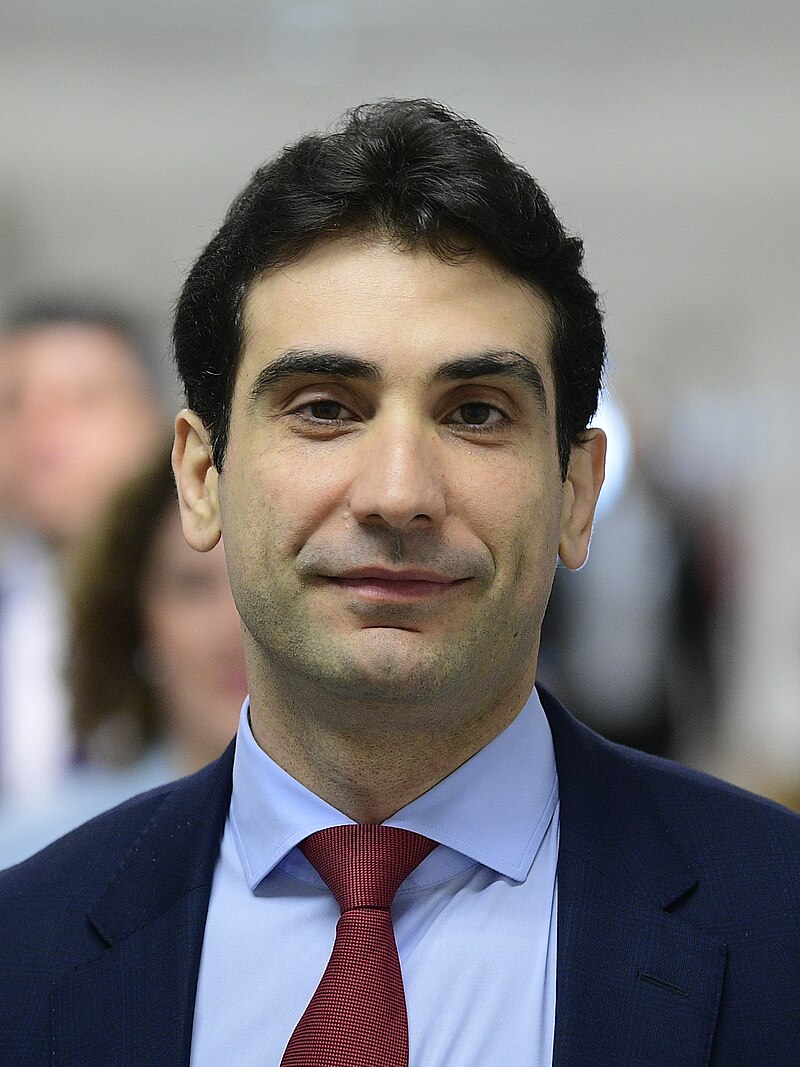
Esther Dweck
Esther Dweck is the Brazilian Minister of Management and Innovation, known for her role in addressing the financial performance of state-owned companies. Recently, she has been in the spotlight for explaining the significant R$ 8.1 billion deficit reported by these companies, attributing it to the difference between revenues and current expenses while highlighting the historical context of investment restrictions during previous administrations.
Not in the pool (under ¢1).
Recent news mentions
Esther Dweck is the Minister of Management and was part of the government delegation at the event.
Além de Lula no camarote de Paes, políticos dão o tom dentro e fora da Sapucaí durante primeira noite de desfiles; confira Brazil· 2026-02-16


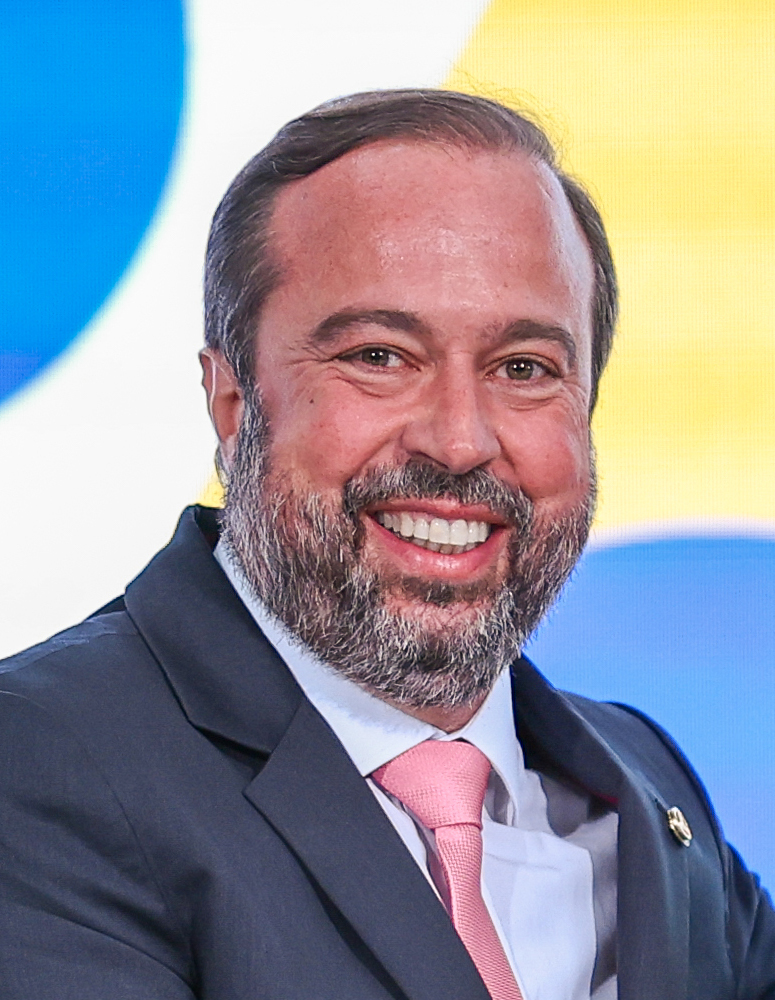
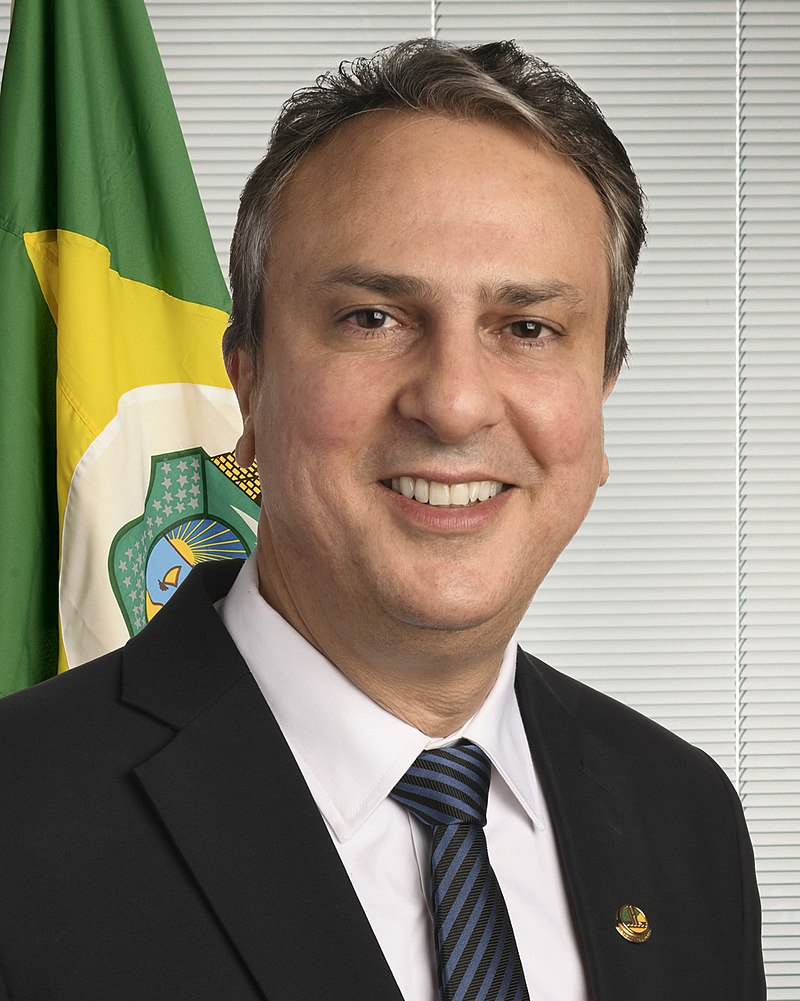
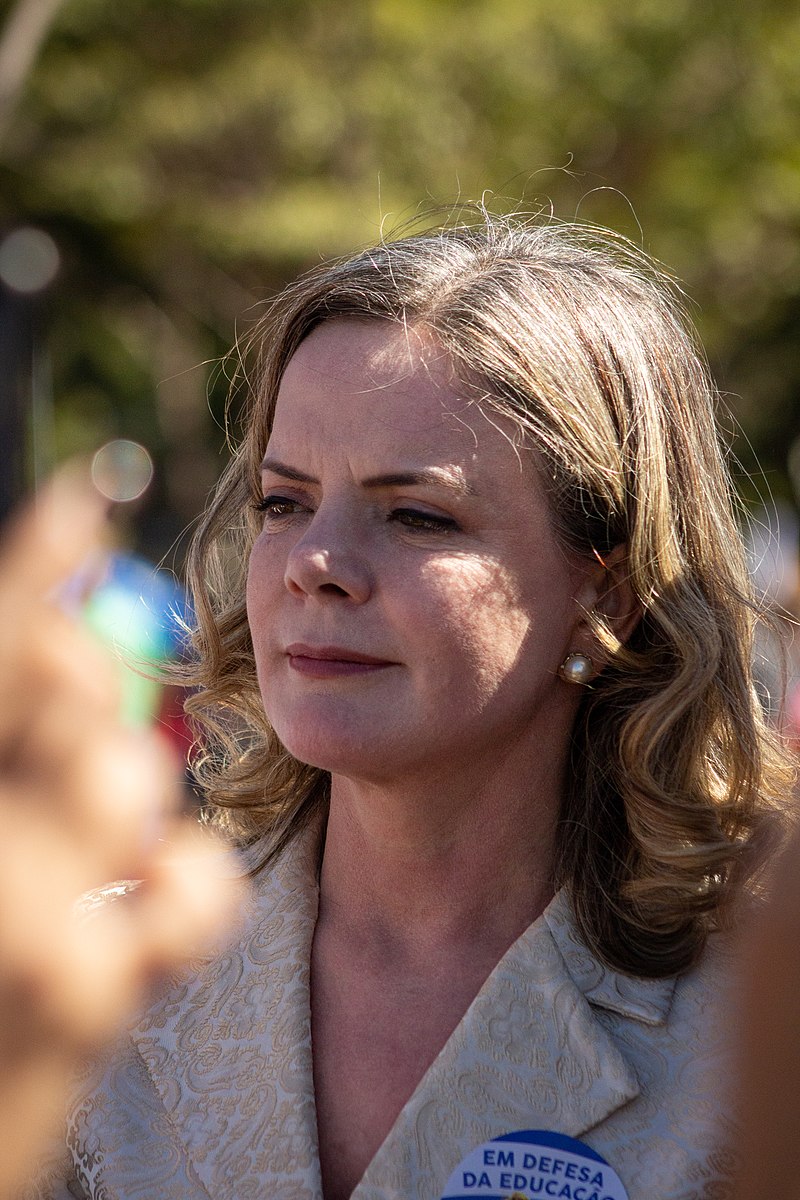

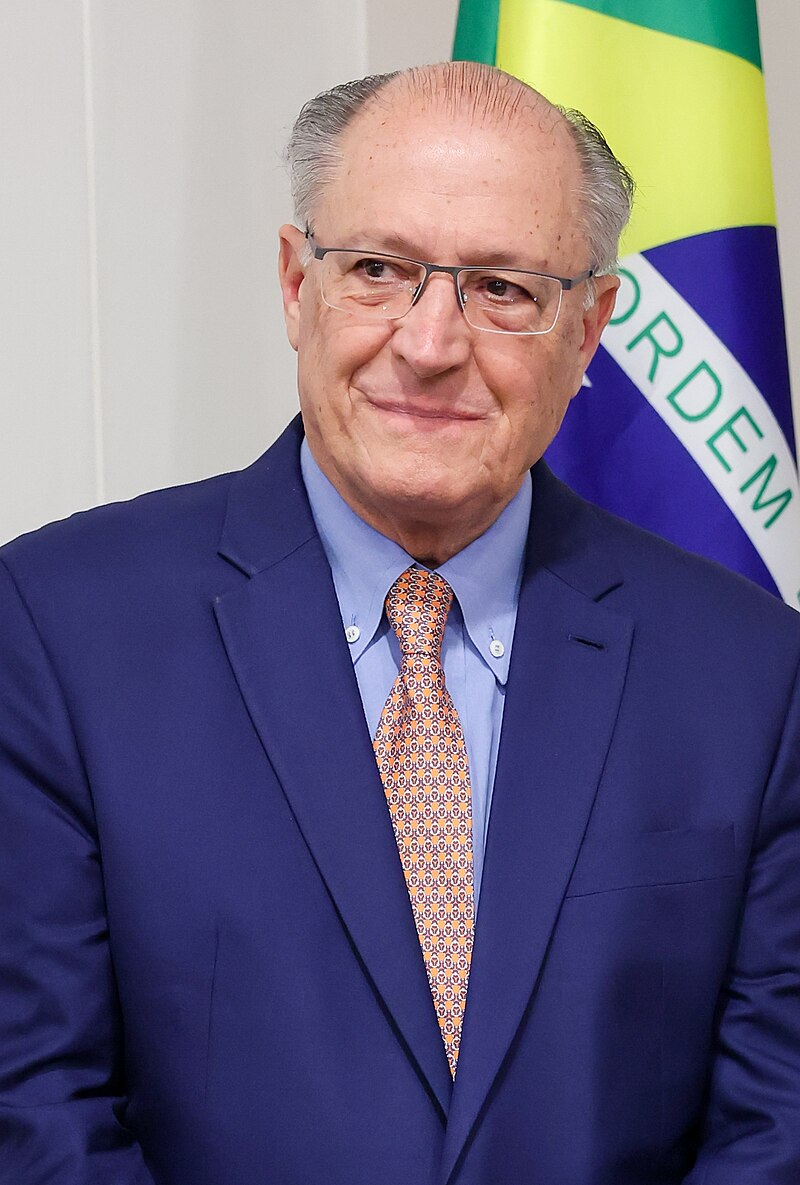


Esther Dweck leads the team arguing that the deficit of companies in recent years reflects a necessary accelerated investment program.
Com impulso de Petrobras, conjunto de estatais tem alta de 22,5% no lucro acumulado até o 3º trimestre de 2025Brazil· 2026-01-29Esther Dweck é uma das ministras que participou da cerimônia de lançamento.
Lula sanciona lei que finaliza regulamentação da Reforma Tributária e lança plataforma para o novo sistemaBrazil· 2026-01-14



Esther Dweck is the Minister of Management and Innovation in Brazil.
Rombo é rombo - Estadão Liechtenstein· 2025-12-22
Minister Esther Dweck has been tasked with finding a solution to the crisis at Correios.
'Não podemos ter uma empresa pública dando prejuízo'Brazil· 2025-12-18
Esther Dweck is the Minister of Management and Innovation in Public Services who attended the meeting.
Lula reúne presidente do STF e ministros para tratar de violência contra mulher, mas encontro acaba sem propostaBrazil· 2025-12-17
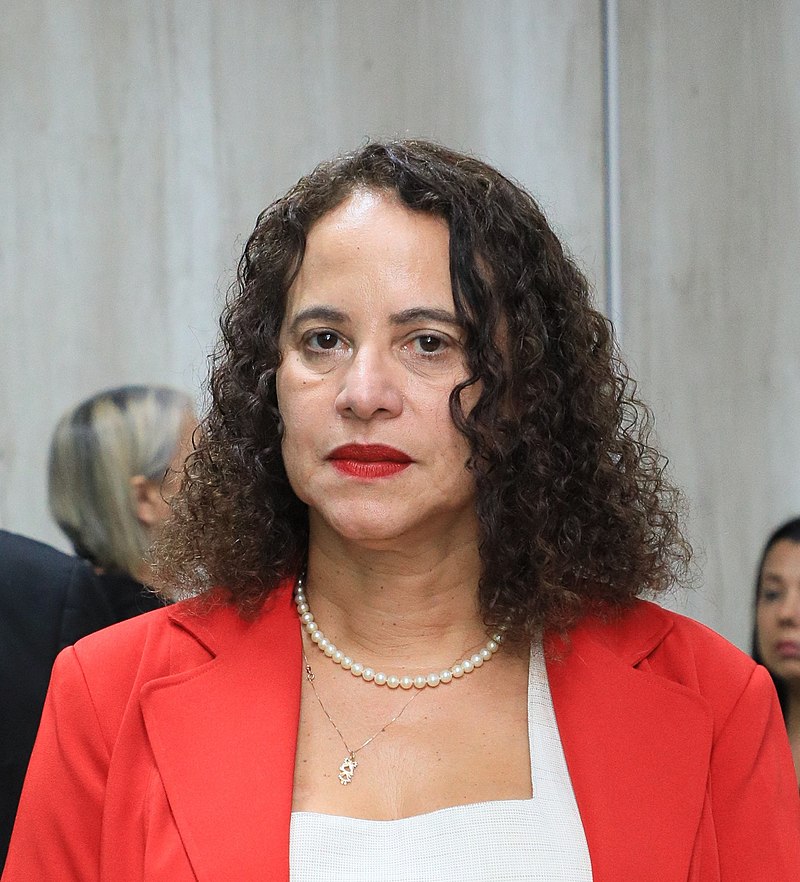



Esther Dweck is the Minister of Management and Innovation of Public Services responsible for the competition.
80% dos inscritos compareceram às provas discursivas da 2ª fase. Veja as próximas etapas do concursoBrazil· 2025-12-08Esther Dweck explained the payment structure for the salary increases and the separation of the project and the provisional measure.
Governo Lula edita MP para dar aumento de até 24% a policiais do DF, RR, RO e APLiechtenstein· 2025-12-03Minister of Management and Innovation, Esther Dweck announced the proposal at a ceremony in the Palácio do Planalto.
Governo Lula prepara mudanças em carreiras federais com impacto de R$ 4,2 bilhõesBrazil· 2025-12-02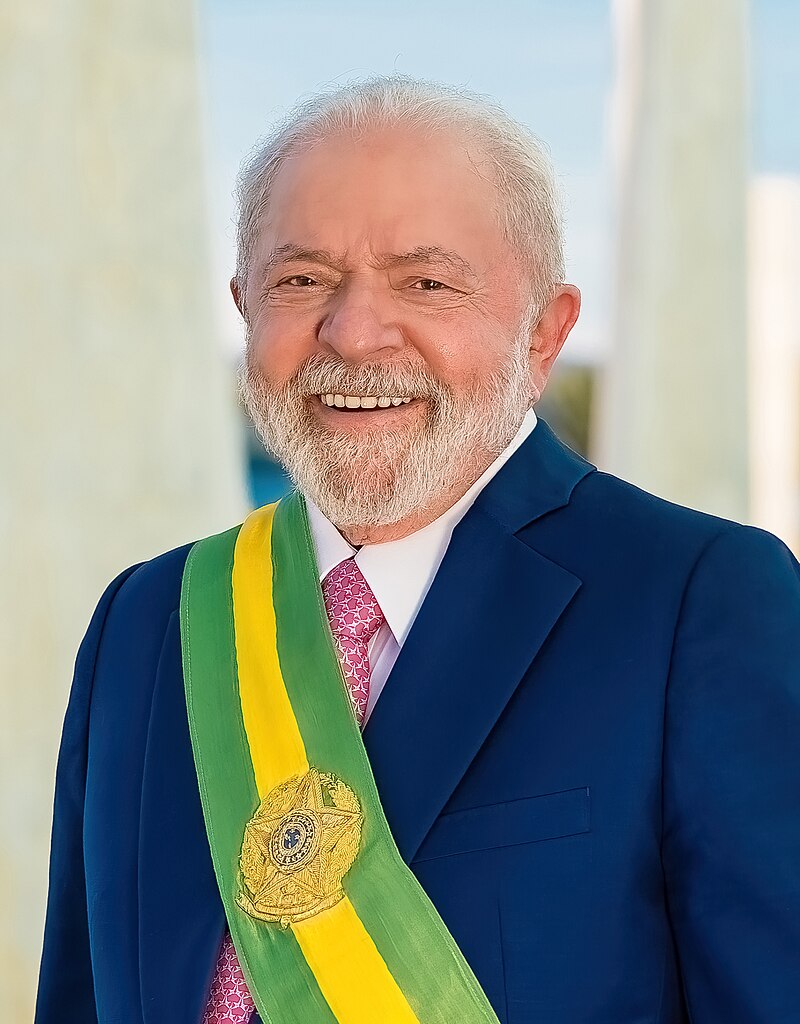
Esther Dweck expressed the need for dialogue and political consensus to address the issue of supersalaries in Brazil.
Brasil gasta R$ 20 bi com remunerações acima do teto e lidera ranking de supersalários; veja paísesLiechtenstein· 2025-11-27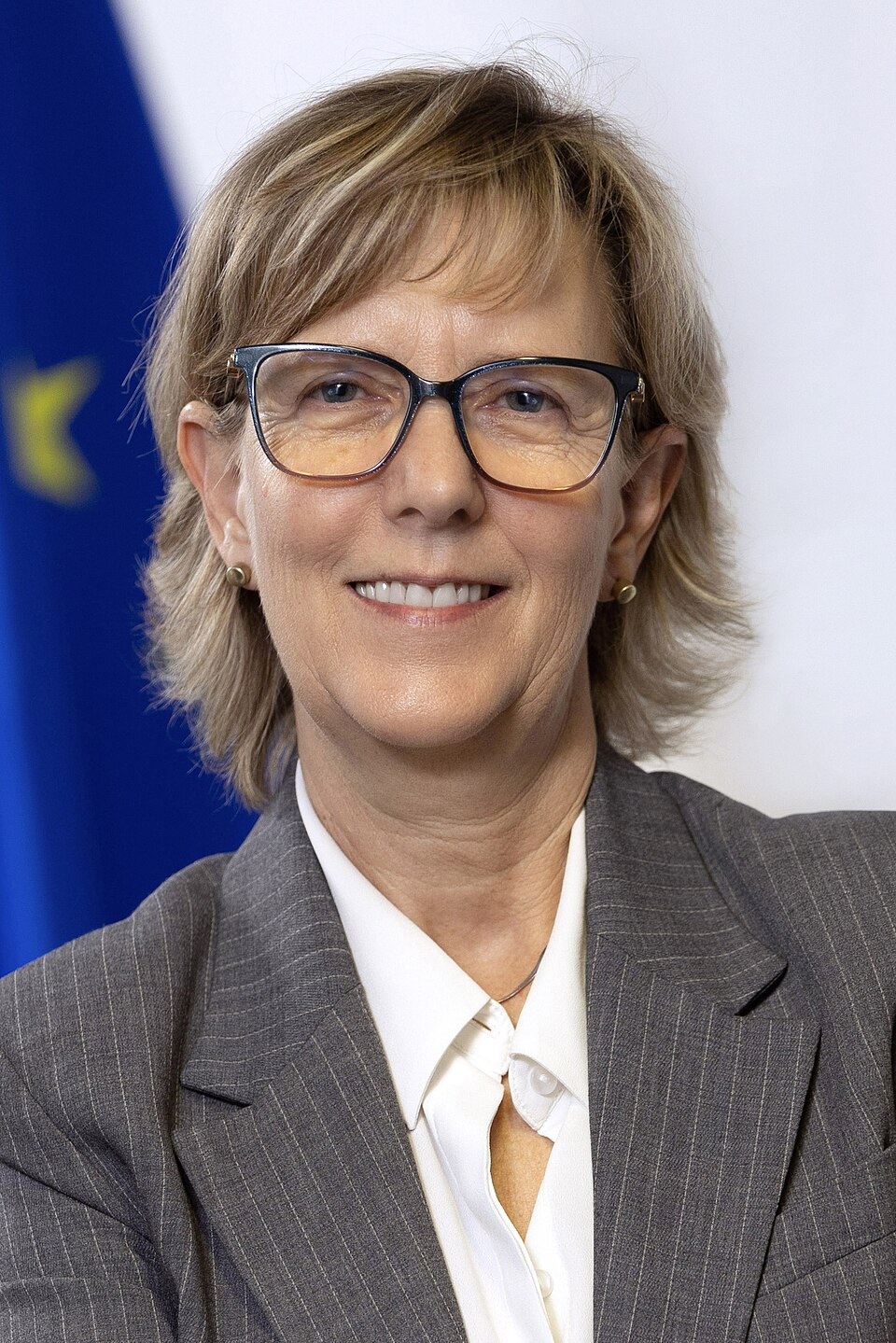

Esther Dweck expressed her view that addressing supersalaries and privileges is a necessary agenda that requires political dialogue and consensus.
Brasil lidera ranking de supersalários no funcionalismo e gasto chega R$ 20 bilhões em um ano, mostra estudoBrazil· 2025-11-27Esther Dweck is the Minister of Management and Innovation.
Bastidores: Banqueiros tratam Vorcaro e Bolsonaro como ‘liquidados’ em almoço da FebrabanLiechtenstein· 2025-11-24
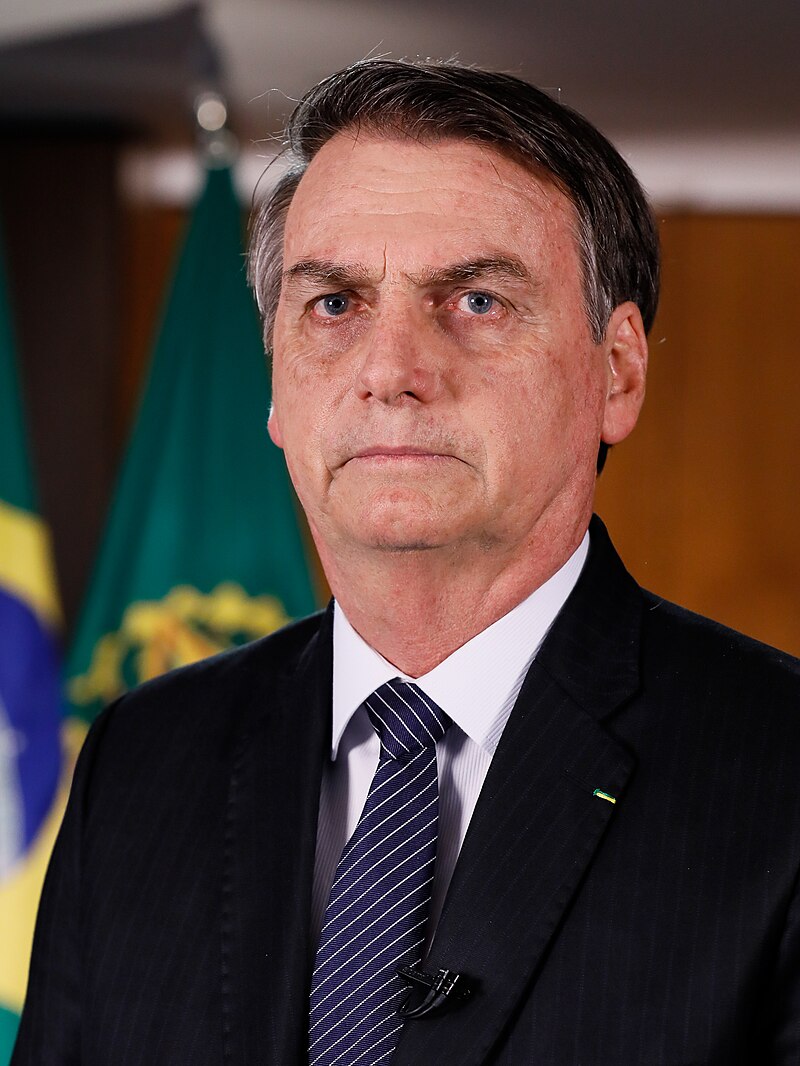

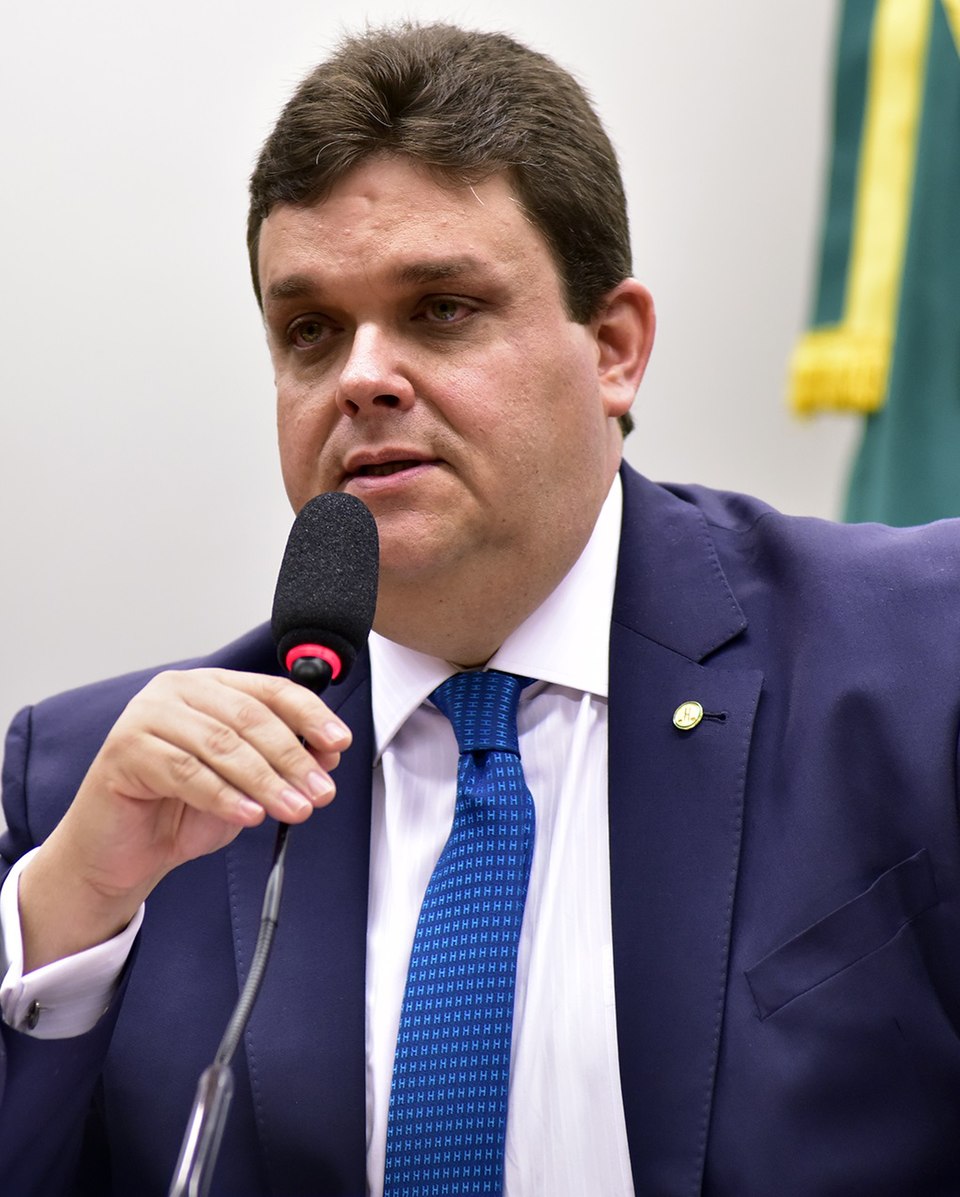
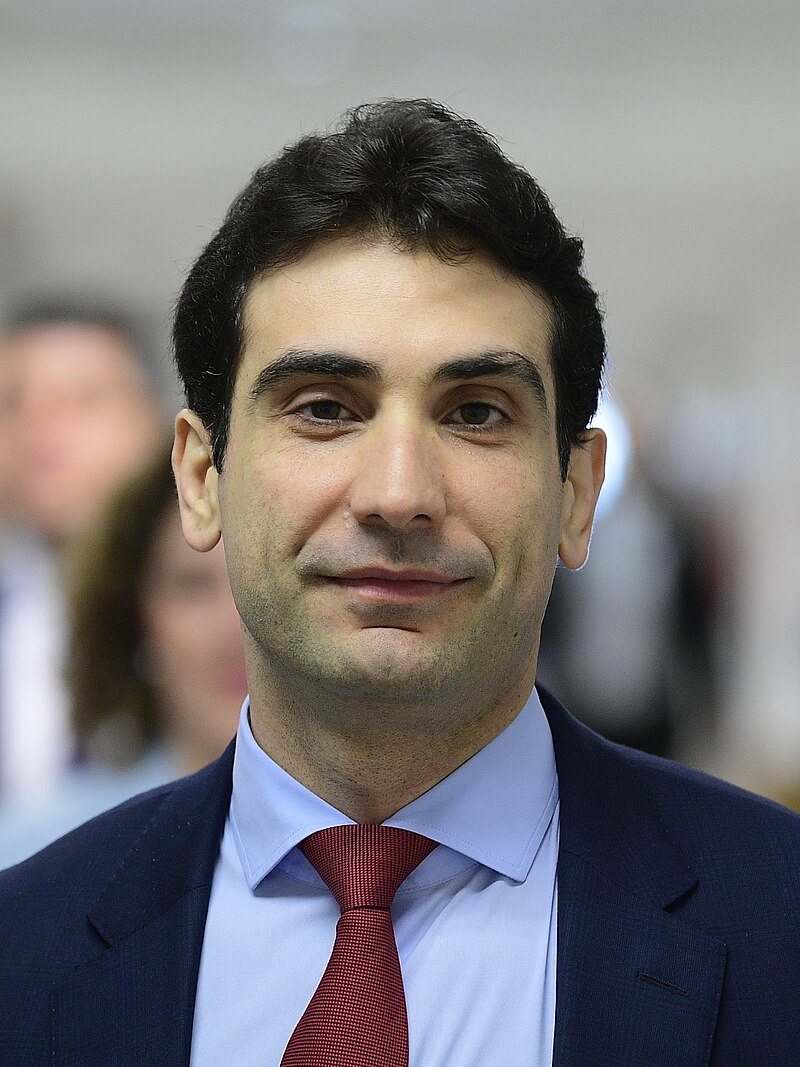
Esther Dweck has built a close relationship with Jorge Messias within the government.
Com indicação de Messias para vaga de Barroso, média de idade de ministros do STF é 58 anosBrazil· 2025-11-21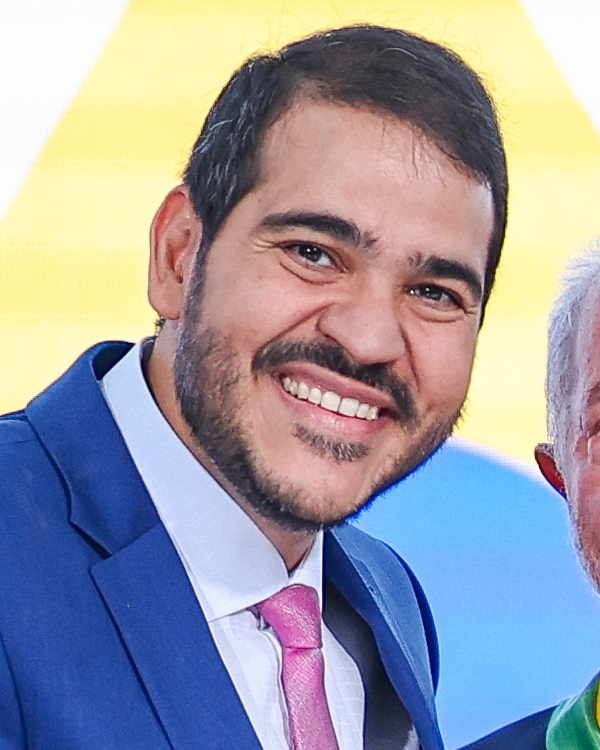
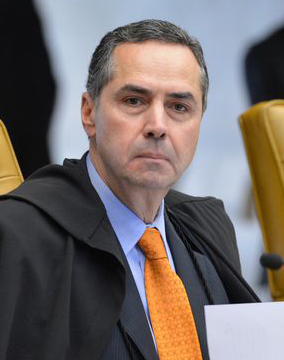
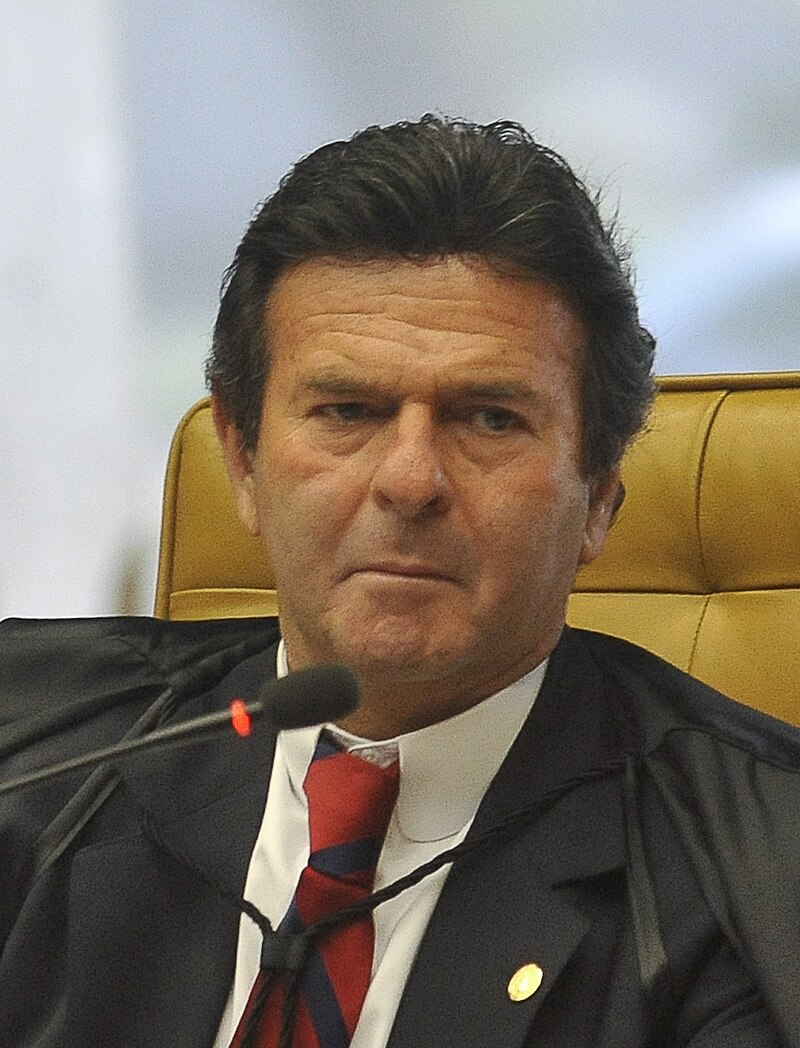
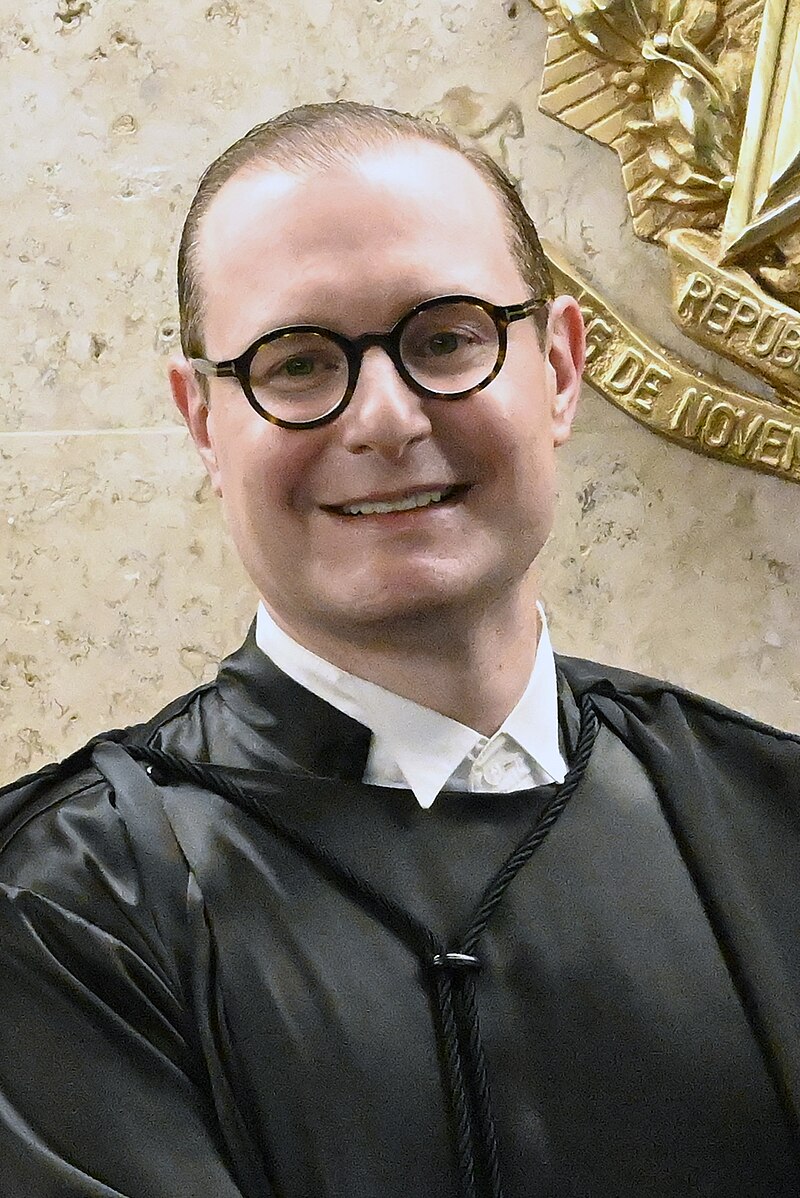
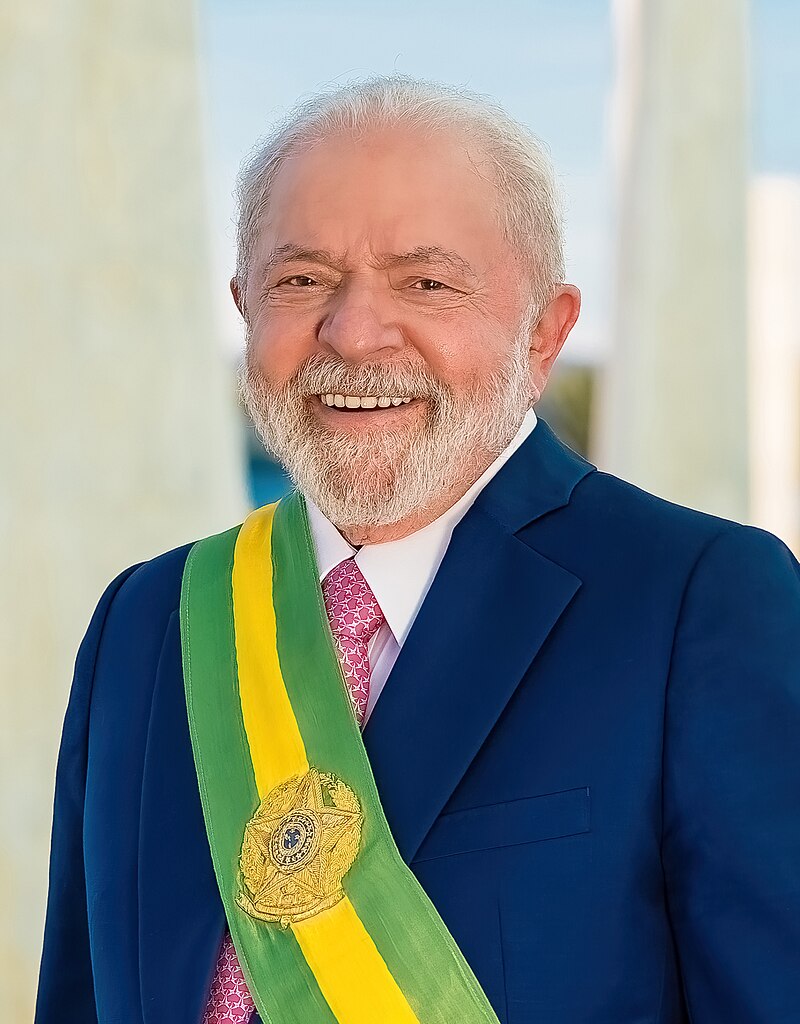
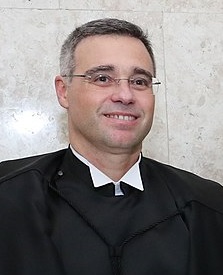
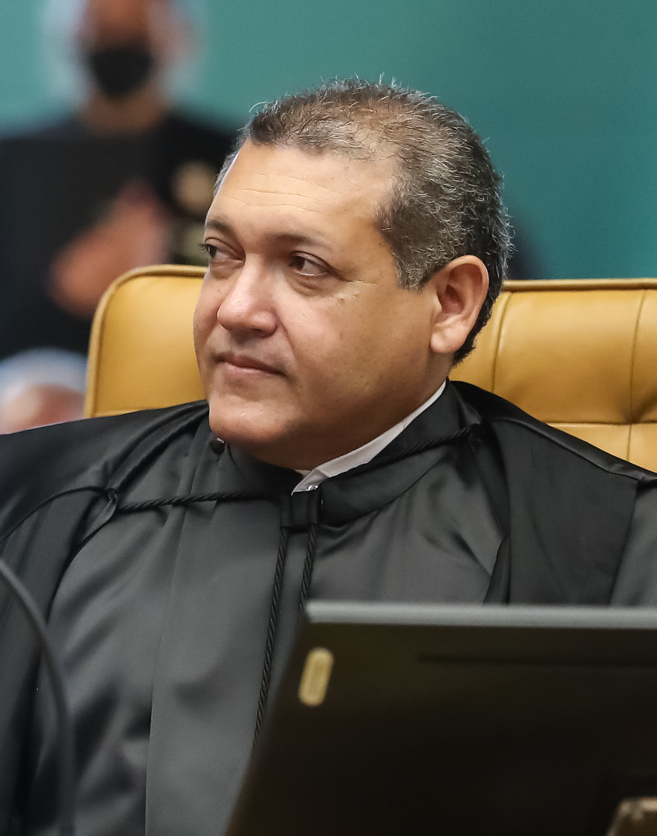
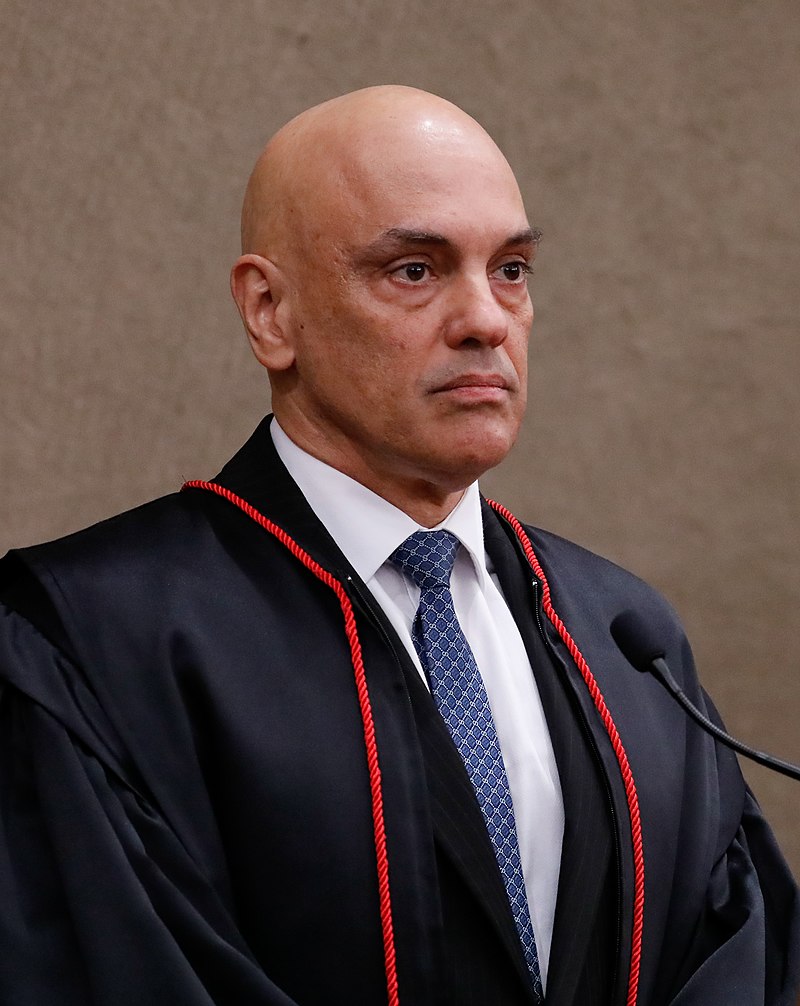

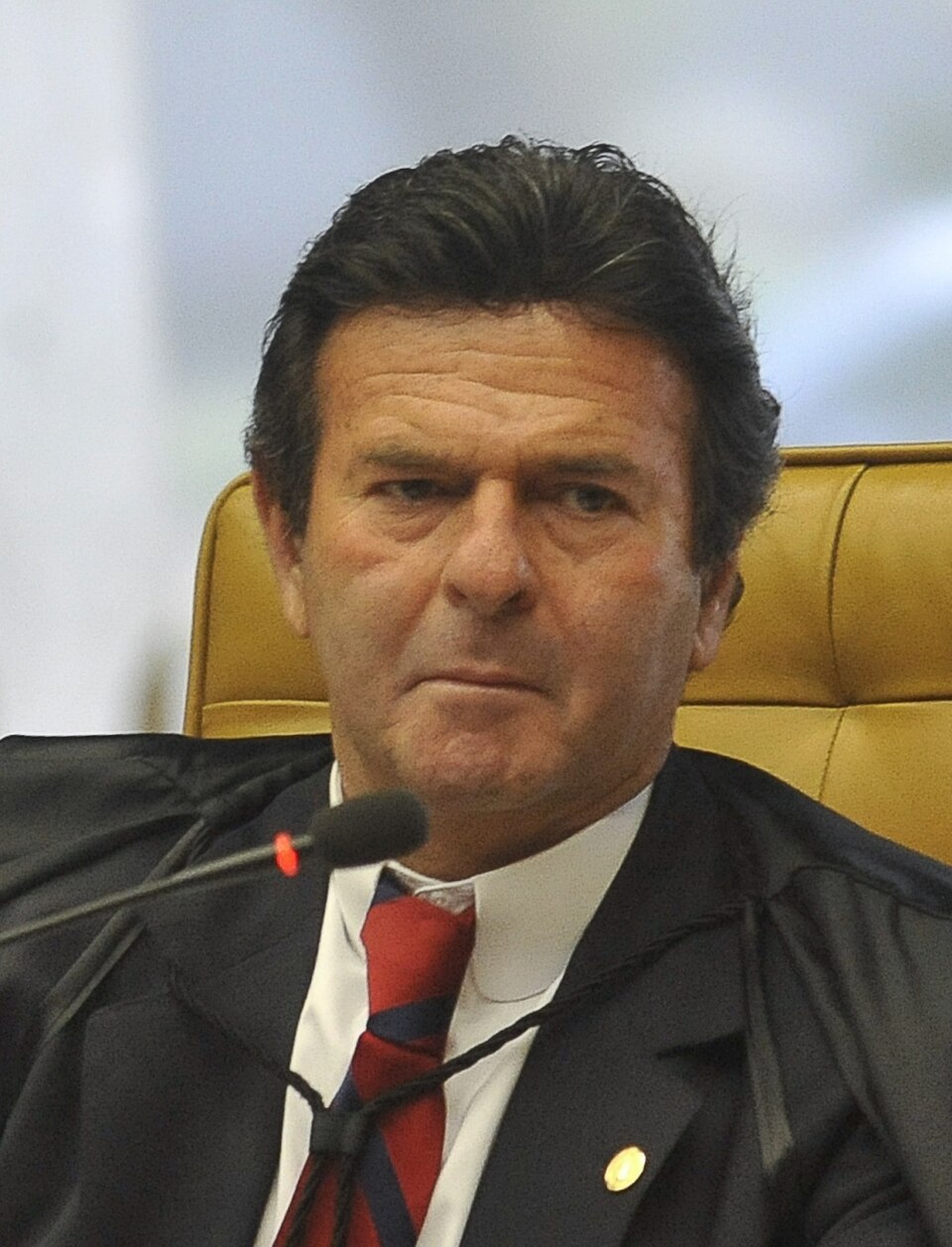
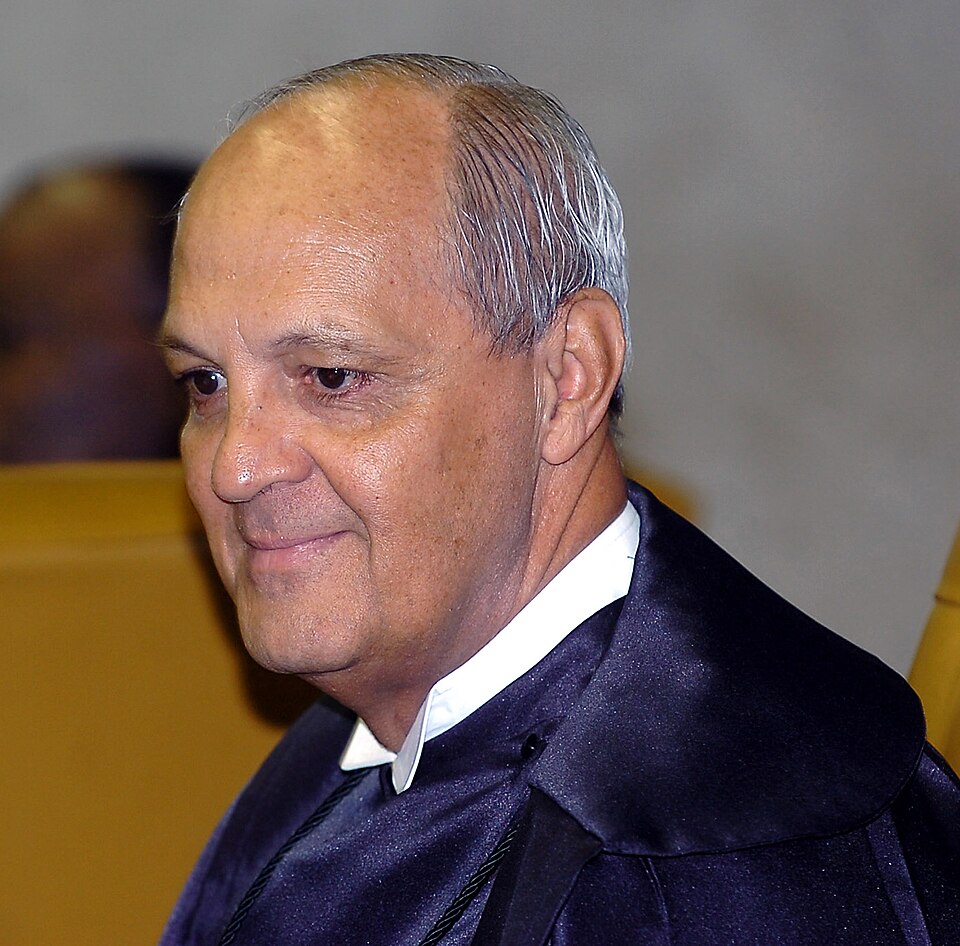
Esther Dweck is the Minister of Management who has a close relationship with Messias.
Após indicação de Messias ao STF, Lula deve nomear mulher para vaga na AGU; veja os nomesBrazil· 2025-11-20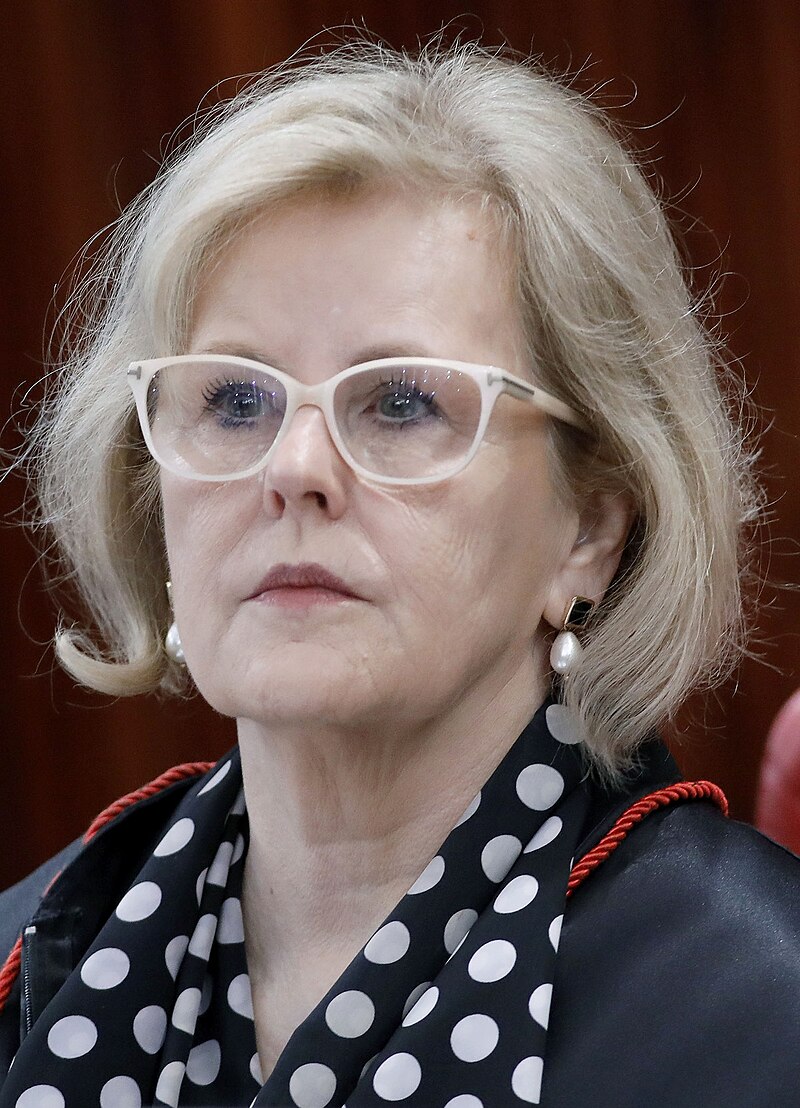



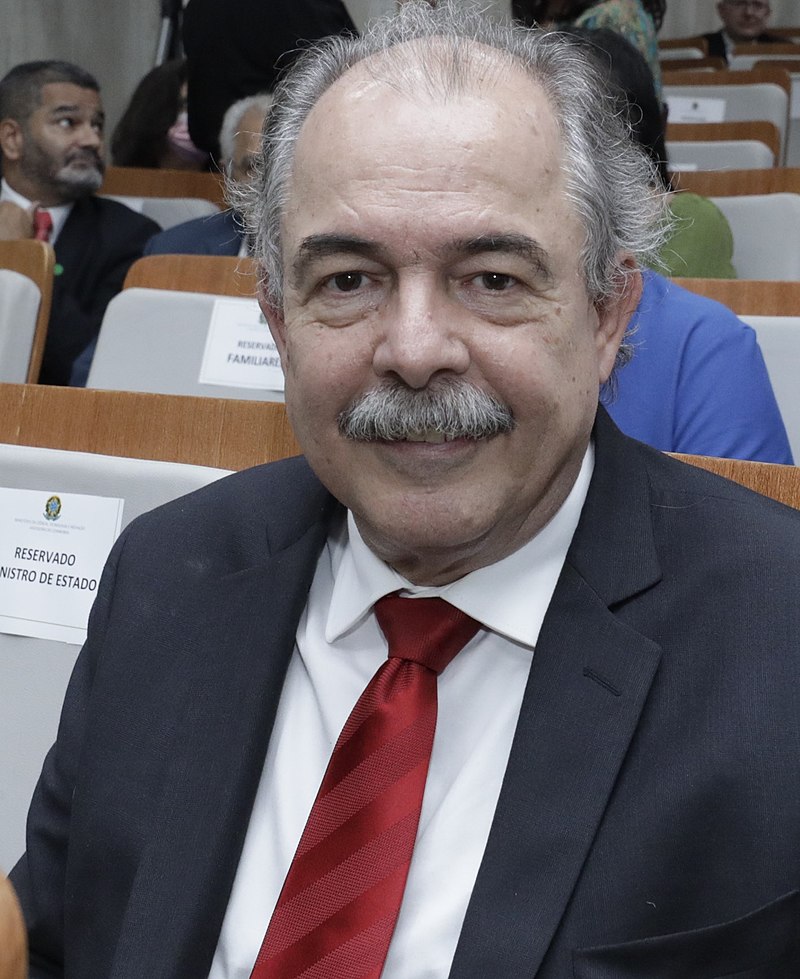
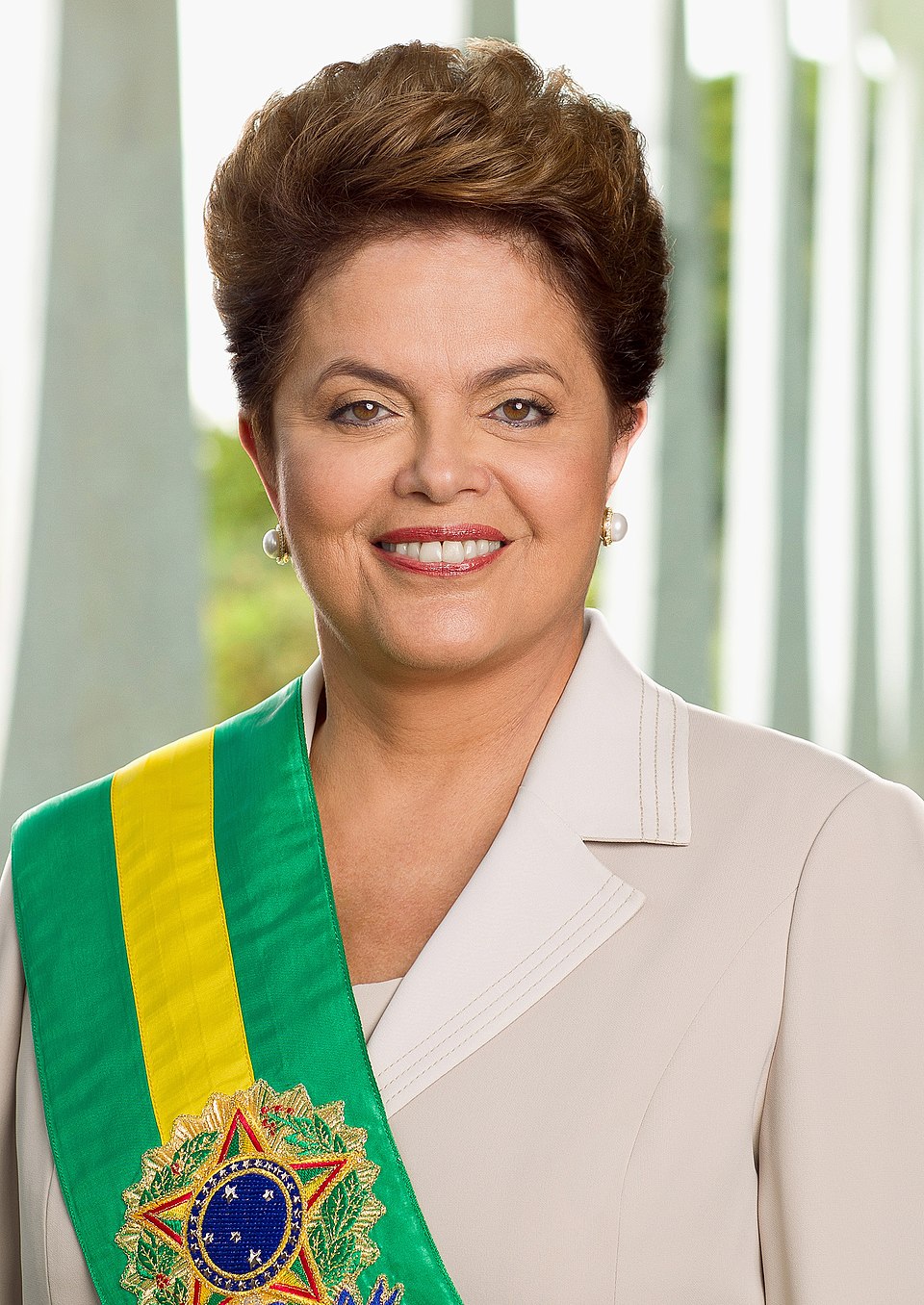
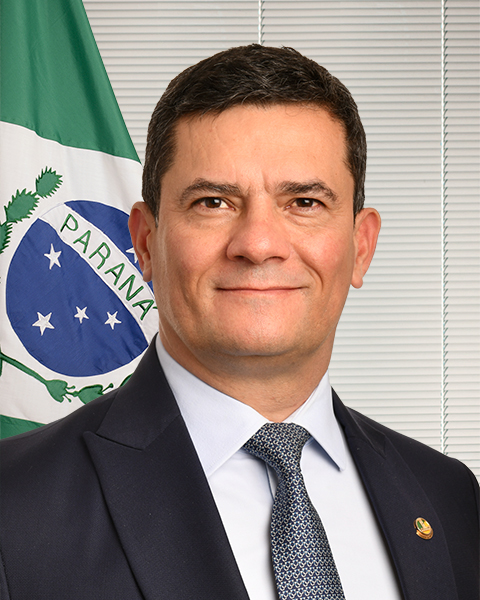

Esther Dweck is a minister with whom Messias has built a close relationship.
Lula indica Messias ao STF na vaga de Barroso, consolida opção por nomes de confiança e precisará convencer AlcolumbreBrazil· 2025-11-20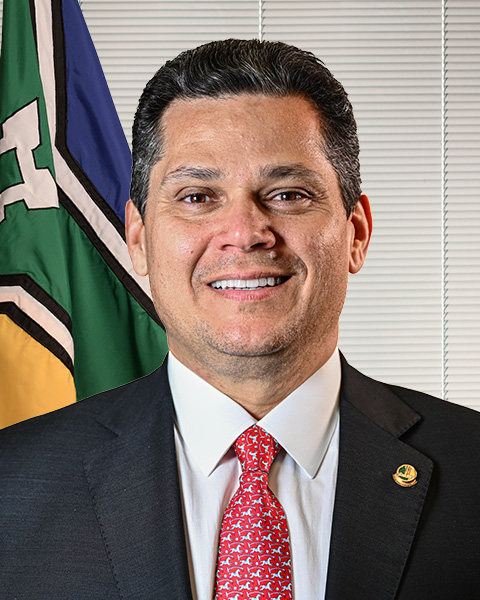

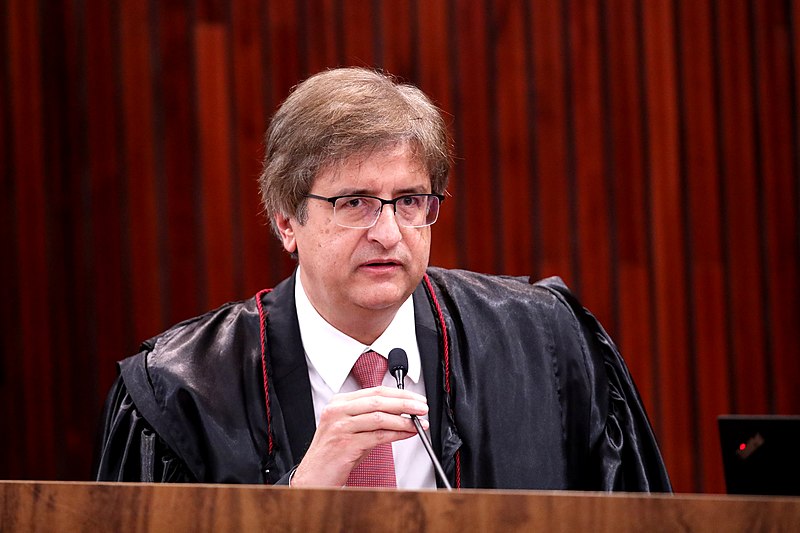

Esther Dweck is the Minister of Management and Innovation in Public Services who has opposed certain points in the proposal.
Câmara amplia despesa com servidor em R$ 22 bilhões nos próximos três anosBrazil· 2025-11-17
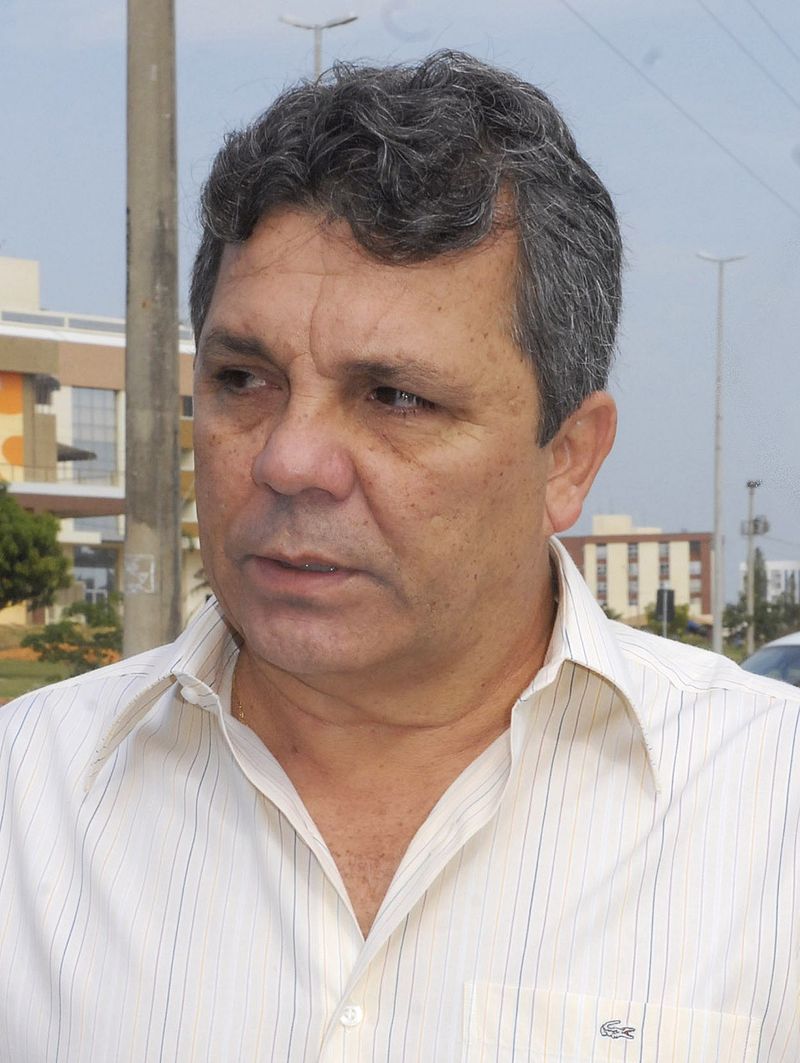


Esther Dweck, the Minister of Management and Innovation in Public Services, claimed that the deficit did not necessarily mean loss as some companies were using their cash for investments.
Força-tarefa para inglês ver - EstadãoLiechtenstein· 2025-11-17
Esther Dweck is the Minister of Management and Innovation in Public Services who opposes certain points of the proposal.
Câmara amplia despesa com servidor em R$ 22 bilhões nos próximos três anosBrazil· 2025-11-17Esther Dweck is the Minister of Management and Innovation who has not supported the administrative reform.
A reforma subiu no telhadoLiechtenstein· 2025-11-02Esther Dweck is the minister of Management and Innovation who also contributed to the expansion of Janja's access to presidential services.
O show de Janja tem de acabarLiechtenstein· 2025-10-21
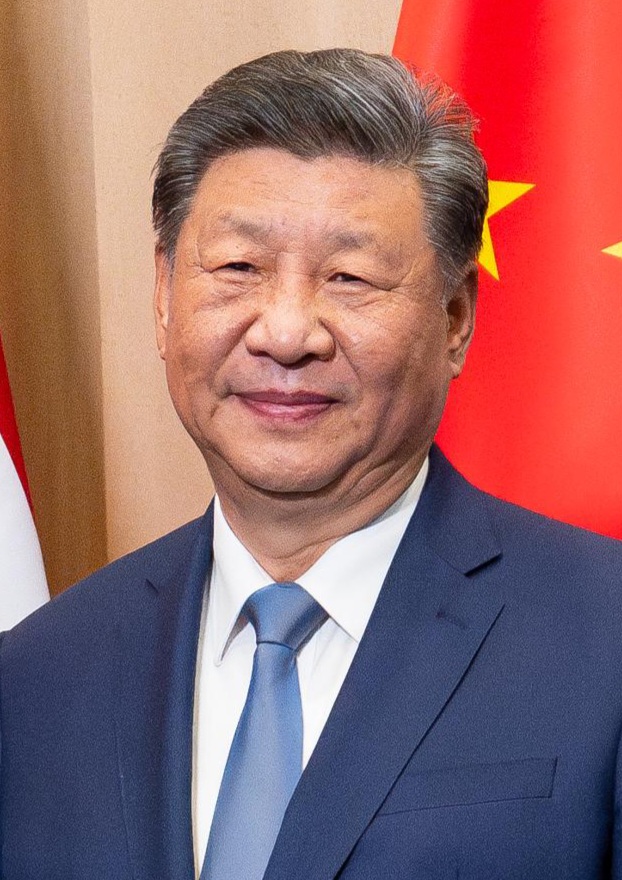
In January, alongside Minister of Management and Innovation, Esther Dweck, Fabiano minimized the problems.
A bancarrota dos Correios - EstadãoLiechtenstein· 2025-10-16

Esther Dweck is the Minister of Management and Innovation in Public Services and acknowledged the financial problems of the Correios.
Governo Lula busca empréstimo de R$ 20 bi de socorro aos Correios com garantia da UniãoLiechtenstein· 2025-10-15
Esther Dweck is mentioned in the context of discussing the budgetary needs of the ANS.
‘Se chegar o momento de impor regulação aos planos de saúde, iremos impor’, diz presidente da ANSBrazil· 2025-10-08

Esther Dweck is mentioned as a minister that Wadih Damous wants to engage with regarding the ANS budget.
‘Se chegar o momento de impor regulação aos planos de saúde, iremos impor’, diz presidente da ANSBrazil· 2025-10-08Esther Dweck, the Minister of Management and Innovation, emphasized the government's efforts to ensure the security and integrity of the National Unified Contest (CNU).
‘Se alguém tentar algo, vai ser punido’Brazil· 2025-10-05Esther Dweck is the Minister of Management and Innovation in Public Services.
Dino marca audiência para debater rastreabilidade das emendas PixLiechtenstein· 2025-09-30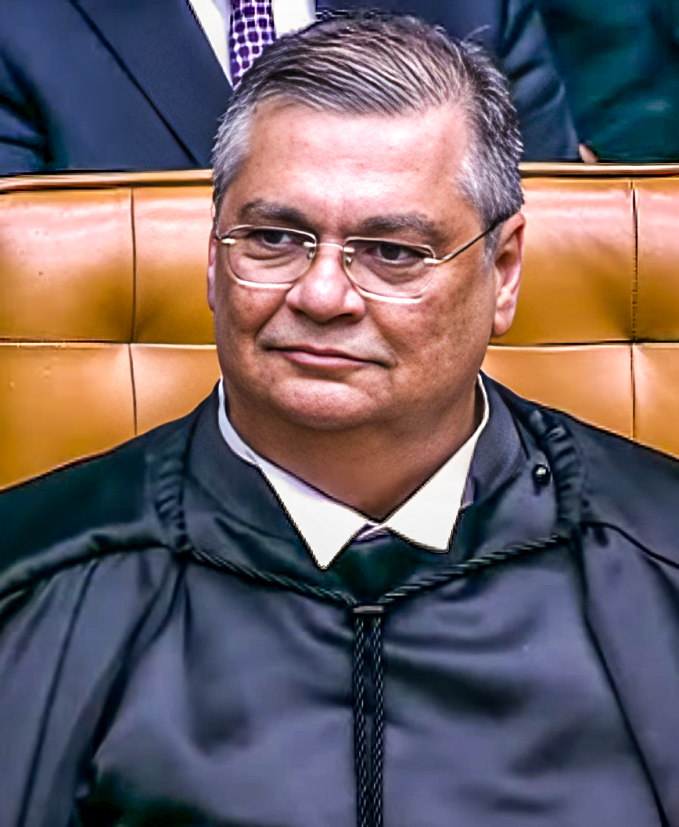
Esther Dweck is the minister of Management.
Veja as autoridades que participaram da posse de Fachin como presidente do STFLiechtenstein· 2025-09-29
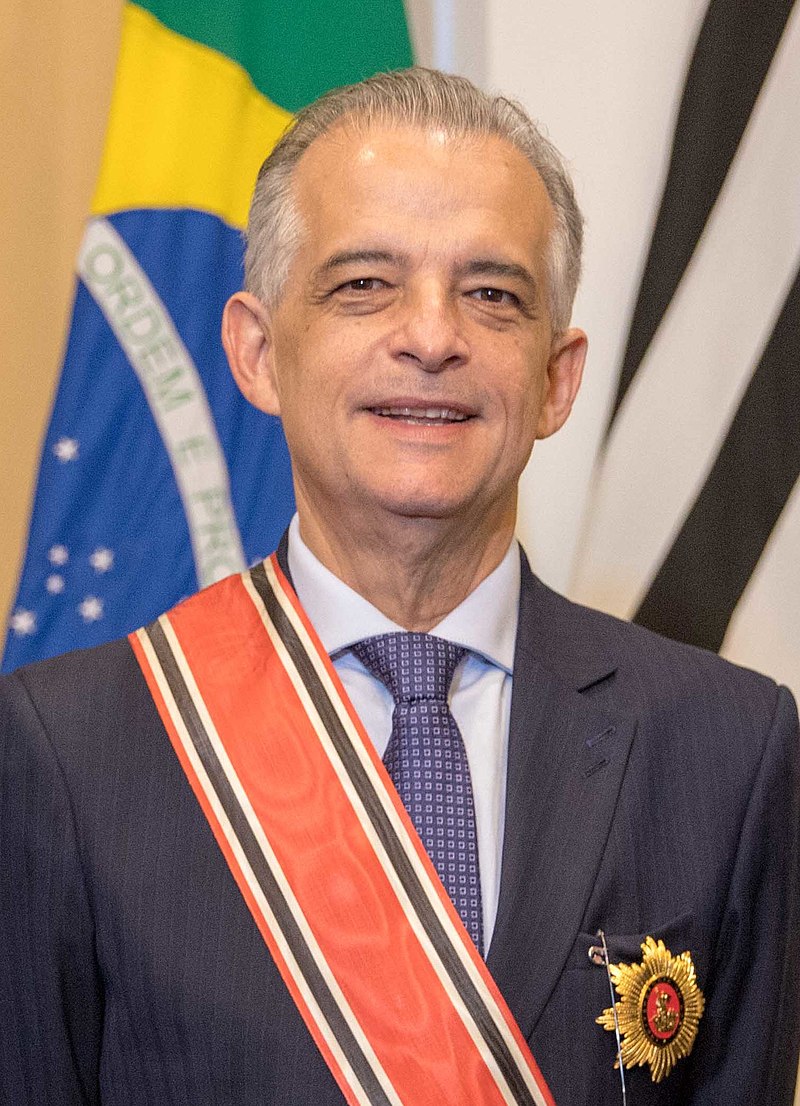
Esther Dweck, the Minister of Management and Innovation in Public Services, emphasized the importance of state and municipal participation in administrative reform.
Reforma administrativa precisa ter participação de Estados e municípios, diz Esther DweckLiechtenstein· 2025-09-22
Esther Dweck also altered her plans to attend the event.
Lula desembarca em NY com delegação enxuta para Assembleia da ONULiechtenstein· 2025-09-22

Esther Dweck is one of the ministers accompanying Lula during the event in the Favela do Moinho.
VÍDEO: Lula dividiu palco com presa acusada de representar o PCC na Favela do MoinhoLiechtenstein· 2025-09-09