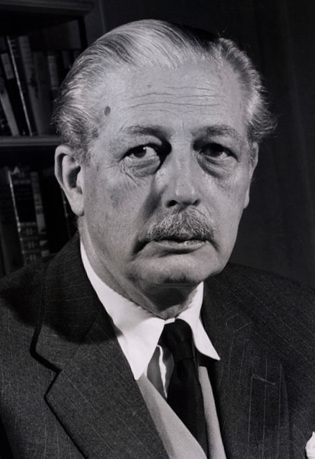
Harold MacMillan
 Dominican RepublicpoliticianMaleb. 18945.0Global Dominance: 0.00%
Former British Prime Minister Harold MacMillan is remembered for his leadership during the post-war era and for famously stating that political leaders must take into account 'events,' emphasizing the unpredictable nature of global politics and its implications for national policy.
Country presence
Recent news mentions
Harold Macmillan is listed among the UK prime ministers who attended Eton College.
what Prince George can expect at the UK school Australia· 2026-09-26

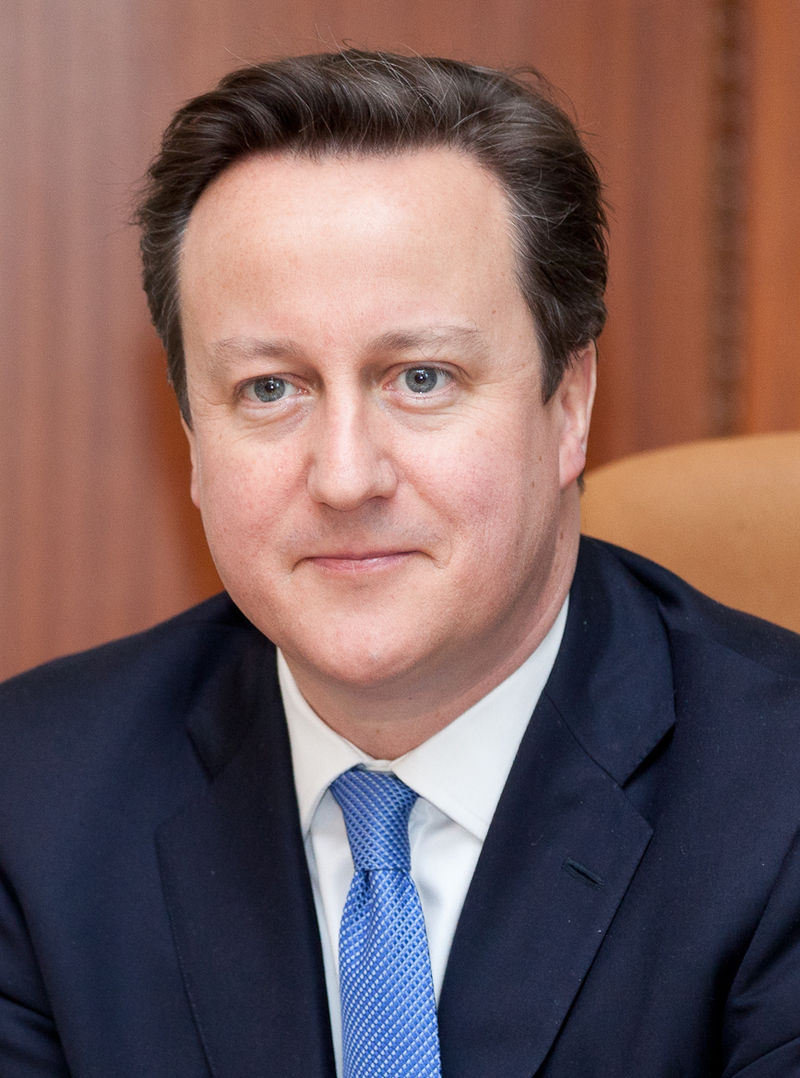
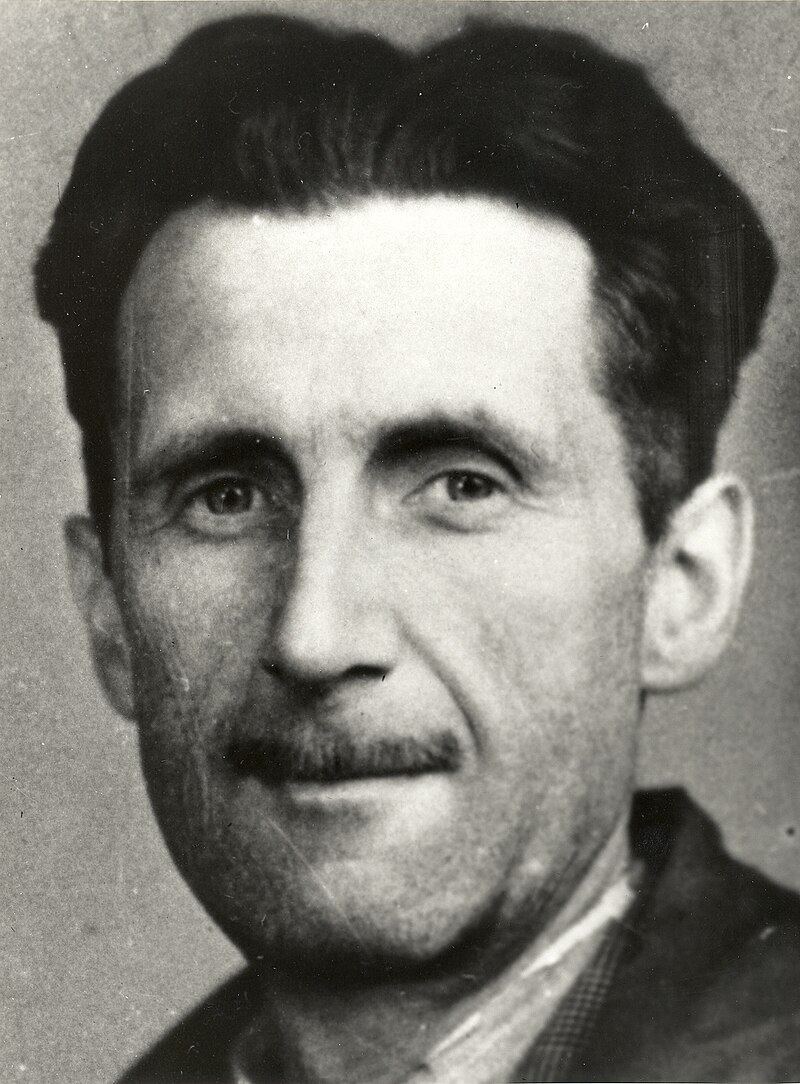


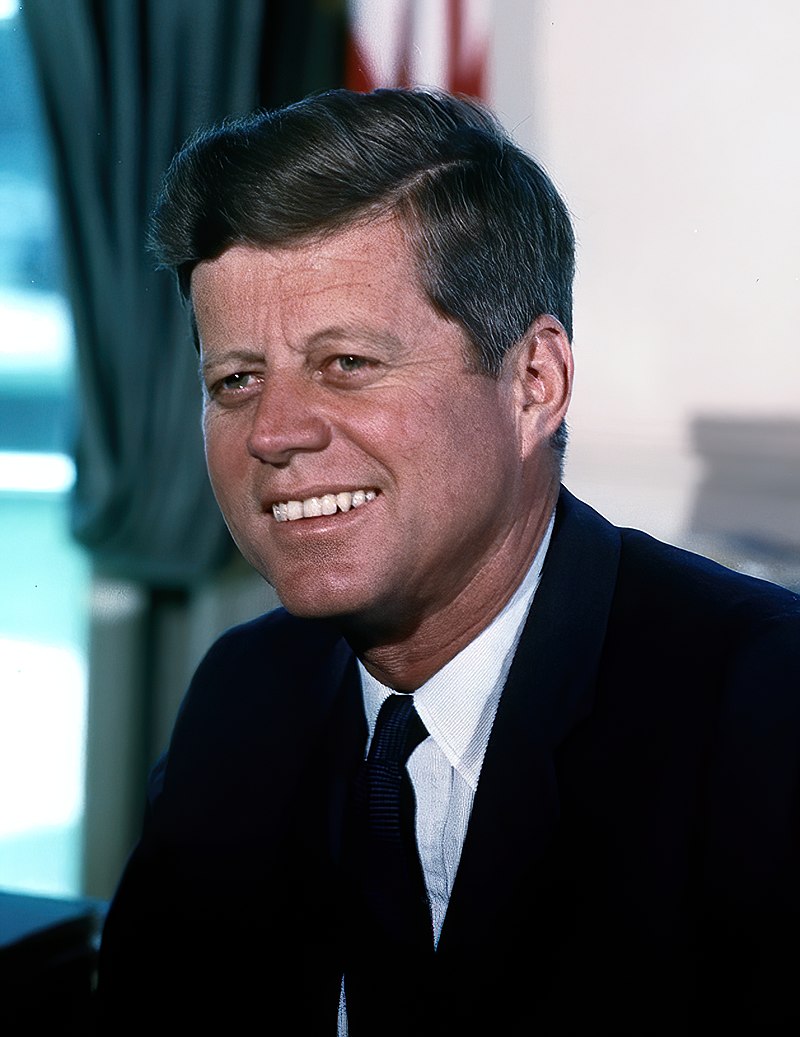
British Prime Minister Harold Macmillan was welcomed by John F. Kennedy in 1962.
Xi llega a Estados Unidos para cumbre con TrumpDominican Republic· 2026-09-24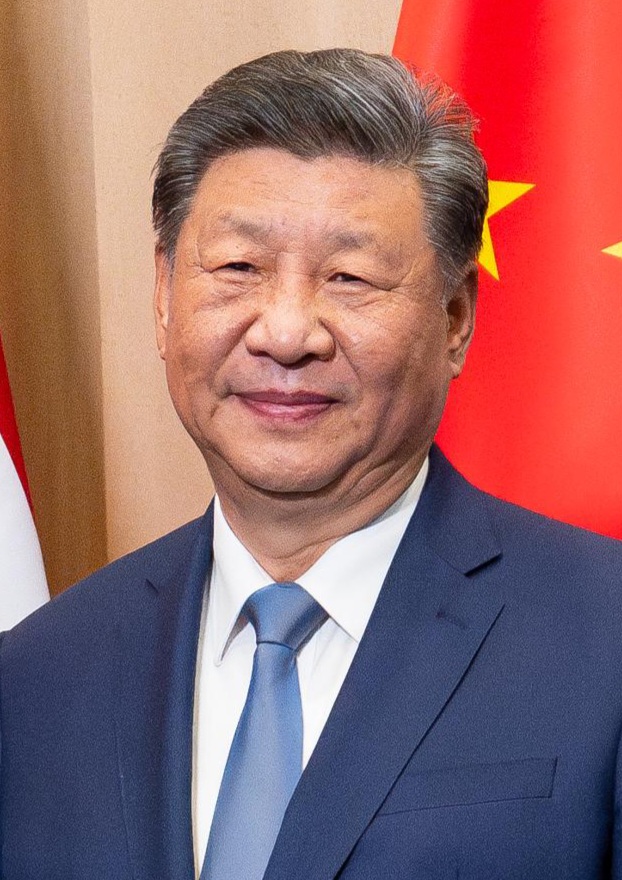
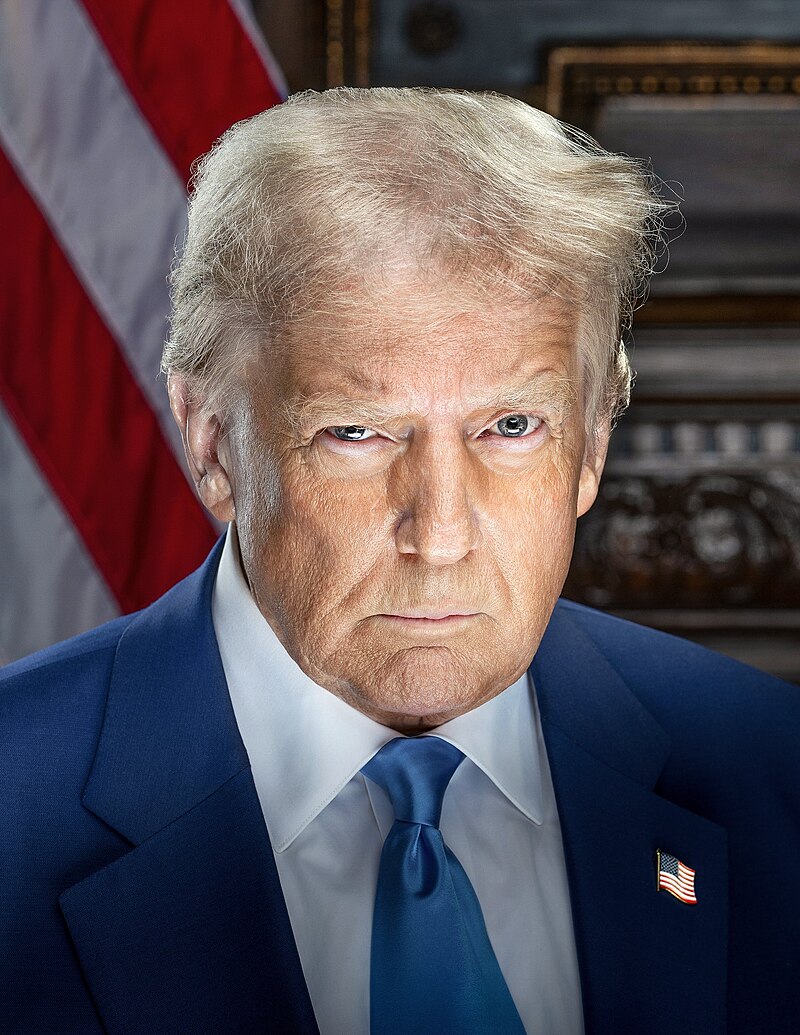
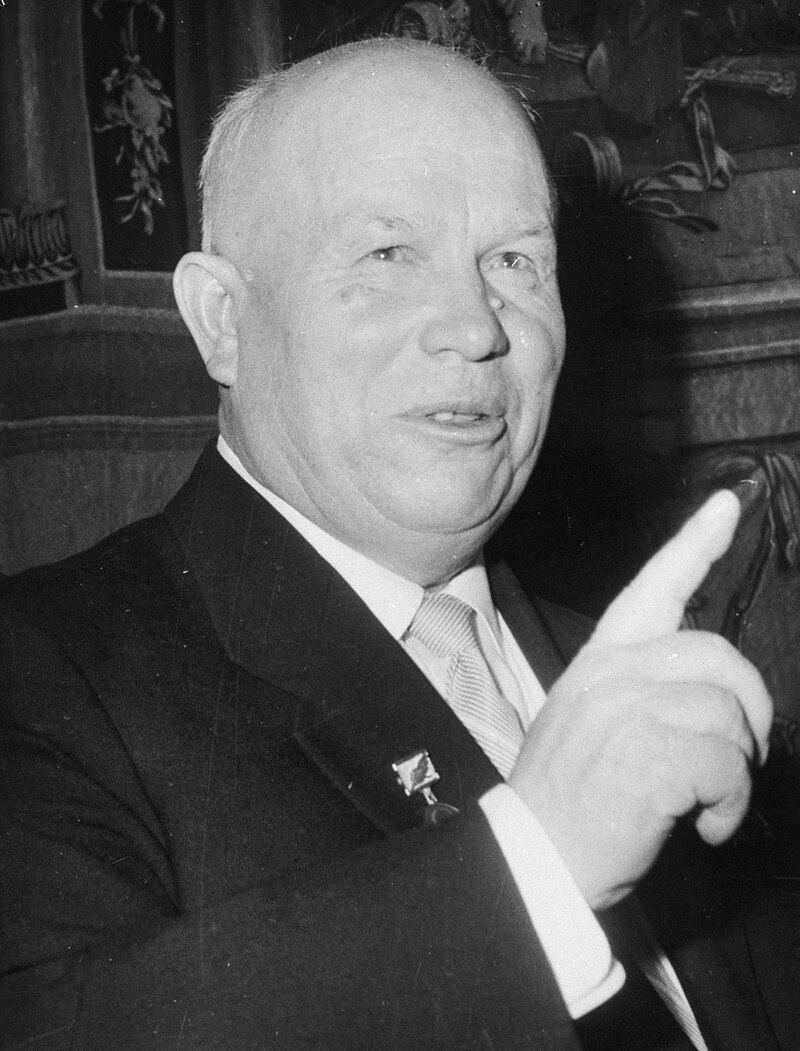
Harold Macmillan is quoted regarding the political climate surrounding the North American trade deal.
Why the expected fight over the North American trade deal never kicked off United Kingdom· 2026-07-02
Harold Macmillan was one of the notable prime ministers from the Oxbridge academic elite.
New book unpacks the rise and fall of U.K.’s academic elite Canada· 2026-06-28

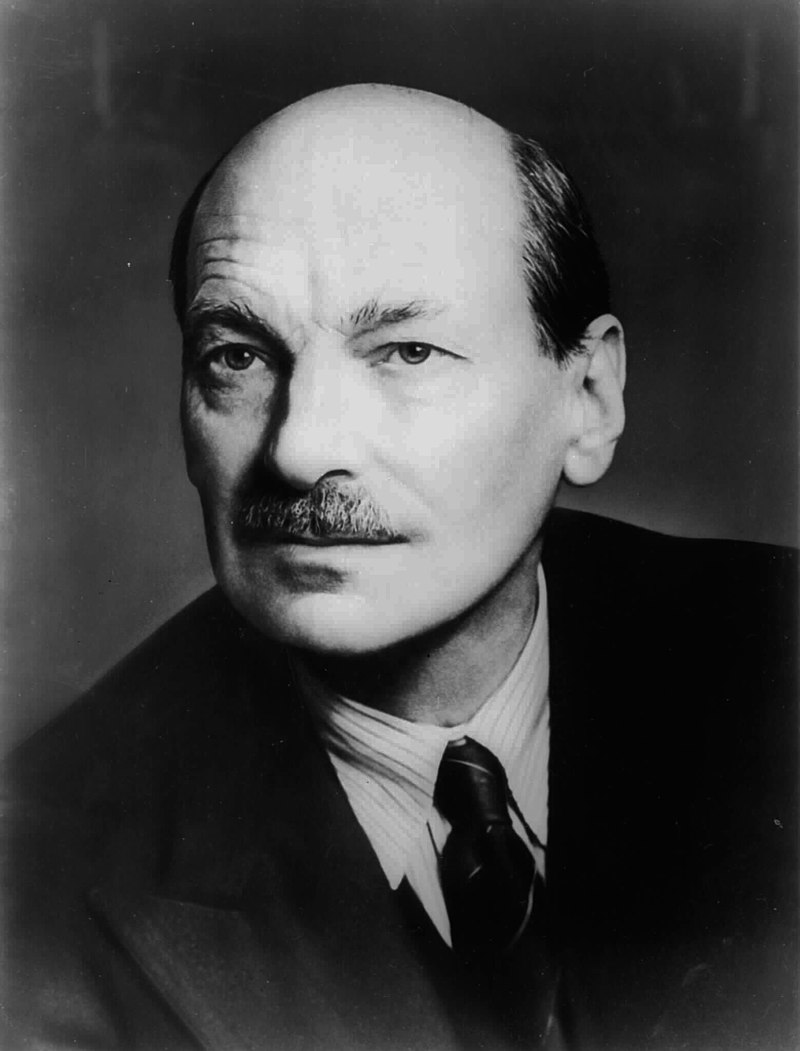
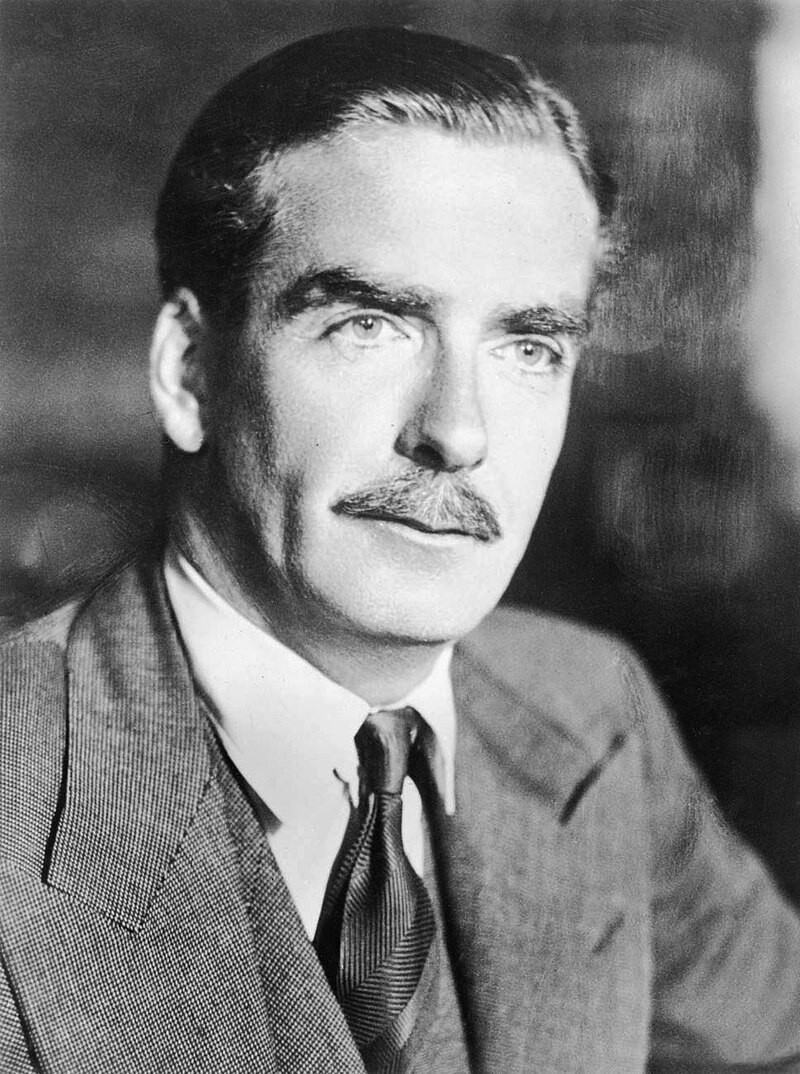
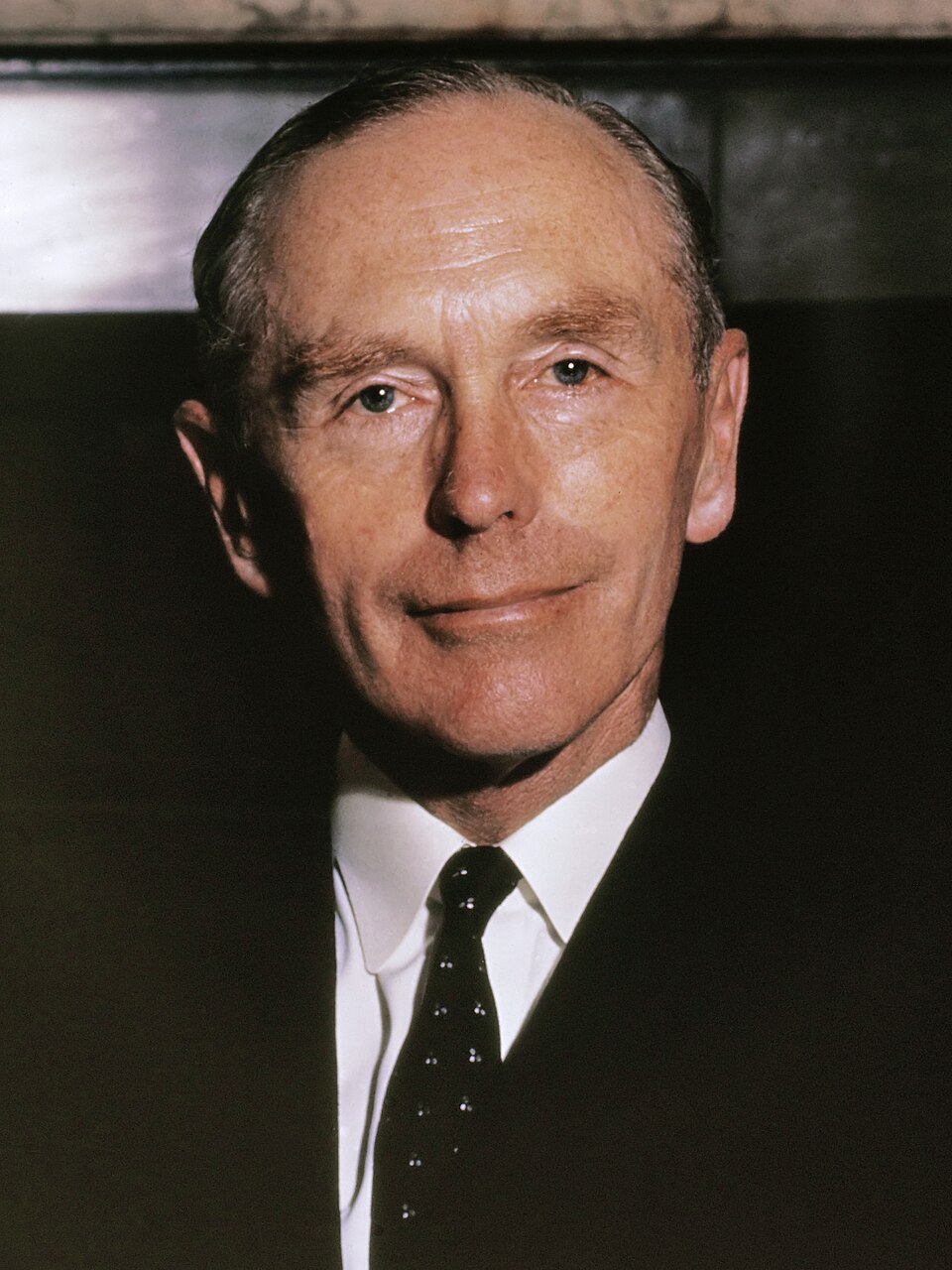
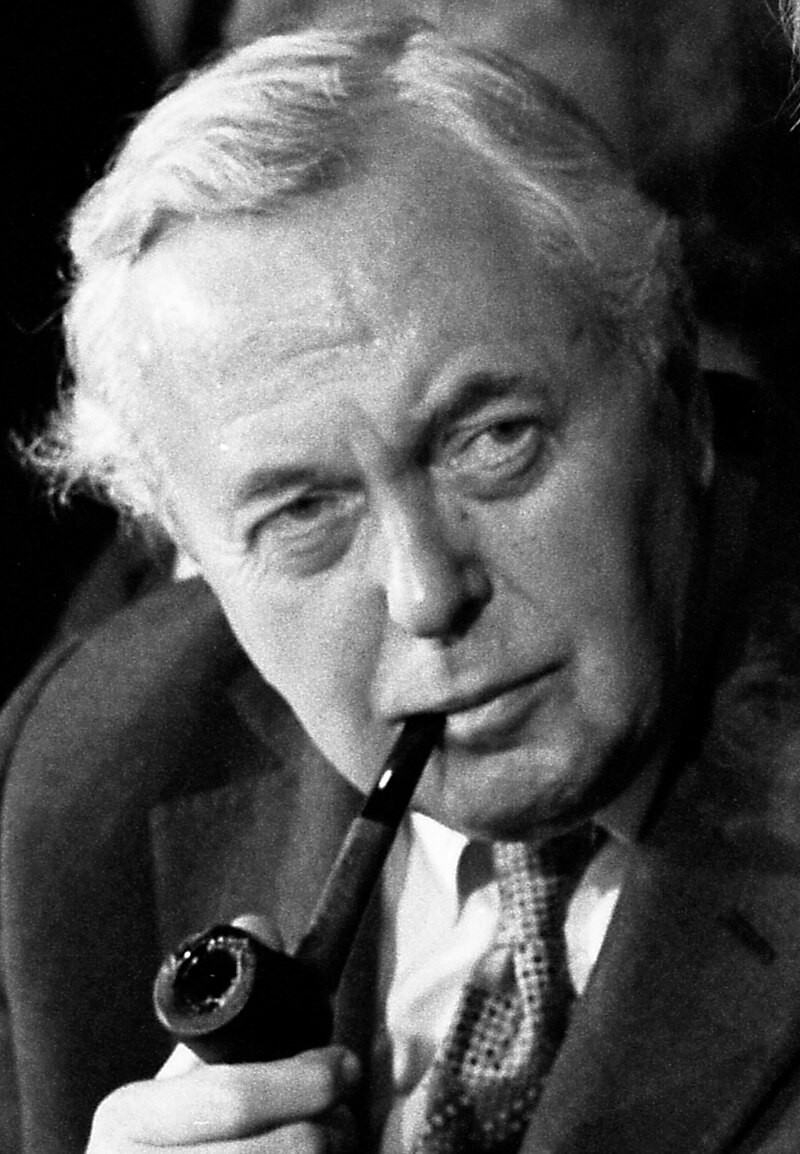
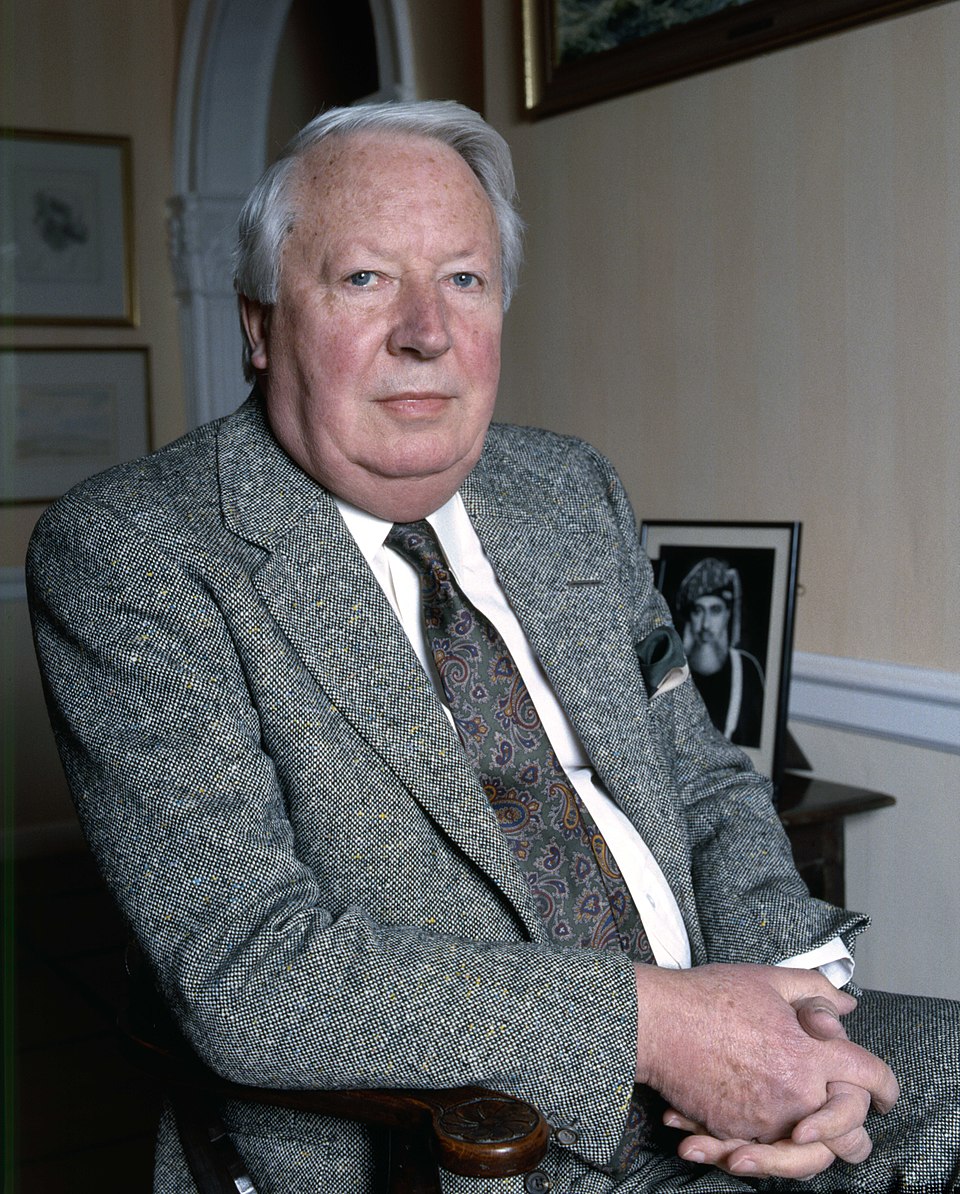
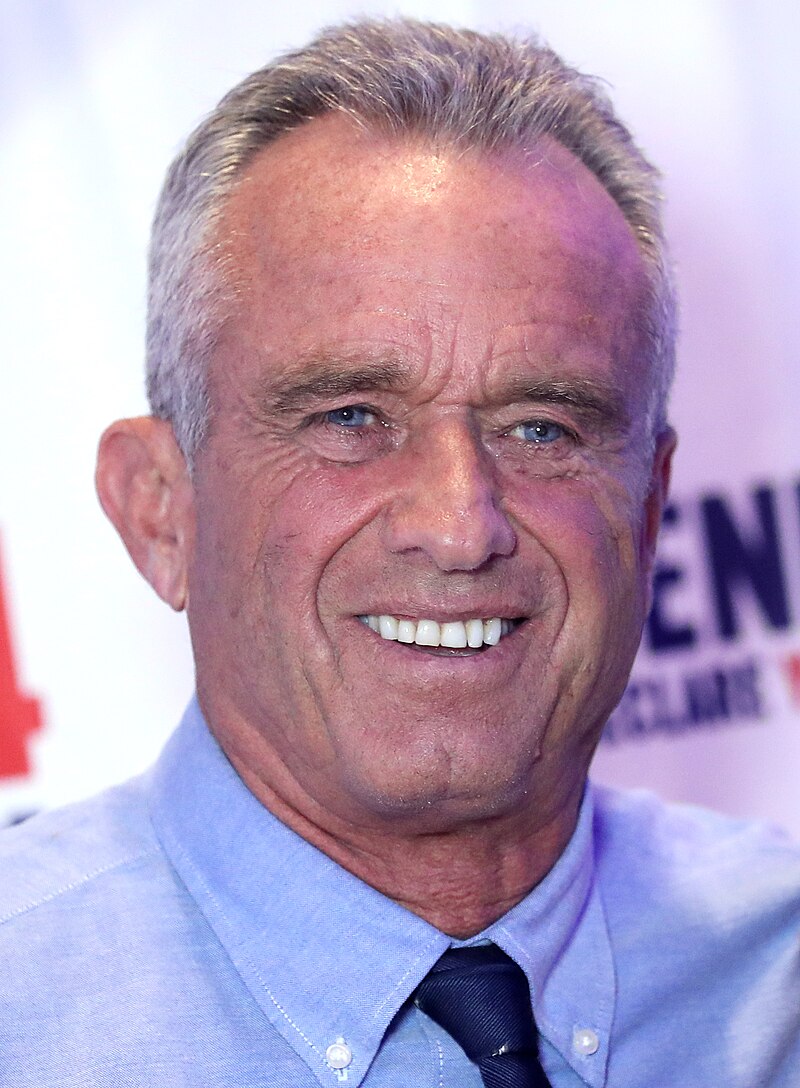

Harold Macmillan succeeded Anthony Eden and helped restore bilateral relations between the US and the UK.
Raskol sve dublji: Šta se događalo kad su se SAD u prošlosti sukobile sa Evropom Serbia· 2026-01-25
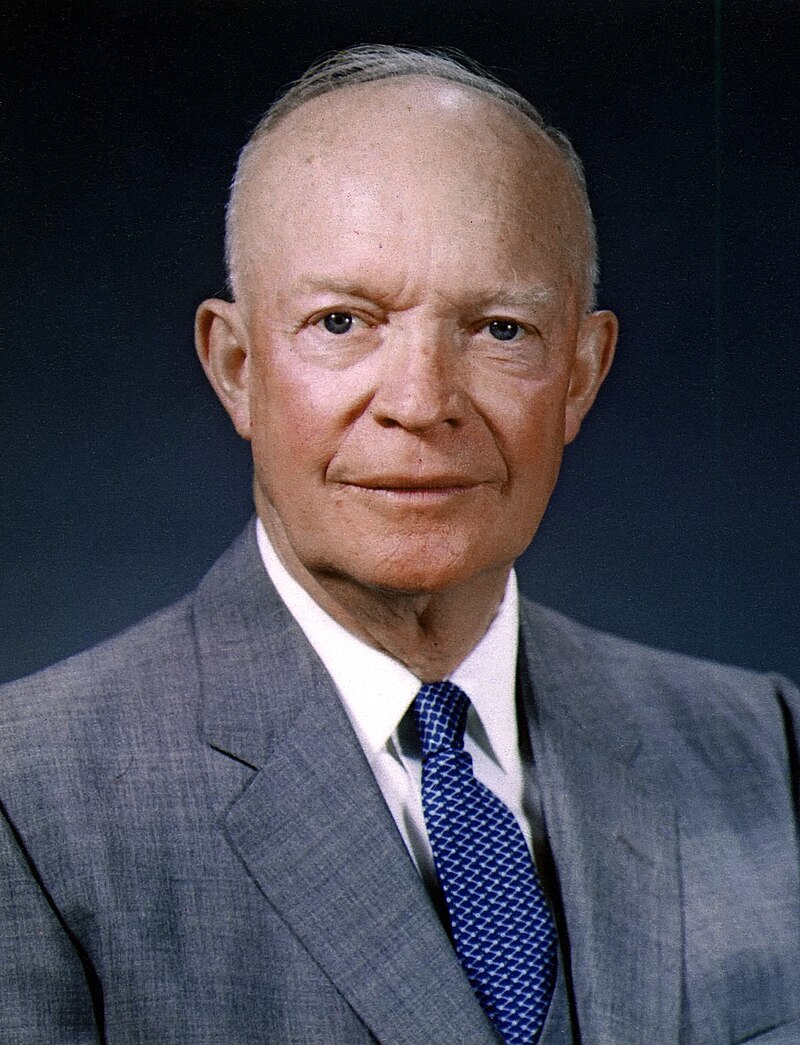
Harold Macmillan allegedly once said when challenged as to why the economy was progressing to plan.
Smooth sailing for the economy in 2026 ... we can hope! - Liam Dann New Zealand· 2025-12-21
Harold Macmillan was concerned about sudden events that could arise from negligence.
Οι «αναμάρτητοι» και τα μπλόκα Greece· 2025-12-13
Macmillan was well aware of the realities of diplomacy and military action, having been severely wounded as a soldier in World War I.
Zapad prodaje mir da bi kupio rat Montenegro· 2025-11-23




The British Prime Minister Harold Macmillan said in 1963 that one should not enter Afghanistan.
Jeg tjenestegjorde i Afghanistan. Man skjønte raskt at det ikke kom til å ende godt. Norway· 2025-11-10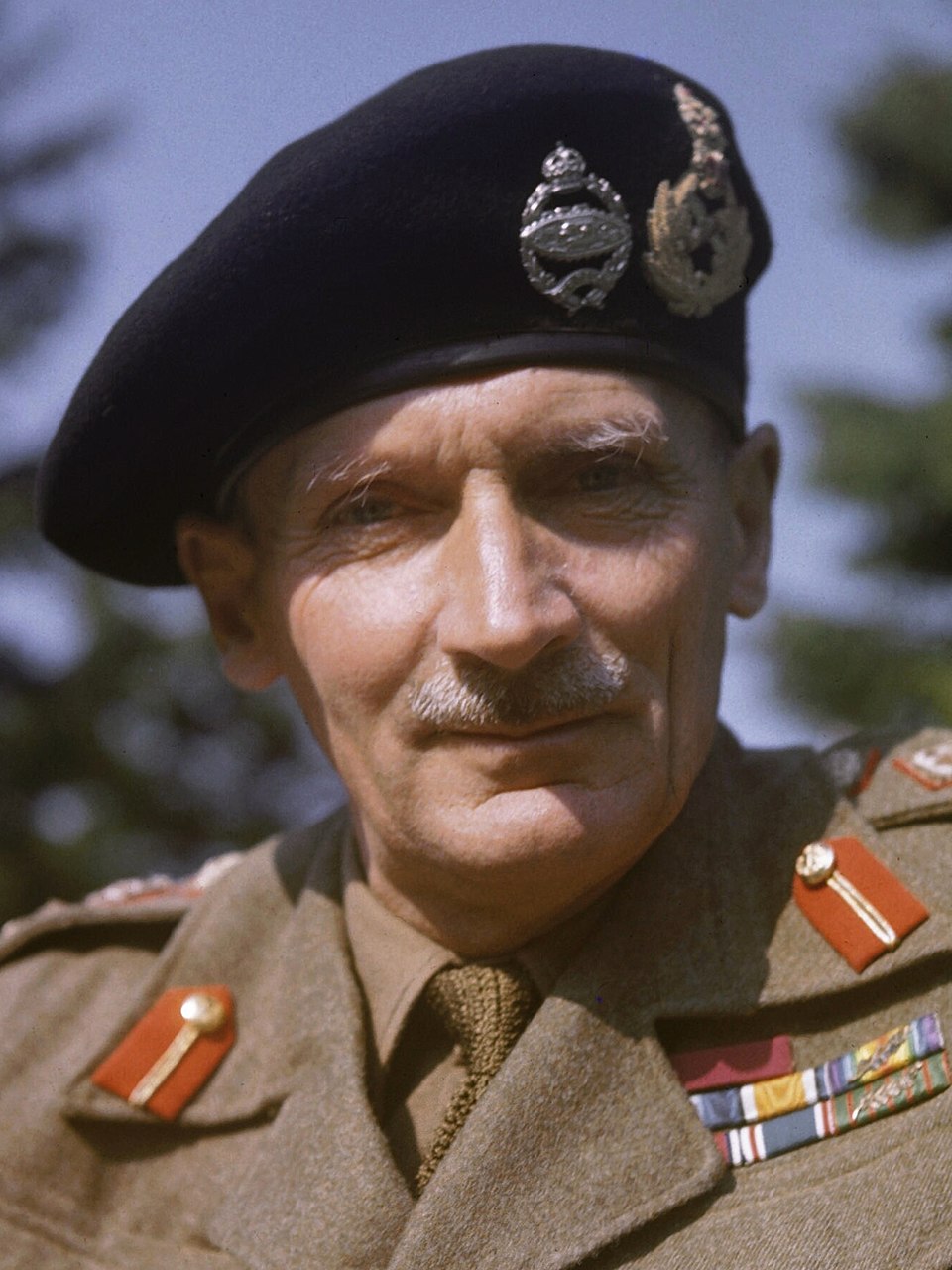

Harold Macmillan was a British Prime Minister who expressed concerns about unexpected events affecting the political system.
Πολιτική σε ρευστούς καιρούς | Η ΚΑΘΗΜΕΡΙΝΗGreece· 2025-11-10
Harold Macmillan was the Prime Minister during the Windscale accident and decided to only publish a summary of the Penney Report.
Windscale: el poco conocido accidente nuclear en Inglaterra que fue el peor desastre atómico en Europa hasta Chernóbil Panama· 2025-10-12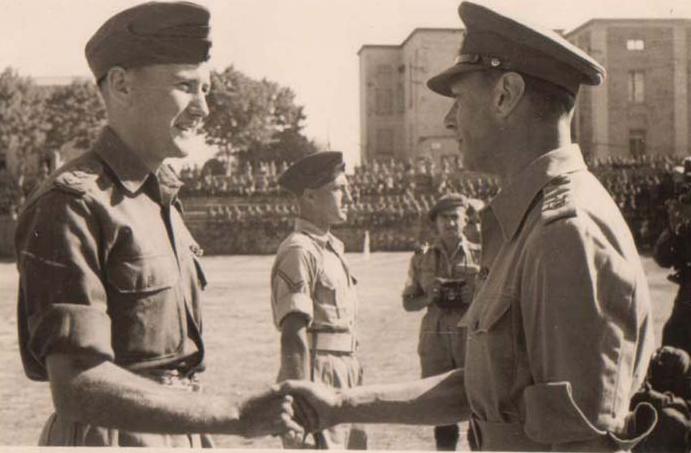

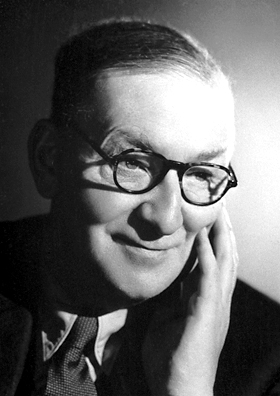
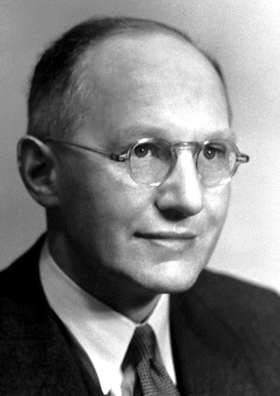
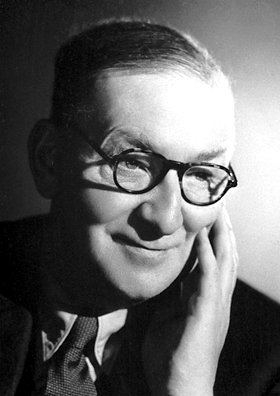
Harold Macmillan was the Prime Minister during the Windscale accident and decided to publish only a summary of the Penney Report.
el poco conocido accidente nuclear en Inglaterra que fue el peor desastre atómico en Europa hasta Chernóbil Uruguay· 2025-10-11
The former British prime minister Harold Macmillan once said there was no problem in the Middle East because a problem had a solution.
Starmer hopes ‘pathway to peace’ will end Gaza war. History is not on his side | Israel-Gaza warUnited Kingdom· 2025-07-30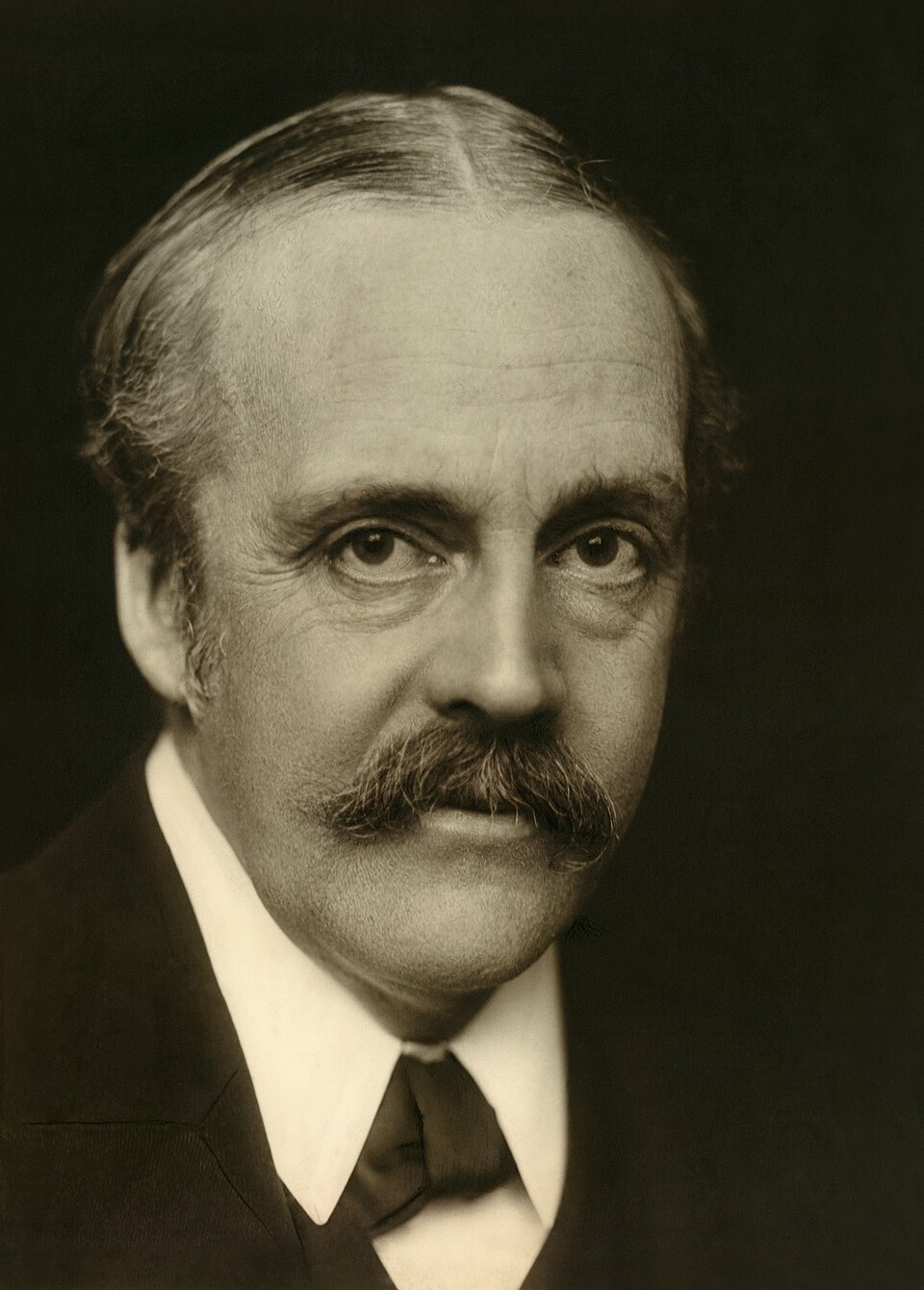
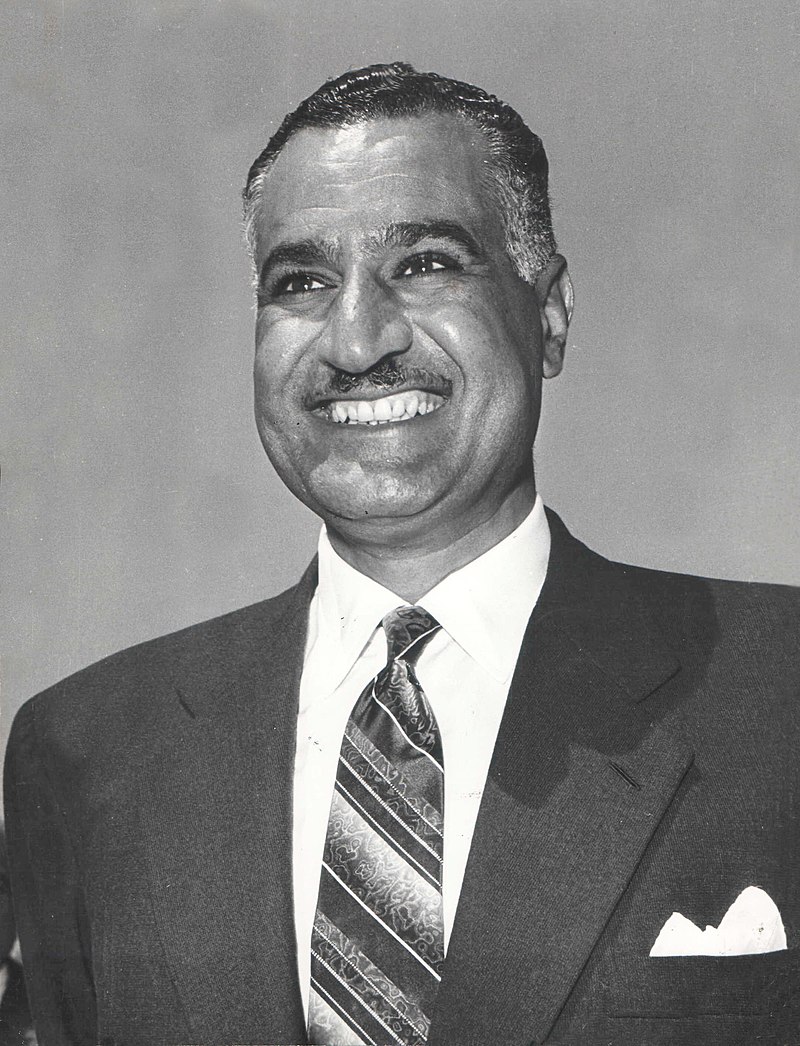
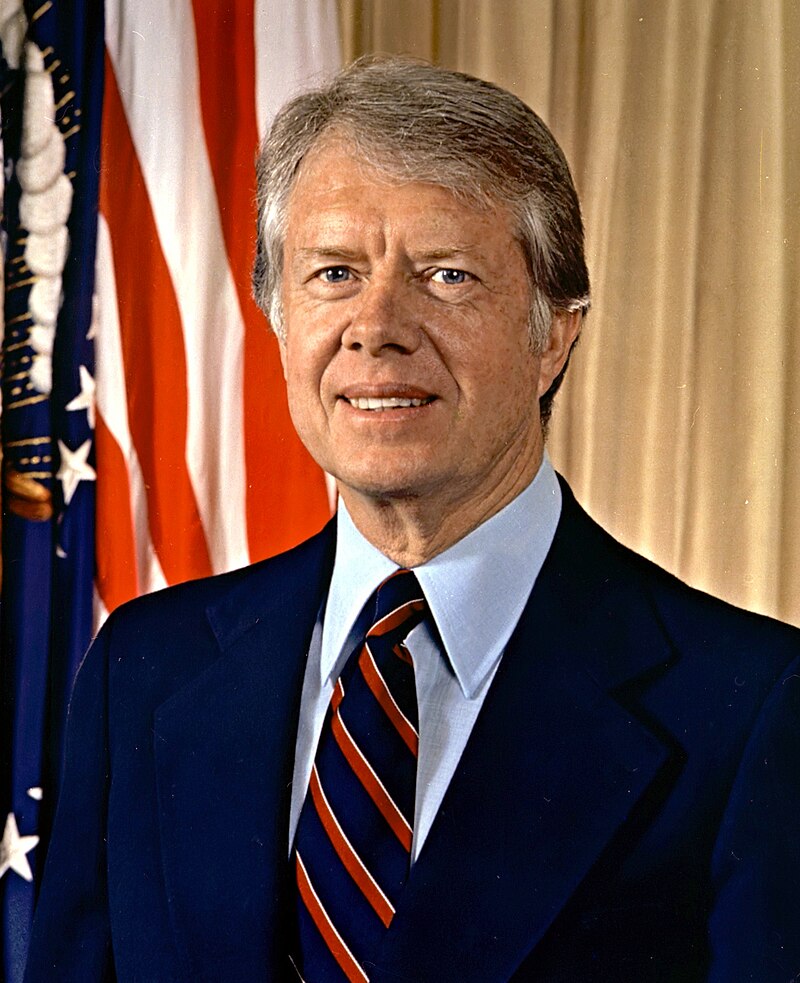
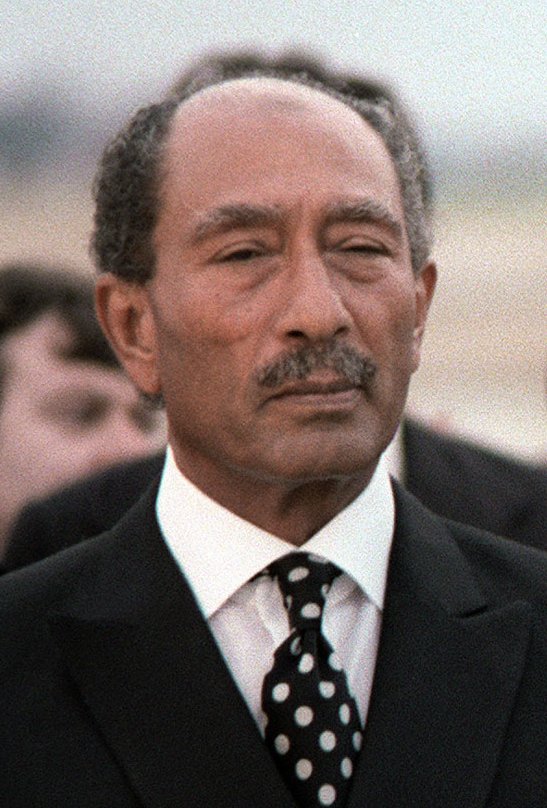
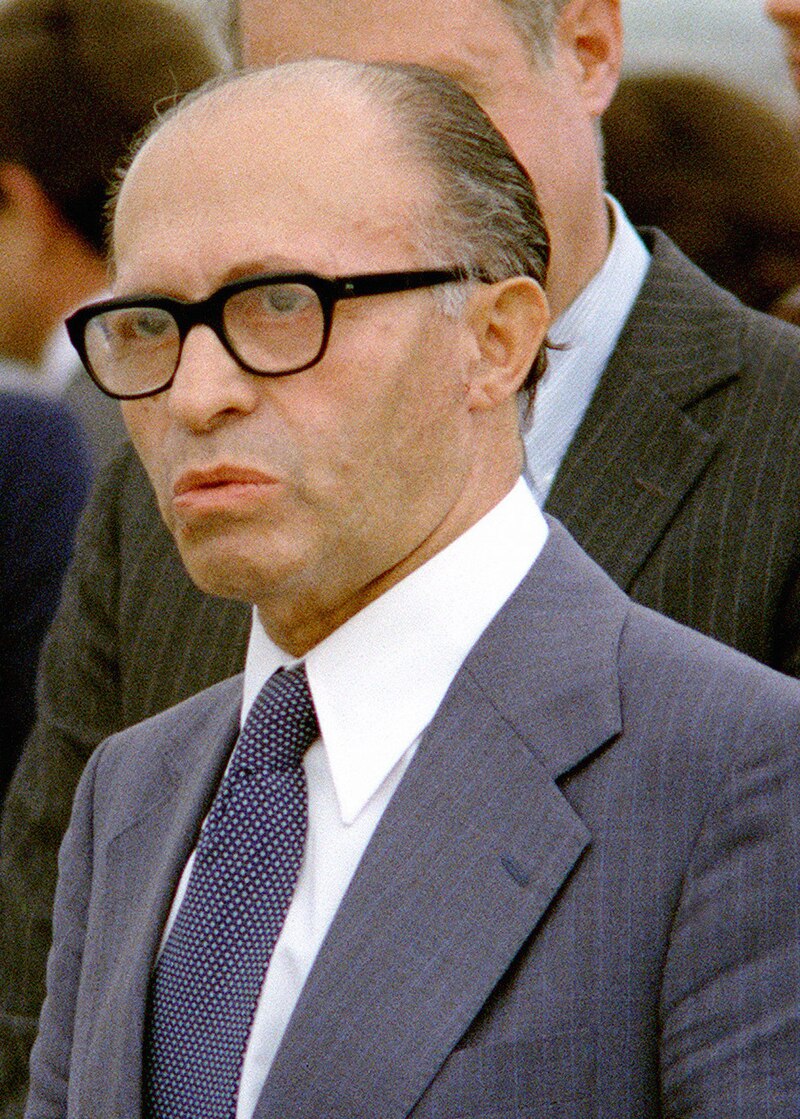
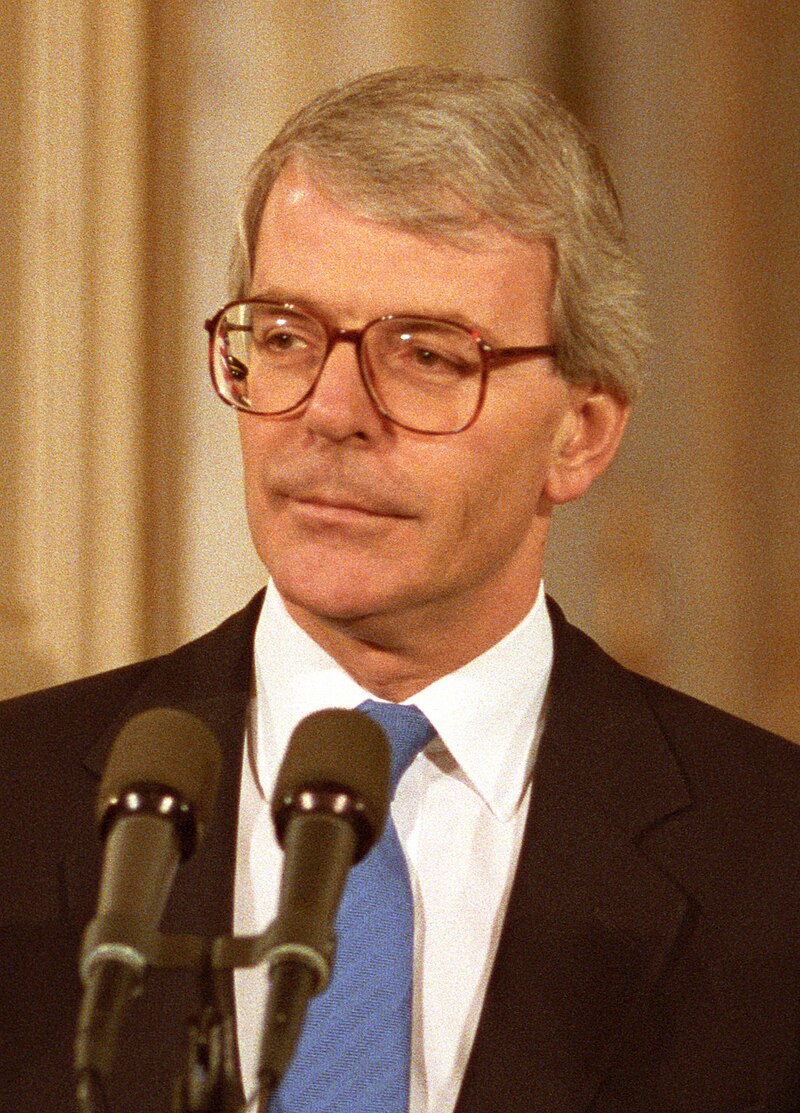
Harold Macmillan advised Alex Douglas-Home in 1963 not to invade Afghanistan.
an unacceptable precedent – The Irish Times Ireland· 2025-07-20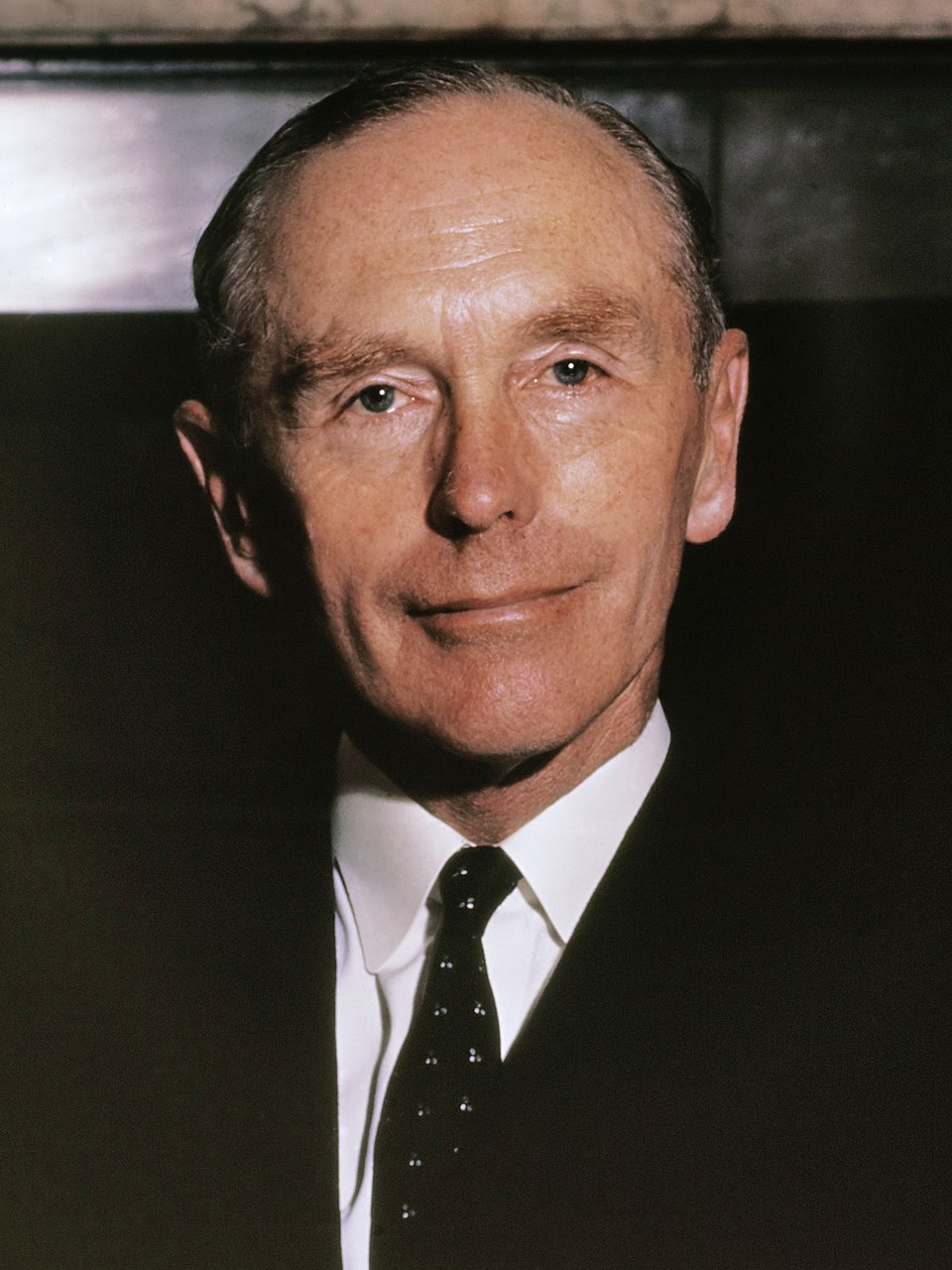

Harold Macmillan was a British Prime Minister known for his quote about the challenges of governance.
Idiotas vs. personas normales Argentina· 2025-05-04

Harold Macmillan is a former UK prime minister whose quote about 'events' is referenced in the context of the election.
Australia’s almost sure-footed Labor PM polling ahead of Liberal rival as election looms – The Irish TimesIreland· 2025-05-01
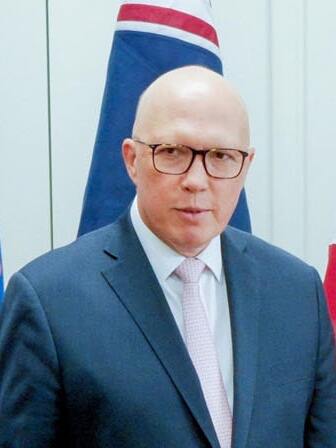
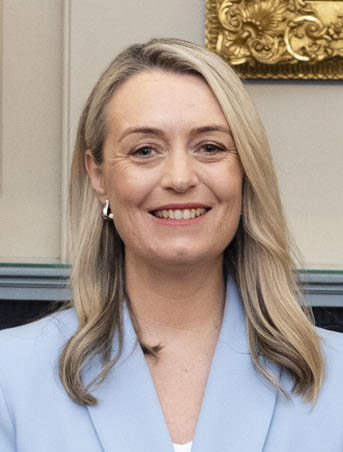
Harold Macmillan is a former British Prime Minister quoted regarding the challenges of being in office.
Business Brief: Bay Street’s message to CarneyCanada· 2025-04-30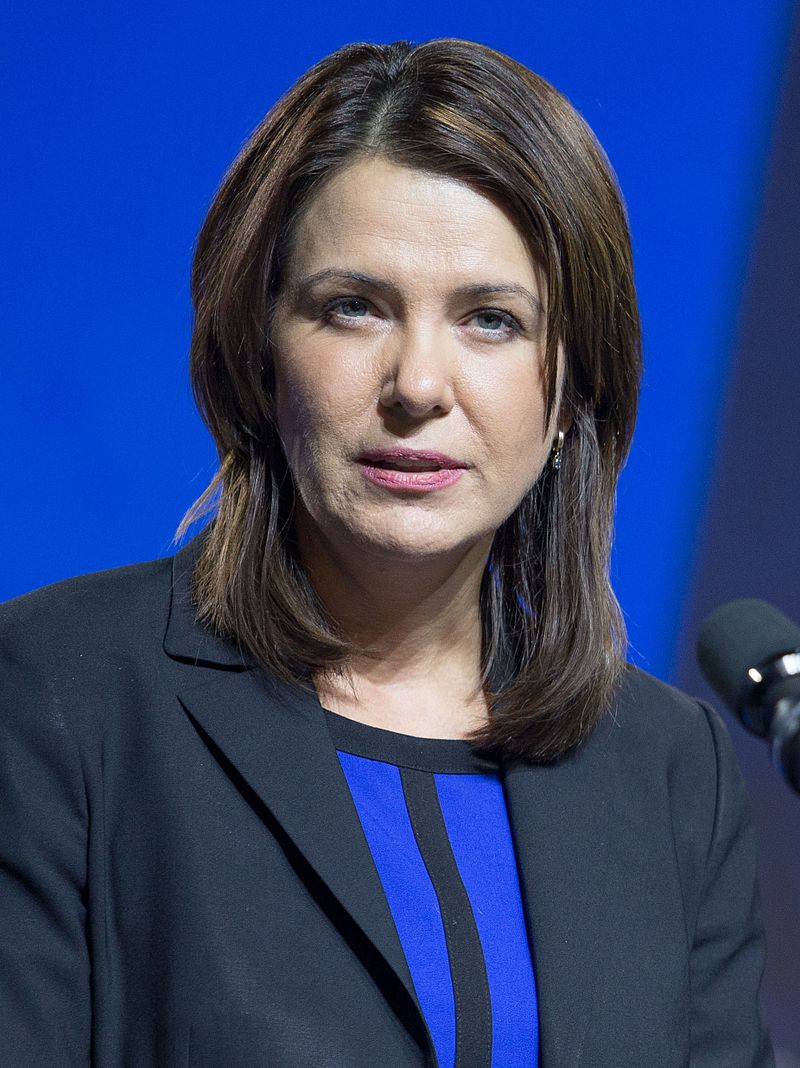

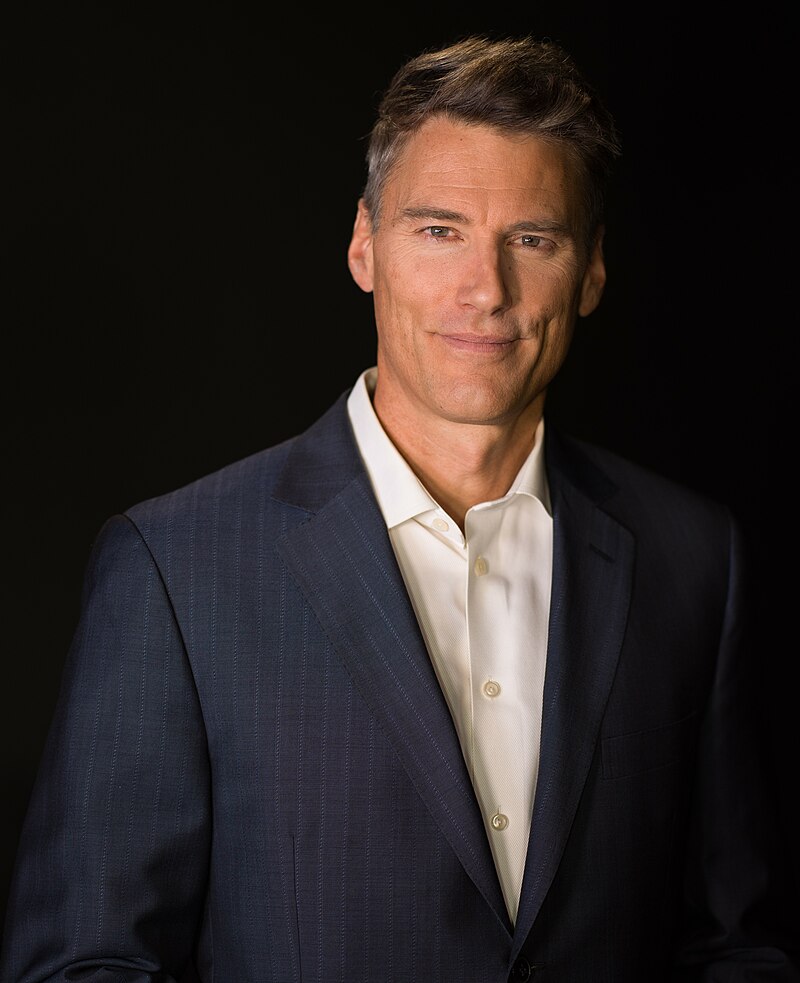
Conservative prime minister Harold Macmillan spoke proudly of Britain's welfare state, saying it had built strong defences against poverty and illness.
I thought the free market was foreverUnited Kingdom· 2025-03-28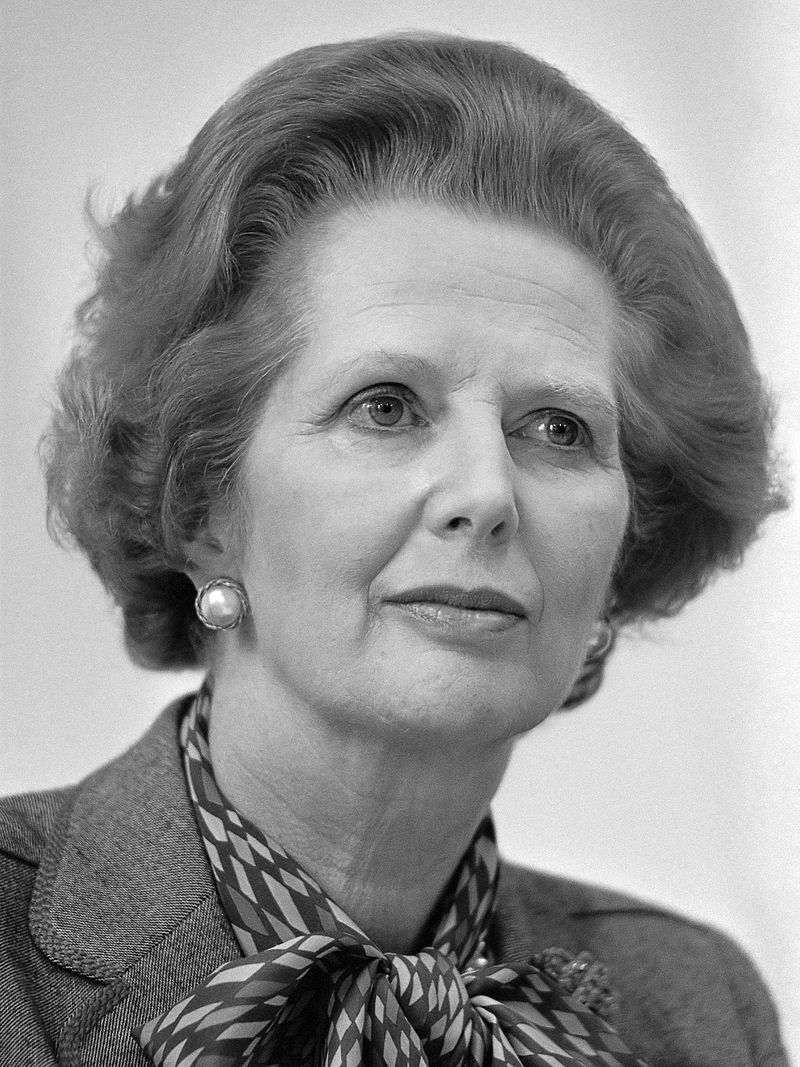


Harold MacMillan is referenced for his famous quote about 'events' affecting political promises.
Opinion: Why won’t our leaders acknowledge the big costs of their big tariff-relief plans?Canada· 2025-03-06