Mihail Gorbaciov
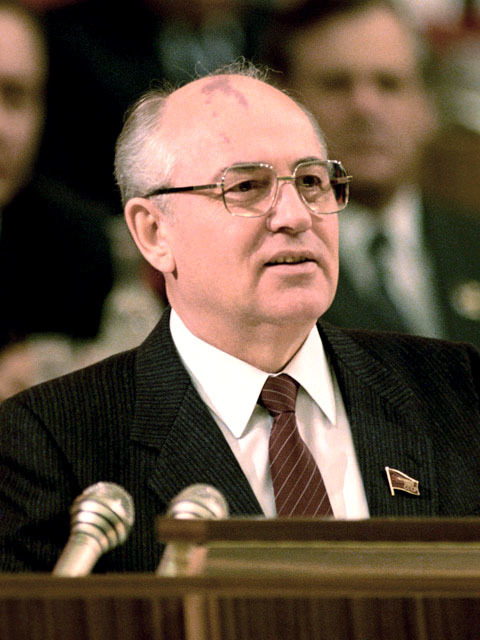
Mihail Gorbaciov, born on March 2, 1931, was the last leader of the Soviet Union, whose policies of glasnost and perestroika played a crucial role in ending the Cold War and ultimately led to the dissolution of the Soviet Union in 1991. He was awarded the Nobel Peace Prize in 1990 for his efforts in promoting peace and reform.
Not in the pool (under ¢1).
Recent news mentions
Mihail Gorbaciov's reforms led to a significant change in Soviet foreign policy, interpreted as a major shift in the approach towards Eastern European countries.
6 martie, ziua când comuniștii au ajuns la putere în România. A fost instalat guvernul Petru Groza Romania· 2026-03-06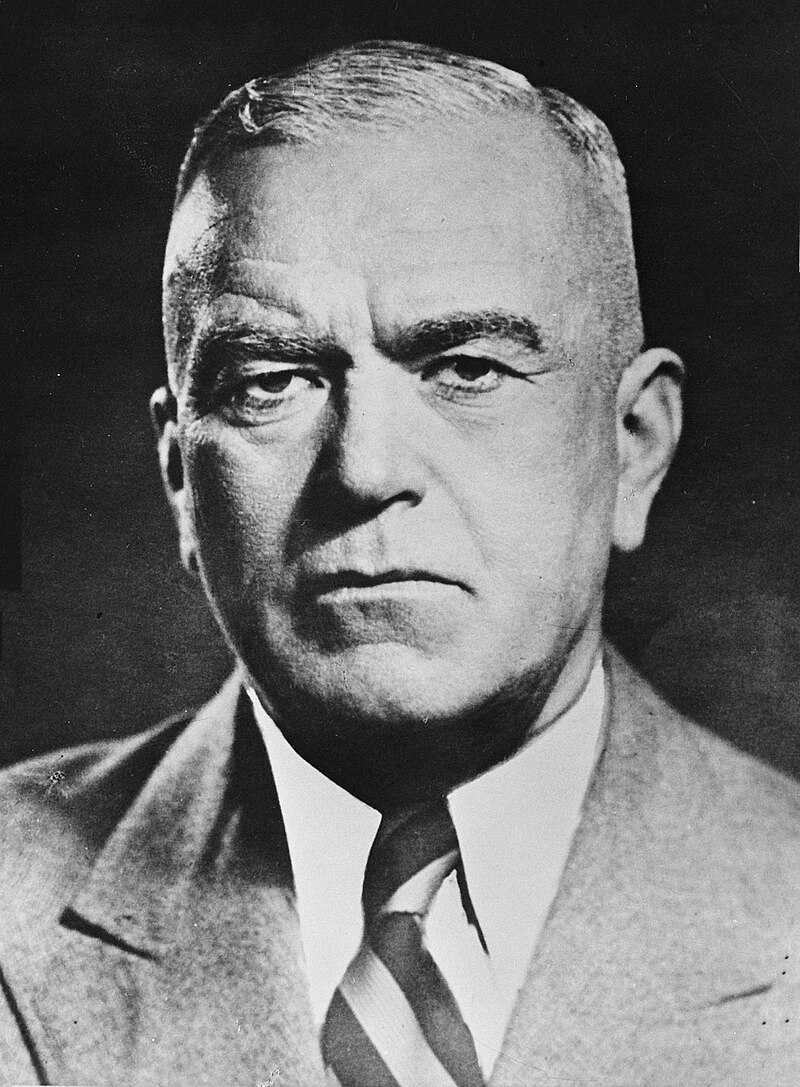
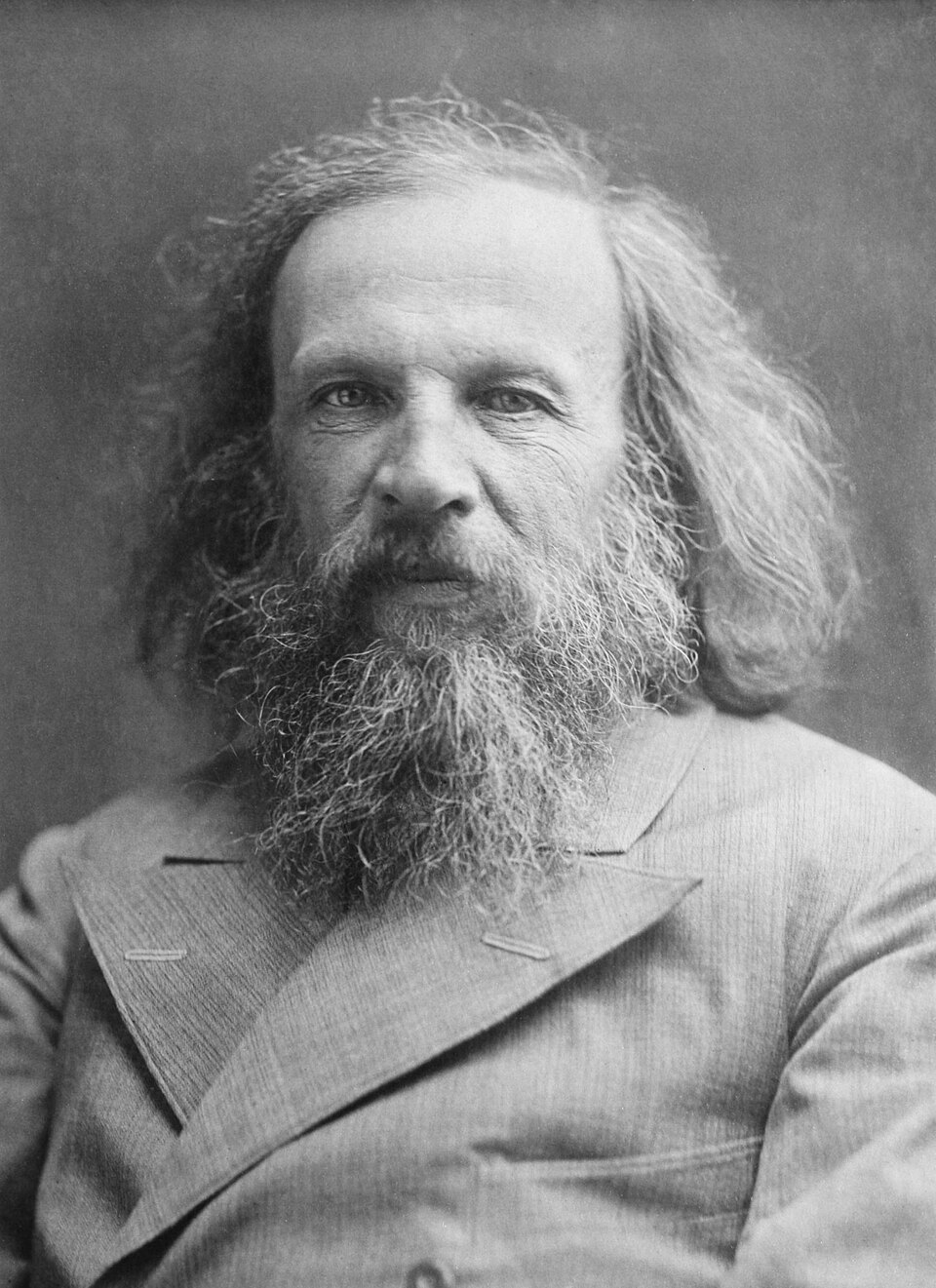
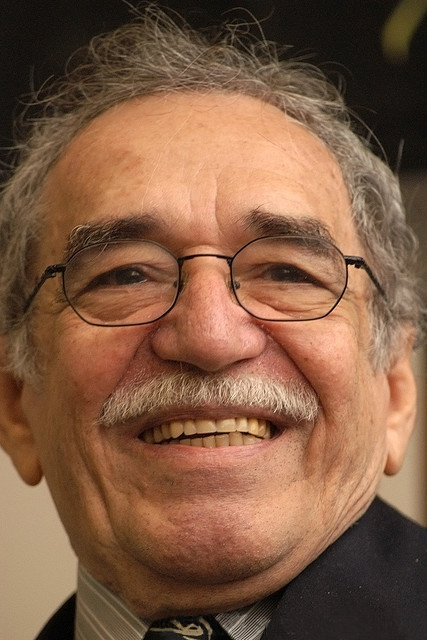
Mihail Gorbaciov was the last president of the USSR and is known for his reform policies that ended the Cold War.
2 martie: Ziua în care muncitorul Liviu Cornel Babeş şi-a dat foc pe pârtia de schi „Bradul” din Poiana BraşovRomania· 2026-03-01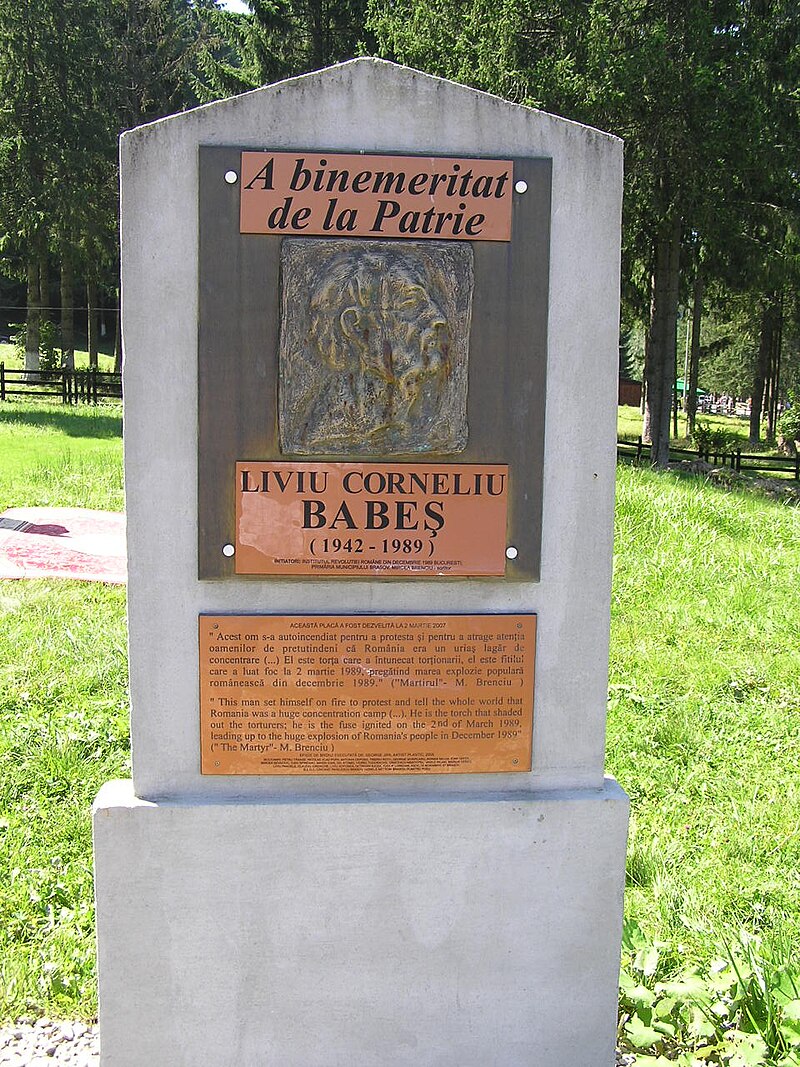

Mihail Gorbaciov promoted reforms like perestroika and glasnost in the Soviet Union during Ceaușescu's regime.
Suveranismul lui Ceaușescu și condamnarea României la izolare. Cum a renunțat dictatorul la facilitățile economice ale SUA pentru a-i ține pe români închiși în țarăRomania· 2026-02-23


Mihail Gorbaciov was involved in early contacts facilitated by information provided by Gordievski.
Mai ceva ca în James Bond. Operațiunea „Pimlico”, cea mai îndrăzneață misiune MI6 pentru salvarea celui mai important spion al Războiului ReceRomania· 2025-12-26

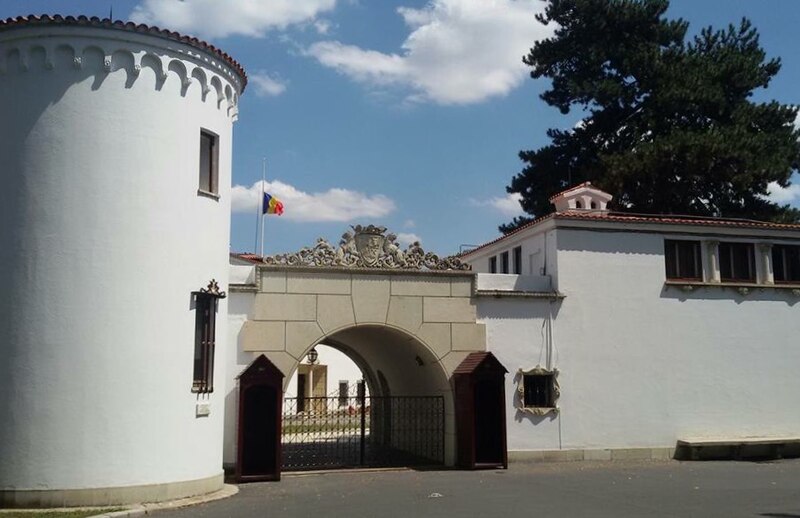
Mikhail Gorbachev was the first and last president of the Soviet Union, known for his reforms that ended the Cold War.
25 decembrie: Ziua în care s-a născut Emil Brumaru, poetul care a adus Paradisul în limba românăRomania· 2025-12-24
Gorbaciov was a progressive communist leader of the Soviet Union who promoted policies of perestroika and glasnost.
A avut vreo implicare Rusia în Revoluția de la 1989? Evenimentele și statisticile stranii care au alimentat aceste teoriiRomania· 2025-12-20
Mihail Gorbaciov's reforms led to significant changes in the Soviet Union and influenced Moldova's independence.
Ultima confruntare directă între români și ruși. Războiul Transnistriei - Moștenirea geopolitică a unui secol de pacte, anexări și bătăliiRomania· 2025-12-09

Mihail Gorbaciov was the Soviet leader during the time of Ion Pistol's execution.
Cine a fost ultimul român condamnat la moarte în epoca Ceaușescu și cum a ajuns în fața plutonului de execuţieRomania· 2025-12-07


Mihail Gorbaciov attempted to redefine relations with Western states during the period of the agreements.
Decizie radicală la Kremlin. Putin a anulat acordurile militare istorice cu trei state NATORomania· 2025-12-06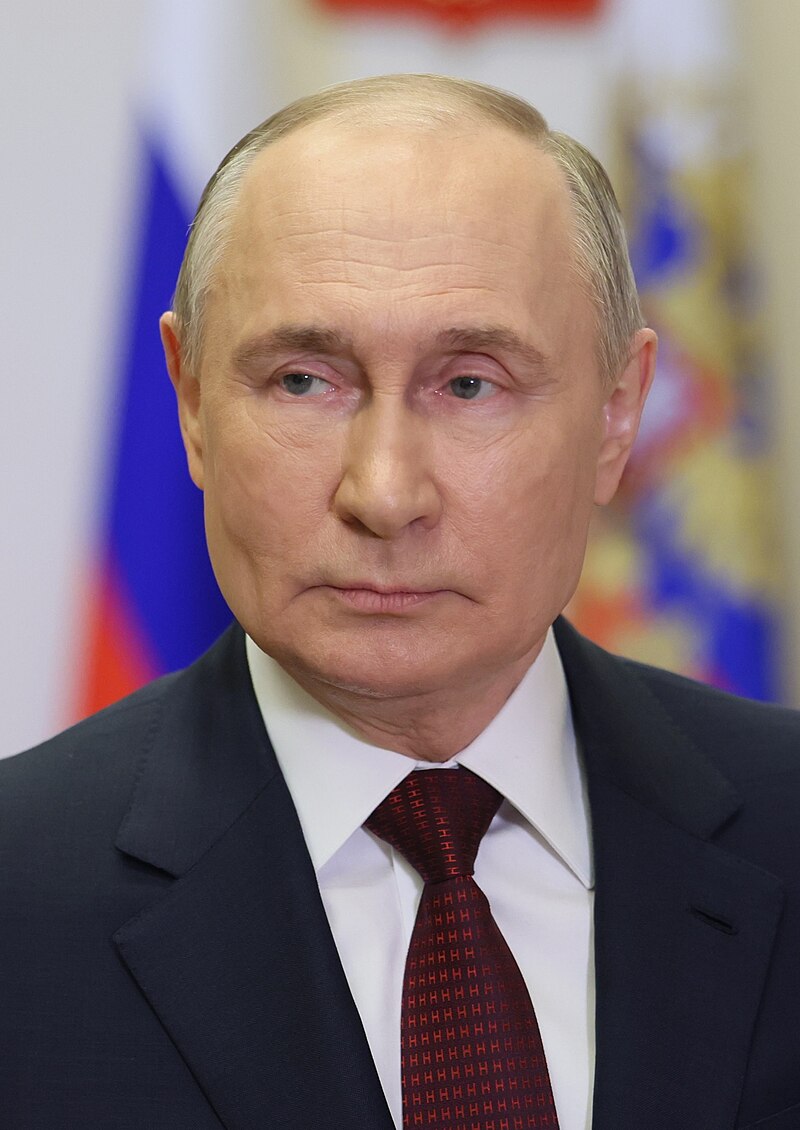

Mihail Gorbaciov is credited with the dissolution of the Soviet Union through his policies of glasnost and perestroika.
Motivele pentru care s-a prăbușit Uniunea Sovietică, un imperiu al terorii în care nici măcar comuniștii nu mai credeauRomania· 2025-11-10
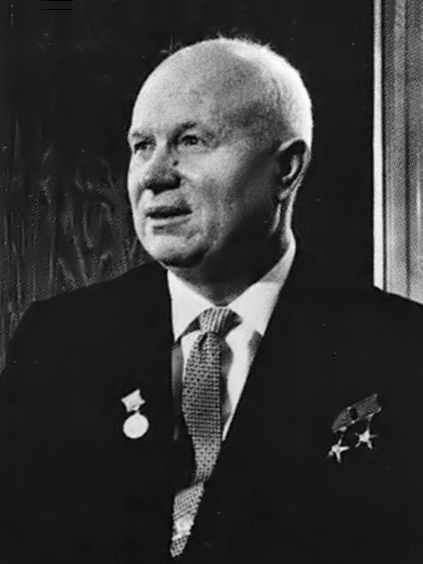

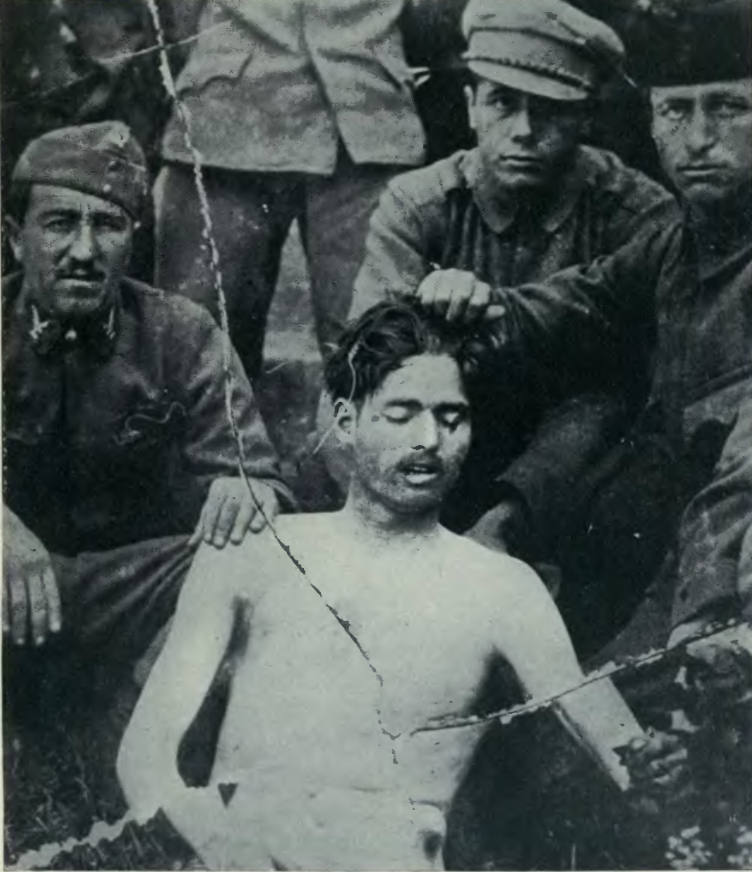
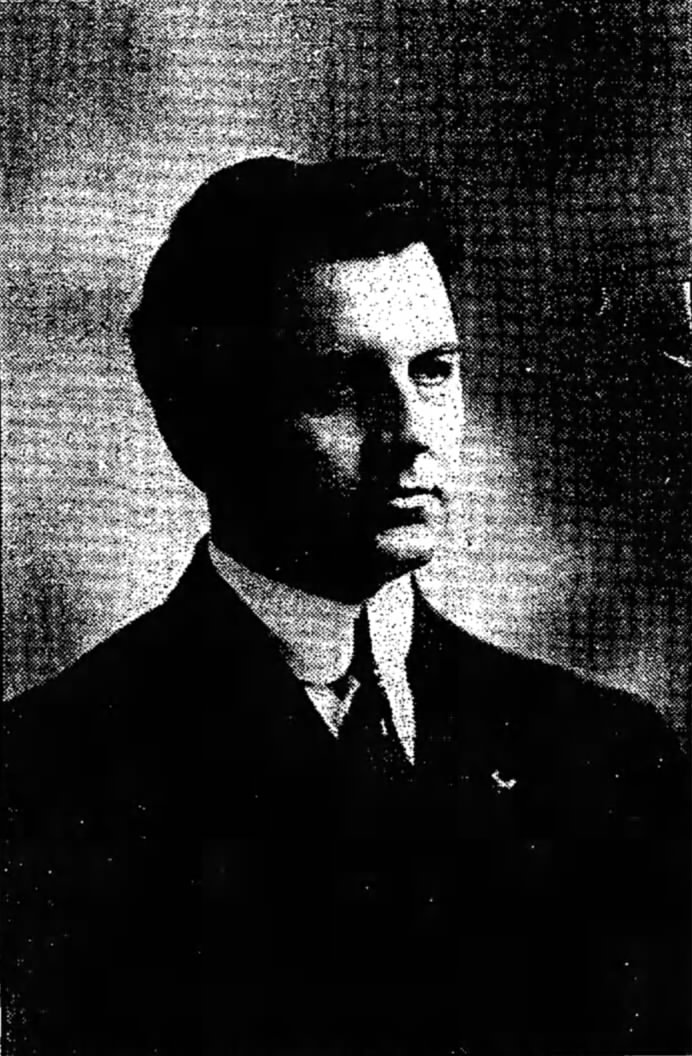
Gorbaciov was perceived as indecisive and unable to hold the Soviet empire together.
Prezidențiabilitatea unui președinte | adevarul.roRomania· 2025-10-06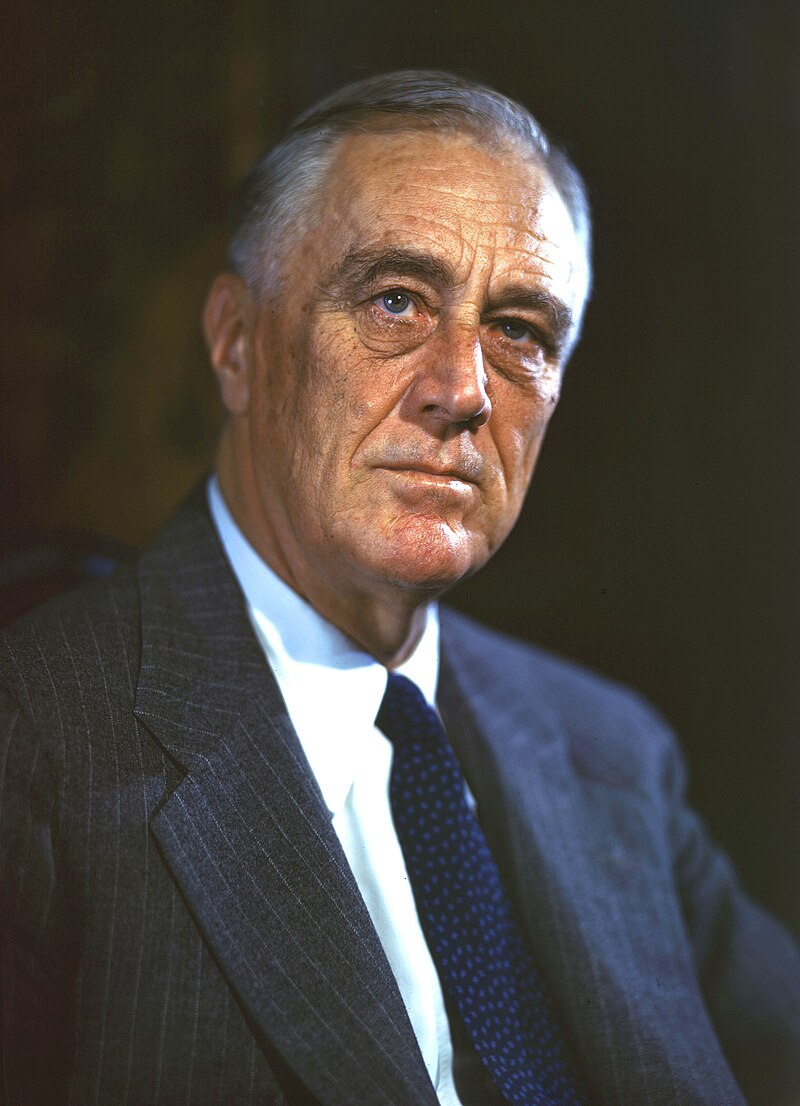
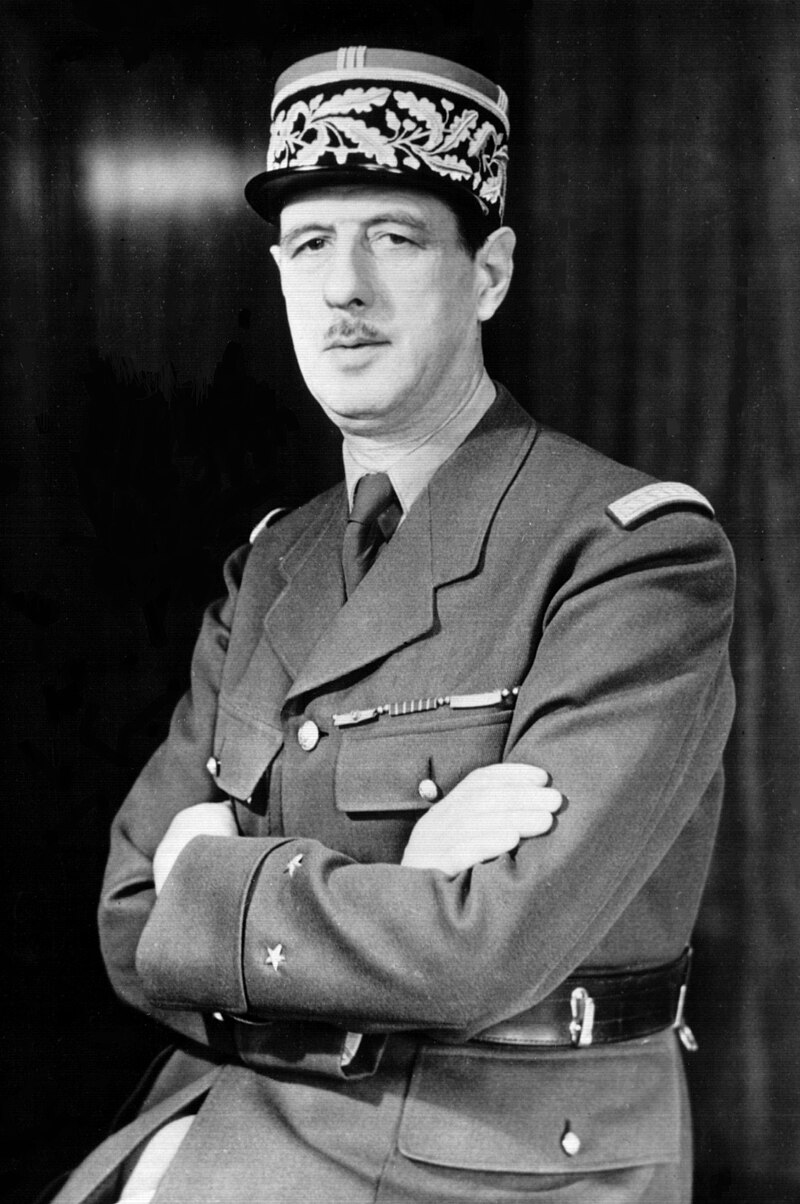
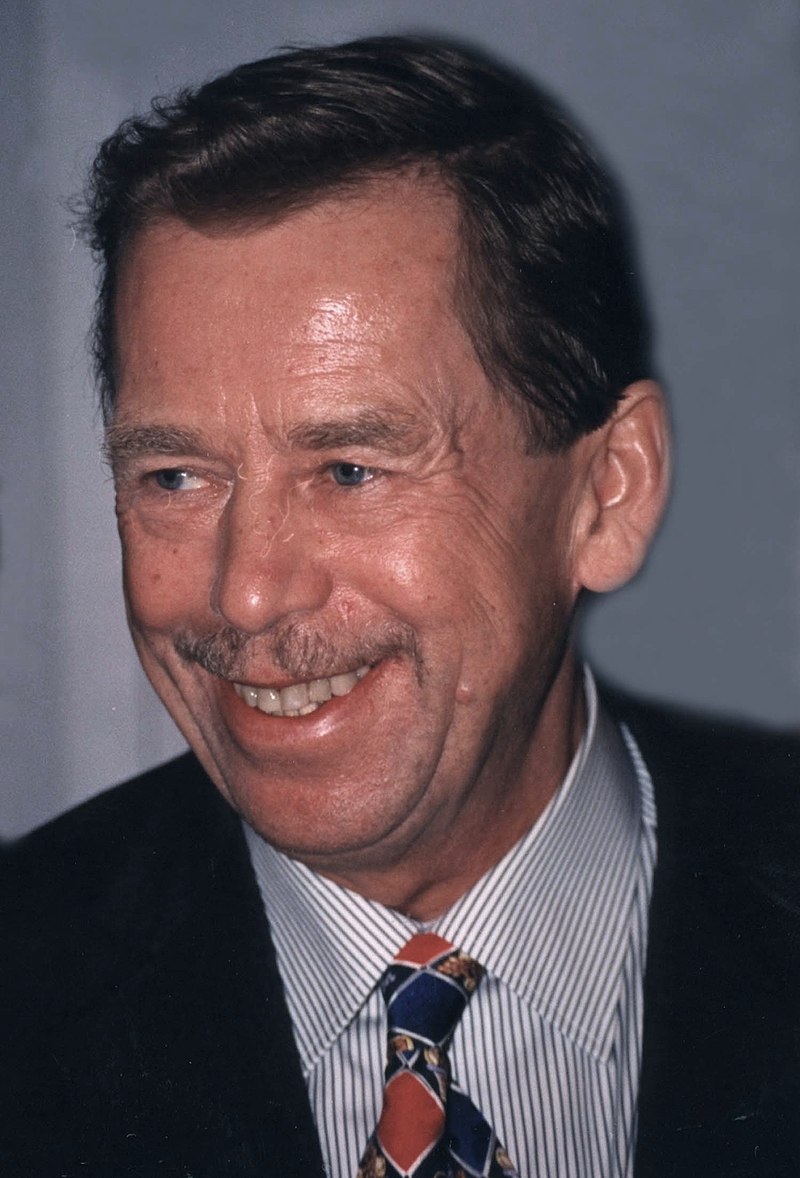
Mihail Gorbaciov's policies contributed to the lifting of the Iron Curtain.
„A fost o pură întâmplare și o gafă a unui politician”. Seara în care libertatea a trecut granițele Europei fără avertismentRomania· 2025-10-05
Mihail Gorbaciov officially recognized the independence of Estonia, Latvia, and Lithuania.
4 septembrie: Ziua în care Ion Antonescu a fost numit premier, deschizând drumul dictaturii militareRomania· 2025-09-03

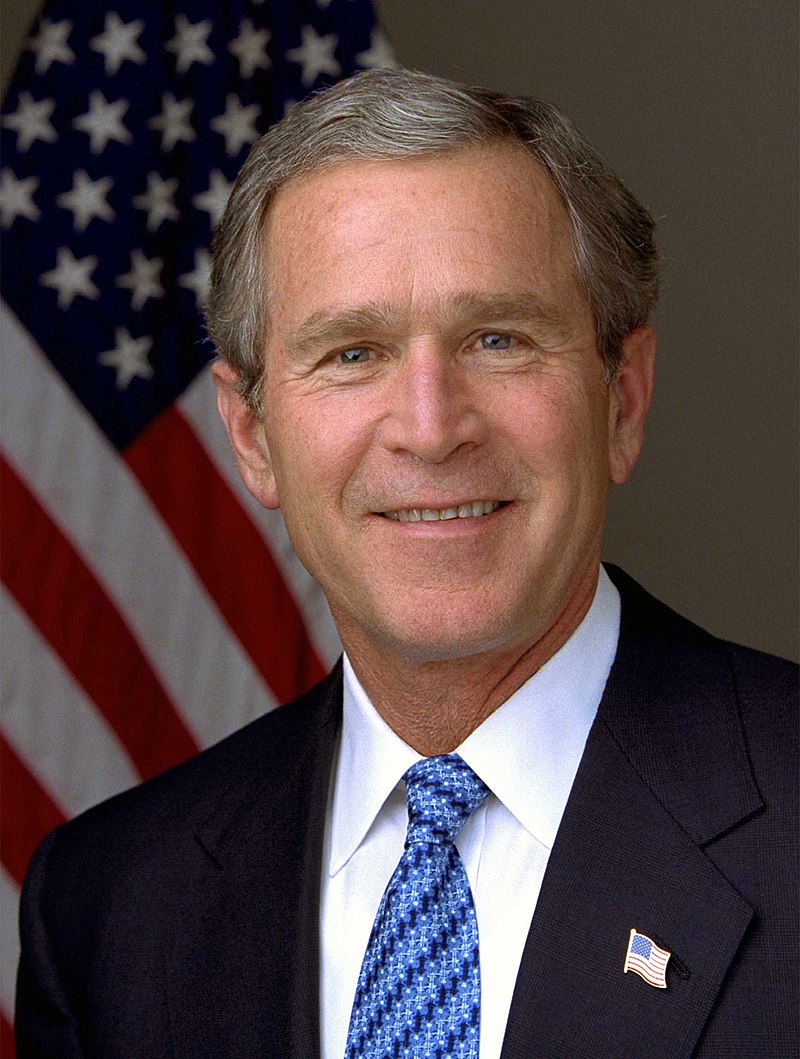
Mihail Gorbaciov was the first and last president of the Soviet Union.
30 august: Ziua în care o divizie a NKVD a înființat Securitatea, care a contribuit la Sovietizarea României, iar apoi la menținerea regimului comunist la putereRomania· 2025-08-29
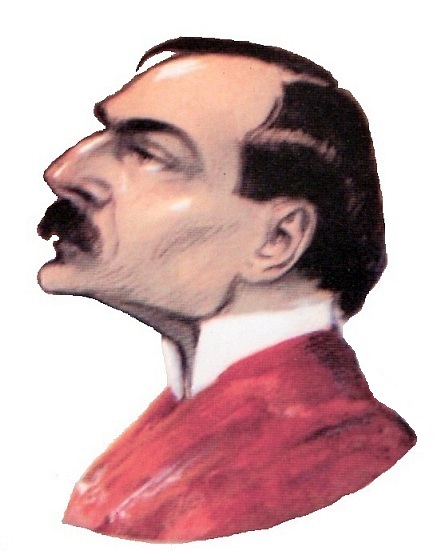
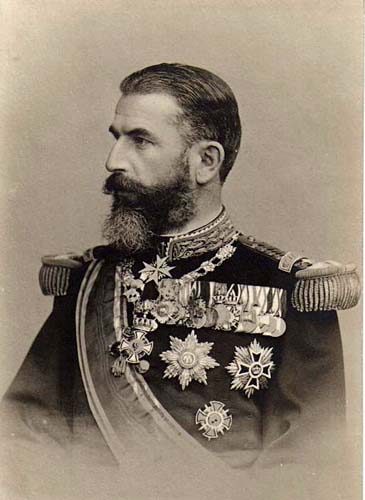
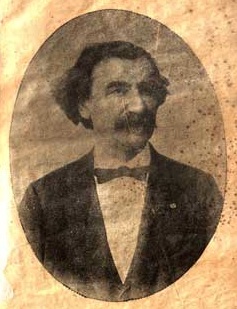
Mihail Gorbaciov was the leader of the USSR who implemented major reforms aimed at modernizing the Soviet system.
19 august: 34 de ani de la puciul de la Moscova, tentativa comuniștilor de a-l răsturna pe GorbaciovRomania· 2025-08-19

Ion Iliescu hoped to reform socialism along the lines envisioned by Mihail Gorbaciov, but ultimately took a different path.
Epoca lui Iliescu, tranziție în două viteze: „A fost și cel care a moșit capitalismul de «cumetrie»“Romania· 2025-08-11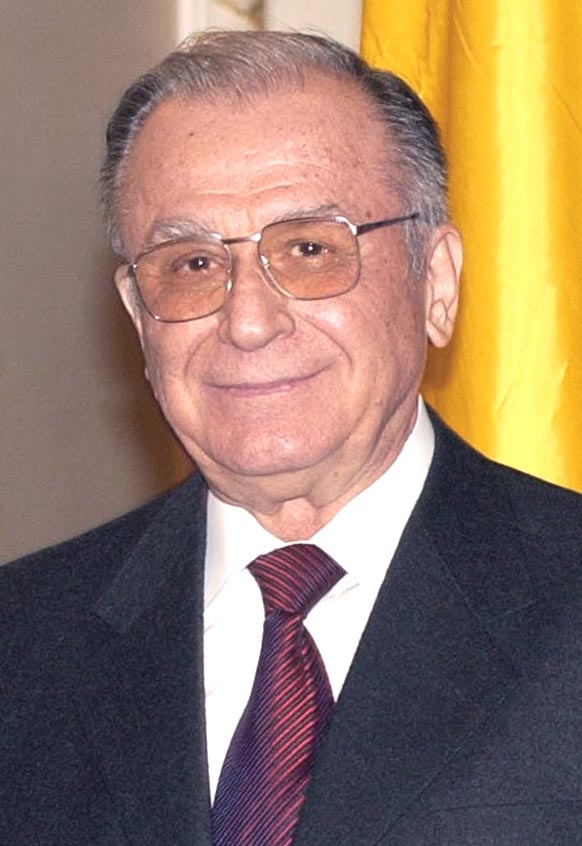
Mihail Gorbaciov is mentioned as the former president of the USSR who dissolved the KGB's secret information administration in 1991.
Originea raportului CIA privind soldați sovietici care ar fi fost prefăcuți în stană de piatră după întâlnirea cu un OZNRomania· 2025-04-18
Mihail Gorbaciov was the leader of the USSR who signed a treaty with Ion Iliescu.
5 aprilie: Ziua în care a fost efectuată prima operație pe cord deschis din RomâniaRomania· 2025-04-04




Mihail Gorbaciov was the Soviet leader who ended the Cold War and took decisive steps towards the fall of communist regimes in Europe.
Vizita care i-ar fi pecetluit soarta lui Ceaușescu. Ce părere și-a făcut Gorbaciov despre România și de ce nu-l suporta pe dictatorRomania· 2025-03-16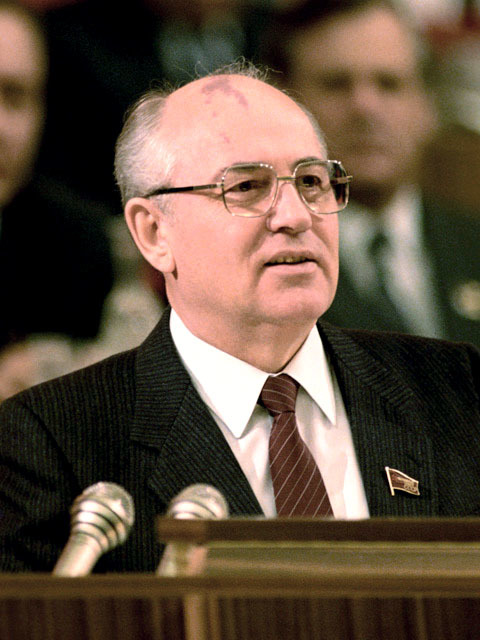
Mihail Gorbaciov was the leader of the Soviet Union from 1985 to 1991 and received the Nobel Peace Prize in 1990.
2 martie: Ziua când s-a născut actriţa de teatru și film Emilia PopescuRomania· 2025-03-01