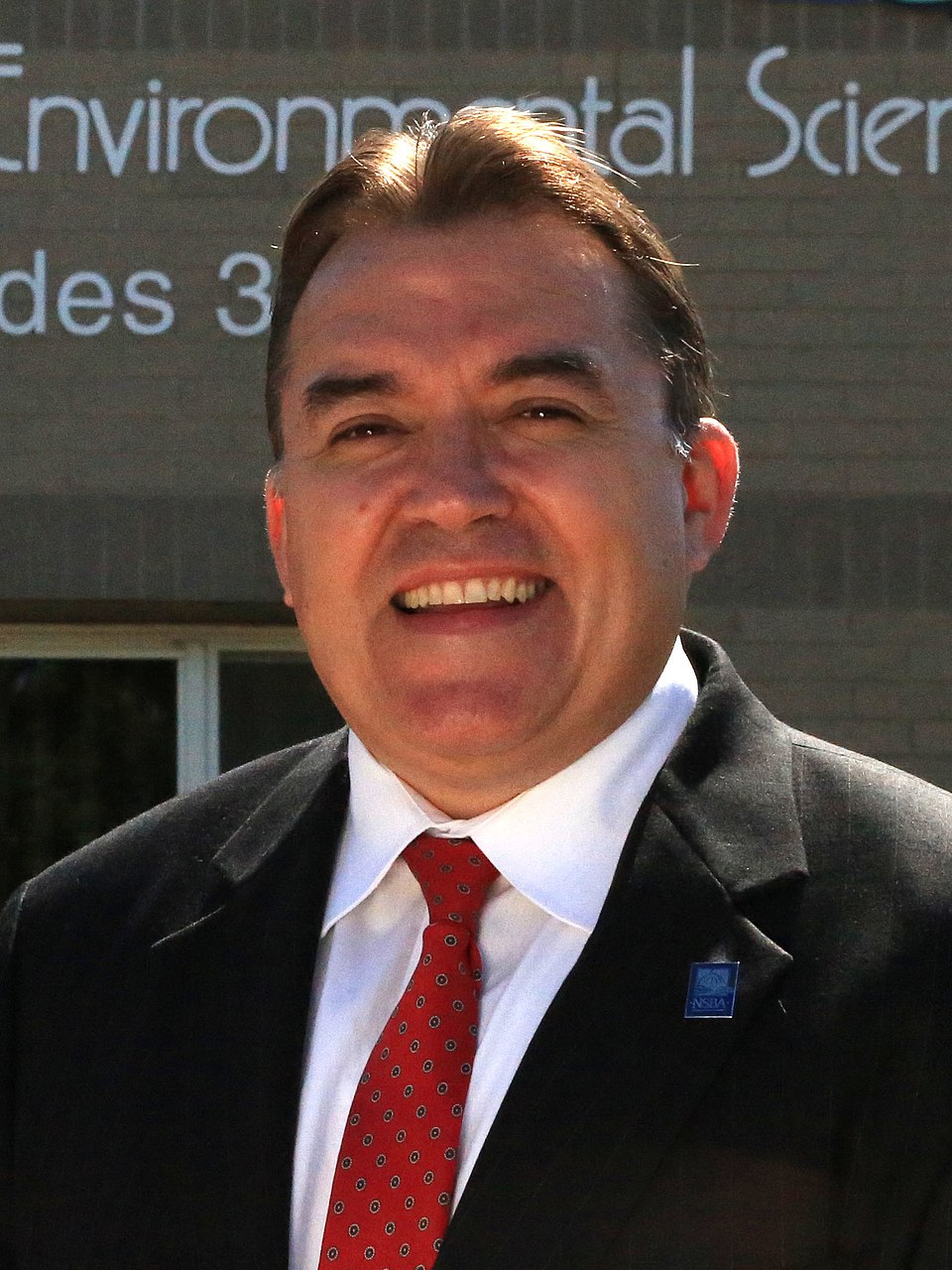
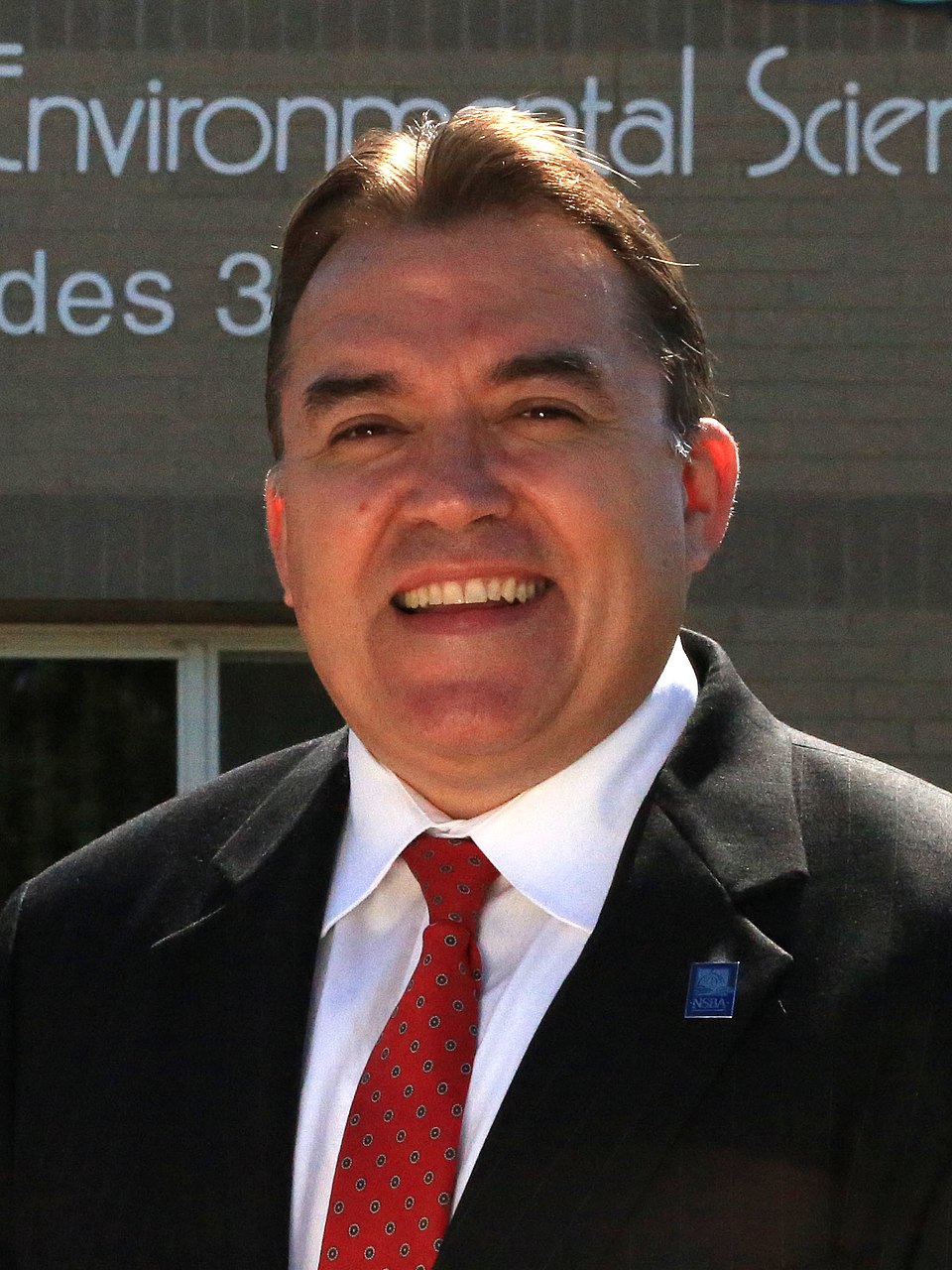
Robert Pape
 AustraliaacademicMale6.0Global Dominance: 0.00%
Robert Pape is a prominent political scientist and director of the Project on Security and Threats at the University of Chicago, known for his research on political violence and terrorism. His work often focuses on the motivations behind radicalization and the dynamics of political conflict, particularly in the context of the modern political landscape in the United States. Recently, he has been vocal about the rise of violent populism in American politics, emphasizing the need for bipartisan efforts to address and mitigate the escalating political violence.
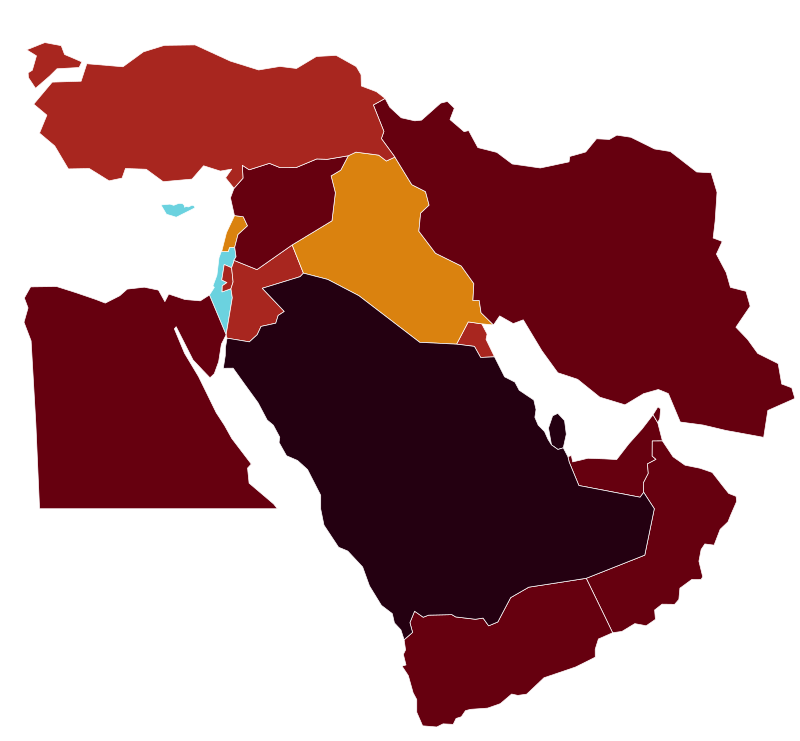
Country presence
Recent news mentions
Professor Robert Pape is a University of Chicago political science expert.
Experts weigh in on whether current global conflicts mean we’re already in itAustralia· 2026-09-13

Why professor who war-gamed Iran conflict doesn't buy Trump's claim of a deal.
Professor explains why Iran’s drone arsenal is so hard to destroy United States· 2026-08-08


Professor Robert Pape warned that President Trump may resort to ground operations to achieve a symbolic victory before the midterm elections.
ٹرمپ ایران جنگ کے سبب خطرناک عسکری جال میں پھنس چکے ہیں: امریکی ماہر کا انتباہ Pakistan· 2026-08-07
Why professor who war-gamed Iran conflict doesn't buy Trump's claim of a deal.
CNN’s Frederik Pleitgen in Tehran after second day of attacksUnited States· 2026-07-09
Prof Robert Pape commented on the ineffectiveness of the US-Israeli decapitation strategy against Iran.
explosions heard in Gulf cities; hundreds of flights cancelled worldwide – The Irish Times Ireland· 2026-03-02

University of Chicago professor Robert Pape said the polarized U.S. political climate could make it harder for party leaders to reach a deal to reopen the government.
US government shutdown begins as partisan division rules Washington Tanzania· 2025-10-01
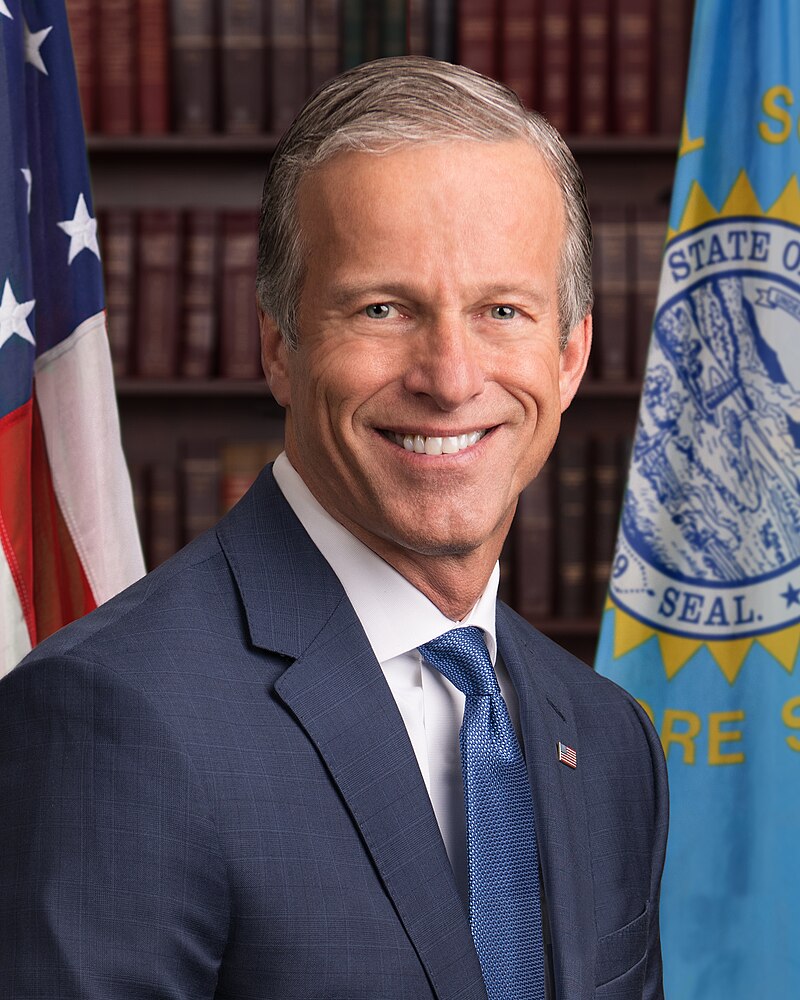
Robert Pape warns of a new escalation of violent populism in the United States.
Mit seinem Rachefeldzug begünstigt Trump neue Gewalt Switzerland· 2025-09-20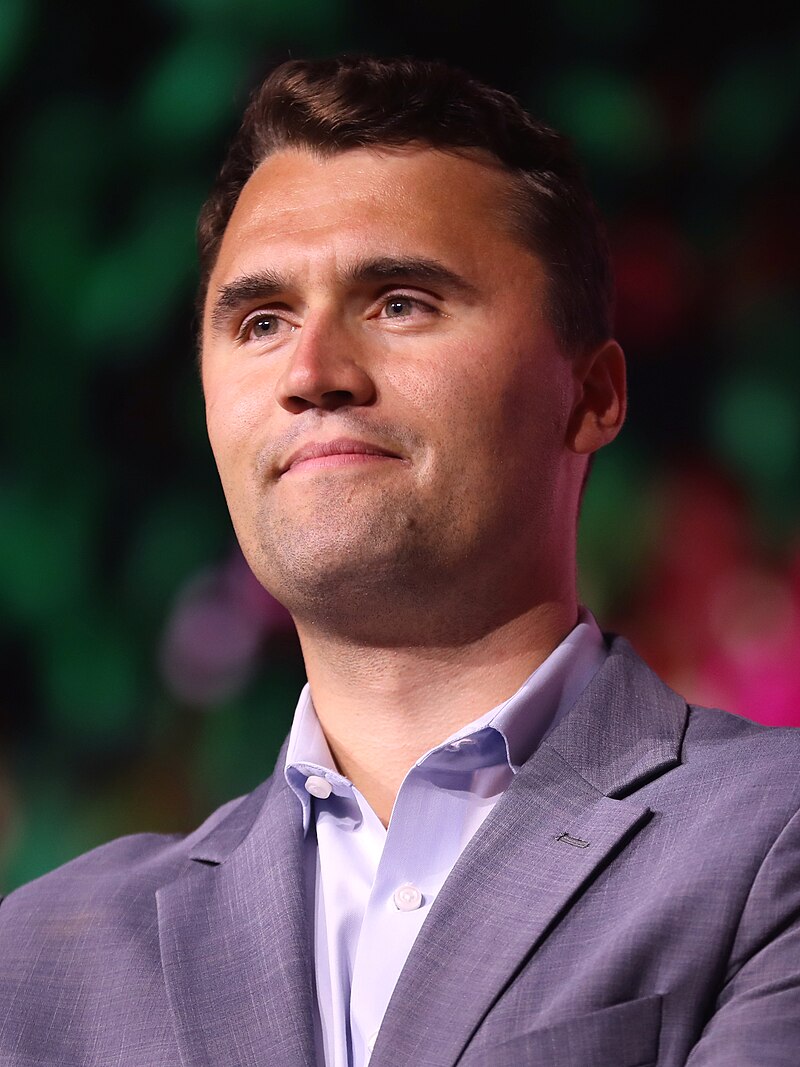
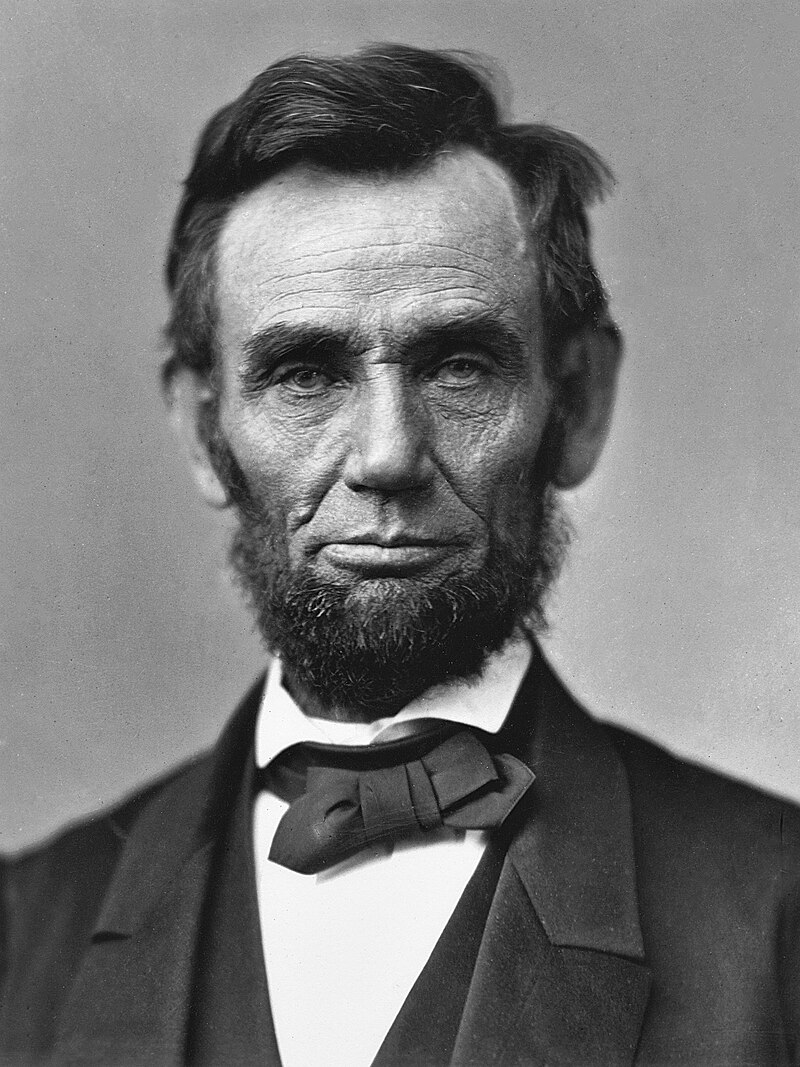
Political Science Professor Robert Pape discusses the rise in political violence.
‘Farmageddon’: Many US farmers are warning they are at a breaking pointUnited States· 2025-09-17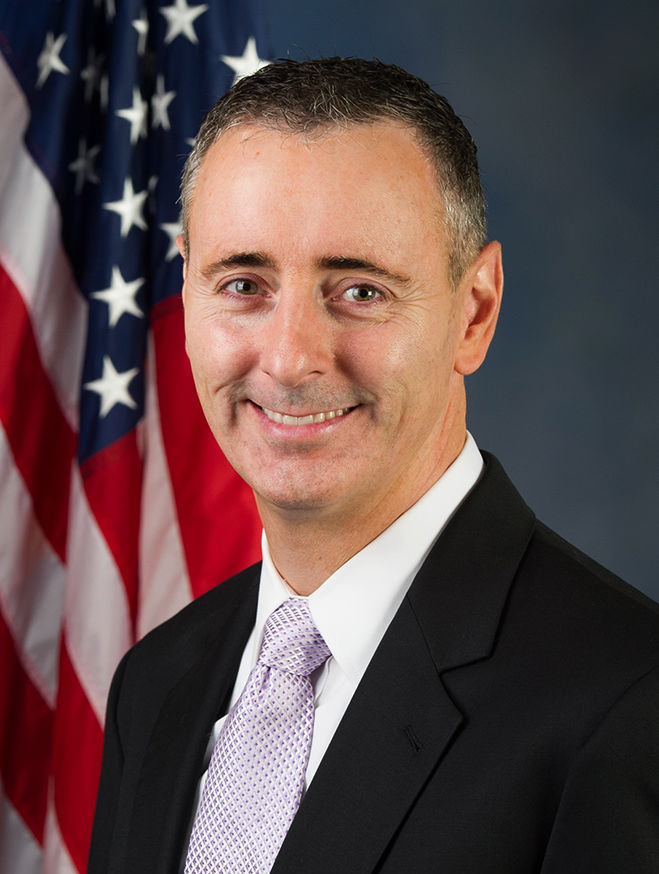
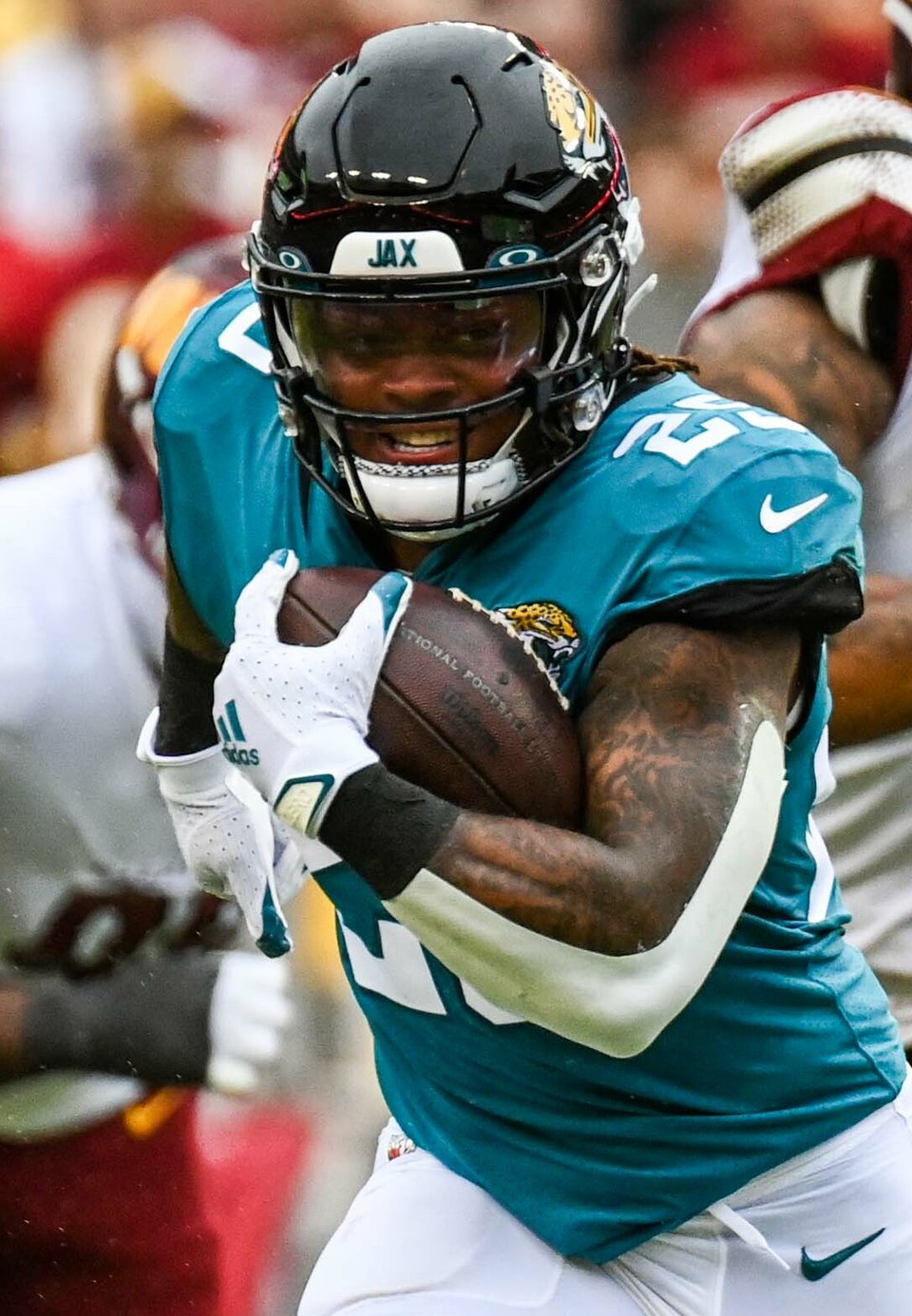

Political Science Professor Robert Pape discusses the rise in political violence.
‘Not going to name groups’: deputy attorney general refuses to name left-wing groups being targeted by DOJUnited States· 2025-09-17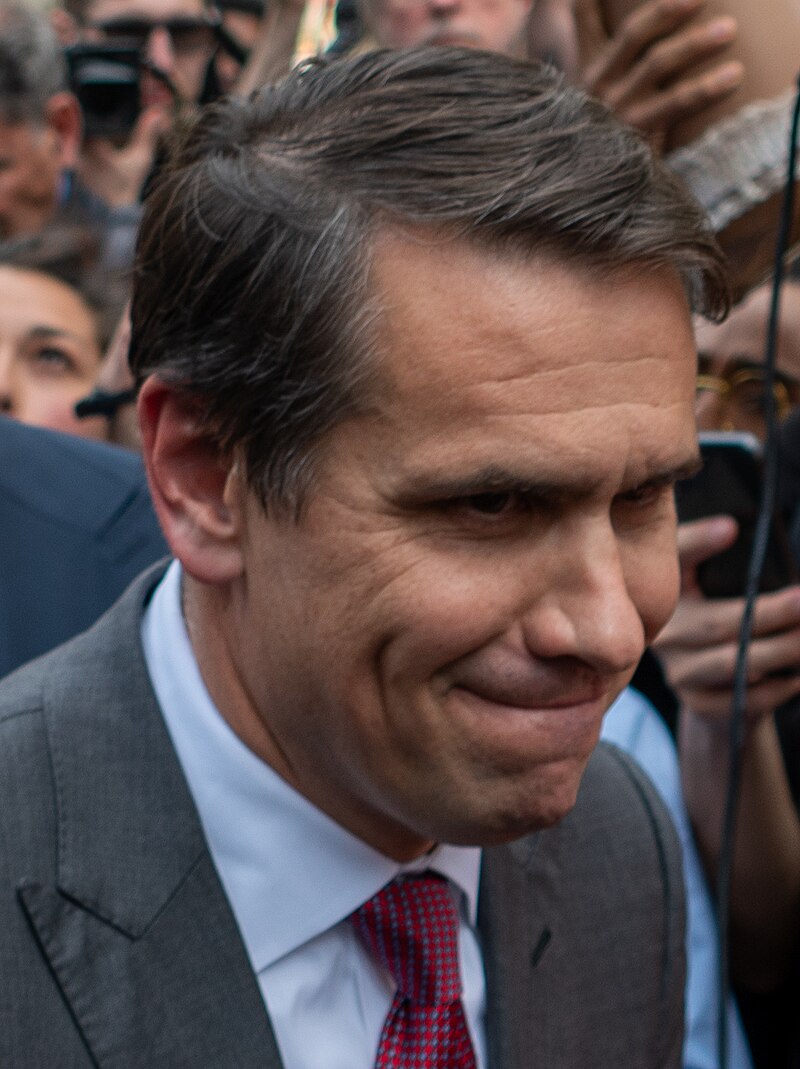

Political Science Professor Robert Pape discusses the rise in political violence.
WaPo: Trump orders removal of historic photograph of enslaved man from National Gallery of ArtUnited States· 2025-09-16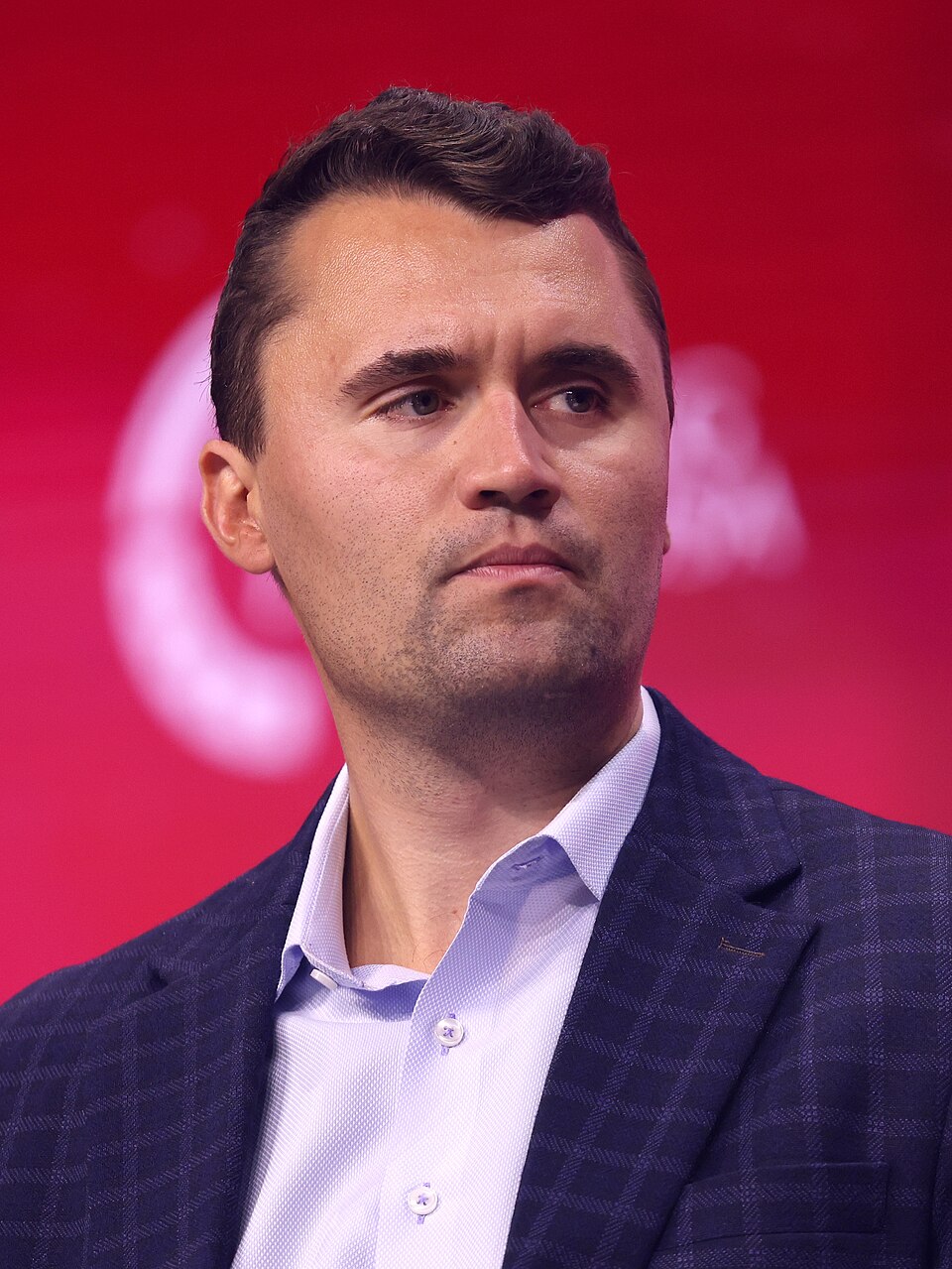
Political Science Professor Robert Pape and the Executive Director of the Bridging Divides Initiative at Princeton University join Smerconish to discuss the rise in political violence.
Fox News video captures man stomping on Charlie Kirk memorialUnited States· 2025-09-15
Political Science Professor Robert Pape and the Executive Director of the Bridging Divides Initiative at Princeton University join Smerconish to discuss the rise in political violence.
Most memorable moments from the 2025 Emmy AwardsUnited States· 2025-09-15Political Science Professor Robert Pape discusses the rise in political violence.
Political violence across America is surging: A look back on recent attacksUnited States· 2025-09-14Robert Pape is a professor at the University of Chicago who has conducted surveys on attitudes towards political violence.
¿por qué se habla del inicio de una guerra civil? Colombia· 2025-09-13
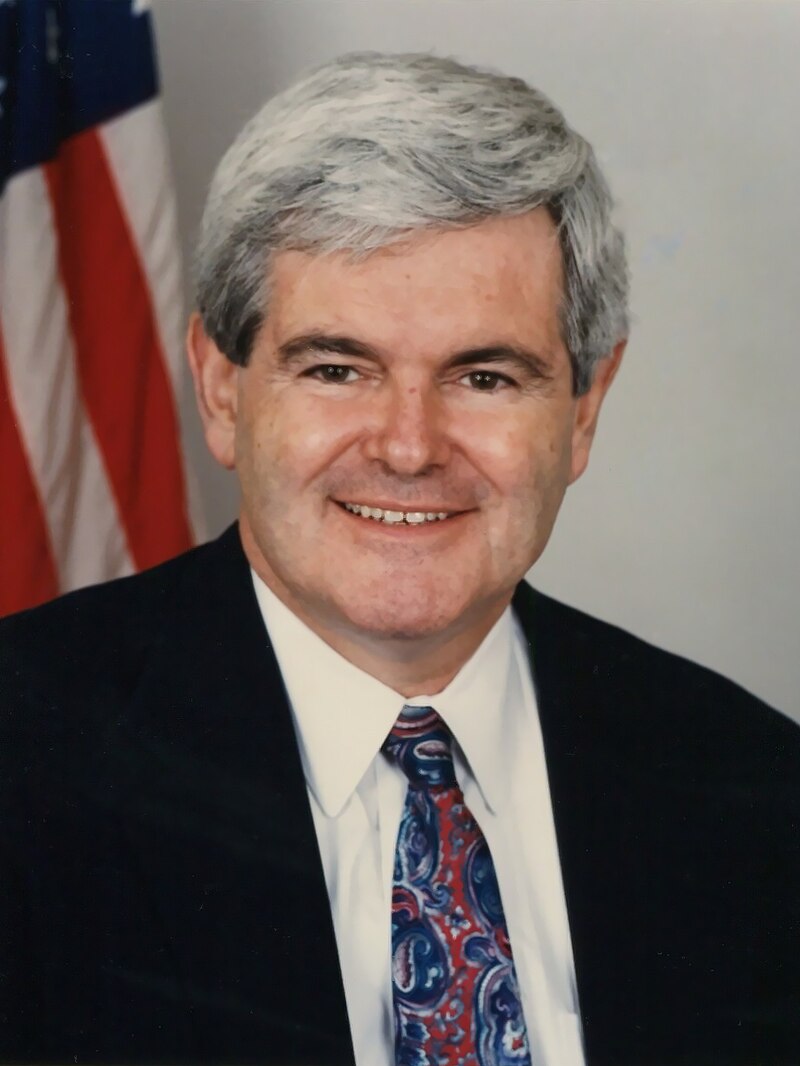

Robert Pape is a University of Chicago professor who described the current political violence as 'violent populism'.
Charlie Kirk’s shocking killing sets the stage for a dangerous federal crackdown | Moustafa Bayoumi United Kingdom· 2025-09-12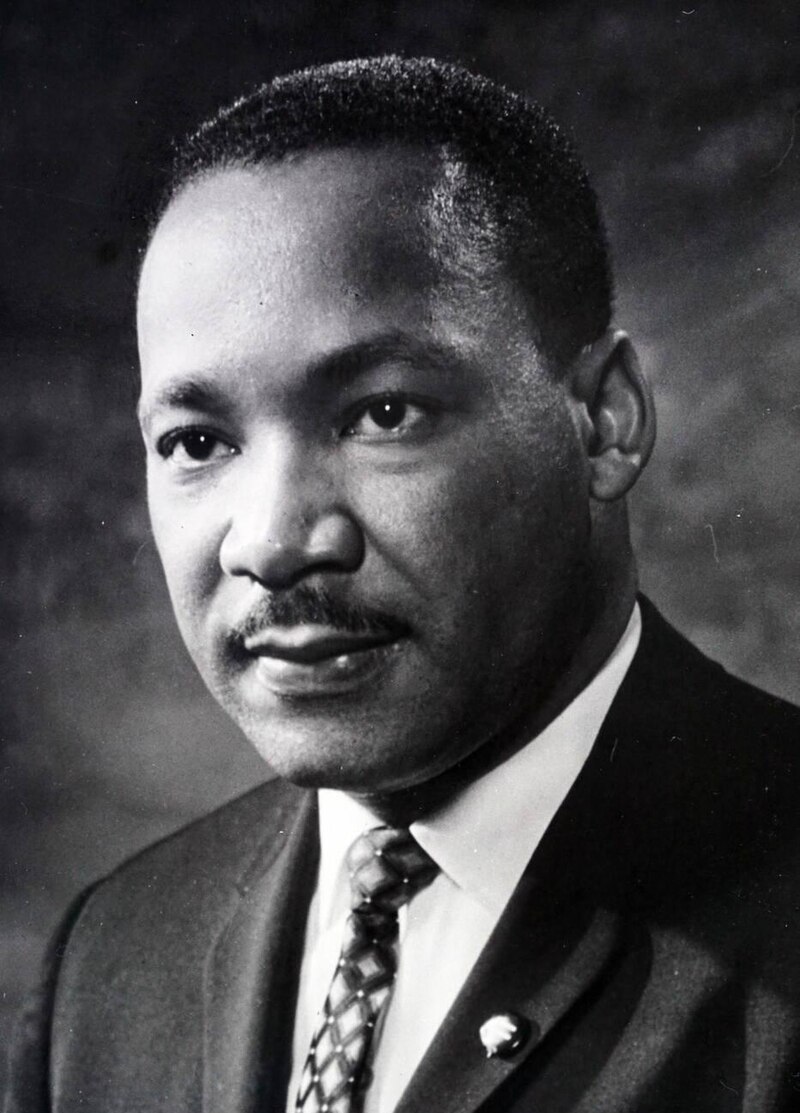
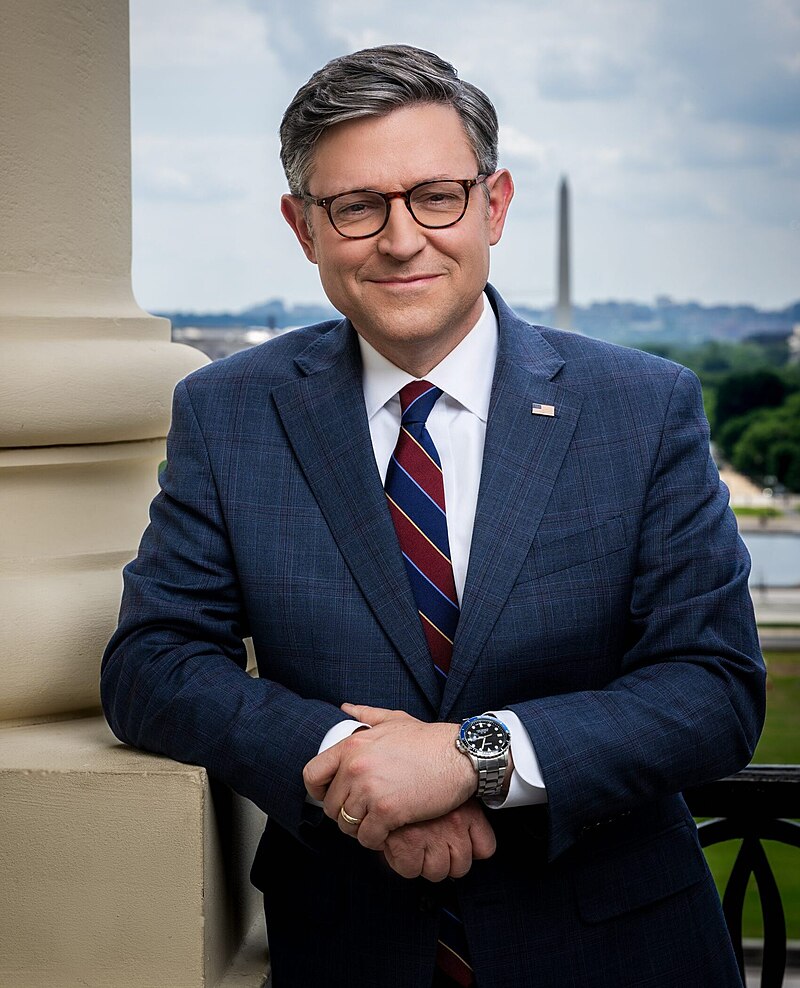

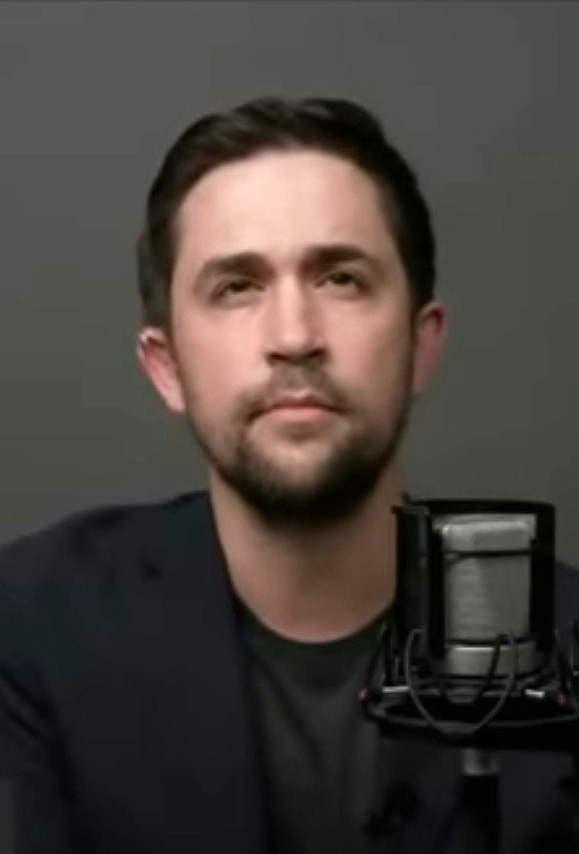
Robert Pape is a political science professor at the University of Chicago who has closely tracked attitudes about political violence in the US.
Trump’s reaction to Kirk’s killing focused on one side when political violence impacts both, experts say New Zealand· 2025-09-12


Robert Pape stated that Kirk's murder could be a turning point in American politics.
Der Nation droht eine neue Ära der GewaltSwitzerland· 2025-09-11

Robert Pape is a political science professor who studies political violence.
Charlie Kirk zomrel. Kto bol Trumpov influencer? Slovakia· 2025-09-11
Robert Pape is a political science professor who has been researching attitudes towards political violence.
Assassinato de Charlie Kirk amplia medo da violência política sair do controle nos EUA Liechtenstein· 2025-09-11


Robert Pape directs the Chicago Project on Security and Threats and commented on the increased acceptance of political violence.
Charlie Kirk’s death shows political violence is now a feature of US life | Charlie Kirk shootingUnited Kingdom· 2025-09-11
Robert Pape, a political scientist at the University of Chicago, discusses the rising political violence in America.
‘Our era of violent populism’: the US has entered a new phase of political violence | US politicsUnited Kingdom· 2025-06-22
Robert Pape is the author of 'Bombing to Win' and argues about the strategic use of air power in warfare.
Index - Külföld - Példátlan akció mutatta meg, hogy Ukrajna hősiessége önmagában nem elég a győzelemhez Hungary· 2025-06-19
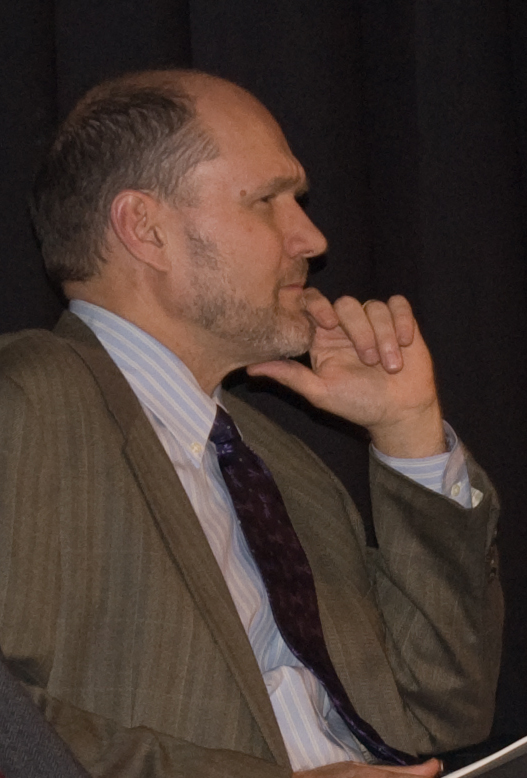
Robert Pape discussed the need for bipartisan agreement to address political violence in the U.S.
Trump and other Republicans mock Democrats after Minnesota lawmaker killings | US politicsUnited Kingdom· 2025-06-16