Niall Ferguson
 AustraliahistorianMaleb. 19646.7Global Dominance: 0.00%
Niall Ferguson is a Scottish historian, author, and commentator known for his works on economic history and international relations. He has written extensively on topics such as the rise of global finance, the impact of imperialism, and the history of Western civilization. Ferguson is a senior fellow at the Hoover Institution and a professor at Stanford University, often appearing in media and public discussions to provide insights on contemporary political and economic issues.
Country presence
Recent news mentions
Niall Ferguson is a historian and biographer of Kissinger who reflects on his insights.
Oriente Occidente di Rampini | AI, la «profezia» di Kissinger sull'urgenza del disarmo: tutto quello che capì prima di morire Italy· 2026-09-15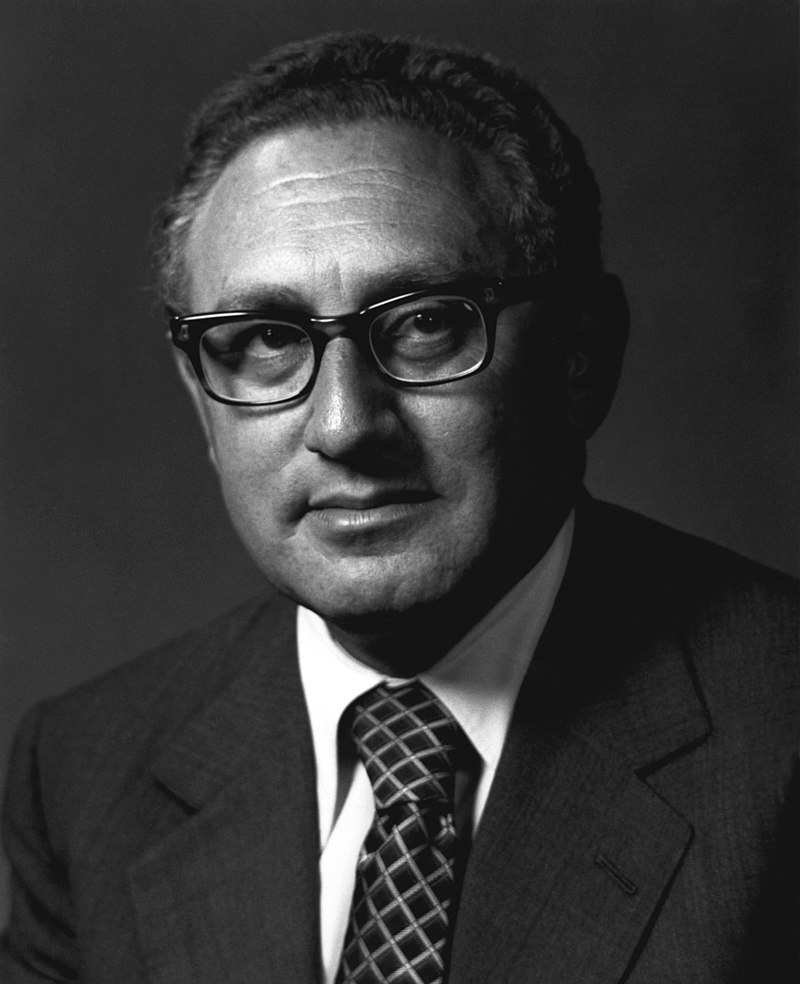
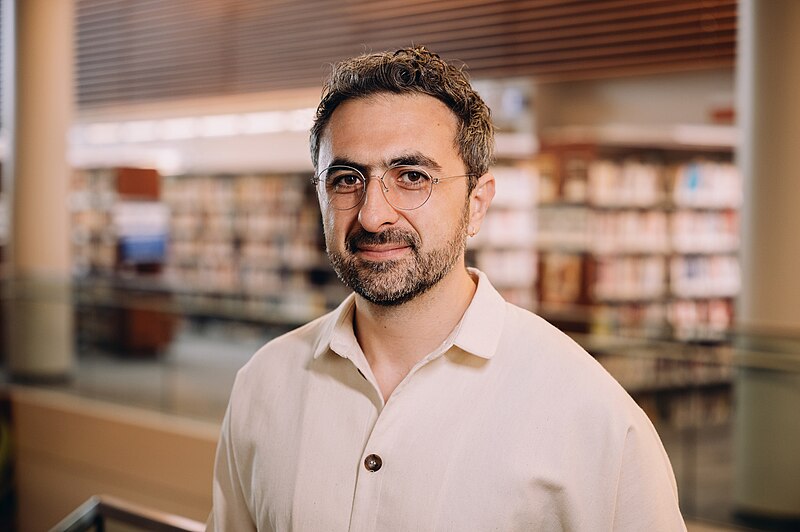

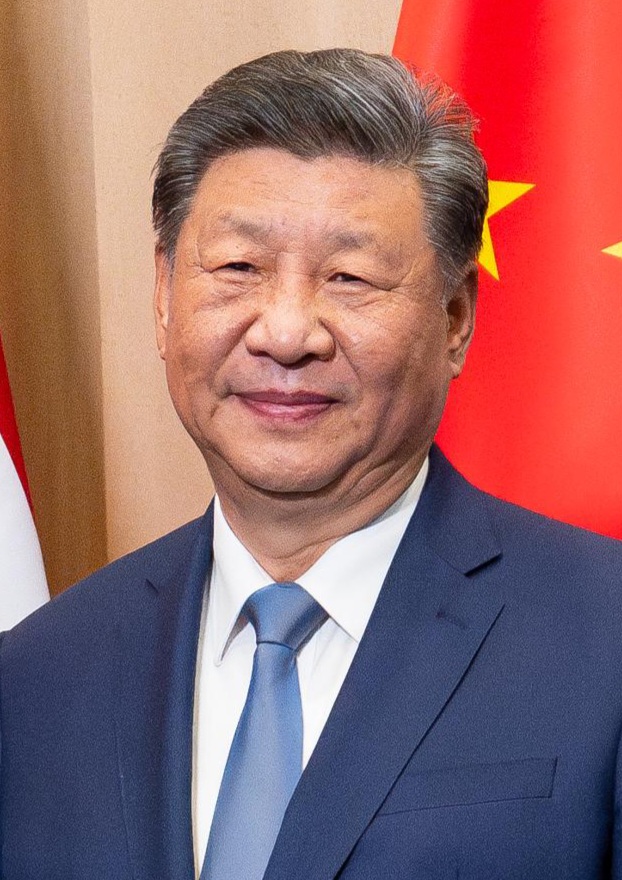
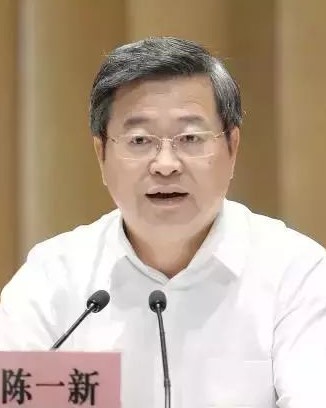
Niall Ferguson is a famous international relations scholar.
Putin will not win due to Europe’s new-found optimismAustralia· 2026-09-13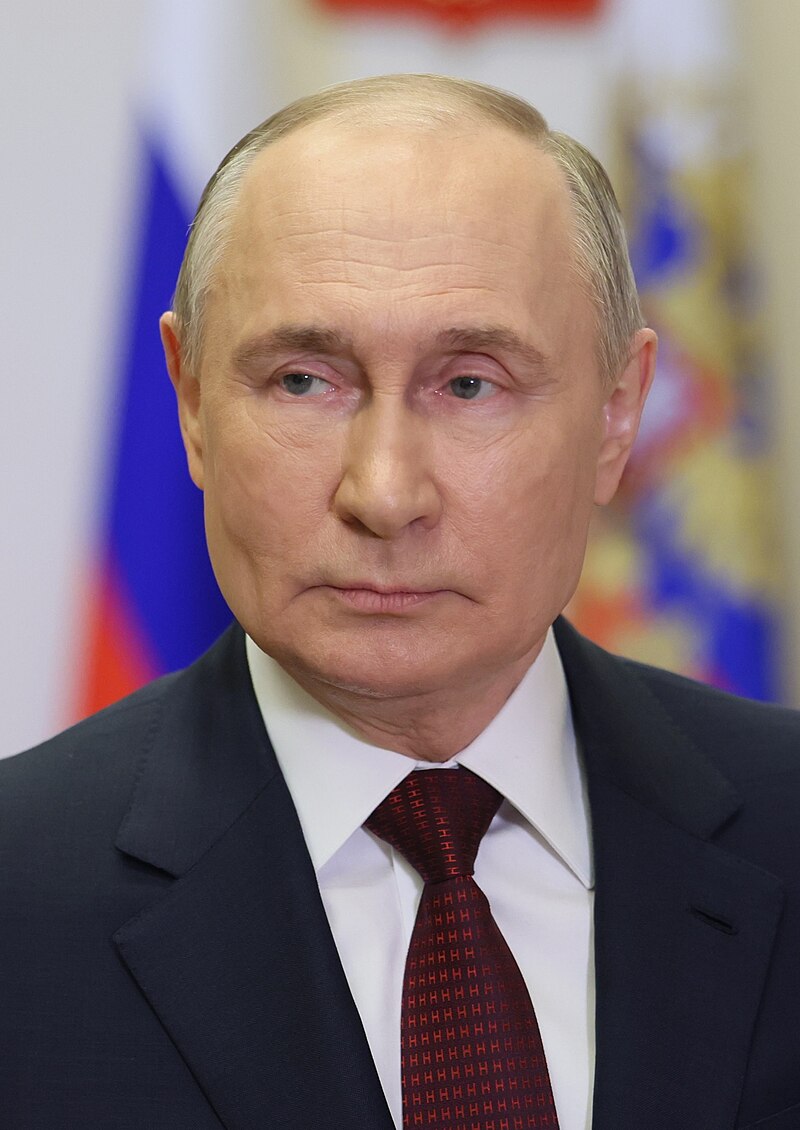

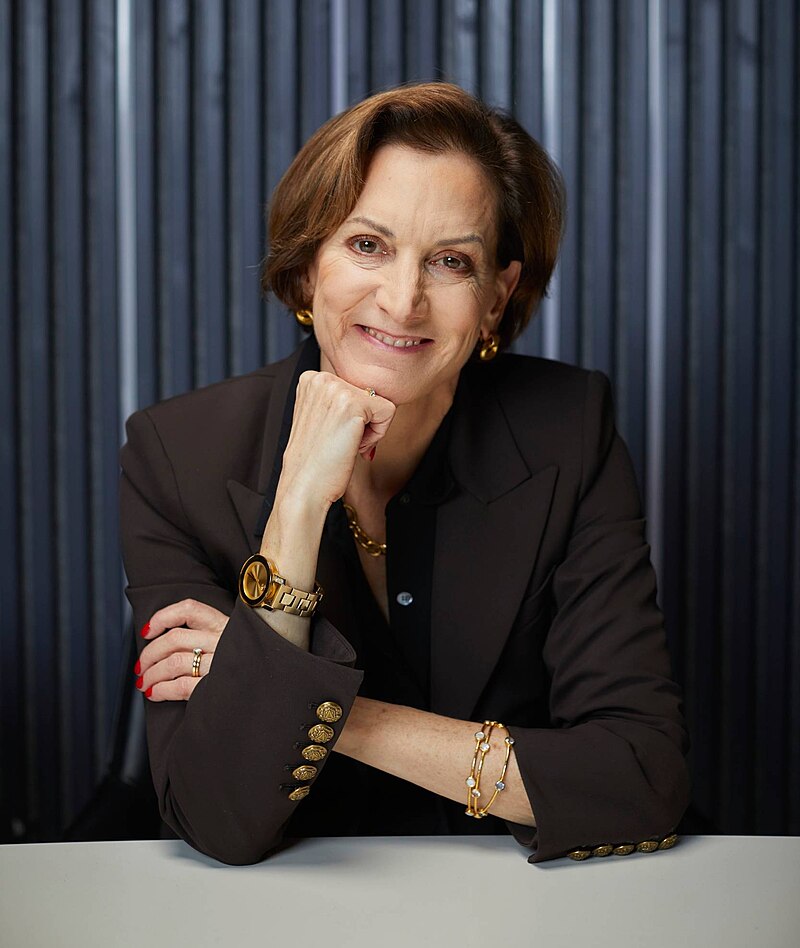
The historian Niall Ferguson believes two educational models will dominate, which he calls 'the cloister and the starship.'
Universities should stop treating AI as a cheating problem Canada· 2026-07-28
Niall Ferguson is a prominent economic historian who signed the declaration warning about the risks of artificial intelligence.
200 Ökonomen und Tech-Experten warnen vor Risiken Switzerland· 2026-07-14


Niall Ferguson warns that Europe has reacted too slowly to China's strategy of massive subsidies for electric vehicle manufacturers.
Cum a ajuns Volkswagen să aibă o forță de muncă uriașă Romania· 2026-07-08

Niall Ferguson warns that without technological autonomy, Europe risks becoming prey to superpowers.
Interview mit dem Amundi-Deutschlandchef: "Vielen Menschen fehlt die nötige Finanzbildung“ - Wirtschaft Germany· 2026-06-29
Niall Ferguson is a prominent economic historian from Stanford University known for his bestsellers and recent criticism regarding his stance on Donald Trump.
Top-Ökonomen warnen: „China und die USA werden Europa aufessen, Stück für Stück“ - WirtschaftGermany· 2026-06-28
Niall Ferguson warns that without technological autonomy, Europe will become an economic prey of superpowers.
Bundesregierung: Hurra, es bewegt sich was. Jetzt nur nicht den Motor abwürgen - MeinungGermany· 2026-06-26
Ferguson is a historian who provides a dissonant voice in the discussion about the Iran agreement.
Oriente Occidente di Rampini | L'Iran umilia l'America. Il coro è unanime. Anche troppo? Ecco come i 14 punti potrebbero giocare a favore di TrumpItaly· 2026-06-19
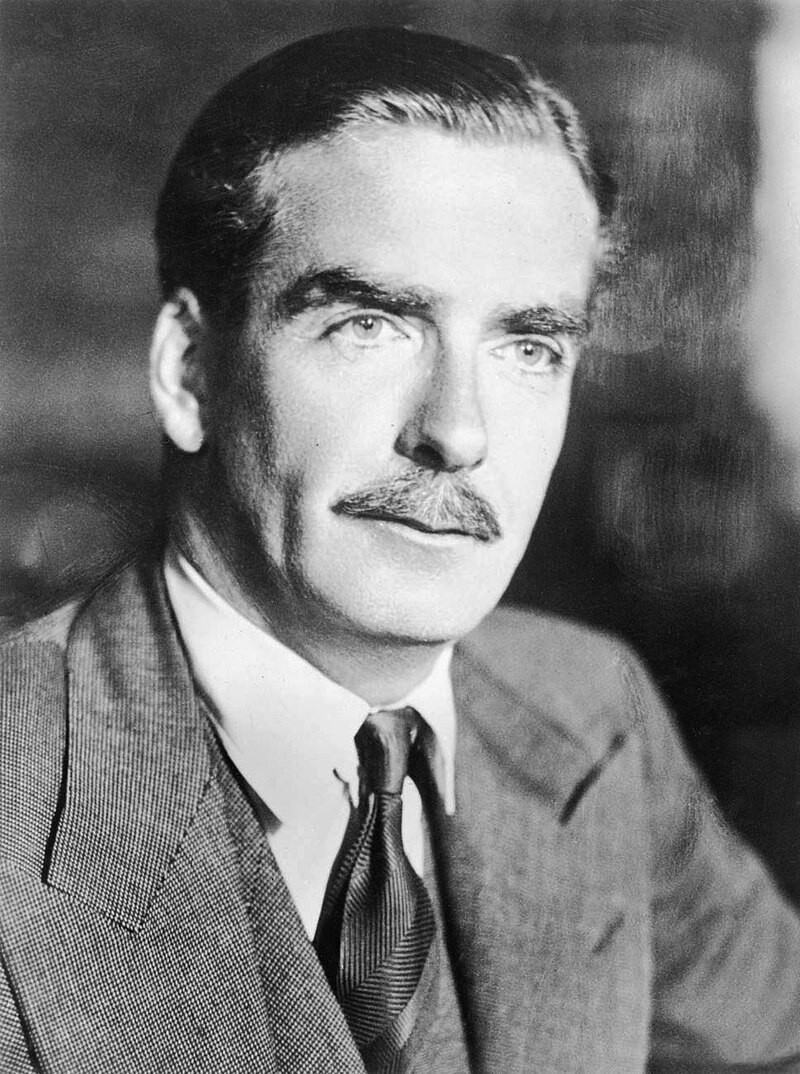
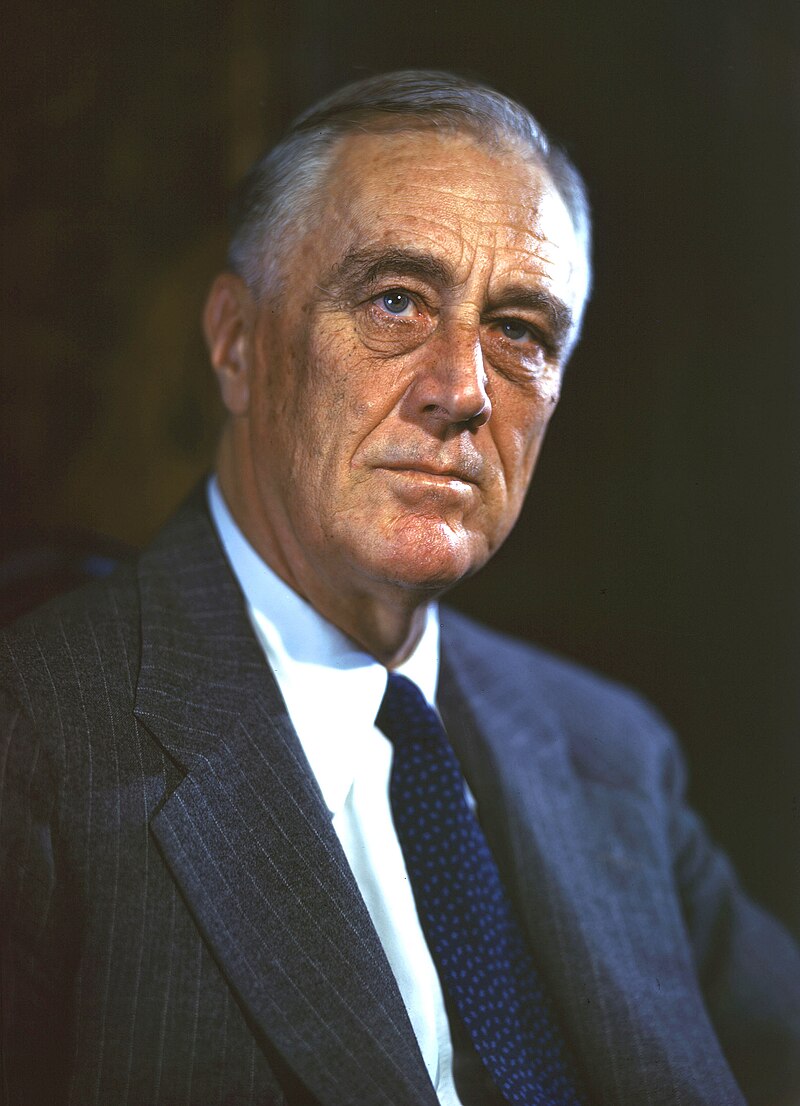
Niall Ferguson is referenced for his historical perspective on U.S. presidents facing challenges in their second terms.
Oriente Occidente di Rampini | Com'è debole Donald Trump. Com'è forte la sua AmericaItaly· 2026-02-23
Historian Niall Ferguson refers to the midterm punishment of the president as 'the itch of the sixth year'.
Oriente Occidente di Rampini | Perché la bocciatura dei dazi è un colpo verso il voto di novembre. L'Età dell’Oro si infrange contro numeri e giudiciItaly· 2026-02-21
Ferguson suggested that Trump's actions might distract from more important issues.
Oriente Occidente di Rampini | Perché Trump ha insultato i soldati italiani e offeso tutte le destre?Italy· 2026-01-25
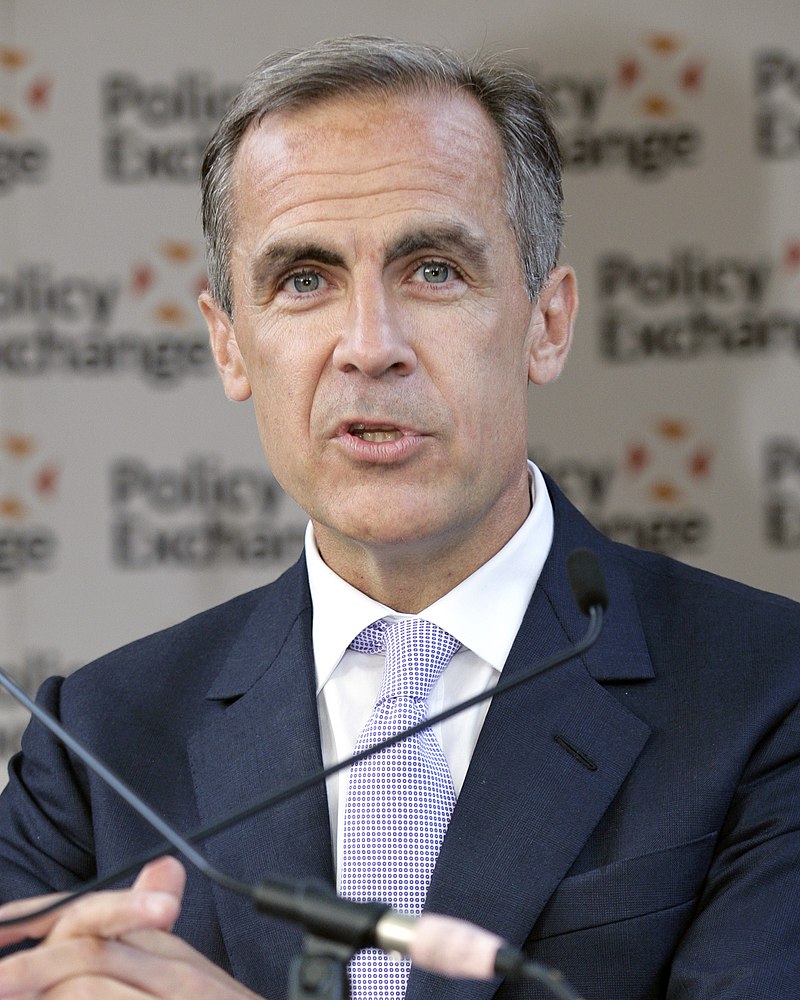
Niall Ferguson is described as one of the greatest contemporary historians and a conservative voice at The Free Press.
Oriente Occidente di Rampini | «Trump come il bullo e il mingherlino». Ecco perché la Groenlandia può essere il suo errore fataleItaly· 2026-01-20
Historian Niall Ferguson comments on the chronic misconduct in Venezuela.
Oriente Occidente di Rampini | Dietro la prepotenza di Trump in tutto l'emisfero occidentale c'è un Roosevelt (Teddy)Italy· 2026-01-20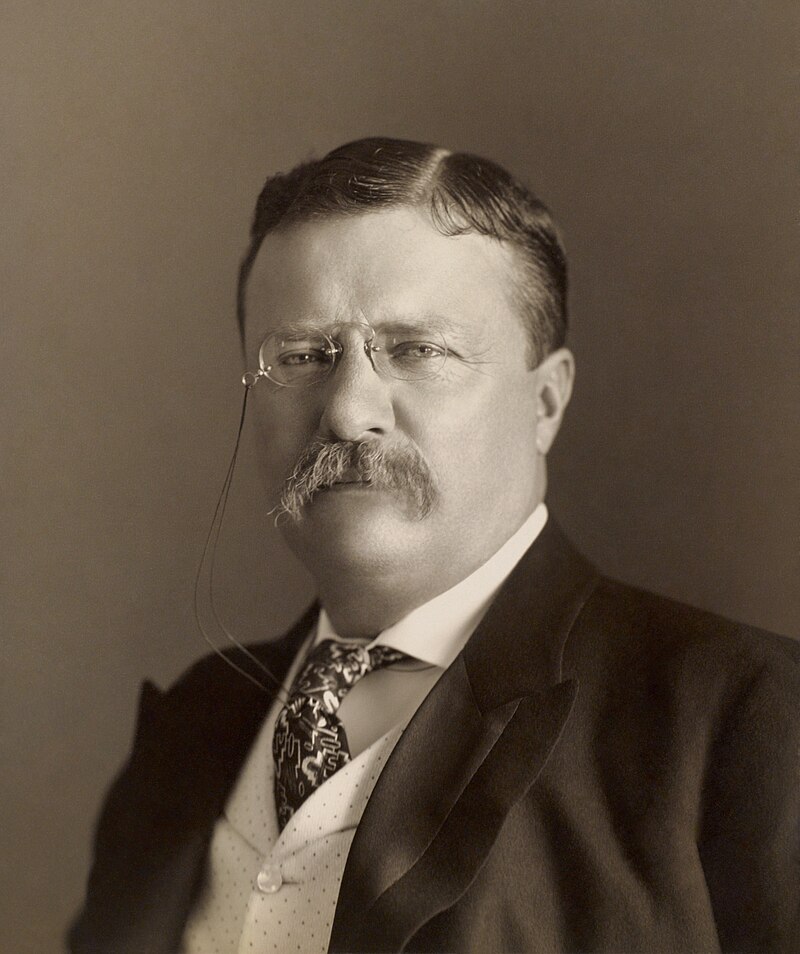

Niall Ferguson is one of the leading historians of contemporary economics.
Lo storico Niall Ferguson: «Sul piano di pace per l’Ucraina Trump si sta assumendo dei rischi. L’Europa vive in un mondo illusorio»Italy· 2025-11-26
Niall Ferguson is a prominent British and American historian who discussed the economic implications of Ukraine's victory.
Kodėl JAV ekonomiškai būtų naudinga Ukrainos pergalė? | Verslas Lithuania· 2025-11-21

Historian Niall Ferguson dubbed the relationship between the US and China as 'Chimerica'.
The return of the G-2 duopoly: US, China embrace leaves India out in the cold India· 2025-11-02
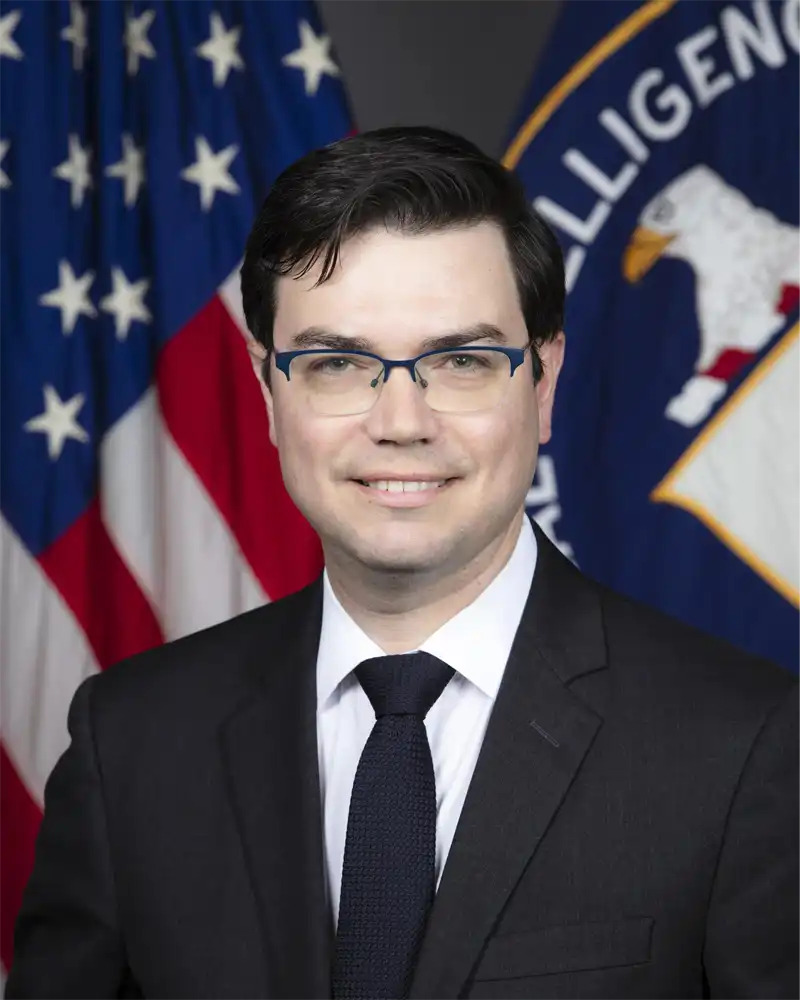
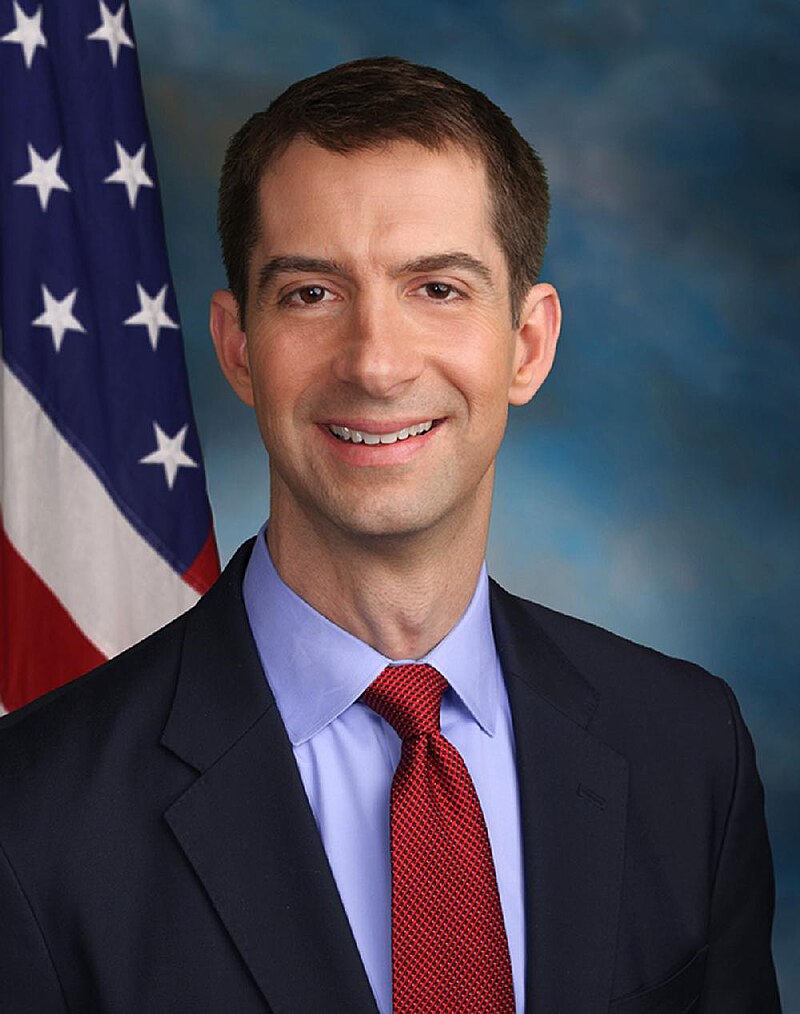
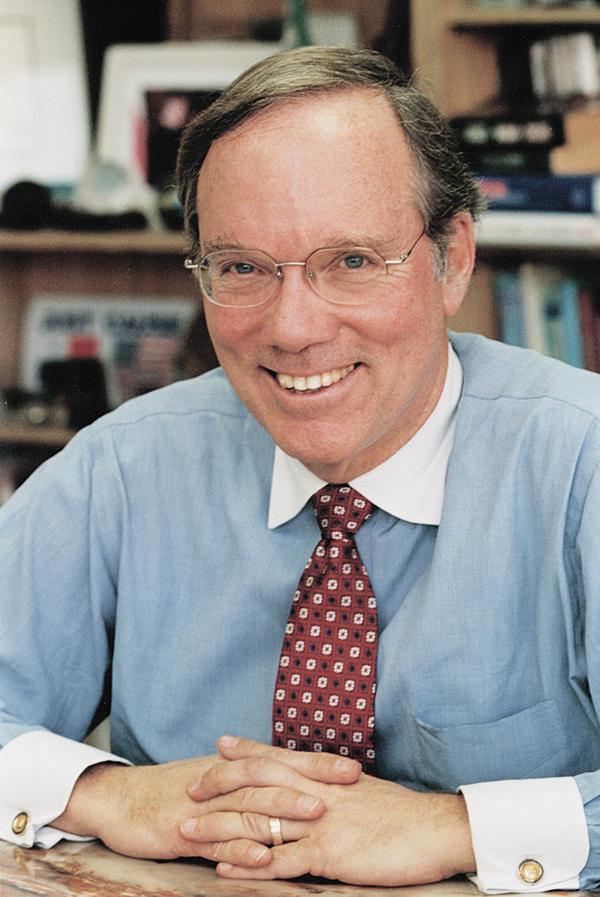
Niall Ferguson is a senior fellow at Stanford and Harvard, and the co-founder of the University of Austin, making the argument that universities need to ban AI from the classroom.
AI is upending higher education. Is that a bad thing?Canada· 2025-10-20




Niall Ferguson is a historian who criticized the neglect of historical ties between Ukraine and Russia.
Potpuna pobjeda u Gazi je zabluda Montenegro· 2025-10-10
Niall Ferguson criticized the lack of attention to Ukraine's historical relationship with Russia.
La victoria total en Gaza es una ilusión | Opinión Spain· 2025-10-10

The conservative historian Niall Ferguson flew to Buenos Aires to interview Argentina’s president and celebrate the 'stunning recovery' his 'shock therapy' had produced.
Burning down the house: Milei plays rock star as Argentina economy crashes | Javier Milei United Kingdom· 2025-10-07



Niall Ferguson is a big name contributor to The Free Press.
Ex-New York Times writer Bari Weiss to lead CBS after Paramount dealUnited Kingdom· 2025-10-06
Niall Ferguson declared Milei's economy a 'man-made miracle.'
Farage, Trump, Musk: your boy Javier Milei just took one hell of a beating. Why so quiet? | Aditya ChakraborttyUnited Kingdom· 2025-10-02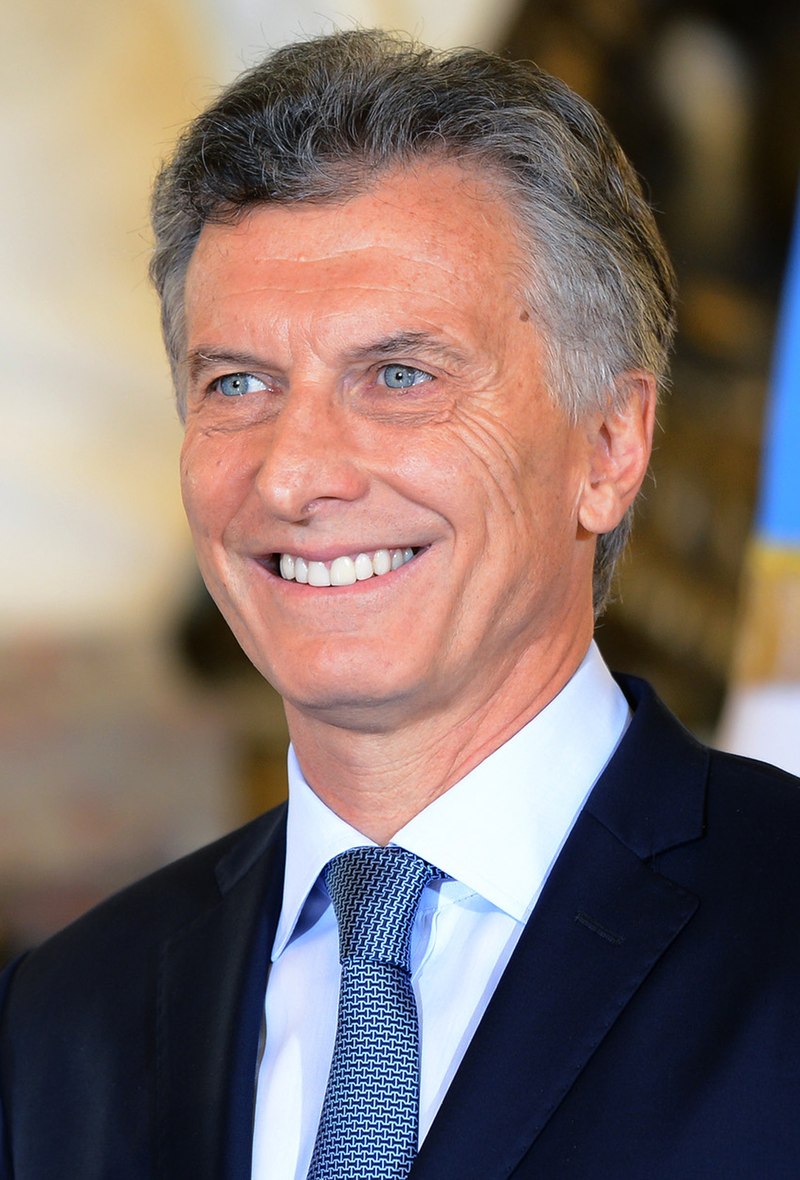
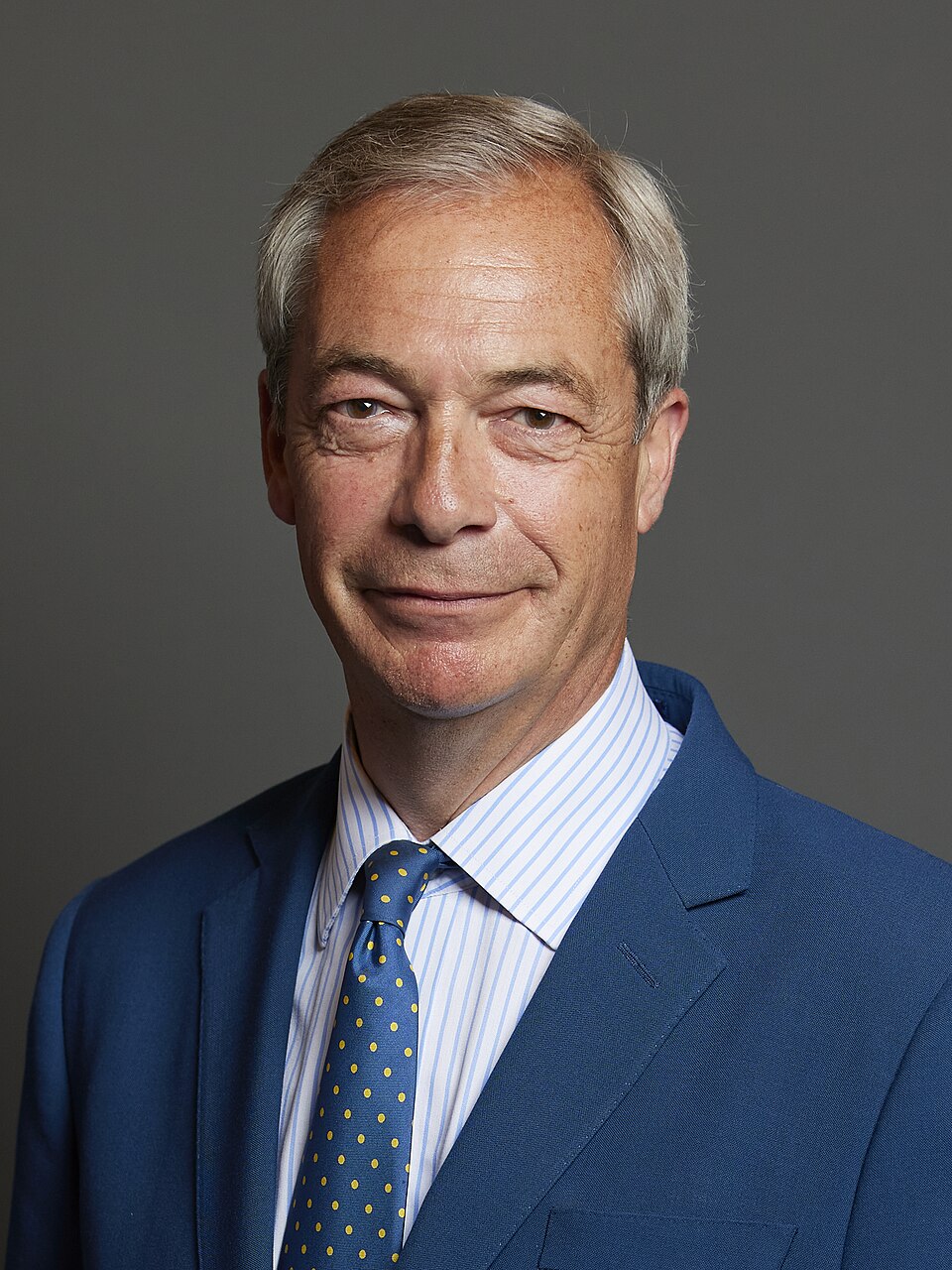
Niall Ferguson is a historian, senior fellow at Stanford and Harvard, and the co-founder of the University of Austin.
Is AI the learning tool of the future, or should we be worried about its use in higher education?Canada· 2025-09-24
Niall Ferguson is a British historian and analyst who warns about the political trends benefiting Putin.
„Scopul final al lui Putin este să spargă NATO”, susține analistul britanic Niall FergusonRomania· 2025-09-17Niall Ferguson is recognized for calling Geoffrey West the world's smartest person.
Index - Kultúr - Böszörményi-Nagy Gergely: Földönkívülinek kell lenni ahhoz, hogy semleges szemlélők maradjunk Hungary· 2025-09-16




Niall Ferguson is a British historian who commented on the support for Ukraine at the YES conference.
Romania says Russian drone entered its airspace near Ukrainian borderCanada· 2025-09-14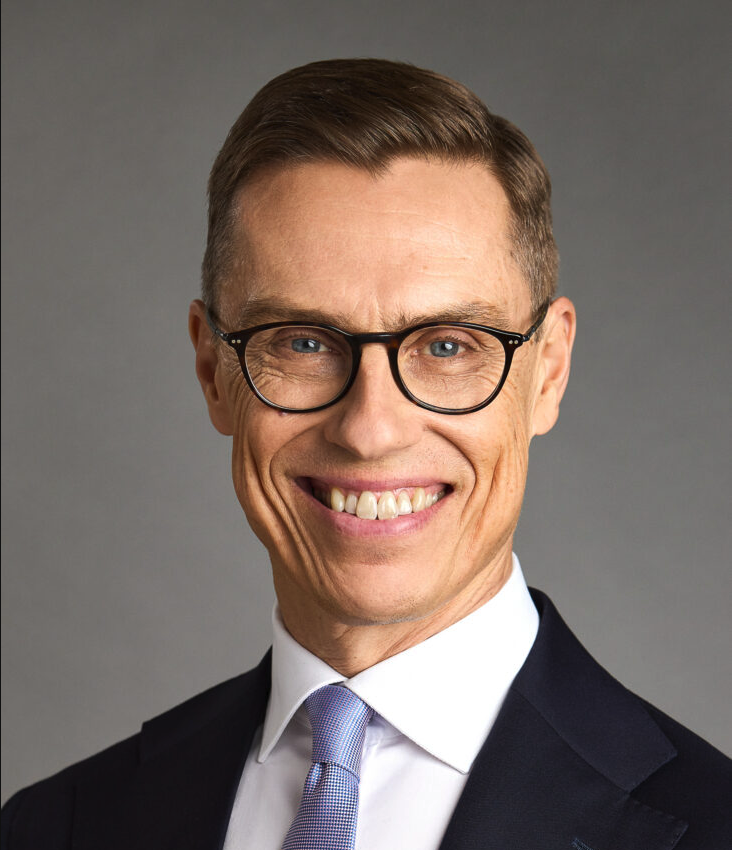
Niall Ferguson is a British historian who had an inspiring conversation with Javier Milei about economic reforms.
En una charla con un historiador británico, Javier Milei aseguró que planea "bajar impuestos" y abrir la economía sin desempleo Argentina· 2025-08-06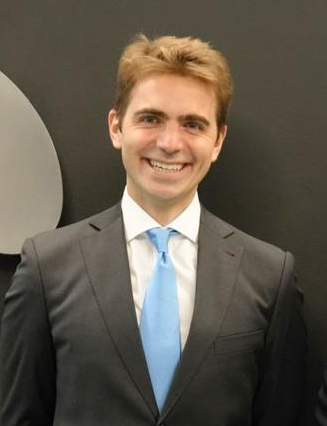
Niall Ferguson discussed the evolution of money in his work.
Τα λεφτά μας πίσω, ρε… Greece· 2025-07-24
Niall Ferguson discussed the economic transformations that occur as countries industrialize.
Neue Gedanken zu den Gesetzen der WirtschaftSwitzerland· 2025-07-07